
TL;DR

Get kitchen staples and gadgets delivered free with Prime
- Fast, free delivery on millions of items
- Prime Video, Amazon Music and more included
- Member-only deals all year
Asti is a useful base for exploring Piedmont’s food and wine, from bagna càuda and filled pasta to Moscato d’Asti DOCG and Nocciola Piemonte IGP hazelnuts. Learn how to tell Moscato d’Asti from Asti DOCG, what to order through the seasons, and how to plan visits to the region’s spread-out wine hills.
Order agnolotti or tajarin to taste Asti’s filled and fine egg pastas; ask about meat stock if you need vegetarian food.
Moscato d’Asti DOCG is typically sweet and gently sparkling, while Asti DOCG is more fully sparkling and varies in sweetness.
Look for Tonda Gentile Trilobata hazelnuts labeled Nocciola Piemonte IGP, and remember hazelnuts are a common tree-nut allergen.
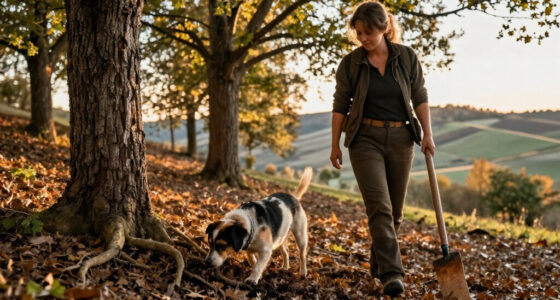
Ask restaurants what is seasonal; truffles, mushrooms, asparagus, and game depend on the time of year.
Arrange transport and confirm winery hours before planning a day across the spread-out wine hills.
Taste Asti and its hills One region, many flavors
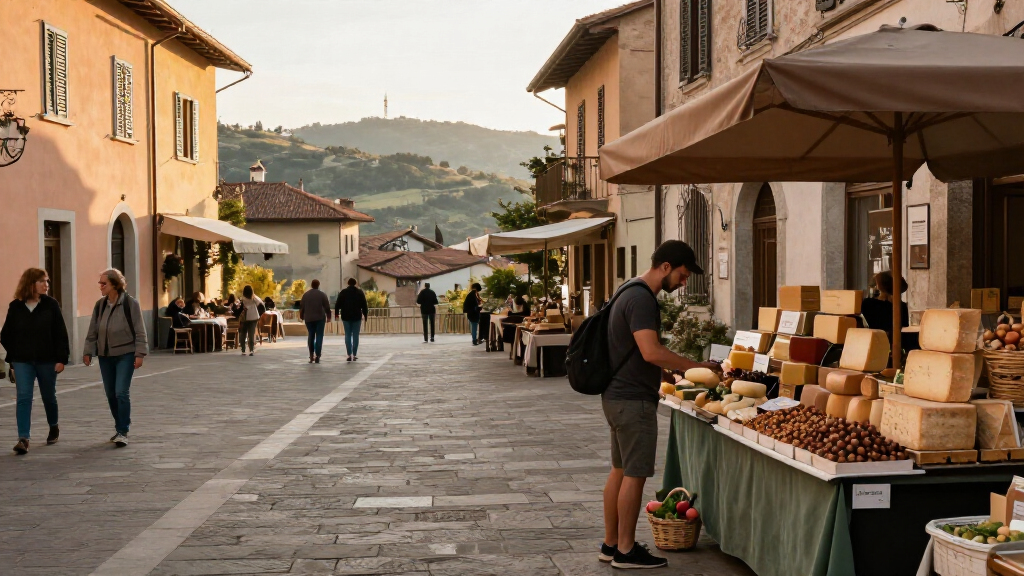
Use Asti as a base for seasonal Piedmont cooking, two distinct Moscato wines, and hazelnuts with a protected regional designation.
Start with Asti’s table
Choose a few local specialties and ask what is seasonal.
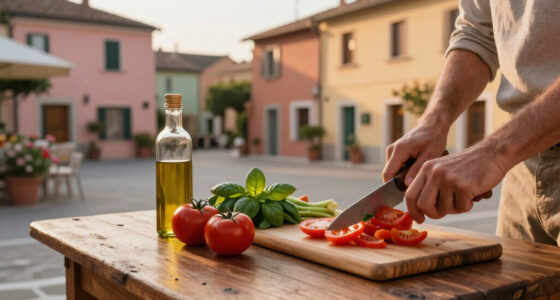
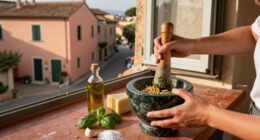
Bagna càuda
A warm garlic, anchovy, and olive oil dip served with vegetables; ask about anchovies if you avoid fish.
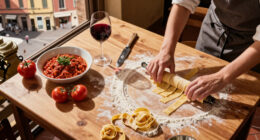
Agnolotti & tajarin
Try filled parcels or fine egg noodles; ask about meat stock if you need a vegetarian meal.
Ask what’s available
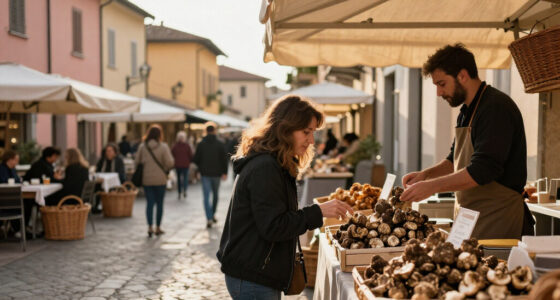
Mushrooms, asparagus, game, and truffles appear when in season and available locally.
Read the wine label
Both wines use Moscato Bianco, but their sparkle and sweetness differ.
| Wine | Style | Try it with |
|---|---|---|
| Moscato d’Asti DOCG | Sweet, gently sparkling, often lower in alcohol | Fruit and pastries |
| Asti DOCG | More fully sparkling; sweetness styles vary | Dessert or a celebratory toast |
Look for the hazelnut designation
Piedmont’s Tonda Gentile Trilobata hazelnuts are prized for flavor and texture.
- Nocciola Piemonte IGP on the label
- Roasted nuts or local hazelnut pastries
- Ask how nuts were prepared
- Hazelnuts are a common tree-nut allergen
Plan for the hills
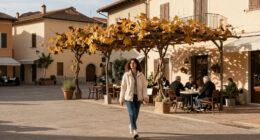
Vineyards and villages are spread across the wine country around Asti.
Build meals around what is available locally, especially in autumn.
Restaurant opening days and winery visiting hours vary; confirm before you go.
A car or arranged ride can make visits across the hills easier.
Start your Asti meal with the dishes locals return to
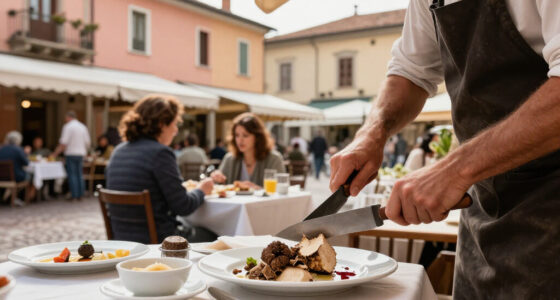
Food and dining experiences in Piedmont often begin with dishes built for sharing and follow with pasta shaped by hand. In Asti, look for bagna càuda, agnolotti, tajarin, and vitello tonnato; together, these specialties show how the region balances rich cooking with vegetables, meat, and seasonal ingredients. Ask what the kitchen is serving from nearby farms that day. Bagna càuda is a warm dip of garlic, anchovies, and olive oil, traditionally shared with raw or cooked vegetables, especially in cooler months. The scent of garlic rises from the pot as you reach for a crisp pepper or tender piece of cooked cabbage. Because anchovies are part of the sauce, it is not vegetarian; ask before ordering if you avoid fish. For a pasta course, agnolotti are small filled parcels often served with roast-meat sauce or butter and sage. Tajarin are fine egg noodles, sometimes enriched with extra yolks, and may come with butter, meat sauce, or white truffle when available. A traveler having lunch in town might choose tajarin with butter and a glass of local wine, then save room for a slice of hazelnut cake. Vitello tonnato pairs chilled sliced veal with a tuna-based sauce. It can be a refreshing start on a warm day, while local cheeses such as robiola offer a softer, milky finish to a tasting plate. Menus vary by producer and season, so ask whether the dish is made in-house and what the kitchen recommends that day.Products Worth Considering

Dyson Supersonic Travel Hair Dryer

Sonos Beam Ultra Dolby Atmos Soundbar, Black

eufy Security 4G LTE Cam S330 4K Solar Outdoor Camera with Pan and Tilt, AI Tracking, SIM Card and 32GB SD Card
As an affiliate, we earn on qualifying purchases.
Choose Moscato d’Asti or Asti by reading the label
Food and dining experiences in Piedmont often include a sparkling wine made from Moscato Bianco, but Asti DOCG and Moscato d’Asti DOCG are distinct styles. Moscato d’Asti is typically sweet, gently sparkling, and lower in alcohol than many table wines; Asti is more fully sparkling and comes in different sweetness styles. Check the full name on the bottle before you order.| Label | What to expect | Try it with |
|---|---|---|
| Moscato d’Asti DOCG | Sweet, aromatic, gently sparkling; often lower in alcohol | Fresh peaches, fruit tarts, and pastries |
| Asti DOCG | More fully sparkling; sweetness styles vary | Desserts or a celebratory toast, depending on the style |
Taste Nocciola Piemonte IGP beyond chocolate spread
Food and dining experiences in Piedmont include hazelnuts in pastries, roasted snacks, chocolate, and even some savory dishes. The nut most closely associated with the region is Tonda Gentile Trilobata, valued for its flavor and texture. Nocciola Piemonte IGP identifies hazelnuts grown in specified areas under production rules, giving you a useful label to look for at a farm shop or specialty food store. Chocolate and hazelnut make an easy first taste, but a plain roasted nut shows more of the ingredient’s own character. Look for a bag of roasted hazelnuts at a market, then compare it with a slice of local hazelnut cake at a café. The nut’s warm, toasted aroma and crisp bite can stand on their own, without chocolate covering them up. You can bring that pairing home. Serve roasted hazelnuts with a piece of dark chocolate after dinner, or crush them over roasted vegetables for a savory finish. If you’re buying a packaged product, check the label for Nocciola Piemonte IGP when you want the protected regional designation. Recipes and shop offerings differ, so ask whether the hazelnuts are local and how they were prepared. Hazelnuts are tree nuts and a common allergen. If you’re sharing a dessert with someone who has an allergy, ask staff about ingredients and possible cross-contact; a cake that looks simple may also contain flour, eggs, or dairy. For a food souvenir, a sealed bag of whole roasted nuts travels more easily than a fragile pastry.Plan your menu around the season, not a fixed checklist
Food and dining experiences in Piedmont change with the season, so plan meals around what is available rather than expecting every specialty on every menu. Autumn draws visitors for harvest atmosphere and seasonal dishes, while spring and summer bring their own countryside appeal. Truffles, mushrooms, asparagus, and game depend on the time of year and local supply.- Ask what’s seasonal. At lunch, ask whether mushrooms or truffles are available today instead of assuming they’re on the menu year-round.
- Build a meal around a local specialty. Try bagna càuda when the weather turns cool, or choose chilled vitello tonnato on a warm afternoon.
- Leave room for a regional finish. Order fruit or pastries with Moscato d’Asti, or choose a hazelnut dessert when you see one.
- Check opening days and book ahead. Popular restaurants and tastings may need reservations, and small producers can have limited visiting hours.
Use Asti as your base for the surrounding wine hills
Asti is a useful base for exploring nearby wine country because the city gives you a place to eat and stay while vineyards and villages stretch across the surrounding hills. The Langhe-Roero and Monferrato vineyard landscape is recognized as a UNESCO World Heritage cultural landscape, shaped by generations of cultivation. A day trip can connect a winery visit with a village meal and a stop for local hazelnuts. The hills are spread out, so a car or arranged transport can make an itinerary easier. If you’re planning tastings, map the winery locations before you book and leave time for the drive between them. An organized tour may suit you if you want to sample wines without driving; local transport serves some routes, but coverage and schedules vary. Here’s a practical sequence: choose one or two wineries near each other, confirm tasting hours directly, and reserve lunch in a nearby village. Then leave part of the afternoon free for a market or farm shop. Trying to cross too many valleys in one day can turn a leisurely wine trip into a string of rushed appointments. The vineyards reward a slower pace. Rows of vines climb the slopes toward hilltop villages, and a cellar visit gives you a closer sense of how local families have worked the landscape over generations. Seasonal events can add to the atmosphere, especially around harvest, but dates and access change each year. Confirm plans locally before you travel.Make a short food itinerary that still feels like Piedmont
You can make a satisfying Asti food itinerary in one day by choosing a few regional tastes and leaving breathing room between them. A small number of well-chosen stops lets you notice the food rather than racing through a checklist. Start with a meal in Asti, then spend the afternoon in the hills if you have transport arranged.- Begin with lunch in Asti. Look for seasonal menus and order agnolotti or tajarin; ask whether the sauce contains meat stock if you need a vegetarian option.
- Choose a cheese or vegetable course. Try local robiola or ask whether bagna càuda is available, keeping in mind it contains anchovies.
- Visit one winery by appointment. Taste Moscato d’Asti and Asti side by side so you can compare the gentler sparkle with the fuller fizz.
- Finish with hazelnuts. Stop at a market, farm shop, or café for roasted Nocciola Piemonte IGP or a hazelnut pastry.
Frequently Asked Questions
What foods is Asti best known for?
Try bagna càuda, agnolotti, and fine egg pasta called tajarin. Vitello tonnato, local cheeses such as robiola, and seasonal dishes are also good choices; ask what the kitchen is serving that day.
What is the difference between Asti and Moscato d’Asti?
Both are made from Moscato Bianco. Moscato d’Asti DOCG is usually sweet and gently sparkling, while Asti DOCG has more pronounced bubbles and comes in different sweetness styles. Read the full label or ask your server about the bottle.
What should I pair with Moscato d’Asti?
Its sweetness and floral, grape aromas pair naturally with fruit, pastries, and desserts. Try it chilled with a fruit tart or ripe peaches. It can also work with mildly spicy or salty foods, depending on the dish.
When should I visit Asti for food and wine?
Autumn is popular for harvest atmosphere and seasonal ingredients, but spring and summer offer vineyard scenery and their own menus. Availability varies: truffles, mushrooms, and other ingredients depend on the season, and event dates change from year to year.
Do I need a car to visit wineries near Asti?
A car or arranged transport helps because wineries and villages are spread across the hills. Organized tours can suit visitors who want to taste without driving; check local transport routes and winery appointment requirements before you set out.
Can I find vegetarian food in Asti?
Yes. Look for vegetables, cheeses, and pasta, but ask how each dish is prepared: sauces may contain meat stock, and bagna càuda contains anchovies. Staff can tell you whether a dish can be prepared without those ingredients.