
TL;DR

Get kitchen staples and gadgets delivered free with Prime
- Fast, free delivery on millions of items
- Prime Video, Amazon Music and more included
- Member-only deals all year
Estate di San Martino means “St Martin’s summer,” a traditional name for a short spell of mild, often sunny weather around November 11. It is not guaranteed or governed by a special date-specific weather pattern, so plan for regional variation and autumn conditions while enjoying local food, wine, and customs if your visit coincides with the feast.
In Italy, November can offer you a bright afternoon that feels like autumn has briefly misplaced its coat. People may call that welcome pause estate di San Martino, or “St Martin’s summer,” a familiar expression tied to November 11 and the feast of St Martin of Tours.
The name sounds like a forecast, but it is closer to a bit of seasonal folklore than a promise. You could find soft sunshine on a Tuscan hillside, rain in Liguria, and snow threatening higher Alpine roads at the same time. Italy is long, mountainous, and weather rarely takes orders from the calendar.
Here, you’ll learn what the phrase means, how the saint’s legend became attached to it, why a mild spell can happen, and how to plan a November trip without packing for summer. You’ll also see how to make room for local food and wine traditions without mistaking one town’s custom for a nationwide celebration.
Estate di San Martino means “St Martin’s summer” and refers to a short, mild spell traditionally associated with November 11.
The phrase is folklore and seasonal language, not an official weather event with fixed dates, duration, or temperature limits.
Late-autumn mild weather can come from changing air flows and high pressure; the saint’s feast day does not cause it.
Italy’s regions and elevations can experience very different conditions on the same day, so check forecasts for each stop.
Local food, wine, and feast-day customs vary; ask what a particular town celebrates rather than assuming one tradition is nationwide.
Estate di San Martino A mild spell, not a forecast
“St Martin’s summer” describes a brief late-autumn break traditionally linked to November 11. It is seasonal folklore, not a promise of warm weather across Italy.
What the phrase means
It names a short, mild and often sunny spell around the saint’s feast day, but the weather may arrive earlier, later, or not at all.
- “St Martin’s summer” is the literal meaning.
- The popular legend links the mild weather to Martin sharing his cloak with a beggar.
- Changing air flows and high pressure can bring milder air and clearer skies.
- The date itself does not cause the warmth.
One country, different conditions
Region, elevation and local surroundings shape what a November day feels like.
| Destination | Possible conditions | Plan ahead |
|---|---|---|
| Central hill towns | Sunny walks, cool shade | Layer up for mornings and evenings |
| Coastal towns | Bright skies, wind or showers | Keep a sheltered indoor option |
| Alpine areas | Cold or winter-like conditions | Check mountain forecasts and road conditions |
| Large northern cities | Changeable days and sunny breaks | Pair outdoor visits with indoor options |
Make room for local customs
San Martino may be marked with seasonal dishes, local celebrations or new-wine tastings, but customs differ between communities.
Look up a local forecast close to your travel date; one region’s sunshine does not predict another’s weather.
Bring a warm layer and prepare for damp or chilly conditions, even if an afternoon looks inviting.
Enjoy food, wine and feast-day traditions without assuming one town’s custom is nationwide.
What Estate di San Martino means for your November plans
Estate di San Martino means “St Martin’s summer”: a short spell of mild, often sunny weather traditionally associated with the days around November 11. It is a familiar seasonal expression, not a formal meteorological event, and it has no fixed duration or temperature threshold. In everyday conversation, someone might use it for a pleasant November interlude even if the sunshine arrives a little before or after the saint’s feast day.
That distinction matters when you plan a trip. A traveler in Bologna might get a crisp morning and a bright, comfortable afternoon, while a friend in the Dolomites faces colder air and early winter conditions. The expression describes a hope and a pattern people recognize, not a promise that every Italian region will warm at once.
The English translation can also be slippery. “Indian summer” is often used for it, but English speakers use that phrase differently depending on place and custom. “St Martin’s summer” is the more literal translation and preserves the link to the calendar. If you hear an Italian say estate di San Martino, they may be naming the weather, the season’s mood, or simply a lovely sunny day that feels out of place in November.
Think of the phrase as a small window in the year rather than a season you can book. You can hope for an outdoor lunch in Umbria, but keep a covered-market visit or a museum in reserve. That way, a mild spell becomes a bonus rather than the whole trip’s foundation.
Products Worth Considering

Philips Hue Festavia 65-Foot Smart LED String Lights, 250 Color-Changing Mini LEDs

Dyson Omni-Glide Cordless Stick Vacuum, Gold/Iron

Google Nest Learning Thermostat (4th Gen) with Nest Temperature Sensor (2nd Gen), Silver
As an affiliate, we earn on qualifying purchases.
Why St Martin’s kindness became a weather legend
Estate di San Martino is linked to St Martin of Tours, a fourth-century Christian saint whose feast day falls on November 11. A popular legend says Martin was a Roman soldier who met a poorly dressed beggar and cut his cloak in two to share it. After this act of kindness, the weather supposedly turned mild. The story helps explain the saying’s name, but it is a legend, not a scientific account of November weather.
The image is easy to remember: a soldier’s red cloak split against a cold sky, then sunlight returning as if the day itself wanted to reward generosity. That story gives a brief warm spell a human shape. Instead of treating the weather as a random change, people can connect it to a saint’s feast and a memorable act of care.
For a visitor, the legend offers a useful way into local culture without requiring you to treat every detail as history. If you’re walking through a small town on November 11 and see a church celebration or a market stall marking the day, ask a local guide how the custom works there. Traditions vary, and the answer may be about a parish procession, a seasonal meal, or simply the saying people grew up hearing.
Keep the two explanations separate: the legend explains the name, while changing air flows and areas of high pressure can help explain a real mild spell. Mixing them up turns a lovely bit of folklore into a false weather claim. You can enjoy the cloak story for what it is and still check the forecast before setting out.
How a November warm spell can happen without magic
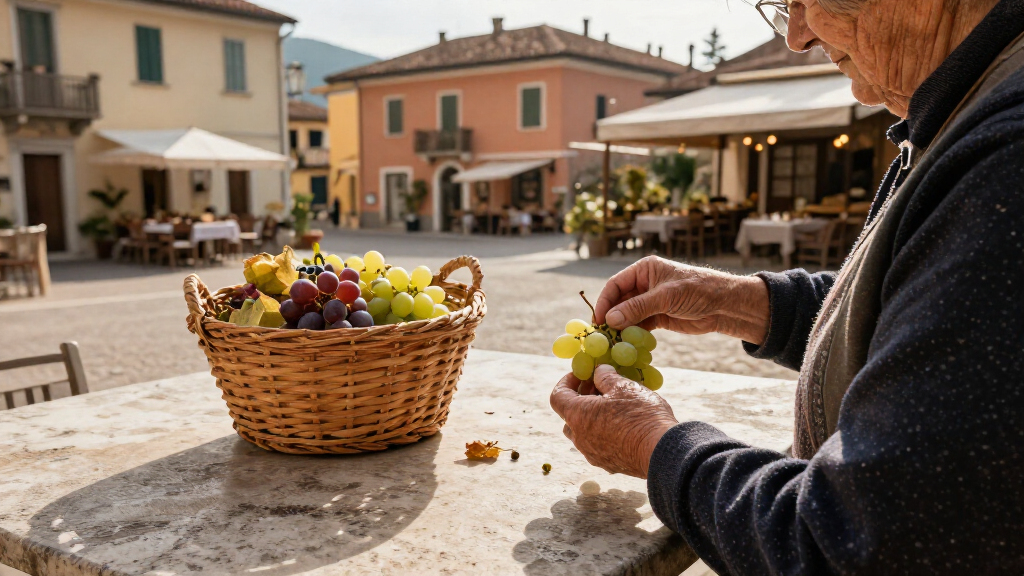
Estate di San Martino weather happens when late-autumn conditions briefly bring milder air and more settled skies; November 11 itself does not cause the warmth. Shifts in air flows and areas of high pressure can create a short run of brighter, softer days. The exact setup changes from year to year, so the saying cannot tell you whether the spell will arrive, how warm it will feel, or how long it will last.
A high-pressure system can act like a quiet lid, helping skies clear for a while, while a change in wind direction can bring air that feels milder than the recent cold. But local geography changes the experience. On a sunny street in Florence, stone buildings may hold a little warmth; in a shaded Alpine valley, the afternoon can still feel cold even under blue skies.
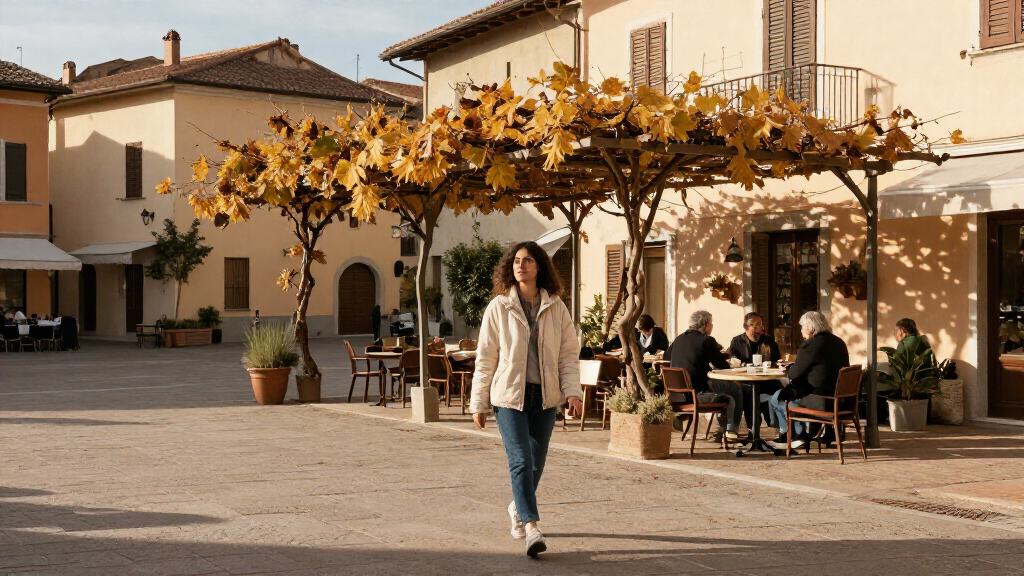
Here’s a practical example: you have a November lunch reservation outdoors in a hill town in Tuscany. The forecast says sunny afternoons, but the morning starts chilly and the evening cools quickly. Bring a warm layer, choose a table that can move indoors, and treat an extra hour of sunshine as a gift rather than a guarantee.
There is no universal national temperature that officially qualifies as St Martin’s summer. Nor does a mild spell mean winter has been canceled. The best response is to read a local forecast close to your travel date, check conditions for each destination, and plan clothing for both sun and damp chill. A compact umbrella and a warm layer earn their space even when the afternoon looks inviting.
Why one Italian November feels different from another
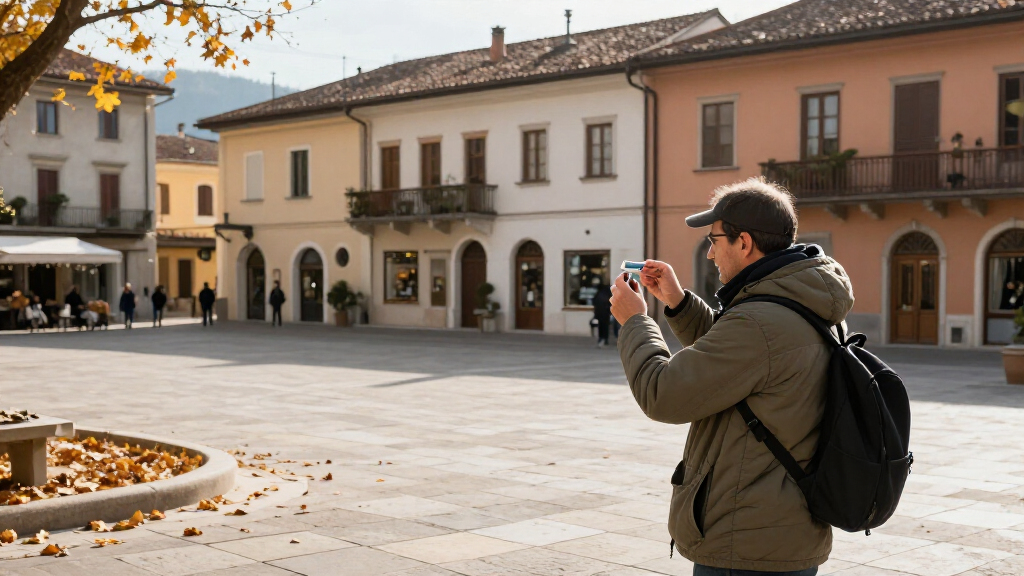
Estate di San Martino does not arrive evenly across Italy because elevation, coastlines, and regional weather shape what you feel. A mild afternoon in one place can coincide with rain or cold somewhere else. For a November trip, compare the kind of landscape you want to visit and keep your daily plans flexible.
| Type of destination | What a mild spell may feel like | A practical November plan |
|---|---|---|
| Central Italian hill towns | Sunny walks, cool shade, and brisk mornings | Plan a midday stroll and keep a warm layer for dinner |
| Coastal towns | Bright sea views, with wind or showers still possible | Check the wind and save a sheltered café or museum for wet weather |
| Alpine and high-elevation areas | Cold air and winter-like conditions may persist | Check local mountain forecasts and road conditions before driving |
| Large northern cities | Changeable days, with cool mornings and some sunny breaks | Pair outdoor sightseeing with indoor options nearby |
This is a planning guide, not a forecast for every town in a region. Two neighborhoods in the same city can feel different when one sits in open sun and the other in a narrow, shaded street. A short drive uphill can change the temperature and the road conditions, too.
If your trip includes Rome and the Dolomites, don’t pack as though both will share the same mild afternoon. Check each stop separately, especially when traveling at elevation. The visual contrast can be part of the pleasure: café tables in the sun at one stop, a scarf pulled close against mountain air at the next.
How to plan a November visit without betting on sunshine
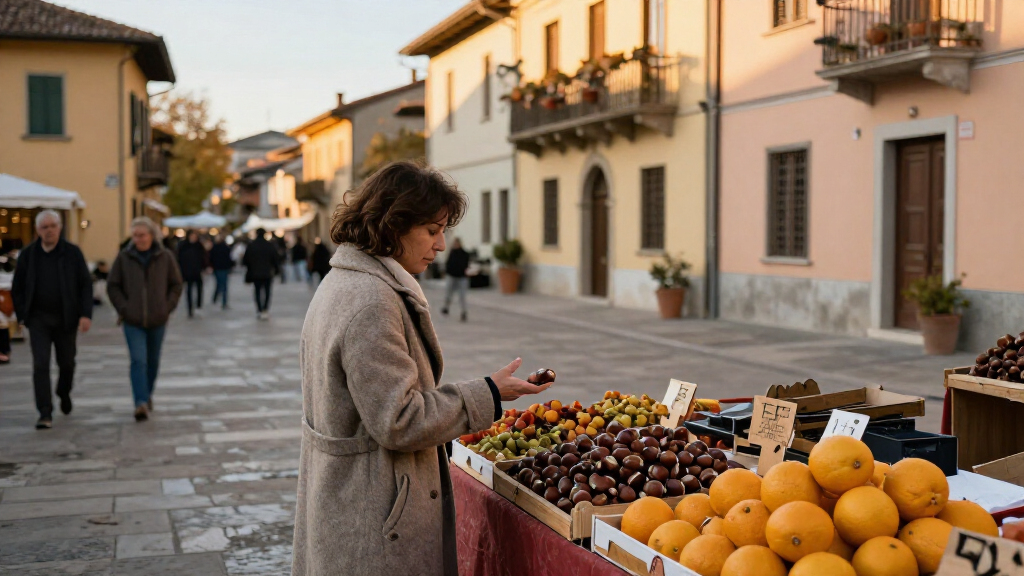
Estate di San Martino is a lovely reason to visit Italy in November, but it should not be your only weather plan. You can make the most of a mild spell by checking a local forecast, packing layers, and building a weather-proof option into each day. These steps work whether you get golden sunshine or a stretch of drizzle.
- Choose destinations for more than the forecast. Pick a town for its food, architecture, museums, or landscapes, not only for a hoped-for warm day. For instance, a visit to Siena can still reward you with its streets and civic buildings if clouds cover the hills.
- Check the forecast close to departure. Look at the specific town and elevation, not just a broad label such as “Tuscany.” Conditions in a coastal village and a mountain pass can differ sharply.
- Pack for changing hours. Bring layers that work for a cool morning, a sunny afternoon, and a chilly evening. A light rain jacket is more useful than assuming a warm spell will last all day.
- Plan one indoor alternative per day. Pair an outdoor walk with a museum, covered market, church, or long lunch. If rain arrives, you can change plans without losing the day.
- Leave mountain driving flexible. Check local road and weather updates before setting out, particularly at higher elevations. A sunny city morning does not tell you what the pass will look like.
Imagine you have one day in Perugia. You could take a morning walk through the historic center, pause for lunch if the sun holds, and keep a museum or a café in reserve if a shower moves in. The plan still feels generous because the pleasure comes from the place, not just the temperature.
For outdoor activities, use the conditions you actually meet. Damp stone streets can be slippery, and a warm afternoon does not make exposed trails safe if the forecast turns. A little flexibility helps you enjoy the season without asking November to behave like May.
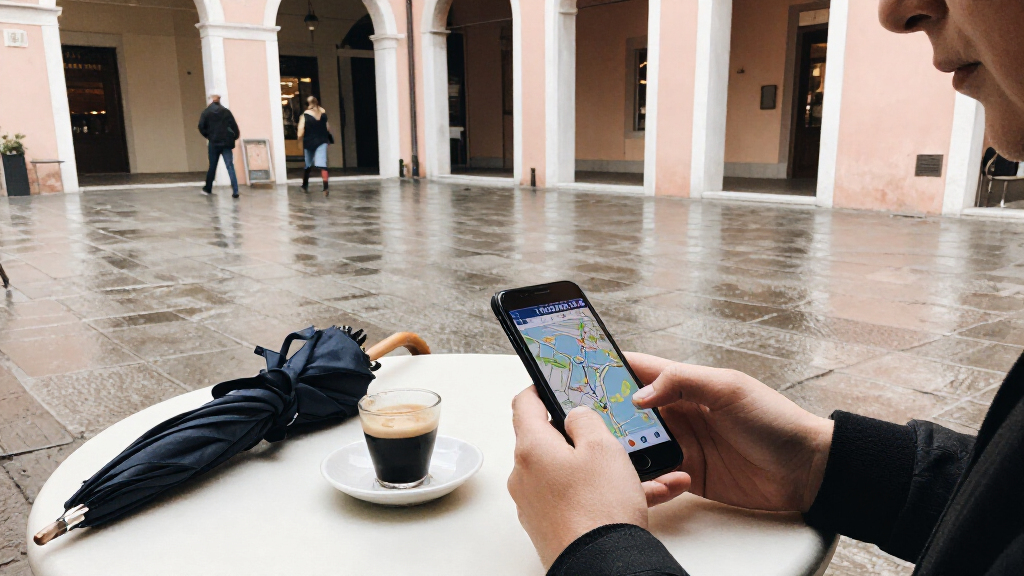
What to taste when St Martin’s season meets the table
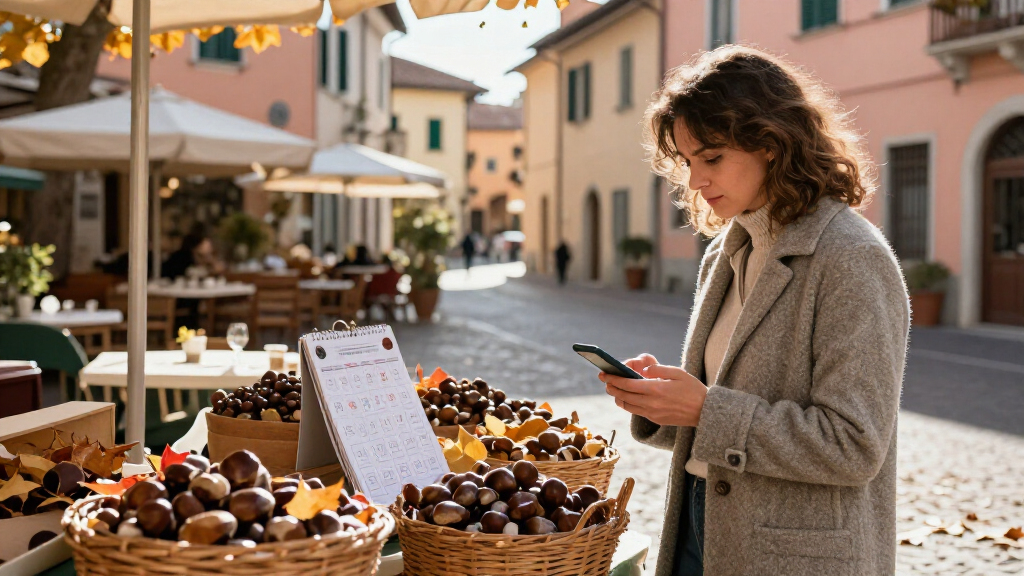
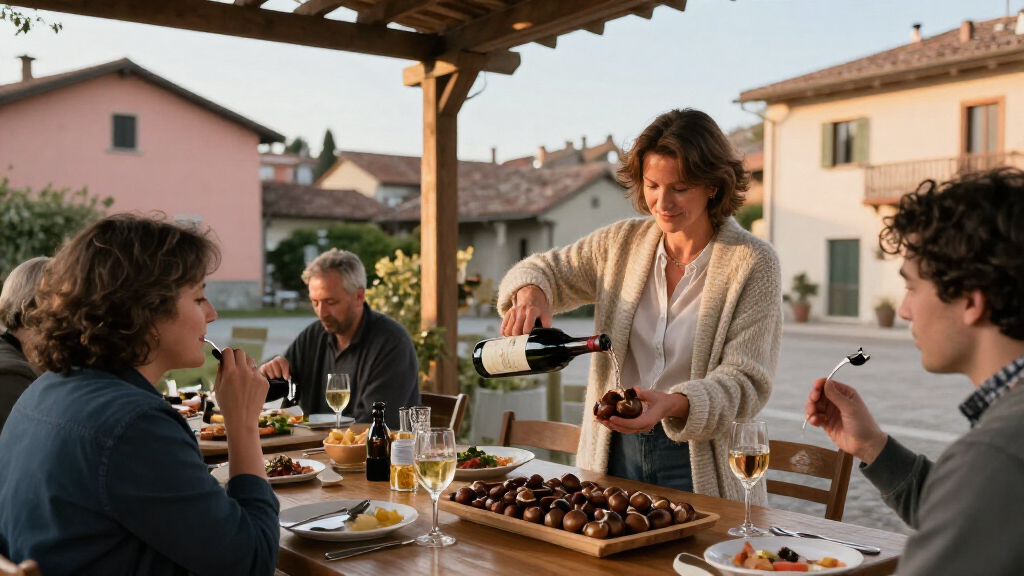
St Martin’s season can bring local food, wine, and harvest customs into your November itinerary, but no single celebration represents all of Italy. Some communities mark the feast day with seasonal dishes, local festivals, or tastings of new wine. Customs vary from one place to another, so treat a town’s event as a regional invitation rather than a nationwide rule.
In practice, the best way to experience the tradition is to ask what is local when you arrive. A market vendor, restaurant owner, or visitor center can tell you whether nearby producers or a village association are holding a seasonal event. The answer may be a small tasting, a special menu, or no formal celebration at all.
If a restaurant offers wine, ask what it is and where it comes from rather than assuming “new wine” means the same thing everywhere. Wine has alcohol, so tastings are for adults; drink responsibly, arrange a safe way back, and choose a nonalcoholic drink if that suits you better. A leisurely meal can still be the center of the day without turning the visit into a drinking itinerary.
Food also gives you a dependable November pleasure when the sky refuses to cooperate. A covered market or a warm dining room can be as memorable as a sunny square, especially when the windows show wet cobblestones and the room smells of a slow-cooked local dish. Ask which ingredients are in season and what the kitchen recommends that day; you’ll get a more rooted meal than by searching for a single dish supposedly eaten all across Italy on November 11.
How to use the phrase naturally—and avoid a common mix-up
Estate di San Martino is a familiar seasonal expression Italians can use for a pleasant, mild spell around November 11, even when the weather does not land exactly on that date. It also carries a cultural meaning: a brief return of brightness when winter seems close. If you hear it in conversation, you’re hearing both a comment about the sky and a reference to a shared calendar tradition.
The phrase connects with similar European sayings about mild weather around St Martin’s feast. In English, “St Martin’s summer” is the closer translation because it keeps the saint’s name and date in view. “Indian summer” is a common translation, but it is not an exact match: English usage varies by region and is not necessarily tied to St Martin’s Day.
Here’s how that difference could matter on a trip. You tell a friend in English that Rome is having an “Indian summer,” while an Italian host calls the bright spell estate di San Martino. You’re describing comparable pleasant weather, but the Italian phrase points more clearly to November’s cultural calendar. Neither expression makes a promise about next week’s forecast.
It is also worth noticing how the phrase travels beyond literal timing. A person might use it for an unexpectedly gentle November afternoon even if the mild weather comes earlier or later than the feast day. That flexible use is part of what makes it a familiar seasonal expression, not a technical label. You can use the translation, but explain its Italian connection if the timing or tradition is part of your story.
Frequently Asked Questions
What does Estate di San Martino mean?
Estate di San Martino means “St Martin’s summer.” It describes a short spell of mild, often sunny weather traditionally associated with the days around November 11.
Does Estate di San Martino happen every year?
No. It is a traditional saying, not a dependable annual weather event. November 11 can bring mild sunshine, rain, cold, or already wintry conditions, depending on the year and location.
Is Estate di San Martino the same as Indian summer?
They are often treated as equivalents in translation, but they are not exact matches. Estate di San Martino is traditionally tied to St Martin’s feast day, while “Indian summer” has broader and regionally variable English usage.
Why can the weather turn mild around November 11?
Late-autumn mild spells can happen when changing air flows bring milder air and areas of high pressure help skies settle. The calendar date itself does not cause the warmth, and the weather setup varies from year to year.
Is it warm everywhere in Italy during St Martin’s summer?
No. Italy’s weather varies by region, elevation, and local conditions. A sunny afternoon in a central Italian town does not mean a coastal area or an Alpine destination will be equally mild.
What should I pack for Italy in November?
Pack layers for cool mornings, possible sunshine, and chilly evenings, plus a light rain jacket. Check the forecast for each town and elevation shortly before travel, especially if your plans include mountain roads or trails.
Are there special foods or festivals for St Martin’s Day in Italy?
Some communities mark the day with local celebrations, seasonal dishes, or new-wine customs, but traditions differ by region and town. Ask locally what is happening during your visit instead of expecting a single nationwide menu or festival.
Conclusion
Remember Estate di San Martino as a seasonal invitation, not a forecast: November may offer you a bright pause, but it can just as easily bring rain or cold. Check the weather town by town, pack layers, and leave room for the local meal or custom you discover along the way.
If the sun does appear, take the long walk. If it doesn’t, follow the smell of lunch into a warm room and let the season show you another side of Italy.