TL;DR

Get kitchen staples and gadgets delivered free with Prime
- Fast, free delivery on millions of items
- Prime Video, Amazon Music and more included
- Member-only deals all year
Pasta al forno means “baked pasta” and describes a family of Italian dishes, not one canonical recipe. Across Southern Italy, cooks combine pasta with sauce, cheese, and local ingredients, then bake until the center is bubbling and the top is browned; cook the pasta just shy of done and keep the mixture saucy so it stays tender.
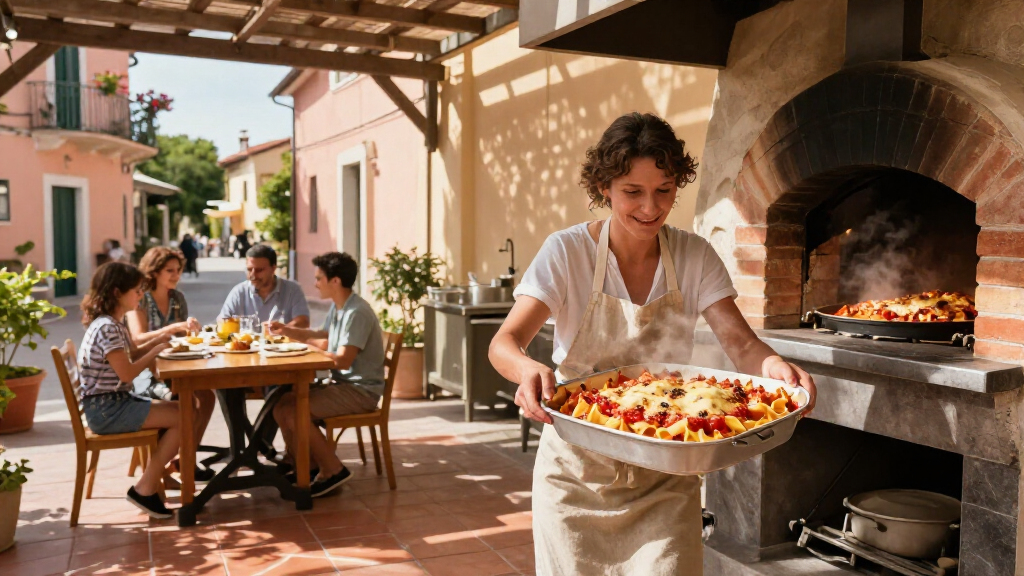
In a Southern Italian kitchen, Sunday lunch can begin with a dish that went into the oven before the doorbell rang. The top comes out freckled brown, the edges whisper against the pan, and beneath them sit tender pasta, sauce, and melted cheese. Pasta al forno turns those familiar ingredients into a meal made for sharing.
The name means “baked pasta”, but it does not point to one official recipe. In Sicily, a family might add eggplant, peas, or hard-boiled eggs; elsewhere in the south, the pan may lean on ragù, mozzarella, ricotta, or cured meat. Those choices tell a story about a place and a household.
Here, you’ll learn what makes the dish distinct, how it differs from lasagna and baked ziti, and how to build a casserole that stays moist instead of turning into a dry brick. You can use the same ideas to plan a leisurely Sunday lunch, make good use of leftover sauce, or put a taste of southern Italy on your own table.
Pasta al forno means “baked pasta” and names a broad family of dishes, not one canonical recipe.
Sicilian versions may include eggplant, peas, hard-boiled eggs, or small meatballs; other southern styles may center on ragù and cheese.
Rigatoni, penne, and ziti hold sauce well, and cooking them just shy of done helps prevent a soft casserole.
Use enough sauce, cover the dish if the top browns too soon, and let it rest briefly before serving.
Refrigerate leftovers within 2 hours and reheat the center to 165°F (74°C).
Pasta al Forno The South’s Sunday Bake
Pasta al forno means “baked pasta”: a family of regional dishes built for a browned top, a tender center, and a meal shared around the table.
One name, many family recipes
The phrase describes a cooking method and broad category, not one canonical recipe.
Vegetables and eggs
Some versions include eggplant, peas, hard-boiled eggs, or small meatballs.
Ragù and cheese
Other family casseroles may lean on ragù, mozzarella, ricotta, or cured meats.
Made to share
Assemble it before guests arrive, then serve a substantial meal when everyone is ready.
Build layers that stay tender
Short pasta holds sauce well, and it keeps cooking in the oven.
Rigatoni, penne, and ziti are sturdy choices; fully soft pasta can turn mushy.
Coat the pasta generously and add sauce where the mixture looks dry.
Bake until hot through and browned on top. Cover loosely if the top darkens too soon, then let the pan rest briefly before serving.
Related dishes, distinct identities
The names can overlap in everyday use, but they describe different scopes.
| Dish | What the name describes |
|---|---|
| Pasta al forno | A broad category of Italian baked pasta styles |
| Lasagna | A specific layered pasta dish |
| Baked ziti | A particular Italian-American dish |
| Pasta ’ncasciata | A Sicilian baked pasta preparation with its own regional identity |
Plan ahead and handle leftovers safely
A chilled casserole may need more time in the oven than one assembled warm.
- Refrigerate leftovers within 2 hours.
- Reheat the center to 165°F (74°C).
- Use leftover sauce, vegetables, or cheese while keeping the mixture moist.
What makes pasta al forno taste like Sunday lunch?
Pasta al forno is a family of Italian baked pasta dishes made by combining cooked pasta with sauce, cheese, and often other ingredients, then baking until hot and browned. The name describes the method, not a single fixed formula. That flexibility is part of the dish’s identity: one household’s version may be a modest pan of tomato sauce and cheese, while another’s becomes a generous centerpiece for a holiday table.
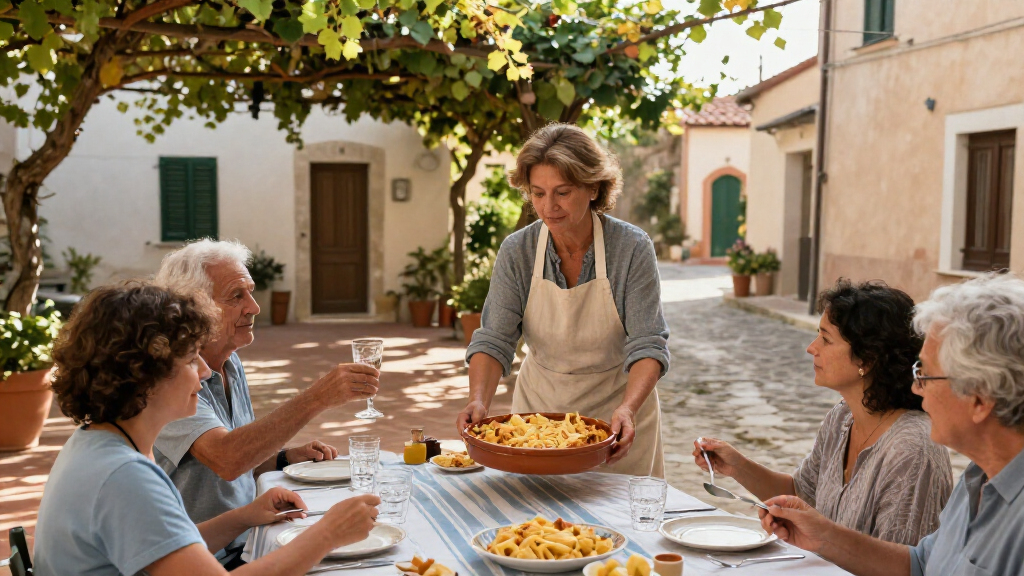
Sunday matters because the dish suits a meal that takes its time. You can assemble it before guests arrive, slide it into the oven, and bring it to the table when everyone is ready. Imagine a cool afternoon in Calabria: a big casserole waits while family members finish setting out plates, and its tomato-rich aroma reaches the kitchen doorway before anyone calls for lunch.
The pleasure comes from contrast. Tender pasta and soft cheese sit under a top that turns browned and slightly crisp, while the sauce keeps the middle lush. A short rest after baking helps the pieces hold together when you serve them. That pause can feel difficult when the cheese is still bubbling, but it saves your first portion from collapsing into a delicious puddle.
Think of the dish as a welcoming framework rather than a strict test. If you have Sunday ragù, a little ricotta, and a handful of peas, they might become part of the casserole. The important balance is practical: enough sauce to protect the pasta, enough cheese to enrich and bind, and a surface that gets time to brown.
Products Worth Considering

Google Nest Learning Thermostat (4th Gen) with Nest Temperature Sensor (2nd Gen), Silver

Dyson Airsmooth Styling Brush

Blueair Blue Pure 211i Max Air Purifier for Large Rooms
As an affiliate, we earn on qualifying purchases.
How do regional recipes put their own stamp on the bake?
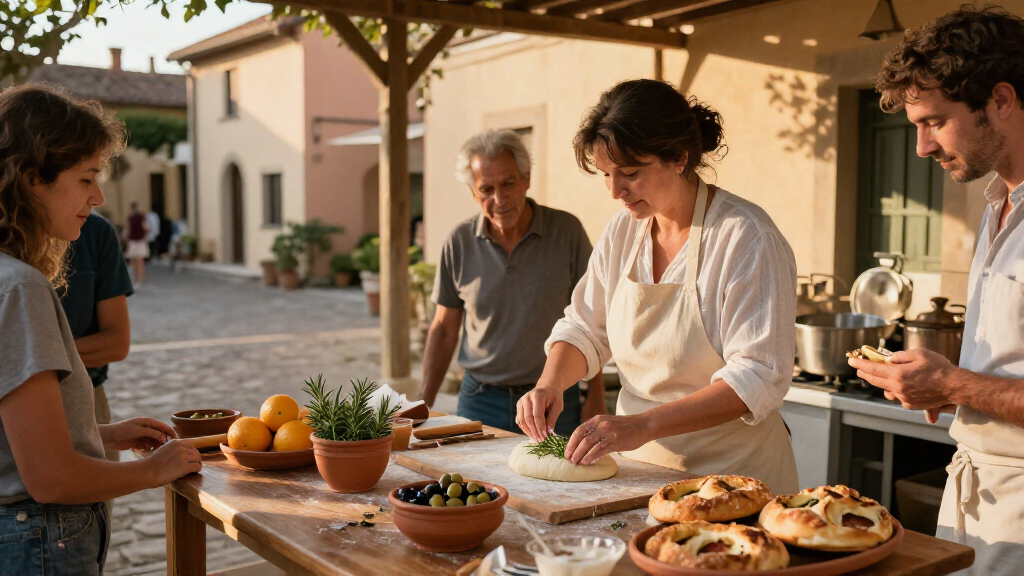
Pasta al forno changes from place to place because cooks build it around local habits, household favorites, and what is on hand. In Sicily, versions may include eggplant, peas, or hard-boiled eggs, sometimes with small meatballs. Other southern Italian cooks may favor ragù, mozzarella, ricotta, or cured meats. These ingredients are familiar possibilities, not rules every family follows.
That variety gives you a useful way to cook: choose a regional direction, then let your pantry fill in the edges. For a Sicilian-inspired pan, roast cubes of eggplant until soft and golden, then fold them into tomato sauce with peas and short pasta. Slices of hard-boiled egg can sit among the layers. The eggplant absorbs the sauce, while the egg adds a soft, savory bite.
For a meatier version, leftover ragù can bring deep, slow-cooked flavor to rigatoni or ziti. A few spoonfuls of ricotta make the interior creamy; mozzarella brings stretchy pockets. If the fridge holds only a small amount of each cheese, use them together rather than expecting one type to carry the whole dish.
Regional cooking gives you a starting point, not a quiz with one correct answer. If you visit Palermo, look for the local character in the baked dishes you encounter and ask what makes a household version its own. At home, keep one clear thread—eggplant, ragù, or a particular cheese—so the finished casserole tastes considered rather than like everything in the refrigerator was invited.
Which pasta shapes and cheeses make the best layers?
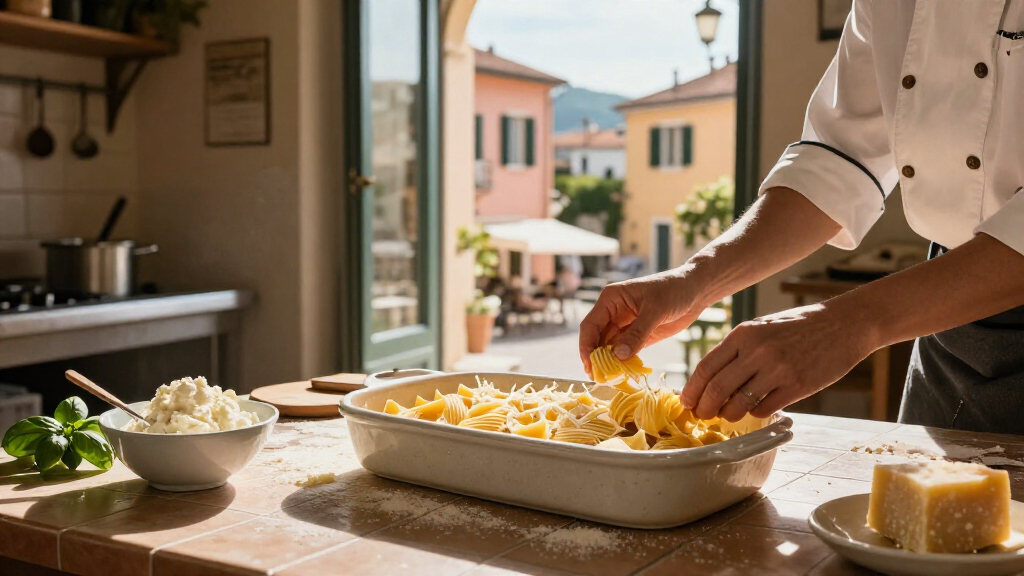
Sturdy short pasta is a reliable choice for pasta al forno because ridges and openings catch sauce, cheese, and small pieces of filling. Rigatoni, penne, and ziti all work well. Their shape also makes serving simpler than it would be with long strands, especially when you need to portion a large casserole at a crowded Sunday table.
Match the shape to the sauce you have. Rigatoni’s wide tubes hold chunky ragù and peas; penne’s angled ends collect tomato sauce and melted cheese; ziti gives you long, smooth pieces that layer neatly. If you have leftover cooked pasta, you can use it, but remember that it has already absorbed some moisture and may need extra sauce to stay supple.
Cheese affects both the center and the top. Mozzarella melts into soft, stretchy pockets, while ricotta adds a mild, creamy layer. A sharper grating cheese can deepen the flavor and encourage a savory crust. For example, spooning ricotta between sauced rigatoni and scattering mozzarella over the top gives you a creamy middle with a browned surface.
You do not need a complicated cheese lineup. Choose a melting cheese and, if available, a hard cheese for seasoning. If you are serving someone with a food allergy, ask about dairy needs and check labels, since cheese is a milk allergen. Use a separate utensil and serving dish when needed. The right shape is the one that holds your sauce and suits the ingredients in your kitchen.
How do you bake it without drying out the middle?
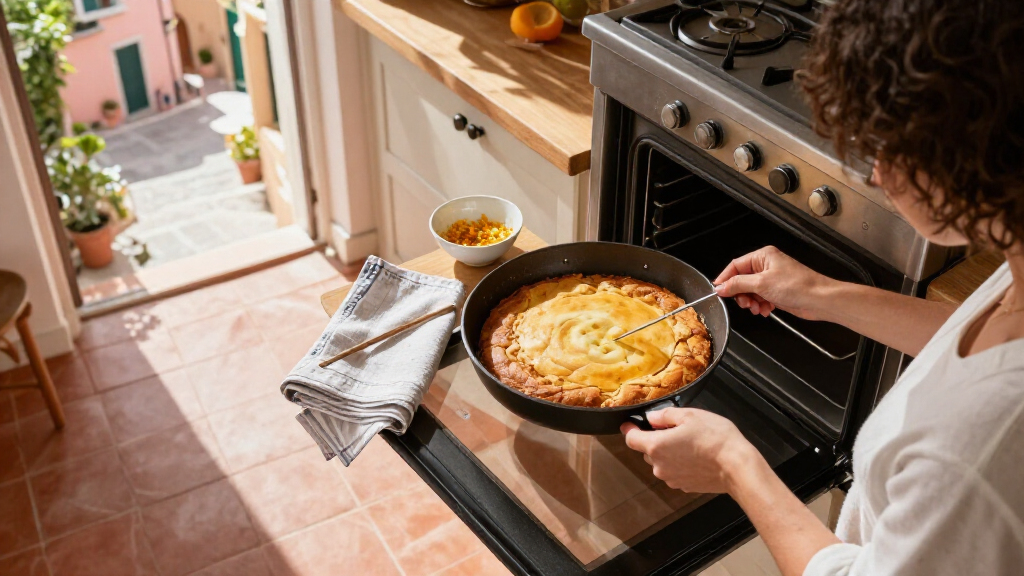
To keep pasta al forno tender, cook the pasta just shy of al dente, coat it generously with sauce, and bake until the center is hot and the top is browned. The pasta keeps cooking in the oven, so fully soft noodles can turn mushy before the casserole finishes. A moderate oven, often around 350–400°F (180–200°C), is a common range; timing depends on the depth of the dish and whether it goes in hot or cold.
- Boil the pasta briefly. Stop a little before the package’s full cooking time. Drain it well, then toss it promptly with sauce so the surface stays coated.
- Build moist layers. Spread some sauce in the dish, add pasta and fillings, then spoon more sauce where the mixture looks dry. Add cheese between layers and on top.
- Bake until hot through. Let the surface brown, but cover the dish loosely if it darkens before the center heats. A chilled casserole usually needs more time than one assembled warm.
- Rest before serving. Give the pan a short pause after baking. The layers settle, and you can serve a portion without watching it slump across the plate.
Picture a deep glass dish coming straight from the refrigerator at 6 p.m. Its center needs more time than the edges, so do not judge readiness by a brown top alone. Use a food thermometer if you need a reliable check that the center has reached 165°F (74°C), particularly when reheating leftovers. A bubbling center is a helpful visual cue, but the dish’s depth matters.
If your casserole looks dry before it goes into the oven, add sauce rather than hoping the cheese will fix it. Covering it for part of the bake traps moisture; uncovering it near the end gives the top time to crisp. The goal is not a brittle crust across the whole dish, but a browned lid over a saucy, tender middle.
How is this different from lasagna or baked ziti?
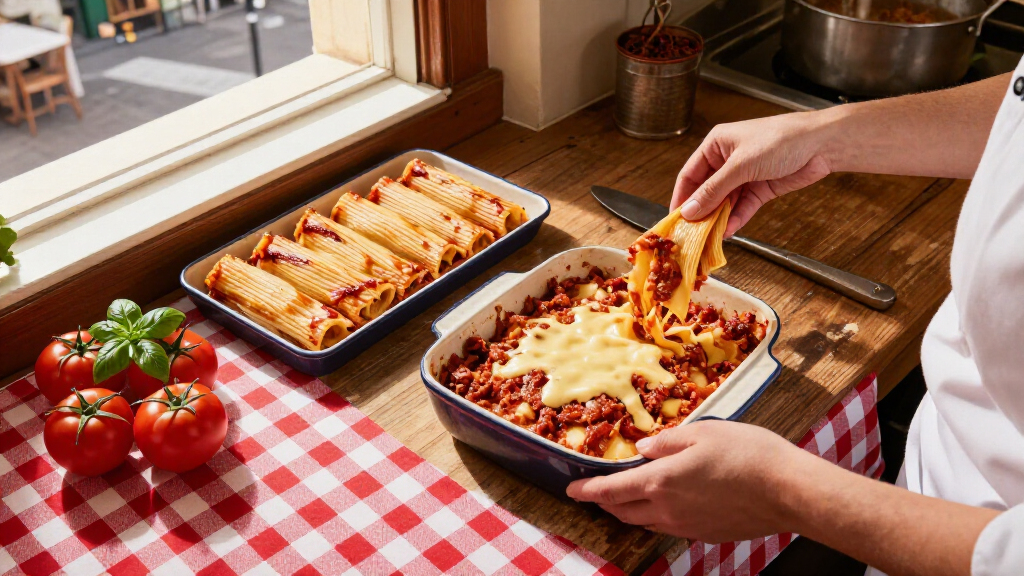
Pasta al forno is the broad category; lasagna is a specific layered pasta dish, and baked ziti is a particular Italian-American preparation. Everyday language can blur these boundaries, and recipes sometimes share ingredients, but the names do not mean exactly the same thing. Knowing the distinction helps you describe what you are cooking without pretending every casserole follows the same tradition.
Lasagna typically uses sheets of pasta arranged in defined layers. Pasta al forno can use short shapes such as rigatoni or penne, pasta sheets, or even leftover pasta. Baked ziti often refers to the Italian-American casserole made with ziti, sauce, and cheese. It shares the comforting baked-pasta idea, while pasta al forno covers a wider set of Italian regional and household styles.
| Dish | What usually defines it | Example to imagine |
|---|---|---|
| Pasta al forno | A broad family of baked pasta preparations | Sicilian-style pasta with eggplant, peas, and egg |
| Lasagna | Layered sheets of pasta | Sheets layered with sauce and filling in a baking dish |
| Baked ziti | A recognizable Italian-American baked pasta | Ziti coated with sauce and cheese, then baked |
Pasta ’ncasciata is a Sicilian baked pasta with its own regional identity. It can overlap with the broad idea of pasta al forno, but the terms are not interchangeable in every household. If a recipe from a Sicilian cook uses that name, keep it; the name points to a particular local tradition rather than simply announcing that pasta went into the oven.
For a practical choice, use “pasta al forno” when you want to describe a broad Italian baked-pasta style. Use “lasagna” or “baked ziti” when you are making those more specific dishes. That small bit of precision keeps a family recipe’s character intact.
What should you prep ahead for a relaxed Sunday table?
Pasta al forno works well as a make-ahead meal because you can assemble the dish before guests arrive and bake it closer to serving time. Cover the prepared casserole and refrigerate it. Since a cold dish takes longer to heat than one assembled warm, allow extra baking time and check that the center is thoroughly hot.
Make-ahead cooking is especially handy when you are hosting. You might prepare the sauce and roast eggplant in the morning, then assemble the casserole while the coffee pot is still warm. When your guests arrive, the pan can wait in the refrigerator while you set out salad and plates. The oven does the final work while you have time to talk.
Leftovers also have a place here. A small amount of ragù, cooked greens, or roasted vegetables can disappear into the layers, as can bits of cheese. Keep the mixture moist: a spoonful of extra sauce can help yesterday’s pasta or vegetables survive another trip through the oven. This is the appeal of pasta al forno as a practical family dish, not a license to pile in every stray ingredient.
For food safety, refrigerate perishable leftovers promptly, within 2 hours of serving, and keep the casserole covered at 40°F (4°C) or below. Reheat portions until steaming hot throughout; a thermometer reading of 165°F (74°C) is a dependable check. Freeze a well-wrapped casserole if you need longer storage, while remembering that texture can change slightly after thawing.
Serve the rich bake with dressed greens or seasonal vegetables. In spring, bitter greens make a bright counterpoint; on a winter table, roasted vegetables can echo the oven’s warmth. Bread is optional—the pasta already brings plenty of comfort.
Frequently Asked Questions
Is pasta al forno the same as baked ziti?
Baked ziti is one Italian-American baked pasta dish, while pasta al forno is a broader Italian category. They share the idea of pasta baked with sauce and cheese, but pasta al forno can use other shapes and regional ingredients such as eggplant or peas.
Which pasta shape should I use?
Choose a sturdy short shape such as rigatoni, penne, or ziti. Ridges and openings hold sauce, and the pieces are easy to portion. If you use cooked leftover pasta, add enough sauce to keep it from drying in the oven.
Should I fully cook the pasta before baking?
Usually, no. Stop cooking it just shy of al dente because it continues to soften in the oven. Fully cooked pasta can become too soft before the casserole heats through.
Can I assemble pasta al forno the day before?
Yes. Cover the assembled dish and refrigerate it, then allow extra baking time because it starts cold. Check that the center is hot throughout; a food thermometer reading of 165°F (74°C) is a dependable target when reheating.
How do I stop the casserole from drying out?
Coat the pasta generously with sauce and avoid cooking it fully before it goes into the oven. If the top browns before the middle is hot, cover the dish loosely and continue baking. A short rest after baking helps the layers settle without drying the center.
Can I freeze pasta al forno?
Many versions freeze well, especially when wrapped and stored airtight. Cheese and pasta texture may shift after freezing, so expect a softer result. Cool leftovers promptly, refrigerate within 2 hours, and reheat until steaming hot throughout.
Conclusion
Remember the simplest rule: keep the pasta slightly firm, the layers generous with sauce, and the regional inspiration clear. Start with rigatoni, Sunday ragù, and mozzarella, or take a Sicilian path with eggplant and peas. Let the ingredients you choose tell you which kind of family meal you want to bring to the table.
When the top is golden and the center still steams, give it a moment to settle, then carry the dish to the table. That browned edge is the first bite people reach for—and the sound of serving it may be your invitation to plan a real Sunday lunch in the south.