
TL;DR
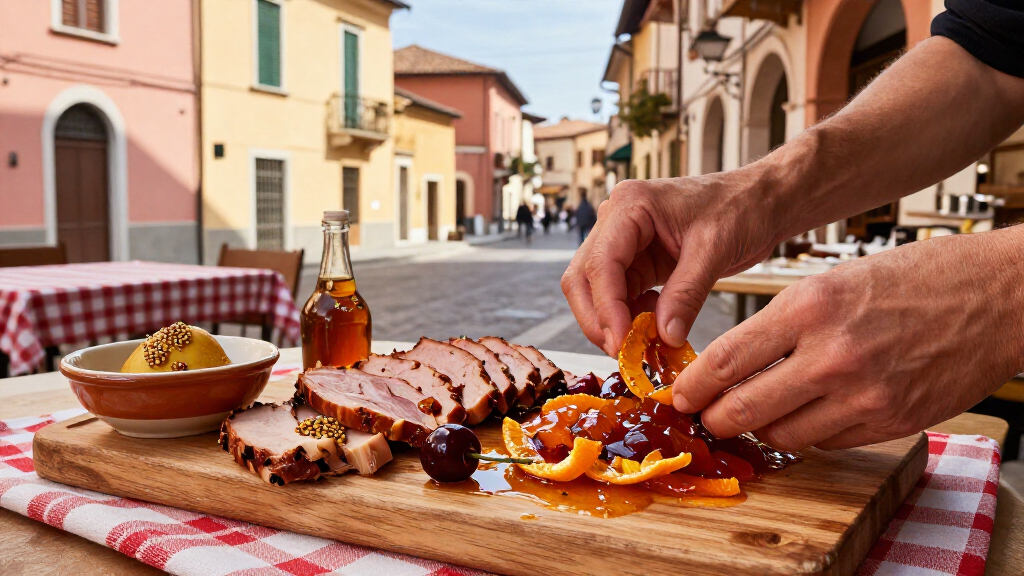
Mostarda di Cremona is a northern Italian preserve of candied fruit flavored with mustard essence, known for a sweet start and a sharp, nose-tingling finish. Serve a small amount at room temperature beside Lombardy’s bollito misto, aged cheese, or roast pork, and check the jar for its particular fruit and heat level.
A cherry can look like dessert and taste like a dare. In Cremona, in Lombardy, mostarda di Cremona puts glossy candied fruit beside a mustard sharpness that rises into your nose after the first sweet bite.

Get kitchen staples and gadgets delivered free with Prime
- Fast, free delivery on millions of items
- Prime Video, Amazon Music and more included
- Member-only deals all year
This northern Italian preserve is best known as a partner for bollito misto (mixed boiled meats), where its sugar and pungency wake up tender, savory slices. It is also excellent with aged cheese, but one jar can vary from the next: fruit, cut, sweetness, and heat all depend on the producer.
Here, you’ll learn what mostarda is, how it differs from mustard, what to look for on a label, and how to serve it without overwhelming dinner. Think of it as a small, vivid condiment with a very practical job: giving rich food a bright, spicy counterpoint.
Mostarda di Cremona is candied fruit flavored with mustard essence, not mustard paste.
Its classic Lombard pairing is bollito misto, where sweet fruit and sharp heat enliven mild, tender boiled meats.
Fruit selection, piece size, sweetness, and pungency vary by producer, so check the label and begin with a small taste.
Serve the fruit at room temperature on the side; add syrup sparingly because it can be sweet and quite pungent.
After opening, refrigerate the jar if the label directs and use it within the producer’s stated period.
Mostarda di Cremona Sweet fruit, sharp finish
This northern Italian preserve pairs candied fruit with mustard essence. A small serving brings a vivid sweet-and-pungent contrast to rich, savory food.
Fruit first, mustard heat after
Mostarda is candied fruit flavored with mustard essence, not a smooth mustard paste.
- Glossy cherries, pears, figs, apricots, peaches, or citrus
- Sweet syrup; fruit may be whole, sliced, or in mixed pieces
- Mustard essence adds a sharp, nose-tingling heat
- Fruit, sweetness, and pungency vary by producer
Why it belongs beside boiled meat
In Lombardy, mostarda’s classic partner is bollito misto, a platter of assorted boiled meats.
Bollito misto
A little sweet fruit and sharp heat cuts through the rich, gentle flavor of boiled meat.
Aged, firm cheeses
Fruit sweetness meets savory depth, while mustard heat keeps the pairing from feeling like dessert.
A vivid counterpoint
A cherry or thin slice of pear adds contrast without hiding the meat.
Choose a jar for your table
There is no single standard fruit assortment or heat level, so check the label or producer’s description.
Choose mixed or single fruit, and whole pieces, halves, or slices to suit the dish and serving style.
Look for the producer’s description of mustard strength, especially if you want a milder introduction.
Serve at room temperature in a small dish, with the fruit and syrup on the side.
Taste before adding syrup
The syrup carries sweetness and can also deliver plenty of mustard heat.
What Makes Mostarda di Cremona Sweet, Then Spicy?
Mostarda di Cremona is candied fruit flavored with mustard essence, a northern Italian preserve with a sweet first taste and a pungent, warming finish. It is not a smooth mustard condiment: you eat the fruit, and often a little of its syrup, alongside savory food.
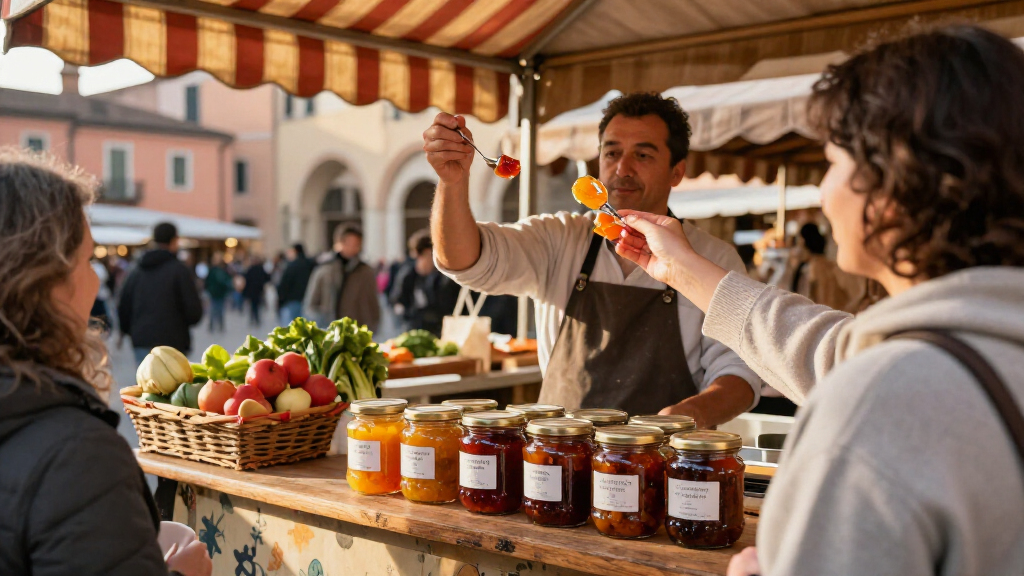
Many jars show whole or large pieces of cherries, pears, figs, apricots, peaches, or citrus, suspended in clear, glossy syrup. The exact assortment varies. At dinner, a pear wedge might feel soft and mellow at first, then the mustard heat arrives, bright enough to make your nose notice.
The unusual name is often linked to the Latin phrase mustum ardens, meaning “burning must.” That connection hints at the old relationship between pungent seasonings and preserved fruit, though the historical path to the modern preserve is complex. The phrase is useful as a memory aid, not a complete account of the condiment’s history.
Mustard essence supplies the signature sharpness. That gives mostarda its unusual effect: sweetness and heat arrive in sequence, rather than blending into a single flavor. Put a tiny dab beside roast pork and you can taste the contrast without turning the whole plate spicy.
Products Worth Considering

Arlo Essential Wireless Security Camera 2K (3rd Gen) – 3-Cam Kit with Yard Sign

Dyson Airsmooth Styling Brush

Philips Hue Festavia 65-Foot Smart LED String Lights, 250 Color-Changing Mini LEDs
As an affiliate, we earn on qualifying purchases.
Why Its Sharp Fruit Belongs Beside Bollito Misto
Mostarda di Cremona cuts through the rich, gentle flavor of boiled meat with sweet fruit and nasal mustard heat. In Lombardy, its classic partner is bollito misto (mixed boiled meats), a platter of assorted meats cooked by simmering rather than roasting.
Boiled meat can be tender and deeply savory, but its flavor is mild beside browned roast meat. Mostarda changes the pace of each bite: a sliver of pear gives sweetness, then mustard essence brings a sharp spark. The contrast is the point. A little fruit can make the next slice of meat taste newly savory.
Serve it on the side, not spread over the entire platter. For a Sunday meal, put the jar in a small bowl and offer a spoon; each guest can choose a cherry, a piece of citrus, or just a trace of syrup. If you’re serving someone who hasn’t tried it, suggest a small taste beside a plain slice of meat first.
That serving style also respects the variety between jars. One producer’s mustard heat may arrive gently; another’s can rise fast. Let diners control the amount, and you keep the meat, fruit, and sharpness in balance instead of letting one bold condiment take over.
How to Choose a Jar That Fits Your Table
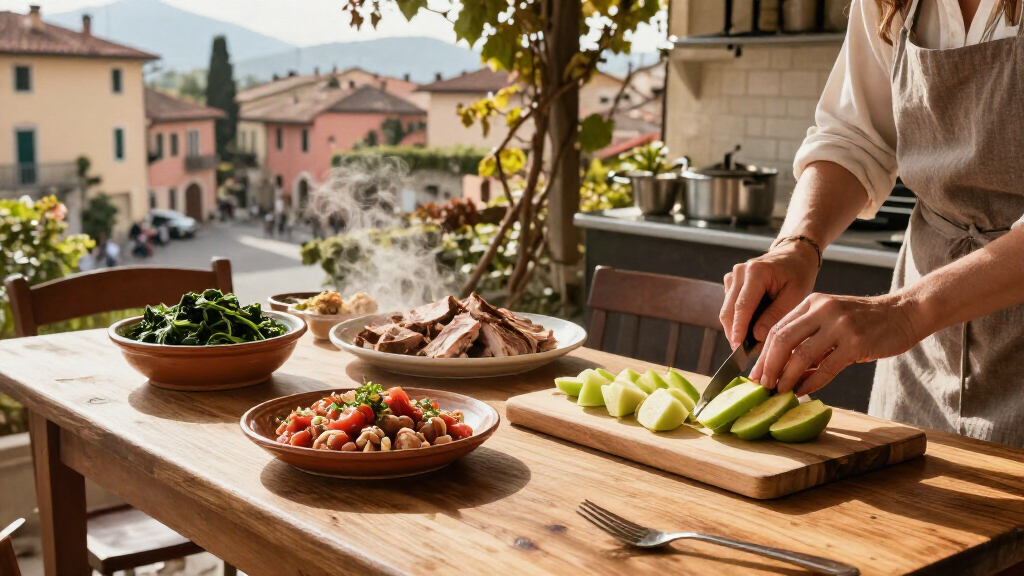
Choose mostarda by its fruit, format, and described heat, because no single assortment or spice level defines every jar. Look at the ingredient list and producer’s description before buying, especially if you want a mild introduction or a particular kind of fruit.
A classic mixed jar can bring color and variety to a meat platter, while a single-fruit version makes it easier to pair the condiment with one dish. Whole fruit looks striking in a serving bowl; halves and slices are often simpler to portion beside a weekday roast. Neither format tells you by itself how strong the mustard will be.
Imagine bringing mostarda to a dinner where the main dish is sliced pork and the guests have never tasted it. A jar with smaller pieces makes sharing easy, but you should still offer a tiny first portion. If your table includes someone sensitive to pungent flavors, ask the shop or check the label for a milder version rather than assuming all Cremona-style mostarda tastes alike.
- For a showpiece: choose an assortment with whole or large fruit.
- For easy serving: look for halves, slices, or smaller mixed pieces.
- For a first taste: seek a producer’s description of mild seasoning, then serve a small sample.
“Mostarda” also names related fruit-and-mustard preparations made elsewhere in Italy. Regional versions can differ in fruit, texture, and method, so a jar from Cremona makes a particularly recognizable choice when you want colorful candied fruit with mustard heat.
Serve It in Small Portions With Meat, Cheese, or Roast Pork
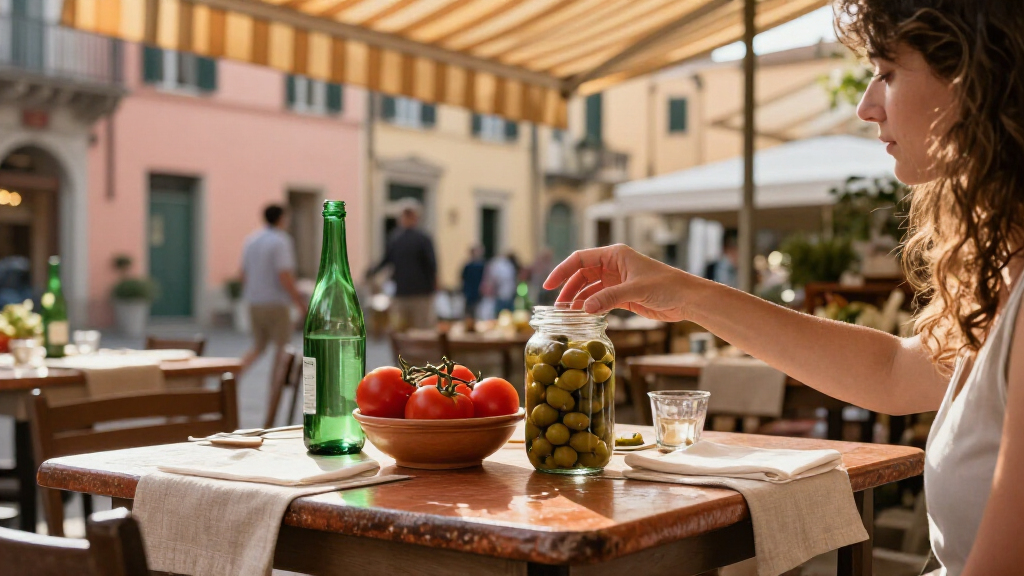
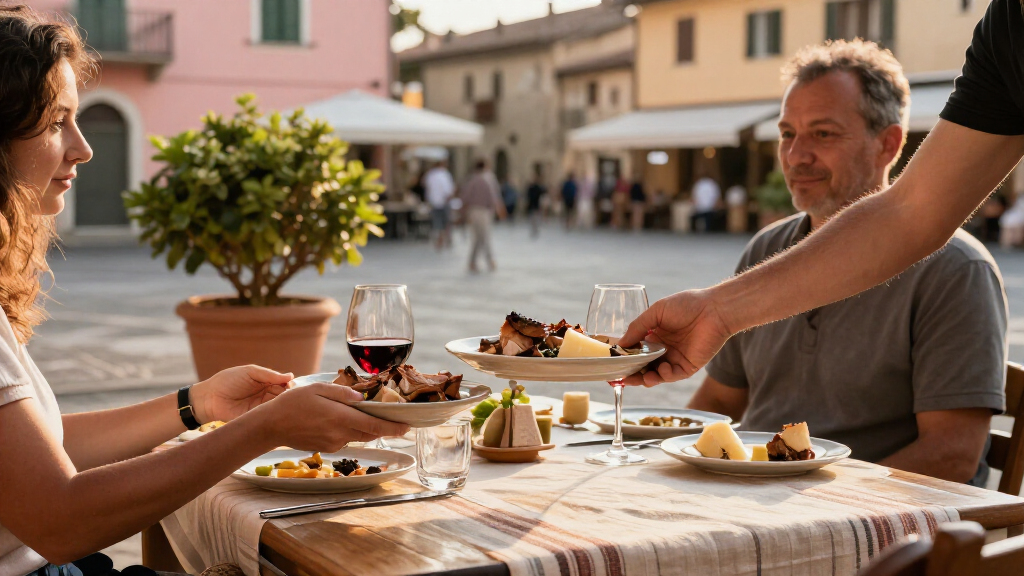
Serve mostarda at room temperature in a small dish, with the syrup used sparingly and the fruit cut to suit the plate. Its classic place is beside bollito misto, but it can also enliven roast pork, charcuterie, and aged, firm cheeses.
For a cheese board, set one or two fruit pieces beside a wedge of aged cheese rather than spooning syrup across the board. The fruit’s sweetness meets the cheese’s salt and savory depth; mustard heat keeps the pairing from feeling like dessert. For roast pork, a thin slice of pear or a cherry can do the same work without hiding the meat’s browned edges.
Try this simple serving sequence when you open a jar for guests:
- Bring the jar to room temperature according to its label, then set out a clean spoon.
- Offer a small fruit piece beside a mild bite of meat or cheese.
- Taste before adding syrup; the liquid can carry sweetness and plenty of heat.
- Let each person add more to their own plate if they enjoy the sharpness.
Keep the condiment separate from the main platter during service. That way, someone who loves the sinus-tingling finish can take another bite, while a guest who prefers plain roast pork still gets exactly that.
What the Sweet Syrup Adds—and When to Use Less
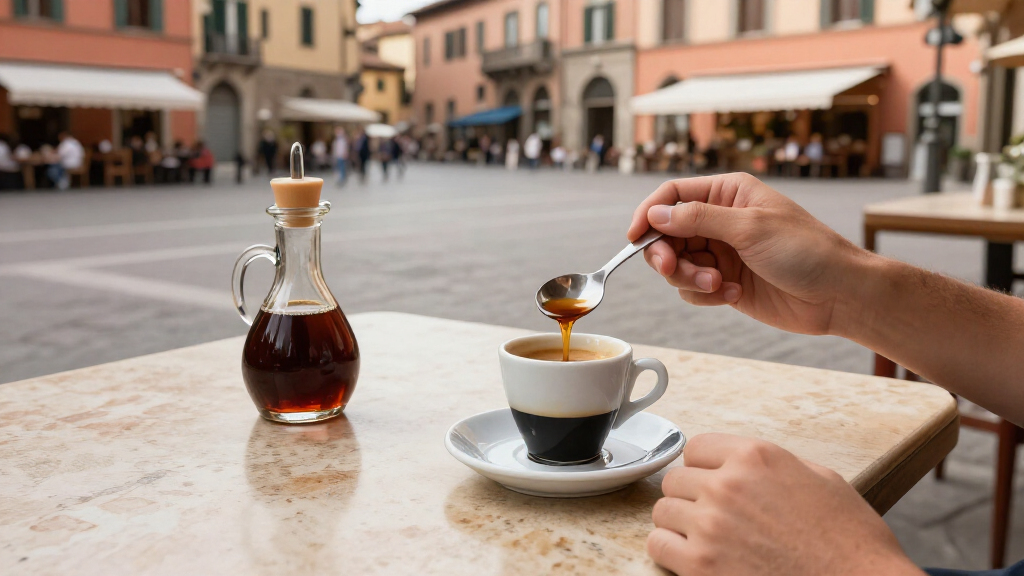
The syrup is part of mostarda, but you rarely need much of it. It carries the glossy sweetness of the candied fruit and can deliver a noticeable share of the mustard flavor, so treat it more like a strong condiment than a dessert sauce.
Start with one fruit piece and taste it alongside the meat or cheese. If the bite feels balanced, stop there; if you want more sweetness or pungency, add just a few drops of syrup. This is especially helpful with a pungent jar, where a generous spoonful might overpower a delicate slice of boiled veal.
For a small cheese plate after dinner, you could set out a fig with a trace of syrup and a piece of aged cheese. The pairing feels rich, sweet, and sharp all at once. A tablespoon drizzled across the whole plate, by contrast, can leave every bite tasting alike.
Although the fruit is candied, mostarda is a savory accompaniment in this traditional pairing. The keyword phrase “made from candied” fruit flavored with mustard essence captures the construction, but the way you serve it gives it purpose: beside meat, cheese, or other savory dishes. Start small and adjust at the table.
Store an Open Jar Safely and Make Room for Its Variations
Follow the producer’s storage instructions: unopened mostarda is generally shelf-stable, while an opened jar is typically refrigerated and used within the period stated on its label. Products vary, so the label is your guide for that specific jar.
At a winter dinner, you might open a jar for bollito misto and plan to serve it again with cheese a few days later. Use a clean utensil each time, close the lid promptly, and return the jar to the refrigerator after serving. These simple habits help protect the contents from contamination and keep the fruit in good condition.
Don’t assume that a familiar fruit assortment guarantees a familiar flavor. A mixed jar may contain cherries, pears, or citrus, but producers can vary both the fruit and its cut. Mustard strength and sweetness differ, too. A first small taste tells you more than the label’s appearance alone.
If you make mostarda at home, traditional methods can take several days as fruit is repeatedly candied in syrup. Mustard essence is potent, so use a tested recipe with food-safe ingredients and careful handling; don’t improvise preservation times or storage. For a first taste, a commercially prepared jar gives you an easy way to learn what fruit, texture, and heat you enjoy.
Frequently Asked Questions
Is mostarda di Cremona the same as mustard?
No. Mostarda di Cremona is candied fruit flavored with mustard essence, not a smooth mustard paste. You serve the pieces of fruit, often with a little of their syrup, beside savory food.
How spicy is mostarda di Cremona?
It can have a sharp, nose-tingling heat that follows the fruit’s sweetness. Intensity varies by producer, so check the description and taste a small piece before serving a larger portion.
What do you eat mostarda di Cremona with?
Its classic Lombard partner is bollito misto (mixed boiled meats). You can also serve it with roast pork, cured meats, and aged firm cheeses, keeping the fruit on the side so guests can adjust each bite.
Can you eat the syrup as well as the fruit?
Yes. The fruit and syrup are both part of the condiment, but use the liquid sparingly because it can be sweet and carry plenty of mustard heat. Taste the fruit with your food before adding extra syrup.
How should you store mostarda after opening?
Follow the jar’s instructions. Opened mostarda is typically refrigerated and used within the period specified by its producer; use a clean utensil and close the jar promptly after serving.
Conclusion
Remember mostarda di Cremona as a small, sharp counterpoint: glossy candied fruit first, mustard heat after. Put it beside bollito misto, aged cheese, or roast pork, and let each person decide how much belongs on the plate.
Next time a jar catches your eye, choose a fruit and heat level that suit your table, then begin with one small bite. A single bright cherry beside a slice of tender meat can turn a familiar winter meal into something distinctly Lombard.