
TL;DR
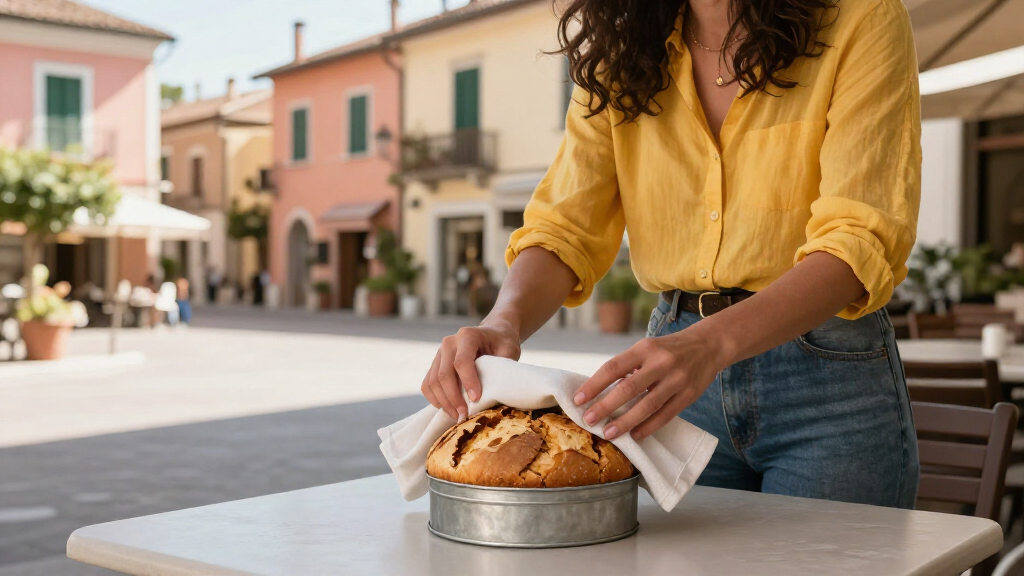
Panettone season often starts well before December, giving you time to compare styles and check labels, but early buying does not guarantee a discount or a fresher loaf. Judge a classic panettone by its light, elastic crumb, buttery citrus aroma, well-distributed fruit, clear date and storage information, and intact packaging.
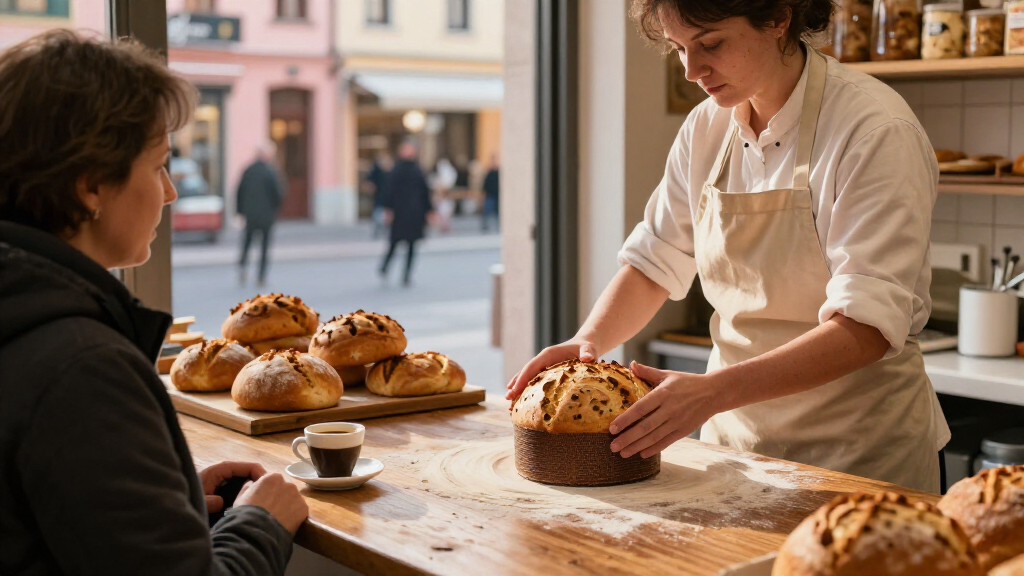
A panettone box can look like a small work of art, but the real test waits inside: a slice should pull apart into soft, airy strands, not crumble like dry cake. If you start shopping in autumn, you may find more bakeries and flavors to compare before holiday demand narrows the shelf.

Get kitchen staples and gadgets delivered free with Prime
- Fast, free delivery on millions of items
- Prime Video, Amazon Music and more included
- Member-only deals all year
Panettone is a tall, leavened sweet bread traditionally associated with Milan and Christmas. This guide shows you how to judge the dough, aroma, fruit, label, and freshness, then decide whether buying early makes sense for your table. You’ll also learn why the panettone watch begins before December without treating an early shelf price as a guaranteed bargain.
Look for a soft, elastic crumb with long, irregular strands; a tall dome or expensive packaging cannot prove quality.
A classic Milanese-style panettone typically combines raisins and candied citrus, while modern flavors and pandoro offer different eating experiences.
Autumn shopping can offer more choice and time to compare, but prices and discounts vary by seller and market.
Compare weight, ingredients, date information, and storage directions alongside price.
Check labels for wheat, eggs, dairy, nuts, and other allergens, then follow the maker’s storage guidance after opening.
Judge the loaf, not the box before December
Autumn shopping can give you more time and choice to compare panettone. Early buying is not a guaranteed discount—or a guarantee of freshness.
Six checks before you buy
Use the label and seller information to set expectations before judging the loaf itself.
Decide between classic fruit, a modern flavor, or pandoro.
Check ingredients, weight, date information, and storage directions.
Compare similar sizes and price per weight, not sticker price alone.
For online orders, confirm dispatch timing and delivery conditions.
Look for intact packaging and clear freshness information.
Judge the crumb, aroma, and fruit when you open it.
What a good classic loaf shows
A tall dome can catch your eye, but the dough tells you more.
Soft, airy strands
Look for a light, elastic interior with long, irregular strands—not gummy dough or dry crumbs.
Butter and citrus
A balanced buttery, citrusy aroma is inviting; stale, sharp, or artificial notes are a reason to pause.
Evenly distributed
Classic Milanese-style panettone typically combines raisins and candied citrus throughout the loaf.
Moist, not greasy
Check the date, intact packaging, and maker’s storage guidance; shelf life depends on the recipe and package.
Pick the style that suits your table
Different festive breads answer different taste preferences.
| Style | What to expect | Good reason to choose it |
|---|---|---|
| Classic panettone | Raisins and candied citrus in an airy loaf | To focus on the dough and traditional fruit |
| Modern panettone | Flavors such as chocolate, pistachio, or chestnut | To match a particular flavor preference; check allergens |
| Pandoro | Usually star-shaped, without characteristic panettone fruit | For a different festive bread and flavor |
Shop early for choice, not certainty
Autumn can be a useful time to compare bakeries, flavors, and sizes before holiday demand narrows the shelf.
- More time to compare available styles and sellers
- A chance to taste a small loaf before choosing a gift
- Time to find a preferred version before seasonal demand
- Prices and discounts vary by market and seller
- Check date and storage information before buying far ahead
- Read allergen details, including wheat, eggs, dairy, and possible nuts
Use the crumb, aroma, and fruit to judge a great panettone
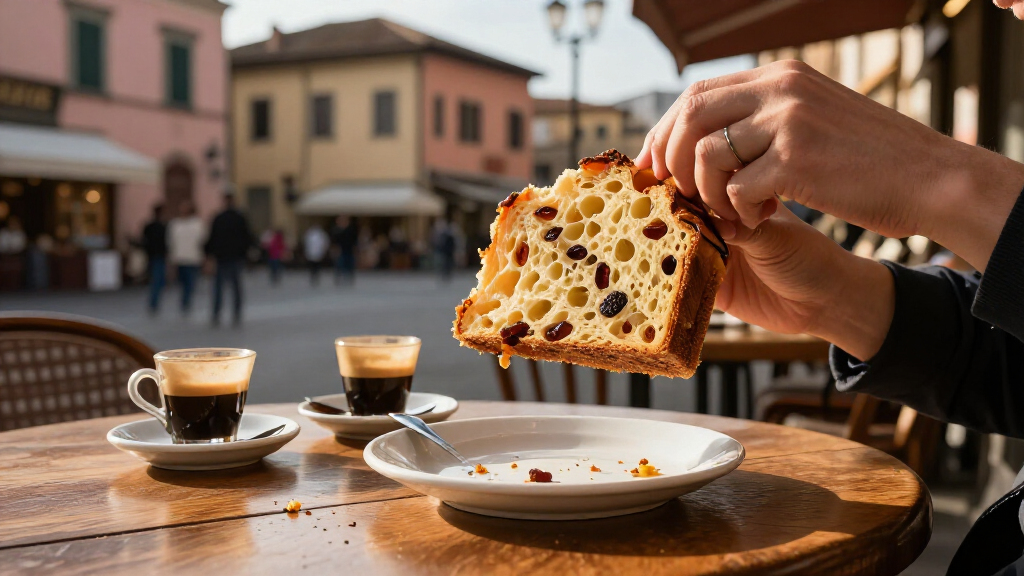
A great panettone has a light, elastic crumb, a gently buttery and citrusy aroma, and fruit that tastes like part of the bread rather than a sugary interruption. The classic loaf is tall and domed, but its shape is only the first clue; the cut surface and the way the crumb feels tell you much more.
Slice it with a serrated knife and look for long, irregular strands inside. The dough should feel soft and spring back gently when pressed, not turn gummy under the knife or break into dry crumbs. Imagine serving a slice with coffee on a chilly morning: you want a tender bite that holds together, then eases apart, with raisins and candied citrus appearing across the slice rather than in one crowded patch.
Take a moment to smell it. Butter, citrus peel, vanilla, and a mild fermented note can make a warm, rounded aroma; a sharp, stale, strongly alcoholic, or artificial smell is a reason to pause. The crust may be darker than the interior, but it should taste toasted rather than burnt, while the crumb should feel moist without leaving an oily film on your fingers.
Classic Milanese-style panettone typically contains raisins and candied citrus peel. Recipes and methods vary, so these clues are a practical tasting guide, not a rigid scorecard. If you open a loaf and find beautifully fragrant dough but fruit concentrated near the bottom, you can still enjoy it; just note that uneven distribution changes every other bite.
Products Worth Considering

Samsung 48 4K OLED Smart TV (2026) with WireLogic 8ft Ultra High Speed HDMI Cable

Shark Rotator Lift-Away Upright Vacuum with DuoClean PowerFins, Wine Purple, LA702

Bose TV Speaker (2nd Gen) Compact Soundbar
As an affiliate, we earn on qualifying purchases.
Check the label before you pay for the box
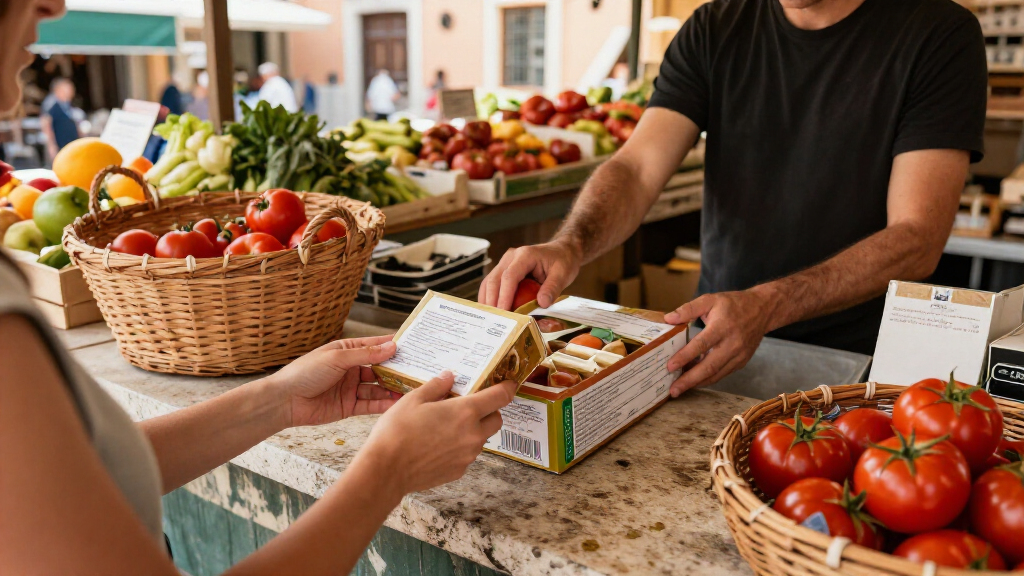
To judge a panettone before buying, check its ingredients, weight, date information, and storage directions before letting the packaging or price make the decision. The label gives you useful details about what is in the loaf and how the producer expects you to keep it; it cannot, by itself, promise that you will love the taste.
Look for the basics: flour, butter, eggs, and fruit in a classic version, plus any flavorings or preservatives the maker lists. A shorter ingredient list is not an automatic quality certificate, and a longer one does not automatically make a loaf poor. What matters is whether the product description is clear and whether its ingredients match the style you want, such as classic fruit or chocolate.
Compare like with like. If one loaf weighs 500 grams and another weighs 750 grams, a lower sticker price may not mean better value; check the price per weight alongside the ingredients, production description, and shipping cost. For example, a small artisan loaf may cost more because of labor, a long fermentation, premium ingredients, or delivery from a specialist bakery. Those costs can explain the price, but they don’t prove that its texture or flavor will suit your taste.
Panettone often contains wheat, eggs, and dairy, and some versions include nuts or may be made around other allergens. Read the specific package and contact the producer if cross-contact matters to you. A friend buying for a mixed-diet gathering should not assume that a plain-looking loaf is free of nuts or other allergens; the label, not the gift box, is the useful guide.
Compare classic panettone, modern flavors, and pandoro
Choose a classic panettone when you want to judge the dough itself; choose a filled or flavored loaf when its additions are what you most want to eat. Panettone styles range from raisins and candied citrus to chocolate, pistachio, chestnut, and cream-filled versions, while pandoro is a different Italian festive bread, usually star-shaped and without the characteristic panettone fruit.
For a first tasting, the classic version works like a plain canvas: you can notice the crumb, fermentation, butter, citrus, and fruit without chocolate or cream taking center stage. If you already know that your family prefers chocolate, a modern version can be the better purchase. It simply answers a different question about flavor, so don’t use it as your only measure of how the producer handles a traditional dough.
| Style | What you’ll usually find | Best reason to choose it |
|---|---|---|
| Classic panettone | Raisins and candied citrus in a tall, airy loaf | To taste the dough and traditional fruit combination |
| Modern panettone | Chocolate, nuts, other fruit, glaze, or filling | To match a particular flavor preference; check allergens |
| Pandoro | A star-shaped festive bread, usually without raisins and candied peel | When you want a softer, simpler bread with a different shape and flavor |
Read the wording on the package rather than relying on a familiar shape or name alone. A product described as “panettone-style” may follow different methods or standards, so its ingredients and description help set expectations. If you’re buying for someone who dislikes raisins, a chocolate version—or pandoro—may bring more joy than insisting on the most traditional option.
Shop before December for more choice, not a promised discount
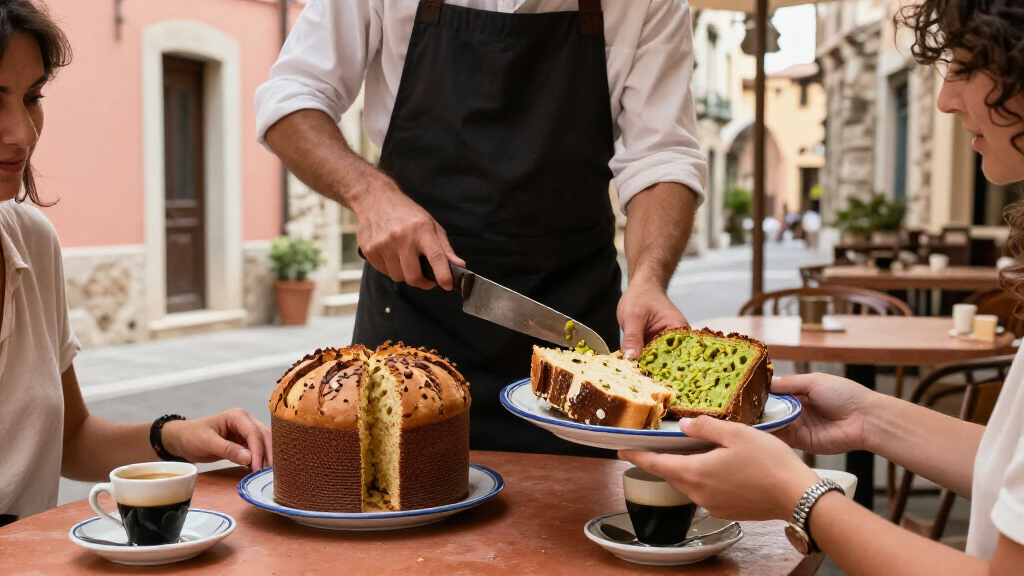
Panettone season often starts well before December, and buying in autumn can give you more time to compare bakeries, sizes, and flavors. The advantage is choice and breathing room, not a guaranteed saving: prices, stock, and seasonal timing vary by market and seller, so check local listings instead of assuming every loaf costs less early.
A small autumn tasting can make a practical test run. You might buy one classic loaf from a specialty bakery, cut it at room temperature, and decide whether its crumb and fruit suit your family before ordering a larger one as a gift. That approach turns an unfamiliar purchase into a low-stakes comparison, and it can help you find a favorite before the December rush brings delivery congestion or limited editions selling out.
The tradeoff is freshness at serving time. Panettone can keep for weeks when properly packaged, but its usable life depends on the recipe, package, and maker’s directions. Buying far ahead without checking the date can leave you with a loaf that has sat longer than you planned, even if its package looks festive and unmarked.
If you’re ordering online, check the dispatch date, delivery conditions, and damaged-goods policy. Buy early to compare and secure a preferred style; buy closer to the occasion when freshness is your main priority or storage details are vague. Before December prices become your only point of reference, compare the loaf’s weight and information against similar options—and remember that an early sale is never guaranteed.
Follow six steps to choose a loaf you’ll enjoy
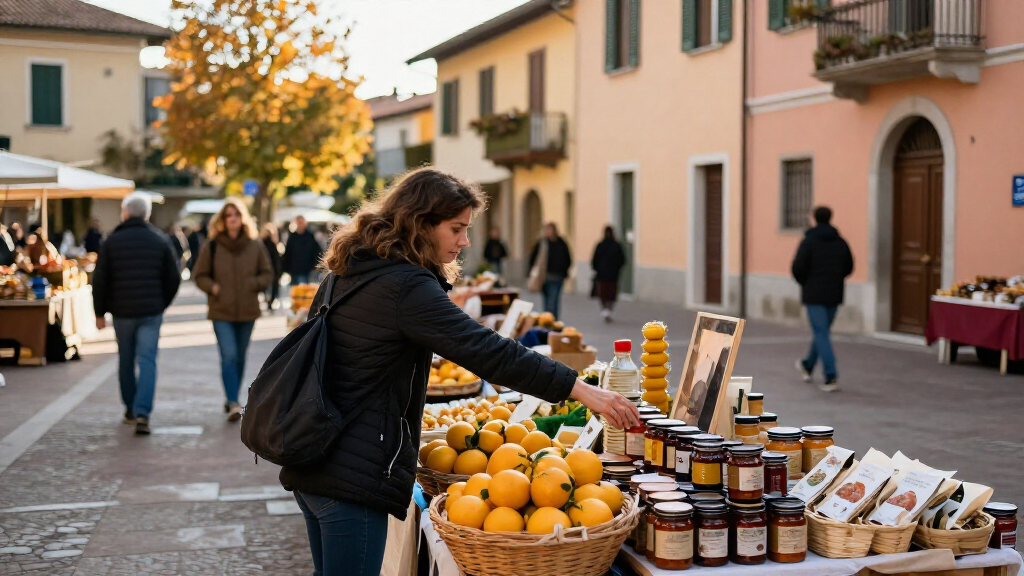
Choose panettone in six steps: decide your style, read the label, compare similar sizes, check the seller’s information, inspect the package, and taste it thoughtfully. This simple order keeps the decision grounded in the bread rather than the holiday display; it also works whether you’re standing in a bakery in Milan or shopping from home.
- Pick a style. Start with classic raisins and candied citrus if you want to assess the dough, or choose chocolate, pistachio, or another version if that is what your table prefers.
- Read the label. Check ingredients, weight, date information, allergens, and storage instructions. If you need to avoid an ingredient, ask the producer rather than guessing from the flavor name.
- Compare similar loaves. Look at price per weight, ingredients, and production details together. A 500-gram loaf and a 750-gram loaf are not direct price comparisons.
- Check the seller. Look for clear product details and a stated delivery or storage plan, especially for an online order.
- Inspect on arrival. Make sure the package is intact and follow the maker’s instructions. Don’t assume every recipe has the same shelf life.
- Taste at room temperature. Cut with a serrated knife and assess the crumb, aroma, fruit, and finish before deciding whether you’ve found your favorite.
For example, if a bakery has two equally attractive boxes, use this sequence to notice that one is a 500-gram chocolate loaf with nuts while the other is a 750-gram classic with raisins and citrus. Those aren’t interchangeable purchases; the right choice depends on serving size, taste, and allergies as much as the sticker price.
When the loaf is opened, keep it sealed as directed and use it within the producer’s recommended period. Storage advice varies by product, so don’t treat a general rule as a substitute for its label. Many panettoni can be frozen, but freezing may change texture; check the maker’s guidance, wrap portions airtight if permitted, and thaw them fully before serving.
Serve and store panettone so its texture stays soft
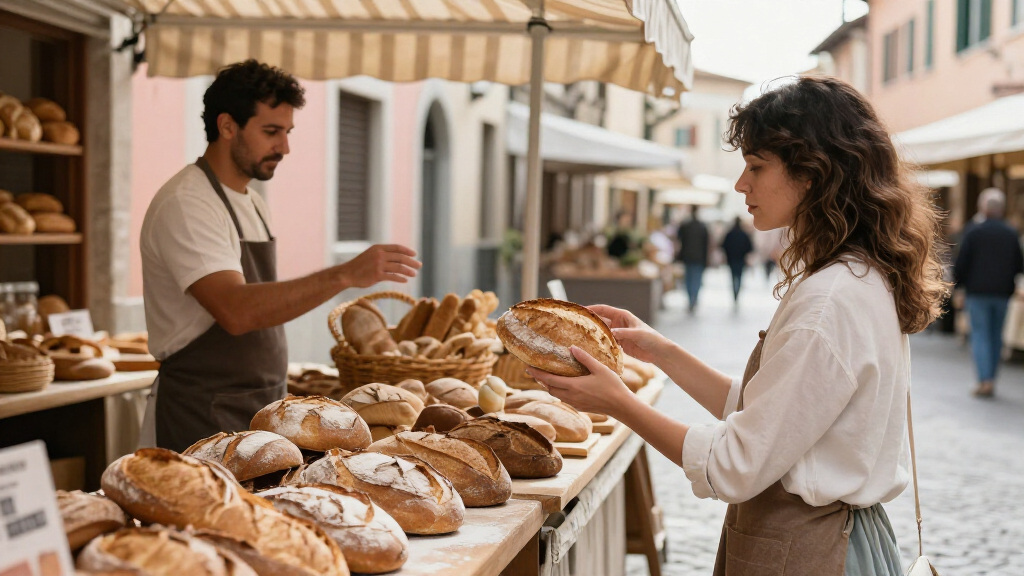
Serve panettone at room temperature as a dependable starting point, and follow the maker’s storage instructions to protect its texture. Cold storage or a loose wrapper can change how soft the crumb feels, while overheating a slice can dry its delicate interior instead of making it taste fresher.
At home, cut a slice with a serrated knife and pair it with coffee or tea for breakfast, or serve it after dinner as a simple dessert. If you want a warm slice, heat it gently and briefly; the aim is a little warmth, not a crisp, dried-out edge. For a holiday table, leaving the loaf whole until serving helps keep the cut surface from drying while everyone gathers.
Once opened, seal the remaining bread well and follow the product’s recommended use period. A loaf that is sold unopened with a long shelf life does not necessarily keep just as long once you break the seal. If you’re shopping in October for a December gathering, check both the package date and storage directions before buying; an intact wrapper is useful, but it isn’t a reason to ignore timing.
Buy early for selection, not for an assumed bargain. A clear date, intact package, and maker’s storage guidance matter more than the calendar alone.
Panettone commonly contains wheat, eggs, and dairy; filled or topped versions may add nuts or other allergens. Keep the package available when serving, especially if guests ask about ingredients. If you’re giving a loaf as a gift, a quick check of the label and storage instructions makes the present easier for the recipient to enjoy.
Frequently Asked Questions
When should I buy panettone?
There is no single best date. Buying in autumn can give you more styles to compare, while buying closer to your gathering can reduce the time you need to store the loaf. Check the product date and the maker’s storage directions before deciding.
How can I tell whether panettone is fresh?
Check the date information and make sure the package is intact, then assess the loaf after opening. A good example should smell inviting and have a soft, resilient crumb, not a stale aroma, dry texture, or gummy interior.
Is expensive panettone always better?
No. Price can reflect labor, ingredients, reputation, and shipping, but it does not guarantee that a loaf will suit your taste. Compare similar weights, ingredient details, and product information, and try a small loaf before buying an expensive one for a gift.
Does classic panettone have to contain raisins and candied fruit?
Raisins and candied citrus peel are typical of the classic style, but modern versions may use chocolate, nuts, or other flavors. Read the label if you have a preference or dietary restriction, because recipes vary.
What is the difference between panettone and pandoro?
Panettone is usually a tall, fruit-studded sweet bread, while pandoro is typically star-shaped and does not contain the characteristic raisins and candied peel. They are both Italian festive breads, but they offer different flavors and textures.
How should I store panettone after opening?
Seal it well and follow the maker’s recommended storage instructions and use period. Shelf life varies with the recipe and packaging, so don’t assume an opened loaf keeps as long as an unopened one. Check with the producer before freezing, especially for filled or glazed versions.
Conclusion
Start with one question: does this loaf sound and look like the kind of panettone you want to share? Check its label and date, then judge the crumb, aroma, and fruit rather than trusting the box or price to decide for you.
Buy in autumn for room to compare, and buy closer to serving time when freshness matters more than selection. The best choice is the loaf you open to find soft strands, fragrant citrus, and a table ready for one more slice.