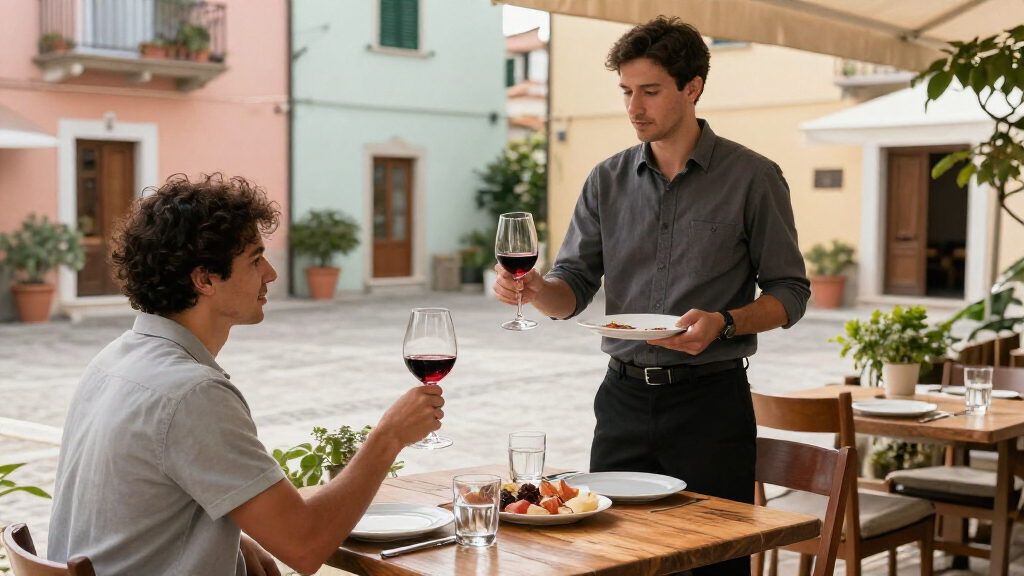
The best wines for beginners make it easier to discover what you enjoy without requiring specialist knowledge. I’d choose Alamos Malbec as the best overall bottle for its approachable red-wine profile, while André Brut is a straightforward sparkling pick and Nobilo Sauvignon Blanc suits readers who prefer crisp whites. The main tradeoff is whether to start with an easy-drinking bottle, a more distinctive style, or a guide that teaches you how to choose across categories. This roundup includes both wines and learning resources, so you can match your first purchase to your goals. Read on for the full breakdown and the buyer factors that separate these options.

Get kitchen staples and gadgets delivered free with Prime
- Fast, free delivery on millions of items
- Prime Video, Amazon Music and more included
- Member-only deals all year
Key Takeaways
- Alamos Malbec is the strongest all-around starting point among the bottles because it gives red-wine newcomers a clear varietal to explore without making the list depend on a single style.
- André Brut and Nobilo Sauvignon Blanc offer different first steps: sparkling wine for celebratory occasions, and a crisp white for drinkers who want a brighter profile.
- The roundup pairs bottles with books and hands-on learning resources; readers who want to understand wine beyond one purchase may get more lasting value from a guide.
- Wine Folly: The Essential Guide to Wine and its Magnum Edition serve different learning appetites: a more compact starting resource versus a larger reference-style guide.
- The options are not interchangeable: Fre Cabernet Sauvignon is the non-alcoholic choice, while the listed wine books and lab are learning products rather than bottles to drink.
| Andre Brut Sparkling Wine, 750 mL |  | Best for Easygoing Celebrations | Type: Sparkling wine | Varietal/blend: Sparkling dessert and fortified wine | Alcohol by volume: 9.5% | VIEW LATEST PRICE | See Our Full Breakdown |
| Wine Simple: A Totally Approachable Guide from a World-Class Sommelier |  | Best Beginner Wine Book | Format: Book | Subject: Wine guide | Intended audience: Readers seeking an approachable introduction to wine | VIEW LATEST PRICE | See Our Full Breakdown |
| 19 Crimes Cabernet Sauvignon Red Wine, 750 mL |  | Best for Bold Red Wine Beginners | Wine type: Cabernet Sauvignon | Color: Red | Volume: 750 mL | VIEW LATEST PRICE | See Our Full Breakdown |
| Duckhorn Vineyards Napa Valley Chardonnay, White Wine, 750 mL |  | Best Premium-Style White for Curious Beginners | Brand: Duckhorn Vineyards | Wine type: Chardonnay | Color: White | VIEW LATEST PRICE | See Our Full Breakdown |
| Sutter Home Fre Cabernet Sauvignon, California Vineyards, 1 Pack |  | Best for Smooth, Dark-Fruit Reds | Varietal: Cabernet Sauvignon | Region: California | Quantity: 1 pack | VIEW LATEST PRICE | See Our Full Breakdown |
| The Mindful Glass: Hands-On Wine Lab |  | Best for Learning by Doing | Format: Workbook | Skill level: Beginner | Learning approach: Hands-on | VIEW LATEST PRICE | See Our Full Breakdown |
| Wine: A Beginner’s Guide |  | Best for a Straightforward Introduction | ISBN: 1646110544 | Product type: Book title | Audience indicated by title: Beginners | VIEW LATEST PRICE | See Our Full Breakdown |
| Wine Folly: The Essential Guide to Wine |  | Best for a Named, Focused Wine Guide | ISBN: 1592408990 | Product type: Guide | Stated subject: Wine | VIEW LATEST PRICE | See Our Full Breakdown |
| Wine 101: A Beginner’s Guide to Savoring, Selecting, and Serving Wine with Confidence |  | Best for Practical Wine Basics | ASIN: B0DN21Q3YZ | Product type: Beginner’s guide | Audience: Beginners | VIEW LATEST PRICE | See Our Full Breakdown |
| The 24-Hour Wine Expert: A Guide to the Many Kinds and Flavors of Wine |  | Best for Exploring Wine Styles and Flavors | ISBN: 1419722662 | Product type: Guide | Stated subject: Different kinds of wine | VIEW LATEST PRICE | See Our Full Breakdown |
| Alamos Malbec Red Wine, 750 mL Bottle |  | Best Beginner-Friendly Red | Wine type: Red wine | Grape variety: Malbec | Origin: Argentina | VIEW LATEST PRICE | See Our Full Breakdown |
| Rebel School of Wine: A Modern Wine Guide for Beginners |  | Best Practical Starter Guide | Format: Wine guide | Intended audience: Beginners | Topics: Wine regions, grapes, food pairings, and choosing bottles | VIEW LATEST PRICE | See Our Full Breakdown |
| Wine Folly: Magnum Edition: The Master Guide |  | Best Reference-Style Guide | Format: Not specified | Guide type: Master guide to wine | Publisher or brand: Wine Folly | VIEW LATEST PRICE | See Our Full Breakdown |
| Nobilo Sauvignon Blanc White Wine, 750 mL |  | Best Beginner White | Wine type: Sauvignon Blanc | Color: White | Bottle size: 750 mL | VIEW LATEST PRICE | See Our Full Breakdown |
| Upper Left Syrah Red Wine, 750 mL |  | Best for Adventurous Red Beginners | Varietal: Syrah (Shiraz) | Wine type: Red wine | Region: Columbia Valley, Washington State | VIEW LATEST PRICE | See Our Full Breakdown |
More Details on Our Top Picks
Andre Brut Sparkling Wine, 750 mL
Andre Brut is a beginner-friendly way to try sparkling wine without committing to a dry, high-alcohol style. Its green apple, pear, and sweet lemon notes give it a crisp, fruity profile with a touch of sweetness, while its 9.5% ABV is lower than many still wines in this lineup. Compared with the fuller-bodied 19 Crimes Cabernet Sauvignon, this bottle is lighter and better suited to casual sipping or mixing into mimosas. The tradeoff is that its sweetness and simple fruit character may feel less expressive to someone seeking a drier or more layered wine. It is also a less useful pick for learning about still-wine styles, and the listed vintage can vary. I’d choose it for approachable bubbles, not for a complex tasting experience.
Pros:- Crisp fruit notes offer an accessible starting point
- Slight sweetness can suit palates that find dry wines sharp
- Works chilled on its own or in mimosas and cocktails
- 9.5% ABV is lower than the listed Cabernet Sauvignon options
Cons:- Sweetness and straightforward fruit may not satisfy fans of dry, layered wines
- Sparkling style is less useful for comparing common still-wine profiles
- Vintage may vary
Best for: New wine drinkers who prefer fruity, slightly sweet bubbles or want an easy sparkling wine for mimosas
Not ideal for: Buyers seeking a dry, complex sparkling wine or a still wine to explore red and white varietals
- Type:Sparkling wine
- Varietal/blend:Sparkling dessert and fortified wine
- Alcohol by volume:9.5%
- Volume:750 mL
- Region:California
- Vintage:Non-vintage; may vary
- Winery:E&J Gallo Winery
- Package quantity:1 bottle
Our verdict“Choose Andre Brut if you want approachable, fruity bubbles for casual sipping or cocktails rather than a dry, complex bottle.”
Wine Simple: A Totally Approachable Guide from a World-Class Sommelier
Wine Simple is the learning-focused choice in this group: unlike the bottles, it can help a beginner build vocabulary and make more informed decisions across wine styles. Its approachable framing and sommelier author make it a natural companion to tasting options such as Andre Brut or the bolder 19 Crimes Cabernet Sauvignon, where a reader can connect guidance to actual flavor differences. The main tradeoff is that the supplied product details are limited, so I can’t verify its chapter structure, specific lessons, or how much technical detail it includes. It also won’t provide the immediate drinking experience of a bottle, and readers who want a reference organized around maps or extensive visual charts may prefer another guide in the broader roundup. I’d place it ahead of buying several unfamiliar wines when the goal is to learn how to choose.
Pros:- Designed to make wine approachable for newcomers
- Written by a world-class sommelier
- Can support learning across multiple wine styles rather than one bottle
- Pairs well with tasting bottles such as Andre Brut and 19 Crimes Cabernet Sauvignon
Cons:- Provided product details do not specify topics, format, or level of detail
- Does not offer an immediate tasting experience like the wine products
- May not suit readers seeking a reference with confirmed maps or extensive visual aids
Best for: New wine drinkers who want guidance from a sommelier before choosing among varietals, regions, and styles
Not ideal for: Readers who want a visual reference with confirmed maps and detailed specifications, or buyers looking for a bottle to serve now
- Format:Book
- Subject:Wine guide
- Intended audience:Readers seeking an approachable introduction to wine
- Author description:Written by a world-class sommelier
- Product identifier:ISBN 1984824252
- Specific contents:Not provided
Our verdict“Pick Wine Simple if you want an approachable learning resource to guide future wine choices rather than a bottle to open today.”
19 Crimes Cabernet Sauvignon Red Wine, 750 mL
19 Crimes Cabernet Sauvignon gives beginners a clear introduction to a fuller-bodied red, with red currant, dark cherry, chocolate, and vanilla notes. Those flavors are more assertive than Andre Brut’s crisp, slightly sweet fruit, making this a better match for someone curious about red wine and hearty food. Its South Australian origin and animated label add conversation value, though the label feature is an extra rather than a guide to what’s in the glass. The tradeoff is its bold, full-bodied palate: drinkers who prefer light, delicate reds may find it too weighty, especially compared with a softer or lighter style. Because vintage can vary, the bottle may not be identical from one purchase to another. I’d rank it for adventurous beginners, not as the gentlest first taste of wine.
Pros:- Distinct red-fruit, chocolate, and vanilla notes make the flavor profile easy to describe
- Full body suits hearty meals and meaty dishes
- South Australian origin gives beginners a regional point of reference
- Augmented-reality label adds an interactive conversation feature
Cons:- Bold body may overwhelm beginners who prefer lighter wines
- Less suited to drinkers looking for crisp, refreshing styles such as Andre Brut
- Vintage may vary
Best for: Beginners who already enjoy dark-fruit flavors and want a full-bodied red to pair with meaty dishes
Not ideal for: Drinkers who prefer light, delicate wines or want a subtle first introduction to red wine
- Wine type:Cabernet Sauvignon
- Color:Red
- Volume:750 mL
- Origin:South Australia
- Flavor notes:Red currants, dark cherries, chocolate, and vanilla
- Body:Bold and full
- Label feature:Augmented-reality animation
- Vintage:May vary
Our verdict“Choose this Cabernet if you want a fruit-forward, full-bodied red and are comfortable with more weight than Andre Brut offers.”
Duckhorn Vineyards Napa Valley Chardonnay, White Wine, 750 mL
Duckhorn Napa Valley Chardonnay is the most oak-influenced, richer white in this set, making it a useful choice for beginners who want to explore texture as well as fruit. Its French oak fermentation and 10 months of barrel aging, along with lees stirring, are intended to develop richness and complexity; that makes it a stronger match for butter- or cream-based seafood, chicken, and pork than a crisp, simple aperitif style. Compared with Andre Brut, it is still rather than sparkling and is built around a more layered, food-friendly profile. The tradeoff is clear: the barrel-led style may not suit someone who wants clean, unoaked Chardonnay or a lighter white. Its Napa Valley sourcing and production details offer more to explore, but that complexity can be a less immediate first taste.
Pros:- Oak fermentation and aging create a richer style to explore
- Lees stirring adds texture and complexity
- Napa Valley sourcing spans several vineyard areas
- Food-pairing guidance suits seafood, poultry, and pork with butter or cream sauces
Cons:- Barrel-led character may not suit fans of unoaked Chardonnay
- Richer style may feel less approachable than a lighter, simpler white
- The supplied details do not include alcohol content or specific tasting notes
Best for: Beginners curious about richer, oak-aged Chardonnay to serve with seafood, poultry, or pork in creamy sauces
Not ideal for: Drinkers who prefer crisp, unoaked whites or want a simple, light-bodied introduction to wine
- Brand:Duckhorn Vineyards
- Wine type:Chardonnay
- Color:White
- Bottle size:750 mL
- Region:Napa Valley, USA
- Fermentation:5% stainless steel; 95% French oak barrel
- Barrel aging:10 months
- Oak composition:100% French oak: 40% new, 30% second vintage, 30% neutral
Our verdict“Choose Duckhorn if you want to learn about rich, oak-aged Chardonnay with food, and skip it if crisp, unoaked whites are your preference.”
Sutter Home Fre Cabernet Sauvignon, California Vineyards, 1 Pack
Sutter Home Fre Cabernet Sauvignon centers on familiar dark-fruit flavors—blackberry, black cherry, and plum—with a smooth, velvety texture. That makes it a more comfortable entry point for someone who wants the broad shape of a Cabernet without the explicitly bold, full-bodied description given for 19 Crimes Cabernet Sauvignon. It is also framed as a food-friendly choice for grilled meats, hearty pasta, and cheese, so beginners can use familiar meals to guide their first tasting. The tradeoff is that it remains a structured, dark-fruited red; drinkers who prefer lighter or brighter wines may find it heavy. The product data does not specify alcohol content, aging, or detailed winemaking, leaving less to compare than the more fully documented Duckhorn Chardonnay. I’d choose it for approachable red-fruit depth, not for a light style.
Pros:- Blackberry, black cherry, and plum offer familiar dark-fruit flavors
- Velvety texture may feel more approachable than a sharply structured red
- Pairs with grilled meats, hearty pasta, cheese, and savory dishes
- California origin gives beginners a straightforward regional reference
Cons:- Bold dark-fruit profile may not suit fans of lighter wines
- Still a structured Cabernet, rather than a gentle or delicate red
- Provided product data omits alcohol content and winemaking details
Best for: New red-wine drinkers who like dark berries and want a smooth Cabernet to pair with grilled meats or hearty pasta
Not ideal for: Drinkers who prefer light-bodied, delicate wines or want detailed production information before choosing
- Varietal:Cabernet Sauvignon
- Region:California
- Quantity:1 pack
- Flavor notes:Blackberry, black cherry, and plum
- Body:Smooth and structured
- Pairing suggestions:Grilled meats, hearty pasta, cheeses, and savory dishes
Our verdict“Choose Sutter Home Fre if you want a smooth, dark-fruited Cabernet for hearty meals, but look elsewhere for a lighter red.”
The Mindful Glass: Hands-On Wine Lab
The Mindful Glass: Hands-On Wine Lab suits beginners who learn more from guided practice than from reading about wine alone. Its workbook format pairs tasting activities with pairing exercises, giving readers a way to connect sensory impressions with food choices. Compared with Wine: A Beginner’s Guide, this is the more hands-on pick; the available details for that title do not confirm a workbook or exercises. The tradeoff is that the product information gives little detail about the workbook’s scope, so buyers cannot tell how many activities it contains or how broadly it covers wine styles. Choose it for structured practice, not as a verified reference for extensive wine facts.
Pros:- Beginner-level framing lowers the barrier to wine education
- Tasting activities encourage active sensory practice
- Pairing exercises connect wine choices with meals
- Workbook format offers a practical alternative to a standard guide
Cons:- The provided product details do not specify its length or full topic coverage
- The workbook format may suit practice better than readers seeking a reference to consult
Best for: New wine drinkers who want guided tasting and food-pairing activities rather than a reading-only introduction
Not ideal for: Buyers seeking a detailed reference book or a clear outline of topics and workbook length
- Format:Workbook
- Skill level:Beginner
- Learning approach:Hands-on
- Activities:Tasting activities
- Pairing content:Pairing exercises
- Education focus:Sensory wine education
Our verdict“Choose this workbook if you want to build confidence through tasting and pairing exercises, rather than relying on a conventional guide.”
Wine: A Beginner’s Guide
Wine: A Beginner’s Guide has the clearest beginner-focused positioning of the titles here, making it a plausible starting point for someone who wants an introduction without a specialized workbook format. Compared with The Mindful Glass: Hands-On Wine Lab, its title suggests a broader guide rather than a practice-led set of tasting and pairing exercises. That distinction matters for readers choosing between learning through explanation and learning through activities. However, no product description or feature details were supplied, so I can’t verify its subjects, format, examples, or level of depth beyond the title. It is best treated as a candidate for a basic introduction, not as a confirmed detailed reference or activity book.
Pros:- The title explicitly targets beginners
- A general guide may suit readers seeking an introduction rather than a specialized workbook
- Its positioning contrasts clearly with the activity-focused The Mindful Glass: Hands-On Wine Lab
Cons:- No product description was provided to confirm subjects or format
- The available information does not establish how much detail it offers
- Specific exercises, illustrations, and reference features are unverified
Best for: First-time wine learners who want a title explicitly framed as a beginner’s guide and prefer a general introduction
Not ideal for: Readers who need confirmed tasting exercises, food-pairing lessons, or a detailed contents list before choosing
- ISBN:1646110544
- Product type:Book title
- Audience indicated by title:Beginners
- Stated subject:Wine
- Format details:Not provided
- Content details:Not provided
Our verdict“Consider this as a general first guide if its beginner-focused premise fits, but seek more product detail if you need confirmed contents or exercises.”
Wine Folly: The Essential Guide to Wine
Wine Folly: The Essential Guide to Wine is a fit for beginners drawn to a dedicated wine guide, rather than an explicitly practice-based resource like The Mindful Glass: Hands-On Wine Lab. Its title presents it as an essential guide, but the supplied product data confirms only that it is a guide to wine; it does not establish particular chapters, visual aids, exercises, or difficulty level. That limits how confidently I can recommend it over Wine: A Beginner’s Guide, whose title more directly signals its intended audience. The main appeal here is a focused wine subject, while the drawback is uncertainty about how accessible or broad the treatment actually is. Check the book’s contents before choosing it for a specific learning need.
Pros:- The title clearly centers the book on wine
- Guide format may appeal to readers who want an informational resource
- Offers a different emphasis from the activity-led The Mindful Glass: Hands-On Wine Lab
Cons:- The provided description does not verify its approach or level of detail
- No specific subjects, exercises, or learning aids are listed
- Beginner accessibility cannot be confirmed from the supplied product data
Best for: Beginners who want a dedicated wine guide and are willing to check the contents for the topics they need
Not ideal for: Readers who want confirmed beginner-level explanations, hands-on activities, or a verified chapter list
- ISBN:1592408990
- Product type:Guide
- Stated subject:Wine
- Title positioning:Essential guide
- ASIN:1592408990
- Format details:Not provided
Our verdict“Pick this guide if you want a wine-focused book and can confirm its contents suit your level before buying.”
Wine 101: A Beginner’s Guide to Savoring, Selecting, and Serving Wine with Confidence
Wine 101: A Beginner’s Guide to Savoring, Selecting, and Serving Wine with Confidence stands out for naming three practical concerns in its title: tasting, choosing, and serving wine. That makes it a more explicitly everyday-oriented option than Wine Folly: The Essential Guide to Wine, whose supplied details identify a wine guide but not particular topics. Compared with The Mindful Glass: Hands-On Wine Lab, this title signals broader practical guidance, while the workbook has confirmed tasting and pairing activities. The tradeoff is that no additional description or specifications establish how the book teaches these skills, what wine styles it covers, or whether it includes exercises. Its promise is well matched to beginners, but the available details are too sparse to verify the depth.
Pros:- The title directly addresses savoring, selecting, and serving
- Its focus suggests practical everyday concerns for new wine drinkers
- Offers a broader stated scope than a resource described only as a wine guide
Cons:- No additional product description confirms how the topics are taught
- The supplied details do not identify format, examples, or level of coverage
- Hands-on activities are not specified, unlike The Mindful Glass: Hands-On Wine Lab
Best for: New wine drinkers who want guidance aimed at tasting, selecting bottles, and serving wine with more confidence
Not ideal for: Buyers who require confirmed exercises, detailed coverage, or a clear format description before selecting a guide
- ASIN:B0DN21Q3YZ
- Product type:Beginner’s guide
- Audience:Beginners
- Stated topic:Savoring wine
- Stated topic:Selecting wine
- Stated topic:Serving wine
- Format details:Not provided
Our verdict“Choose this if its tasting, selection, and serving focus matches your needs, while recognizing that the available details do not confirm its depth or format.”
The 24-Hour Wine Expert: A Guide to the Many Kinds and Flavors of Wine
The 24-Hour Wine Expert: A Guide to the Many Kinds and Flavors of Wine is the most style-and-flavor-focused choice in this group based on its title. That gives it a distinct angle beside Wine 101: A Beginner’s Guide to Savoring, Selecting, and Serving Wine with Confidence, which names practical tasks, and The Mindful Glass: Hands-On Wine Lab, which confirms tasting activities. For a beginner curious about how wines differ, the stated focus may be a useful starting point. Yet the “24-Hour” framing does not, by itself, confirm a learning schedule, and no contents, format, or teaching approach were supplied. I would choose it for its stated emphasis on variety and flavor, but not assume it includes a complete curriculum or practical exercises.
Pros:- The title identifies wine kinds and flavors as its focus
- Provides a style-oriented alternative to Wine 101’s stated tasting, selection, and serving focus
- May suit readers whose first question is how wines differ
Cons:- No further details confirm which wine styles or flavors are covered
- The format and teaching method are not specified
- The title does not verify a short-course structure or hands-on practice
Best for: Curious beginners who want an introduction centered on different wine types and flavor profiles
Not ideal for: Learners who prioritize confirmed tasting activities, food-pairing practice, or a detailed description of the book’s structure
- ISBN:1419722662
- Product type:Guide
- Stated subject:Different kinds of wine
- Stated subject:Wine flavors
- Title framing:24-hour wine expert
- Format details:Not provided
Our verdict“Choose this for a stated focus on wine varieties and flavors, but look elsewhere if you need confirmed exercises or a defined course format.”
Alamos Malbec Red Wine, 750 mL Bottle
Alamos Malbec is a friendly entry point for someone who wants red wine without a firm, drying tannin feel. Its plum, dark cherry, blackberry, and raspberry flavors make the style easy to recognize, while soft tannins and a velvety finish keep each sip approachable. Compared with the peppery, oak-aged Upper Left Syrah, Alamos leans more directly into fruit and asks less of a new drinker’s palate. It also has a clear food role: red meat or poultry can make it a useful bottle for a shared meal. The tradeoff is that its medium body and fruit-forward profile may feel uncomplicated to people seeking a more savory or layered red. The vintage may vary, so details can shift between bottles.
Pros:- Dark berry and plum flavors offer an approachable introduction to Malbec.
- Soft tannins make it less drying than firmer-feeling reds.
- Medium body suits drinkers who want more presence than a light red without a heavy feel.
- Pairs with red meat and poultry.
Cons:- Fruit-forward character may seem simple to drinkers who prefer savory or complex reds.
- Vintage may vary, so the profile is not guaranteed to be identical each time.
Best for: New red-wine drinkers who prefer ripe berry flavors, softer tannins, and a bottle to serve with red meat or poultry.
Not ideal for: Drinkers seeking a bold, peppery red or a reliably identical vintage from bottle to bottle.
- Wine type:Red wine
- Grape variety:Malbec
- Origin:Argentina
- Bottle size:750 mL
- Alcohol by volume:13.0%
- Body:Medium-bodied
- Tannins:Soft
- Suggested pairings:Red meat or poultry
- Approximate servings:5 glasses
Our verdict“Choose Alamos if you are learning red wine and want soft tannins, ripe fruit, and an easy match for a meat-centered meal.”
Rebel School of Wine: A Modern Wine Guide for Beginners
Rebel School of Wine is the clearest fit here for a beginner who wants help choosing bottles as well as learning the basics. It covers regions, grape varieties, food pairings, and bottle selection, connecting wine vocabulary to decisions a reader can make at a shop or over dinner. That makes it more immediately practical than Wine Folly: Magnum Edition: The Master Guide, whose supplied details establish it as a master guide but do not specify the same beginner-focused topics. A book cannot provide the pleasure of tasting a wine like Nobilo Sauvignon Blanc, but it can help explain why a crisp white or a fruit-forward red might suit a particular meal or preference. The product details do not establish its depth, layout, or specific exercises, so readers wanting a richly visual reference or a detailed curriculum may need more information before choosing it.
Pros:- Designed specifically for beginners.
- Covers several foundational topics, including regions and grape varieties.
- Includes food-pairing guidance that connects wine choices to meals.
- Addresses how to choose bottles, giving it a practical shopping focus.
Cons:- The supplied details do not describe its layout, depth, or teaching exercises.
- It cannot replace tasting different styles, such as Nobilo Sauvignon Blanc, to learn personal preferences.
Best for: First-time wine buyers who want a beginner-oriented guide to grape styles, wine regions, pairings, and choosing bottles.
Not ideal for: Readers who mainly want a bottle to drink now, or shoppers seeking a guide with confirmed visual features or a specified advanced syllabus.
- Format:Wine guide
- Intended audience:Beginners
- Topics:Wine regions, grapes, food pairings, and choosing bottles
- Product type:Book
- Title:Rebel School of Wine: A Modern Wine Guide for Beginners
- ASIN:0358697255
Our verdict“Pick Rebel School of Wine if your main goal is to understand the basics and make more informed bottle choices.”
Wine Folly: Magnum Edition: The Master Guide
Wine Folly: Magnum Edition: The Master Guide earns a distinct place as the reference-style choice for a beginner who wants a guide to return to as their knowledge grows. Its title positions it as a master guide, which suggests a broader reference role than the explicitly beginner-focused Rebel School of Wine. That difference matters: Rebel’s supplied description names practical starter topics, including choosing bottles, while the available details for this edition do not specify its coverage, format, or teaching approach. I would favor it when the aim is to keep a wine guide on hand rather than follow a clearly described beginner lesson plan. The limitation is also the main tradeoff: the product information here does not verify which regions, grapes, or pairings it covers, so a first-time learner who wants concrete, confirmed shopping guidance may find Rebel the safer match.
Pros:- Presented as a master guide to wine.
- Offers a distinct reference-book role beside the explicitly beginner-focused Rebel School of Wine.
- May suit readers who prefer a guide to consult as questions arise rather than a single-topic wine lesson.
Cons:- The supplied product details do not specify its topics or depth.
- No format or teaching approach is provided, making it harder for a beginner to judge fit.
- Unlike Rebel School of Wine, its stated details do not confirm guidance on choosing bottles.
Best for: Curious beginners who want a general wine reference to consult over time and are comfortable choosing without a detailed topic list.
Not ideal for: First-time shoppers who need confirmed coverage of bottle selection, food pairings, or a clearly defined beginner curriculum.
- Format:Not specified
- Guide type:Master guide to wine
- Publisher or brand:Wine Folly
- Edition:Magnum Edition
- Title:Wine Folly: Magnum Edition: The Master Guide
- ASIN:0525533893
Our verdict“Choose this edition if you want a general wine reference, but favor Rebel School of Wine if you need confirmed beginner-focused shopping guidance.”
Nobilo Sauvignon Blanc White Wine, 750 mL
Nobilo Sauvignon Blanc gives new wine drinkers a crisp white alternative to the softer, berry-led Alamos Malbec. Its Marlborough origin and pineapple, elderflower, and cantaloupe notes are joined by citrus and herbs, offering a mix of fruit and fresher, more savory aromas. That contrast can help a beginner learn how white wines differ from red styles without starting with a heavily described or complex profile. The description calls it fresh, bright, and balanced, making it suited to someone who prefers lively flavors over dark fruit and tannin. Its tradeoff is that herbal and citrus notes may be less appealing to drinkers who want a round, sweet-tasting white. Vintage may vary, and the supplied details do not give alcohol content or suggested food pairings.
Pros:- Fresh, bright profile offers a clear contrast to red wines such as Alamos Malbec.
- Tropical fruit flavors are balanced by citrus and herbal notes.
- Made from grapes from Marlborough, New Zealand.
- A useful choice for beginners who favor lively white-wine flavors.
Cons:- Herbal and citrus notes may not suit drinkers seeking a rounder, sweeter white.
- Vintage may vary.
- The supplied details do not list alcohol content or suggested pairings.
Best for: New white-wine drinkers who enjoy crisp citrus and tropical fruit flavors and want to explore a Marlborough Sauvignon Blanc.
Not ideal for: Drinkers who prefer soft, sweet-leaning whites, or beginners who want pairing and alcohol details provided before buying.
- Wine type:Sauvignon Blanc
- Color:White
- Bottle size:750 mL
- Origin:Marlborough, New Zealand
- Vintage:May vary
- Flavor notes:Pineapple, elderflower, cantaloupe, citrus, and herbs
Our verdict“Choose Nobilo if you want a crisp, fruit-and-citrus-focused white rather than the soft tannins and dark berries of Alamos Malbec.”
Upper Left Syrah Red Wine, 750 mL
Upper Left Syrah is the step-up pick for a beginner ready to try more savory red-wine flavors. Dark cherry keeps it approachable, while tobacco and black pepper set it apart from the more straightforward berry fruit and soft tannins of Alamos Malbec. Eight months of aging in American and neutral oak adds another element to explore, though the supplied details do not specify how pronounced that oak character tastes. Its Columbia Valley origin and food suggestions—tomato-sauce ravioli, barbecue ribs, or mushroom risotto—give it a broader meal-matching role than Alamos’s red-meat-or-poultry guidance. The tradeoff is a higher alcohol content of 14.1%, which may feel warm or weighty to someone who prefers lighter wines. This is less of a gentle first red and more of a deliberate next step.
Pros:- Dark cherry offers a familiar fruit note alongside tobacco and black pepper.
- Columbia Valley origin gives the wine a clear regional identity.
- Eight months in American and neutral oak adds another element for curious drinkers to explore.
- Suggested pairings span pasta, barbecue, and mushroom dishes.
Cons:- 14.1% alcohol may feel warm or weighty for drinkers who prefer lighter wines.
- Pepper and tobacco notes may be less approachable than Alamos Malbec’s softer berry profile.
- The supplied details do not describe the intensity of its oak character.
Best for: New red-wine drinkers who already enjoy bold flavors and want to explore peppery, savory notes alongside dark fruit.
Not ideal for: Beginners sensitive to higher-alcohol wines or anyone seeking the softer, simpler fruit profile of Alamos Malbec.
- Varietal:Syrah (Shiraz)
- Wine type:Red wine
- Region:Columbia Valley, Washington State
- Alcohol by volume:14.1%
- Aging:8 months
- Oak:70% American oak; 30% neutral oak
- Volume:750 mL
- Vintage:NV
- Flavor notes:Dark cherries, fresh tobacco, and black pepper
Our verdict“Choose Upper Left Syrah as a next-step red if you want peppery, savory flavors and can comfortably handle its 14.1% alcohol content.”
How We Picked
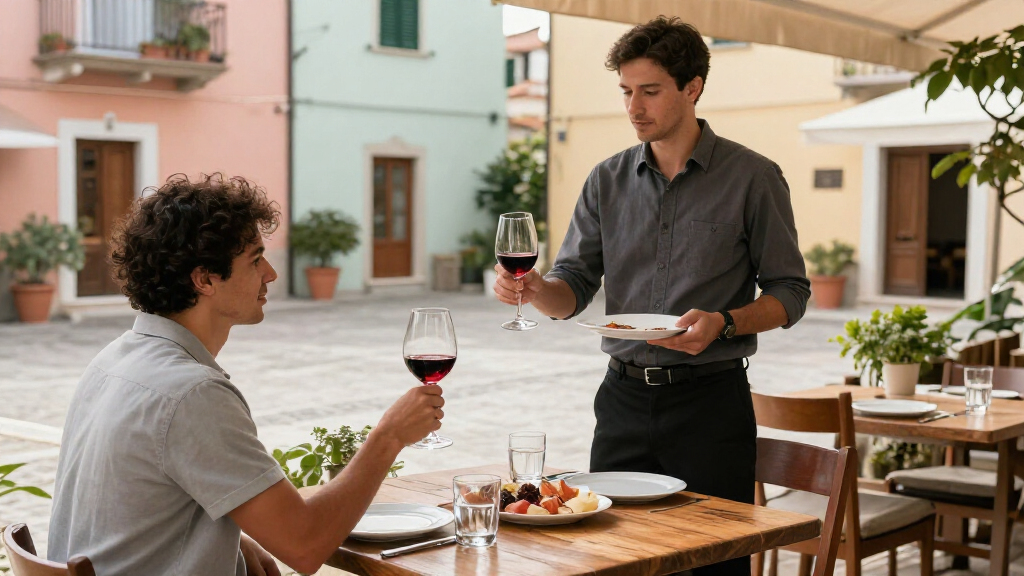
I judged the 15 options through a beginner’s needs: how clearly a bottle or resource helps someone take a first step, how easy it is to match to a preference, and how much extra knowledge or flexibility it offers. For wines, I looked at style variety across red, white, sparkling, and non-alcoholic choices, along with how clearly each option can serve a specific occasion or taste preference. For books and learning tools, I weighed accessibility, practical guidance, and whether the format suits quick reference, structured learning, or hands-on exploration.
The ranking favors options with a clear role and a low-friction entry point, then places more specialized bottles and deeper learning resources where their narrower audience makes sense. It does not treat a wine guide as a substitute for a bottle: readers seeking a drink should prioritize the wines, while readers seeking confidence in selecting and serving should look at the books or lab. Since preferences vary and the lineup spans several formats, the best choice depends on whether the reader wants to taste, learn, avoid alcohol, or build a broader wine reference shelf.
Factors to Consider When Choosing Best Wines For Beginners
Choosing a first wine is less about finding a universal favorite and more about picking a style that fits your palate, occasion, and willingness to experiment. I’d use these factors to narrow the options before buying a bottle or a learning resource.
Start With the Style You Already Like
Think about drinks and foods you already enjoy before choosing a wine category. If you gravitate toward juicy fruit flavors, a red such as Malbec may feel more approachable than a sharper, drier style. If you prefer citrusy or refreshing drinks, a Sauvignon Blanc is a more natural starting point; sparkling wine can suit someone who likes bubbles and a celebratory feel. A common mistake is choosing by grape reputation alone, then assuming you dislike all wine when one bottle does not suit you. Try contrasting styles over time rather than buying several bottles that all share the same profile. That comparison teaches you more about your preferences than searching for one supposedly perfect beginner wine.
Match the Bottle to the Occasion
A bottle for a casual meal may need to be easy to serve with familiar food, while a sparkling wine may fit a toast or gathering better. Consider who will drink it, whether it will be served with food, and whether the group prefers red, white, or bubbles. Do not treat a bold label or a familiar grape name as a guarantee that every guest will enjoy it. For a mixed group, a versatile style can be a safer choice than a highly distinctive bottle. If you are buying for yourself, choose an occasion where you can pay attention to what you like rather than opening a new style during a rushed meal. The best starter bottle is often the one that fits a real moment, not a hypothetical tasting exercise.
Check Alcohol Content and Non-Alcoholic Needs
Alcohol level can affect how a wine feels, but it does not tell you whether the taste will be sweet, dry, light, or full-bodied. Read the label and product details rather than using alcohol content as a stand-in for flavor. A non-alcoholic option such as Fre Cabernet Sauvignon serves a different need from the conventional wines in this lineup, so compare it on suitability and drinking occasion, not as a direct equivalent in every respect. If you are avoiding alcohol for health, medication, recovery, pregnancy, religious, or personal reasons, check the specific product information and consult a qualified professional when appropriate. Another common mistake is assuming “non-alcoholic” always means absolutely zero alcohol; verify the label if that distinction matters to you. These checks help prevent a mismatch between what you want to drink and what the bottle provides.
Choose a Learning Format You Will Actually Use
Wine books differ in how much structure and detail they provide. A concise beginner guide may be easier to finish, while a visual reference or larger edition can serve readers who want to return to maps, grape profiles, and regional information. A hands-on lab offers a more active format for people who learn by comparing sensory impressions rather than reading alone. Avoid buying the most extensive guide simply because it contains more material; a reference that feels unwieldy may sit unused. If your immediate goal is to select a bottle for dinner, start with a practical guide to choosing and serving. If you want to build knowledge over months, a broader reference may be a better fit.
Decide How Much Variety You Want
Beginners can learn quickly by comparing a small number of contrasting styles, but too many unfamiliar bottles at once can blur the differences. Choose a simple contrast, such as a red and a white, or a still wine and a sparkling one, and note which qualities you prefer. The tradeoff is between convenience and discovery: sticking to one familiar style makes selection easier, while sampling different grapes expands your vocabulary. Do not assume that disliking one Cabernet Sauvignon means all red wines will taste the same; grape, region, production choices, and serving conditions can change the experience. Keep brief notes on what seemed fruity, tart, dry, or rich, using your own words rather than technical terms. That record can guide your next purchase more reliably than a label’s tasting language.
Think About Storage and Serving Before Buying
A wine’s serving conditions can affect whether a beginner finds it pleasant, so plan for how you will store and serve the bottle. Keep wine away from heat and strong light, and follow the producer’s guidance where available. Very cold temperatures can mute aromas, while serving a red too warm may make its alcohol feel more prominent. You do not need a collection of specialist equipment to start; a suitable glass and sensible chilling are enough for many casual occasions. Buy a format and quantity you can use while the wine is in good condition, especially if you are still learning what you enjoy. Practical handling can make a bigger difference to the first experience than paying for a more elaborate bottle.
Frequently Asked Questions
Should I start with red, white, or sparkling wine?
Start with the style that best matches drinks and foods you already enjoy rather than assuming one category is universally easiest. A fruit-forward red such as Malbec may appeal if you like richer flavors, while a crisp white can suit someone who prefers bright, refreshing drinks. Sparkling wine is a good occasion-driven choice, but its bubbles and acidity may not match every palate. If you are unsure, compare one red and one white on separate occasions and note which feels more enjoyable with food. The goal is to find a direction for your next bottle, not to decide your permanent preference in one sitting.
Are wine books a better first purchase than bottles?
That depends on whether you want to drink something now or become more confident choosing later. A bottle offers an immediate tasting experience, while a guide can help you understand labels, styles, and serving choices across many purchases. Readers who feel overwhelmed by grape names may benefit from a practical beginner book before buying several unfamiliar bottles. If you already have a clear preference, a bottle that matches it may be the more satisfying starting point. You can also pair one accessible guide with occasional bottle comparisons instead of treating learning and tasting as competing choices.
How can I tell whether a wine is dry or sweet before buying it?
Look for explicit sweetness information on the label or product details, but remember that fruit-forward flavors can make a dry wine seem sweet even when little residual sugar is present. Grape names alone do not always settle the question, and tasting descriptions can use terms differently across producers. If sweetness is a firm preference, ask a knowledgeable retailer for a style recommendation and state whether you mean noticeable sugar or ripe fruit flavor. Sparkling wines can also use sweetness terms that differ from everyday descriptions, so check the specific label language. Keeping a note of bottles you enjoyed gives you a more reliable reference than relying on a single adjective.
Can I learn about wine without drinking alcohol?
Yes. A non-alcoholic wine option can let you explore a wine-like drinking occasion without choosing a conventional alcoholic bottle, though the flavor and texture may differ from traditional wine. Books and hands-on educational resources can teach grape varieties, regions, tasting vocabulary, and serving basics without requiring alcohol consumption. If you are avoiding alcohol for a specific medical or personal reason, check product labeling closely rather than assuming every non-alcoholic product meets your needs. You can also learn by comparing aromas and reading about wine production without tasting. Pick the approach that respects your reason for avoiding alcohol while still supporting your curiosity.
Do I need a premium bottle to make a good first impression?
No. A higher-priced bottle is not automatically easier to enjoy or better suited to a beginner; it may offer complexity that is harder to interpret without comparison. The better first choice is a style that fits the drinker, meal, and occasion. If you are hosting, consider serving a familiar, approachable option rather than choosing a bottle mainly for its reputation. Spending more can make sense when you already know the recipient’s preferences or want a particular region or style, but it is a poor substitute for that information. Learning what you like first can make later premium purchases more rewarding.
Conclusion
For a flexible first bottle, I’d choose Alamos Malbec as best overall; it gives red-wine newcomers a clear place to begin. André Brut is the best occasion pick for readers seeking bubbles, while Nobilo Sauvignon Blanc is the better fit for crisp-white preferences. For a non-alcoholic need, choose Sutter Home Fre Cabernet Sauvignon and check its product details against your requirements. Readers who want a practical starting resource can look to Wine Folly: The Essential Guide to Wine; those seeking a larger reference may prefer the Magnum Edition, while hands-on learners can consider The Mindful Glass. I’d treat Duckhorn Chardonnay and the more distinctive red options as choices for readers who already have a clearer style preference, rather than default first bottles. The right pick depends on whether your priority is an easy first taste, a specific occasion, alcohol avoidance, or learning how to choose the next bottle with more confidence.