TL;DR

Get kitchen staples and gadgets delivered free with Prime
- Fast, free delivery on millions of items
- Prime Video, Amazon Music and more included
- Member-only deals all year
Cremona’s annual Torrone Festival usually takes place in November, around the feast of Saint Homobonus, with tastings, demonstrations, food stalls, and large nougat sculptures in the historic center. Check the current schedule before traveling, then leave time to explore the Cathedral and Torrazzo as well as the festival stands. Torrone traditionally combines honey, sugar, egg whites, and nuts, so ask vendors about ingredients and cross-contact if allergies matter.
A towering nougat sculpture can make a city square smell faintly of honey before you have even chosen your first bite. In Cremona, in Lombardy, the annual Torrone Festival turns a beloved sweet into a November city event, with tastings, demonstrations, food stalls, and displays spread through the historic center.
This guide helps you plan the visit around what makes the festival special: the craft behind torrone, the difference between crunchy and chewy pieces, and the pleasure of wandering between a tasting and Cremona’s Cathedral and Torrazzo bell tower. Exact dates, stall locations, and activities change each year, so use the practical tips here as a starting point and confirm the current program before setting off.
You’ll also find a useful way to taste without rushing, ideas for a few hours versus a full day, and reminders for families and travelers with food allergies. The aim is simple: let the sweet lead you into the city, then leave enough room for Cremona itself.
Cremona’s annual Torrone Festival usually runs in November near Saint Homobonus’s feast day; confirm this year’s dates and hours before booking.
Compare torrone by texture first: a firm, crunchy piece tastes and eats differently from a soft, chewy one.
Use the current festival map to find sculpture displays, tastings, and demonstrations around the historic center.
Treat nougat sculptures as displays unless a maker or organizer confirms they can be tasted.
Torrone commonly contains nuts and egg whites; ask about ingredients and cross-contact directly.
Torrone di Cremona A sweet walk through the city
Each November, Cremona’s festival brings nougat tastings, craft demonstrations, and towering sculptures to the historic center. Check the current program before you travel.
What to look for
The festival pairs confectionery craft with a chance to explore central Cremona.
Nougat sculptures
Detailed figures showcase confectioners’ skill. Treat displays as exhibits unless a maker confirms they can be tasted.
Many textures
Compare firm, crunchy pieces with soft, chewy ones, then try a chocolate-covered or flavored version.
Historic center
Festival stops spread through central squares and streets near the Cathedral and Torrazzo bell tower.
A simple tasting route
Small comparisons help you notice how texture and ingredients change each bite.
Try a plain piece and notice the balance of honey, sweetness, and nuts.
Taste a crunchy piece, then a chewy one.
Check ingredients and whether a sculpture is available to taste.
Plan around the changing program
Dates, hours, stall locations, and activities vary by edition.
A story with a local legend
Festival tradition links torrone to a Cremona wedding in 1441, but this is a popular origin story rather than established historical fact.
- Torrone traditionally combines honey, sugar, egg whites, and nuts.
- Recipes and product names vary by maker.
- Products commonly contain nuts and egg whites.
- Ask vendors about ingredients and cross-contact.
What you’ll find at Cremona’s November Torrone Festival
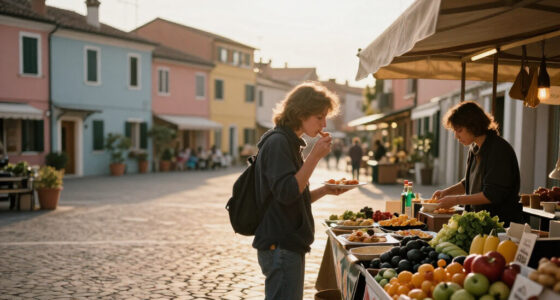
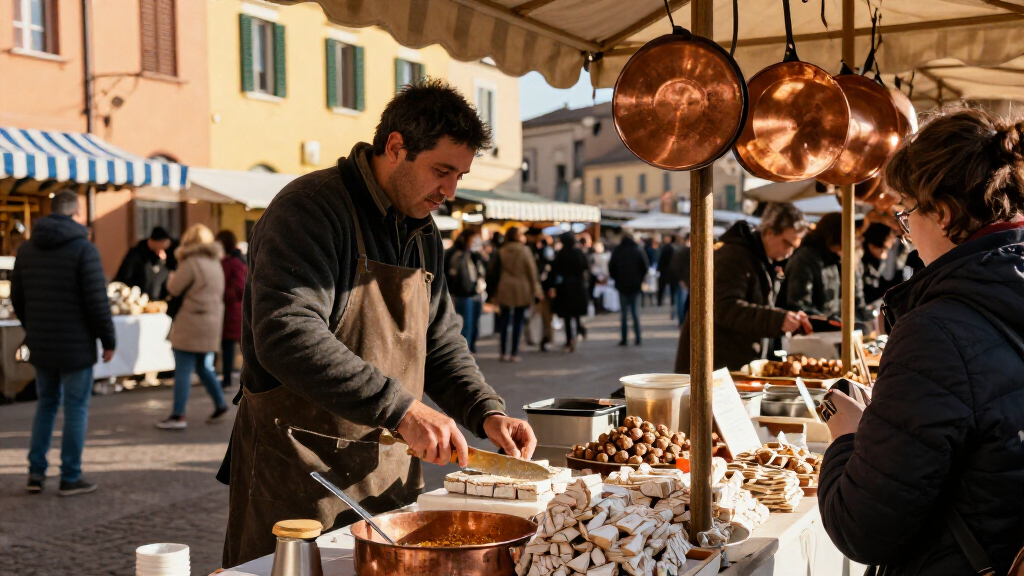
The Torrone di Cremona Festival is an annual celebration of Italian nougat, usually held in November around the feast of Saint Homobonus, Cremona’s patron saint. The event brings food stalls, tastings, demonstrations, performances, and activities into the city center. Think of it as a food festival woven into a historic walk, rather than a single market you visit and leave.
You might begin near a stall with rows of pale, nut-studded bars, then hear a demonstration a few streets away while the Cathedral’s brickwork catches the cool autumn light. The precise program and layout vary from year to year, so check the organizers’ current announcement or Cremona’s official tourism information for dates, opening hours, and a map.
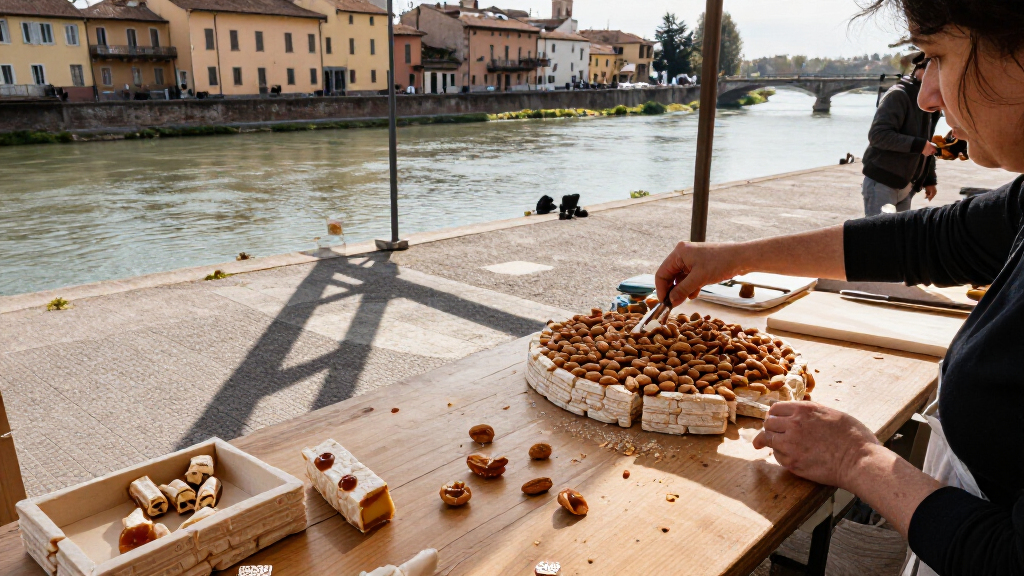
The central draw is torrone, traditionally made with honey, sugar, egg whites, and almonds or other nuts. The flavor is sweet and nutty, but texture changes the whole experience: one piece may crack cleanly between your teeth, while another yields slowly with a chewy pull. Makers may also offer chocolate-covered or flavored versions, and other regional foods often appear alongside the nougat.
One story often repeated around the festival says torrone was created for a 1441 wedding in Cremona. It belongs to local tradition, not settled historical fact. Treat it as a flavorful part of the city’s storytelling, then enjoy the more visible evidence: makers demonstrating their craft and visitors comparing bars over a paper napkin.
Products Worth Considering

Roborock RockNeo Q110H Wire-Free Robot Lawn Mower

Dyson V8 Cyclone Cordless Vacuum

Roborock RockMow X130H Wire-Free 4WD Robot Lawn Mower
As an affiliate, we earn on qualifying purchases.
How to taste torrone without losing the small differences
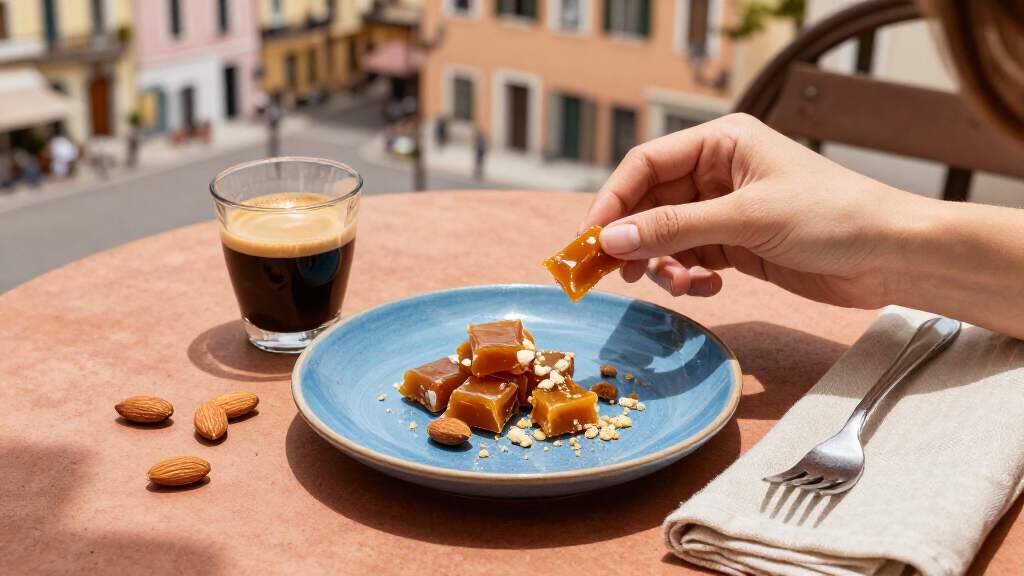
To taste torrone well, compare a few small pieces by texture and ingredients before deciding which style you like best. The Torrone di Cremona Festival gives you a rare chance to sample firm, crunchy, soft, chewy, chocolate-covered, and flavored versions in one place. A slow comparison shows how a familiar sweet can change with its balance of honey, sugar, and nuts.
- Start with a classic piece. Try a plain version with almonds, and notice whether the honey comes through clearly or the sweetness leads.
- Compare textures next. Bite a firm piece, then a softer one. The first may snap; the second may cling gently to your teeth.
- Try one variation. A chocolate coating or flavoring can shift the taste, so compare it with the classic rather than sampling several rich options at once.
- Ask the maker what’s inside. Recipes and product names vary, and ingredients matter if you avoid particular nuts, dairy, or other allergens.
For example, if you’re visiting with a friend who loves dark chocolate, split a chocolate-covered piece after tasting a plain one. You’ll be able to tell whether the coating deepens the nutty flavor or simply makes the bite sweeter. Small portions also leave room to try a second maker’s version.
Some displays are edible confections, but don’t assume you can taste every sculpture. A detailed nougat figure may be made from torrone or related confectionery materials and still be set aside as a display. Ask a vendor before touching or sampling one; the tasting stalls are the right place to choose a bite.
Why the nougat sculptures are worth slowing down for
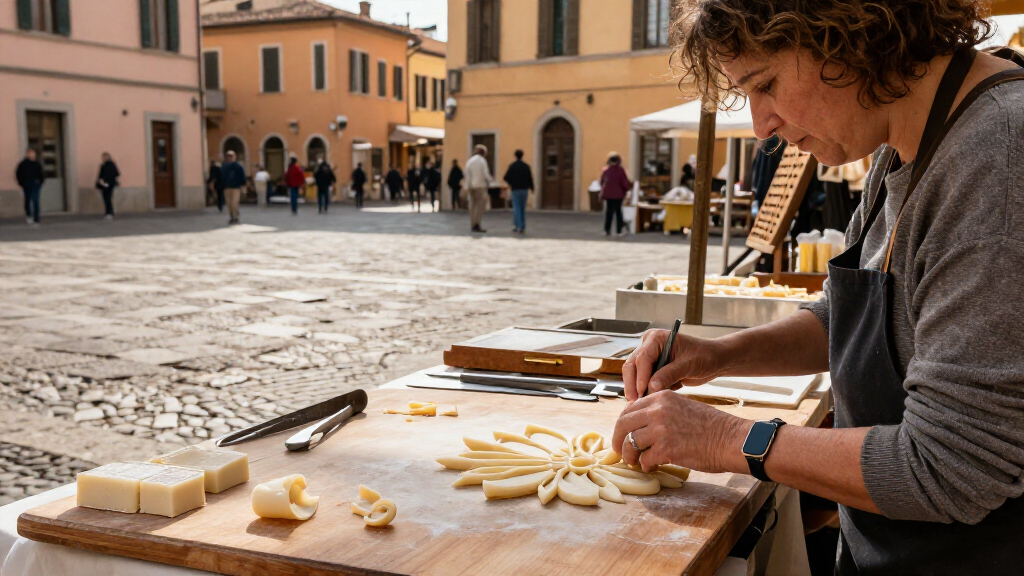
Nougat sculptures are detailed figures and themed displays made from torrone or related confectionery materials, and they give the festival its most striking visual moment. Their scale can turn familiar nougat into something architectural: pale, crisp-edged forms against the warm stone and brick of Cremona’s streets. The work also makes the confectioners’ patience visible.
Look at the joins, repeated shapes, and small details before you take a photo. A figure built from many pieces can resemble a miniature façade, while a broad themed display may reward a closer look at the pattern rather than a quick glance. Crowds tend to collect around the biggest works, so consider visiting the displays early in your day or returning later if a square feels packed.
The sculptures also make a good pause between tastings. After several sweet bites, stand back and notice the contrast between the smooth, glossy surface of a chocolate coating and the dry, matte look of plain nougat. That visual difference can help you choose what to try next, especially if you are traveling with children who are more excited by the figures than by comparing recipes.
Whether a sculpture can be eaten depends on the event and the individual work. Treat it as an exhibit until a maker or organizer says otherwise. If your child points to a piece that looks like a tiny tower, use the moment to explain that the festival celebrates both a confection and the skill of shaping it—not every display is a tasting sample.
How to pair festival stops with Cremona’s historic center
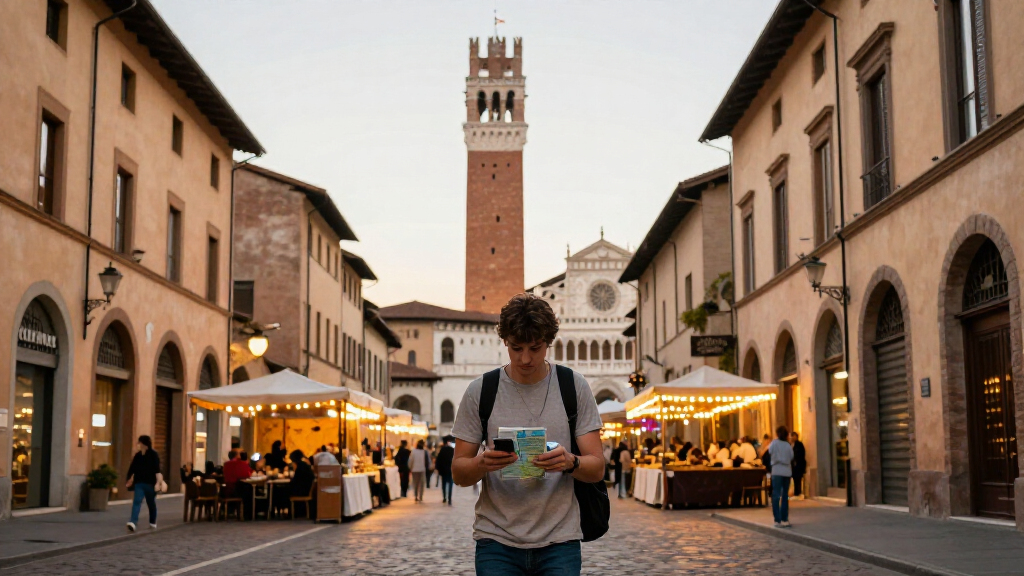
The festival is easiest to enjoy when you pair its stalls with a walk through central Cremona. Events usually occupy public squares and nearby streets, close to landmarks such as the Cathedral and Torrazzo bell tower. That setting lets you move from a food demonstration to the city’s architecture without needing a separate excursion.
Use the year’s festival map to sketch a simple route: one display, one tasting stop, a landmark, then a break. For example, you could look for a sculpture first, walk toward the Cathedral, and save a soft torrone tasting for later. The map matters because the locations and distribution of stalls can change between editions.
If you have only a few hours, concentrate on the main festival activities and a short loop through the center. A full day gives you more time to browse slowly, stop for a meal, and explore beyond the busiest stalls. The Po belongs in the wider landscape around Cremona, but the festival’s central activity is in the city center; check local information if you want to add a river-area walk to your itinerary.
November weather can make a warm drink and a sheltered break feel welcome between outdoor stops. Pack a light layer and comfortable shoes, and leave space in your schedule for a crowd to slow your route. If you arrive at a busy stand just as a demonstration ends, try another nearby stop first and return after the queue thins.
What to check before you book your November visit
Check the current festival dates, daily hours, activity locations, and ticket rules before you book transport or lodging. The event usually takes place in November, often over a weekend near Saint Homobonus’s feast day, but the exact schedule changes each year. Previous editions are useful for understanding the tradition; they do not guarantee this year’s program.
- Dates and hours: Confirm which days the festival runs and when stalls or demonstrations open.
- Map and program: Find the locations of tastings, displays, workshops, and performances.
- Costs and booking: Outdoor festival areas are typically accessible without an admission ticket, while tastings, workshops, or special activities may have separate costs or require advance booking.
- Travel arrangements: Check current train connections, road conditions, parking, and local access information.
- Access needs: Review the event’s latest guidance on accessibility and any changes to routes or public spaces.
For instance, if you’re taking a morning train and want to attend a shaping demonstration, verify the activity time before choosing your departure. A few minutes spent checking the official announcement can save you from arriving after the session ends or assuming a workshop accepts walk-ins.
There are no reliable attendance figures or guaranteed stall locations to plan around here. Let the current organizer or official tourism listing be your reference for time-sensitive details, especially if you’re traveling with a group or arranging a particular tasting. Keep a flexible gap in your itinerary: a festival route is more pleasant when it can bend around a queue.
How to visit with children or food allergies
The festival can suit families because it combines visual displays, food stalls, and lively public events in a walkable city center. Nougat sculptures may hold a child’s attention while adults explore the tastings, but crowds can make the busiest squares tiring. Check the program for child-focused activities and build in a quieter break rather than trying to cover every stall.
For a family visit, agree on a meeting point before you enter a crowded area and keep the current festival map handy. A child might prefer watching a demonstration to sampling a new sweet; that still gives them a close look at how confectioners prepare and shape torrone. If you want a workshop, check the age guidance and booking requirements first.
Torrone commonly contains nuts and egg whites, and products may share preparation areas. Ask the vendor about ingredients and cross-contact, and don’t rely on appearance alone to judge whether a piece is safe. If you have a serious allergy, bring the advice and medication you normally use when traveling, and skip any product whose ingredients or handling the vendor can’t clearly explain.
Other food stalls may offer more choice, but descriptions and recipes can vary. For example, a chocolate-covered bar may contain or contact ingredients that aren’t obvious from its surface. A direct question at the stall is more useful than guessing from the color, texture, or name of the sweet.
A few hours or a full day: choose the visit that fits your trip
A few hours can cover tastings and the main displays; a full day gives you time to explore Cremona’s historic center at a slower pace. The right length depends on the year’s program, crowd levels, and whether you want to attend a demonstration or workshop. Treat the festival as one part of a city visit, not a checklist that has to be completed.
| Visit length | Good fit for | A practical plan |
|---|---|---|
| A few hours | A day trip or a quick festival stop | Choose one sculpture display, two or three small tastings, and a walk by the Cathedral and Torrazzo. |
| Most of a day | Travelers who want food and city time | Check a demonstration time, taste at an unhurried pace, take a meal break, and explore more of the center. |
| Overnight | Visitors arriving from farther away | Keep festival hours flexible and leave another window to enjoy Cremona without a full program. |
If you arrive by train for a short visit, decide on one demonstration or main display before you set out. A queue or a change in the program could easily use the time you planned for an extra tasting. With a full day, you can pause for lunch and return to a stand that was crowded earlier.
Cremona is reachable by train and road from other cities in Lombardy and northern Italy; confirm current connections and parking arrangements before traveling. A flexible plan makes the day feel generous. You can leave with a favorite piece of torrone and a memory of the city’s squares, even if you don’t see every stall.
Frequently Asked Questions
When is the Torrone di Cremona Festival held?
The festival usually takes place in November, often over a weekend near the feast of Saint Homobonus. Exact dates and daily hours vary by year, so check the organizers’ current announcement or Cremona’s official tourism information before planning travel.
Where does the festival take place?
Activities usually spread through central Cremona, in public squares and nearby streets, close to landmarks such as the Cathedral and Torrazzo. Use that year’s map to find specific stalls, demonstrations, and sculpture displays.
Is the festival free to enter?
Outdoor festival areas are typically accessible without an admission ticket, but some tastings, workshops, or special activities may cost extra or need advance booking. Check the current program for the rules attached to each event.
Can you eat the nougat sculptures?
Some sculptures use torrone or related confectionery materials, but whether a display can be tasted depends on the work and event arrangements. Ask the maker or organizer before touching or sampling a sculpture.
How should visitors with nut or egg allergies approach torrone?
Traditional torrone commonly contains nuts and egg whites, and products may share preparation areas. Ask vendors about ingredients and cross-contact, and avoid any item whose handling or ingredients they can’t clearly confirm.
How much time should I allow for the festival?
A few hours can cover the main displays and several tastings; a full day leaves more time for demonstrations and Cremona’s historic center. Allow extra room for queues and check the schedule before choosing how much to fit in.
Conclusion
Plan your visit around one demonstration, a few small torrone tastings, and a walk through Cremona’s historic center. Check the current November program before you travel, then let the day unfold at a human pace. The best souvenir may be a favorite crisp or chewy bite—and the memory of honey-scented air beneath the Torrazzo.