To find Italy’s village food festivals this fall, search in Italian by ingredient and province, check municipal and Pro Loco pages, then confirm the current date on an official social account shortly before traveling. September favors grapes and early mushrooms, October brings chestnuts and truffles, and November is rich with vino novello, olio nuovo, and hearty regional dishes.
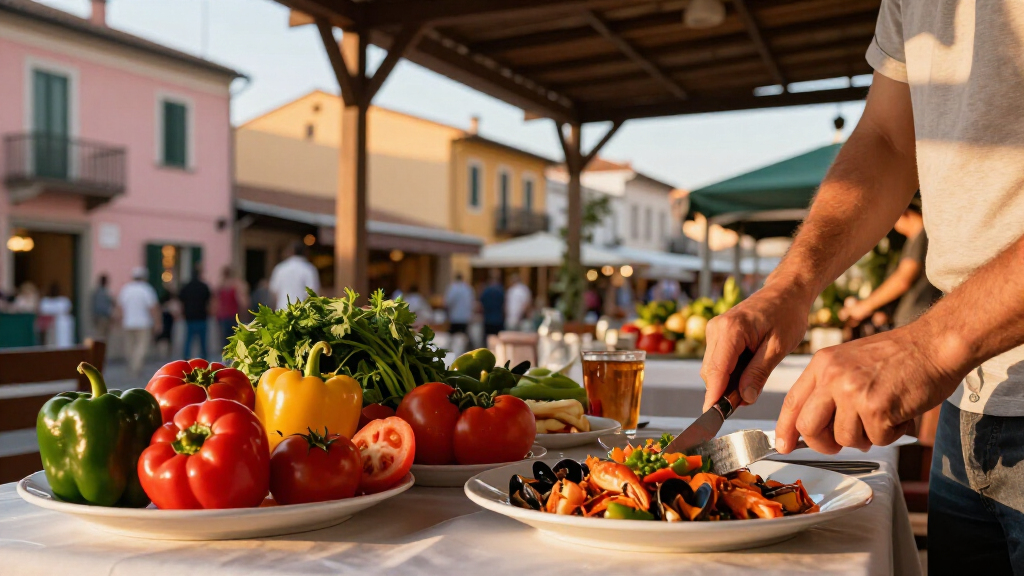
At a chestnut festival in a small Apennine town, you may hear the roasting pans before you see them. Their metal drums turn over glowing coals, paper cones fill with smoky castagne, and a handwritten sign sends you toward the parish dining hall for polenta. By the time you find a seat, you are sharing a table with three generations of a local family.
That scene captures why Italy’s autumn sagre deserve space in your travel plans. These community-run festivals celebrate a local food, drink, harvest, or agricultural tradition, often through volunteer kitchens, market stalls, music, processions, and long communal meals. Unlike polished food fairs aimed primarily at visitors, many sagre are fundraisers for village associations, parishes, sports clubs, or local projects.
The charming part is also the difficult part: information can be scattered, written only in Italian, or copied from an old calendar. This guide shows you where to search, how to match your dates with the harvest, how to check whether an event feels locally rooted, and what to expect when you arrive. You will also learn the practical details that can save an evening, from meal service hours and distant parking to cash, cold weather, allergens, and the final bus home.
At a glance
Find Italy’s Village Food Festivals This Fall
Key insight
There is no definitive national calendar for Italian sagre; the most reliable method combines an Italian-language ingredient search with confirmation from the municipality, local Pro Loco association…
Key takeaways
1
Search in Italian by ingredient, month, and province, then verify the date through the municipality, Pro Loco association, or organizer’s current social accoun…
2
Match your trip to the harvest: September for grapes and early mushrooms, October for chestnuts and truffles, and November for new wine and newly pressed olive…
3
Read the full program for serving hours, reservations, payment rules, parking, shuttle service, and accessibility before committing to the drive.
4
Judge local character through named producers, regional dishes, DOP or IGP products, transparent sourcing, and the community group supported by the event.
5
Bring cash, warm layers, rain protection, a charged phone, and a sober transportation plan; refrigerate perishable purchases promptly.
Step by step
1
Find a Promising Festival in 20 Minutes, Then Verify It
To find Italy’s village food festivals this fall , search in Italian by ingredient, month, and province , then compare the result with a mu…
Sagre Season Is Coming: How to Find Italy’s Village Food Festivals This Fall
Italy · Autumn Field Guide
Sagre Season Is Coming: Find Italy’s Village Food Festivals This Fall
Search in Italian by ingredient and province, follow the harvest calendar, and verify the current program before traveling. The reward may be smoky chestnuts, long communal tables, and a village sharing its season with you.
Core season3 months
Search languageItalian
Typical settingVillage
Final checkSame week
01 · Find one in 20 minutes
Build a precise Italian search, then move quickly to local sources.
There is no definitive national calendar. Broad listings are useful for inspiration, but old dates are frequently copied forward. Specific searches reduce noise and make verification easier.
The search formula
Ingredient+Month+Province
TRY: sagra castagne ottobre Perugia TRY: festa del tartufo novembre Piemonte TRY: eventi autunno Cuneo
1
Choose the food
Use tartufo, funghi, castagne, vino novello, olio nuovo, or another regional specialty.
2
Open local results first
Prioritize the Comune, regional tourism board, Pro Loco, local newspaper, and organizer.
3
Find the current program
Check the year, meal hours, address, tickets, reservations, parking, and contact details.
4
Verify shortly before travel
Review the latest social post for weather changes, cancellations, or altered service times.
02 · Follow the harvest
Choose the month that matches what you want to eat.
These bars show relative seasonal prominence, not fixed availability. Climate, altitude, rainfall, and crop conditions can shift the calendar.
Early autumn
September
Vineyard regions turn toward vendemmia, while suitable rain can bring the first mushroom gatherings.
Grapes
Mushrooms
Chestnuts
New oil
Broadest selection
October
Chestnuts, porcini, truffles, polenta, pumpkins, apples, and vineyard celebrations overlap.
Chestnuts
Truffles
Mushrooms
Grapes
Deep autumn
November
Look for young wine, newly pressed olive oil, truffles, cured meats, and hearty regional dishes.
New wine
New oil
Truffles
Chestnuts
Regional cues: truffles in Piedmont, Umbria, Tuscany, and the Marche · chestnuts in mountain communities · mushrooms in wooded northern and central areas · new oil in central and southern Italy
03 · Read the poster correctly
The event name is a clue—not a guarantee.
A humble one-night meal and a polished destination fair can both be worthwhile. Judge the organizer, menu, producers, and community purpose rather than the label alone.
Italian label
What you will often find
Useful authenticity clue
Visitor profile
Sagra
Volunteer food service, communal tables, music, and a featured dish or crop.
✓Local association, parish, sports club, or producer group is named.
Community-centered and informal, though quality and sourcing vary.
Festa
A broader celebration linked to a saint, season, harvest, or village tradition.
~Read the full program to learn how strongly food shapes the event.
Residents, families, processions, entertainment, and food may mix.
Fiera
Market stalls, commercial vendors, agricultural displays, and trade activities.
✓Nearby producers, certifications, and origins appear clearly.
Often larger, more commercial, and easier for outside visitors.
Castagnata
A chestnut gathering with roasting drums, paper cones, wine, and simple dishes.
✓The chestnut variety, woodland, or local growing area is identified.
Seasonal, social, and commonly held in mountain communities.
Vocabulary: sagre is the plural of sagra · vendemmia means grape harvest · tartufo means truffle · funghi means mushrooms · olio nuovo means newly pressed olive oil
Source test
Named producers
Look for farms, wineries, mills, cheesemakers, or butchers identified by name and location.
Menu test
Regional specificity
Local dishes, DOP or IGP products, transparent sourcing, and seasonal ingredients are stronger signals.
Purpose test
Community benefit
Check whether proceeds support a parish, village association, sports club, or local project.
04 · Traceability chain
From search result to shared table.
Each link reduces uncertainty. Save a screenshot of the current program because mobile reception may fade on wooded roads or inside stone villages.
🔎DiscoverSearch by ingredient, month, and province.
🏛️Cross-checkOpen the Comune, tourism board, or Pro Loco page.
📅ConfirmMatch the year, date, address, and meal service.
📱RecheckReview the latest organizer post before departure.
🍽️ParticipateFollow the ticket system and share the table patiently.
Read the practical details before committing to the drive.
Meal service: Lunch and dinner may run in short windows, separate from market hours.
Food safety: Ask directly about allergens and refrigerate perishable purchases promptly.
What a Real Sagra Gives You That a Food Fair May Not
A sagra is a community festival centered on a food, agricultural product, local dish, saint’s day, or seasonal tradition. It usually gives you a closer view of how a village eats and gathers than a commercial fair does, though the labels overlap and the word alone never guarantees local ingredients or old recipes.
The language helps you read a poster correctly. Sagra is singular and sagre is plural; festa means a broader celebration, while fiera usually points to a fair or market with a stronger commercial side. A castagnata is a chestnut gathering, and vendemmia refers to the grape harvest. In practice, one event may use two or three of these words.
Event label
What you will often find
Useful clue
Sagra
Volunteer food service, communal tables, music, and a featured dish or crop
Look for a local association or parish among the organizers
Festa
A broader village celebration, sometimes linked to a saint, season, or harvest
Read the program to see how much food shapes the event
Fiera
Market stalls, commercial vendors, agricultural displays, or trade activities
Check whether nearby producers are named
Imagine choosing between a famous truffle fair with ticketed workshops and a one-night Sagra della Polenta run by a hill-town sports club. The fair may offer multilingual tastings and polished displays; the sagra may serve one fixed menu on plastic trays under fluorescent lights. One is not automatically better. The first offers depth and access, while the second may give you a warmer glimpse of ordinary community life.
The name on the poster is only a starting point. The organizer, menu, producers, and audience tell you whether an event is rooted in its place.
Find a Promising Festival in 20 Minutes, Then Verify It
To find Italy’s village food festivals this fall, search in Italian by ingredient, month, and province, then compare the result with a municipal page, Pro Loco announcement, or current organizer account. National calendars are useful for ideas, but copied listings can preserve last year’s date long after plans have changed.
Choose an ingredient. Try tartufo for truffle, funghi for mushrooms, castagne for chestnuts, vino novello for young wine, or olio nuovo for newly pressed oil.
Add a place and month. Search phrases such as sagre ottobre Umbria, festa del tartufo novembre Piemonte, or eventi autunno Cuneo.
Open local results first. Check the town’s Comune page, regional tourism board, local newspaper, or Pro Loco, a volunteer association that promotes the town.
Find the current program. Look for this year’s date, meal hours, address, ticket rules, and the organizer’s contact details.
Verify again before departure. Check the latest Facebook or Instagram post, especially when rain, wind, or harvest timing could change the schedule.
Suppose you will be near Perugia on the second weekend of October. Searching only for sagra Umbria produces a noisy mix of calendars and old articles. Searching sagra castagne ottobre Perugia or festa funghi provincia Perugia narrows the field to events connected with the season and your driving range.
According to municipal tourism calendars and Pro Loco organizer guidance, weekends are the most common dates, sometimes across two or three consecutive weekends [1]. Social media now carries many schedule announcements and weather changes that never reach a permanent website [2]. Save a screenshot of the program because mobile reception may fade on wooded roads or inside stone villages.
Choose the Month That Matches What You Want to Eat
Italy’s village food festivals this fall follow the harvest rather than a fixed national schedule: choose September for grapes, October for chestnuts and truffles, and November for new wine and olive oil. Altitude, rain, heat, and crop conditions can move the celebration, so treat the seasonal pattern as a guide rather than a promise.
In September, vineyard regions turn toward the vendemmia, or grape harvest. You may find festivals in Piedmont’s Langhe, the hills of Tuscany, or Veneto towns surrounded by vines. Early mushroom events also appear after suitable rain, when stalls smell of damp woodland and cooks spoon porcini sauce over fresh pasta or soft polenta.
October offers the widest autumn spread. Mountain communities roast chestnuts; wooded areas of northern and central Italy run festivals celebrating porcini mushrooms; and truffle events gather pace in Piedmont, Umbria, Tuscany, and the Marche. A traveler based near Norcia, for example, could search for tartufo nero, meaning black truffle, while someone in the Mugello north of Florence might look for chestnut or mushroom weekends.
November brings deeper flavors and colder streets. Look for vino novello, young wine, and olio nuovo, newly pressed olive oil, especially in central and southern regions. At an olive-oil event in Umbria or Puglia, a simple slice of toasted bread may arrive green-gold at the edges, smelling of cut grass and leaving a peppery catch in your throat.
September: grape harvests, early mushrooms, apples, and hazelnuts
October: truffles, porcini, chestnuts, pumpkins, polenta, and wine
November: new wine, new olive oil, late truffles, wild boar, cheeses, and hearty pasta
Climate variability can alter ripening and mushroom growth, making late program changes more common [2]. If one ingredient matters to you, contact the organizer and ask whether it will actually appear on the menu. A chestnut title may describe the tradition, while poor harvest conditions leave the kitchen serving mostly polenta and grilled sausages.
Read the Program Before a Sold-Out Dish Ruins Dinner
A sagra program tells you when the kitchen opens, how payment works, and which activities need reservations. Read it before setting out because lunch and dinner often run during short service windows, popular dishes can sell out, and a festival advertised for the whole weekend may serve its signature menu only once.
Watch for phrases such as apertura stand gastronomici, meaning food stands open, and pranzo su prenotazione, meaning lunch by reservation. Menù fisso signals a fixed menu, while degustazione means tasting. Some events sell individual dishes; others ask you to buy meal tickets or a tasting package at a cashier before joining a separate food line.
Here is a common Sunday scenario. You arrive at 2:15 p.m. after a scenic drive, expecting a leisurely lunch, but the kitchen served from noon until 2:00 and the porcini tagliatelle are gone. The music continues all afternoon, so the event still looks active online, yet your only food choice is a bag of roasted chestnuts and a slice of packaged cake.
Larger truffle and wine events increasingly use advance booking, timed tastings, and online tickets [2]. Small village suppers may rely on a phone number, a WhatsApp message, or walk-in tickets sold from a folding table. Even when cards are advertised, bring some cash in small notes; a weak signal or overworked payment terminal can stop card sales without warning.
Confirm the meal date and serving hours, not only the festival’s opening time.
Check whether a reservation covers entry, a seat, a tasting, or the full meal.
Ask if the menu has vegetarian dishes and whether stocks, sauces, or beans contain meat or lard.
Look for information about dogs, strollers, step-free access, and accessible seating.
Plan to arrive near the start of service if the featured dish has limited portions.
Your best clue is specificity. A useful program names dishes, prices, producers, demonstrations, and meeting points. A poster that offers only music, food, and fun may still lead to a lovely night, but it gives you less confidence about what will actually reach your plate.
Spot Local Character Without Treating Every Sagra as Sacred
You can spot a locally rooted sagra by checking for named nearby producers, region-specific dishes, transparent menus, and community organizations among the hosts. Authenticity is not about rough tables or old costumes; it comes from a clear relationship between the food, the landscape, and the people running the event.
Start with protected names. In Piedmont, references to Nocciola Piemonte IGP identify the region’s protected hazelnut, while Castagna del Monte Amiata IGP connects a Tuscan chestnut event to a defined growing area. At a cheese festival, look for a DOP name such as Pecorino Toscano DOP rather than a vague promise of local cheese.
Certifications help, but they do not tell the whole story. A village may celebrate an uncodified pasta shape, bean variety, or hunting dish without any DOP or IGP badge. Ask a stallholder where the mushrooms came from or read the menu for a farm name; a direct, plain answer often says more than decorative branding.
Take two hypothetical pumpkin festivals. One menu lists tortelli di zucca made by a local volunteer group, cheese from a nearby dairy, and pumpkin soup from farms named on the poster. The other offers generic fried food from traveling vendors and mentions pumpkin only in one sweet. The first builds the evening around an agricultural tradition; the second uses the crop as a theme.
Tradeoffs matter. A famous truffle festival may feel polished, charge premium tasting prices, and welcome tour groups, yet still provide excellent access to serious local producers. A tiny volunteer sagra may feel intimate while buying some ingredients through normal wholesalers. Community character and ingredient purity are related, but they are not the same thing.
Ask what the event supports. When meal revenue funds the local ambulance group, parish roof, football club, or cultural association, your dinner participates in village life rather than merely observing it.
Solve Parking, Weather, and the Ride Home Before You Go
Reaching Italy’s village food festivals this fall often takes more planning than finding them: check the final bus, locate outer parking, and choose a sober driver before leaving. Many host villages have narrow medieval streets, limited public transportation, distant parking fields, and evening programs that finish after regional services stop.
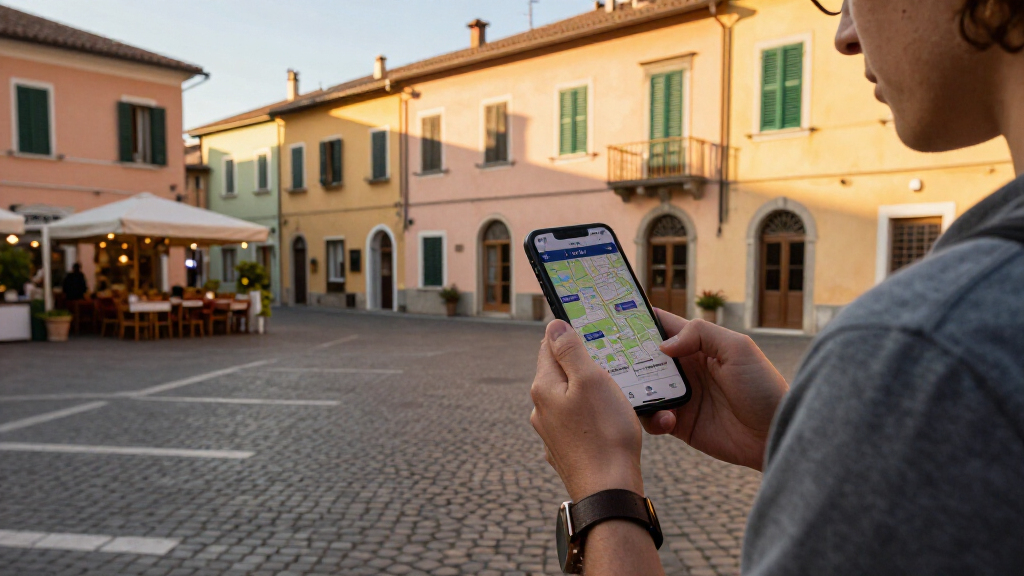
A map can fool you. A hill town may sit only 12 miles from your hotel, yet the final approach could involve switchbacks, one-lane sections, and a temporary road closure near the historic center. If the poster lists parcheggio or servizio navetta, it refers to parking or a shuttle service; save both the parking pin and festival entrance on your phone.
For example, you might take a regional train to a valley town and a local bus uphill for a 5:00 p.m. chestnut event. The outward journey works beautifully, but the final bus returns at 7:10 while dinner starts at 7:30. In that case, stay in the village, book a local transfer in advance, or choose a daytime program instead.
Autumn weather adds another layer. September afternoons can feel warm, but October and November evenings turn cold quickly, especially in the Apennines and Alpine foothills. Bring warm layers, rain protection, and shoes with grip; food service may shift between an indoor hall, a tent, and outdoor stalls on wet stone lanes.
Wine festivals require a firm adults-only plan. If you taste Barbera, Chianti Classico, or vino novello, drink responsibly, eat with the tasting, and do not drive afterward. Stay within walking distance, use a booked driver, or designate someone who will not drink; rural taxi supply can be thin when hundreds of visitors leave together.
Check the organizer’s latest post on the morning of your trip. Heavy rain, wind, volunteer shortages, permits, or crop availability may change outdoor activities and shuttle routes [2]. Viral social coverage can also fill a small village suddenly, so an early arrival protects you from full parking lots and long meal lines.
Eat Adventurously Without Ignoring Allergens or Food Safety
You can eat confidently at a sagra by asking about allergens, choosing food served properly hot or cold, and treating take-home dishes with the same care you use at home. Volunteer service can be excellent, but crowded counters and informal menus make clear questions and quick refrigeration especially useful.
Common allergens appear everywhere. Fresh pasta, bread, and fried coatings usually contain wheat or gluten; pasta and cakes may contain eggs; polenta sauces can include milk or cheese; pesto and pastries may contain tree nuts. Seafood festivals add shellfish, while cured meats, wine, and preserved foods can contain sulfites.
Vegetarian travelers should ask beyond the dish name. Mushroom risotto may use meat stock, beans may simmer with pork, polenta can carry a wild-boar sauce, and cheese may use animal rennet. The useful question is È vegetariano? Contiene brodo di carne o strutto?, meaning Is it vegetarian, and does it contain meat stock or lard?
Choose cooked food that arrives steaming rather than lukewarm. Standard food-safety guidance holds hot food at about 140°F or 60°C and refrigerated food at 40°F or 4°C or colder. Refrigerate perishable leftovers within two hours, or within one hour when the temperature exceeds 90°F or 32°C; a foil tray of sausage is not a safe souvenir after several hours in a warm car.
Imagine buying fresh ricotta, salami, and mushroom pasta before an afternoon concert. Eat the pasta promptly, carry the ricotta in an insulated bag with ice packs, and follow the producer’s storage directions for the salami. If you cannot keep a product cold, choose dried pasta, sealed honey, roasted nuts, or a bottled condiment instead.
If you have a severe food allergy, do not rely on appearance or a hurried verbal guess. Ask for the allergen information, explain cross-contact concerns in Italian, and skip the dish when the answer remains unclear.
Frequently Asked Questions
When is the best time for autumn sagre in Italy?
September through November is the main autumn window [1]. September favors grape harvests and early mushrooms, October brings truffles and chestnuts, and November is strong for new wine, olive oil, and hearty dishes. Dates shift with region, altitude, weather, and crop conditions.
Is there one reliable national calendar for Italian sagre?
No single calendar captures every event or stays fully current. Use national listings for ideas, then verify through the municipality, regional tourism board, local Pro Loco, or official organizer account. Recheck shortly before traveling because old dates are often copied into new listings.
Do I need tickets or reservations for a sagra?
Small village events often accept walk-ins, but fixed dinners, workshops, guided tastings, and famous fairs may require advance booking. Check what your ticket covers because entry, a reserved seat, and a tasting package can be separate purchases. Arrive early when the signature dish has limited portions.
Are Italian sagre free to attend?
Entry is often free, but food, drinks, tastings, parking, and special activities usually cost extra. Some events sell individual plates, while others use meal tickets or a fixed menu. Carry cash even when card payment appears on the poster.
Can I visit a rural sagra without renting a car?
Some festivals are reachable by regional train or bus, but rural services can be infrequent and may stop before dinner ends. Check the return schedule, not only the outward trip. A nearby overnight stay, daytime visit, or prebooked transfer can make a car-free plan work.
Will I find vegetarian food at an autumn sagra?
Chestnut, pumpkin, mushroom, polenta, cheese, and olive-oil events often have promising choices, but meat stock, lard, or animal rennet may appear in dishes that look vegetarian. Ask about the whole preparation, not just the featured ingredient. Severe allergies also require a direct cross-contact discussion.
How can I tell whether a sagra is authentic?
Look for nearby farms, local artisans, region-specific dishes, transparent sourcing, and a village organization among the hosts. DOP and IGP names can strengthen the connection to place, though small traditions may lack certification. A program designed for residents as well as visitors is another good sign.
What should I bring to an autumn food festival in Italy?
Bring cash, a charged phone, warm layers, rain protection, and comfortable shoes. Add an insulated bag if you plan to buy perishable cheese or prepared food. For wine events, adults should arrange a sober driver, nearby lodging, or booked transportation and drink responsibly.
Conclusion
Your best move is simple: choose the autumn food you want to taste, search for it in Italian near your route, and confirm the current program with a local organizer. That three-part habit turns a vague festival listing into a workable day, complete with real meal hours, realistic transportation, and fewer surprises.
Then arrive with patience. Share the table, follow the ticket system, and remember that the volunteers may be feeding their neighbors before they are entertaining travelers. The reward is not a flawless production; it is a paper cone of hot chestnuts, woodsmoke caught in your coat, and the sound of a village settling into supper.
Savor the flavors of Mecca with our guide to the 10 best restaurants that promise unforgettable dining experiences, each one more tempting than the last!
Guiding you through seamless unpacking, organization, and relaxation tips, this guide helps you return home without post-trip chaos and enjoy your new routine.