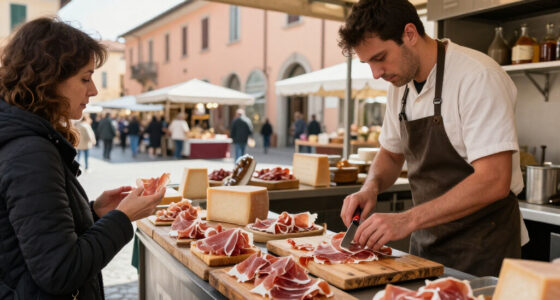
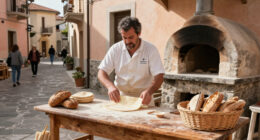
Bologna is called La Grassa, meaning “the plump one,” for its tradition of rich, generous cooking—not because every meal is heavy. Start with tagliatelle al ragù, tortellini in broth, or Mortadella Bologna, then explore markets, trattorias, and planned producer visits to taste how Emilia-Romagna’s food traditions connect to place.
Bologna earned the nickname La Grassa—“the plump one”—by making a meal feel like the best part of the day. Fresh egg pasta arrives in broad, tender ribbons; a spoonful of slow-cooked ragù clings to each one; and a few thin slices of mortadella can turn a quick stop into a proper pause.
That reputation is more than a menu of rich dishes. It connects Bologna’s kitchens and trattorias to the farms, dairies, cured-meat makers, and pasta traditions of Emilia-Romagna. Once you understand that connection, you can choose what to eat, where to find it, and how to build a food-focused day without treating the city like a checklist.
This guide explains what La Grassa means, which dishes give you the clearest taste of Bologna, and how to plan meals and food stops across the region. You’ll also find practical advice on reservations, producer visits, seasonal menus, and dietary needs, so your first plate can lead naturally to the next experience.
At a glance
Why Bologna Is La Grassa: Emilia-Romagna Food Guide
Key insight
Bologna’s classic pairing is tagliatelle with ragù, not spaghetti: the broad, fresh egg-pasta ribbons hold the slowly cooked meat sauce in a way that reflects the city’s sfoglia tradition.
Key takeaways
1
La Grassa means “the plump one” and celebrates Bologna’s generous cooking traditions, not a rule that every meal must be heavy.
2
Order tagliatelle al ragù to try Bologna’s classic pasta pairing; spaghetti Bolognese is a familiar international adaptation, not the traditional match.
3
Use trattorias for full meals, the Quadrilatero for casual food browsing, and aperitivo bars for pre-dinner snacks—then check hours and what is included.
4
Book producer visits in advance, especially for Parmigiano Reggiano or traditional balsamic vinegar experiences outside Bologna.
5
If you have allergies or dietary restrictions, contact restaurants before arriving and ask about ingredients and cross-contact.
Step by step
1
Use Emilia-Romagna’s regional products to plan a food day
Experiences in Emilia often make more sense when you follow an ingredient back to its place .
Emilia-Romagna · Food briefing
Why Bologna Is La Grassa
“The plump one” celebrates generous cooking, skilled preparation, and good ingredients. Follow the food from Bologna’s pasta traditions to the producers and places behind regional specialties.
A food culture, not a portion size
La Grassa describes a culinary tradition shaped by farms, dairies, cured meats, fresh pasta, and the pleasure of eating well.
Pasta
Start with tagliatelle al ragù
Broad ribbons of fresh egg pasta carry slow-cooked ragù. It is Bologna’s classic pairing.
Broth
Try tortellini in brodo
Small stuffed pasta served in broth offers a comforting alternative to a rich sauce.
Local taste
Sample Mortadella Bologna
A few thin slices make an easy snack or part of a salumi plate.
Choose how to explore
Each setting offers a different way into the region’s food traditions.
Why Bologna’s nickname La Grassa means more than rich food
La Grassa means “the plump one” and celebrates Bologna’s long-standing reputation for generous, satisfying cooking. The nickname points to a food culture shaped by fresh pasta, carefully prepared meat, cured pork, and dairy—not a promise that every local dish will be heavy or extravagant.
Emilia-Romagna gives that reputation a regional foundation. Farms, dairies, and food producers supply ingredients that appear in everyday meals as well as restaurant specialties, while local cooks turn those ingredients into dishes that reward time and skill. A bowl of pasta is not simply a vehicle for sauce; it can show you the texture of hand-rolled dough and the patience behind a long simmer.
Consider a lunch in Bologna: you order tagliatelle al ragù, then notice how the sauce coats the pasta instead of pooling like soup. That small detail captures the nickname better than a plate piled high with food. The pleasure comes from good ingredients, careful technique, and taking time to eat.
The saying is not just a slogan for visitors. It reflects a standing reputation built through home cooking, neighborhood restaurants, markets, and famous regional products. Still, recipes differ from family to family and town to town. You can enjoy a seasonal vegetable dish or a lighter lunch here and still be eating within Bologna’s food tradition.
La Grassa describes a food culture, not a required portion size. Follow the ingredients and local habits, and you’ll understand the nickname without expecting every meal to be a feast.
Products Worth Considering
eufy Security SoloCam E42 4-Camera Kit with HomeBase 3, 4K Solar Security Cameras
LG S90TR 7.1.3‑Channel OLED Evo TV Matching Home Theater Soundbar (Black)
Shark HydroVac Reveal Cordless Wet-Dry Vacuum and Mop, Lilac, WD321
As an affiliate, we earn on qualifying purchases.
Order these Bologna dishes to taste the city’s cooking
Food and dining experiences in Emilia-Romagna often begin with fresh pasta, and Bologna’s signature pairing is tagliatelle al ragù. If you have one traditional meal in the city, this is a smart place to start: wide ribbons of egg pasta carry a slowly cooked meat sauce, with a savory, rounded flavor rather than a sharp rush of tomato.
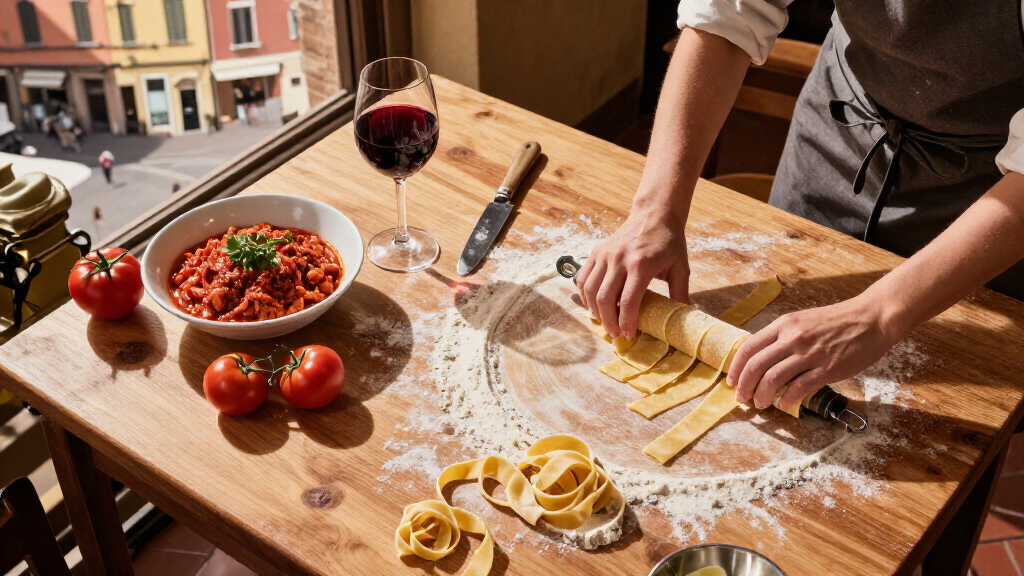
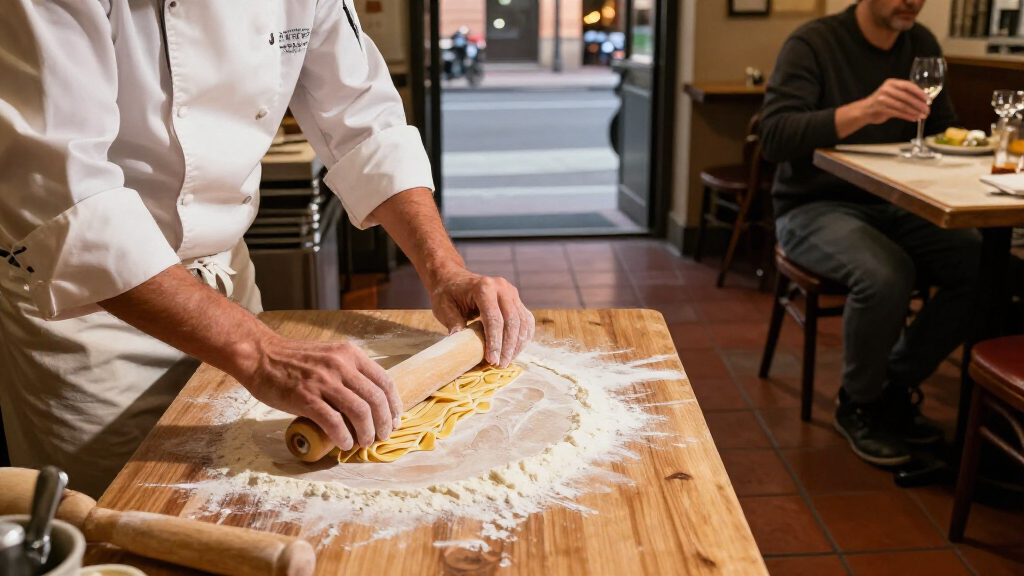
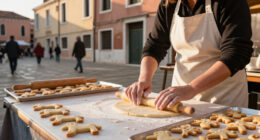
The local word sfoglia means a thin sheet of pasta dough, traditionally rolled by hand. Tagliatelle are cut from that sheet; their broad shape gives the sauce plenty of surface to cling to. A visitor expecting the familiar “spaghetti Bolognese” may be surprised by the difference. That international dish is popular abroad, but tagliatelle is the classic local match for ragù.
This pairing matters because pasta shape and sauce are meant to work together. The ribbons hold the ragù across their surface, so each bite carries pasta and sauce rather than leaving most of the sauce at the bottom of the plate. It also gives you a useful point of comparison: if you try ragù elsewhere in the region, notice how the pasta changes the feel of the dish. Fresh egg pasta is satisfying, so a full plate can be filling; if you want to sample several specialties, share dishes or spread them across meals.
Use this short order guide when you sit down. If the menu is seasonal or the restaurant has a daily special, ask what is made in-house before deciding.
Choose tagliatelle al ragù for Bologna’s emblematic pasta-and-sauce pairing.
Order tortellini in brodo—small stuffed pasta served in broth—for a comforting bowl, especially on a cool day. The clear broth makes the filled pasta, rather than a rich sauce, the focus, so it offers a different kind of meal from ragù.
Try lasagne verdi, an Emilia-style lasagna often made with spinach pasta and ragù. Its layered richness makes it a good dish to share if you are also planning a substantial second course.
Ask for Mortadella Bologna, the finely textured cooked pork sausage associated with the city, as a snack or part of a salumi plate. A few thin slices are enough to appreciate its delicate texture without making the rest of the meal feel redundant.
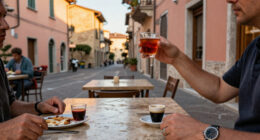
These dishes make a useful tasting route, but you do not need to eat them all in one sitting. For example, try tortellini in broth at lunch, then share a few slices of mortadella and cheese during an early evening aperitivo. That pacing lets you taste more without turning dinner into a contest.
Find the right meal in a trattoria, market, or aperitivo bar
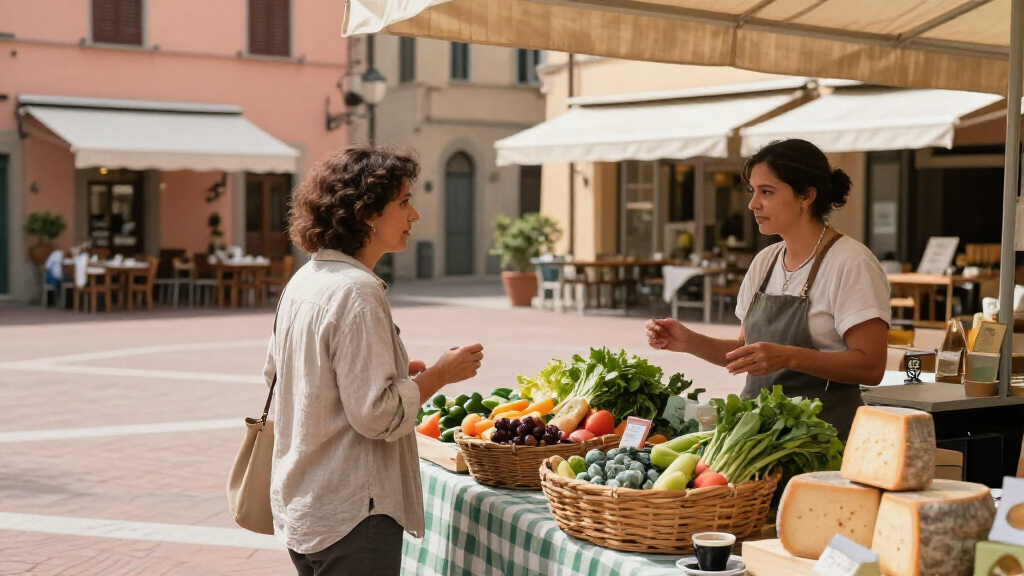
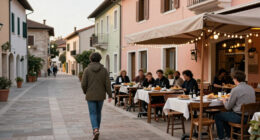
You can explore Bologna’s food culture at different speeds: settle in for a trattoria meal, browse food shops around the historic Quadrilatero, or sample small bites during aperitivo. The best choice depends on how much time you have, whether you want a full meal, and how much planning you enjoy.
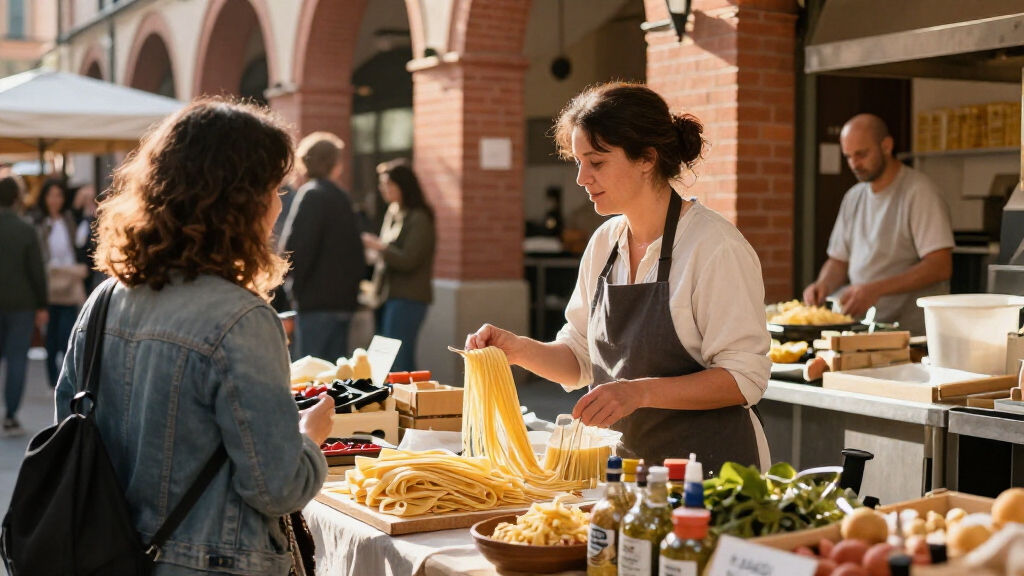
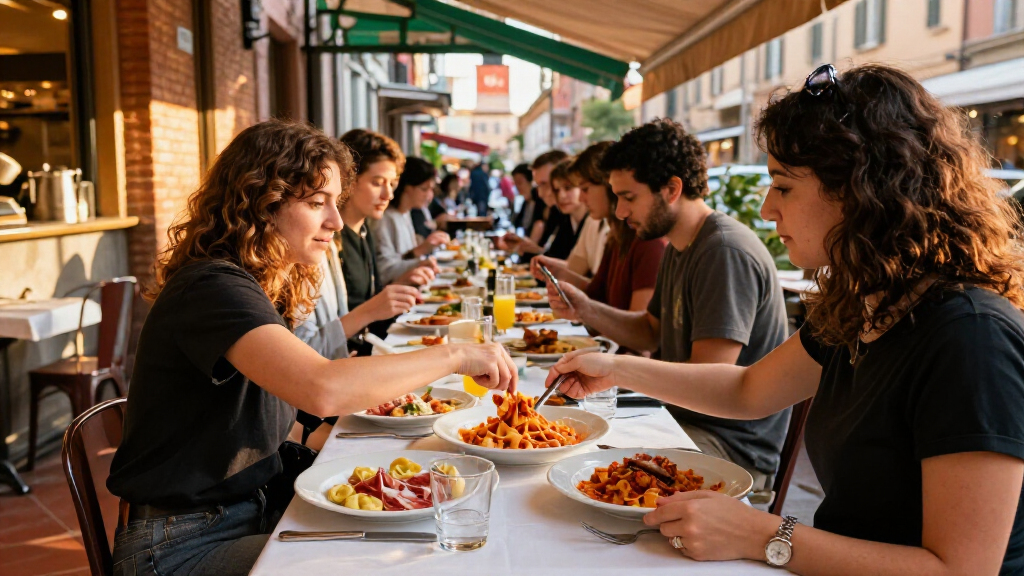
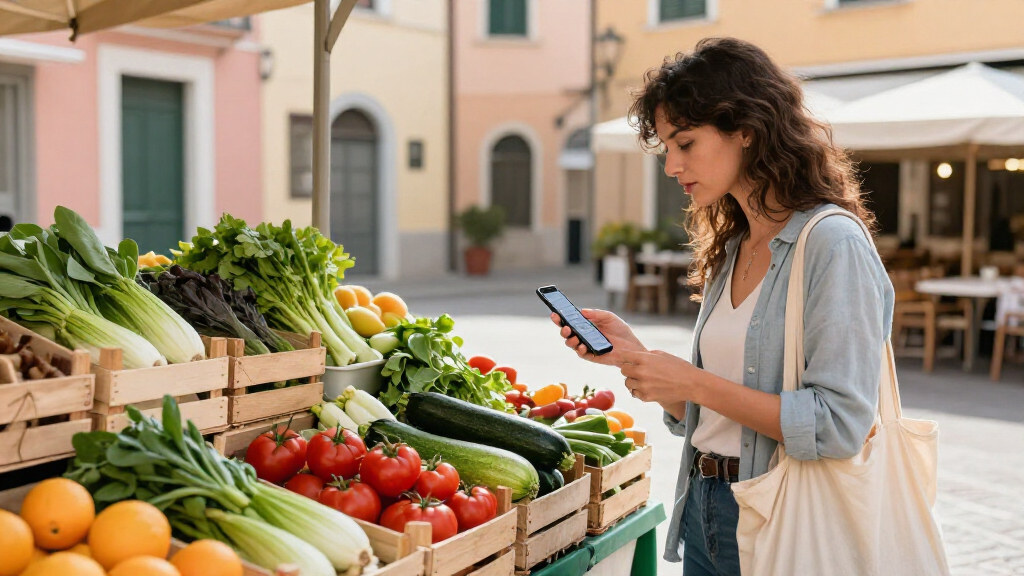
A trattoria is a natural place to try handmade pasta and slow-cooked dishes. Menus and recipes vary, so ask whether the pasta is made in-house or what the kitchen is serving seasonally. The Quadrilatero, a historic area known for food businesses and busy lanes, suits a slower wander: look into delis and bakeries, choose a snack, and let the next stop emerge as you go.
Each setting gives you a different kind of access to local food. A trattoria offers preparation and context through a complete meal, but it takes time and may require a reservation. Browsing shops gives you freedom to choose small tastes and see products up close, though opening hours and seating can be less predictable. Aperitivo is an easy social pause, but its snacks may be modest; treating it as a full dinner can leave you hungry.
Check current opening hours; individual shops vary
Aperitivo bar
Wine with snacks or small bites
A relaxed pre-dinner stop
Ask what the food includes; it may not replace dinner
Imagine arriving hungry after a morning beneath Bologna’s porticoes. A full trattoria lunch makes sense if you want tagliatelle and a slow meal; a shop snack fits better if you have a museum or train to catch. For aperitivo, the food might be a few bites of cheese and salumi rather than a complete spread, so plan dinner accordingly.
Opening schedules, menus, and individual businesses can change. Check the day’s hours and recent menus before making a special trip, and treat the Quadrilatero as an area to explore rather than one fixed market with a single timetable. If your time is limited, choose one planned meal and leave the rest flexible: that balances the certainty of a reservation with the pleasure of discovering a shop or seasonal special as you walk.
Use Emilia-Romagna’s regional products to plan a food day
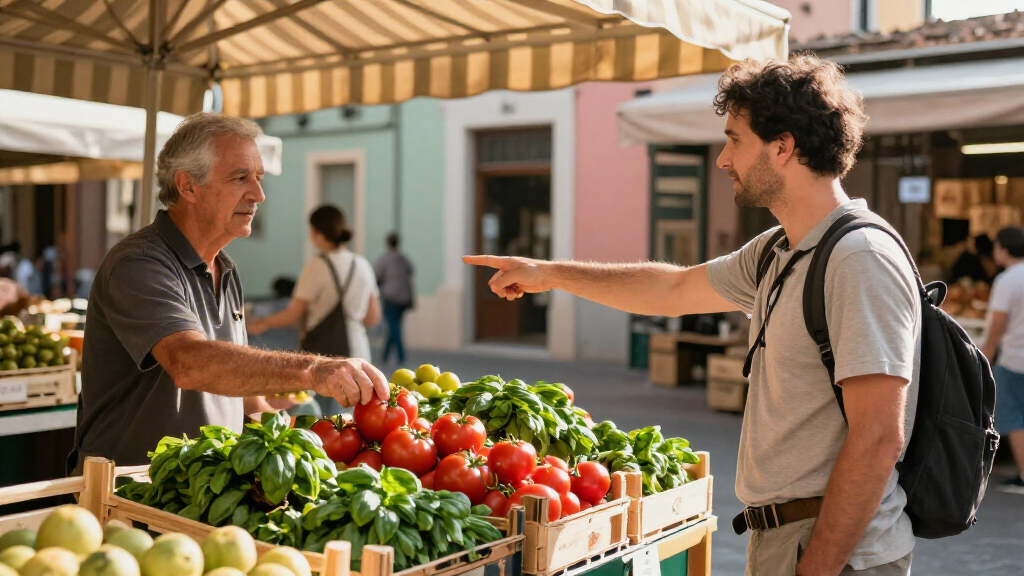
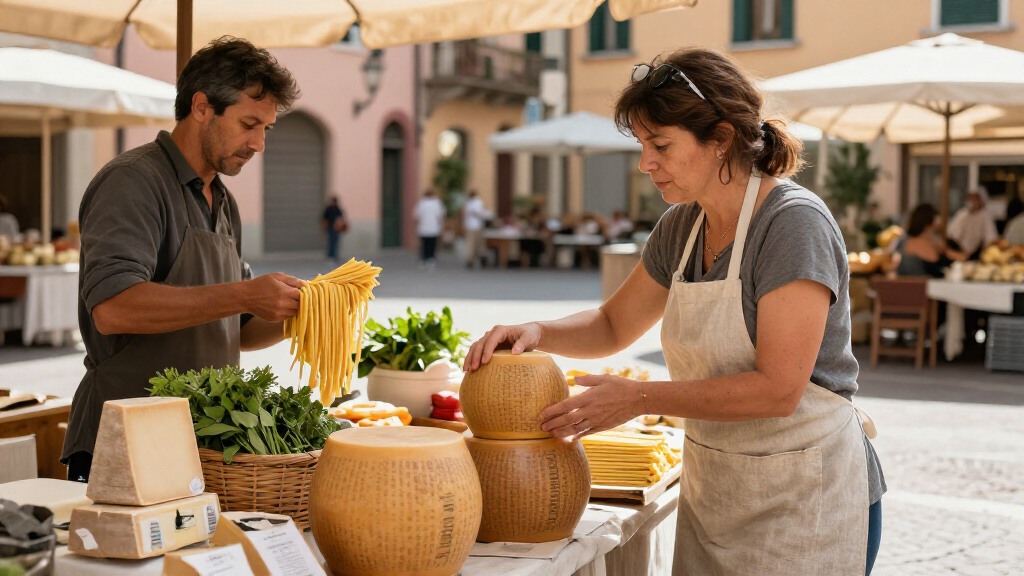
Experiences in Emilia often make more sense when you follow an ingredient back to its place. Bologna gives you a lively city base, while food-focused day trips can introduce you to producers of Parmigiano Reggiano, traditional balsamic vinegar, cured meats, and regional wines.
Start with the product you most want to understand. Parmigiano Reggiano is a protected-origin cheese made in a defined production area spanning parts of Emilia-Romagna and neighboring territory. Traditional balsamic vinegar from Modena or Reggio Emilia follows its own regulated production methods; it is distinct from ordinary balsamic-style vinegar, so the two should not be treated as interchangeable. A visit can explain not only how a product is made, but why its place and method matter: tasting directly with a producer gives you a reference point for judging age, texture, and flavor later in shops or restaurants.
There is a tradeoff between depth and variety. Focusing on one producer or product lets you spend time asking questions and understanding the process, while trying to fit several stops into one day can turn the experience into a transport schedule. Distances, appointment times, and limited public access may make a rural visit more complicated than a city tasting, especially without a car. Choose a day trip when the producer is a priority; choose a guided tasting in Bologna when convenience matters more.
Here is a practical way to shape the day:
Pick one main product. A cheese-focused visit is different from a balsamic vinegar tasting, and one clear theme keeps your plans manageable.
Check access and book ahead. Some producers welcome visitors by appointment; others may not offer public tours. Confirm language, timing, transport, and tasting details directly.
Leave time for a meal. A producer visit is more satisfying when you can connect the tasting to a local lunch rather than rushing straight back to Bologna.
Ask how the product is used. A producer or host can explain how age, texture, and flavor change what you pair it with at home.
Regional wines add another useful thread. You may see Sangiovese, Lambrusco, and Pignoletto on menus, but styles vary. Lambrusco, for example, is not a single uniform wine; ask what style the restaurant pours and what food it suits. That question matters because choosing by name alone can create the wrong expectation: a particular bottle may be dry or sweeter, still or sparkling, and better suited to a different dish than you had in mind.
Food tours and cooking classes can make logistics easier, especially if you do not have a car. Availability, routes, and schedules vary by season and operator, so confirm details before setting out. If your trip is short, a guided tasting in Bologna may offer a more practical introduction than a distant producer visit.
Spot the regional details that make a meal taste like Emilia-Romagna
Regional food is more than a famous recipe; it is also the products, methods, and small choices that shape a meal. In Bologna, a menu may bring together egg pasta, ragù, mortadella, local cheese, and bread, while nearby towns and households put their own spin on familiar traditions.
For example, Parmigiano Reggiano carries a protected designation tied to defined production rules and territory. That makes the full name useful when you shop or order, because the name identifies more than a general hard cheese. “Parmesan” can be used more loosely in some markets; the word alone does not guarantee the same origin or production method. For a visitor, the distinction is practical as well as cultural: checking the full name helps you know what you are buying, while tasting different ages can show how one product changes from milder and more supple to more concentrated and granular.
Another regional detail is crescentine or tigelle, small breads associated with parts of Emilia-Romagna. Names and preparations differ locally, but you may find them served with cured meats, cheese, or spreads. If a restaurant offers them, ask what the local name means there and what the kitchen recommends alongside them. That question can turn a casual bread order into a conversation about the town’s habits. The pairing also affects how substantial the meal feels: bread and rich cured meats can quickly add up, so order a smaller portion if you want room for pasta or dessert.
Traditional balsamic vinegar also deserves a closer look. Aged versions from Modena and Reggio Emilia are produced under regulated methods and have a different identity from everyday balsamic-style condiments. A tiny tasting can be more revealing than a heavy pour: think of it as a concentrated accent, not a sauce to flood over everything. The difference in how it is used reflects the difference in the product itself, and tasting it sparingly makes its balance of sweetness and acidity easier to notice.
Traditional does not mean identical everywhere. A family recipe, restaurant recipe, and town’s customary version may differ. When you see a dish described as associated with Bologna, take that as a useful guide rather than a claim that every kitchen follows one fixed formula. Asking what is particular to that kitchen is often more rewarding than searching for a single “correct” version.
Plan meals around real schedules, seasons, and dietary needs
A little planning helps you eat well in Bologna without losing the easy pleasure of wandering. Many traditional restaurants serve lunch and dinner during defined windows, and some close between services or on particular days, so a promising address may not be open whenever you arrive.
Make a reservation for a popular trattoria, especially on weekends or during busy travel periods. Keep one flexible meal for a market browse or a casual food shop, then ask about the menu of the day when you sit down. A seasonal dish may be the best thing on offer even if it is missing from the guidebook you read before your trip. The tradeoff is simple: booking gives you confidence about a sought-after meal, while leaving every meal open gives you more freedom but may mean waiting or changing plans.
Food traditions in the region often rely on wheat, eggs, meat, and dairy. If you are vegetarian, vegan, gluten-free, or managing an allergy, contact the restaurant ahead of time and explain your needs clearly. Ask about ingredients and cross-contact, rather than assuming a traditional kitchen can make a safe substitution on the spot. Mortadella and many salumi contain pork; pasta often contains wheat and eggs; broth may contain meat. Clear communication matters because a dish that sounds suitable may still use meat broth, cheese, or shared preparation surfaces.
For a relaxed lunch: choose a trattoria with a menu you can check in advance.
For a short visit: build a casual tasting around a food-shop stop, but verify opening hours.
For a producer outing: confirm reservations, transport, and tasting arrangements before leaving the city.
For a special diet: contact the restaurant directly and describe allergies or restrictions in specific terms.
Costs vary by neighborhood, venue, and meal, and current prices are best checked on recent menus. You can balance a simple lunch with a more elaborate dinner, or reverse the plan if a long meal is your priority. The point is to choose deliberately: one memorable plate often beats a packed schedule of rushed tastings. Leaving breathing room also makes it easier to adjust if a restaurant is closed or a dish is unavailable.
If you order wine, do so only if you are of legal drinking age, and enjoy it responsibly. You can also ask for water or a nonalcoholic drink and still take part in the ritual of sitting down over a meal.
See why Bologna’s food reputation still feels lived-in
Bologna’s food identity belongs to everyday life as much as visitor itineraries. The city is a destination, but it is also a living place where students, workers, families, and travelers share cafés, food shops, and neighborhood restaurants. That mix helps explain why the city’s reputation has stayed attached to actual eating habits rather than only to a list of iconic dishes.
Try a simple day as a real-world example. In the morning, walk through the historic center and notice the food shops as they open. At lunch, order tagliatelle al ragù at a trattoria and ask whether the pasta is made in-house. Later, pause for an aperitivo with a glass of local wine and a few bites, then decide whether you want a full dinner or a lighter evening.
That schedule lets you experience several scales of dining: the cooked meal, the small shop, and the social pause. You may find Mortadella Bologna in a sandwich or sliced on a salumi plate, and you can ask what cheese or bread the shop recommends with it. Those small choices bring the regional pantry into focus without requiring a formal tour. They also show how food fits different moments of the day: a shop snack is convenient, a trattoria meal gives you time and a fuller sense of the cooking, and aperitivo provides a social break without necessarily replacing dinner.
Food tourism has become more organized, with guided tastings, cooking classes, and producer visits available in the region. These options can be helpful if you want context or do not want to arrange transport yourself. Still, availability and schedules change, and a guided experience is not the only authentic one; a carefully chosen lunch and a conversation with a shopkeeper can be just as memorable. The choice depends on what you value most: a guide can make regional connections easier to understand, while an independent day gives you more control over pace and spontaneous stops.
So, why Bologna is so closely tied to food becomes clear through ordinary details: a fresh pasta texture, a slow lunch, a seasonal menu, and a good slice of mortadella. The city’s standing reputation is not just about indulgence. It is about giving food enough attention to notice where it came from and how it was made.
Frequently Asked Questions
What does La Grassa mean?
La Grassa means “the fat” or, more naturally, “the plump one.” It is Bologna’s nickname for its reputation for rich, generous cooking, shaped by fresh pasta, meat, cured foods, and dairy.
What is Bologna’s most famous dish?
Tagliatelle al ragù is one of Bologna’s best-known dishes: fresh egg pasta served with slowly cooked meat sauce. Tortellini in broth and Mortadella Bologna are also closely associated with the city.
Is spaghetti Bolognese authentic to Bologna?
Spaghetti Bolognese is popular internationally, but tagliatelle is the classic Bologna pairing for ragù. The broad, fresh pasta ribbons hold the sauce differently, and ragù may also appear in dishes such as lasagne.
Is ragù alla Bolognese just tomato sauce with ground meat?
No. Traditional ragù is a slow-cooked meat sauce built with aromatic vegetables and commonly wine, with a modest amount of tomato in many versions. Recipes vary, but it is not simply a quick tomato sauce with ground meat.
Can you find vegetarian or vegan food in Bologna?
Yes, but many signature dishes contain meat, eggs, or dairy, so check menus and ask restaurants about suitable options. If you have a serious allergy or strict dietary requirement, contact the restaurant ahead of time and ask about ingredients and cross-contact.
Can visitors tour food producers in Emilia-Romagna?
Food tours, cooking classes, tastings, and producer visits are available in the region, including experiences connected to cheese and traditional balsamic vinegar. Book and confirm details in advance, since not every producer offers public visits and transport or language options vary.
Conclusion
Remember La Grassa as an invitation to eat with attention, not as a challenge to order the richest thing on every menu. Begin with tagliatelle al ragù, add a local product that catches your eye, and leave enough time to enjoy the meal rather than hurry through it.
In Bologna, a good food day can be as simple as warm pasta, a few slices of mortadella, and a slow walk beneath the porticoes afterward. Choose one dish, ask one good question, and let the region show you the rest.
A supplier-sponsored report outlines consumer views on glass jars for pasta sauces and salsa, while leaving cost and environmental comparisons unanswered.