
TL;DR

Get kitchen staples and gadgets delivered free with Prime
- Fast, free delivery on millions of items
- Prime Video, Amazon Music and more included
- Member-only deals all year
Parma is a rewarding base for tasting Parmigiano Reggiano and Prosciutto di Parma, two products whose protected origins tie them to defined areas and production methods. Book producer visits ahead, compare flavors rather than rushing through stops, and leave time for fresh pasta and seasonal dishes in town. Check transport, opening hours, and food import rules before you go.
A wheel of Parmigiano Reggiano starts with milk, salt, and rennet; its complexity comes from place, careful craft, and time. In Parma, you can taste that story beside another local specialty, Prosciutto di Parma, then sit down to fresh pasta made for the same table. The best food day here feels less like checking off famous names and more like following ingredients from producer to plate.
This guide helps you plan food and dining experiences in Emilia-Romagna with Parma as your anchor. You’ll learn what to look for on a dairy or ham tour, how to compare tastings, what to order at a trattoria, and how to handle transport and shopping. Emilia-Romagna is one of Italy’s richest food regions, known for products with protected origins and established craft traditions, but its meals change from town to town and season to season.
Think of a producer visit as opening the kitchen door: you see the work behind the flavors you later meet at lunch. A little planning lets you make room for both—the aromas of a working dairy in the morning and the warm, buttery scent of pasta arriving at your table in Parma.
Parmigiano Reggiano is made in a defined area and must age for at least 12 months; comparing ages reveals changes in texture and flavor.
Prosciutto di Parma has a protected origin and production rules, so look for the protected name and official markings when buying.
Contact dairies and ham producers ahead to confirm reservations, language, visit length, and transport.
Order fresh pasta, tortelli, ragù, and seasonal dishes instead of treating Parma as a cheese-and-ham checklist.
Check your destination’s current food import rules before buying products to take home.
Emilia-Romagna · A food lover’s field guide
Parma, Prosciutto & Parmigiano
Follow the flavors from a working dairy to a Parma trattoria. Taste products shaped by protected origins, compare them at an unhurried pace, and leave room for fresh pasta and seasonal cooking.
A place on the plate
Let the ingredients lead the day
Parma is a rewarding base for tasting Parmigiano Reggiano and Prosciutto di Parma, two foods whose protected origins connect them to defined areas and production methods. A visit can show the craft behind each bite; a lunch in town brings those ingredients into everyday cooking.
Book producer visits ahead, compare flavors before pairing them, and leave time for tortelli, ragù, and seasonal dishes. Check transport, opening hours, and your destination’s current food import rules before you go.
At a glance
Five useful things to know
Parmigiano Reggiano comes from a defined area and ages for at least 12 months. Comparing ages reveals changes in texture and flavor.
Prosciutto di Parma has protected origin and production rules. Look for the protected name and official markings when buying.
Contact dairies and ham producers ahead to confirm reservations, language, visit length, tasting details, and transport.
Order fresh pasta, tortelli, ragù, and seasonal dishes instead of treating Parma as a cheese-and-ham checklist.
Check current food import rules for your destination before buying products to take home.
Protected names offer traceability and a shared standard, while age, production choices, and serving conditions still shape each tasting.
Age changes the experience
A younger cheese tends to feel less firm and milder. Longer aging brings a drier, more granular bite and more concentrated savory, nutty flavors.
Try two ages plain, side by side. Notice the texture first, then let the flavor settle before reaching for fruit, balsamic vinegar, or wine.
Build a relaxed food day
From producer to Parma table
One well-planned visit can leave you with more time to ask questions, compare flavors, and enjoy lunch.
Book one producer
Confirm the date, language, duration, tasting, and address directly with the dairy or ham producer.
Sort out transport
Check how you’ll reach the site and return to Parma. Nearby producers may need a taxi or prearranged ride.
Compare, then pair
Taste Parmigiano at different ages plain, then sample Prosciutto di Parma with local bread.
Sit down for lunch
Try fresh pasta and seasonal dishes. Ask about local wine such as Lambrusco and thoughtful pairings.
A more attentive tasting
Give each flavor its own moment
Keep the first bite simple
Break off a piece of Parmigiano Reggiano and try it on its own. Notice the crisp texture and savory, nutty flavor; compare a younger example with a longer-aged one.
Explore contrast
Then try Prosciutto di Parma with local bread. Fruit, balsamic vinegar, or wine can add a pleasant contrast, but tasting plain first helps you recognize each product.
Read the name carefully
“Parmesan” is often used more broadly. If origin and production standards matter, check for the protected Parmigiano Reggiano name and official markings.
Order what the kitchen does well
Menus vary by town and season. Look for fresh egg pasta, filled pastas such as tortelli, ragù, cured meats, and seasonal ingredients.
Traceability · Craft · Cooking
How a food day connects
Protected origins tell you where and how a product is made; tasting and cooking bring that story to the table.
Before you set out
Make the practical details part of the plan
Ask the producer
- Visit details: Confirm reservation, language, duration, and what the tasting includes.
- Getting there: Ask for the address and best transport option; check the return trip before booking lunch.
- Group needs: Check suitability for children or anyone with mobility needs.
- Schedule: Leave time for questions, delays, and a shop stop after the tour.
Shop and travel thoughtfully
- Verify the product: Look for the protected name and official markings.
- Ask about packing: Vacuum-packed cheese and ham may be easier to transport; ask about storage.
- Check current rules: Food import requirements depend on your destination and can change.
- Confirm current details: Check producer availability, restaurant hours, transport, and local events directly before travel.
Why Parma’s protected foods taste tied to place
Parma’s food identity is built around products whose names connect them to defined origins and production rules. Parmigiano Reggiano is a hard cheese made in a specified area of Emilia-Romagna and neighboring provinces from milk, salt, and rennet, without additives; it must age for at least 12 months. Prosciutto di Parma is a protected cured ham associated with a defined area around Parma and specific production methods, including dry curing and a minimum curing period.
Those rules do more than protect a name: they set boundaries around how the product is made and where it can come from. That gives travelers a useful starting point for understanding what they’re tasting. A protected label offers traceability and a shared standard, while differences in age, production choices, and serving conditions still leave room for variation. Geography matters much as a vineyard’s slope matters to wine: it connects the product to the conditions and accumulated craft that shape it, without making every bite identical.
Age gives you an easy comparison. A younger Parmigiano Reggiano tends to feel less firm, while longer aging brings a drier, more granular bite and more pronounced savory, nutty flavors. The tradeoff is practical as well as sensory: a younger cheese may be milder and easier to enjoy in generous portions, while an older one offers a more concentrated experience that can stand up to strong pairings. Try a small piece of two ages side by side; the contrast makes the label more than a number and helps you decide what suits your palate.
Names can blur when you shop outside Italy. Parmigiano Reggiano refers to the protected cheese made under specific rules in its designated area, while “Parmesan” is often used more broadly. The familiar word on a package does not by itself tell you the cheese shares the same origin or production requirements. If origin matters to you, check the product name and official markings rather than relying on a familiar-sounding label; those details help you make a deliberate choice about what you’re paying for.
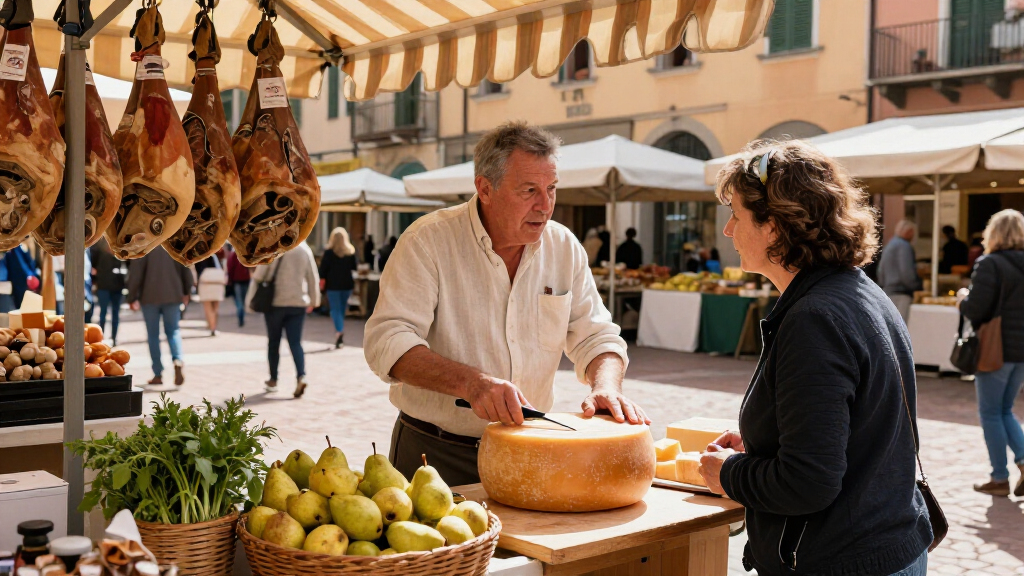
Parmigiano Reggiano cheese tasting kit
As an affiliate, we earn on qualifying purchases.
As an affiliate, we earn on qualifying purchases.
Book a producer visit that fits your day
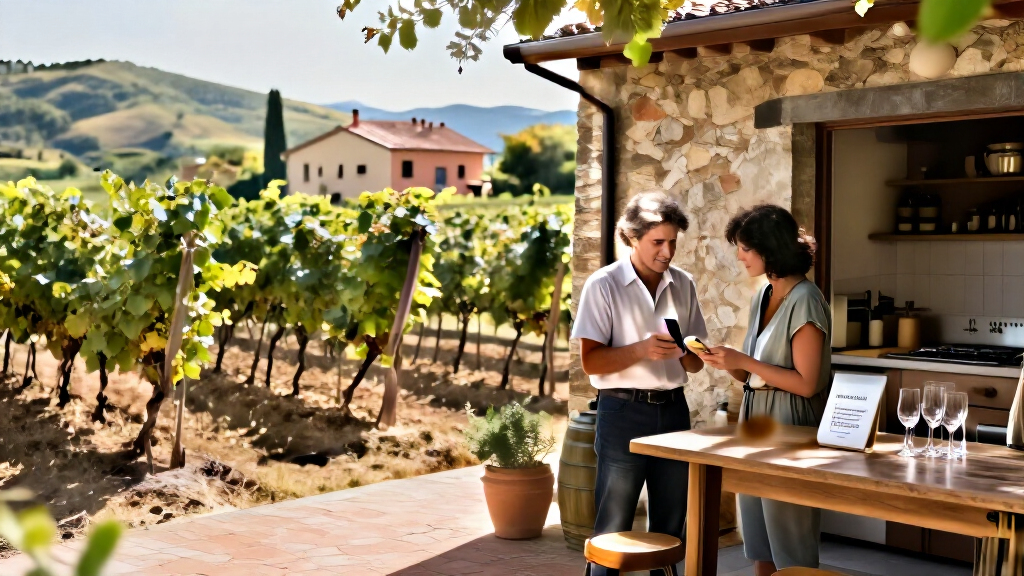
A producer visit gives you a closer look at how Parma’s food is made, but you should book ahead and confirm the details directly with the dairy or ham producer. Some working operations welcome visitors for tours or tastings; availability, language, duration, and what the visit includes can vary. Reservations and transport planning turn a promising idea into a workable itinerary, and they shape how much of the visit you can actually enjoy. A tour that fits your language, schedule, and transport options is more useful than a second stop squeezed into a day already spent watching the clock.
Start with one producer, not a string of far-flung stops. If a dairy offers a morning visit, ask how long it lasts and whether you can sample cheeses at different ages. Then check how you’ll get back to Parma for lunch. Nearby producers are not always easy to reach by public transit, so a route that looks short on a map may take more coordination than you expect. Choosing one visit means fewer comparisons across producers, but it gives you time to ask questions and understand the process instead of treating the tour as a quick photo stop.
Use this short checklist when contacting a producer:
- Confirm the date, language, duration, and tasting details before you build the rest of your day around the visit. Knowing what the tasting includes helps you judge whether a separate food stop is worth fitting in.
- Ask for the address and the best transport option, including whether a taxi or prearranged ride is needed. The return trip matters too, especially if you’re planning lunch reservations in town.
- Check whether the visit is suitable for children or anyone with mobility needs, if that affects your plans. A clear answer helps you choose a visit everyone can take part in comfortably.
- Leave time after the tour for lunch or a shop stop instead of scheduling another distant appointment immediately. A little slack gives you room for questions, delays, or a tasting that runs longer than expected.
For example, if your group wants both cheese and ham, choose one guided visit and one tasting in town unless you have a reliable way to travel between sites. You’ll cover both specialties without making transport the main event, and have more time to listen, taste, and enjoy the meal that follows.
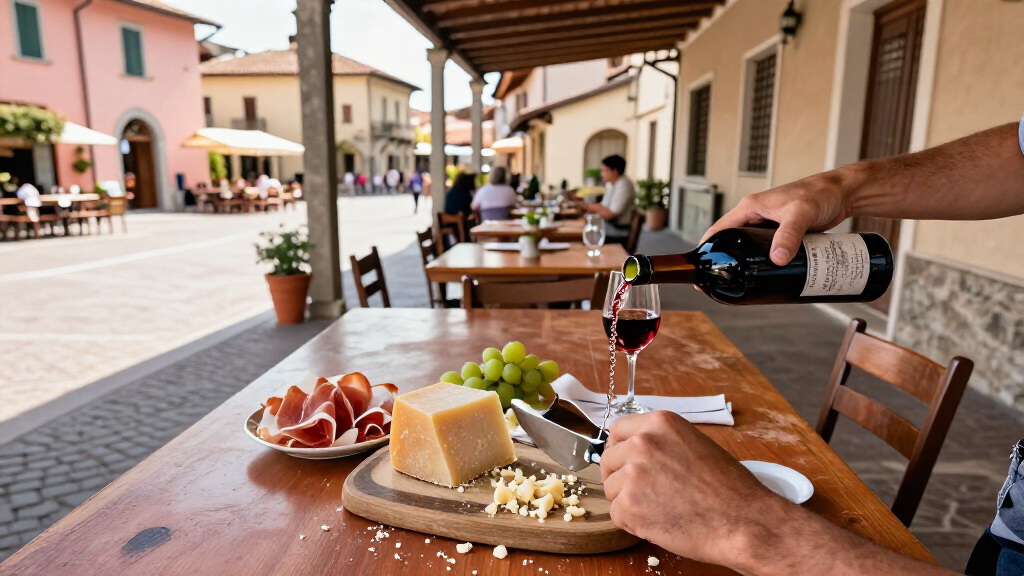
Taste Parmigiano and prosciutto without rushing
A good tasting helps you notice how age, texture, aroma, and serving choices change your impression of Parma’s signature foods. Compare first, then pair: taste Parmigiano Reggiano at different ages on its own, then try Prosciutto di Parma with local bread. That sequence gives each product a moment before the flavors mingle. It also makes the tasting more informative: if you add sweet fruit, vinegar, or wine too early, those flavors can make it harder to tell whether you’re responding to the product or the pairing.
Break a piece of Parmigiano rather than treating it like a thin slice of sandwich cheese. Listen for the crisp snap, then let its savory, nutty flavor settle. A younger cheese may seem more yielding; a longer-aged piece often feels firmer and more granular. Some tastings pair cheese with fruit or balsamic vinegar, which can make a pleasant contrast, but try a plain bite first so you can tell what the cheese itself tastes like. After that, try the pairing again: the difference helps you see whether the added sweetness or acidity balances the cheese or overwhelms it.
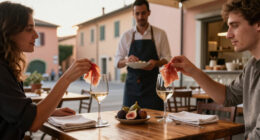
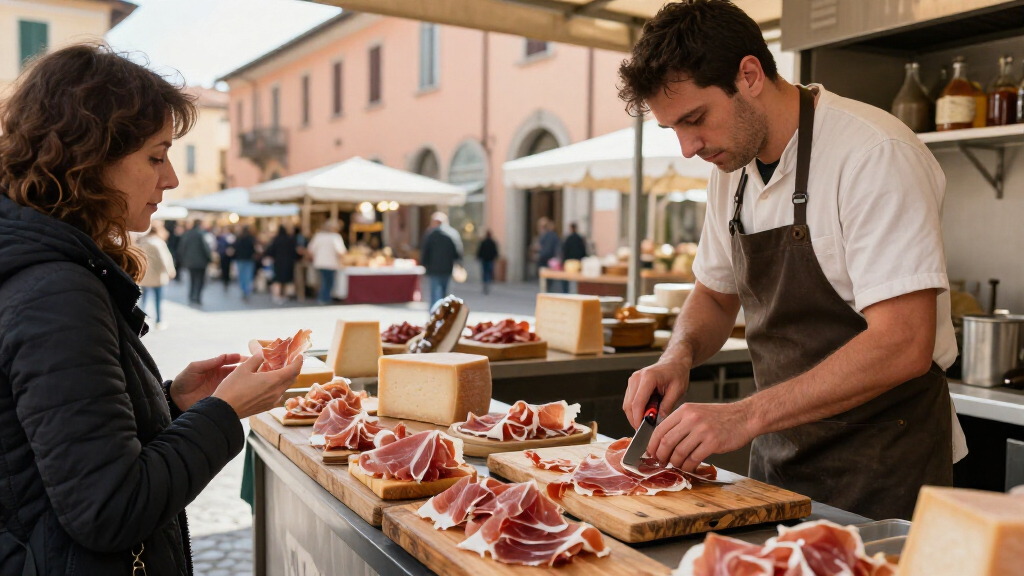
Prosciutto di Parma offers a softer experience: a delicate aroma, a tender texture, and a savory flavor that can seem richer when it warms slightly. On a tasting board, compare a slice on its own with one wrapped around bread. Bread gives the ham a different texture and can soften its salinity, so the two bites answer different questions: what the ham tastes like by itself, and how it works as part of a meal. Ask the host what to notice about the aroma and curing, rather than assuming every cured ham tastes the same.
Local wine can complement the table. Lambrusco is one possible pairing for rich or salty dishes, though the best match depends on the style of wine and what you’ve ordered. A refreshing wine can balance a rich bite, while a more substantial style may suit a fuller dish; asking your host or server lets them match the pairing to the actual menu. If you choose to drink, keep it to adults of legal drinking age and enjoy it responsibly; water and a plate of pasta also make excellent company.
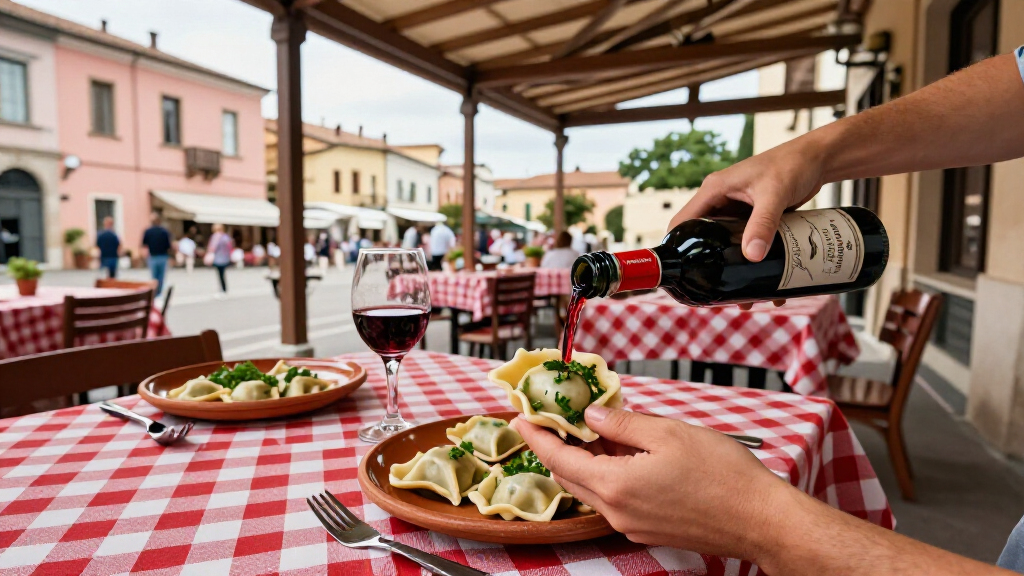
Order a Parma lunch beyond the famous cheese and ham
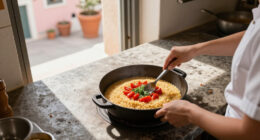
To understand Parma’s dining culture, order the fresh pasta and seasonal dishes that locals eat alongside its best-known products. Tortelli are filled pasta, and you may also find other fresh egg pastas and ragù on regional menus. The exact offerings shift with the town, the season, and the restaurant, so ask what the kitchen is serving that day. These dishes show how local food traditions work in an everyday meal: cheese and ham may be celebrated specialties, but pasta, fillings, sauces, and seasonal ingredients give the table its shape.
At a traditional trattoria, a useful approach is to choose one pasta dish and one shared tasting plate rather than ordering every famous specialty at once. Imagine arriving after a dairy visit: a small plate of Prosciutto di Parma can be followed by pasta, while a few pieces of Parmigiano finish the meal. This pacing lets you compare the specialties without filling up on them before the main course. It also leaves room to notice the pasta itself, whose filling or sauce may be the most distinctive part of the meal.
A menu in Parma won’t necessarily match one in Bologna, Modena, or the Apennine foothills. Emilia-Romagna is a patchwork of local habits, ingredients, and dishes. Treat the menu as a snapshot of the place you’re in, not a checklist that every town must reproduce. That makes a regional itinerary more rewarding: you can recognize shared traditions while staying curious about what changes from one stop to the next.
Ask a server what is local and in season if the menu feels unfamiliar. If you’re vegetarian, say so when booking and ask about vegetable dishes and pasta options; many iconic specialties feature meat or dairy, but a restaurant can often point you toward a suitable meal. Mention dietary needs clearly, including allergies, so staff can explain ingredients and preparation before you order. Asking ahead gives the kitchen a chance to suggest realistic choices and helps you avoid assuming that a dish is suitable based only on its name.
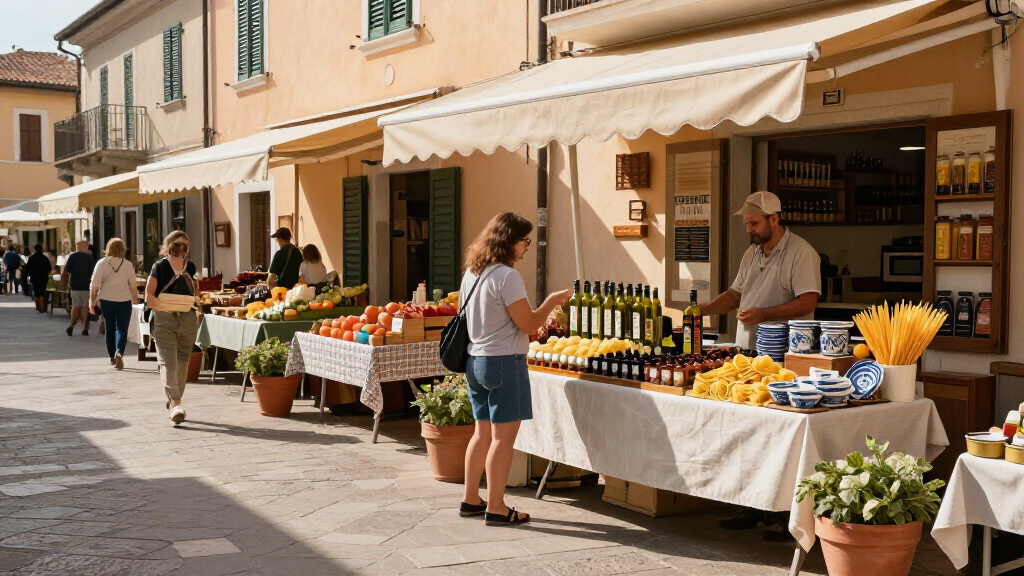
Shop for authentic products you can take home
Choose a reputable producer or specialty shop, check the protected name and official markings, and ask how the food should be packed for your trip. For Parmigiano Reggiano and Prosciutto di Parma, a seller can explain the origin, aging or curing, and storage options. That conversation often tells you more than a quick glance at a display case: you can match the product to your taste, travel time, and plans for eating it.
Vacuum-packed cheese and ham are often easier to transport than loosely wrapped portions, but packaging does not settle whether you can bring them across a border. Food import rules depend on your destination and can change. Before you buy, check the current official customs or food import guidance for the country you’re traveling to. This is a useful order of operations: confirm what is allowed first, then choose a portion and package that suit the journey.
Ask the seller how long the package can travel and what storage it needs. If you have a long train journey ahead, for instance, you may prefer a sealed portion and a clear storage instruction over a large fresh cut. A smaller purchase may limit the choice of cuts or formats, but it reduces the chance that the food becomes difficult to store or enjoy before you arrive. Keep the packaging labels intact until you know you can carry the product home.
You can also shop for immediate pleasure rather than luggage. Pick up a small wedge of cheese, then serve it in chunks with fruit or a little balsamic vinegar at your lodging. Buying for the meal you can enjoy now avoids transport and import uncertainties altogether. The protected origin tells you where the product belongs; the tasting at your table helps you remember the place.
Plan the season, pace, and practical details
There is no single best season for a food trip to Parma: the right time depends on your preferred weather, pace, and interest in local events. Check current dates and opening hours before you travel, since producer visits and restaurant schedules can vary. If a food event matters to your trip, confirm that year’s dates through official local tourism information. Planning around an event may add a memorable focus, while traveling without one can leave more room for ordinary market visits and quieter meals.
Build a day around realistic travel time. A morning producer visit, lunch in Parma, and an afternoon market or specialty-shop stop may feel more rewarding than trying to cross the region for several appointments. Markets and shops are good places to discover products and ask how they’re made or best served, while a slower meal gives you time to notice how local ingredients appear in everyday cooking. The tradeoff is breadth versus attention: extra stops expose you to more places, but fewer stops can make each visit feel less hurried and easier to connect with what you tasted earlier.
Before leaving home, confirm the producer’s language, visit length, and transport needs; check restaurant hours; and think about any dietary requirements. A simple message to a dairy can save you from arriving on a day when visits aren’t available. If you don’t have a car, plan the return journey before you book. These details are small, but together they determine whether a producer visit fits comfortably between travel and lunch or becomes a source of avoidable stress.
Keep one unplanned stretch in the itinerary. You might find a shop with a cheese age you haven’t tasted, or a trattoria whose seasonal pasta sounds better than the dish you expected to order. That flexibility lets your visit feel responsive to what you find on the day, while a few fixed reservations keep the essential parts of the trip on track.
Frequently Asked Questions
What is the difference between Parmigiano Reggiano and Parmesan?
Parmigiano Reggiano is the protected cheese made under specific rules in its designated production area. “Parmesan” is often used more broadly outside Italy, so check the product name and official markings when origin matters to you.
How long is Parmigiano Reggiano aged?
Parmigiano Reggiano must age for at least 12 months. Many examples age longer, and longer aging generally brings a firmer texture and more pronounced savory, nutty flavors.
Can you visit a cheese dairy or ham producer near Parma?
Some dairies and ham producers welcome visitors, often by reservation. Contact the producer to confirm availability, language, tour length, tasting details, and transport before you travel.
What should I eat in Parma besides cheese and ham?
Look for fresh egg pasta, tortelli, ragù, and seasonal dishes. Menus vary around Emilia-Romagna, so ask your server what is local and in season rather than relying on a fixed list.
Can I bring Prosciutto di Parma or Parmigiano Reggiano home?
That depends on your destination’s current customs and food import rules. Check official guidance before you buy, then ask the seller about suitable packaging and travel storage.
Conclusion
Give Parma one well-planned producer visit, one unhurried tasting, and a table where fresh pasta shares the spotlight with Parmigiano Reggiano and Prosciutto di Parma. Book ahead, ask what is in season, and let the people who make and serve the food guide your choices.
Then take home what the rules allow—or simply keep the memory of a crisp cheese shard, a delicate slice of ham, and the warm smell of pasta rising from a trattoria kitchen.
Halloween Picks
halloween
As an affiliate, we earn on qualifying purchases.