
TL;DR

Get kitchen staples and gadgets delivered free with Prime
- Fast, free delivery on millions of items
- Prime Video, Amazon Music and more included
- Member-only deals all year
Vino Novello and Beaujolais Nouveau are fresh, early-release red wines made for drinking young, but they are not the same wine: Novello is an Italian category with varied grapes and regional styles, while Beaujolais Nouveau comes from France’s Beaujolais region and is made from Gamay. Italian rules generally allow Novello sales from October 30; Beaujolais Nouveau arrives on the third Thursday of November, and both are best served slightly chilled with casual autumn food.
One autumn wine arrives with a date circled on the calendar; the other can already be on the shelf. Vino Novello and Beaujolais Nouveau are often compared because they’re fresh, fruity reds released around the same time, but they come from different wine traditions and don’t taste like two labels on the same bottle.
Beaujolais Nouveau comes from Beaujolais, France, and is made from Gamay. Vino Novello means “new wine” in Italian, but it covers wines from different regions, grapes, and producers. That’s why a Novello from one part of Italy may feel different from a bottle made elsewhere.
Here, you’ll learn what the names mean, how production and release dates differ, what to expect in the glass, and how to serve each wine with autumn food. Think of it as a useful map: not a contest, but a way to choose the bottle that fits your table.
Vino Novello is an Italian category from multiple regions; its grapes and style vary by producer.
Beaujolais Nouveau comes from Beaujolais, France, and is made from Gamay.
Novello sales are generally allowed from October 30; Beaujolais Nouveau releases on the third Thursday of November.
Both wines are made for early enjoyment, and carbonic-style methods are associated with them, but production varies.
Serve them slightly chilled, pair them with casual autumn food, and compare specific bottles rather than declaring one style better.
Vino Novello vs Beaujolais Nouveau Italy’s young wine, explained
Both are fresh reds made for early enjoyment, but their origins, grapes, and release calendars set them apart. Use the label and the date to choose the bottle that fits your autumn table.
Different origins, different identities
One is a broad Italian category; the other has a defined French regional origin and grape.
- Made across multiple Italian regions.
- Grapes and style vary by region and producer.
- Check the label for a clearer picture of the bottle.
- Comes from Beaujolais, France.
- Made from Gamay grapes.
- Its regional origin and grape offer a more defined starting point.
What to expect in the glass
Both wines are built for youthful drinking, but neither name guarantees a single flavor.
Fresh, with variation
Often light and fruit-forward; grapes, climate, and winemaking choices shape each bottle.
Juicy, made for now
Usually light and fruit-led, though style varies between producers and vintages.
Similar associations
Carbonic-style methods are associated with both, but practices vary and do not guarantee a flavor.
A different place in the autumn calendar
The Italian wine can arrive earlier; Beaujolais Nouveau has a coordinated annual release date.
Choose for the table
A bottle-by-bottle tasting is more useful than treating either category as one fixed style.
For Novello, look for the region and grape; for Beaujolais Nouveau, start with its Beaujolais origin and Gamay.
Both are made for early enjoyment and casual autumn food.
Taste side by side and decide which suits your meal and preference.
What does Vino Novello actually mean?
Vino Novello is an Italian young wine made for early drinking, not long cellaring. The name means “new wine,” and the category includes bottles from several Italian regions rather than one tightly defined place and grape. That broad identity gives you more variety, but it also means the word Novello alone can’t tell you exactly what the wine will taste like.
Grapes, local climate, and a winemaker’s choices all shape the bottle. A Novello made with one Italian red variety may show bright cherry and a light, easy finish; a bottle from another region may lean toward darker berry fruit or feel a little more structured. If you’re buying one for dinner, check the label for the region and grape information instead of expecting every Novello to taste alike.
Carbonic maceration is associated with many Novello wines, though producers can use different methods. In this technique, whole bunches ferment in a carbon-dioxide-rich environment, encouraging fermentation inside the berries. It can help create fresh fruit aromas and softer tannins, but a technique is not a flavor guarantee. Think of it like a cooking method: two cooks can roast the same vegetable and still serve very different dishes.
Italian rules generally allow Vino Novello to go on sale from October 30. For a practical autumn plan, you might look for it earlier in the season at a wine shop, then ask which region and grape the shop’s current bottle represents. That question turns a broad category into a specific taste.
Products Worth Considering

Blueair Blue Pure 511i Max Smart Air Purifier

Levoit Vital 100S-P Air Purifier with Washable Pre-Filter

Bose Smart Soundbar 700 with Alexa, Black
As an affiliate, we earn on qualifying purchases.
Why does Beaujolais Nouveau have one clear identity?
Beaujolais Nouveau is a young red wine from Beaujolais, France, made from Gamay. Its regional origin and principal grape give it a more consistent identity than Vino Novello, even though individual producers and vintages still differ. It’s generally built around fresh fruit and early drinking, rather than years in the cellar.
The wine’s calendar is part of its character: it is released on the third Thursday of November. That shared date gives shops, restaurants, and wine drinkers a common moment to open a bottle. If you’ve seen a restaurant announce a Beaujolais Nouveau dinner for that Thursday, you’ve seen how a release date can turn a wine into a seasonal event.
Beaujolais Nouveau is not the same thing as every wine from Beaujolais. The wider region produces other wines, and some are made in styles with more structure and potential for keeping. The word “Nouveau” signals this particular early-release style; it doesn’t describe the whole region. Comparing it with a more substantial Beaujolais bottling is a bit like comparing the first strawberries of spring with fruit meant for jam: both come from a place, but they serve different purposes.
Expect a wine that often emphasizes juicy, immediate fruit, while remembering that one vintage may taste brighter or more ripe than another. If you’re choosing a bottle for a third-Thursday gathering, pair it with simple food and enjoy the release as part of the fun—not as a promise that every bottle will taste identical.
Compare the wines by origin, grape, date, and style
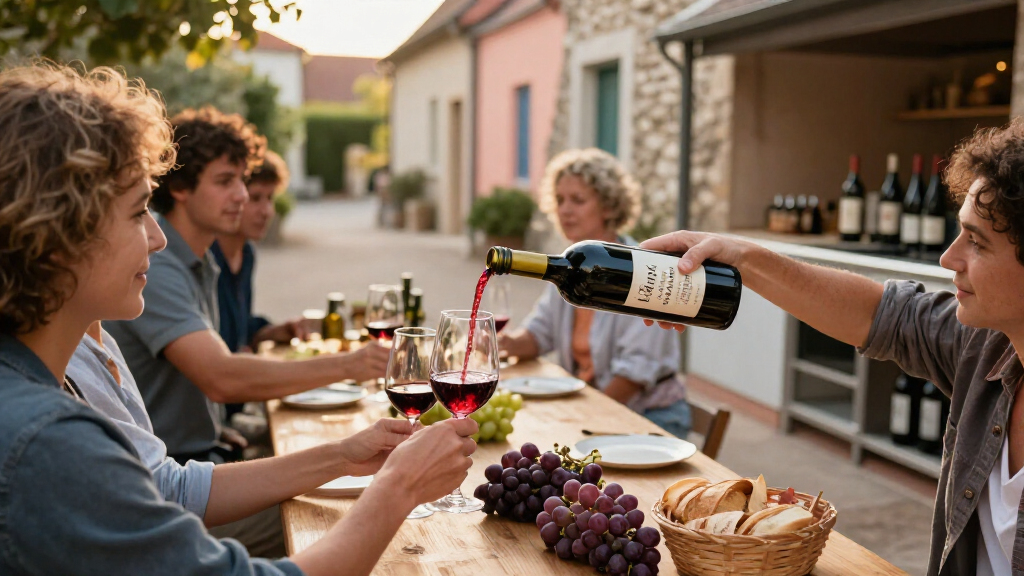
Vino Novello vs Beaujolais Nouveau comes down to a broad Italian category versus a defined French regional wine. Both are made for youthful drinking and often show fresh fruit, but their origin, grapes, and release calendars give you different clues about what’s in the glass. Use the comparison below as a starting point, not a promise about every producer’s bottle.
| Feature | Vino Novello | Beaujolais Nouveau |
|---|---|---|
| Origin | Italy; produced across multiple regions | Beaujolais, France |
| Main grapes | Varies by region, producer, and applicable rules | Gamay |
| Typical style | Light, fresh, and fruit-forward, with variation between bottles | Usually light, juicy, and fruit-led |
| Production | Carbonic or semi-carbonic methods may be used; practices vary | Traditionally associated with carbonic maceration |
| Release | Italian rules generally allow sales from October 30 | Third Thursday of November |
| Best timing | Enjoy soon after release | Enjoy soon after release |
The table explains why the two wines are often compared: they arrive during time in autumn when drinkers want something lively and easy to pour. They are not interchangeable, because they arrive from different places and under different traditions. Beaujolais Nouveau’s Gamay gives you a defined starting point; Novello asks you to look closer at its label.
For example, if you want to host a release-day tasting, you can serve both side by side and ask guests to identify which has the clearer regional signature. The comparison works best when you choose actual bottles with their region or grape information available, rather than treating either category as one fixed flavor.

Understand why their release dates shape the tradition
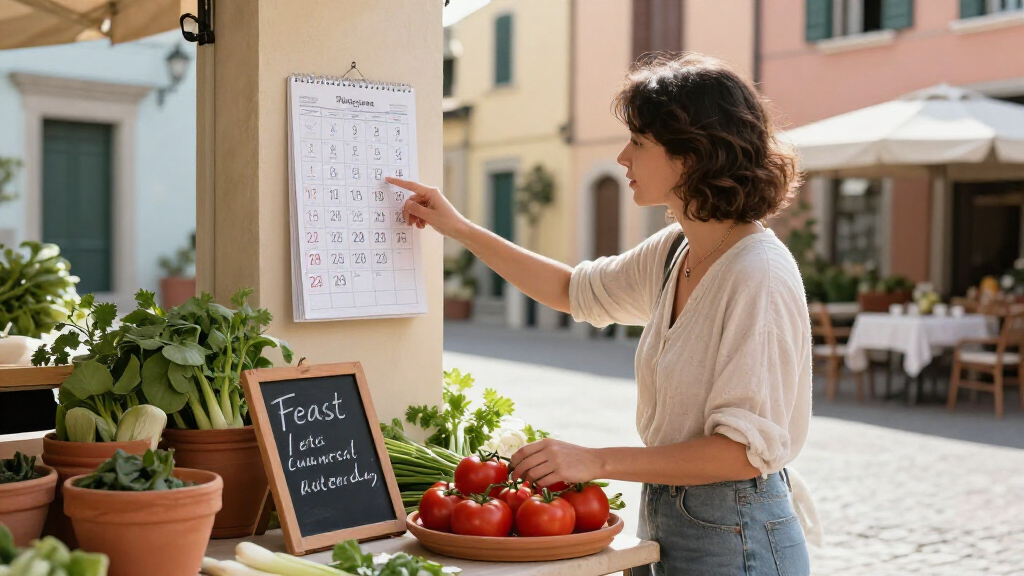
Vino Novello typically reaches the market first, with Italian rules generally allowing sales from October 30, while Beaujolais Nouveau arrives on the third Thursday of November. The gap gives the wines different places in the autumn calendar: Novello can mark the earlier turn toward cool-weather meals, while Beaujolais Nouveau brings a later, coordinated release moment.
Dates matter because they shape how people encounter a wine. A shop might display Novello as soon as it can sell the new bottles, giving you a chance to serve it with the first roast vegetables or a simple pasta supper of the season. Beaujolais Nouveau’s fixed Thursday release makes it easier for restaurants to build a shared event around opening the new vintage.
The celebration can be lively without needing the old image of a worldwide wine race. Beaujolais Nouveau became a widely recognized launch, but attention and sales can vary over time. You don’t need a crowded party to enjoy the tradition: invite a few friends, open the bottle with dinner, and compare its fresh fruit with the food on the table.
Rules and availability can change, and the exact bottle you find depends on your market. Treat the dates here as general guidance, then check the label, local shop, or producer information for the current release. If you’re planning a trip to Italy in late October, ask a regional enoteca—a wine shop—whether Novello is available locally and which nearby grapes it features.
Choose a bottle by reading beyond the word “young”
Young wine describes when to enjoy a bottle, not its quality. Vino Novello and Beaujolais Nouveau are designed to show freshness and fruit early, so judging them as failed cellar wines misses the point. Their appeal is closer to a just-baked loaf than a loaf meant to be dried and stored: the pleasure lies in what they offer now.
Start with the details you can find. For Novello, look for the Italian region and grape or producer information, since the category covers varied expressions. For Beaujolais Nouveau, Gamay and Beaujolais give you a clearer regional frame. If a shopkeeper can tell you whether a Novello is especially light or has a firmer feel, that practical description may help more than a general label comparison.
Vintage conditions matter, too. Weather can affect ripeness, acidity, and harvest timing, so one autumn’s wines may not mirror another’s. That doesn’t mean you need to chase technical reports: taste the bottle you have, and notice whether it feels crisp and berry-bright or riper and rounder. A wine suited to a casual pizza night may not be your choice for a long meal with heavier dishes.
Neither wine is usually bought for extended aging. Their fresh fruit is central to the experience, and keeping a bottle for years may leave that lively character behind. Follow any specific producer guidance, but plan to drink these wines soon after release. If you want a wine for the cellar, ask for a different style rather than asking a young wine to become something it wasn’t made to be.
Serve them slightly chilled with a real autumn meal
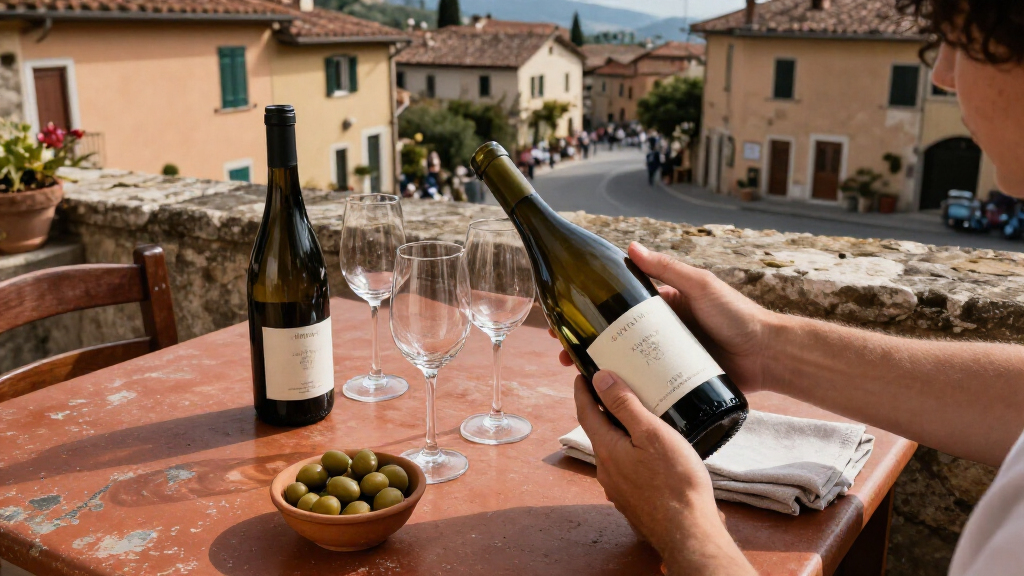
Serve both wines slightly chilled to bring their freshness into focus. They don’t need to be icy; a brief chill is enough to keep a light red lively at the table. If you’ve stored the bottle at room temperature, give it time in the refrigerator before dinner, then pour a small glass and see whether the temperature suits the wine.
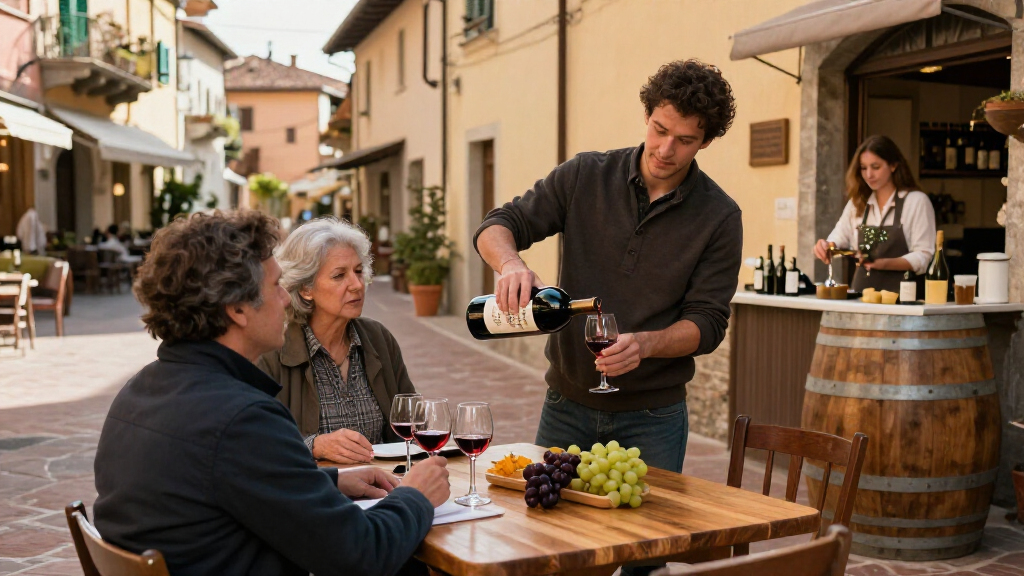
Their easy-drinking style makes them flexible partners for casual food. Try Vino Novello with roasted vegetables, mild cheese, or a simple pasta dish; serve Beaujolais Nouveau with charcuterie, roast poultry, pork, or pizza. These are starting points, not strict rules, because the wine’s weight and fruit vary by bottle. A lighter Novello can sit comfortably beside a platter of cured meats, while a more robust example may welcome a savory roast.
Imagine a late-autumn supper in Umbria: roast squash, grilled bread, a bowl of beans, and a local Novello. The wine’s fruit can soften the earthy, savory flavors without overpowering them. In a different setting, a Beaujolais Nouveau alongside roast chicken and mild cheese gives you a juicy, uncomplicated red that doesn’t demand a formal tasting ritual.
Once opened, store leftover wine in the refrigerator with a closure and use it soon, since fresh, fruit-forward character is the point. Keep wine away from heat and sunlight, and don’t leave an opened bottle sitting warm on the counter overnight. These wines pair with food, but they still contain alcohol: drink responsibly, and serve them only to adults of legal drinking age.

Use this simple tasting to decide which one you prefer
A side-by-side tasting is the clearest way to compare these wines, because the label tells only part of the story. You can do it at home with two small pours, a casual meal, and a few notes. The point isn’t to crown a winner; it’s to notice how a single-region Gamay wine differs from an Italian category that can use varied grapes.
- Check the labels. Note the region, grape information, producer, and vintage. For a Novello, pay particular attention to its Italian origin because that narrows the style more than the word Novello alone.
- Chill both lightly. Serve them at a cool, refreshing temperature rather than warm room temperature. Use similar glasses so the shape of the glass doesn’t distract from the comparison.
- Taste before food. Look for freshness, fruit, acidity, and the feel of the tannins. You might find one more vivid and berry-led, while the other feels softer or more structured.
- Try them with dinner. Taste each with the same bite, such as mild cheese, roast chicken, or a piece of pizza. A pairing can change how the fruit and acidity come across.
- Choose for the occasion. Pick the bottle you enjoy more, whether that means the defined Gamay identity or the regional variation of an Italian Novello.
For example, if you serve a Novello from one Italian region and Beaujolais Nouveau at a small dinner, ask guests to describe the wines before revealing the labels. Their notes might focus on cherry, freshness, or texture rather than country. That makes the tasting engaging without turning dinner into an exam.
Keep your notes simple: “brighter with the cheese,” “more berry fruit,” or “better with roast pork” is enough to guide a future purchase. Compare specific bottles, not national stereotypes. The next Novello you buy may come from a different region or grape, so the best choice today isn’t a permanent verdict on every Italian young wine.
Frequently Asked Questions
Is Vino Novello the same as Beaujolais Nouveau?
No. Vino Novello is an Italian category that can vary by region and grape, while Beaujolais Nouveau comes from Beaujolais, France, and is made from Gamay. They share an early-drinking, fresh-fruit appeal, but they are distinct wines.
Which wine is released first?
Vino Novello generally comes first, with Italian rules allowing sales from October 30. Beaujolais Nouveau is released on the third Thursday of November, though local availability can vary by market.
Do both wines use carbonic maceration?
Carbonic or semi-carbonic maceration is associated with both, especially Beaujolais Nouveau. Producers can use different methods, so don’t assume every bottle was made in exactly the same way or will taste alike.
Should you age Vino Novello or Beaujolais Nouveau?
Usually not. Both are made for early drinking, with fresh fruit as a central part of their appeal. Enjoy them soon after release and follow any specific guidance from the producer.
What food goes well with these young red wines?
Try charcuterie, mild cheeses, pizza, roast poultry or pork, and savory autumn vegetables. Serve the wine slightly chilled, and treat pairings as a starting point because each bottle’s weight and fruit can differ.
Conclusion
Remember the useful distinction: Beaujolais Nouveau gives you one region, one principal grape, and a fixed November release; Vino Novello gives you an Italian category with more regional and grape variation. Both are best approached as fresh, early-drinking wines, not as lesser versions of bottles made to age.
Next time you see a bottle, read past the name, chill it lightly, and put it beside a simple autumn meal. The best comparison may happen not in a tasting room, but over roast vegetables, good bread, and one more small pour.