
TL;DR

Get kitchen staples and gadgets delivered free with Prime
- Fast, free delivery on millions of items
- Prime Video, Amazon Music and more included
- Member-only deals all year
The International Alba White Truffle Fair is an autumn celebration in Alba, Piedmont, centered on a market where you can see, smell, and buy fresh white truffles. Plan around changing harvest conditions and busy weekends, check the current program before traveling, and leave time for Langhe food, wine, and nearby towns.
At the Alba market, the first thing you notice may be the white truffle’s deep, earthy perfume rising from a small paper-wrapped purchase. The fair makes a fleeting autumn ingredient feel close enough to smell, ask about, and taste.
The International Alba White Truffle Fair, or Fiera Internazionale del Tartufo Bianco d’Alba, takes place in Alba, in the Langhe hills of Piedmont. This guide shows you how to plan a first visit, what to expect at the truffle market, how to think about buying and eating truffles, and how to build the fair into a trip through the region.
One detail shapes the whole experience: the harvest changes from year to year. The fair is a seasonal event celebrating Tuber magnatum Pico, but its availability and price depend on weather and harvest conditions. Make room for discovery, and verify this year’s dates, hours, ticket rules, and transport before you set out.
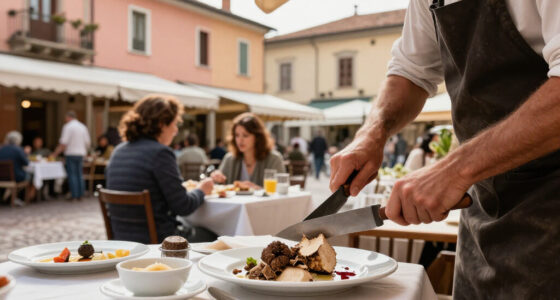
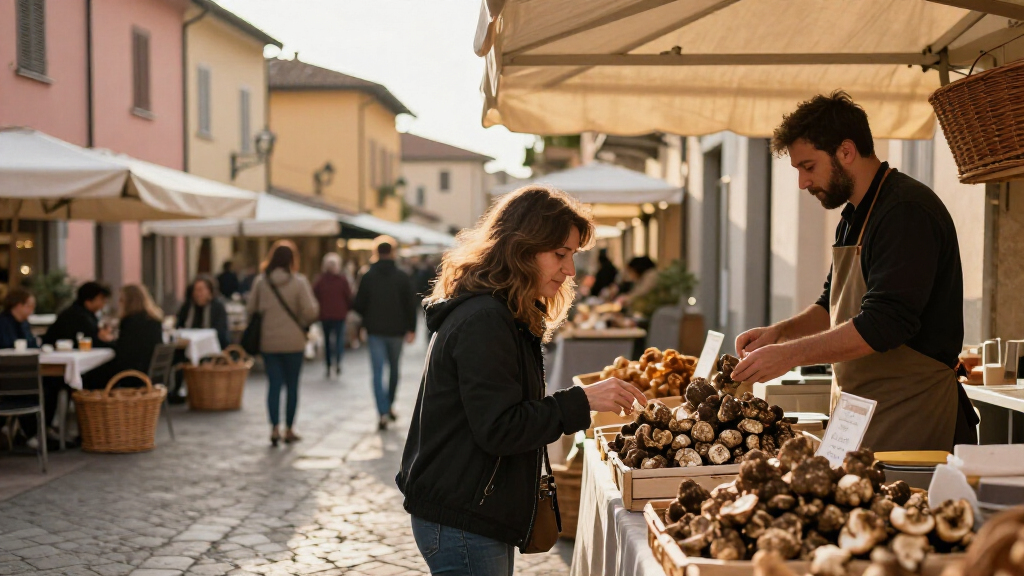
The fair’s centerpiece is Alba’s market, where you can see, smell, discuss, and buy fresh white truffles.
White truffle supply and price depend on harvest conditions, freshness, size, and quality; compare sellers and ask about origin and storage.
Try truffle shaved raw over warm, simple Piedmontese dishes such as tajarin, risotto, or eggs.
Confirm this year’s dates, hours, tickets, event locations, and transport before booking your trip.
Book busy-weekend lodging and restaurant meals early, then leave room for a tasting or nearby Langhe town.
Autumn in the Langhe · First-timer’s field guide
White Truffle Fair Opens in Alba
A first visit to the Fiera is part market, part tasting, and part journey through Piedmont. Start with the truffle’s unmistakable perfume, keep plans flexible, and let the season set the pace.
01 / The essentials
What matters most on a first visit
The International Alba White Truffle Fair centers on the market, with food, wine, cultural events, and activities across nearby towns.
See and smell fresh truffles, talk with sellers, and buy if the right specimen suits your plans.
Supply and price change with weather, freshness, size, quality, and the season.
Try truffle shaved raw over warm tajarin, risotto, or eggs.
Check current dates, hours, tickets, locations, and transport before traveling.
Reserve busy-weekend lodging and meals, then leave room for Langhe towns and wine.
02 / At the market
Look, smell, ask, compare
The market is useful even if you do not buy. A few minutes with the displays can explain why aroma and freshness matter more than size alone.
White truffle, or tartufo bianco, here means the prized Tuber magnatum Pico. Its intense aroma can seem earthy, garlicky, and musky. Each specimen has its own character, so the experience is as sensory as it is a shopping decision.
Truffles are generally sold by weight. A large specimen may look impressive, but it costs more and needs to be used while its aroma is at its best. For a first taste, a restaurant portion or a small amount shaved over a simple dish may make more sense.
Ask sellers: Where is it from? When was it found? How should it be stored? What quantity suits tonight’s meal? Compare a few sellers before deciding.
03 / At the table
Warm, simple, just before serving
Fresh white truffle is usually shaved raw over warm food. The gentle heat releases the aroma without long cooking.
Tajarin
Thin egg pasta offers a buttery, gentle backdrop that lets the truffle perfume stand out.
Risotto
Warm, simply prepared rice gives the fresh shavings room to be the main event.
Eggs
A soft, rich dish pairs naturally with a small portion of freshly shaved truffle.
04 / Make the day easy
A flexible plan for your first fair day
Give the market room to surprise you, while checking the practical details that change from one edition to the next.
Check the current program. Confirm dates, opening hours, market access, tickets, event locations, and transport.
Plan ahead for peak weekends. Reserve accommodation and restaurant tables early during popular autumn dates.
Start with a look and a smell. Compare displays and ask about origin, freshness, storage, and portions.
Keep spending flexible. Set aside money for a truffle dish or tasting, then decide whether buying makes sense.
Ask how the dish is priced. Check whether fresh truffle is included or charged separately before ordering.
Leave time for the Langhe. Add local specialties, Barolo or Barbaresco, and a nearby town to the day.
05 / Trace the experience
From seasonal ground to the table
A small chain of choices connects the harvest to the first taste—and keeps the plan grounded in the season you actually find.
Start with the market, then follow the truffle’s aroma
The Alba White Truffle Fair centers on a market where you can see, smell, discuss, and buy fresh white truffles. It is the most direct way to meet the ingredient before it reaches your plate. The market is useful even if you do not buy: seeing the range of specimens and smelling their differences helps explain why price alone cannot tell you what a truffle will be like to eat. Sellers can also answer practical questions about freshness, origin, and storage.
White truffle, called tartufo bianco in Italian, refers here to the prized Tuber magnatum Pico. Its aroma is intense and hard to mistake: earthy, garlicky, and musky, with an almost heady warmth. Each truffle has its own character, so the experience is partly sensory rather than just a shopping decision. If you are curious but not ready to buy, take time to look and smell. That gives you a baseline for judging whether a particular specimen seems worth its cost and whether you enjoy the aroma enough to bring it home.
Expect truffles to be sold by weight, with price shaped by size, quality, freshness, supply, and the season. A larger specimen can look impressive, but it does not automatically make the best purchase for your plans: the extra weight raises the cost, and a whole truffle needs to be used while its aroma is at its best. For a first taste, a small portion shaved over a simple dish may be more useful than an expensive whole truffle you must carry and store.
Ask a seller where a truffle comes from, when it was found, how to store it, and what quantity suits your meal. Then compare before buying. These questions connect the display to the meal you actually plan to have, and may reveal that a smaller truffle or restaurant portion is a better fit. Think of the market like choosing ripe fruit at a farm stand: you are paying for something with a short season and a particular aroma, not a standardized pantry staple. If the truffle is intended for dinner that evening, convenience and freshness may matter more than taking home the largest specimen.

As an affiliate, we earn on qualifying purchases.
Plan around the harvest, not a promised truffle price
White truffle availability and price change with harvest conditions, so no fair visitor should expect one fixed price or a guaranteed abundance. The fair takes place in autumn, during the truffle season, but weather and supply affect what sellers can offer. A difficult harvest can mean fewer truffles and higher prices; another year may give you a fuller choice. This matters for planning: a budget based on last year’s display may not match what you find, and fewer specimens can mean less opportunity to compare.
That uncertainty is part of the ingredient’s appeal, but it also calls for flexible expectations. White truffles grow in nature rather than arriving in identical boxes on a predictable schedule. Their value comes partly from how fleeting they are. In Alba, a seller’s display might offer a range of sizes and aromas, while the same market at another point in the season could look different. Treat a truffle purchase as an optional highlight, rather than the one experience that has to make the trip worthwhile.
If you are buying, compare a few sellers and ask about origin, freshness, and storage. Let the seller know whether you plan to eat it that evening, carry it to a nearby hotel, or take it home. The right quantity depends on both the meal and the time you have to use it. A small amount can perfume several servings of pasta; spending more does not necessarily make dinner more satisfying if the truffle will sit unused or lose its aroma before you serve it.
Keep your food budget flexible. You might set aside money for one truffle tasting or a dish at a restaurant, then decide at the market whether a purchase makes sense. This gives you a way to taste truffle without committing to the higher cost and care involved in buying a whole specimen. That plan works like packing an umbrella for Piedmont’s autumn weather: you are ready for the conditions you meet, rather than betting on a forecast.

Taste truffle the Piedmontese way: warm, simple, and just before serving
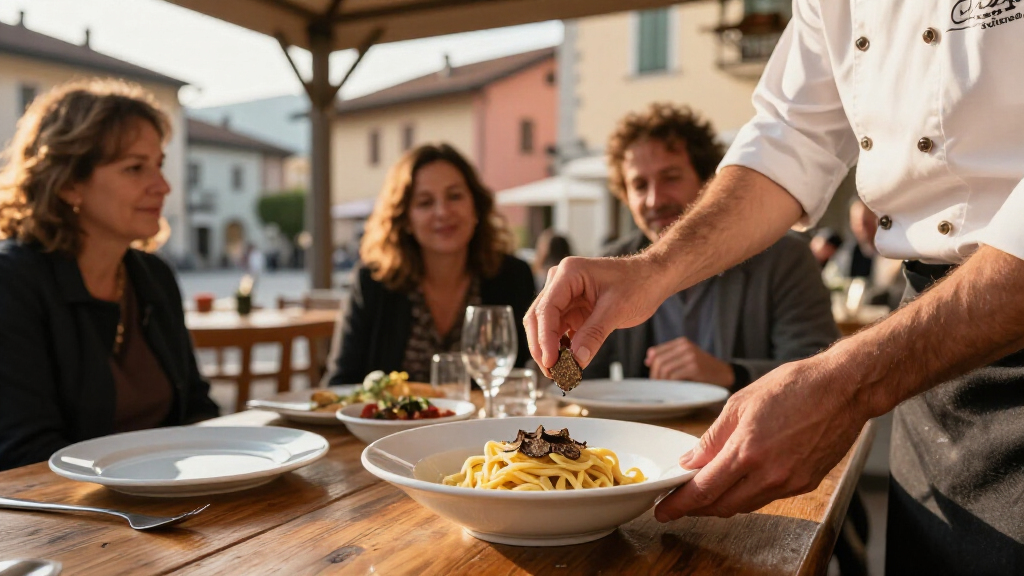
White truffle is usually shaved raw over warm, simply prepared food, so the heat releases its aroma without long cooking. In Alba, look for it over tajarin, thin Piedmontese egg pasta, or risotto and eggs. The truffle arrives in fine curls, and its scent rises as soon as it touches the warm dish. Serving it this way makes the aroma the main event; cooking it for a long time can diminish the quality diners are paying to experience.
This is a case where restraint lets a rare ingredient speak. A buttery plate of tajarin offers a soft, rich backdrop, while a pile of heavy sauces or strong spices can compete with the truffle’s perfume. That simplicity is also practical: the dish supports the truffle without requiring a large amount of it to be noticeable. Imagine adding a small splash of vivid color to a quiet room: you want the truffle to stand out, and the dish to make its presence legible.
For a first taste, ask whether a dish comes with truffle freshly shaved at the table and whether the listed price includes it. If you are comparing restaurants, find out how the portion is priced; some menus can charge separately for the truffle. This changes the real cost of the meal, so it is worth clarifying before ordering. Then pay attention to the aroma before the first bite, because the smell is a large part of what you are tasting.
At home, use a clean truffle shaver or very sharp slicer and add the truffle just before serving. Keep uncooked truffle refrigerated and follow the seller’s storage guidance; do not leave a purchase sitting warm in a bag all afternoon. Fresh truffle is delicate, so buy an amount you can use promptly and plan the meal before purchasing. Check the restaurant or event’s allergen information too: pasta often contains wheat and egg, butter contains dairy, and preparations can include other ingredients. The truffle itself is not a substitute for asking about the full dish.
Use this simple plan to make your first fair day feel easy
A good first visit begins with the current program and leaves space for unplanned stops. The fair’s dates, opening hours, tickets, event locations, and transport arrangements can change each year. Check official event and local tourism information close to your trip, then book accommodation and restaurant tables early if you are choosing a popular autumn weekend. This order matters: confirmed hours help you decide how much time to give the market, while early reservations reduce the chance that a busy day leaves you without a meal or room.
- Choose your date. Confirm this year’s fair dates and market hours before booking travel, and check whether the events you want require tickets. A ticketed event may shape the day more than a general market visit, so make sure the timing fits your route.
- Reserve the essentials. Book a room and one meal in advance if you are going on a busy weekend. Leave another meal open for a market discovery. That balance gives you a dependable anchor while preserving the chance to follow a tempting stall or recommendation.
- Begin in Alba’s historic center. Allow time to visit the truffle market slowly, talk with sellers, and compare prices before buying. Rushing can turn the market into a quick look at displays, when the conversations and smells are part of what makes the visit memorable.
- Add one regional experience. Look for a tasting, cooking demonstration, or food event in Alba or a nearby Langhe town, depending on the current program. One additional stop adds context without making the day depend on several journeys and fixed appointment times.
- Dress for walking and weather. Wear comfortable shoes and bring layers; autumn can be cool or wet, and you may spend time moving between venues. Being comfortable makes it easier to linger instead of cutting short the parts you enjoy.
For example, if your train or drive gets you to Alba late in the morning, make the market your first stop and keep the afternoon loose. A tasting or nearby-town visit can fit around it, while a rigid schedule may turn a pleasant stroll into a race. Check current rail, bus, driving, and parking details for your route rather than relying on last year’s arrangements; the best option depends on your arrival time and whether you plan to travel beyond Alba.
Family activities, accessibility information, and dog rules can vary by venue. If those details affect your plans, check them in the current visitor information before choosing where to stay or how long to spend at the fair. Knowing which venues are comfortable for your group helps you avoid building a day around an event that is difficult to reach or enter.
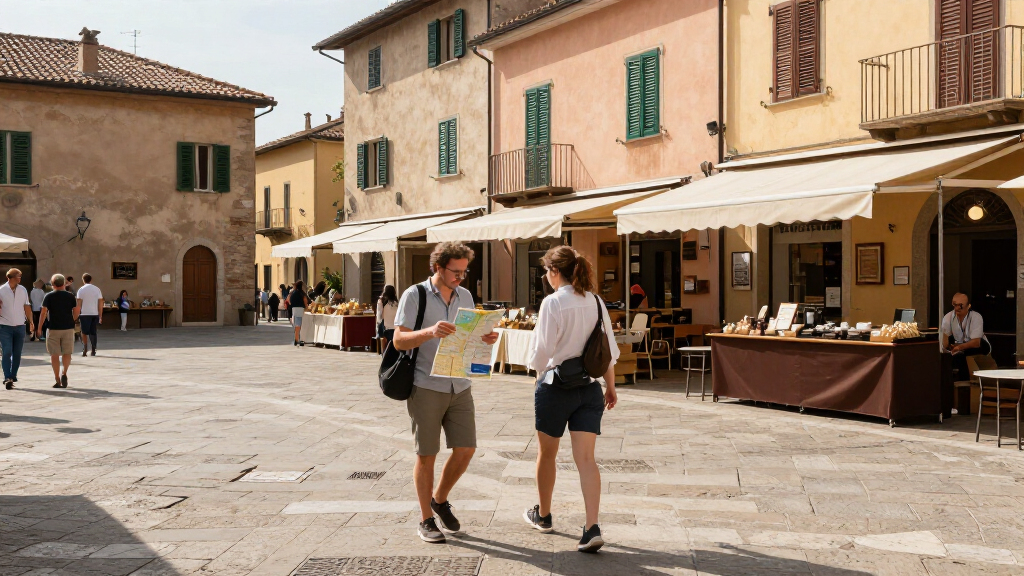
Make the fair a doorway to the Langhe, not your whole trip
The fair connects Alba’s truffle market to the wider food culture of the Langhe, a landscape of hill towns, wine, and seasonal cooking in Piedmont. The historic center is the main setting, but related activities may extend into nearby towns. That gives you a reason to make the day larger than one market visit, while checking where each event actually takes place. A nearby-town event can offer a different view of the region, but travel time and transport may take away from time in Alba, so choose a stop that fits your interests and schedule.
Local food belongs in the itinerary alongside the truffle. You may find tajarin, risotto, and other Piedmontese specialties on menus, while the region’s Barolo and Barbaresco wines are familiar companions at the table. These wines are made from Nebbiolo grapes in distinct Langhe areas. If you choose a wine tasting, ask what you will taste and how much time to allow; a tasting visit is a different outing from a quick glass with lunch. Knowing that in advance helps you avoid squeezing a winery visit into a short gap and feeling rushed through either the meal or the tasting.
A realistic example: spend the morning in Alba, have a leisurely truffle lunch, and leave the afternoon for a program event or a nearby town that fits your transport plans. The hills outside the city feel a world away from a crowded market hall, even when they sit within the same regional itinerary. If you drive, plan a sober driver or another way back before tasting wine. Alcohol is for adults, and responsible drinking keeps the visit comfortable and safe.
Rather than trying to see every town, choose one additional stop that matches your interest: a food demonstration, a winery visit, or a stroll through another Langhe center. The fair changes annually, so build the day around confirmed events. Keep the rest flexible enough for an unhurried meal and the possibility that a smell from a nearby stall will pull you off course. A slower itinerary may mean seeing fewer places, but gives you room to experience Alba and the Langhe rather than passing through them between appointments.
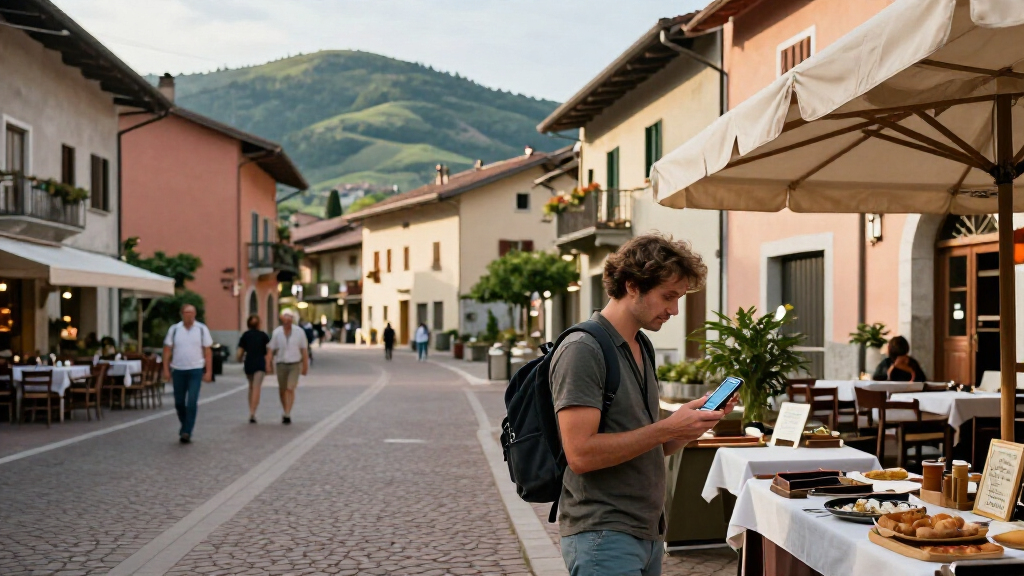
Pack for crowds, cool weather, and a short-lived purchase
Comfortable shoes, autumn layers, and early reservations make a crowded fair easier. Weekends and popular event dates can draw many visitors to Alba. A narrow street or busy food counter is more enjoyable when you have time to pause, and a rain layer helps if the weather turns while you are walking between venues. Crowds can also slow the day’s transitions, so leaving gaps between plans makes a missed connection or a longer queue less likely to derail the whole visit.
Start with your schedule and your feet. Wear shoes that can handle a long day on town streets, bring an extra layer, and check the forecast before leaving. If you are traveling with children, someone with limited mobility, or a dog, confirm current venue access and rules rather than assuming every part of the fair has the same arrangements. Those details can affect how much ground you cover and which events are comfortable, so use them when deciding where to spend your time.
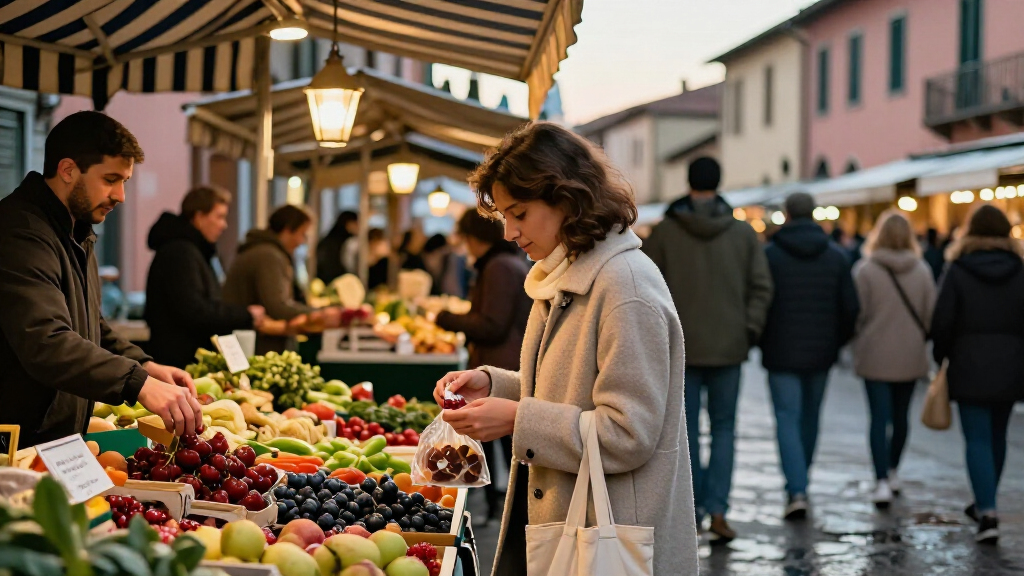
If you buy a truffle, ask the seller how to store it and plan your day so it does not sit unrefrigerated for hours. For a trip home, check whether your accommodation can keep it cool and whether your route lets you transport it promptly. This creates a tradeoff between buying early, when you have more time to browse, and buying near the end of your visit, when the truffle spends less time in transit. A small purchase for dinner that evening can be easier to manage than carrying a delicate ingredient through a full day of sightseeing.
At the market, compare prices and ask questions before paying. At the restaurant, reserve a table ahead if you have a particular meal in mind. At the end of the day, leave a little space in your plan: the best memory may be a plate of warm pasta, the truffle’s earthy scent, and the sound of Alba’s streets settling into evening.
Frequently Asked Questions
When does the Alba White Truffle Fair take place?
The fair takes place in autumn, during the white truffle season. Exact dates and opening days vary by edition, so check the current official program before you book.
Where is the fair held?
Alba, in the Langhe region of Piedmont, is the main setting, with the historic center hosting key events. Some activities may take place in nearby towns, so confirm each location in the current program.
Do I need a ticket to visit the truffle market?
Access rules can differ between the market and individual events. Check current visitor information for ticket requirements, hours, and special-event entry before you travel.
How much does white truffle cost at the fair?
There is no fixed price: harvest supply, freshness, size, and quality all affect what sellers charge. Compare prices and ask about origin and storage before you buy.
What is the best way to eat white truffle?
White truffle is commonly shaved raw over warm, simply prepared dishes such as tajarin, risotto, or eggs. Add it just before serving so its aroma stays prominent, and check the dish’s allergen information when ordering.
How should I get to Alba and where should I stay?
Visitors often travel through larger cities in the Piedmont transport network, but the best route depends on your dates and starting point. Check current rail, bus, driving, and parking options, and book accommodation in Alba or a nearby Langhe town early for a popular weekend.
Conclusion
Plan your first Alba fair day around three things: the market, one good truffle meal, and a confirmed regional event. Check the current program, keep your budget flexible, and ask sellers how to care for any truffle you buy.
Then slow down long enough to smell the truffle over warm tajarin. That fleeting aroma is the whole season, held for a moment above your plate.
Columbus Day / Indigenous Peoples' Day Picks
long weekend sales
As an affiliate, we earn on qualifying purchases.