TL;DR

Get kitchen staples and gadgets delivered free with Prime
- Fast, free delivery on millions of items
- Prime Video, Amazon Music and more included
- Member-only deals all year
Food and dining experiences in Piedmont center on Alba’s white truffles and Nebbiolo wines, Asti’s Barbera and Moscato, and the Slow Food institutions of Bra and Pollenzo. Base yourself in Alba for the Langhe, Asti for Monferrato, or Bra for cheese and food culture, then reserve restaurants, wineries, and transportation before autumn weekends fill.
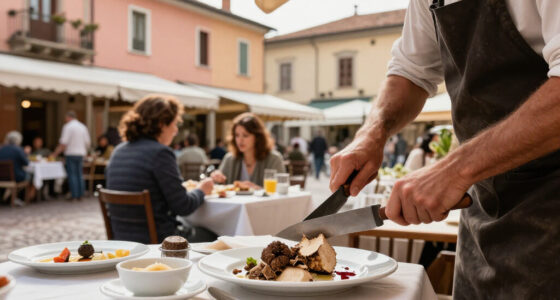
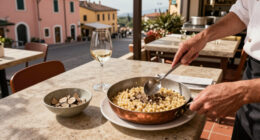
Piedmont can turn a plate of buttered noodles into one of your trip’s defining memories. When a server shaves an autumn white truffle over warm tajarin, its earthy, garlicky perfume rises from the plate like steam from a forest floor. The dish looks almost plain, yet the aroma can fill the space before your fork reaches the pasta.
This guide shows you how to plan food and dining experiences in Piedmont across Alba, Asti, Bra, and Pollenzo. You will learn which base fits your interests, what regional dishes actually contain, how local wines differ, and when reservations or a hired driver can save the day. You will also see why Piedmont’s food culture reaches far beyond luxury truffles and famous bottles.
The region’s power lies in its close ties between season, soil, producers, and the table. Alba brings you into the Langhe hills; Asti opens the rolling vineyards and farmhouse cooking of Monferrato; Bra and Pollenzo show how Slow Food connects pleasure with biodiversity and fair livelihoods. Plan well, and you can move from a market counter to a vineyard lunch and then to a quiet osteria without turning your holiday into a frantic tasting marathon.
Stay in Alba for easy Langhe dining, Asti for Monferrato and Barbera, or Bra for Slow Food, cheese, and nearby Pollenzo.
Ask for the current white-truffle price per gram before ordering, and choose eggs, buttered tajarin, fonduta, or risotto as the base.
Limit tasting days to two or three wineries and arrange a driver whenever alcohol and rural roads share the itinerary.
Book autumn accommodation, restaurants, truffle outings, and winery appointments well ahead; confirm annual dates and policies directly.
Tell restaurants about allergies and dietary needs when reserving because anchovies, meat stock, raw eggs, nuts, and lard can appear in unexpected dishes.
Food and Dining Experiences in Piedmont
Alba brings white truffles and Nebbiolo into focus. Asti opens the vineyards and farmhouse kitchens of Monferrato. Bra and Pollenzo reveal how pleasure, biodiversity, and fair livelihoods meet at the table.
Walk to restaurants after day trips through Barolo and Barbaresco country.
Pair Barbera, Moscato, vineyard lunches, and a broader sense of town life.
Explore artisan cheese, food culture, Pollenzo, and producer-led thinking.
Match the town to the meal
The cities connect by rail, but vineyard villages, farm restaurants, and small wineries are easier to reach by car. Choose your overnight base around evening dining and use daytime transport for the countryside.
Alba
Compact, restaurant-rich, and convenient for Langhe excursions. Autumn brings exceptional energy—and intense demand.
Asti
A strong choice for Barbera, Moscato, local meals, historic streets, and the rolling vineyards of Monferrato.
Bra & Pollenzo
Come for Slow Food, artisan cheese, the University of Gastronomic Sciences, and the Banca del Vino.
| Base | Best for | Typical day | Car-free dinner | Planning catch |
|---|---|---|---|---|
| Alba | Truffles, Barolo, Barbaresco, polished dining | Market, winery visit, tajarin dinner | ✓Strong choice | ~High autumn demand |
| Asti | Barbera, Moscato, Monferrato cooking | Historic center, vineyard lunch, wine bar | ✓Easy in town | ~Rural transfers take time |
| Bra or Pollenzo | Slow Food, artisan cheese, food education | Cheese shop, Pollenzo visit, osteria | ~Plan the evening | ~Fewer late options |
| Barolo or La Morra | Vineyard views and cellar-focused travel | Two tastings and a village dinner | ✗Limited flexibility | ~Driver strongly advised |
A Piedmont meal in six dishes
Order a progression of small antipasti, filled or ribbon pasta, one shared main course, and a restrained dessert. The region’s identity emerges through anchovies, hazelnuts, veal, cheese, eggs, and wine.
Vitello tonnato
Chilled veal under a smooth, savory sauce of tuna, anchovy, capers, and egg.
Carne cruda all’albese
Raw Fassona beef or veal, finely cut and simply dressed with oil, lemon, and seasoning.
Tajarin
Exceptionally thin, egg-rich noodles served with butter, meat ragù, or fresh truffle.
Agnolotti del plin
Tiny stuffed pasta parcels pinched by hand and often dressed with roasting juices.
Brasato al Barolo
Beef slowly braised with red wine until dark, concentrated, and spoon-tender.
Torta di nocciole
Piedmont hazelnut cake with toasted depth; pair a modest slice with Moscato d’Asti.
Tell restaurants about allergies and dietary needs when booking. Anchovies, meat stock, raw eggs, nuts, and lard can appear where the menu description does not make them obvious.
Protect the aroma—and your budget
Fresh white truffle is at its most expressive over a simple, warm, fatty base. Price, identity, and portion method should be clear before shaving begins.
Confirm the species
Ask whether it is the prized white truffle, Tuber magnatum Pico.
Ask the price
Request the current price per gram and an estimated plate supplement.
Watch the weight
Many restaurants weigh the truffle before and after shaving.
Choose simplicity
Eggs, buttered tajarin, fonduta, or risotto best release the aroma.
Choose by mood, not prestige
Nebbiolo brings structure and patience; Barbera offers vivid acidity and flexibility; Moscato provides aromatic lift. The profiles below are practical planning cues, not technical scores.
Why Slow Food belongs here
Born in Bra in the 1980s, Slow Food reaches beyond leisurely meals. It connects taste to biodiversity, producer livelihoods, education, seed heritage, animal husbandry, and environmental impact.
Soil
Landscape, climate, vineyards, pasture, and woodland.
Producer
Farmers, cheesemakers, growers, hunters, and vintners.
Craft
Traditional methods, breeds, seeds, aging, and preservation.
Kitchen
Seasonal judgment turns local ingredients into regional dishes.
Table
Restaurants, osterias, markets, wine bars, and farmhouse meals.
Future
Fair livelihoods and biodiversity keep the system alive.
Build the trip before autumn fills
October and November bring truffle buyers, wine travelers, weekend visitors, and festival demand. Reserve the fixed points first, then protect breathing room between them.
Choose the base
Use Alba for Langhe dining, Asti for Monferrato, or Bra for cheese and Slow Food culture.
Secure accommodation
Book autumn weekends early, especially around major truffle, wine, and civic events.
Reserve anchor meals
Lock in destination restaurants, then leave other meals flexible for markets and simple osterias.
Confirm winery visits
Limit a day to two or three appointments and verify tasting times, fees, and language options.
Arrange rural transport
Hire a driver when tastings, narrow roads, distant villages, and evening meals overlap.
Reconfirm details
Check annual event dates, cancellation policies, truffle outings, dietary needs, and meeting points directly.
Move from a market counter to a vineyard lunch and then to a quiet osteria without turning the day into a tasting marathon.
Choose the Right Piedmont Base for the Food You Want
Food and dining experiences in Piedmont vary sharply by base: choose Alba for Langhe restaurants and Nebbiolo, Asti for Monferrato cooking and Barbera, or Bra for Slow Food and cheese. The cities connect by rail, but the vineyard villages, farm restaurants, and small wineries become much easier to reach by car.
| Base | Best for | Typical day | Planning catch |
|---|---|---|---|
| Alba | White truffles, Barolo, Barbaresco, polished dining | Market, winery visit, tajarin dinner | High autumn demand |
| Asti | Barbera, Moscato, Monferrato, relaxed local meals | Historic center, vineyard lunch, wine bar | Rural transport takes time |
| Bra or Pollenzo | Slow Food, artisan cheese, food education | Cheese shop, Pollenzo visit, osteria | Fewer late-night options |
| Barolo or La Morra | Vineyard views and cellar-focused trips | Two tastings and a village dinner | A car or driver helps |
Alba is the easiest first base if you want restaurant choice without driving after dinner. Its compact center places wine bars, bakeries, markets, and trattorias within walking distance, while Barolo, La Morra, Neive, and Barbaresco sit within reach for daytime excursions. During October and November, though, that convenience attracts truffle buyers, weekend visitors, and wine travelers, so rooms and destination restaurants can disappear months ahead.
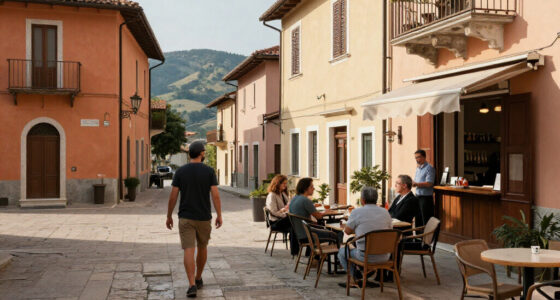
Asti feels looser and more local, especially outside major celebration weekends. Imagine spending the morning under brick arcades, eating agnolotti dressed with glossy roasting juices at lunch, then driving into Monferrato for a Barbera tasting. You may trade some of Alba’s concentrated glamour for easier pacing, broader town life, and a dining bill that often feels gentler.
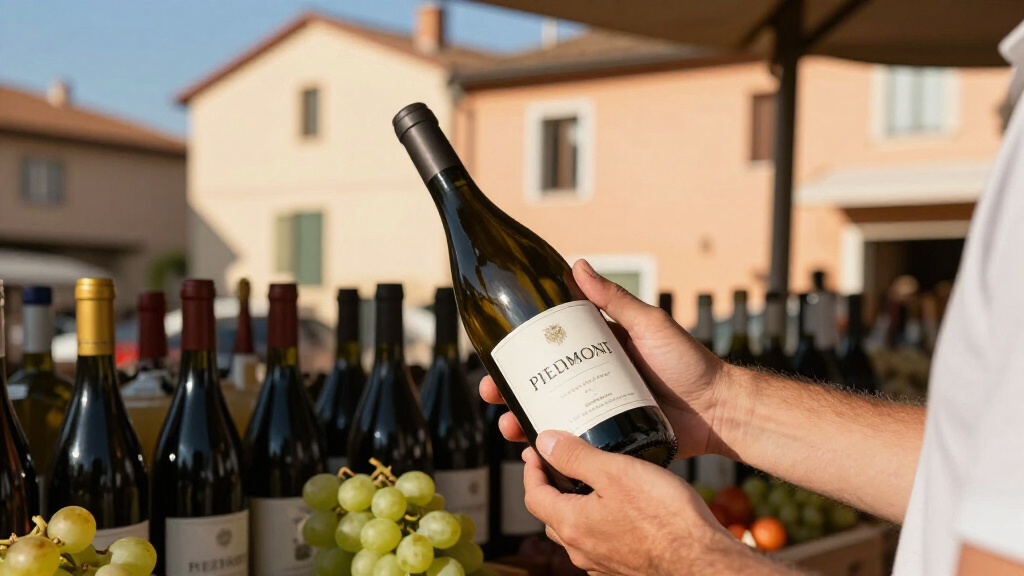
Bra and nearby Pollenzo suit you if your curiosity reaches beyond individual dishes. Bra is the birthplace of Slow Food, while Pollenzo houses the University of Gastronomic Sciences and the Banca del Vino, or Wine Bank. A cheese-focused traveler could spend a morning comparing young and aged Bra DOP, study regional wines in Pollenzo, and finish with an osteria meal built around seasonal vegetables and local meat.
As an affiliate, we earn on qualifying purchases.
Eat These Piedmont Dishes to Understand the Region
Food and dining experiences in Piedmont make the most sense when you order a progression of small antipasti, filled pasta, a shared main course, and a restrained dessert. You do not need every traditional course; two people can split several plates and still discover how anchovies, hazelnuts, veal, cheese, and wine shape the local kitchen.
Begin with vitello tonnato, chilled slices of veal beneath a smooth sauce of tuna, anchovy, capers, and egg. The combination sounds odd until you taste it: cool, savory, and quietly briny, like roast meat borrowing the brightness of the Ligurian coast. Another classic, carne cruda all’albese, presents finely cut raw Fassona beef or veal with little more than olive oil, lemon, and seasoning.
Raw meat demands care. Choose a reputable restaurant, and remember that children, pregnant diners, older adults, and immunocompromised guests face greater risk from raw or undercooked food. At home, keep raw meat at 40°F or below, prevent contact with ready-to-eat ingredients, and use properly handled meat from a trusted butcher.
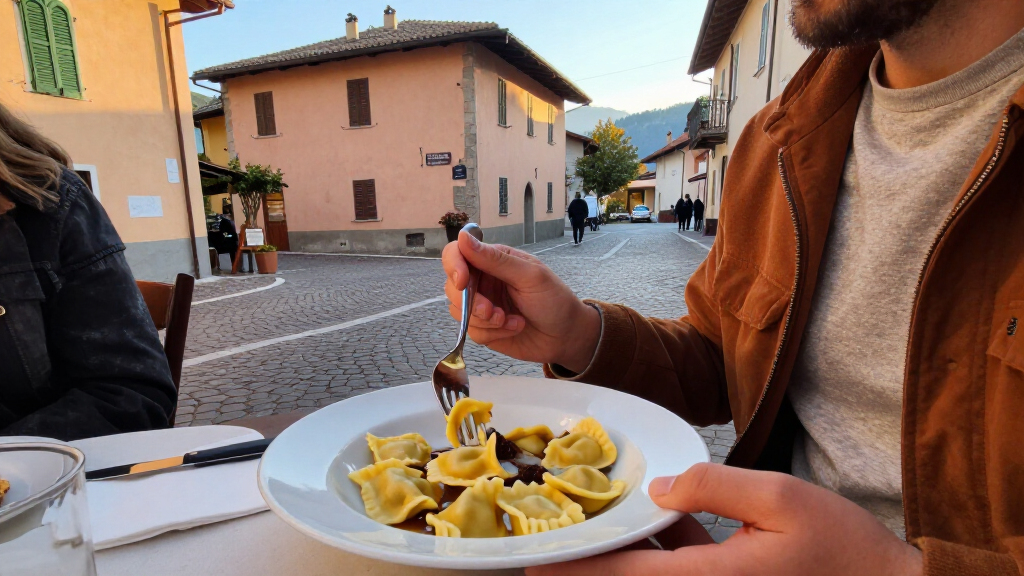
For a primo, try tajarin, exceptionally thin, egg-rich noodles that move across the plate like golden threads. Butter, meat ragù, or fresh truffle gives them enough flavor without burying their delicate texture. Agnolotti del plin are tiny stuffed pasta parcels pinched closed by hand; one traditional serving uses roasting juices rather than a heavy sauce.
Main courses reveal the colder, slower side of the region. Brasato al Barolo turns beef and red wine into a dark, spoon-tender braise, while bollito misto pairs mixed boiled meats with sharp sauces such as bagnet verd, or green herb sauce. In Asti, bagna càuda arrives warm with anchovy, garlic, and vegetables, so diners with fish allergies should avoid it and vegetarians should ask about hidden anchovies or meat stock in sauces.
Finish with torta di nocciole, hazelnut cake, or bonet, a cocoa-and-amaretti custard. Hazelnuts and almonds are common allergens, while amaretti may contain apricot kernels or almonds depending on the recipe. A slice of nutty cake beside a small Moscato d’Asti gives you contrast rather than sheer sweetness: toasted edges, soft crumb, cool bubbles.
Get the Best Alba Truffle Experience Without a Costly Surprise
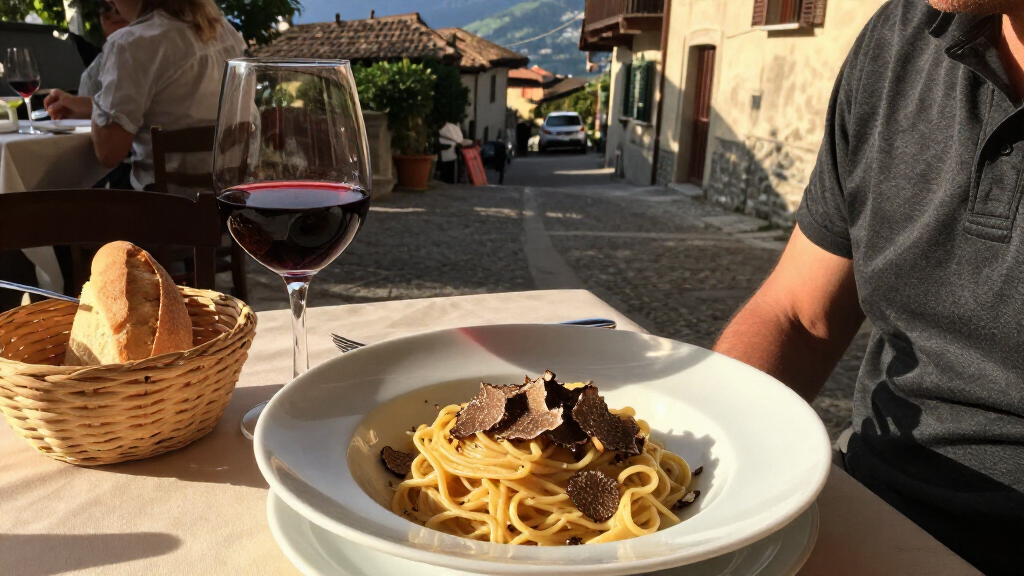
Food and dining experiences in Piedmont reach their aromatic peak when fresh white truffle meets a simple, warm, fatty dish. Visit from October into December for the strongest seasonal visibility, then ask the restaurant for the current price per gram and estimated portion cost before any truffle reaches your plate.
- Confirm the species. The prized Piedmont white truffle is Tuber magnatum Pico, which differs from black truffles in aroma, season, use, and price.
- Ask how the supplement works. Find out whether truffle is included, charged per gram, or added as a fixed supplement.
- Watch the weighing. Many restaurants weigh the truffle before shaving and calculate the charge from the amount used.
- Choose a simple base. Eggs, buttered tajarin, fonduta, or risotto release the aroma better than a crowded sauce.
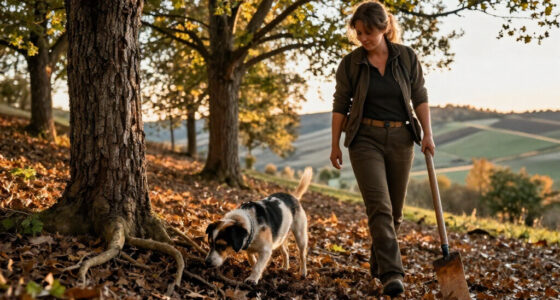
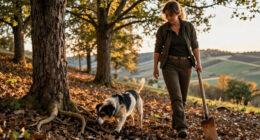
- Skip false promises. A responsible truffle hunt uses trained dogs and licensed hunters but never guarantees a valuable find.
A white truffle behaves more like a fragile perfume than a pantry spice. Heat can flatten its aroma, so cooks usually shave it raw over a warm dish at the table. For example, a soft egg with melted fontina creates a warm cushion of fat that carries the scent upward; a tomato-heavy or aggressively spiced sauce would drown it.
The phrase “Alba truffle” is not a town-level origin guarantee. It functions as a geographic and commercial designation, while suitable truffles grow across parts of Piedmont and neighboring areas. Firmness, scent, condition, size, supply, and weather all influence value, which explains why prices can change sharply within a season.
Ask the price before the first shaving. A good dining room will state the per-gram rate clearly and let you choose how much you want.
If you buy a fresh truffle, treat it as highly perishable. Refrigerate it promptly in a clean, closed container, change any absorbent paper daily, and use it within a few days rather than saving it for a distant special occasion. Check customs and agricultural rules before flying home; preserved truffle products travel more easily, though many commercial truffle oils rely on added aroma compounds and cannot reproduce fresh white truffle’s layered scent.
Pair Piedmont Wine by Structure, Not by Prestige
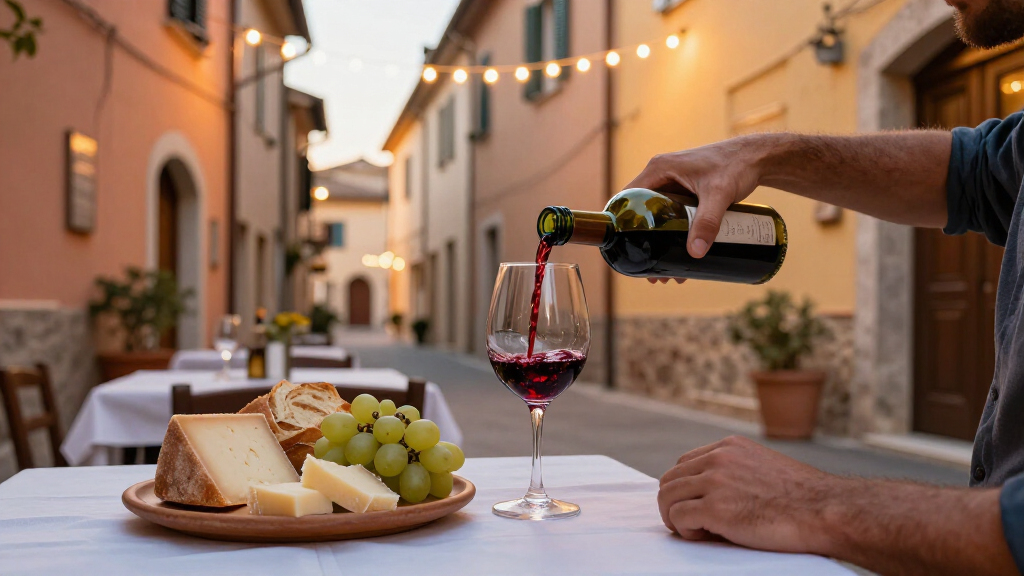
The smartest Piedmont wine pairing matches acidity, tannin, sweetness, and weight to your food instead of reaching automatically for the most famous bottle. Barolo suits braised beef and aged cheese, Barbera brightens fatty pasta and salumi, while Moscato d’Asti works best with fruit, hazelnut cake, or a light pastry.
Barolo and Barbaresco both come from Nebbiolo in neighboring regulated zones, yet soil, exposure, cellar choices, and vintage create wide differences. The familiar claim that Barolo is always powerful while Barbaresco is always delicate works only as a rough shortcut. At a La Morra lunch, a mature Barolo may feel graceful and floral, while a young Barbaresco can grip your gums with firm tannin.
When you order brasato al Barolo, high acidity and tannin make Nebbiolo a natural partner for the wine-dark sauce and soft beef. With tajarin and a meat ragù, Barbera d’Alba or Barbera d’Asti can offer juicy acidity with softer tannins. Dolcetto is dry despite its name, making it a friendly match for salumi, everyday pasta, and an informal lunch.
Around Asti, labels require a little attention because Asti can mean the city, the territory, or a protected sparkling-wine designation. Moscato d’Asti is usually lightly sparkling, lower in alcohol, and bottled under less pressure. Asti Spumante is fully sparkling; both are aromatic and commonly sweet, but they do not feel the same in the glass.
Look beyond the headline names. Ruchè di Castagnole Monferrato can smell floral and spicy, while pale Grignolino combines perfume with unexpectedly noticeable tannin. Alta Langa, a traditional-method sparkling wine commonly based on Pinot Noir and Chardonnay, has gained visibility and makes a sharp opening partner for fried antipasti or rich cheese.
Keep winery days comfortable by booking two or three estates, not five. Tastings often run long, and vineyard roads curl through the hills like ribbon around a parcel. Wine is for adults; drink responsibly, eat during the day, use a hired driver or tour when tasting, and never assume a short distance makes driving after alcohol safe.
See Why Slow Food Changes More Than Your Meal
Why Piedmont matters for food lovers becomes clearest in Bra and Pollenzo, where Slow Food connects pleasurable eating with biodiversity, traditional skills, environmental responsibility, and fair producer income. The movement is not a request to linger over lunch; it asks you to notice who grew the food, how they worked, and what may disappear without support.
Carlo Petrini founded Slow Food in Bra during the 1980s as industrial food systems pushed meals toward greater speed and standardization. Its phrase “good, clean, and fair” joins flavor with responsible production and equitable livelihoods. Slow Food’s international work now reaches seed heritage, animal husbandry, food education, climate resilience, and the survival of small-scale techniques [2].
Slow Food Presidia support threatened foods, breeds, producers, and production methods. Think of a raw-milk cheese made only by a handful of mountain families: losing it would erase more than a flavor. It would remove pasture knowledge, aging skills, local microbes, seasonal work, and a piece of the landscape’s memory.
You can put the idea into practice without turning dinner into a lecture. Ask whether a cheese is Castelmagno DOP, Robiola di Roccaverano DOP, Bra DOP, or Murazzano DOP, then ask about its milk and age. DOP rules protect origin and production standards, but two legal versions can still taste dramatically different because of season, feed, maturation, and producer choices.
The biennial Cheese festival in Bra, the University of Gastronomic Sciences in Pollenzo, the Banca del Vino, and the Osterie d’Italia guide make this area an intellectual food heartland as well as a delicious one. A practical day might include a Pollenzo visit, a Bra cheese tasting, and dinner at an osteria serving a local bean, breed, or cheese protected through a Presidio.
The broader countryside around Alba, Asti, Bra, and Pollenzo is one of Italy’s most influential gastronomic regions. Its appeal comes from an unusually close relationship among farming, seasons, cooking, wine, and place. That relationship also explains why truffle woodland care, water availability, old vineyards, and farmer income belong in the same conversation as what tastes good.
Visit in the Season That Matches Your Ideal Plate
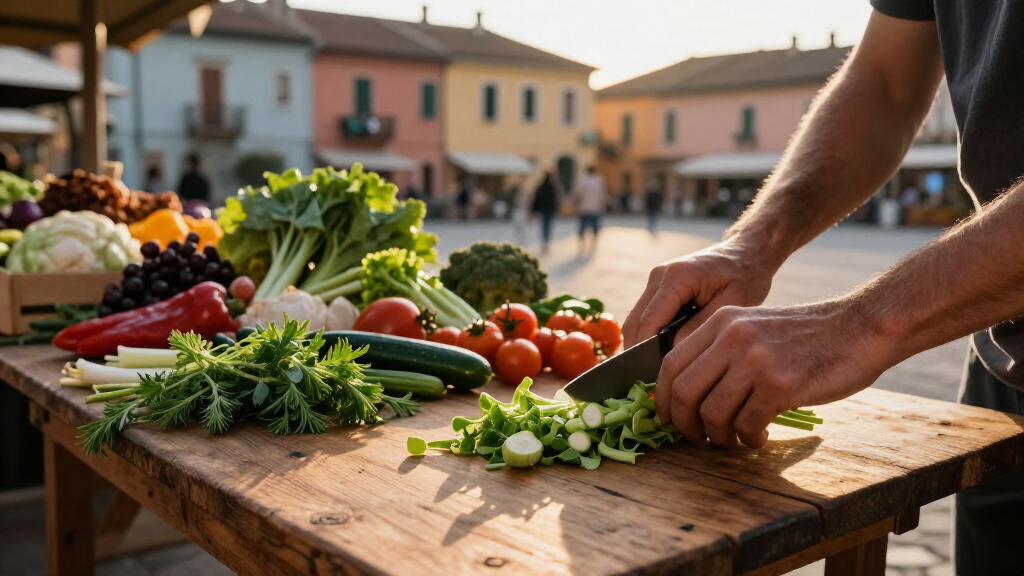
Your best time to visit Piedmont depends on what you want to eat: choose autumn for white truffles and harvest energy, winter for braises and quiet dining rooms, spring for tender vegetables, or summer for outdoor tables and village festivals. Each season changes both the plate and the practical rhythm of reservations.
- Spring: asparagus, peas, herbs, soft cheeses, green vineyards, and lighter visitor numbers.
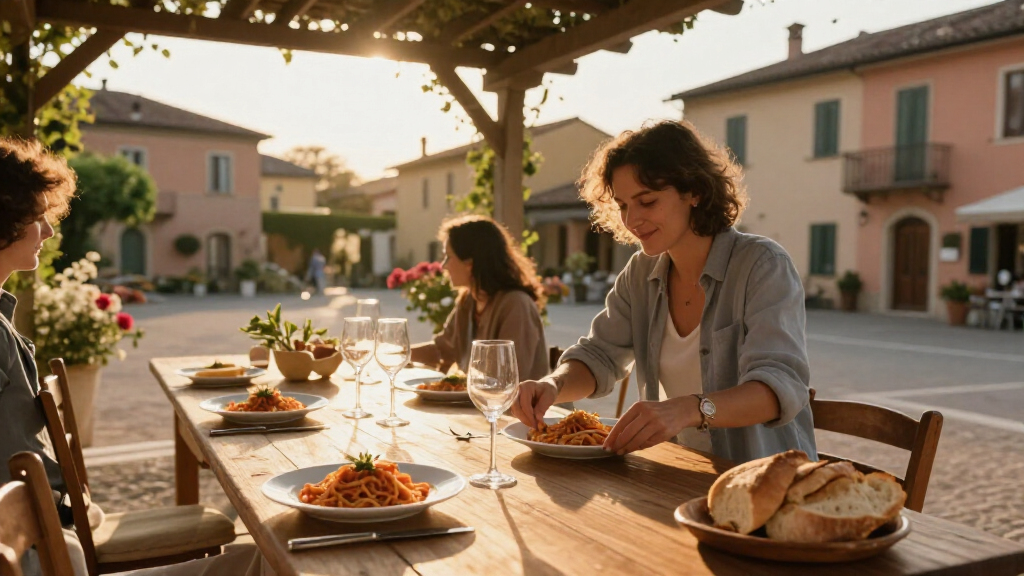
- Summer: outdoor meals, hazelnut-country drives, village events, and warm evenings, balanced against heat and busy roads.
- Autumn: white truffles, mushrooms, chestnuts, grape-harvest activity, and the greatest pressure on Alba hotels and restaurants.
- Winter: fonduta, polenta, bollito misto, brasati, aged wine, and quieter towns, with some rural closures.
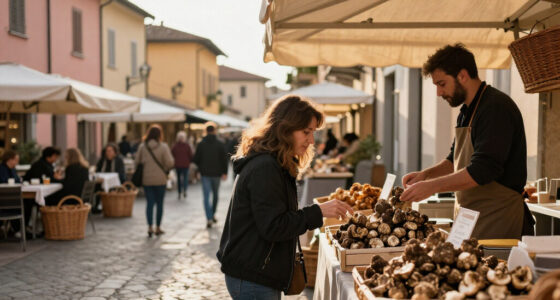
Autumn is the headline season, especially during the International Alba White Truffle Fair, traditionally held on autumn weekends. You may hear market chatter spilling through Alba’s streets while shop windows glow with hazelnut cakes and baskets of mushrooms. That atmosphere comes with higher prices, heavier traffic, and limited tables, so book accommodation, destination restaurants, truffle outings, wineries, and a driver early.
Spring offers a gentler contrast. A plate of asparagus with a soft egg can taste as expressive of Piedmont as any luxury ingredient, while the vineyards around Barbaresco shift into vivid green. Some producers keep limited visiting schedules during vineyard work, so confirm appointments rather than treating winery doors like open bars.
Winter deserves more attention from travelers who love slow-cooked food. Imagine stepping from a cold stone lane into a dining room scented with Barolo-braised beef, melted cheese, and wood smoke. You gain quieter tables and dishes built for the weather, but rural hotels, restaurants, and wineries may close for breaks, making advance confirmation necessary.
Climate change adds uncertainty to every calendar. Earlier harvests, heat, water pressure, and changes to delicate truffle woodlands can shift the timing and volume of seasonal ingredients. Treat published festival dates, hunting periods, restaurant hours, and tasting policies as details to check for your travel year rather than fixed traditions.
Plan Each Dining Day Without Rushing the Pleasure
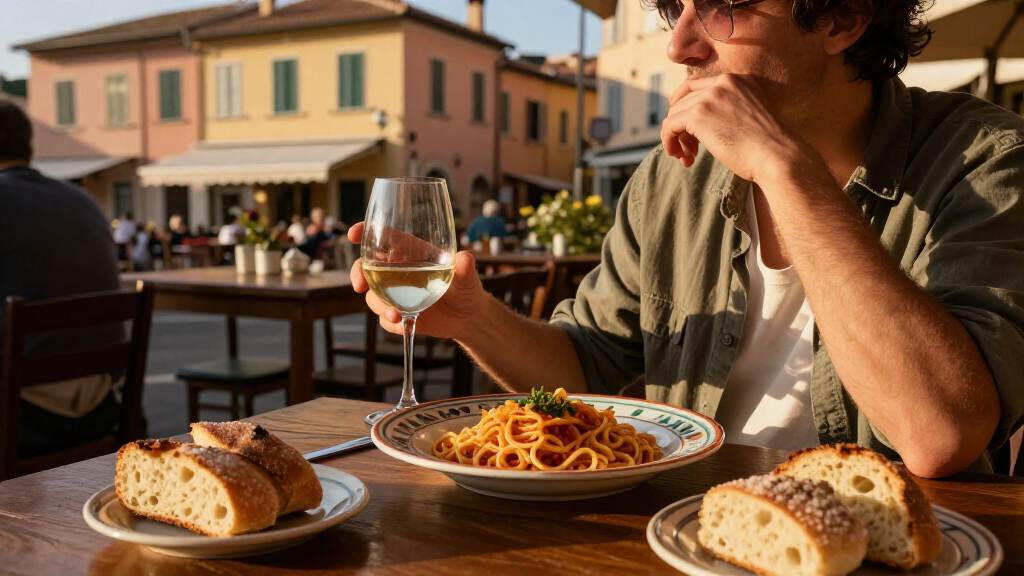
A well-paced Piedmont food day includes one major lunch, no more than two or three winery visits, and a safe transport plan. Book rural meals and cellar appointments before arrival, leave generous driving time, and keep dinner within walking distance whenever you expect to drink wine.
Lunch commonly begins around 12:30 or 1 p.m., while dinner often starts near 7:30 or 8 p.m. Rural kitchens may stop taking orders earlier than city restaurants, and many establishments close one or two days each week. A 2:30 p.m. arrival after a long tasting can leave you facing a locked door and an empty stomach.
Wineries usually work by appointment because the person pouring your wine may also prune vines, move barrels, or handle shipments. Build a day around two substantial tastings with lunch between them. For example, visit a Barbaresco producer at 10:30, eat in Neive at 1, and schedule a second estate at 3:30 instead of racing through four villages.
You never need to order antipasto, primo, secondo, cheese, dessert, and coffee at every meal. A couple might share three antipasti, order one pasta each, and split a dessert. Check the menu for a coperto, or cover charge, and leave a modest tip for warm service rather than applying North American percentages automatically.
Tell the restaurant about dietary needs when you reserve. Piedmont offers vegetables, mushrooms, cheeses, risotto, and pasta, but anchovies, meat stock, veal fillings, raw eggs, nuts, and lard can hide in traditional preparations. Diners with celiac disease or serious allergies should request clear cross-contact guidance rather than relying on a dish’s appearance.
Alba, Asti, and Bra work without a car inside their centers, but vineyard travel is different. Public transportation rarely matches cellar schedules, and winding roads stretch short map distances. Hire a driver, join a small tour, or sleep near your evening restaurant; the calm ride back becomes part of the pleasure rather than a problem waiting at the end of dinner.
Frequently Asked Questions
When is white-truffle season in Alba?
White-truffle season usually runs through autumn, with October and November drawing the strongest demand and visibility. Weather and regulated hunting dates affect availability, so check current conditions before planning a truffle-centered trip.
Is the Alba White Truffle Fair worth visiting?
The fair is worthwhile for its atmosphere, specialist sellers, and concentrated tasting opportunities. Weekends can feel crowded and expensive, so reserve accommodation and restaurants well ahead and spend at least one quieter weekday exploring the surrounding Langhe.
What is the difference between Barolo and Barbaresco?
Both wines come from Nebbiolo grown in neighboring regulated areas. Soils, vineyard exposure, production rules, vintage, and cellar style shape the differences; Barolo is not always forceful, and Barbaresco is not always delicate.
What is the difference between Moscato d’Asti and Asti Spumante?
Moscato d’Asti is generally lighter, lower in alcohol, and gently sparkling, while Asti Spumante is fully sparkling and bottled under greater pressure. Both are aromatic and usually sweet, making them better partners for fruit and light pastries than for a heavy chocolate dessert.
Can you visit Piedmont wineries without an appointment?
Appointments are the norm at many Piedmont estates, especially small family wineries without dedicated tasting-room staff. Confirm the fee, duration, language, purchase policy, and exact meeting point when booking.
Is Piedmont suitable for vegetarians?
Vegetarians can eat well with advance planning, particularly through vegetable antipasti, mushrooms, cheese, risotto, and seasonal pasta. Ask about anchovies in sauces, meat stock in risotto, veal in pasta fillings, and lard used for cooking.
Do you need a car for Alba, Asti, and Bra?
You do not need a car inside the three town centers, which have rail links and walkable dining areas. You will want a car, tour, or hired driver for wineries, castles, rural restaurants, and scattered villages; choose a driver on tasting days.
How many wineries should you visit in one day?
Two or three wineries make a comfortable day. Tastings can last well over an hour, and winding roads turn short distances into slow journeys, so fewer appointments give you time for lunch and meaningful conversation.
Conclusion
Build your Piedmont trip around place and season, not a checklist of famous labels. Give Alba time for truffles and tajarin, let Asti show you Barbera and Monferrato’s rustic table, and spend a day in Bra or Pollenzo learning why a cheese, seed, woodland, or farming family can matter as much as a celebrated bottle.
Reserve the hard-to-get meals, arrange safe transportation, and leave breathing room between tastings. Then sit down hungry and pay attention: warm pasta, cool cellar air, hazelnuts roasting in a bakery, and vines folding across the hills. Piedmont tells its story quietly, one plate at a time.
Halloween Picks
halloween
As an affiliate, we earn on qualifying purchases.