TL;DR

Get kitchen staples and gadgets delivered free with Prime
- Fast, free delivery on millions of items
- Prime Video, Amazon Music and more included
- Member-only deals all year
Bra is where Slow Food was founded in 1986; nearby Pollenzo pairs Roman remains and a nineteenth-century Savoy royal estate with the University of Gastronomic Sciences, founded in 2004. Visit both in one food-focused outing, tasting dishes such as salsiccia di Bra, tajarin, and agnolotti del plin while checking current restaurant hours and seasonal menus.
In Bra, a plate of fresh sausage can lead you into the history of a food movement; a short trip away, Pollenzo turns that same curiosity toward Roman ruins, a royal estate, and a university devoted to food. These are small places with outsized influence in Piedmont, where the story of what you eat is tied to who grows it, how it is made, and what the landscape can sustain.
This guide shows you how to visit Bra and Pollenzo with your appetite and your curiosity switched on. You’ll get the key Slow Food history, dishes worth looking for, ways to choose where to eat, and practical advice for fitting both places into a day. Menus and access can change, so treat the meal ideas as a seasonal compass, then check details before you go.
Bra is the birthplace of Slow Food, founded there in 1986 in response to fast food’s spread.
Pollenzo is a hamlet in Bra; its restored Savoy royal estate includes the University of Gastronomic Sciences, founded in 2004.
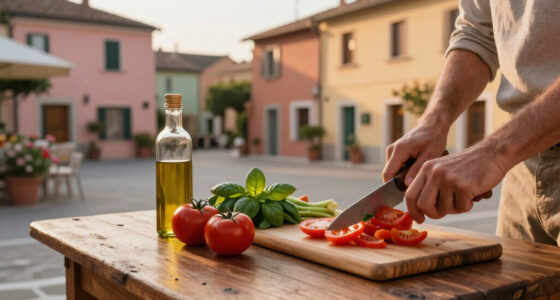
Try dishes such as tajarin, agnolotti del plin, bagna càuda, and salsiccia di Bra, but ask what is in season and how a dish is prepared.
Choose a trattoria or osteria for a regional meal, or a café or bakery for a lighter stop; confirm current hours and menus before traveling.
Ask clearly about allergens and whether salsiccia di Bra is served raw or cooked.
Piedmont, Italy · A food-focused day
Bra & Pollenzo:
Where Slow Food
Found Its Home
Follow Slow Food’s story from its 1986 beginnings in Bra to Pollenzo’s Roman traces and Savoy royal estate. Along the way, taste the seasonal cooking that ties a meal to its place.
“Good, clean and fair” food connects pleasure, care and a fair return for producers.
Slow Food · founded in Bra, 198601 / The places
Two stops, one food story
Bra and Pollenzo sit close together in Piedmont’s Langhe and Roero landscape. Think of the day as a thread: local food culture, a movement’s origins, and a place where food is studied through history, ecology and culture.
Bra
Carlo Petrini and fellow activists founded Slow Food here in 1986, responding to fast food’s spread. Today, cafés, markets, bakeries and restaurants offer an everyday view of Piedmontese food culture. Look for salsiccia di Bra and ask how the kitchen prepares it.
Pollenzo
A hamlet within Bra, Pollenzo was once known as Pollentia. Roman remains and a nineteenth-century Savoy royal estate frame today’s University of Gastronomic Sciences, founded in 2004 with support from Slow Food and other partners.
Start in Bra
Walk, pause for coffee, and explore the town’s food life and Slow Food roots.
Choose a seasonal lunch
Ask what is local, in season, and prepared today; leave room for a long meal.
Continue to Pollenzo
Explore the estate surroundings and check access, tours and opening times ahead.
02 / On the plate
Let the season shape your order
Treat famous dishes as a seasonal compass, not a year-round guarantee. Menus change with harvests and kitchens; ask what is available and how it is made.
Salsiccia di Bra
Fresh sausage traditionally made with beef and a little pork fat. Ask whether it is served raw or cooked.
Tajarin
Thin egg pasta often paired with butter, meat sauce or seasonal ingredients.
Agnolotti del plin
Small filled pasta, pinched closed by hand and served with a range of regional sauces.
Bagna càuda
A warm anchovy-and-garlic dip for vegetables, especially inviting in colder months.
Cheese & hazelnuts
Try local cheeses and Tonda Gentile hazelnuts from the Langhe for a snack or treat.
Piedmont wines
Barbera and Dolcetto sit alongside Barolo and Barbaresco. Ask about a glass pairing.
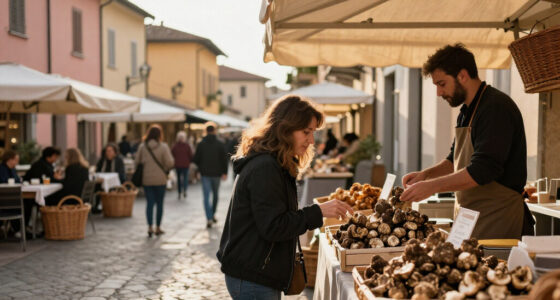
Truffles, mushrooms and game may appear, depending on the season and the kitchen.
Look for different vegetables and lighter preparations. Ask what is fresh now.
03 / Choose your table
Match the place to the kind of pause you want
A good meal can be a relaxed regional lunch or a quick pastry stop. Use the menu, the season and your schedule to guide the choice.
Trattoria or osteria
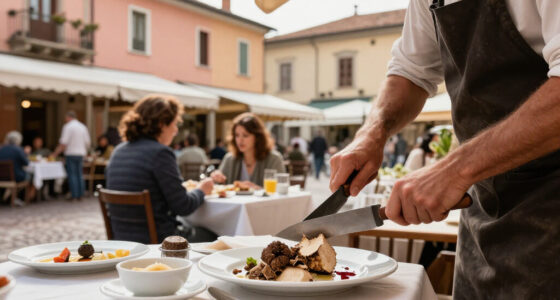
Seek out regional dishes and an unhurried meal. Ask about portions, daily specials and local producers.
Café or bakery
Good for coffee, pastries, breakfast or a relaxed pause between Bra and Pollenzo.
Pollenzo estate
The restored royal estate brings together dining and hospitality with food-related academic and cultural spaces.
Check current menus, opening days, reservations and access close to your visit. Ask clearly about allergens and whether salsiccia di Bra is served raw or cooked. If driving, choose water or a nonalcoholic drink.
04 / Follow the thread
From a local plate to a wider idea
Slow Food grew from a local response into work around food education, biodiversity and traditional knowledge. You can trace that idea in a simple conversation at the table.
What is local and in season today?
Which nearby ingredients or producers are named?
Slow Food’s Ark of Taste catalogs foods at risk of disappearing.
Presidia support small producers and traditional foods.
Start in Bra to understand where Slow Food began
Bra is where Slow Food began in 1986, when Carlo Petrini and fellow activists founded the organization in response to fast food’s spread and the opening of a McDonald’s near Rome’s Spanish Steps. The movement’s guiding idea is food that is good, clean, and fair: enjoyable to eat, made with care for people and the environment, and fairly paid for. That history gives an ordinary lunch in Bra a little more context.
Think of Slow Food as a thread you can follow through town, not a museum label you need to find. Start with a coffee, pass a bakery window, and look for local produce or regional dishes at lunch. If you spot salsiccia di Bra, ask how that kitchen serves it; the fresh sausage is traditionally made with beef and a small amount of pork fat, and preparations vary. A server’s answer can tell you as much about local habits as a plaque can.
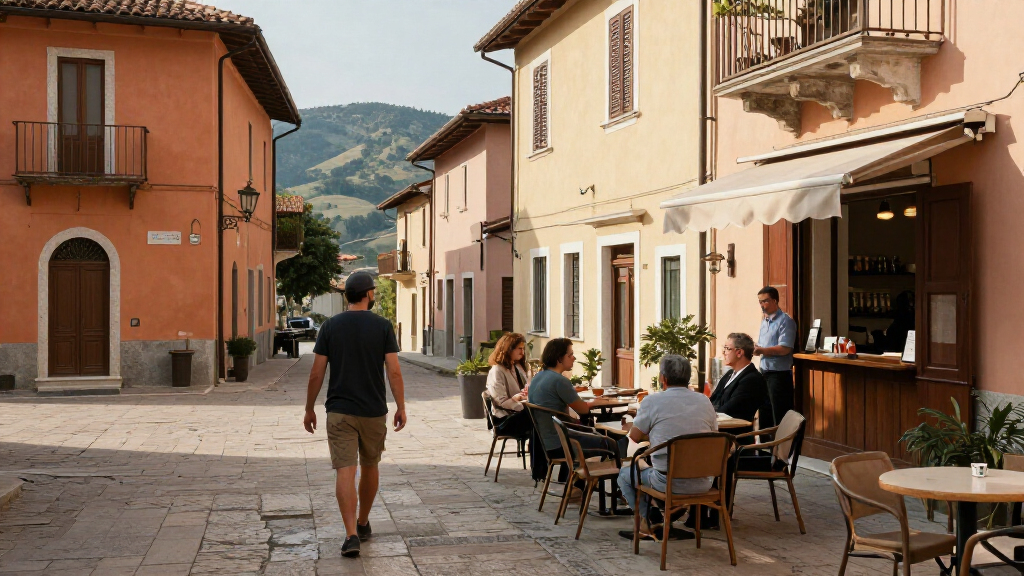
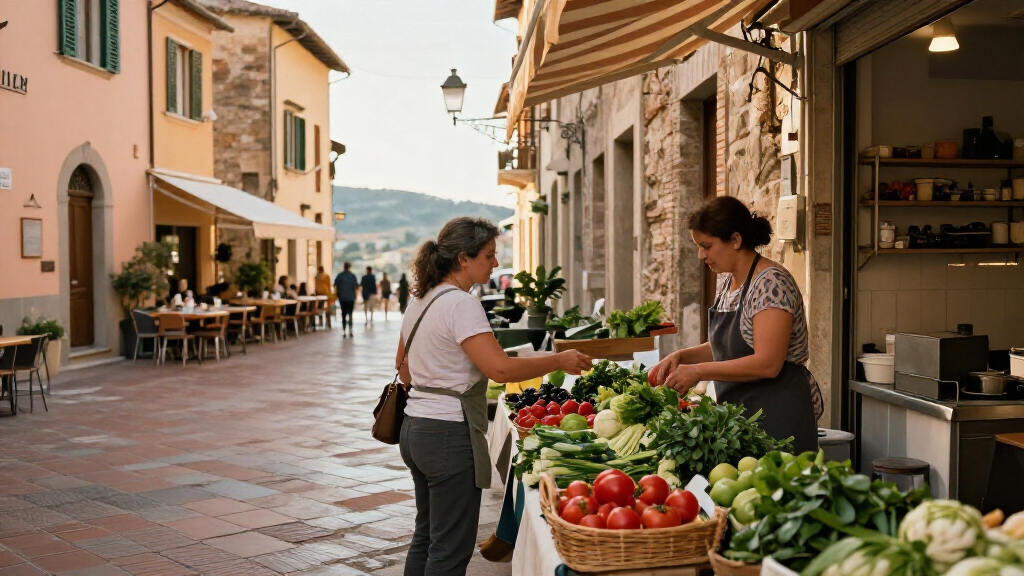
Bra’s appeal reaches beyond the organization’s founding. Its cafés, markets, bakeries, and restaurants offer a view of everyday Piedmontese food culture, where a market stop and a leisurely meal matter as much as a formal tasting. If you’re planning a broader trip, Bra also makes a useful base for thinking about the Langhe and Roero, with their vineyards, villages, and seasonal cooking.
Slow Food’s work has grown to include food education, biodiversity, and traditional knowledge. Initiatives such as the Ark of Taste, which catalogs foods at risk of disappearing, and Slow Food Presidia, which support small producers and traditional foods, show how that original argument can lead to practical projects. You don’t need to join anything to appreciate the connection: ask what a restaurant buys locally, and listen for the names of nearby ingredients and producers.
Italian regional pasta maker tajarin
As an affiliate, we earn on qualifying purchases.
As an affiliate, we earn on qualifying purchases.
Pair Bra and Pollenzo for a day that connects food with place
Bra and Pollenzo fit naturally into one outing because Pollenzo is a hamlet within the municipality of Bra. Bra connects you with Slow Food’s origins and the town’s food life; Pollenzo adds Roman history, a royal estate, and food studies. Together, they make a rewarding day for travelers who want more than a meal but don’t need a packed sightseeing schedule.
Pollenzo’s older name was Pollentia, and archaeological remains recall its Roman past. The better-known landmark today is the nineteenth-century royal estate developed under the House of Savoy. Its restored complex brings together the University of Gastronomic Sciences, a hotel, restaurants, a wine bank, and food-related cultural spaces. History sits close to the present here: you can move from ancient traces to an academic institution that studies agriculture, ecology, economics, history, and culture through food.
The University of Gastronomic Sciences was founded in 2004 with support from Slow Food and other partners. That date helps explain Pollenzo’s modern role. It is not simply a scenic stop attached to a town’s past; it connects food to the systems and traditions that shape a meal. If you see the estate during a visit, take time to notice how its grand scale contrasts with the small plates, local ingredients, and everyday conversations that make regional cooking feel lived in.
You can often visit both places in one day, but build the schedule around the details that matter to you. For example, start in Bra with a walk and lunch, then head to Pollenzo for the estate and its surroundings. Check transport, access, tours, and opening hours close to your visit; public access and university activities depend on schedules. The best plan leaves breathing room for a long meal or an unexpected stop at a bakery.
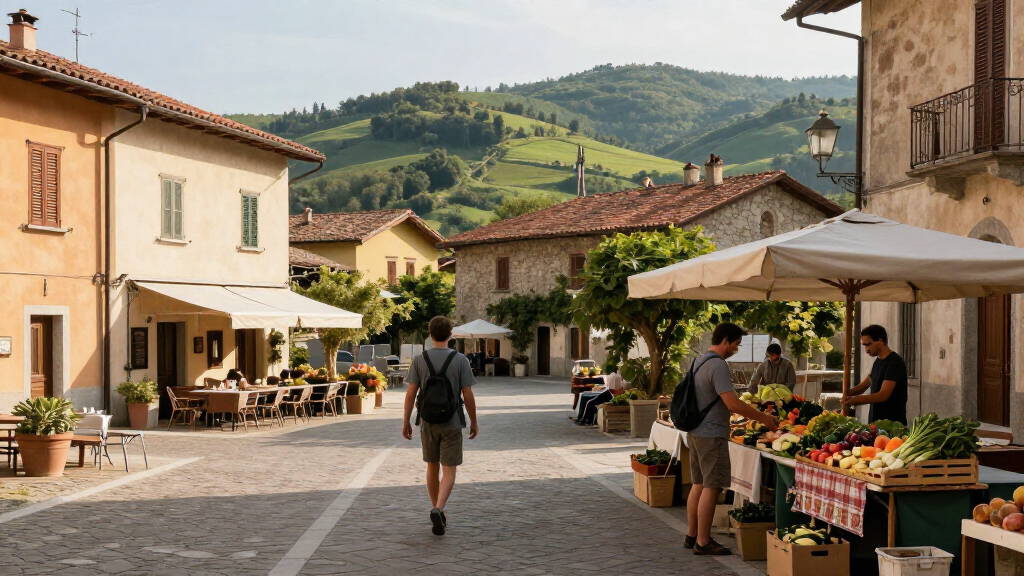
Choose a Piedmontese dish by season, not just by name
When you order in Bra or Pollenzo, let the season decide the plate as much as the menu does. Piedmont’s rich cooking follows the year: autumn and winter can bring truffles, mushrooms, and game, while spring and summer bring different vegetables and lighter preparations. A dish you read about before the trip may not be on the menu when you arrive, and that is often a sign that the kitchen is following what’s available.
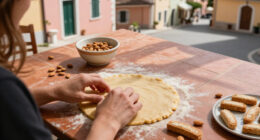
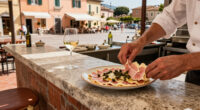
Look for tajarin, thin egg pasta often served with butter, meat sauce, or seasonal ingredients. It arrives in delicate strands that gather sauce readily, so a simple preparation can be deeply satisfying. You may also see agnolotti del plin, small filled pasta pinched closed by hand. Imagine ordering a plate after a cool morning walk: the filling, the pasta, and a spoonful of sauce turn a regional tradition into a warm, practical lunch.
In colder months, ask whether the kitchen serves bagna càuda, a warm dip made with anchovies and garlic, traditionally eaten with vegetables. It is sociable food, meant for sharing and dipping, with a savory smell that announces itself as soon as it reaches the table. For a quieter snack or a take-home treat, ask about local cheeses and Tonda Gentile hazelnuts from the Langhe. These give you a taste of the area without requiring a multicourse meal.
Wine can follow the same seasonal, budget-aware approach. Piedmont offers Barbera and Dolcetto alongside prestigious Barolo and Barbaresco; the right choice depends on the dish, the occasion, and what you want to spend. Ask for a glass pairing if you’d like to taste local wine without committing to a bottle. Alcohol is for adults; enjoy it responsibly, and choose water or a nonalcoholic drink if you’re driving through the countryside.
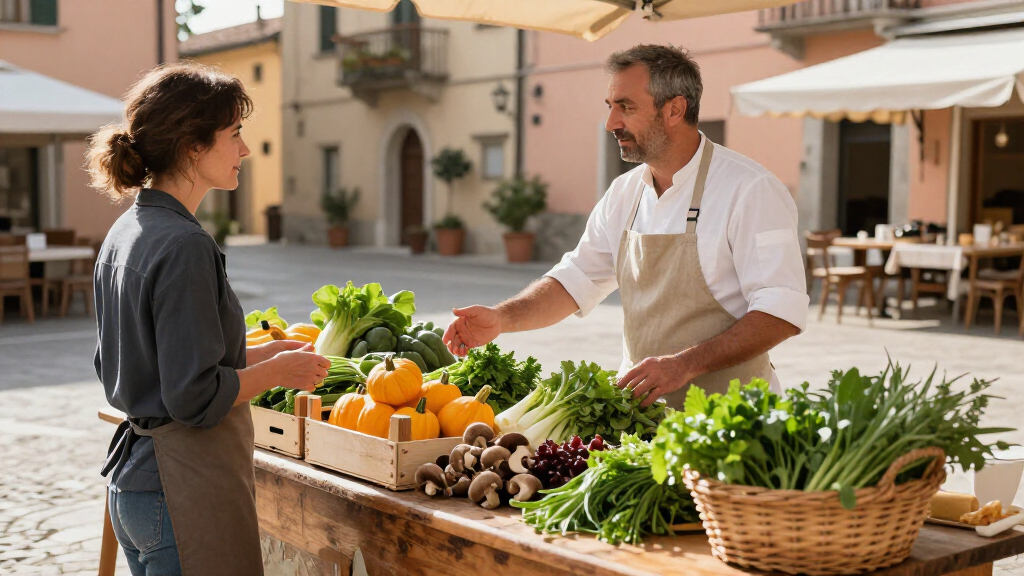
Use this simple plan to find where to eat
For where to eat in Bra and Pollenzo, choose the kind of meal you want, then check the current menu and opening details before you commit. A trattoria or osteria is a natural place to seek regional cooking; a café or bakery suits breakfast, pastries, or a slower pause between stops. In Pollenzo, the royal estate offers dining and hospitality connected to its historic and academic setting. Specific venues and hours can change, so these categories give you a flexible starting point.
- Pick your moment. Decide whether you want a full lunch, a light café stop, or dinner after exploring. For instance, a bakery breakfast in Bra leaves room for a longer meal later.
- Check today’s details. Look up opening days, reservation needs, and current menus. Small-town restaurants may close on particular weekdays or holidays.
- Ask what is local and in season. If you hoped for mushrooms or a particular pasta, let the staff tell you what the kitchen is serving now.
- Match portions and wine to your day. Piedmontese meals can be generous, and wine prices vary widely. Ask about portion size and a glass pairing before ordering.
This approach keeps the meal rooted in place without turning lunch into a scavenger hunt. Imagine arriving in Bra after a morning on the road: a café gives you a quick espresso and pastry, while an osteria lets you linger over tajarin and ask about local cheeses. If you want a more structured food-focused visit, check what is currently open at Pollenzo’s estate. A little research beforehand saves you from crossing town hungry to find a closed door.
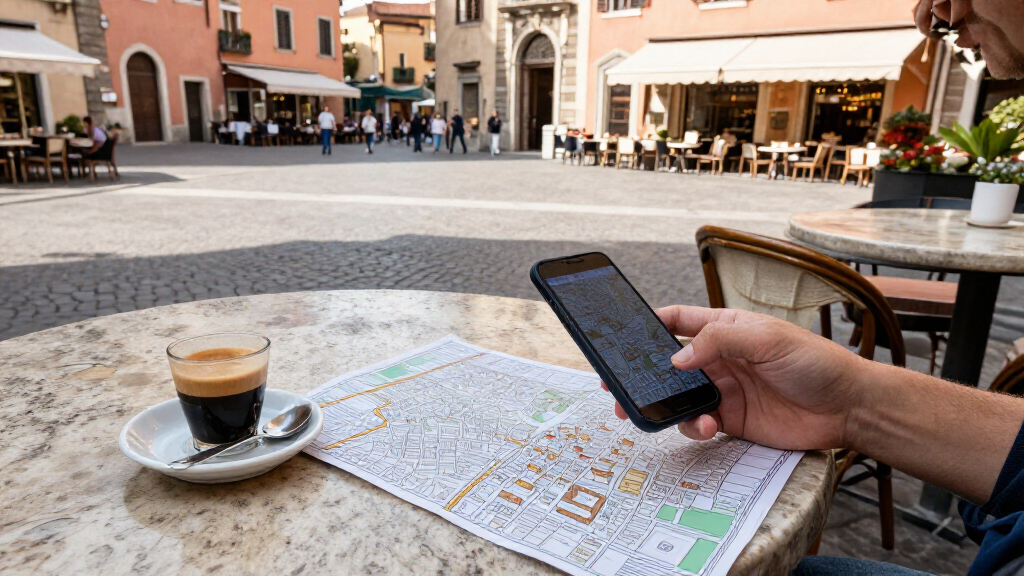
Read a menu like a local and ask the useful questions
A regional menu works best as a conversation starter: ask how a dish is prepared, what is fresh today, and whether the kitchen can explain where an ingredient comes from. This helps you order in a way that reflects the place instead of treating every listed dish as a permanent specialty. The question is especially helpful when you see salsiccia di Bra, because serving style varies by restaurant.
The sausage is traditionally associated with raw preparations, but you should never guess how a particular kitchen handles it. Ask directly whether it is served raw or cooked, and how it is prepared. Food safety depends on handling and preparation; follow the restaurant’s guidance, and if you have a health concern or prefer cooked food, choose a cooked dish. The same plain question can make a meal more comfortable without making a fuss.
Look for local cheese, seasonal vegetables, and pasta that suits the day. For example, a traveler visiting in autumn might ask whether mushrooms feature in the menu; someone arriving in spring can ask what vegetables are coming from nearby farms. If the menu lists aglianotti del plin or tajarin, ask about the filling or sauce before ordering. A short exchange can help you avoid a dish you can’t eat and steer you toward what the kitchen is proud to serve.
Allergens also deserve a clear question. Pasta and baked goods often contain wheat, and egg pasta contains eggs; sauces, fillings, and shared kitchen surfaces can introduce other allergens. Tell staff about allergies before ordering and ask whether they can safely accommodate them. If the answer is uncertain, choose a simpler dish they can explain. That small conversation can make the meal safer and more enjoyable, leaving you free to pay attention to the buttery aroma of pasta or the crisp edge of a pastry.
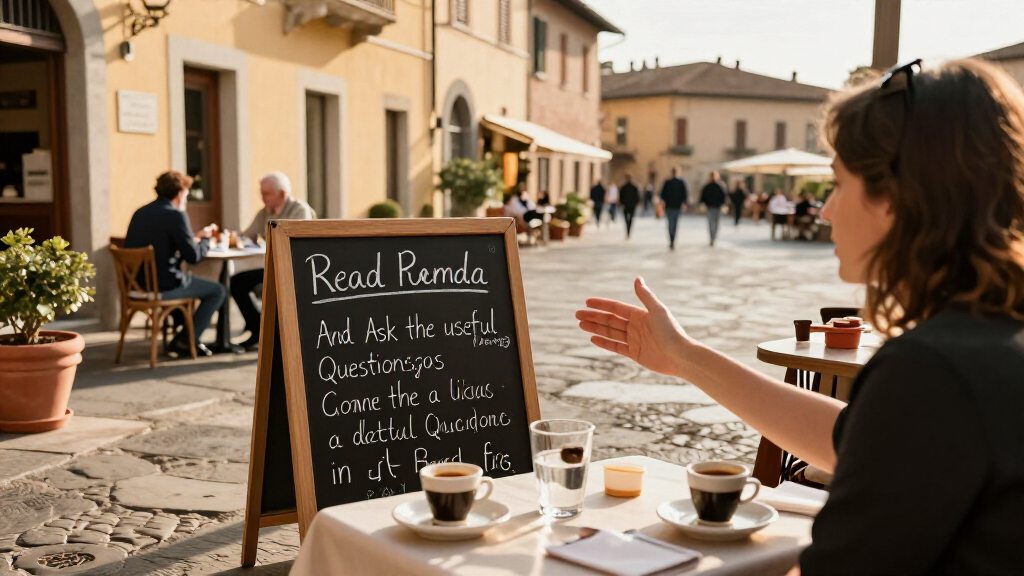
Time your visit around harvest and keep the plan flexible
Spring and autumn are popular seasons for food and wine travel in Piedmont, but each gives you a different reason to go. Autumn connects the region with harvest and ingredients such as truffles, mushrooms, and game; spring brings fresh vegetables and a lighter feel at the table. Seasonal dishes vary by year and restaurant, so plan your trip around the landscape, then ask what is actually available when you arrive.
For a practical example, you might spend an autumn day in Bra and Pollenzo, then leave the next morning for a village or vineyard in the Langhe or Roero. A car can make countryside stops easier, especially if you want to explore beyond the towns. Rail and local transport may serve the wider area, but routes and schedules change; check current connections before building your day around a particular departure.
Keep your expectations for events and access flexible. The university and estate make Pollenzo a destination for people interested in food studies as well as dining, but tours, public access, and activities depend on schedules. Likewise, restaurant lineups, menus, and opening hours can change. Verify those details close to travel, and keep a café or a walk through Bra as a pleasant backup if a planned visit falls through.
That flexibility is part of the pleasure of small-town travel. You might arrive hoping for a particular dish and instead find a seasonal special that wasn’t on your list. A server’s recommendation, a market stall, or the smell of fresh bread can redirect the day in a better direction. Let the itinerary give you a starting point, then leave enough time to follow the town’s pace.
Frequently Asked Questions
Where are Bra and Pollenzo?
They are in Piedmont, northwestern Italy, amid the Langhe and Roero food-and-wine landscape. Pollenzo is a hamlet within the municipality of Bra, so the two are close enough to pair in one outing.
Why is Bra important to Slow Food?
Slow Food was founded in Bra in 1986 by Carlo Petrini and fellow activists. The movement promotes food that is good to eat, produced with care for people and the environment, and fairly paid for.
What should I eat in Bra?
Look for salsiccia di Bra, tajarin, agnolotti del plin, local cheeses, and seasonal Piedmontese dishes. Ask what the kitchen is serving now, since ingredients and preparations change through the year.
Can I visit Bra and Pollenzo in one day?
Usually, yes. You can spend part of the day in Bra, then visit Pollenzo’s historic estate and surroundings; check current transport, opening hours, and access before you go.
Is salsiccia di Bra eaten raw?
It is traditionally associated with raw preparations, but serving styles vary by restaurant. Ask how it is prepared, and choose a cooked dish if you prefer one or have a food-safety concern.
Do I need a car to explore the area?
A car can make trips through the surrounding countryside and wine areas easier. Rail and local transport options may serve the wider area, but check current routes and schedules when planning.
Can visitors enter the University of Gastronomic Sciences?
Access, tours, and events depend on the university and estate’s schedule. Check current visitor information before making Pollenzo a fixed stop on your itinerary.
Conclusion
Use Bra and Pollenzo to taste two sides of Piedmont’s food culture: the everyday life and Slow Food roots of Bra, and Pollenzo’s connection between heritage and food education. Check the day’s openings, ask what is in season, and leave enough time for a proper meal.
Then follow the scent of warm pasta or fresh bread down a street you hadn’t planned to take. That may be the most memorable part of the day.
Fall Picks
fall essentials
As an affiliate, we earn on qualifying purchases.