
TL;DR

Get kitchen staples and gadgets delivered free with Prime
- Fast, free delivery on millions of items
- Prime Video, Amazon Music and more included
- Member-only deals all year
Vitello Tonnato is a chilled Italian antipasto of thinly sliced veal covered in a tuna and anchovy sauce. Its surprising flavors blend savory, tangy, and delicate notes, making it a perfect make-ahead dish that’s both elegant and comforting. Understanding its origins and ingredients helps demystify this classic.
Imagine slicing into a cool, tender piece of veal, its pale pink flesh melting in your mouth. Then, picture a smooth, creamy sauce draping every slice—rich with the umami of tuna and anchovies, brightened by lemon and olive oil. This is Vitello Tonnato, Italy’s unexpected antipasto that often leaves first-timers puzzled. It’s not your typical warm, hearty meat dish; instead, it’s a refined, chilled creation rooted in Piedmontese tradition, perfect for summer gatherings or sophisticated brunches.
What makes Vitello Tonnato intriguing isn’t just its flavor—though that’s a big part—it’s how it challenges your assumptions about pairing. The idea of cold veal topped with a fish-based sauce seems like a mismatch at first. But once you taste that delicate, savory contrast, you realize it’s a harmony of flavors that only Italy could master. In this guide, you’ll learn how to make this dish confidently, understand its regional roots, and explore modern twists that keep it fresh and relevant.
Vitello Tonnato is a surprisingly elegant antipasto that combines tender veal with a savory, tangy tuna sauce, making it ideal for summer or special occasions.
The dish’s success hinges on slicing the veal very thin and preparing a smooth, balanced sauce with canned tuna, anchovies, lemon, and olive oil.
Modern variations include lighter sauces with yogurt or mayonnaise, alternative proteins like chicken or eggplant, and ethically sourced ingredients.
Serving it cold enhances its texture and flavor; plan ahead for at least 2 hours of chilling time, making it a perfect make-ahead dish.
Despite initial confusion, embracing the flavor contrast reveals Italy’s genius in turning unlikely pairings into culinary harmony.
Vitello Tonnato: The Cold Veal Classic That Confuses Everyone at First
Thin slices of tender veal, a silky tuna sauce, and a pairing that sounds surprising until the first bite. Meet the chilled Italian classic built on balance, patience, and a little culinary curiosity.
What is Vitello Tonnato?
A familiar Italian antipasto with an unexpected name—and an even more unexpected sauce.
Vitello Tonnato is a chilled dish associated with Piedmont: cooked veal, sliced very thin and served beneath a creamy sauce made with tuna, anchovies, and capers. The name says exactly what is on the plate: vitello means veal, and tonnato refers to tuna.
The contrast is the point. Delicate, lean veal gives the bold sauce room to shine. Tuna brings savory depth; anchovies intensify it; capers and lemon bring salt and brightness. When the proportions are right, the sauce tastes rounded and tangy rather than simply fishy.
Cooling firms the meat for thin slicing and gives the flavors time to come together. A brief rest at room temperature before serving helps the veal feel tender and the sauce taste lively.
Two ingredients, one unlikely harmony.
The tuna is blended into a sauce, so it becomes a savory coating rather than a separate piece of fish atop the meat.
Balance makes the paradox click
Each ingredient has a job. The magic comes from proportion, texture, and contrast.
Mild, tender veal
Lean meat sets a delicate foundation. Thin, even slices stay easy to eat and give the sauce more surface to cling to.
Tuna & anchovy
Canned tuna supplies body and savory richness. Anchovies deepen the flavor without turning the sauce into a fish topping.
Capers & lemon
Briny capers and bright lemon cut through oil and richness, keeping each bite balanced and fresh.
A calm, make-ahead method
Gentle cooking protects the veal; gradual seasoning keeps the sauce lively and balanced.
Lean veal roast
Use about 2 pounds from the round for a tender, sliceable result.
Keep it gentle
Cook with onion, carrot, celery, herbs, and a splash of wine for about 1–1.5 hours, until tender.
Thin is the goal
Cool the veal completely in its cooking liquid, then slice thinly with a sharp knife.
Make silky sauce
Blend drained tuna, anchovies, capers, lemon, and olive oil. Add oil gradually; taste as you go.
Chill, then garnish
Coat lightly, cover, and chill at least 2 hours—ideally overnight. Finish with capers and lemon.
Small choices, better results
Keep the meat tender and let the sauce support its delicate flavor.
A quiet simmer
Rolling boils can tighten lean meat. Gentle heat helps it stay tender; cool it in the cooking liquid to retain moisture.
Smooth & spoonable
Add olive oil gradually. A yolk or spoonful of mayonnaise makes the sauce richer and more stable.
Coat, don’t bury
A light, even layer lets the veal remain present. Too much sauce can overwhelm its gentle flavor.
Make-ahead elegance
Prepare the veal and sauce in advance, then give the platter time to chill so the flavors mingle. Refrigerate promptly in a covered container and follow food-safety guidance for cooked meat and homemade sauces. Let it sit briefly before serving to bring its texture and aroma forward.
A classic with room to adapt
Contemporary cooks borrow the technique while changing the method, sauce, or protein.
Poached veal
Gently simmered with aromatics, cooled, sliced, and served with tuna sauce.
Mayonnaise sauce
Good-quality mayonnaise can make a smooth, reliable sauce with less blending.
Roast or sous vide
Gentle roasting, sous vide, and pressure cooking offer alternatives to simmering.
New proteins
Turkey, pork, or vegetables can pair with tuna sauce, though they are inspired variations rather than the veal classic.
Reduce mayonnaise, try yogurt, or use an olive-oil emulsion. Expect a different texture and flavor from the richer classic.
Veal defines the traditional dish. Carefully sourced meat—or a chosen substitute—can reflect different preferences.
Serve it simply
Keep the platter cool, the slices thin, and the accompaniments light.
Crusty bread
Focaccia or good bread catches the creamy sauce and rounds out the antipasto.
Green salad
Crisp greens offer a fresh counterpoint to the smooth, savory dressing.
Crisp white wine
Bright acidity refreshes the palate between rich, cool bites.
The tasting sequence
Tender veal → savory tuna and anchovy → a bright finish of lemon and capers. Serve in modest portions as an antipasto, with a little time out of the refrigerator before the first bite.
Curiosity, answered
The unusual pairing becomes easier to understand once you know how the sauce is made.
Does it taste strongly of fish?
It is savory and slightly briny, but capers, lemon, and mild veal balance the tuna. The sauce should complement the meat.
Is the sauce made with raw tuna?
Usually not. It generally uses canned tuna, which is cooked and preserved; anchovies are common too.
Can I make it without mayonnaise?
Yes. Egg yolks and olive oil or another lighter emulsion can make the sauce. The texture will differ.
Can I make it ahead?
Yes. It is commonly prepared ahead and chilled. Refrigerate promptly and use within a few days, following food-safety guidance.
Why serve it cold?
Chilling firms the veal for thin slicing and gives the flavors time to meld. A brief rest before serving helps soften its texture.
Can I use another cut?
A lean, tender cut that cooks gently and slices thinly works best. Other meats can work, but the flavor and texture will change.
What is Vitello Tonnato? The Italian Cold Cut That Confuses Everyone
Vitello Tonnato is a classic antipasto associated with Italy’s Piedmont region: thinly sliced, cooked veal served cold beneath a creamy tuna sauce. The name joins vitello (veal) and tonnato (tuna-style), so the pairing is the point, not a garnish or an accidental combination. Traditionally, cooks poach the veal gently, cool it, and slice it thin. The sauce blends tuna with anchovies and capers, often using olive oil and sometimes egg yolk or mayonnaise to make it smooth.
The two components do different jobs. Veal has a mild flavor and a fine, tender texture, which gives the assertive sauce room to register without the dish becoming overwhelming. Tuna supplies body and savory depth; anchovies intensify that savoriness, while capers and lemon cut through the richness with salt and acidity. When the balance is right, the sauce tastes rounded rather than simply fishy. Its creaminess also coats the lean meat, which can otherwise seem dry when served cold.
That balance explains why the dish surprises people at first and works once tasted. The tuna is processed into a sauce, so it no longer reads like a separate piece of fish placed on meat. Cooling the veal firms it for thin slicing and lets the flavors mingle, though too much chilling can mute their aroma. A few hours of rest gives the sauce time to season the meat; serving it very cold may make the veal feel firmer, so letting the platter sit briefly before serving can bring the flavors forward.

Products Worth Considering

LG S90TR 7.1.3‑Channel OLED Evo TV Matching Home Theater Soundbar (Black)

Shark HydroVac Reveal Cordless Wet-Dry Vacuum and Mop, Lilac, WD321

Blueair Blue Pure 511i Max Smart Air Purifier
As an affiliate, we earn on qualifying purchases.
How to Make Vitello Tonnato Step-by-Step — The Easy Way
Making Vitello Tonnato at home is simpler than you might think. The key is gentle cooking of the veal and blending a silky sauce. Each choice affects the finished dish: cooking too hot can tighten lean meat, while a sauce with too much oil or salt can bury the veal’s delicate flavor. Here’s a straightforward process:
- Choose a lean veal roast, such as from the round, about 2 pounds. Gently simmer it in a pot with aromatics like onion, carrot, celery, a sprig of thyme, and a splash of white wine. Keep the liquid at a quiet simmer rather than a rolling boil; gentler heat helps the meat stay tender. Cook until the veal is tender, about 1 to 1.5 hours, checking doneness rather than relying only on time. Let it cool completely in the cooking liquid to keep it moist and allow it to absorb some of the aromatic flavor.
- Once cooled, slice the veal very thin with a sharp knife. Thin, even slices are easier to eat cold and give the sauce more surface to cling to. Arrange them on a platter.
- Prepare the sauce: drain canned tuna (preferably in olive oil), then blend it with anchovy fillets, a squeeze of lemon, a tablespoon of capers, and olive oil. Start with modest amounts of anchovy, capers, and lemon, then taste and adjust; all three can add intensity, but too much salt or acidity can overwhelm the veal. Add olive oil gradually until the sauce is smooth. For a richer sauce, add an egg yolk or a spoonful of mayonnaise. These make the texture fuller and more stable, while a sauce made without them can taste lighter but may be less creamy.
- Spoon the sauce over the veal slices, spreading it so each slice is lightly coated rather than buried. Cover and refrigerate for at least 2 hours, ideally overnight. Resting gives the sauce time to season the meat, though the flavor can become less fresh if held too long.
- Garnish with additional capers, lemon wedges, and perhaps a few sprigs of fresh parsley before serving. Taste the sauce once more before plating; a little lemon can brighten it, while extra capers add salt as well as texture.
This method keeps the meat tender and the sauce balanced. Because the dish is served cold and benefits from resting, it works well for entertaining: you can do the main preparation ahead and focus on slicing and garnishing later. The tradeoff is that advance preparation needs space in the refrigerator and careful timing so the veal stays moist and the sauce tastes lively.

Why the Unexpected Flavor Pairing Works So Well
The pairing of veal and tuna might seem odd at first, but it works because the ingredients are not competing on equal terms. The veal is mild and lean, so it provides a gentle base; the tuna is blended into a sauce that spreads its savory flavor across each bite. Anchovies deepen that savoriness, while lemon and capers add sharpness and salt. Without those brighter elements, the tuna and oil could taste heavy. Without the tuna’s richness, the lean veal could seem plain or dry.
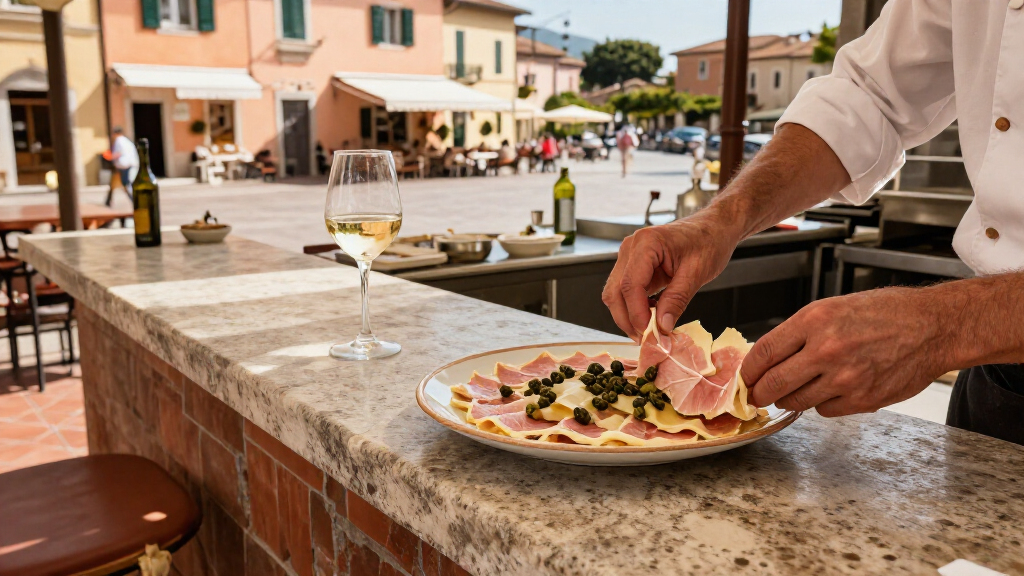
Think of a chilled platter served with crisp white wine and fresh focaccia. The bread gives the sauce somewhere to go, while the wine’s acidity refreshes the palate between bites. Cold serving temperature makes the dish feel especially composed and refreshing, but it also firms the veal and quiets aromas. That is why thin slicing and a brief rest outside the refrigerator before serving matter: they help restore tenderness and make the sauce’s flavor easier to notice.
The dish also depends on proportion. A thick blanket of sauce can dominate the veal, while too little leaves the meat exposed and the bites unbalanced. A light, even coating lets each ingredient contribute. This is the practical lesson behind the apparent paradox: contrast works when one component supports the other. Once tuna is understood as a savory, emulsified sauce rather than a separate fish topping, the combination feels less surprising and more coherent.

Modern Twists and Variations That Keep Vitello Tonnato Fresh
Modern cooks adapt Vitello Tonnato to suit different tastes, budgets, and dietary needs, but each substitution changes more than the ingredient list. Mayonnaise makes a quick, reliably creamy sauce because it is already emulsified; it also brings its own tang and richness, so the tuna may need less oil or lemon. Greek yogurt gives a lighter, sharper result, but its acidity and thinner texture can make the sauce taste less traditional and cling less evenly. Reducing the oil can lighten the dish, though the sauce may lose some of the smoothness that helps it coat lean veal.
Turkey breast or poached chicken can stand in for veal when availability or cost is a concern. Both are mild, but they can dry out easily, making gentle cooking and a generous coating especially important. Roasted eggplant or artichoke hearts offer a meat-free base, yet the tuna sauce still contains fish; those versions suit pescatarians, not vegetarians. A fully vegetarian adaptation needs a different sauce, so it will no longer have the anchovy-and-tuna flavor that defines the classic.
Sourcing can improve both flavor and impact. Tuna packed in olive oil often blends into a fuller sauce, while sustainably caught tuna may better fit a cook’s priorities; availability and price vary. Artisanal anchovies can bring a more pronounced saltiness, so taste before adding more capers or salt. Herbs or smoked paprika can add color and a new flavor direction, but strong additions may obscure the dish’s delicate balance. The useful rule is to change one element at a time and taste as you go, so the sauce remains the focus without overpowering its base.

What You Need to Know About Serving and Storing Vitello Tonnato
Vitello Tonnato is served chilled, which keeps the slices neat and gives it its refreshing character. Slice the cooked veal thinly and arrange it in overlapping layers. A light coating of sauce lets the meat remain part of each bite; putting the sauce between layers also seasons the slices more evenly. If it has been refrigerated until very firm, let the platter stand briefly before serving so the veal softens slightly and the sauce’s aroma can come through.
Small capers, lemon wedges, and fresh parsley or basil add color and contrast. Crusty bread is useful for the sauce, while a simple green salad offers a fresh counterpoint to its richness. These accompaniments should stay fairly simple: a heavily dressed or strongly flavored side can compete with the tuna, anchovy, and caper balance. For a larger antipasto spread, modest portions also leave room for the dish’s savory sauce to feel distinctive.
Keep leftovers covered and refrigerated, and return the platter to the refrigerator promptly after serving. Use within 2–3 days for quality and safety; the texture and flavor are best earlier, as the sauce can lose freshness and the veal can dry out. The dish’s make-ahead convenience comes with a planning tradeoff: prepare it early enough for the flavors to meld, but avoid leaving it out during a long meal.
Cook the veal to a safe internal temperature and cool it promptly. For whole cuts of veal, the USDA guidance is 145°F (63°C) followed by a three-minute rest. Since the meat is served chilled, handle it cleanly during slicing and keep it cold; canned tuna and anchovies are cooked, but once blended into sauce they still need refrigeration. Refrigerate perishable food within two hours, or within one hour if the temperature is above 90°F (32°C).
Frequently Asked Questions
Does vitello tonnato taste strongly of fish?
No, the tuna in the sauce provides a savory, briny depth, but it’s balanced by lemon and capers. The veal’s mild flavor lets the sauce shine without overwhelming your palate.
Is the sauce made with raw tuna?
Usually not. Canned tuna, which is cooked and preserved, is used for a smooth, safe, and consistent sauce. Fresh tuna is rarely used in traditional recipes.
Can I make vitello tonnato without mayonnaise?
Yes. You can blend canned tuna with egg yolks and olive oil for a homemade emulsion or use Greek yogurt for a lighter version. The texture will differ but still be delicious.
How long can I store vitello tonnato?
Keep it refrigerated in a covered container. Consume within 2-3 days for safety and freshness. The sauce may lose some vibrancy if stored too long, so plan accordingly.
What are good accompaniments for vitello tonnato?
It pairs well with crusty Italian bread, like ciabatta or baguette, and a simple green salad. Light, fresh sides complement the richness of the sauce and the cold veal.
Conclusion
Vitello Tonnato isn’t just an appetizer; it’s a lesson in balance and contrast. Its unexpected pairing of veal and tuna challenges assumptions but rewards with a dish that’s both refined and comforting. When you serve it, you’re sharing a piece of Italy’s culinary soul—cool, elegant, and endlessly intriguing.
Next time you entertain, consider offering this chilled masterpiece. It’s a conversation starter and a testament to Italy’s love of playing with flavors and textures. Remember: sometimes, the most surprising combinations create the most memorable meals.