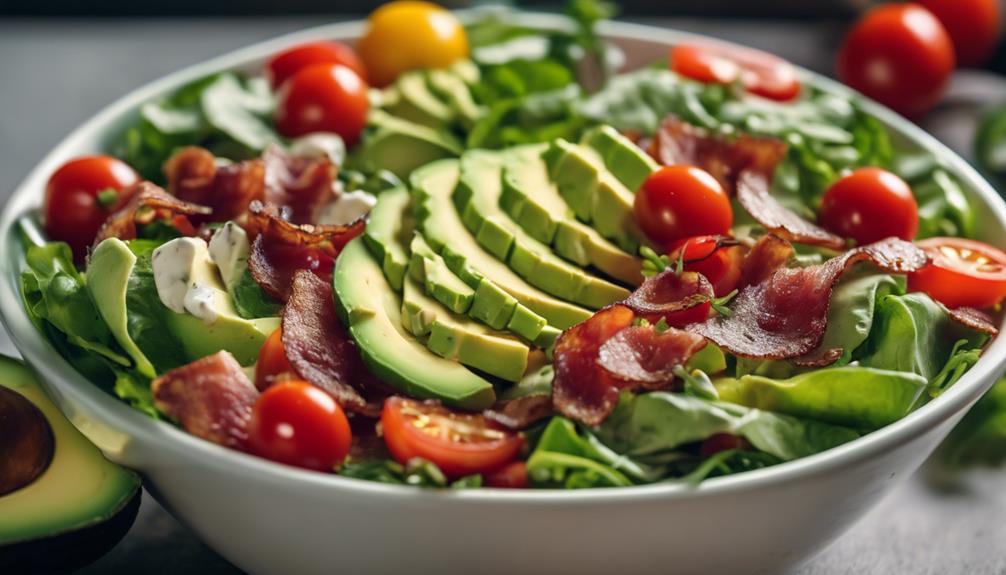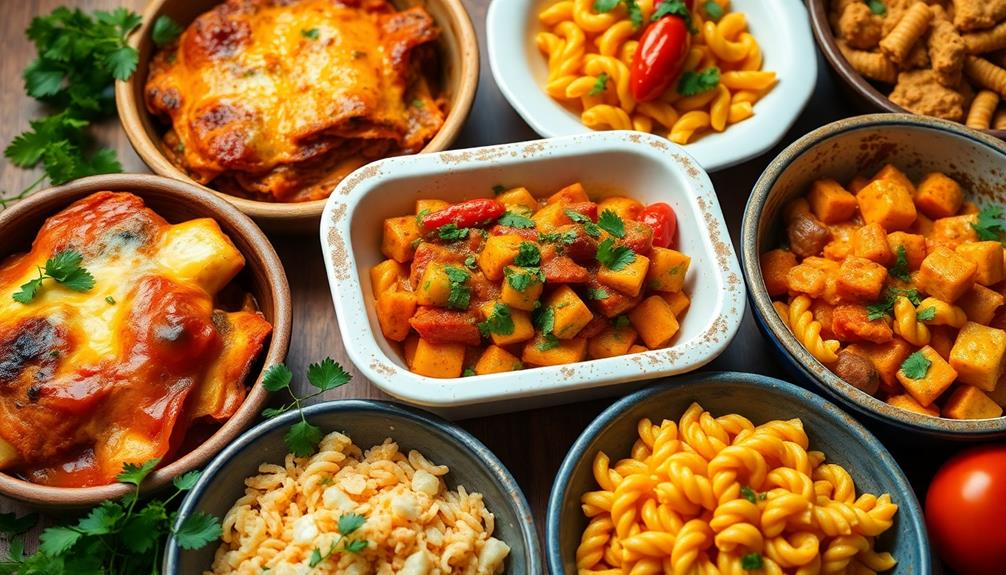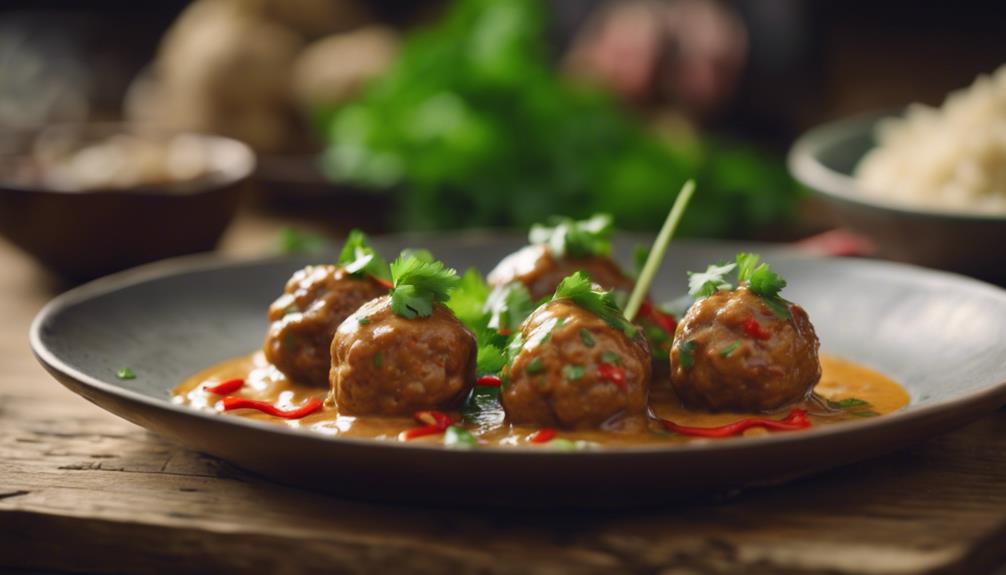

Food is more than fuel and cooking is more than following recipes. Every ingredient carries a history, every technique reflects a way of life, and every shared meal creates a small piece of culture. Learning about food therefore means exploring several connected worlds: flavor, ingredients, kitchen craft, regional traditions, hospitality, and the rituals that bring people together.

Get kitchen staples and gadgets delivered free — and shop member deals
- Fast, free delivery on millions of items
- Access to Prime Big Deal Days deals on October 6–7
- Prime Video, Amazon Music and more included
This guide is an orientation to that wider culinary landscape. Whether you want to become a more confident home cook, understand why certain flavors work together, explore international food traditions, or create more memorable meals at home, the sections below offer practical places to begin. They also lead into focused guides on ingredients, coffee equipment, dining spaces, and shared entertainment.
Understanding Flavor
Flavor is a complete sensory experience rather than a synonym for taste. The tongue detects sweetness, sourness, saltiness, bitterness, and umami, while aroma supplies many of the details we associate with chocolate, citrus, herbs, smoke, or roasted meat. Temperature, texture, sound, and appearance also affect how food is perceived.
A crisp apple and a soft baked apple may contain similar ingredients, but they create different experiences. Likewise, warm cheese often seems more aromatic than cold cheese because heat releases volatile compounds. This is why cooks pay attention not only to seasoning but also to serving temperature, texture, color, and presentation.
Building Balance
Balanced food does not require every basic taste to appear in equal measure. Instead, one element should support or counter another. Acidity can brighten a rich sauce, salt can reduce the perception of bitterness, and a restrained amount of sweetness can soften sharp or spicy ingredients. Fat carries aromatic compounds and provides richness, while crisp garnishes can bring relief to soft or creamy dishes.
When a dish seems incomplete, diagnose it before adding more salt. It may need lemon juice, vinegar, fresh herbs, chile, sweetness, or a contrasting texture. Taste repeatedly during cooking, making one small adjustment at a time. This habit is more valuable than rigidly following seasoning measurements because ingredients and personal preferences vary.
Developing Your Palate
You do not need specialist vocabulary to become a thoughtful taster. Begin by slowing down and asking simple questions. Is the aroma fresh, toasted, floral, earthy, fermented, or smoky? Does the flavor change as you chew? Is the texture crisp, tender, chewy, silky, or dry? What remains after swallowing?
Comparative tasting is especially useful. Sample two olive oils, cheeses, tomato products, teas, or chocolates side by side. Differences that seem subtle in isolation often become obvious through comparison. Keep brief notes about what you enjoyed and how each item behaved in a dish. Over time, those observations become a personal flavor library.
kitchen flavoring and seasoning set
As an affiliate, we earn on qualifying purchases.
As an affiliate, we earn on qualifying purchases.
Ingredients as the Foundation of Cooking
Good cooking begins with understanding ingredients rather than simply buying the most expensive versions. Freshness matters greatly for delicate herbs and seafood, while processing and preservation can improve other foods. Dried mushrooms, fermented sauces, aged cheese, frozen peas, and canned tomatoes are not inferior substitutes; each has qualities suited to particular uses.
Before shopping, consider the ingredient’s role. Is it the centerpiece, a structural component, or background seasoning? A tomato served raw needs different qualities from one simmered in a stew. For sauce making, preserved tomatoes can provide consistency, concentrated flavor, and convenience. Cooks exploring classic Italian dishes can consult this guide to authentic Italian canned San Marzano tomatoes and then compare the available options according to their own recipes and preferences.
Seasonality and Preservation
Seasonal cooking connects meals to place and time. Tender greens, berries, stone fruit, squash, and root vegetables each suggest different preparations. Buying in season can also encourage variety, but seasonality depends on climate and location; it should be a flexible guide rather than a rigid rule.
Preservation extends the culinary calendar. Drying concentrates flavor, fermentation creates acidity and complexity, freezing captures ingredients at a useful stage, and canning makes harvests shelf-stable. Learning to appreciate preserved foods opens the door to cuisines built around pickles, cured meats, dried chiles, cultured dairy, fish sauces, and other deeply flavored staples.
Core Skills for Confident Home Cooking
A small set of transferable skills is more useful than memorizing hundreds of recipes. Knife control makes preparation safer and more consistent. Heat management determines whether food browns, steams, burns, or cooks evenly. Seasoning in stages builds depth, while resting meat and baked goods allows heat and moisture to redistribute.
- Read the complete recipe before starting and identify any resting, chilling, or marinating time.
- Prepare ingredients before high-heat cooking begins.
- Preheat pans and ovens when the method depends on immediate heat.
- Use visual, aromatic, and textural cues alongside stated cooking times.
- Taste sauces, soups, and dressings throughout preparation.
- Record useful substitutions and adjustments for the next attempt.
Mistakes are part of developing judgment. Over-browned vegetables can reveal that the pan was too hot; a thin sauce can demonstrate the importance of reduction; dense bread may point to fermentation or shaping issues. Treating the kitchen as a place of observation makes every meal instructive, even when the result is imperfect.
Coffee, Espresso, and the Daily Ritual of Brewing
Coffee illustrates how agriculture, processing, equipment, and technique meet in a single cup. Origin and variety influence a bean’s potential character, while fermentation, drying, roasting, grinding, water, and extraction shape what reaches the drinker. Small changes in grind size or brew time can noticeably alter balance.
For home brewing, consistency is a sensible first goal. Use fresh coffee, measure coffee and water, and change only one variable when refining a recipe. If the cup tastes sharply sour or weak, extraction may be insufficient; if it tastes harsh or drying, extraction may have gone too far. These are starting points, not universal diagnoses, because roast style and water composition also matter.
Espresso introduces additional equipment and maintenance decisions. Materials, cleaning routines, workflow, and available space may matter as much as drink variety. Readers comparing machines with material considerations in mind can explore these non-toxic espresso machines for home brewing. Whatever equipment you use, regular cleaning is essential because old coffee oils can affect flavor.
Exploring Culinary Traditions Respectfully
Cuisines are living systems shaped by geography, trade, migration, religion, agriculture, technology, and family life. A dish may have many legitimate regional and household versions. Labels such as “Italian,” “Indian,” or “Mexican” can be useful starting points, but they encompass enormous internal diversity.
When exploring an unfamiliar food tradition, learn context alongside technique. Look for the dish’s regional associations, typical meal setting, ingredient logic, and variations. Seek sources from cooks and writers connected to the culture, and distinguish documented tradition from modern adaptation. Adaptation is a normal part of food history, but it is helpful to describe changes honestly rather than presenting one version as universally authentic.
Markets, restaurants, cookbooks, oral histories, and conversations with experienced cooks can all deepen understanding. Begin with a few foundational preparations and ingredients instead of attempting to master an entire national cuisine at once. Repetition will reveal patterns in seasoning, texture, and meal structure that a single recipe cannot show.
Designing a Kitchen and Dining Space Around Real Life
A useful culinary space supports the way people actually cook and gather. Keep frequently used tools near their tasks, store heavy equipment securely, and leave enough clear workspace for preparation. Good lighting, ventilation, washable surfaces, and comfortable movement generally matter more than decorative trends.
Dining culture also extends beyond the table. In many homes, guests move between the kitchen, dining area, and living room, so seating influences the rhythm of an evening. A comfortable shared space can accommodate conversation before dinner, coffee afterward, or a casual meal when formal dining feels unnecessary. If a multipurpose room is part of your plan, this overview of IKEA sofas for style and comfort offers ideas for considering seating alongside the rest of the room.
Comfort matters for cooks as well as guests. Long sessions of chopping, decorating, or washing dishes can encourage awkward positions. Adjust work height where possible, change tasks periodically, and take breaks. Anyone investigating additional alignment support can review these posture-correcting devices, while remembering that a device does not replace thoughtful workspace setup or professional medical advice.
Hospitality and the Shared Meal
Hospitality is not a performance of perfection. It is the practice of making people feel considered. A modest meal served calmly can be more welcoming than an elaborate menu that leaves the host overwhelmed. Choose dishes that fit your time, kitchen, and skill level, and prepare at least one component in advance.
Ask about allergies and dietary needs early. Offer water without waiting to be asked, provide a comfortable place for coats or bags, and make the flow of the gathering easy to understand. For mixed groups, a customizable meal—such as tacos, grain bowls, mezze, or baked potatoes with toppings—can accommodate preferences without requiring entirely separate menus.
Extending the Evening
Food often serves as the opening chapter of a longer social occasion. After the plates are cleared, a simple activity can prevent the gathering from losing momentum. Families can explore board games for family night, while groups interested in strategy and collecting may enjoy this guide to collectible trading card games.
Music also shapes atmosphere. Volume should support conversation rather than compete with it, and the selection can follow the energy of the meal: relaxed during arrival, lively during casual dining, and quieter as the evening winds down. Readers assembling a home listening setup can compare these stereo receivers for an enhanced audio experience.
If pets share the home, plan for them too. Some animals are happiest in a quiet room away from unfamiliar guests, while others need secure boundaries around food and serving areas. Routine grooming can reduce loose hair and help prepare the household before company arrives; this selection of pet grooming tools is a practical starting point for owners.
Creating Your Own Culinary Path
The world of food is too broad to master, which is exactly what makes it rewarding. Choose a thread that genuinely interests you: regional breads, fermented foods, coffee, chile varieties, family recipes, pasta shapes, food history, or seasonal produce. Follow that thread through cooking, reading, tasting, and conversation.
A sustainable learning rhythm might include cooking one unfamiliar dish each month, practicing one foundational technique repeatedly, and keeping notes on ingredients and adjustments. Visit markets with curiosity, ask respectful questions, and share meals with people whose experiences differ from your own.
Most importantly, let enjoyment coexist with analysis. Understanding acidity, extraction, preservation, or cultural context can deepen pleasure without turning every meal into an examination. Culinary knowledge is ultimately most valuable when it helps you cook with greater confidence, taste with greater attention, and welcome others to the table with greater care.
Fall Picks
fall essentials
As an affiliate, we earn on qualifying purchases.