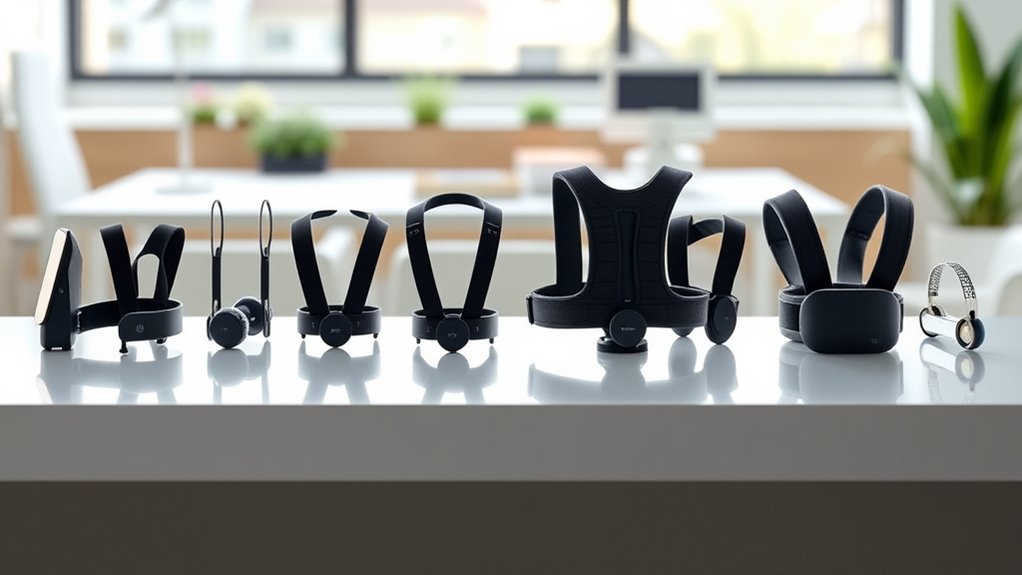

Posture-correcting devices range from supportive shoulder braces to wearable trainers that prompt users when they slouch. I rank the Upright GO 2 Premium Posture Trainer & Tracker as the best overall because its reminders encourage active posture habits without the bulk of a full brace. The Schiara Posture Corrector is my value pick for buyers who prefer straightforward physical support, while the Forward Head Posture Corrector Neck Collar is better suited to text-neck and cervical alignment concerns. The main choice is between active feedback and passive support, followed by tradeoffs involving comfort, visibility under clothing, adjustment, and price. Continue reading for the full breakdown of which design fits each buyer and where every option falls short.

Get kitchen staples and gadgets delivered free — and shop member deals
- Fast, free delivery on millions of items
- Access to Prime Big Deal Days deals on October 6–7
- Prime Video, Amazon Music and more included
Key Takeaways
- Upright GO 2 Premium Posture Trainer & Tracker ranks first because it pairs immediate reminders with tracking, making it more focused on habit building than the brace-based options.
- Schiara is the strongest value choice for simple upper-back support, though its straps are more noticeable and restrictive than a compact electronic trainer.
- The two Upright GO 2 listings serve different buyers: the tracker-only package offers better general value, while the magnetic-necklace bundle suits premium buyers who want another wearing option.
- Cervical collars address a narrower problem than shoulder braces; they make more sense for forward-head positioning but provide less help with rounded shoulders and whole-back habits.
- Electronic choices split into clear levels: JTLB and P1 emphasize direct vibration cues, while Straight Plus adds app-based coaching for buyers willing to manage another connected device.
| Forward Head Posture Corrector Neck Collar |  | Best for Text Neck | Device Type: Cervical traction neck collar | Size: Small/Medium | Primary Posture Target: Forward head posture and text neck | VIEW ON AMAZON | See Our Full Breakdown |
| JTLB Smart Neck Posture Corrector |  | Best Lightweight Smart Reminder | Device Type: Automatic induction posture trainer | Material: Food-grade silicone | Battery Capacity: 200mAh | VIEW ON AMAZON | See Our Full Breakdown |
| Adjustable Full Back Support Brace |  | Best Full-Back Support | Brace Coverage: Full back, neck, and shoulders | Support Structure: 5 flexible ABS rods | Size: Medium | VIEW ON AMAZON | See Our Full Breakdown |
| Schiara Posture Corrector |  | Best Discreet Upper-Back Brace | Device Type: Adjustable upper-back posture brace | Support Areas: Back, shoulders, and neck | Chest Size Range: 30 to 42 inches | VIEW ON AMAZON | See Our Full Breakdown |
| Upright GO 2 Premium Posture Trainer & Black Magnetic Necklace |  | Best Premium Biofeedback Bundle | Primary Device: Upright GO 2 Premium Posture Trainer | Device Category: Posture trainer and tracker | Correction Method: Real-time biofeedback | VIEW ON AMAZON | See Our Full Breakdown |
| Posture Corrector for Neck & Cervical Spine Alignment |  | Best for Adjustable Cervical Support | Adjustment Range: 28 adjustable levels | Support Coverage: 360-degree cervical support | Material: Memory foam | VIEW ON AMAZON | See Our Full Breakdown |
| Copper Compression Posture Corrector for Men & Women |  | Best for Gradual Muscle Retraining | Support Type: Adjustable orthopedic posture brace | Material: Copper-infused fabric | Adjustability: Adjustable straps | VIEW ON AMAZON | See Our Full Breakdown |
| Reatowrol Posture Corrector for Women and Men |  | Best Discreet Under-Clothing Brace | Brand: Reatowrol | Model Number: Posture-CN01 | Part Number: Posture-CY01 | VIEW ON AMAZON | See Our Full Breakdown |
| Upright GO 2 Premium Posture Trainer & Tracker |  | Best Smart Posture Tracker | Device Type: Compact posture trainer and tracker | iOS Compatibility: iOS 13 or later | Android Compatibility: Android 9 or later | VIEW ON AMAZON | See Our Full Breakdown |
| Posture Corrector for Women & Men, Adjustable Upper Back Brace Straightener |  | Best for Multi-Activity Wear | Design: Backpack-style upper-back brace | Adjustment: Fully adjustable shoulder straps | Buckle Design: Ergonomic back buckle pads | VIEW ON AMAZON | See Our Full Breakdown |
| Fit Geno Posture Corrector |  | Best for Structured Back Support | Support stays: Four | Stay material: Fiberglass | Fabric: Breathable mesh | VIEW ON AMAZON | See Our Full Breakdown |
| P1 Strapless Posture Corrector |  | Best No-App Posture Trainer | Battery life: 50 hours | Charging port: USB Type-C | Charging time: 90 minutes | VIEW ON AMAZON | See Our Full Breakdown |
| ComfyBrace Posture Corrector |  | Best Warranty-Backed Brace | Chest size range: 30–43 inches | Material: Breathable soft fabric | Design: Orthopedically designed | VIEW ON AMAZON | See Our Full Breakdown |
| Straight Plus AI Powered Posture Corrector Trainer | 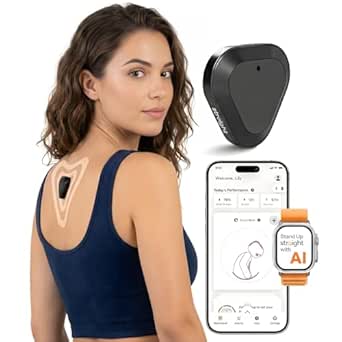 | Best for App-Based Progress Tracking | Battery life: Up to two weeks | Connectivity: Mobile app integration | Feedback method: Subtle vibration biofeedback | VIEW ON AMAZON | See Our Full Breakdown |
| posturecorrecting device | Material |
|---|---|
| Forward Head Posture Corrector | — |
| JTLB Smart Neck Posture Correc | Food-grade silicone |
| Adjustable Full Back Support B | Breathable lightweight mesh |
| Schiara Posture Corrector | Breathable washable fabric |
| Upright GO 2 Premium Posture T | — |
| Posture Corrector for Neck & C | Memory foam |
| Copper Compression Posture Cor | Copper-infused fabric |
| Reatowrol Posture Corrector fo | Breathable mesh |
| Upright GO 2 Premium Posture T | — |
| Posture Corrector for Women & | Soft, breathable fabric |
| Fit Geno Posture Corrector | — |
| P1 Strapless Posture Corrector | — |
| ComfyBrace Posture Corrector | Breathable soft fabric |
| Straight Plus AI Powered Postu | — |
More Details on Our Top Picks
Forward Head Posture Corrector Neck Collar
I rank the Forward Head Posture Corrector as the most targeted choice for people whose posture problem begins at the neck rather than across the whole back. Its cervical collar design supports natural neck curvature, making it more focused on forward head posture than the adjustable Full Back Support Brace. The suggested 20-minute daily sessions also demand less wear time than an all-day brace, which may suit desk workers who dislike shoulder straps. That narrow focus is also its main limitation: it does not provide the thoracic or lower-back stabilization offered by the full-back model. The Small/Medium sizing reduces its audience, and buyers with severe or complex alignment problems may need more individualized support. I see it as a focused training aid for mild to moderate screen-related posture habits, not a whole-spine solution.
Pros:- Targets forward head posture at the cervical spine
- Supports restoration of the neck’s natural curvature
- Requires only a short 20-minute daily session
- Avoids the shoulder straps used by conventional back braces
Cons:- Small/Medium sizing may exclude larger users
- Provides little support below the cervical region
- Progress depends on consistent daily use
Best for: Desk workers and frequent device users with mild to moderate forward head posture who prefer short daily correction sessions
Not ideal for: People needing full-back stabilization, broader size choices, or support for severe alignment problems
- Device Type:Cervical traction neck collar
- Size:Small/Medium
- Primary Posture Target:Forward head posture and text neck
- Suggested Use:20 minutes daily
- Alignment Focus:Cervical spine
- Curve Support:Natural cervical lordosis
- Intended Severity:Mild to moderate posture issues
Our verdict“This is my pick for screen-related text neck when focused cervical support matters more than full-back coverage.”
JTLB Smart Neck Posture Corrector
The JTLB Smart Neck Posture Corrector earns its place by correcting behavior through automatic reminders instead of pulling the shoulders into position. At 3.17 ounces, its soft silicone build is better suited to extended wear than the bulkier Full Back Support Brace, while compatibility with adults and children gives it wider household appeal. Compared with the Upright GO 2 Premium bundle, the JTLB emphasizes a simple wearable format and a stated seven-day battery estimate rather than a broader behavioral-training package. It cannot provide the physical stabilization of a brace, so buyers seeking immediate mechanical support may find the feedback-only approach too passive. Fit may also vary across body sizes, and repeated vibration alerts can interrupt concentration. I favor it for users who mainly need prompts to stop slouching, provided they are willing to recharge it and respond actively to each reminder.
Pros:- Provides automatic real-time posture reminders
- Lightweight silicone design supports extended wear
- Suitable for both adults and children
- Battery can last up to seven days at four hours per day
Cons:- Does not physically stabilize the back or shoulders
- Fit may be inconsistent across different body sizes
- Requires charging and may interrupt users with vibration alerts
Best for: Adults or older children who need discreet posture reminders during school, desk work, or screen time
Not ideal for: Buyers who need rigid spinal support or who find frequent vibration alerts distracting
- Device Type:Automatic induction posture trainer
- Material:Food-grade silicone
- Battery Capacity:200mAh
- Battery Life:Up to 7 days at 4 hours per day
- Weight:3.17 oz
- Charging Method:USB
- Feedback Method:Automatic posture reminders
- Intended Users:Adults and children
Our verdict“I recommend this to reminder-driven users who value low weight and discretion over the firm support of a brace.”
Adjustable Full Back Support Brace
I place the Adjustable Full Back Support Brace above lighter shoulder-only designs when broad stabilization is the priority. Its five flexible ABS rods spread support across the back, while adjustable shoulder straps help address neck and shoulder positioning. That makes it more structured than the Schiara Posture Corrector and more useful for recovery or postpartum support, though also less minimal under fitted clothing. Breathable mesh reduces heat buildup, but a rod-based brace still feels more restrictive than the JTLB Smart Neck Posture Corrector. Correct adjustment matters: straps that are too tight can trade slouching for pressure and discomfort. The Medium-only configuration in this batch also narrows the fit range, and the suggested one-to-two-hour daily wear window may not satisfy buyers seeking immediate all-day support. I favor it for users who want guided alignment across more than the upper shoulders.
Pros:- Five flexible rods provide broad and stable back support
- Adjustable shoulder straps allow a more tailored fit
- Breathable mesh manages heat better than dense brace materials
- Supports posture training, recovery, and postpartum stabilization
Cons:- More restrictive and visible than reminder devices or light shoulder braces
- Medium-only sizing limits fit options
- Poor strap adjustment can create pressure or discomfort
Best for: Medium-size users seeking structured back, neck, and shoulder support during posture training, recovery, or postpartum stabilization
Not ideal for: People wanting an almost unnoticeable wearable, flexible sizing, or unrestricted all-day movement
- Brace Coverage:Full back, neck, and shoulders
- Support Structure:5 flexible ABS rods
- Size:Medium
- Color:Black and yellow
- Material:Breathable lightweight mesh
- Adjustment:Adjustable shoulder straps
- Suggested Daily Wear:1 to 2 hours
- Use Cases:Posture correction, recovery support, and postpartum stabilization
Our verdict“This makes the most sense when I prioritize structured full-back stabilization over discreet, feedback-based posture coaching.”
Schiara Posture Corrector
The Schiara Posture Corrector is my choice for buyers who want a conventional brace that can disappear beneath everyday clothing. Its breathable, washable fabric and 30-to-42-inch chest range make it more adaptable than the Medium-only Full Back Support Brace. It also uses adjustable straps and a buckle pad rather than five support rods, producing a lighter feel but less structural reinforcement. Compared with the JTLB Smart Neck Posture Corrector, Schiara supplies physical shoulder guidance without batteries or vibration; the tradeoff is greater pressure around the upper torso. It should be introduced gradually because extended wear can become uncomfortable, and it is designed to encourage better habits rather than deliver rapid, permanent correction. I would choose it for routine desk or household wear when concealment and simple maintenance outweigh the need for full-spine support or electronic feedback.
Pros:- Low-profile design can remain discreet under clothing
- Adjustable fit covers a 30- to 42-inch chest range
- Breathable fabric is washable and suited to repeated use
- Needs no charging, app, or electronic setup
Cons:- Offers less structural support than a rod-reinforced full-back brace
- Can become uncomfortable when worn too long
- Requires gradual wear and careful strap adjustment
Best for: Adults with 30- to 42-inch chests who want a washable upper-back brace that remains discreet beneath daily clothing
Not ideal for: Users needing rigid full-back stabilization or a device they can comfortably wear for long uninterrupted periods
- Device Type:Adjustable upper-back posture brace
- Support Areas:Back, shoulders, and neck
- Chest Size Range:30 to 42 inches
- Material:Breathable washable fabric
- Adjustment:Adjustable straps
- Comfort Component:Buckle pad
- Clothing Compatibility:Designed for discreet wear under clothes
- Use Pattern:Gradual daily use
Our verdict“I would pick Schiara for discreet, adjustable shoulder guidance without the bulk or upkeep of more complex devices.”
Upright GO 2 Premium Posture Trainer & Black Magnetic Necklace
I rank the Upright GO 2 Premium bundle as the premium behavior-training option because it pairs real-time biofeedback with a black magnetic necklace. Its emphasis on behavioral science separates it from Schiara and the Full Back Support Brace, which rely on straps and pressure to guide alignment. Against the JTLB Smart Neck Posture Corrector, both products use feedback rather than rigid support, but the Upright bundle is positioned as a broader training system and adds a dedicated wearing accessory. That accessory may appeal to buyers who dislike attaching a trainer directly to clothing or skin, yet it adds another component to manage. The supplied data does not state battery life, charging details, dimensions, or feedback settings, making practical comparison harder. I would reserve this pick for buyers who prefer active habit coaching and value the necklace bundle enough to accept limited published specifications.
Pros:- Uses real-time biofeedback to encourage active posture changes
- Behavioral training approach targets long-term habits
- Includes a black magnetic necklace as an alternate wearing accessory
- Avoids the restriction of a rigid back brace
Cons:- Provides no mechanical support for the back or shoulders
- Published product data omits battery life, charging, and dimensions
- Results rely on consistent engagement with the feedback
Best for: Tech-oriented desk workers who want real-time habit coaching and prefer a magnetic necklace for wearing the trainer
Not ideal for: Buyers seeking firm physical support or detailed battery, sizing, and charging information before purchase
- Primary Device:Upright GO 2 Premium Posture Trainer
- Device Category:Posture trainer and tracker
- Correction Method:Real-time biofeedback
- Training Approach:Behavioral science
- Included Accessory:Magnetic necklace
- Necklace Color:Black
- Support Style:Feedback-based rather than rigid bracing
Our verdict“This is my premium pick for buyers who want biofeedback-based habit training and see real value in the included magnetic necklace.”
Posture Corrector for Neck & Cervical Spine Alignment
I rank the Posture Corrector for Neck & Cervical Spine Alignment as the strongest option here for buyers focused on forward-head positioning rather than rounded shoulders. Its 28 support levels provide finer control than the fixed-feel structure of the Copper Compression Posture Corrector, while the memory foam distributes pressure around the neck. That design may help users maintain a more neutral cervical position during desk work or rest. It is less versatile for upper-back retraining, however, because it does not pull the shoulders back like a conventional brace. The listed large size may also overwhelm smaller frames despite the universal-fit claim. I see the washable, breathable construction as useful for repeated wear, but sleep comfort will vary, and persistent pain calls for professional guidance rather than stronger tightening.
Pros:- Twenty-eight adjustment levels allow unusually precise support control
- Memory foam spreads pressure more evenly around the neck
- Breathable, washable materials suit repeated wear
- Provides 360-degree support aimed at cervical positioning
Cons:- Does not retract the shoulders like an upper-back brace
- Large sizing may feel bulky on smaller necks and frames
- Sleeping in the collar may be uncomfortable for some users
Best for: I recommend it for desk workers and phone users who want highly adjustable support aimed specifically at forward-head posture and cervical alignment.
Not ideal for: I would skip it for smaller-framed buyers or anyone who mainly needs shoulder retraction and full upper-back support.
- Adjustment Range:28 adjustable levels
- Support Coverage:360-degree cervical support
- Material:Memory foam
- Outer Fabric:Breathable fabric
- Listed Size:Large
- Fit System:Dual adjustable Velcro straps
- Washable:Yes
- Color:Gray
Our verdict“I would choose this for adjustable neck-focused support, but not as a substitute for a shoulder or full-back brace.”
Copper Compression Posture Corrector for Men & Women
I place the Copper Compression Posture Corrector high among traditional braces because it targets the shoulders, upper back, neck, and clavicle without the electronics of the Upright GO 2. Its adjustable pull encourages users to recognize slouching while allowing the upper-back muscles to keep working, making it better suited to gradual posture retraining than rigid immobilization. The copper-infused fabric may help with moisture management, but I would not choose it for copper alone; the meaningful benefit is its wearable orthopedic-brace format. Compared with the neck-focused memory foam corrector, this model addresses rounded shoulders more directly but offers less cervical stabilization. New wearers may experience soreness, and a poor fit can shift pressure toward the underarms. I recommend short initial sessions rather than treating it as an instant pain fix.
Pros:- Targets the upper back and shoulders more directly than a neck collar
- Adjustable straps support gradual posture retraining
- Copper-infused fabric is designed to wick sweat
- Suitable for daily activities and injury-recovery routines
Cons:- Incorrect sizing or strap tension can create underarm pressure
- Initial muscle soreness may limit wear time
- Copper infusion does not replace correct fit or consistent use
Best for: I recommend it for adults with rounded shoulders who want an adjustable brace for gradual retraining during daily activities or rehabilitation.
Not ideal for: I would skip it for buyers needing firm neck stabilization or anyone unwilling to build wear time slowly through possible early soreness.
- Support Type:Adjustable orthopedic posture brace
- Material:Copper-infused fabric
- Adjustability:Adjustable straps
- Primary Target Areas:Upper back and shoulders
- Secondary Target Areas:Neck and clavicle
- Intended Uses:Posture correction, pain relief, and injury rehabilitation
- Fit:Designed for men and women
- Care:Wash according to the supplied care guide
Our verdict“I favor this brace for buyers who want broad upper-body retraining and can commit to careful fitting and gradual wear.”
Reatowrol Posture Corrector for Women and Men
I assign the Reatowrol Posture Corrector the discreet-wear role because its breathable mesh and low-profile shape are designed to sit under clothing during work, exercise, or downtime. Compared with the bulkier cervical memory foam corrector, it offers broader shoulder and upper-back guidance without surrounding the neck. That makes it easier to incorporate into a daytime routine, though it cannot provide the same degree of cervical support. The design also lacks the app feedback and measurable progress history of the Upright GO 2, so improvement depends more heavily on consistent daily habits. I would choose it for mild slouching rather than severe back problems. Product data does not provide a detailed size range or adjustment measurements, which makes fit harder to predict. Its main advantage is subtle everyday wear, not firm corrective force.
Pros:- Low-profile design is intended to remain discreet under clothing
- Breathable mesh is better suited to extended daytime routines
- Supports the upper back, shoulders, neck, and clavicle
- Can be worn during work, exercise, or relaxation
Cons:- No detailed size range or adjustment measurements are provided
- Offers less cervical support than a dedicated neck corrector
- Mild brace design may be insufficient for severe posture problems
Best for: I recommend it for office workers and students with mild rounded-shoulder posture who want a breathable brace hidden beneath everyday clothing.
Not ideal for: I would skip it for buyers with severe back problems or those who need documented sizing measurements before ordering.
- Brand:Reatowrol
- Model Number:Posture-CN01
- Part Number:Posture-CY01
- Age Range:Adult
- Material:Breathable mesh
- Wear Style:Low-profile under-clothing brace
- Target Areas:Upper back, neck, shoulders, and clavicle
- UPC:717813955495
- GTIN:00717813955235
Our verdict“I would pick this for discreet correction of mild daytime slouching, provided the limited sizing information is not a concern.”
Upright GO 2 Premium Posture Trainer & Tracker
I rank the Upright GO 2 as the best data-driven option because it responds to slouching with vibrations and records progress through a phone app. Unlike the Copper Compression Posture Corrector, it does not pull the shoulders into position; its active reminder system asks the wearer to correct posture using their own muscles. That makes it less restrictive and more informative, especially for buyers motivated by personalized programs and visible trends. Compared with the P1 strapless vibration brace, the GO 2 places greater emphasis on app-based tracking and multi-sensor feedback. The tradeoff is dependence on a compatible smartphone, charging, and either adhesive mounts or a separately sold necklace. Some users may also find repeated vibrations distracting. I give it this specialist role because its roughly 30-hour battery supports longer routines without turning it into a physical support brace.
Pros:- Vibration cues prompt active correction instead of passive bracing
- App tracks progress and provides personalized training programs
- Multi-sensor system supplies more detailed movement feedback
- Approximately 30 hours of battery life supports extended use
Cons:- Provides no physical support for painful or unstable areas
- Requires adhesive mounting or a separately sold necklace
- Vibrations and phone dependence may disrupt some routines
Best for: I recommend it for app-oriented desk workers who want measurable habit coaching without wearing a shoulder or back brace.
Not ideal for: I would skip it for buyers who need physical support, dislike vibration alerts, or do not use a compatible smartphone.
- Device Type:Compact posture trainer and tracker
- iOS Compatibility:iOS 13 or later
- Android Compatibility:Android 9 or later
- Battery Life:Approximately 30 hours
- Sensor System:Multi-sensor technology with an extra movement sensor
- Feedback:Multiple vibration patterns
- App Functions:Real-time feedback, progress tracking, and personalized programs
- Attachment:Adhesive mount or separately sold necklace
Our verdict“I recommend the GO 2 for buyers who value feedback and progress data more than the physical pull of a brace.”
Posture Corrector for Women & Men, Adjustable Upper Back Brace Straightener
I give this Adjustable Upper Back Brace Straightener the multi-activity role because its backpack-style straps are designed for office work, home use, driving, and sports. Compared with the Reatowrol brace, it adds ergonomic back buckle pads and a more structured adjustment system, which may provide better control across different body shapes. It remains softer and less restrictive than a full-back support brace, making movement easier but limiting the force available for pronounced spinal issues. Unlike the Upright GO 2, it supplies continuous physical guidance without charging or an app, yet it cannot measure improvement or alert the wearer when posture slips. The supplied data omits a numerical size range, so fit is harder to judge before purchase. I see it as a practical routine brace whose breathable construction favors mobility over firm stabilization.
Pros:- Backpack-style straps adapt to several daily activities
- Ergonomic buckle pads help distribute adjustment pressure
- Soft, breathable construction supports movement
- Can be concealed under clothing without electronics
Cons:- No numerical sizing range is supplied
- Soft structure may not provide enough support for severe posture problems
- Cannot track progress or provide active reminders
Best for: I recommend it for active adults who want one adjustable upper-back brace for commuting, desk work, driving, and light sports.
Not ideal for: I would skip it for buyers seeking rigid support, instant correction, or a brace with clearly published body measurements.
- Design:Backpack-style upper-back brace
- Adjustment:Fully adjustable shoulder straps
- Buckle Design:Ergonomic back buckle pads
- Material:Soft, breathable fabric
- Target Areas:Neck, shoulders, and upper back
- Posture Focus:Rounded shoulders and hunchback posture
- Use Settings:Office, home, driving, and sports
- Wear Style:Designed for discreet under-clothing wear
Our verdict“I would choose this as a flexible activity brace for mild rounded shoulders, not for rigid stabilization or tracked coaching.”
Fit Geno Posture Corrector
I rank the Fit Geno Posture Corrector as the strongest choice here for buyers who want physical guidance across both the shoulders and waist. Its four fiberglass stays provide more structure than the smaller ComfyBrace Posture Corrector, while breathable mesh and adjustable straps help distribute pressure during desk work or light daily activity. That combination makes slouching harder without fully restricting natural movement. Unlike the P1 Posture Corrector, however, it does not use vibration feedback to teach independent posture awareness; the brace itself supplies the reminder. It is also bulkier and less discreet than an electronic trainer. I would choose this model for firm, adjustable alignment support, but proper sizing and regular wear matter, and it is not designed for intense exercise.
Pros:- Four fiberglass stays provide structured upper-back support
- Breathable mesh is better suited to extended wear
- Shoulder and waist adjustments allow a more stable fit
- Supports movement while discouraging rounded shoulders
Cons:- More noticeable beneath clothing than a strapless trainer
- Correct sizing and strap adjustment are necessary for comfortable support
- Not intended for running, gym training, or other intense activity
Best for: Desk workers and habitual slouchers who want structured shoulder and waist support during light daily activities
Not ideal for: Athletes or buyers seeking an invisible posture trainer, since the brace is intended for light activity and may show beneath fitted clothing
- Support stays:Four
- Stay material:Fiberglass
- Fabric:Breathable mesh
- Shoulder adjustment:Dual adjustable straps
- Waist support:Adjustable
- Intended use:Posture training and support
- Activity level:Daily and light activities
Our verdict“I recommend this brace to buyers who favor firm physical support over app tracking or vibration-based coaching.”
P1 Strapless Posture Corrector
I give the P1 Posture Corrector a distinct place for buyers who want biofeedback without another app, account, or subscription. Rather than pulling the shoulders backward like the Fit Geno brace, this 2.2-ounce strapless trainer vibrates when posture slips, encouraging the wearer to correct it with their own muscles. Its 50-hour battery and one-button setup make it easier to maintain than many connected devices. Compared with Straight Plus, though, it offers little progress data or goal tracking unless buyers purchase the optional app customization. Fit is another dividing point: the stated neck range of 13.39 to 16.93 inches excludes some users. I see it as a focused habit-building tool, not a support brace, and its 21-day training protocol demands consistent participation.
Pros:- Vibration feedback encourages active posture correction
- Strapless 2.2-ounce design is discreet under everyday clothing
- 50-hour battery reduces charging frequency
- Core operation requires no app or subscription
Cons:- Provides reminders rather than structural back or shoulder support
- Limited neck-size range may prevent a comfortable fit
- Extra customization requires a separate one-time app purchase
Best for: App-averse office workers who want a discreet vibration reminder and are willing to follow a structured 21-day routine
Not ideal for: Buyers outside the stated neck-size range or anyone needing physical back support rather than a behavioral reminder
- Battery life:50 hours
- Charging port:USB Type-C
- Charging time:90 minutes
- Weight:2.2 oz
- Neck circumference:13.39–16.93 inches
- Feedback method:Vibration biofeedback
- Training period:21 days
- App requirement:Not required; optional customization costs $4.99
- Certifications:CMA, SRRC and FCC
Our verdict“I would pick the P1 for discreet, app-free habit coaching rather than pain support or detailed progress analysis.”
ComfyBrace Posture Corrector
I place the ComfyBrace Posture Corrector ahead of disposable-feeling braces for buyers who value long ownership and simple mechanical support. Its soft, breathable construction and 30- to 43-inch chest range make it a more conventional under-clothing option than the neck-worn P1 trainer. The lifetime warranty also separates it from Fit Geno, while its less structured design may feel easier to introduce through short daily sessions. The compromise is reduced reinforcement: it lacks Fit Geno’s four fiberglass stays and cannot provide Straight Plus-style tracking. Claims around back, neck, shoulder, and clavicle discomfort should also be treated as support goals, not medical treatment. I favor this pick for buyers seeking an adjustable brace with long-term warranty coverage, provided they can spend time finding a comfortable fit.
Pros:- Lifetime warranty supports long-term ownership
- Soft breathable fabric can be worn beneath many garments
- Fully adjustable design accommodates a 30- to 43-inch chest range
- Targets the upper back, shoulders, neck, and clavicle area
Cons:- Offers less rigid reinforcement than a brace with support stays
- Incorrect adjustment can cause discomfort or pressure
- Does not track posture or provide active vibration reminders
Best for: Budget-minded brace buyers with 30- to 43-inch chests who value breathable fabric and lifetime warranty coverage
Not ideal for: People needing rigid reinforcement, medical treatment, or digital posture tracking, since this is a soft adjustable brace
- Chest size range:30–43 inches
- Material:Breathable soft fabric
- Design:Orthopedically designed
- Adjustability:Fully adjustable
- Wear style:Suitable for wear under clothing
- Support areas:Back, neck, shoulders and clavicle
- Warranty:Lifetime
Our verdict“I favor ComfyBrace for buyers wanting a straightforward, warranty-backed brace without paying for electronic coaching.”
Straight Plus AI Powered Posture Corrector Trainer
I rank the Straight Plus Posture Trainer as the best match for data-minded buyers who want more than an occasional vibration. Its mobile app records posture activity, displays progress, and supports goal setting, creating a clearer feedback loop than the app-free P1 Posture Corrector. An up-to-two-week battery also beats the P1’s stated 50 hours, making charging less intrusive. Adjustable straps broaden fit beyond the P1’s limited neck-circumference specification, while the lightweight profile remains easier to conceal than Fit Geno’s structured brace. The tradeoff is dependence on a phone for full functionality; buyers who dislike pairing devices will get more value from P1. It also provides coaching rather than firm spinal support. I reserve this pick for users motivated by visible progress data and recurring goals.
Pros:- Mobile app supplies real-time tracking and goal-setting tools
- Battery lasts up to two weeks
- Lightweight low-profile design suits daily wear
- Adjustable straps accommodate varied ages and body types
Cons:- Full feature access depends on the mobile app
- Requires an initial full charge before first use
- Biofeedback does not replace the structural support of a brace
Best for: Goal-oriented phone users who want posture reminders, progress records, and longer intervals between charges
Not ideal for: Buyers avoiding mobile apps or seeking firm shoulder and back reinforcement rather than electronic coaching
- Battery life:Up to two weeks
- Connectivity:Mobile app integration
- Feedback method:Subtle vibration biofeedback
- Tracking:Real-time posture monitoring
- Goal tools:App-based goal setting
- Design:Lightweight, discreet and ergonomic
- Fit system:Adjustable straps
- Compatibility:Designed for all ages and body types
Our verdict“I recommend Straight Plus to buyers who stay motivated by app-based measurements and want a low-maintenance wearable trainer.”

How We Picked
I compared each product by its correction method, intended body area, adjustment range, likely wearing comfort, and ability to support repeatable habits. I gave more weight to devices that make the user aware of slouching than to models that merely hold the shoulders back, since active participation can translate more readily into behavior away from the device. For brace-style products, I examined strap layout, coverage, adjustability, and pressure points. For electronic trainers, I focused on feedback clarity, placement, charging demands, and app dependence.
The order rewards a useful balance of habit-building potential, everyday usability, and value. A feature-rich model did not rank highly merely because it included an app; the extra technology had to offer a clear decision-making benefit. I ranked narrower cervical products below versatile posture trainers for general buyers, while still identifying them as stronger choices for neck-specific needs. I also separated similar-looking braces by support coverage and ease of adjustment, since small differences can affect whether a buyer keeps wearing one. Products with greater bulk, narrower applications, or added setup demands rank lower unless they fill a distinct role particularly well.
Factors to Consider When Choosing Posturecorrecting Devices
I would start by deciding whether the goal is posture awareness, temporary physical support, or targeted neck positioning. Those needs call for different designs, and buying the wrong type creates more frustration than choosing between two similar brands. The factors below explain how I narrow the field before comparing prices.
Choose Active Feedback or Passive Support
Smart trainers provide a cue when posture drifts, while braces use tension to pull or guide the shoulders toward a set position. I favor feedback devices for buyers who want to build awareness during desk work because the muscles still perform the correction. A brace may feel more reassuring when fatigue makes it hard to maintain position, but overly firm support can encourage dependence or simply become uncomfortable. Vibration alerts can also become irritating if calibration is too strict or normal movement triggers them. Passive models avoid charging and app setup, yet they demand careful strap adjustment. My practical dividing line is whether the buyer wants coaching throughout the day or short periods of tangible support.
Match the Device to the Actual Posture Pattern
Rounded shoulders, forward-head positioning, and lower-back fatigue are related problems, but one device rarely addresses all three equally well. Upper-back braces mainly influence the shoulder girdle and may do little for the angle of the head. Cervical collars focus pressure around the neck and jaw, making them a poor default choice for someone whose main issue is shoulder rounding. Small sensor trainers can cue several slouching patterns, although they cannot physically redistribute load. I would identify where posture first breaks down during work, reading, or phone use before choosing a design. Buyers with pain, numbness, weakness, or a recent injury should seek clinical guidance rather than relying on a consumer posture device as treatment.
Prioritize Fit Over Maximum Tightness
A posture brace should guide movement without forcing the body into a rigid, exaggerated position. Pulling the straps tighter may seem more corrective, but it can create rubbing near the armpits, pressure across the chest, or restricted breathing. I would favor broad adjustment ranges and softer contact surfaces when sizing falls near the edge of a chart. Memory foam can spread pressure around the neck, while thin straps may hide more easily but concentrate force. Clothing also changes fit, so buyers planning to wear a brace over a shirt need more adjustment room than those wearing it beneath one. The best fit is secure enough to provide a reminder yet comfortable enough for gradual, repeated wear.
Think About Visibility and Daily Friction
The device that fits a routine usually beats the model with the longest feature list. Bulky braces can show beneath fitted clothing, while adhesive or necklace-mounted trainers may work better in offices and public settings. Electronic models introduce charging, pairing, calibration, and possible phone notifications, each of which adds a small barrier to use. Traditional braces require no software but take longer to put on and may need readjustment after movement. I would also check whether the design works while sitting, walking, and changing layers rather than assuming one setup covers the whole day. For inconsistent users, low-friction placement and simple reminders deserve more weight than advanced analytics.
Know When Paying More Makes Sense
Higher prices usually buy feedback, tracking, or a less conspicuous form, not stronger physical correction. An app can be worthwhile for buyers who respond to progress data and want to see when slouching occurs. It adds little for someone who dislikes notifications or will stop opening the software after a week. Basic braces offer better value when the goal is occasional support, provided the straps and materials suit the wearer. I would also account for adhesive replacements, charging cables, cleaning limits, and accessory costs rather than comparing purchase prices alone. Paying more makes sense when the added feature removes a real obstacle to consistent use, not when it merely makes the specification list longer.
Frequently Asked Questions
Can a posture-correcting device permanently fix poor posture?
A device can provide feedback or temporary support, but it does not automatically correct the habits, mobility limits, or strength deficits behind poor posture. I view these products as prompts that support a broader routine involving movement breaks, workstation changes, and suitable exercise. Smart trainers may help users notice repeated slouching, while braces can show what a more upright position feels like. Neither approach should require force or cause pain. Lasting change is more likely when the device supports active correction rather than replacing it.
Is a smart posture trainer better than a back brace?
A smart trainer is better for habit-focused buyers who want reminders while keeping their shoulders free to move. A brace is a better match for someone seeking palpable upper-back support without charging, pairing, or an app. I would choose the trainer for desk work and long-term awareness, provided vibration cues will not become distracting. I would choose the brace for shorter support sessions or a lower purchase price. The better category depends on whether behavior coaching or physical guidance is the main goal.
How long should I wear a posture corrector each day?
I would begin with short, comfortable sessions and follow the maker’s directions for the specific design. Wearing a tight brace for hours from day one can lead to chafing, fatigue, or reliance on the support. Sensor trainers may suit longer periods because they do not hold the body in place, though frequent alerts can signal poor calibration rather than bad posture. Any numbness, breathing restriction, dizziness, or increasing pain is a reason to stop. The aim is repeatable awareness without discomfort, not the longest possible wear time.
Should I buy a cervical collar for text neck?
A consumer cervical collar may suit a buyer seeking brief positional guidance for forward-head posture, but it is more specialized than an upper-back brace or sensor. I would not choose one for general shoulder rounding because its support is concentrated around the neck. Fit matters greatly: excessive height or pressure under the jaw can make the device uncomfortable and limit normal movement. Persistent neck pain, arm symptoms, headaches, or a prior cervical condition call for advice from a qualified clinician. For routine screen-related slouching, an active reminder device may offer broader usefulness.
Can posture braces be worn discreetly under clothing?
Some can, but strap thickness and adjustment hardware determine how visible they are. Thin upper-back braces hide more easily beneath loose shirts, though narrow straps may rub or create pressure lines. Full-back designs generally provide broader support at the cost of more heat and a clearer outline. I would check where buckles sit and whether the product is designed for direct skin contact before wearing it under clothing. Buyers who prioritize discretion may prefer a compact vibration trainer or necklace-mounted sensor over a structured brace.
What are the best best posture correctors?
The best posture correctors are those that provide comfortable, adjustable support to help realign your shoulders and back. The picks above are designed to suit different needs, whether you’re looking for discreet wear under clothing or more robust support for daily use. When choosing the best posture correctors, consider factors like fit, material, and ease of use to ensure you get a device that encourages proper alignment without discomfort. The options listed in the article offer a variety of features to help you find the most suitable solution for your posture improvement goals.
Conclusion
For most buyers, my best overall pick is the Upright GO 2 Premium Posture Trainer & Tracker because it encourages active correction and records posture patterns without a restrictive brace. The Schiara Posture Corrector is my best-value choice for straightforward shoulder support with no charging or app management. Buyers new to braces should start with the Fit Geno Posture Corrector, whose familiar upper-back format is easier to understand than more specialized cervical designs. The Upright GO 2 package with the black magnetic necklace is my premium recommendation for buyers who value flexible placement and are willing to pay for the accessory bundle. For specific needs, I would choose the Forward Head Posture Corrector Neck Collar for cervical positioning, the P1 for strapless vibration reminders, and Straight Plus for app-centered coaching. ComfyBrace and Copper Compression remain sensible brace alternatives, but they fall behind the leaders when habit feedback, specialization, and overall value are weighed together.
Fall Picks
fall essentials
As an affiliate, we earn on qualifying purchases.