
TL;DR

Get kitchen staples and gadgets delivered free with Prime
- Fast, free delivery on millions of items
- Prime Video, Amazon Music and more included
- Member-only deals all year
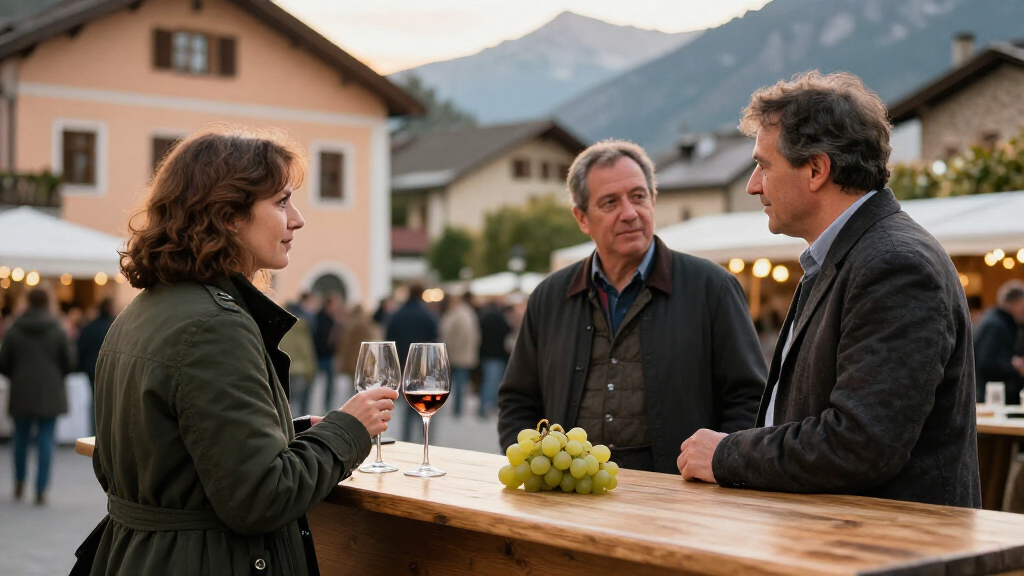
Merano WineFestival is a November wine and food event in Merano, South Tyrol, known for its curated producers and an elegant Alpine setting. Its lineup, venues, access, and ticket rules can change each year, so check the official program before booking; at the tasting, focus on a few wines and leave time to enjoy the town.
Merano WineFestival is traditionally held in November, but verify the current edition’s dates, venues, tickets, and access rules before booking.
Alto Adige’s elevation and exposure variety help create a diverse regional wine picture, from Gewürztraminer and Kerner to Schiava and Pinot Nero.
Choose three to five tasting priorities, take short notes, eat beforehand, and drink water between pours.
The festival program can include food, spirits, beer, and other offerings, but check the current lineup before building plans around them.
Arrange a sober return trip before tasting, and leave time to experience Merano beyond the event venue.
A November tasting with an Alpine sense of place
Merano brings selected wine and food producers together in an elegant South Tyrol setting. The current program and access rules can change by edition.
What makes the festival distinctive
A curated tasting connects regional wines with Merano’s autumn atmosphere.
Curated producers
The selection offers a focused sample; participating producers vary each year.
Merano in November
Historic architecture and Alpine surroundings make the town part of the visit.
A broader program
Some editions include food, spirits, beer, and other gastronomic offerings.
A region of varied wines
Different vineyard elevations and exposures help shape a diverse regional wine picture.
Plan a tasting day
A short list and a slower pace make it easier to remember what you enjoy.
Confirm dates, venues, tickets, access, and the current producer list through the official program.
Pick three to five wines or styles, and leave room for discoveries.
Eat beforehand, take short notes, drink water between pours, and arrange a sober return trip.
What makes Merano WineFestival worth planning around
Merano WineFestival is a November wine and food event in Merano, South Tyrol, known for a curated selection of producers in an elegant setting. It draws wine enthusiasts alongside trade visitors and media, while the exact sessions and access rules depend on the edition. For a traveler, the draw is the chance to taste with the town and region close at hand. The word curated matters because selection gives a tasting day a different shape from a large, open exhibition. A focused program can make it easier to compare producers and styles, but it also means the festival is a sample, not a complete map of Alto Adige or the wider wine world. A winery list from one year may not predict the next, so use the current edition’s producer directory to decide what interests you. If you love crisp whites, for instance, build a shortlist around Alto Adige varieties, then leave a few tasting slots open for surprises. That balance gives you direction without making the day feel like a checklist. Merano adds a strong sense of place. Historic buildings and Alpine surroundings frame a town with a long-standing visitor culture, and November gives the trip an autumn mood: cooler air, warm coats, and the pleasure of stepping indoors for a glass. The event has included food, spirits, beer, and other gastronomic offerings alongside wine, but those sections can vary. Check whether they appear in the current program before making a meal plan around them; otherwise, you could find that a hoped-for food stop is not part of the edition you attend. Treat the festival as one part of a regional visit. If your tasting ends in the afternoon, a walk through Merano can turn a day of comparing aromas into a fuller travel memory. The contrast is part of the appeal: a focused pour at a producer’s table, then the quiet clink of cups in a town café. Allowing time for both also gives you a useful counterpoint to the tasting room: a place to reflect on what you liked before deciding what to explore next.Products Worth Considering

Sonos Era 100 SL Compact Microphone-Free Speaker, White

Dyson Big Ball Multi Floor Canister Vacuum, Yellow

Levoit Core 600S-P Smart Air Purifier for Large Rooms
As an affiliate, we earn on qualifying purchases.
How Alto Adige’s vineyards shape the wines in your glass
Alto Adige wines reflect a compact region with vineyards at different elevations and exposures, so the local wine story is more varied than the map might suggest. Changes in altitude and the direction a slope faces affect the growing conditions grapes experience; that helps explain why neighboring places can produce wines with different expressions. The region is known for aromatic whites including Gewürztraminer, Pinot Bianco, Sauvignon Blanc, and Kerner, as well as reds such as Schiava and Pinot Nero. A festival lineup changes, but those grapes give you a useful starting point for tasting. Try comparing two whites rather than rushing through every table. A glass of Gewürztraminer can greet you with a pronounced perfume, while Pinot Bianco often offers a quieter, more restrained profile. Comparing them helps you notice that “aromatic” is only one part of a wine’s character: texture, balance, and the impression it leaves with food matter too. The point is not to decide that one is better; it is to notice how grape, site, and winemaking choices lead to different experiences. Ask the producer what to smell for, and give each sip a moment before reaching for the next glass. A slower comparison takes fewer pours, but often gives you more to remember. Alto Adige also sits where Italian and Central European traditions meet. That blend appears in language, food, and local wine culture. You may hear both Italian and German names for places or varieties, and the region’s table can feel different from the image of an Italian lunch built around southern sunshine and long, warm evenings. Here, mountain landscapes and cooler-season dishes belong in the same picture. That context can make a pairing feel more revealing than tasting a wine on its own: the food offers another way to understand the region’s climate and habits. If you’re new to the region, pick three grapes to follow: perhaps Kerner, Schiava, and Pinot Nero. When you find one you enjoy, ask where it comes from and what local food the producer would serve with it. That simple question can turn a tasting note into a dinner idea for your next evening in town, and it gives you a practical way to carry the festival’s regional story beyond the venue.How to plan a tasting day without wearing out your palate
A good Merano WineFestival day starts with a short plan: review the program, choose a few priorities, and give yourself room to rest between tastings. This approach helps you remember what you enjoyed and keeps a long day from becoming a blur of glasses. A tasting has a tradeoff: visiting more tables exposes you to more producers, while moving slowly makes it easier to compare and remember what you taste. Once you know the current venue, schedule, and ticket conditions, use a simple sequence:- Check the current program and ticket details. Confirm dates, venues, session times, availability, and whether trade or public access differs. Don’t assume an old ticket page describes this year’s arrangements. Checking first protects the time and travel money you’re committing to the trip.
- Choose three to five tasting priorities. You could focus on Alto Adige whites, local reds, or a mix that lets you compare styles. Keep a little time free for producers you discover on the day. A shortlist gives you a thread to follow, while open time keeps the experience curious rather than rigid.
- Eat before you taste and drink water along the way. A proper meal makes a day of sampling more comfortable. Use the event’s current food information to see what is available on site. Depending on what the venue offers, eating beforehand may be the simplest way to avoid relying on an uncertain lunch option.
- Take brief notes and slow your pace. Write down the grape, producer, and one impression, such as “crisp pear” or “light red fruit.” You don’t need a full tasting essay to remember a favorite. Short notes help you separate similar wines later, when aroma and flavor details can otherwise blur together.
- Arrange a safe trip back before your first pour. Decide on public transport, a taxi, or another sober ride. Leave your car parked if you plan to drink. Making this decision in advance lets you focus on the event and avoids having to solve transport after tasting.
What to verify before you book your November trip
The practical details that matter most—dates, venues, tickets, producer lists, and session access—can change by edition, so verify them against the current official festival information before you book. Merano’s November timing gives the event its seasonal character, but it does not guarantee the same format or schedule every year. A few minutes of checking can save you from planning around a session that isn’t running and help you decide whether the event fits your travel dates. Start with the calendar and ticket page. Confirm which days suit your travel, whether public tasting sessions require advance tickets, and whether tickets remain available. Then check the venue and entry rules. If a friend is attending as a trade visitor, don’t assume their schedule or access will match yours as a general visitor. These details shape more than entry: they affect when you need to arrive, how much of the day you can spend at the event, and whether your companions can join the same sessions. Next, look at the producer and event lists. Special tastings, masterclasses, awards, and themed sessions are only useful to your plan if the current edition confirms them. Food, spirits, or beer may also feature, but those sections can vary. If a particular producer or category is the reason you’re traveling, make sure it appears in the official program rather than relying on an older article or social post. If the program does not confirm your priority, consider whether the broader experience of Merano and the region still makes the trip worthwhile. For the rest of the trip, check transport times and accommodation availability for your actual dates. If the festival is a central reason for your visit, booking a room early can give you more choice of location and a shorter journey back after the event. Keep a note on your phone with ticket details, the venue address, and a return plan. That small preparation makes it easier to enjoy the first pour instead of sorting logistics at the door, and leaves more of your attention for the event itself.How to make the festival feel like a visit to Merano
Merano WineFestival works best as part of a day in Merano, not as a tasting room detached from its surroundings. The town’s historic architecture and Alpine setting give the event an identity that travels with you between sessions. Pair a focused tasting with time to explore, and November becomes more than a date on a wine calendar. The choice is practical as well as atmospheric: a packed schedule may maximize event time, while a little space around it lets you connect the wines to the place they come from. Imagine arriving with enough time for a relaxed morning, then attending a tasting session with a short list of producers in mind. Afterward, step outside, take in the crisp air, and find a place for a meal rather than immediately trying to add another tasting. If the current program includes food offerings, you can see whether they suit your plans; otherwise, ask local staff for nearby dining options and check opening hours for your date. This pause gives your palate time to reset and makes the meal a separate part of the day, rather than another stop to rush through. Food gives you another way to understand the area. South Tyrol’s identity reflects both Italian and Central European traditions, so look for dishes that speak to that meeting point rather than expecting a generic Italian menu. If you find a local specialty you love, ask what wine a restaurant would pair with it. A light Schiava, for example, may offer a different kind of match from a fragrant white, depending on the dish and the producer’s style. The pairing is a starting point for conversation, not a fixed rule; tasting it with food may reveal qualities that were less obvious at the festival table. Keep your schedule loose enough to respond to what you discover. A conversation with a winery can lead you toward a valley or grape you hadn’t considered; a favorite glass may inspire a bottle to seek out at dinner. The festival gives you a tasting map. Merano provides the streets, meals, and mountain backdrop that make the map feel real.What to taste first if Alto Adige wines are new to you
If you’re new to Alto Adige, compare a few representative grapes and notice their different styles rather than trying to taste everything. Gewürztraminer, Pinot Bianco, Kerner, Schiava, and Pinot Nero offer a practical cross-section of aromatic whites and regional reds. The festival’s actual selection varies, so use this table as a tasting compass, not a promise of what will be poured. Starting with contrasts helps you build a reference point: once you have noticed one wine’s aroma, texture, or weight, another glass becomes easier to understand.| Grape | What you might notice | A useful question |
|---|---|---|
| Gewürztraminer | An expressive aroma and a generous feel | Which aromas stand out before you taste? |
| Pinot Bianco | A more restrained white profile | How does its texture compare with the aromatic whites? |
| Kerner | Aromatic character in a different varietal expression | What food would the producer pair with it? |
| Schiava | A regional red worth seeking out | Does it feel light and easy beside the wines you know? |
| Pinot Nero | A red grape with a broader international reference point | How does this example reflect its Alto Adige origin? |