
TL;DR

Get kitchen staples and gadgets delivered free with Prime
- Fast, free delivery on millions of items
- Prime Video, Amazon Music and more included
- Member-only deals all year
Canederli are hearty bread dumplings from South Tyrol, often served in clear broth and also known by the German name Knödel. Made with stale bread, milk, eggs, and seasonings, they reward gentle mixing and simmering; speck, cheese, spinach, and herbs offer familiar variations.
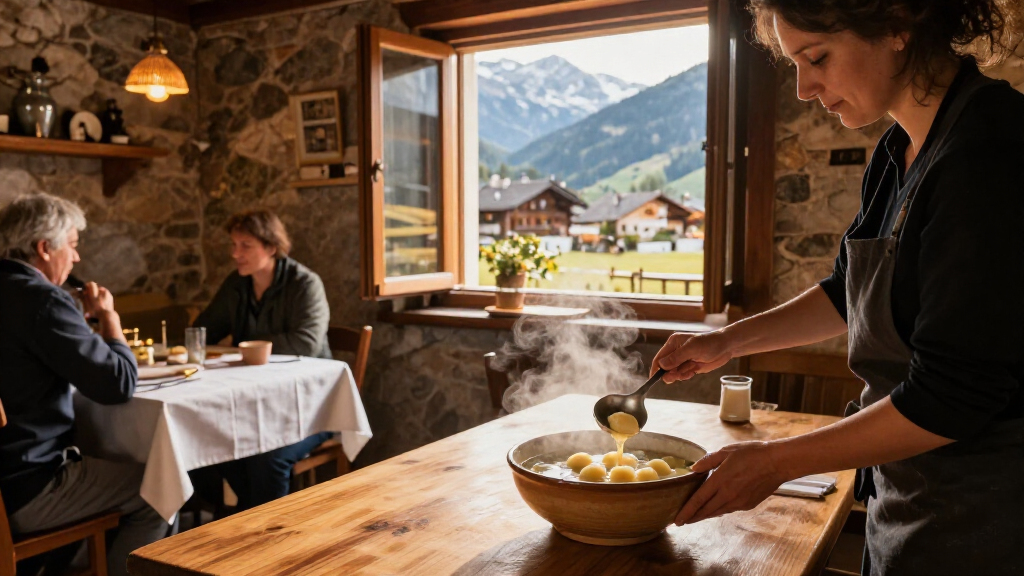
A bowl of canederli in hot broth makes a cold day in South Tyrol feel a little less sharp. The dumplings are soft but substantial, with bread at their center and, in a classic version, the smoky saltiness of speck. They turn a humble leftover into a first course that can hold its own after a morning on a mountain trail.
In this guide, you’ll learn what canederli are, how South Tyrol’s German and Italian food traditions meet in the dish, and how to cook dumplings that stay together without turning dense. You’ll also find practical ways to serve them, adapt them without speck, and make sensible choices about storing and reheating leftovers.
The method is forgiving once you understand the key: dry bread needs just enough liquid to soften, and shaped dumplings need a quiet simmer. Think of the mixture as a small flock of bread clouds; too much milk weighs them down, while a hard boil scatters them.
Use firm, dry bread and add milk gradually; fresh bread can become mushy.
Let the mixture rest, then cook one test dumpling to check whether it holds together.
Simmer canederli gently; vigorous boiling can break them apart.
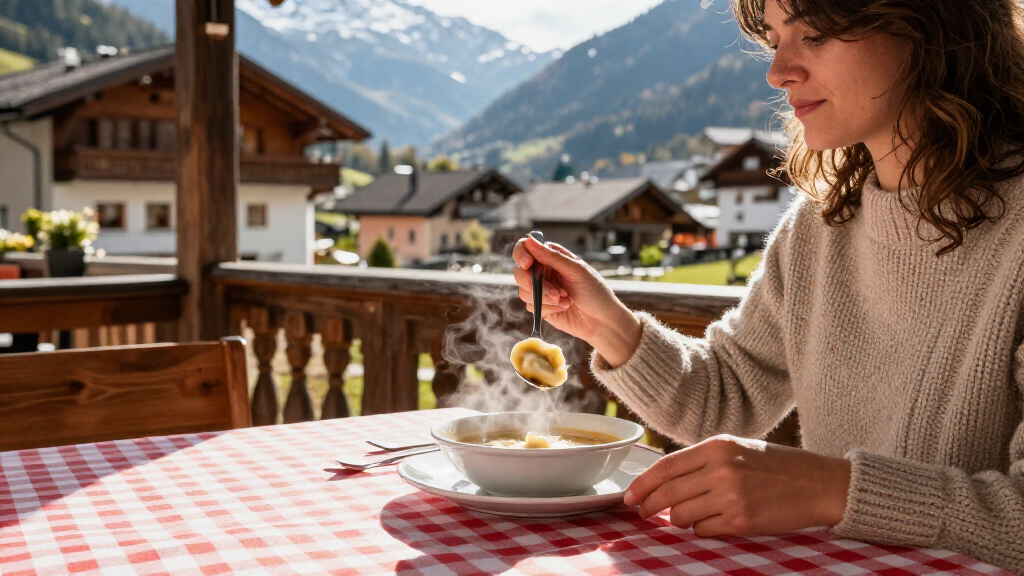
Serve speck dumplings in clear broth, or try butter, cheese, spinach, herbs, cabbage, or salad.
For a vegetarian bowl, use a meat-free mixture and vegetable broth; account for common allergens such as wheat, milk, and eggs.
Canederli: Bread Dumplings from the Dolomites
South Tyrol’s hearty bread dumplings turn modest ingredients into a warming meal. Their texture depends on gradual hydration and a gentle simmer.
A dish shaped by two traditions
Canederli and Knödel are Italian and German names for the same broad family of bread dumplings.
- Canederli is commonly used in South Tyrol.
- Often served in clear broth.
- Knödel names the broader dumpling family.
- Recipes vary by valley and household.
Build a tender dumpling
Dry bread absorbs the binder while holding enough shape to cook evenly.
Use firm, dry bread and add milk a little at a time.
Let the mixture rest, then simmer one test dumpling and adjust if needed.
A quiet simmer helps the dumplings hold together; vigorous boiling can break them apart.
Choose a familiar variation
Speck in broth
Smoky, cured ham seasons the dumplings, often served in clear meat broth.
Cheese, spinach, or herbs
These familiar additions offer alternatives to speck; vegetable broth makes a vegetarian bowl.
Butter and sides
Canederli al burro pairs dumplings with melted butter, often with cheese; cabbage or salad can accompany them.
Keep the texture in balance
| What you notice | What to adjust |
|---|---|
| Dumpling falls apart | Mixture may be too wet or need more binder. |
| Dumpling feels dense | Use a lighter touch or adjust moisture. |
| Fresh bread turns mushy | Start with dry, firm bread instead. |
What Makes Canederli Such a Satisfying Mountain Meal?
Canederli are hearty bread dumplings associated with South Tyrol and the wider Alpine region of northern Italy. Cooks soften stale bread with milk, then bind it with eggs, flour, and seasonings before shaping it into balls and simmering it. In a clear broth, they make a warming first course; served with butter or as a side, they become a more substantial plate.
Their appeal is practical as well as comforting. A household with leftover firm bread, an egg, and a little milk can turn yesterday’s loaf into dinner, then add speck, cheese, herbs, or spinach according to what is on hand. The bread does more than provide bulk: its dried crumb soaks up flavor while still giving the dumpling a soft, recognizable structure. A spoon should cut through it without the center crumbling away. That balance is what makes the dish filling without feeling like a hard ball of stuffing.
Imagine coming in from a snowy walk near Bolzano with damp cuffs and cold hands. A steaming bowl, a few dumplings, chopped herbs, and a clear savory broth offer warmth without requiring a complicated menu. The broth also gives the bread somewhere to release its flavor, while the dumplings make a modest amount of meat or cheese go further. That everyday usefulness is part of the dish’s character: frugal cooking made generous.
Recipes change from valley to valley and kitchen to kitchen, so there is no single fixed formula. A stronger speck flavor can make the dumpling itself more assertive, while cheese and herbs may soften the contrast and suit a meat-free meal. Start with the texture you want, then adjust the additions around the bread; the same seasoning can taste different depending on whether the dumplings will sit in broth or be coated in butter.
Products Worth Considering

Shark AV2501AE AI Robot Vacuum with XL HEPA Self-Empty Base

Dyson V8 Cyclone Cordless Vacuum

Shark AV2501S AI Ultra Robot Vacuum with Self-Empty Base
As an affiliate, we earn on qualifying purchases.
How Do Canederli Connect South Tyrol’s Italian and German Traditions?
Canederli reflect South Tyrol’s mix of Italian and German-speaking food traditions. The Italian name is commonly used for the region’s bread dumplings, while Knödel is the German term for the broader family of dumplings. Both names point to the same satisfying idea: shape a seasoned bread mixture, cook it gently, and make a meal from modest ingredients.
That shared vocabulary suits South Tyrol, where alpine landscapes sit alongside a food culture shaped by neighboring traditions. A menu might pair the Italian word canederli with the German Knödel, and then offer a version flavored with local smoked or cured ham. Speck can be a defining addition, though the dumpling does not depend on meat to feel true to its place. The names and ingredients together show how a practical dish can travel across languages while staying rooted in local kitchens.
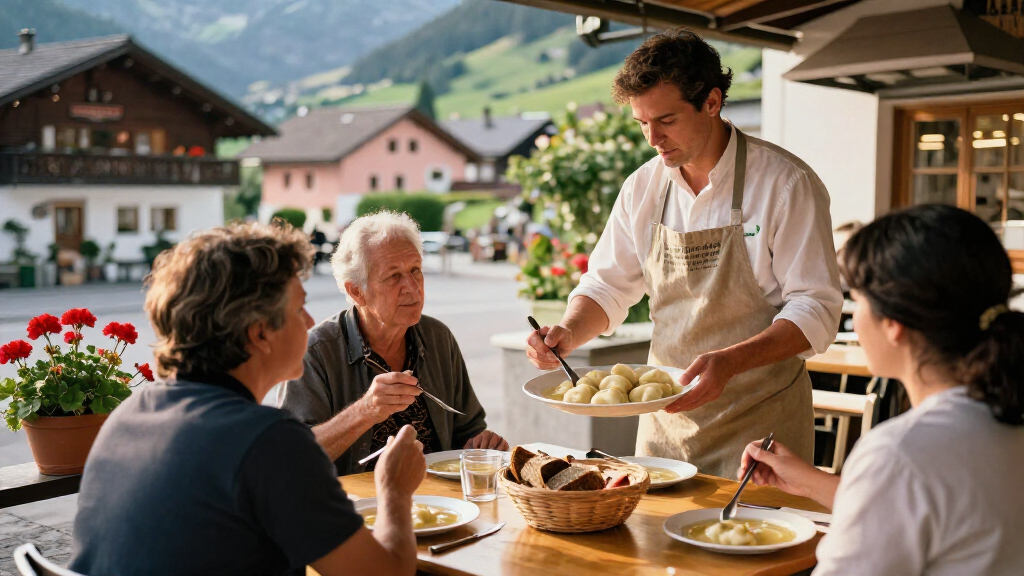
When you travel through the Alpine region of northern Italy, look for canederli on menus in the cooler months, when a broth course fits the weather particularly well. If you see canederli allo speck, expect dumplings flavored with speck; canederli al burro means dumplings served with butter, often alongside cheese. Ask whether the broth is meat or vegetable if that matters to your meal. The serving style changes the experience: broth makes the dumplings part of a soup, while butter puts their bread, seasoning, and texture more directly in focus.
The names are a useful clue, not a promise that every recipe is identical. A small family-run kitchen may make firmer, compact dumplings, while another serves them softer and more bread-forward. Those differences reflect choices about bread, liquid, and how the dish fits into a meal. Treat them as part of the regional food story, rather than assuming one version is the only authentic one.
Which Bread and Add-Ins Give You Tender, Flavorful Dumplings?
Firm, dry bread gives canederli their structure. Stale white or country bread, cut into small pieces, can absorb milk and egg while keeping enough shape to form a dumpling. Drying matters because the crumb has room to take in liquid; fresh bread is already moist and can compress into a paste before it has absorbed the seasonings. That often leaves a heavy mixture which is difficult to shape and more likely to cook unevenly.
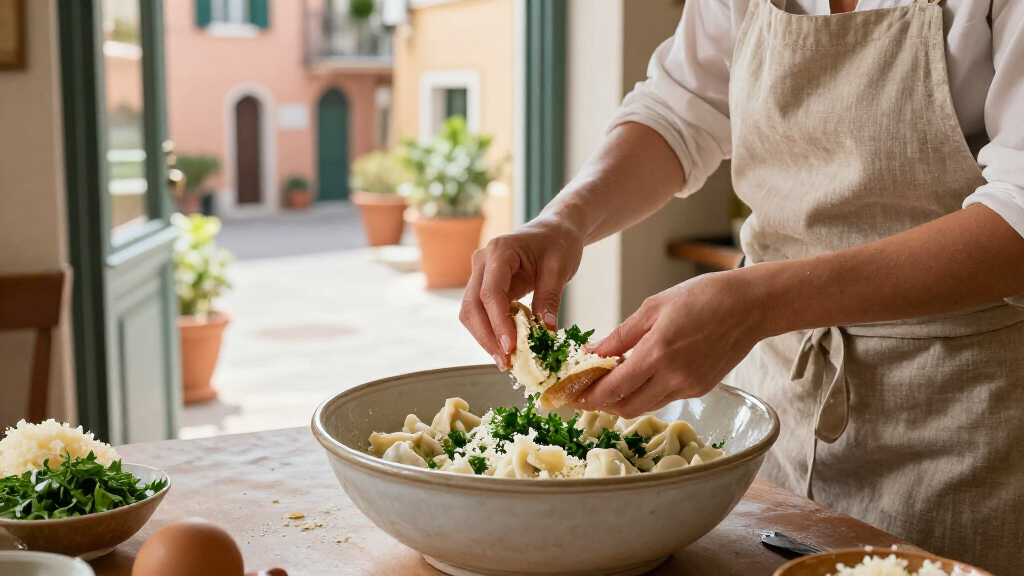
Use the ingredients as a flexible framework. Speck brings a smoky, savory note and some salt; cheese adds richness and can soften the bread’s plainness; spinach and herbs make a greener, meat-free variation. Each addition affects the balance: watery spinach can loosen the mixture, while salty cheese or speck may mean you need less added salt. Recipes differ in their bread-to-liquid balance, so add milk a little at a time rather than measuring once and assuming every loaf will absorb it the same way. Bread that has dried for several days may need more than a denser loaf that is only a day old.
For a home kitchen example, cut a few slices of firm country bread into small cubes the night before. If the cubes still feel slightly springy, leave them uncovered for another hour or two before mixing. Chop speck finely, so it distributes through each dumpling instead of clumping into one salty bite. Small cubes also make the texture more even: large pieces can remain dry in the middle while the surrounding bread turns soft.
Common ingredients can trigger allergies to wheat, gluten, milk, or eggs. Read labels on broth and cheese, too, especially if you’re cooking for a guest. Gluten-free bread can work in a contemporary adaptation, but absorbency varies; some loaves crumble readily while others stay dense. Add liquid gradually and test a small dumpling before committing the whole batch, since the test reveals whether the bread can hold together under cooking.
How Can You Shape Canederli That Hold Together in Broth?
To keep canederli tender and intact, hydrate the bread gradually, let the mixture rest, and simmer a test dumpling before cooking the batch. Each step solves a different problem: gradual hydration prevents a puddle of excess milk, resting lets the crumb absorb what is there, and the test shows whether the dumpling’s structure survives in hot liquid. That small trial is more reliable than judging a raw mixture by touch alone.
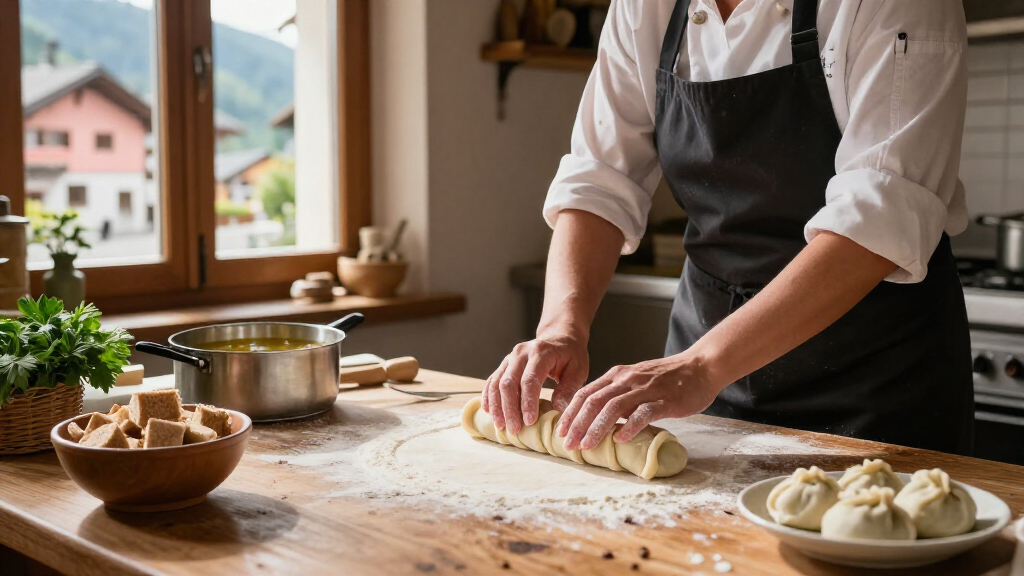
- Cut and soften: Break dry, firm bread into small pieces. Add milk in stages, mixing gently after each addition until the bread softens without sitting in a puddle. The goal is bread that feels moist through the center but still has some texture; soaking it until it collapses leaves less structure for the egg and flour to bind.
- Bind and season: Mix in eggs, a little flour, and your chosen additions, such as finely chopped speck, cheese, spinach, or herbs. Keep the mixture cohesive but avoid crushing it into a paste. Gentle mixing leaves distinct pieces of bread, which make the finished dumpling tender; overworking packs them together and can produce a compact bite.
- Let it rest: Leave the mixture briefly so the bread can absorb the liquid. If it still feels loose afterward, work in a little flour or breadcrumbs rather than adding a large amount at once. A short rest makes the mixture easier to assess because the bread has had time to show how much moisture it can hold.
- Shape and test: Form one dumpling and lower it into gently simmering broth or water. If it falls apart, adjust the remaining mixture; if it tastes dense, handle it more lightly or add a little moisture. The test lets you correct the batch before investing time in shaping every dumpling.
- Cook and serve: Once the test holds together, shape the rest and simmer gently. Serve promptly in hot broth, with herbs or grated cheese if you like. A gentle simmer keeps the outside from breaking apart before the center warms through.
A real kitchen fix is often small: when the test dumpling sheds crumbs, the mixture may need more binder or less liquid. If it stays together but eats like a compact bread ball, ease up on mixing and check whether the bread has enough moisture. A brisk boil can break up even a well-formed dumpling, so keep the liquid at a gentle simmer. The test is useful because it separates these problems: a dumpling that dissolves points to cohesion, while one that survives but feels heavy points to texture.
Should You Serve Canederli in Broth, Butter, or as a Side?
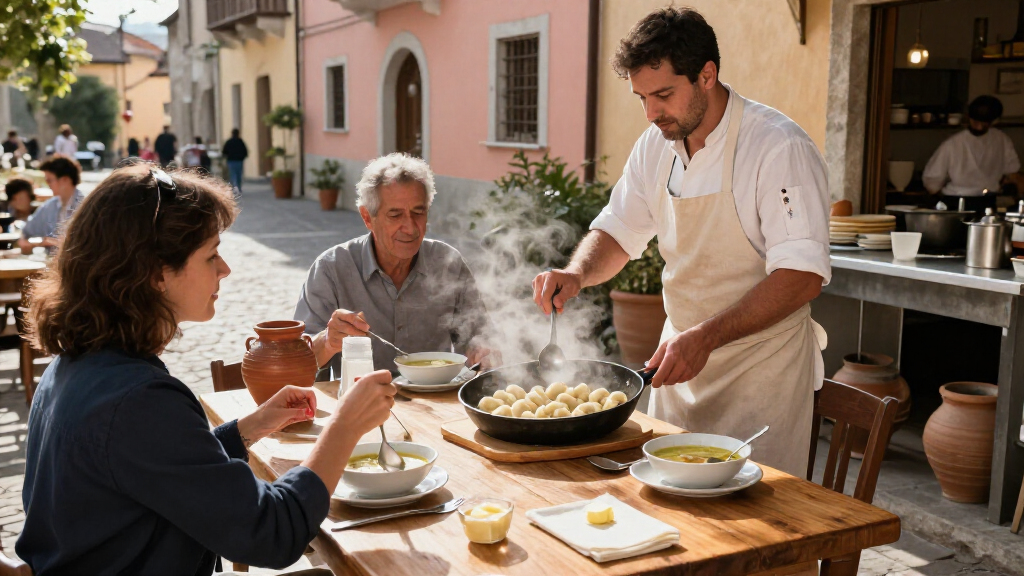
Broth is a classic way to serve canederli, but butter, cheese, cabbage, or salad can make them a satisfying second-style preparation or side. The best choice depends on the dumpling’s flavor and the rest of your meal. Speck dumplings are especially at home in clear broth, where their smoky taste seasons each spoonful; butter gives the bread and its additions a richer, more concentrated role.
| Preparation | What you get | When it fits |
|---|---|---|
| Clear broth | A warming, savory first course | A cold evening or a simple mountain-style lunch |
| Al burro (with butter) | A richer coating, often finished with cheese | When you want the dumpling to take center stage |
| Cabbage or salad | A fresher, more balanced plate | When serving canederli as a filling side or main |
Try matching the serving style to the dumpling. A speck version in broth makes a complete, comforting first course because the clear liquid balances the dumpling’s richness and carries its seasoning through the bowl. A cheese version with melted butter can stand alone with a crisp salad; there, the salad’s freshness offsets the soft, rich dumpling. If you use a salty cheese, taste before adding extra salt, since the cheese and broth may already carry plenty.
Keep food safety simple: serve the broth hot, refrigerate leftovers promptly in a covered container, and reheat them thoroughly before serving. Cooked dumplings can soften in storage, so warm them gently in broth rather than boiling them hard. Gentle reheating protects their texture, while a hard boil can make them waterlogged or break them apart. If you’re serving a vegetarian guest, confirm that the broth is vegetable-based and that the cheese suits their needs.
How Can You Adapt the Recipe Without Losing Its Alpine Character?
Canederli adapt well to what you have available, because the recipe begins with bread and a few basic binders rather than one mandatory filling. You can leave out speck and use cheese, spinach, or herbs, then serve the dumplings in vegetable broth for a meat-free bowl. These are practical variations, not replacements for the many household versions made across South Tyrol. What holds the dish together is the combination of seasoned bread and gentle cooking, so changing an addition does not require changing the whole method.
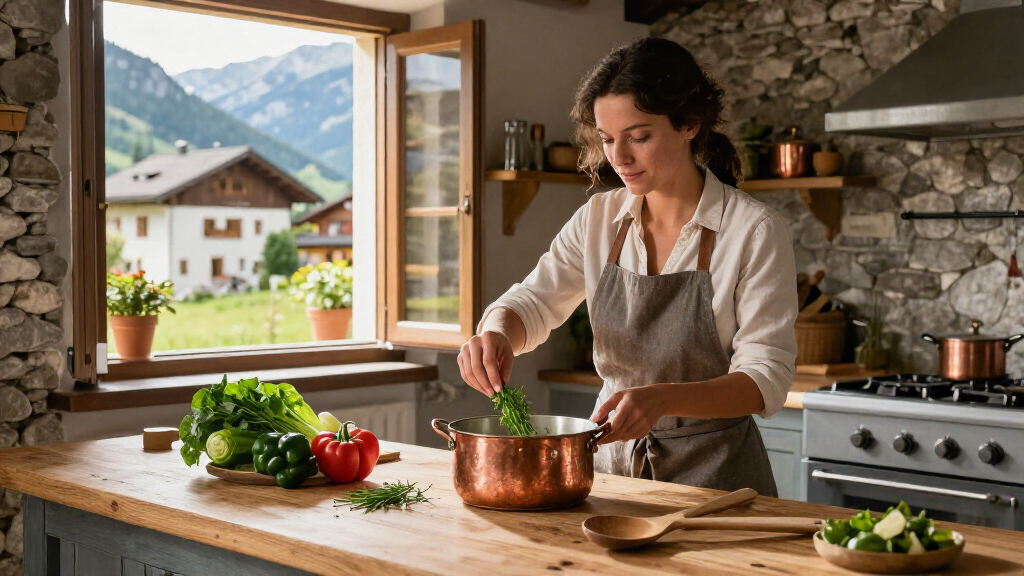
For a vegetarian supper, chop cooked spinach and squeeze out excess water before folding it into the bread mixture. Too much moisture from the greens can loosen the dumplings, so the test-dumpling step matters even more. A little cheese and chopped parsley make the bowl savory and fresh without masking the soft bread center. This version trades speck’s smoky depth for green, mild flavors; a well-seasoned vegetable broth can fill some of that savory role.
Gluten-free bread offers another option, though it may absorb liquid differently from wheat bread. Start with less milk, let the mixture rest, and add more only if the bread still feels dry. Smaller dumplings can also suit a tasting-menu portion or a first try: they cook through sooner and are easier to test, though they need careful handling in the pot. Because an adapted loaf may have less natural cohesion, testing one dumpling helps you decide whether to add binder or keep the mixture as it is.
These adaptations work best when you keep the cooking method steady. Form the mixture gently, simmer rather than boil, and check one dumpling before making a full batch. The result might look a little different from the canederli you ate in a mountain inn, but the central idea remains: make bread, seasonings, and careful cooking add up to a nourishing meal.
What Should You Remember Before Your First Batch?
The texture of the bread mixture matters more than chasing one supposedly definitive recipe. Canederli vary by household, and the same quantity of milk can behave differently with two different loaves. Use the recipe as a guide, then let the mixture tell you whether it needs another splash of liquid or a little more flour. This flexibility is not guesswork: the bread’s dryness and density determine how much liquid it can absorb, so small adjustments are more useful than forcing every loaf to match one measurement.
Before you start, set out the dry bread, milk, eggs, and seasonings. Keep a little flour or breadcrumbs nearby for a loose mixture, and save enough broth to cook a single test dumpling. That small trial gives you a useful preview: you can check whether the shape survives and whether the center feels tender before you prepare the rest. If it breaks, correct the mixture; if it holds but feels heavy, handle it more gently or revisit how much it was hydrated.
Picture a Sunday lunch after a walk in the Dolomites. Rather than rushing, let the bread soak, shape a few dumplings, and taste the test one with a spoonful of broth. If it holds together and feels soft rather than compact, you have a good guide for the next round. Taking a moment to test also keeps the cooking calm: you can make a small correction before the full batch is in the pot.
- Use dry, firm bread so it absorbs liquid without turning mushy.
- Add milk gradually and give the mixture time to rest.
- Test one dumpling before shaping the full batch.
- Simmer gently and serve promptly in hot broth.
With those habits in place, you can make the dish your own while keeping its South Tyrolean roots in view. A modest loaf, a pot of broth, and a patient simmer are enough to bring a little of the Dolomites to your table.
Frequently Asked Questions
Are canederli the same as Knödel?
They belong to the same broad family of bread dumplings. Canederli is the Italian name commonly used in South Tyrol, while Knödel is the German term.
What bread should I use for canederli?
Choose stale, firm white or country bread that can absorb milk while keeping some shape. Very fresh bread may turn mushy; if your loaf is still soft, cut it into pieces and let it dry before mixing.
Can I make canederli without speck?
Yes. Cheese, spinach, herbs, or a plain seasoned mixture all work as alternatives. For a vegetarian meal, pair a meat-free dumpling with vegetable broth and check that the cheese suits your guest.
Why do my bread dumplings fall apart?
The mixture may be too wet or not bound enough, or the pot may be boiling too hard. Adjust the remaining mixture with a little flour or breadcrumbs, then simmer one test dumpling gently before cooking the rest.
Can I make canederli ahead or freeze them?
You can refrigerate shaped dumplings briefly before cooking. Many cooks also freeze shaped, uncooked dumplings separately so they do not stick together; cook them from frozen with extra time and check that the centers are hot.
What should I serve with canederli?
Clear broth is a classic choice, while melted butter and grated cheese suit canederli al burro (dumplings with butter). Cabbage or a simple salad adds a fresh counterpoint to the dumplings’ soft, filling texture.
Conclusion
Start with dry bread, add liquid slowly, and trust the test dumpling. That simple check helps you adjust the mixture before the whole batch goes into the pot, whether you’re making speck canederli in broth or a spinach version with butter and cheese.
Serve them hot, with a little chopped herb drifting across the surface. One bowl, and the Dolomites feel close enough to taste.