Melanzane alla parmigiana is a Southern Italian bake of cooked eggplant, concentrated tomato sauce, basil, and cheese. For the classic silky texture, fry evenly sliced eggplant, drain fresh mozzarella, use sauce sparingly, and let the finished bake rest for 20 to 30 minutes before cutting.
September may be the best month for melanzane alla parmigiana. Southern Italian markets still carry glossy, heavy eggplants and tomatoes warm from the field, yet the evenings have softened enough to make a bubbling oven dish feel welcome. When you cut into the rested bake, your knife passes through silky eggplant, red sauce, melted cheese, and basil scented like the last hot afternoon of summer.
You will learn what separates a Southern-style parmigiana from a heavily breaded Italian-American version, why frying changes the texture, and how to prevent the puddle that ruins so many otherwise good pans. You will also see how cooks in Sicily, Campania, Puglia, and Calabria make room for local cheese and family custom. The goal is not to crown one recipe as the only authentic version; it is to help you build a balanced, regionally grounded dish.
This is slow food made from ordinary things, but the method is forgiving once you understand where the moisture comes from. You cook each wet ingredient before assembly, layer with restraint, and give the pan time to settle after baking. Do that, and your parmigiana tastes rich rather than greasy, lush rather than loose—exactly the kind of lunch that needs little more than bitter greens and bread.
At a glance
Melanzane alla Parmigiana: Southern September Bake
Key insight
Resting melanzane alla parmigiana for 20 to 30 minutes is part of the cooking method: the pause lets steam escape, cheese settle, and the layered bake hold its shape when sliced.
Key takeaways
1
Choose medium, heavy September eggplants with taut skin; salt them for 30 to 45 minutes only when they seem mature or watery.
2
Cook every eggplant slice before assembly, keep frying oil near 350°F, and work in small batches for a silky rather than greasy texture.
3
Reduce the tomato sauce until a spoon leaves a brief trail, and drain fresh mozzarella for several hours before layering.
4
Use a thin veil of sauce between layers and rest the baked parmigiana for 20 to 30 minutes before cutting.
5
Refrigerate leftovers within 2 hours, eat them within 3 to 4 days, and reheat the center to 165°F.
Step by step
1
Build Seven Thin Layers That Bake Into One Silky Slice
Melanzane alla parmigiana succeeds when you remove excess water at every stage, then assemble thin, even layers.
Melanzane alla Parmigiana: The September Eggplant Bake, Done the Southern Way
09
Southern Italy • September Kitchen
Melanzane alla Parmigiana
The September eggplant bake, done the Southern way: silky cooked eggplant, concentrated tomato sauce, basil, and savory cheese assembled in restrained layers—then given time to settle into one lush slice.
1 cmSlice thickness
350°FFrying oil
175°CMetric heat
7Thin stages
20–30Resting minutes
Identity & origin
A Southern family resemblance
Parmigiana di melanzane is closely associated with Sicily, Campania, and Naples, but no accepted record gives one place sole ownership. Its identity comes from cooked eggplant, restrained sauce, cheese, basil, layering, and heat—not from a proven birthplace in Parma.
Sicilian theory
Parmiciana
The name may echo a Sicilian word for overlapping wooden shutter slats, visually recalling rows of layered eggplant.
Cheese theory
Parmigiano
Another explanation links the name to Parmigiano cheese or to cooking ingredients “in the Parmesan style.”
Culinary history
Arab pathways
Eggplant reached Mediterranean Europe through Arab trade and agriculture before taking deep root in Southern kitchens.
Authenticity is plural.
Fior di latte, caciocavallo, pecorino, Parmigiano Reggiano, and Grana Padano all appear in regional or family kitchens. Flour and egg coatings also exist. The origin debate remains open, and the variations belong to the dish.
The method
Seven thin stages, one silky slice
Moisture management is the real recipe. Cook or drain every wet ingredient before assembly, keep the layers light, and allow the finished pan to settle.
1
Choose
Medium, glossy, heavy eggplants with taut skin.
2
Slice
Cut evenly, about 1 centimeter thick.
3
Salt
Rest watery fruit for 30–45 minutes, then blot.
4
Reduce
Simmer sauce until a spoon leaves a brief trail.
5
Fry
Work in small batches at 350°F or 175°C.
6
Layer
Use a veil of sauce, eggplant, cheese, and basil.
7
Rest
Wait 20–30 minutes before the first cut.
20–30
Minutes of resting are part of the cooking method.
The pause releases steam, firms the melted cheese, and transforms loose hot layers into a clean, tender serving.
Moisture control
Stop the puddle before it starts
A watery pan rarely comes from one mistake. It is the combined effect of damp eggplant, loose sauce, wet mozzarella, crowded frying, and an impatient cut.
Impact on slice stability
Rest the bakeEssential
Drain mozzarellaVery high
Reduce sauceHigh
Dry salted slicesSituational
These bars show relative practical importance, not laboratory measurements.
01
Judge the fruit first
Salt for 30–45 minutes when eggplants seem mature or watery; modern tender fruit may not need it.
02
Make sauce that clings
Use ripe fresh tomatoes only when excellent. Dependable canned tomatoes are often the better choice.
03
Drain fresh cheese for hours
Gently pressed mozzarella or fior di latte should not release a stream of milk.
04
Protect the frying temperature
Leave room around every slice. A crowded pan cools down and encourages eggplant to absorb oil.
Style comparison
Southern restraint versus a heavier crust
The broad Southern tradition usually cooks eggplant before layering and often fries it without breadcrumbs. Some families use flour or flour-and-egg; a thick breadcrumb jacket is more strongly associated with many Italian-American adaptations.
Feature
Southern-style focus
Family variation
Heavily breaded adaptation
Eggplant cooked first
✓ Yes
✓ Yes
✓ Yes
Unbreaded frying
✓ Common
~ Varies
✗ Uncommon
Flour or egg coating
~ Sometimes
✓ Established
~ Possible
Thick breadcrumb crust
✗ Not defining
✗ Less typical
✓ Defining
Restrained tomato sauce
✓ Essential
✓ Usually
~ Often richer
Primary texture
Silky and integrated
Tender, recipe-dependent
Crisper and more substantial
A family resemblance, not a single fixed formula
Region & season
One method, several Southern accents
September is a seasonal frame rather than a separate historic recipe: eggplants and tomatoes remain abundant, while cooler evenings welcome a bubbling oven dish.
Sicily
Caciocavallo • Pecorino
A strong claim in the dish’s origin story, with deeply rooted eggplant traditions and savory local cheeses.
Campania
Fior di latte • Tomato
Milky cheese and concentrated tomato flavor support a soft, cohesive bake.
Puglia
Family custom
Local cheese, coating choices, and pan-building habits shift from household to household.
Calabria
Bold savory pantry
Regional cheese and personal seasoning keep the shared method distinctly local.
September field→Dry ingredients→Thin layers→Oven heat→Patient rest→Silky slice
2 hoursRefrigerate within
3–4 daysUse refrigerated leftovers
165°FReheat the center to
What Makes This Bake Southern—and Why Parma Is Not the Answer
Melanzane alla parmigiana is a Southern Italian layered bake built from cooked eggplant, tomato sauce, cheese, basil, and heat. It is closely tied to Sicily, Campania, and Naples, although no accepted record gives either region sole ownership. Its identity comes from the method and regional pantry, not from a proven birthplace in Parma.
The name invites an easy assumption: Parmesan cheese must have created the dish, or the recipe must have traveled south from Parma. Food historians offer several explanations instead. It may refer to Parmigiano cheese, cooking in a Parmesan manner, or the Sicilian word parmiciana, used for overlapping wooden shutter slats that resemble the eggplant layers.
No explanation has settled the argument, and that uncertainty belongs to the dish. Eggplant reached Mediterranean Europe through Arab trade and agriculture before becoming deeply rooted in Southern Italian kitchens [1]. On a September visit to Palermo, you might see dark-purple eggplants beside caciocavallo and bunches of basil; in Naples, the same shopping list may lead toward fior di latte, or cow’s-milk mozzarella.
A practical definition of the Southern way is simple: cook the eggplant before layering it, keep the tomato sauce concentrated, use cheese for savor rather than bulk, and bake everything until the layers become one. Traditional versions commonly fry unbreaded slices, though some families add flour or a flour-and-egg coating. A thick breadcrumb jacket belongs more strongly to many Italian-American adaptations than to the broad Southern tradition.
Authenticity here is a family resemblance, not a single fixed formula. Sicily and Campania disagree in the details, yet both depend on tender eggplant, restrained sauce, savory cheese, basil, and enough resting time for the layers to settle.
Why September Gives You Sweeter Eggplant and Deeper Tomato Flavor
Melanzane alla parmigiana suits September because Southern Italy still has mature eggplants and late tomatoes, while cooler evenings make a baked dish appealing. The month does not signal a separate historical recipe; it marks a seasonal sweet spot. Summer produce remains vivid, but the food can lean toward autumn comfort.
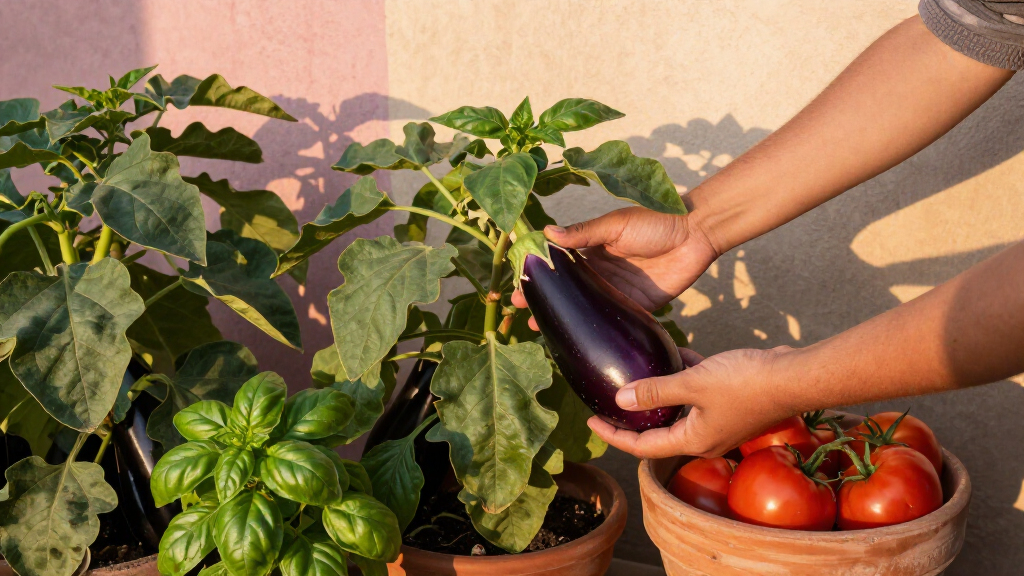
Choose medium eggplants that feel unexpectedly heavy, with taut, reflective skin and a green cap that has not dried brown. Very large fruit can contain developed seeds and a cottony center. At a market in Catania, three firm eggplants that fit comfortably in your hand will usually give you neater, less seedy slices than one oversized specimen.
Modern eggplants are often less bitter than older varieties, so salting is not an automatic bitterness cure. It helps most when the fruit feels watery or mature, and it can improve frying by drawing moisture from the cut surface. Salt the slices for 30 to 45 minutes, then blot them thoroughly; wet eggplant spits in hot oil and absorbs fat instead of browning cleanly.
For the sauce, use ripe fresh tomatoes only when they taste good enough to eat over the sink. September tomatoes in Campania can be fragrant and dense, but pale supermarket fruit will not improve merely because it is fresh. Good canned tomatoes, including Pomodoro San Marzano dell’Agro Sarnese-Nocerino DOP, often give you a more dependable sauce after a short simmer.
You should present parmigiana di melanzane as a celebration of produce, not a delivery system for cheese. Imagine ripe eggplants layered with tomato sauce, then baked until their separate edges blur into a savory whole. Basil supplies the bright green, peppery lift that keeps all that fried softness from tasting heavy.
Build Seven Thin Layers That Bake Into One Silky Slice
Melanzane alla parmigiana succeeds when you remove excess water at every stage, then assemble thin, even layers. Cook the eggplant, reduce the sauce, drain the mozzarella, and use each component sparingly. A 23-by-33-centimeter pan, roughly 9 by 13 inches, comfortably serves six as a meatless main or eight as a side.
Slice the eggplant evenly. Cut about 1 centimeter thick, either lengthwise for broad sheets or crosswise for rounds. Alternating peeled and unpeeled strips can soften tough skin while leaving enough structure to hold each slice together.
Salt when the fruit needs it. Rest mature or juicy slices in a colander for 30 to 45 minutes. Blot every surface until dry; rinsing is only needed if you used an unusually heavy hand with salt.
Make a restrained tomato sauce. Soften garlic, onion, or either one in olive oil, add crushed tomatoes, and simmer until a spoon dragged through the pot leaves a brief trail. Stir in basil near the end so its perfume stays green and clear.
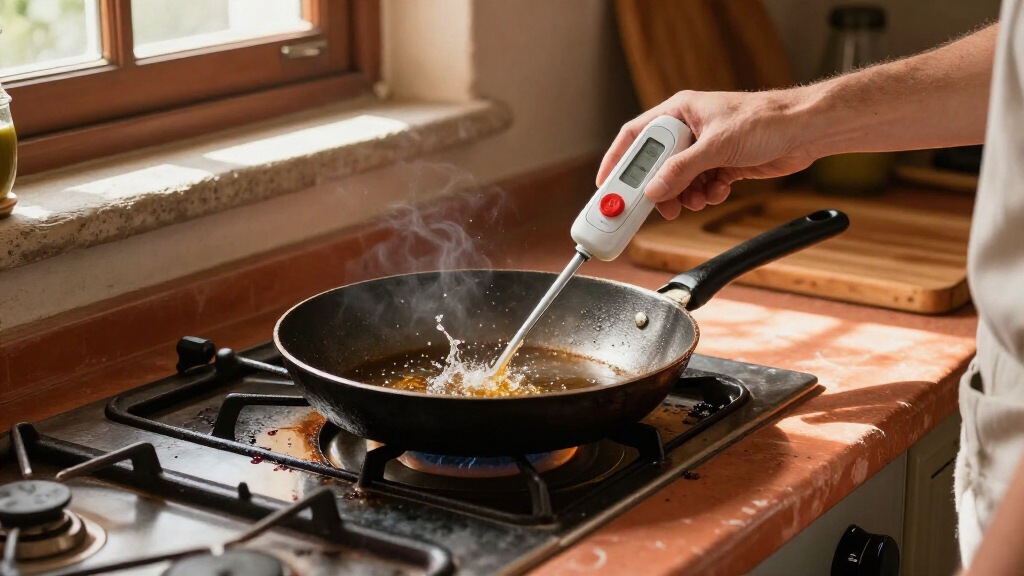
Fry in small batches. Heat a stable frying oil to about 350°F or 175°C, then add only enough slices to leave space around them. A crowded pan loses heat, and the eggplant drinks oil while waiting for the surface to brown.
Drain both eggplant and cheese. Move fried slices to a rack or absorbent paper, and let sliced fior di latte or fresh mozzarella drain for several hours in the refrigerator. When you press the cheese gently, it should not release a stream of milk.
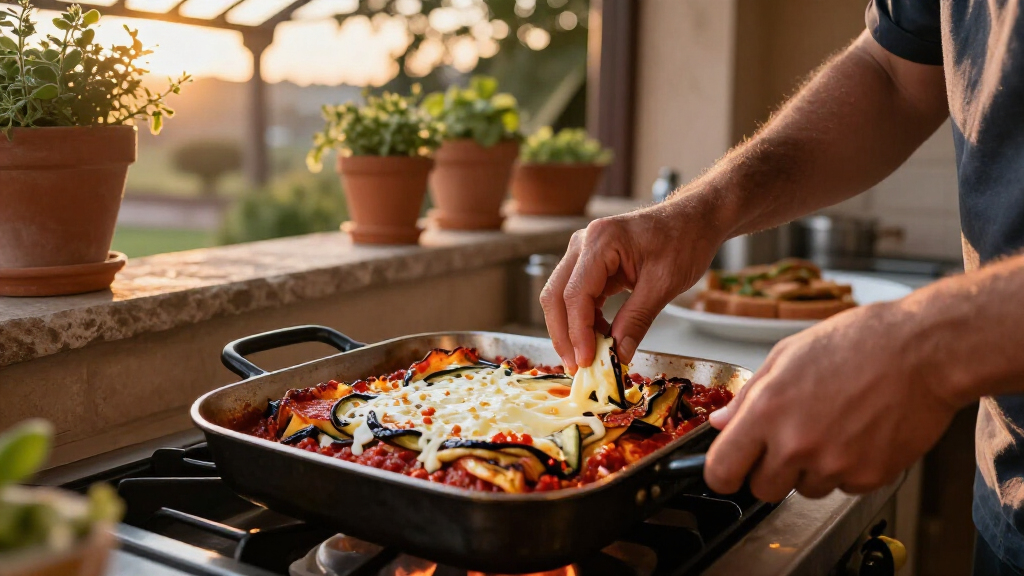
Layer with a light hand. Spread a thin veil of sauce, add eggplant with slight overlaps, then scatter mozzarella, grated cheese, and torn basil. Repeat until the pan is full, finishing with sauce and a little hard cheese for a bronzed surface.
Bake, then wait. Bake at 375°F or 190°C until bubbling and browned, usually 35 to 45 minutes, and rest for at least 20 to 30 minutes. A pan cut straight from the oven slumps; a rested pan gives you clean layers and fuller flavor.
For a real kitchen example, say dinner is at 7:30. Fry the eggplant and make the sauce around 4:30, assemble at 6:15, and put the dish in the oven shortly after 6:30. That schedule leaves a generous rest, clears the frying pan from the stove, and lets you greet people without wrestling a molten, collapsing parmigiana.
The main allergens are milk from mozzarella and hard cheese, plus egg or wheat if you use a coating. Plain fried eggplant contains no gluten, but packaged sauce, shared oil, utensils, and grated cheese need checking when you cook for someone with celiac disease or a serious allergy.
Use This Moisture Check to Stop a Watery or Greasy Pan
Why does one pan stand in handsome layers while another releases a red-orange lake? Excess water and cool frying oil cause most failures. Check the eggplant, sauce, and mozzarella separately before assembly, because baking cannot repair three wet components trapped beneath melted cheese.
Problem
Likely cause
What you should do
Water around the edges
Thin sauce or undrained mozzarella
Reduce sauce until thick and drain fresh cheese for several hours
Greasy eggplant
Oil cooled by a crowded pan
Hold oil near 350°F and fry fewer slices per batch
Spongy center
Raw or undercooked eggplant
Cook every slice until tender before layering
Layers slide apart
Too much sauce or no resting time
Apply a thin coating and rest the bake for 20 to 30 minutes
Dish tastes too salty
Every component was seasoned fully
Salt lightly and account for pecorino, caciocavallo, or Parmigiano
Use the spoon-trail test for tomato sauce. Pull a wooden spoon across the bottom of the pot; if the trail closes instantly with watery juice, keep simmering. If it remains visible for a second or two, the sauce will coat the eggplant without soaking it.
Frying needs the same kind of observation. When a dry eggplant slice enters properly heated oil, you hear an immediate, steady fizz rather than a weak murmur. If you add six slices and the sound disappears, remove a few and allow the oil to recover before the next batch.
Roasting offers a lighter option: brush the slices with oil and cook them at 425°F or 220°C until browned and supple. The result can be excellent, but it is not identical. Fried eggplant turns almost custardy; roasted eggplant stays leaner and slightly firmer—less silk, more structure.
Choose a Sicilian or Campanian Accent Without Losing the Dish
Melanzane alla parmigiana can lean Sicilian or Campanian through its cheese, coating, and extra fillings while keeping the same layered foundation. Sicily often welcomes pecorino or caciocavallo, while Campania commonly favors tomato, basil, fior di latte, and grated hard cheese. These are regional tendencies, not laws enforced at the kitchen door.
In a Palermo household, you may meet a version with sharp sheep’s-milk cheese or slices of hard-boiled egg tucked between the layers. In Naples, fior di latte can produce a milky pull against sweet tomato and basil. Cooks in Puglia and Calabria may use local cheeses or a family coating that a neighbor across town prepares differently.
Choose one clear accent rather than adding every variation at once. If you use salty Pecorino Siciliano DOP, season the tomato and eggplant gently. If you choose juicy fior di latte, drain it longer; if you use aged caciocavallo, grate or shave it thinly so it melts into the dish instead of forming rubbery pockets.
Italian-American eggplant Parmesan often wears breadcrumbs, carries more mozzarella, and arrives under a generous blanket of sauce. That version has its own history and pleasures, especially inside a sandwich the next day. Yet the Southern Italian approach keeps the eggplant more exposed, so you taste its faint bitterness, browned edges, and soft flesh rather than only the coating.
Modern cooks also grill, air-fry, or roast the slices, build individual towers, or use dairy-free toppings. Treat those choices as useful adaptations. For example, an air fryer can handle a small dinner without a pot of oil, but a family-sized pan may require so many batches that roasting becomes the more sensible route.
Serve It Warm, Save It Safely, and Enjoy It Even More Tomorrow
Melanzane alla parmigiana tastes best warm or at room temperature, after at least 20 to 30 minutes of rest. That pause firms the layers and separates the flavors: basil smells brighter, tomato tastes sweeter, and the eggplant loses the steaming softness that can make a fresh-from-the-oven serving seem watery.
Serve a generous square as a meatless main with crusty bread and a bitter-leaf salad dressed with lemon. Smaller pieces work as an antipasto, or opening course, while a spoonful beside grilled fish or meat becomes a substantial side. You do not need pasta; in fact, a simple plate gives the rich bake room to speak.
For a September lunch in the style of Campania, add roasted peppers and cool mineral water. If adults choose wine, a fresh Campanian Aglianico rosato or a dry Sicilian rosato can meet the tomato without weighing down the eggplant. Keep servings moderate and drink responsibly; the dish loses nothing when served without alcohol.
For food safety, refrigerate leftovers in a covered container within 2 hours of serving, or within 1 hour when the room is hotter than 90°F. According to USDA guidance, cooked leftovers are generally best used within 3 to 4 days [2]. Reheat leftovers to 165°F or 74°C in the center, especially when serving children, older adults, pregnant people, or anyone with reduced immunity.
You can assemble the pan a day ahead and refrigerate it before baking, though a cold ceramic dish should not go straight into a very hot oven unless its maker permits that use. You can also bake the parmigiana completely, cool it promptly, and reheat it the next day. Many cooks prefer day-two slices because the sauce has moved into every fold without washing away the structure.
Freeze well-wrapped portions if you need longer storage. Thaw them in the refrigerator, not on the counter, and expect the eggplant to release a little moisture as it reheats. A shallow baking dish helps the surface regain browned edges while the center reaches a safe temperature.
Frequently Asked Questions
Do I have to salt the eggplant before making parmigiana?
No, salting is optional for small, fresh eggplants with tight flesh and few seeds. Use it for mature or watery fruit, especially before frying: salt the slices for 30 to 45 minutes, then blot them extremely dry. Rinse only when you applied more salt than the surface needs.
Must the eggplant be fried for a Southern-style result?
Frying gives the classic Southern texture, with browned edges and an almost custardy center. You can roast, grill, or air-fry the slices for a lighter dish, but the result will feel firmer and less lush. At a weeknight dinner, that tradeoff may suit you perfectly; for a traditional September lunch, frying earns its place.
Why does my eggplant parmigiana turn watery?
The usual causes are thin tomato sauce, wet mozzarella, undercooked eggplant, or an early cut. Reduce the sauce, drain fresh cheese for several hours, and cook the eggplant before layering. Rest the baked pan for 20 to 30 minutes so steam escapes and the layers settle.
Should I peel or bread the eggplant?
You usually need neither. The skin gives structure and mild bitterness, though you can peel alternating strips from a large, tough eggplant. Many Southern Italian recipes fry plain slices, while flour, egg, or breadcrumbs reflect particular family traditions and may introduce wheat or egg allergens.
Which cheese works best in melanzane alla parmigiana?
Well-drained fior di latte or mozzarella provides softness, while Parmigiano Reggiano, Grana Padano, pecorino, or caciocavallo adds savory depth. Campanian versions often favor fior di latte; Sicilian pans may lean toward pecorino or caciocavallo. Pick two cheeses with different jobs rather than burying the eggplant under a thick mixed layer.
Can I make parmigiana ahead, and how long will it keep?
Yes. You can assemble it one day ahead or bake it fully and reheat it, and the flavor often becomes more rounded overnight. Refrigerate the dish within 2 hours, keep it covered for 3 to 4 days, and reheat leftovers to 165°F or 74°C [2].
Is melanzane alla parmigiana gluten-free?
It can be naturally gluten-free when you fry or roast plain eggplant without flour or breadcrumbs. Check packaged tomato sauce, grated cheese, shared frying oil, utensils, and work surfaces when serving someone with celiac disease. A recipe labeled parmigiana does not tell you whether a coating was used, so ask before eating away from home.
Conclusion
The move that changes your parmigiana most is not an expensive cheese or a secret ingredient. It is controlling moisture at every stage: dry the eggplant, concentrate the tomato, drain the mozzarella, and let the baked pan rest. That discipline gives you silky layers with clear flavor, not a heavy casserole floating in sauce.
Make it when September still smells of basil and the evening air finally lets you turn on the oven. Fry the eggplant patiently, spoon the sauce lightly, and wait before cutting. Your reward is a square that holds on the plate while its center stays soft—the last purple and scarlet glow of Southern summer, served warm.
Zucchine Ripiene: Stuffed Zucchini Before the Season Ends
Make authentic Italian stuffed zucchini before the season ends: regional fillings, anti-soggy technique, and a step-by-step method from market to oven.
The Cultural Significance of Bread Around the World
Savor the diverse cultural significance of bread around the world, as its rich traditions and communal bonds reveal deeper connections yet to be explored.