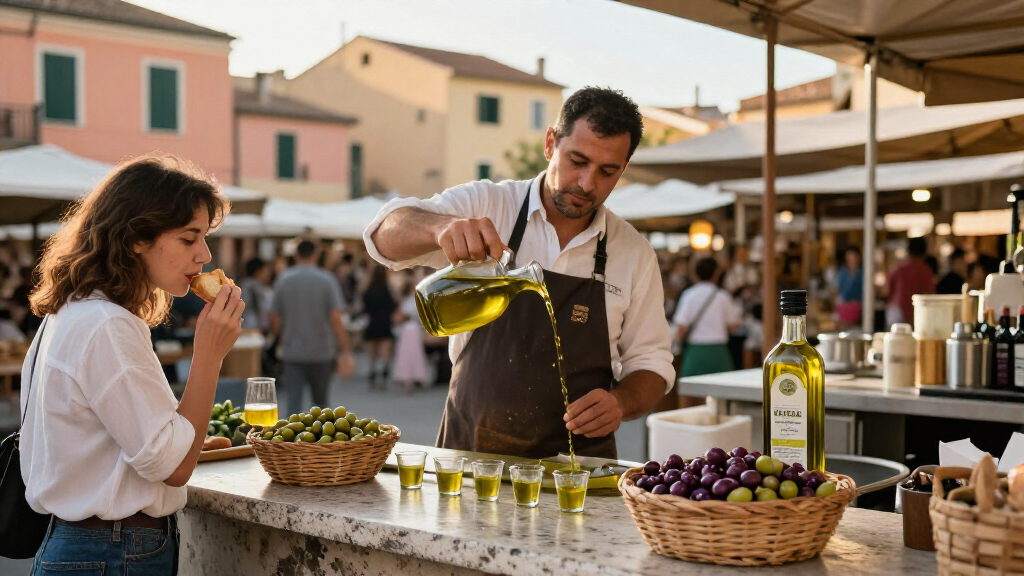
Italian regional olive oils vary in more than origin: olive varieties, harvest choices, and processing shape whether an oil tastes mild, grassy, bitter, or peppery. My best overall pick is Frantoi Cutrera Primo for shoppers seeking a distinctive Italian extra virgin oil, while Partanna Robust stands out for a bold Sicilian style and Frescobaldi Laudemio for a premium Tuscan option. The main tradeoff is between a clearly defined regional character and an everyday format that offers versatility or more volume. Labels can also make origin and production claims difficult to compare, so I weigh those alongside package size and intended use. Read on for the full breakdown and help matching each bottle to your table.

Get kitchen staples and gadgets delivered free with Prime
- Fast, free delivery on millions of items
- Prime Video, Amazon Music and more included
- Member-only deals all year
Key Takeaways
- Regional identity separates the clearest standouts: amazon.com/dp/B003QBYX2G?tag=madtasting-20&ascsubtag=dc-1242608″ target=”_blank” rel=”nofollow sponsored noopener”>Partanna names Castelvetrano and Sicily, while Frantoi Cutrera Primo and Frescobaldi Laudemio offer more focused alternatives for shoppers seeking a distinctive Italian oil.
- Boldness is a preference, not a quality shortcut: Partanna Robust and Coratina-style Montinaro suit buyers who want pronounced flavor; a milder everyday oil may fit more dishes and palates.
- Package format changes the buying decision: The Partanna 500 ml tin favors smaller-batch use, while the 3 L Partanna and Montinaro tins suit households that use oil frequently and can store it well.
- Italian-origin claims do not always signal a specific regional profile: Several options emphasize Italian origin or cold extraction without naming a region or cultivar, so buyers seeking a place-specific taste should check the label details.
- Organic and high-polyphenol positioning are separate priorities: Italian Olive Crafters and Yolioo highlight organic credentials, while Virgeen emphasizes polyphenols; those claims do not alone tell you whether the flavor will suit your cooking.
| Amazon Grocery Italian Extra Virgin Olive Oil, First Cold Pressed, 16.9 fl oz |  | Best for Everyday Versatility | Oil type: Extra virgin olive oil | Origin: Pressed and bottled in Italy | Extraction: Cold extracted | VIEW LATEST PRICE | See Our Full Breakdown |
| Montinaro Extra Virgin Olive Oil, Coratina, Cold Extracted, 3 Liter Tin |  | Best for Bold Puglian Flavor | Origin: Puglia, Italy | Olive variety: Coratina | Oil type: Extra virgin olive oil | VIEW LATEST PRICE | See Our Full Breakdown |
| Frantoi Cutrera Primo Italian Extra Virgin Olive Oil, 25.4 fl oz |  | Best for Distinctive Sicilian Flavor | Origin: Chiaramonte Gulfi, Sicily, Italy | Olive variety: Tonda Iblea | Volume: 25.4 fl oz | VIEW LATEST PRICE | See Our Full Breakdown |
| Italian Olive Crafters Organic Extra Virgin Olive Oil |  | Best for Organic Sicilian Oil in Glass | Origin: Sicily, Italy | Oil type: Extra virgin olive oil | Certification: Organic | VIEW LATEST PRICE | See Our Full Breakdown |
| Partanna Robust Extra Virgin Olive Oil, Castelvetrano, Sicily, 16.9 oz (500 ml) Tin |  | Best for Everyday Sicilian Cooking | Origin: Trapani, Sicily, Italy | Olive variety: Castelvetrano | Oil type: Extra virgin olive oil | VIEW LATEST PRICE | See Our Full Breakdown |
| De Cecco Extra Virgin Olive Oil, 100% Italian, Cold Extracted, 25.4 fl oz |  | Best for a Gentle Italian Profile | Origin: Italy | Oil type: Extra virgin olive oil | Extraction: Cold extracted below 80°F (27°C) | VIEW LATEST PRICE | See Our Full Breakdown |
| Virgeen Italian Extra Virgin Olive Oil, High-Polyphenol, Cold-Pressed |  | Best for a Peppery Tuscan Finish | Origin: Tuscany, Italy | Type: Extra virgin olive oil | Processing: Unrefined and cold-pressed | VIEW LATEST PRICE | See Our Full Breakdown |
| Italian Extra Virgin Olive Oil, Cold Pressed, 2 Liter |  | Best for High-Volume Everyday Cooking | Origin: Italy | Type: Extra virgin olive oil | Extraction: Cold extracted | VIEW LATEST PRICE | See Our Full Breakdown |
| Partanna Robust Extra Virgin Olive Oil, 101 fl oz (3 L) |  | Best for a Robust Sicilian Pantry Staple | Origin: Trapani, Sicily | Olive variety: 100% Castelvetrano | Type: Extra virgin olive oil | VIEW LATEST PRICE | See Our Full Breakdown |
| Filippo Berio 100% Italian Extra Virgin Olive Oil, 25.3 oz rPET Bottle |  | Best for a Balanced Fruity Italian Flavor | Origin: Italian olives | Type: Extra virgin olive oil | Volume: 25.3 oz | VIEW LATEST PRICE | See Our Full Breakdown |
| Frescobaldi Laudemio Extra Virgin Olive Oil, 16.9 fl oz (500 ml) |  | Best for Tuscan Finishing | Type: Extra virgin olive oil | Origin: Tuscany, Italy | Volume: 16.9 fl oz (500 ml) | VIEW LATEST PRICE | See Our Full Breakdown |
| Amazon Fresh Italian Extra Virgin Olive Oil, First Cold Pressed, 16.9 fl oz (Pack of 2) |  | Best for Everyday Cooking | Type: Extra virgin olive oil | Origin: Italy | Bottle size: 16.9 fl oz each | VIEW LATEST PRICE | See Our Full Breakdown |
| Yolioo Organic Italian Extra Virgin Olive Oil, Cold Pressed, 25.4 oz |  | Best Organic Tuscan Farm Pick | Type: Extra virgin olive oil | Origin: Tuscany, Italy | Size: 25.4 oz | VIEW LATEST PRICE | See Our Full Breakdown |
| Italian regional olive oil | Origin | Volume | Type |
|---|---|---|---|
| Amazon Grocery Italian Extra V | Pressed and bottled in Italy | 16.9 fl oz | — |
| Montinaro Extra Virgin Olive O | Puglia, Italy | 3 liters (101 fl oz) | — |
| Frantoi Cutrera Primo Italian | Chiaramonte Gulfi, Sicily, Italy | 25.4 fl oz | — |
| Italian Olive Crafters Organic | Sicily, Italy | — | — |
| Partanna Robust Extra Virgin O | Trapani, Sicily, Italy | 16.9 oz (500 mL) | — |
| De Cecco Extra Virgin Olive Oi | Italy | 25.4 fl oz | — |
| Virgeen Italian Extra Virgin O | Tuscany, Italy | — | Extra virgin olive oil |
| Italian Extra Virgin Olive Oil | Italy | 2 liters | Extra virgin olive oil |
| Partanna Robust Extra Virgin O | Trapani, Sicily | 101 fl oz (3 L) | Extra virgin olive oil |
| Filippo Berio 100% Italian Ext | Italian olives | 25.3 oz | Extra virgin olive oil |
| Frescobaldi Laudemio Extra Vir | Tuscany, Italy | 16.9 fl oz (500 ml) | Extra virgin olive oil |
| Amazon Fresh Italian Extra Vir | Italy | — | Extra virgin olive oil |
| Yolioo Organic Italian Extra V | Tuscany, Italy | — | Extra virgin olive oil |
More Details on Our Top Picks
Amazon Grocery Italian Extra Virgin Olive Oil, First Cold Pressed, 16.9 fl oz
Italian origin and an easygoing flavor make this a practical choice for cooks who want one bottle for several jobs. Its subtle pepper and herb notes are less forceful than the Puglian Coratina character of Montinaro, so it is easier to use in dressings, dips, and dishes where a pronounced olive flavor could take over. The supplied product details also position it for grilling and high-temperature frying, giving it broader cooking use than a finishing-focused pick such as Frantoi Cutrera Primo. The tradeoff is that the description offers no named regional cultivar or more specific growing-area detail, so buyers seeking a distinct regional profile have less to go on. Its plastic bottle is also a less protective-feeling format than a light-shielding tin.
Pros:- Pressed and bottled in Italy
- Subtle pepper and herb notes suit a wide range of dishes
- Described as suitable for frying, grilling, dipping, dressings, and finishing
- 16.9 fl oz size is manageable for regular household use
Cons:- No specific Italian region or olive variety is identified
- Plastic packaging offers less light protection than the tin formats in this roundup
Best for: Home cooks who want an Italian-made extra virgin olive oil with a mild profile for both cooking and occasional dipping or finishing.
Not ideal for: Shoppers seeking a clearly identified regional cultivar, a bold peppery finish, or glass or tin packaging.
- Oil type:Extra virgin olive oil
- Origin:Pressed and bottled in Italy
- Extraction:Cold extracted
- Flavor notes:Pepper and herbs
- Volume:16.9 fl oz
- Packaging:Plastic bottle
Our verdict“Choose this for an approachable, multipurpose Italian oil; pick Montinaro or Frantoi Cutrera Primo if regional character matters more than versatility.”
Montinaro Extra Virgin Olive Oil, Coratina, Cold Extracted, 3 Liter Tin
Coratina olives from Puglia give this oil a clear regional identity and a robust, fruity profile with herbal notes and a peppery finish. It is the most assertive choice here: compared with the smoother Amazon Grocery Italian Extra Virgin Olive Oil, Montinaro is better suited to salads, bread, and finished dishes where its flavor can stand out. Its three-liter light-shielding tin also makes sense for frequent cooks who use olive oil regularly. That format is less handy for occasional use, and the boldness may crowd out delicate ingredients or put off anyone who prefers a mild oil. Because it is unfiltered, its appearance and texture may also be less uniform than a filtered option. I’d choose it for regional character and volume, not for a subtle all-purpose finish.
Pros:- Made from Coratina olives grown in Puglia
- Robust fruit, herbal notes, and peppery finish give dishes a distinct flavor
- Three-liter tin is suited to regular, high-volume use
- Light-shielding packaging helps limit exposure to light
Cons:- Peppery intensity may overpower delicate dishes or mild palates
- Large tin is less convenient to pour and store than a small bottle
- Unfiltered oil may have a less uniform appearance and texture
Best for: Frequent home cooks who enjoy assertive, peppery oils and want a large-format Puglian oil for salads, finishing, and everyday cooking.
Not ideal for: Occasional users, cooks with limited storage, or anyone who prefers a delicate oil that stays in the background.
- Origin:Puglia, Italy
- Olive variety:Coratina
- Oil type:Extra virgin olive oil
- Processing:Cold extracted, unfiltered
- Volume:3 liters (101 fl oz)
- Packaging:Light-shielding tin
- Dietary attributes:Non-GMO, vegan
- Additives:None stated
Our verdict“Pick Montinaro for bold Puglian character and a large supply, but choose Amazon Grocery for a milder, more flexible kitchen oil.”
Frantoi Cutrera Primo Italian Extra Virgin Olive Oil, 25.4 fl oz
Early-harvest Tonda Iblea olives make Frantoi Cutrera Primo the most explicitly cultivar-led Sicilian choice in this group. The stated notes of green tomato, balsamic herbs, and sweet almond give buyers a clearer flavor picture than the more gently described Italian Olive Crafters Organic oil. Cold extraction within six hours of picking adds a specific harvest-to-processing detail, while organic farming appeals to shoppers who want that growing practice. Its balanced sweet, bitter, and spicy elements suit bruschetta, salads, soup, and grilled food, especially when the oil is meant to be noticed. The tradeoff is its pronounced profile: it is less of a neutral cooking staple than Amazon Grocery’s smoother oil. The product details also do not specify packaging, so buyers cannot weigh bottle protection against the tin formats offered by Montinaro or Partanna.
Pros:- Made from single-variety Tonda Iblea olives in Sicily
- Organically farmed early green harvest
- Cold extracted within six hours of picking
- Distinctive fruit, herb, almond, bitter, and spicy notes suit finishing
Cons:- Pronounced flavor is less suited to cooks seeking a neutral everyday oil
- Packaging is not specified in the supplied product details
Best for: Olive-oil enthusiasts and Sicilian-food cooks who want a named cultivar, early-harvest character, and a flavorful finishing oil.
Not ideal for: Shoppers who want a mild oil for every cooking task or need packaging details before choosing.
- Origin:Chiaramonte Gulfi, Sicily, Italy
- Olive variety:Tonda Iblea
- Volume:25.4 fl oz
- Extraction:Cold extracted
- Harvest:Early green harvest
- Farming:Organically farmed
- Flavor notes:Green tomato, balsamic herbs, and sweet almond; balanced sweet, bitter, and spicy elements
Our verdict“Choose Frantoi Cutrera Primo for expressive Sicilian varietal flavor, while Amazon Grocery is the simpler choice for a milder all-purpose bottle.”
Italian Olive Crafters Organic Extra Virgin Olive Oil
Organic Sicilian sourcing and glass packaging set this apart for buyers who care about both farming claims and bottle material. Hand-picking and cold extraction within 12 hours of harvest provide a concrete processing story, though Frantoi Cutrera Primo gives a shorter six-hour interval and a more clearly named olive variety. Italian Olive Crafters instead offers a delicate fruit profile with sweet and almond notes, making it a more restrained choice than Montinaro’s peppery Coratina. The stated polyphenol figure may interest shoppers comparing composition, but it does not by itself tell you whether the flavor will suit your cooking. At 500 mL, the bottle is more manageable than Montinaro’s three-liter tin, yet it offers less volume for frequent use. The product details also do not identify a cultivar, limiting the regional specificity beyond Sicily.
Pros:- Organic extra virgin olive oil from Sicily
- Hand-picked and cold-extracted within 12 hours of harvest
- Delicate fruit, sweet background, and almond aftertaste suit lighter finishes
- Glass bottle and stated polyphenol content of 646 mg/kg
Cons:- No olive variety is identified in the supplied product details
- Its delicate profile may be less satisfying to buyers seeking robust regional intensity
- 500 mL volume is smaller than the large-format Montinaro tin
Best for: Buyers seeking an organic Sicilian oil in a glass bottle, with a gentle flavor and stated polyphenol content.
Not ideal for: Cooks who want a named Sicilian cultivar, a bolder peppery profile, or a large-format supply.
- Origin:Sicily, Italy
- Oil type:Extra virgin olive oil
- Certification:Organic
- Extraction:Cold-extracted within 12 hours of harvest
- Bottle size:16.9 fl oz (500 mL)
- Packaging:Glass bottle
- Polyphenols:646 mg/kg
- Flavor notes:Delicate fruit, sweet background, slight almond aftertaste
Our verdict“Choose Italian Olive Crafters for organic Sicilian oil with a gentle profile and glass packaging; choose Frantoi Cutrera Primo for a more defined cultivar and bolder flavor.”
Partanna Robust Extra Virgin Olive Oil, Castelvetrano, Sicily, 16.9 oz (500 ml) Tin
Castelvetrano olives from Trapani give Partanna a specific Sicilian identity, while its buttery flavor and light peppery finish make it less forceful than Montinaro’s Coratina. That balance suits sautéing, roasting, baking, and dressing dishes without pushing the oil’s flavor as strongly as Frantoi Cutrera Primo’s green-tomato and herb notes. The stated cold-pressing window of four hours after harvest is the shortest here, and the colored tin helps shield the oil from light. At 500 mL, it is easier to store and handle than Montinaro’s three-liter tin, though frequent users will get less volume. Its buttery profile may also feel too soft for shoppers seeking a sharper, more peppery regional oil. I’d place it between bold finishing oils and mild everyday blends.
Pros:- Made from 100% Castelvetrano olives in Trapani, Sicily
- Cold-pressed within four hours of harvest
- Buttery flavor and light peppery finish work across cooking and dressing
- Colored tin helps protect the oil from light
Cons:- 500 mL tin provides less oil than Montinaro’s three-liter format
- Milder buttery profile may not satisfy buyers seeking a pronounced peppery finish
Best for: Home cooks who want a Sicilian oil for regular stovetop and oven cooking, with a gentler finish than a strongly peppery oil.
Not ideal for: Buyers wanting a large supply, a delicate almond-led flavor, or the strongest peppery character in the lineup.
- Origin:Trapani, Sicily, Italy
- Olive variety:Castelvetrano
- Oil type:Extra virgin olive oil
- Volume:16.9 oz (500 mL)
- Processing:Cold-pressed within four hours of harvest
- Packaging:Colored tin
- Polyphenol content:400–600 mg/kg
- Awards:3 Gold and 4 Silver awards from NYIOOC
Our verdict“Choose Partanna for versatile Sicilian cooking and a light peppery finish; choose Montinaro for more intensity or Frantoi Cutrera Primo for more complex finishing notes.”
De Cecco Extra Virgin Olive Oil, 100% Italian, Cold Extracted, 25.4 fl oz
I’d choose De Cecco for an approachable Italian oil with a sweet, lightly fruity flavor rather than a forceful regional character. Made exclusively from Italian olives, it has almond-like notes and a golden-yellow color, which make it a gentler match for vegetables, bread, and everyday dressings than the more assertive Partanna Robust. Cold extraction below 80°F and a dark glass bottle are useful quality-preserving details, while acidity below 0.3% gives a defined quality marker in the supplied specs. The tradeoff is that the description doesn’t identify a region or olive variety, so buyers seeking a distinct Sicilian or Tuscan expression should look elsewhere. Its flavor profile also offers less peppery intensity than Virgeen’s high-polyphenol Tuscan oil.
Pros:- Made exclusively from Italian olives
- Sweet, lightly fruity flavor with almond-like notes
- Cold extracted below 80°F
- Dark glass bottle helps limit light exposure
Cons:- No specific Italian region or olive variety is identified
- Gentle flavor may be too restrained for shoppers seeking a robust finish
Best for: Cooks who want a mild, Italian-olive oil for everyday dressing, dipping, and finishing without pronounced bitterness or pepper.
Not ideal for: Buyers seeking a clearly identified regional variety or a bold, peppery oil; the supplied details name Italy but not a specific region or cultivar.
- Origin:Italy
- Oil type:Extra virgin olive oil
- Extraction:Cold extracted below 80°F (27°C)
- Acidity:Below 0.3%
- Flavor:Sweet, almond-like, lightly fruity
- Color:Golden yellow
- Volume:25.4 fl oz
- Packaging:Dark glass bottle
Our verdict“Choose De Cecco for a mild, easygoing Italian oil, but pick Partanna Robust or Virgeen if you want a more pronounced regional character.”
Virgeen Italian Extra Virgin Olive Oil, High-Polyphenol, Cold-Pressed
Virgeen is the lineup’s most process-specific Tuscan pick: hand-harvested olives are cold-pressed within four hours, and the producer reports 522 mg/kg of polyphenols. That makes it a better fit for buyers who want a pronounced finishing oil than the milder, almond-like De Cecco. Its small-family-farm production, at 3,800 liters per year, adds a more limited-production angle, though the supplied information doesn’t name an olive variety or give a fuller flavor description beyond noting that the taste may be strong. I’d reserve it for salads, a tablespoon-style serving, or finishing food, as recommended by the producer. Compared with Partanna Robust, it offers a reported polyphenol figure but lacks Partanna’s named Castelvetrano cultivar and large cooking format.
Pros:- Tuscan olives are hand-harvested
- Cold-pressed within four hours of harvest
- Producer reports 522 mg/kg of polyphenols
- Includes lab reports, recipes, and storage instructions
Cons:- Strong flavor may not suit people who prefer mild oils
- Limited annual production may affect availability
- No olive variety or bottle volume is specified in the supplied details
Best for: People seeking a Tuscan finishing oil with a reported high polyphenol level and who enjoy a strong flavor on salads or prepared dishes.
Not ideal for: Cooks who prefer mild oils or need a dependable large-volume staple, since the flavor may be intense and annual production is limited.
- Origin:Tuscany, Italy
- Type:Extra virgin olive oil
- Processing:Unrefined and cold-pressed
- Polyphenols:522 mg/kg, as reported by the producer
- Harvesting:Hand-harvested
- Time to pressing:Within four hours of harvest
- Production:Small family farm; 3,800 liters per year
Our verdict“Pick Virgeen for a distinctly Tuscan, high-polyphenol-focused finishing oil, not as a mild all-purpose kitchen bottle.”
Italian Extra Virgin Olive Oil, Cold Pressed, 2 Liter
This two-liter bottle is the practical choice for cooks who use olive oil freely across sautéing, grilling, frying, marinades, and dressings. Its pepper and herb notes give it more character than a neutral cooking oil, while the broad stated uses make it more kitchen-workhorse-oriented than Virgeen, which is positioned around tablespoon servings and finishing. The regional story is less specific, though: it is described as Italian and bottled in Italy, but no growing region, cultivar, acidity, or polyphenol figure is supplied. The plastic container also makes it less appealing for buyers who prioritize light-protective packaging; Partanna’s colored tin offers a more protective format, albeit in a much larger container. I’d choose this when volume and versatility matter more than traceable regional identity.
Pros:- Two-liter volume suits frequent cooking
- Cold extracted
- Bottled in Italy
- Pepper and herb notes work across cooking and finishing uses
Cons:- No specific Italian region or olive variety is identified
- Plastic bottle offers less light protection than Partanna’s colored tin
- No acidity or polyphenol information is supplied
Best for: Households and frequent home cooks who want a larger supply of Italian extra virgin olive oil for varied cooking and dressing tasks.
Not ideal for: Regional-oil enthusiasts seeking a named Italian area or cultivar, and buyers who prefer dark glass or tin packaging for light protection.
- Origin:Italy
- Type:Extra virgin olive oil
- Extraction:Cold extracted
- Flavor notes:Pepper and herbs
- Volume:2 liters
- Container:Plastic bottle
- Listed uses:Cooking, grilling, frying, dipping, dressings, marinades, and finishing
Our verdict“Choose this for a versatile, larger-volume Italian cooking oil, but look to Partanna or Virgeen for a more clearly defined regional identity.”
Partanna Robust Extra Virgin Olive Oil, 101 fl oz (3 L)
Partanna makes the strongest regional case among these five: it comes from Trapani, Sicily, uses 100% Castelvetrano olives, and is cold-pressed within four hours of harvest. The buttery flavor and light peppery finish offer more specificity than the Italian-origin-only two-liter oil, while the stated 400–600 mg/kg polyphenol range gives another point of distinction. Its three-liter colored tin is built for steady use across sautéing, roasting, baking, and dressings, and helps shield the oil from light. That capacity is also the main compromise: the tin can be bulky to store and handle, and it’s a less convenient choice for occasional cooks than De Cecco’s 25.4-ounce bottle. I’d buy it for a high-use kitchen that values Sicilian identity as much as volume.
Pros:- Made from 100% Castelvetrano olives
- Specific origin in Trapani, Sicily
- Cold-pressed within four hours of harvest
- Colored tin helps protect the oil from light and oxidation
Cons:- Three-liter tin can be bulky to store and handle
- Large volume may be impractical for occasional users
Best for: Frequent cooks who want a large-format Sicilian oil with a named olive variety for cooking, dressings, and roasting.
Not ideal for: Small households, occasional users, or cooks with limited storage who may find a three-liter tin cumbersome.
- Origin:Trapani, Sicily
- Olive variety:100% Castelvetrano
- Type:Extra virgin olive oil
- Volume:101 fl oz (3 L)
- Processing:Cold-pressed within four hours of harvest
- Polyphenol content:400–600 mg/kg
- Flavor:Buttery with a light peppery finish
- Packaging:Colored tin
Our verdict“Choose Partanna for a robust, clearly Sicilian oil in a large pantry format, provided you have room to store and use the tin.”
Filippo Berio 100% Italian Extra Virgin Olive Oil, 25.3 oz rPET Bottle
Filippo Berio offers a more layered, fruit-forward profile than De Cecco’s gentle almond-like taste: the supplied notes include ripe olives, fresh grass, green tomatoes, and artichoke, followed by a peppery finish. Made exclusively with Italian olives, it gives flavor-focused cooks a clear Italian sourcing claim, though the details don’t name a region or cultivar. The 25.3-ounce bottle is a familiar everyday size, and its recyclable PET with 50% recycled plastic suits buyers who value lighter packaging; unlike De Cecco’s dark glass, it isn’t described as providing light protection. This makes the packaging a real tradeoff rather than a simple upgrade. I’d choose it for a balanced, versatile profile and packaging priorities, while Partanna is the stronger fit for a specific Sicilian identity.
Pros:- Made exclusively with Italian olives
- Layered fruit notes include ripe olives, grass, green tomatoes, and artichoke
- Peppery finish adds character to dressings and finishing
- Recyclable PET bottle made with 50% recycled plastic, excluding cap and label
Cons:- No specific region or olive variety is identified
- PET bottle is not described as light-protective like De Cecco’s dark glass
- No extraction method or acidity figure is supplied
Best for: Home cooks who want a balanced, fruity Italian oil with a peppery finish and prefer a recyclable bottle containing recycled plastic.
Not ideal for: Buyers who prioritize a named Italian region, cultivar, or dark glass packaging for light protection.
- Origin:Italian olives
- Type:Extra virgin olive oil
- Volume:25.3 oz
- Flavor:Fruity, with notes of ripe olives, fresh grass, green tomatoes, and artichoke
- Finish:Peppery
- Bottle:Recyclable PET made with 50% recycled plastic, excluding cap and label
- Certifications and quality:Kosher certified, gluten free; meets or exceeds International Olive Council quality and authenticity standards; NAOOA Quality Seal
Our verdict“Pick Filippo Berio for a balanced, fruit-forward Italian flavor and recycled-plastic packaging, but choose Partanna for a more specific regional story.”
Frescobaldi Laudemio Extra Virgin Olive Oil, 16.9 fl oz (500 ml)
I’d choose Frescobaldi Laudemio when the oil itself should bring a clear Tuscan character to the plate. Its early-harvest olives and cold pressing within hours are paired with a fruity, peppery profile, suited to bread, salads, vegetables, and fish where the flavor remains noticeable. Compared with Amazon Fresh Italian Extra Virgin Olive Oil, which is described as a smoother, more broadly usable cooking oil, this is the more distinct finishing choice. That focus is also its tradeoff: the peppery bite may overpower delicate dishes or feel too assertive for buyers who prefer a mild oil. The 500 ml bottle offers a manageable amount for finishing, but it is less suited to someone seeking one neutral oil for frequent frying and everyday cooking.
Pros:- Tuscan origin gives it a clear regional identity.
- Early-harvest olives and pressing within hours support a fresh, expressive profile.
- Fruity and peppery flavor suits finishing dishes.
- Works across bread, salads, vegetables, and fish.
Cons:- Peppery flavor may be too assertive for sensitive palates or delicate foods.
- Its finishing-focused profile is less suited to buyers wanting a single everyday frying oil.
Best for: Cooks who want a distinctly fruity, peppery Tuscan oil to finish bread, vegetables, salads, or fish.
Not ideal for: Buyers seeking a mild, all-purpose oil for frequent high-heat cooking or dishes where peppery flavor would dominate.
- Type:Extra virgin olive oil
- Origin:Tuscany, Italy
- Volume:16.9 fl oz (500 ml)
- Processing:Cold-pressed
- Harvest:Early harvest
- Flavor:Fruity and peppery
Our verdict“Choose Frescobaldi for a characterful Tuscan finishing oil, not for a mild, all-purpose kitchen staple.”
Amazon Fresh Italian Extra Virgin Olive Oil, First Cold Pressed, 16.9 fl oz (Pack of 2)
I’d put this pair of bottles ahead of more expressive regional picks when flexibility matters more than a strong sense of place. Its smooth flavor with pepper and herb notes is described for cooking, frying, grilling, dipping, marinades, dressings, and finishing, giving it a broader job description than Frescobaldi Laudemio, whose peppery Tuscan character is better aimed at the table. The two-bottle pack also suits kitchens that go through olive oil regularly. The tradeoff is less regional detail: the supplied origin is Italy, without a named region or cultivar to guide buyers seeking a specific Italian style. The plastic bottles may also disappoint shoppers who prefer glass or metal packaging. I’d pick it for practical coverage, not for the most distinctive regional expression in this group.
Pros:- Versatile use includes cooking, frying, grilling, dipping, dressings, marinades, and drizzling.
- Smooth flavor with subtle pepper and fresh herb notes is suited to mixed uses.
- Two 16.9 fl oz bottles suit kitchens with steady olive oil use.
- Cold-extracted production is specified.
Cons:- The origin is listed as Italy without a more specific regional identity.
- Plastic bottle material may not suit buyers who prefer glass or tin.
- Its smooth, broadly usable profile is less distinctive than a region-led finishing oil such as Frescobaldi Laudemio.
Best for: Home cooks who want one Italian extra virgin olive oil for routine frying, grilling, dressings, and finishing, with a second bottle on hand.
Not ideal for: Shoppers focused on a named Italian region, a strongly individual flavor profile, or glass or tin packaging.
- Type:Extra virgin olive oil
- Origin:Italy
- Bottle size:16.9 fl oz each
- Pack quantity:2 bottles
- Extraction:Cold extracted
- Flavor notes:Pepper and herbs
- Bottle material:Plastic
Our verdict“Choose this two-bottle pack for flexible everyday cooking, but look elsewhere for a clearly defined regional character.”
Yolioo Organic Italian Extra Virgin Olive Oil, Cold Pressed, 25.4 oz
For buyers who want a Tuscany connection alongside organic certification, Yolioo has a stronger farm-and-production story than Amazon Fresh Italian Extra Virgin Olive Oil, whose supplied details identify Italy but not a specific region or farm. This oil is described as coming from locally sourced Tuscan olives grown on a third-generation family farm near Florence, with cold pressing within six hours of harvest. Its certified organic status and stated sustainable production give ingredient-conscious shoppers specific selection criteria beyond flavor. The tradeoff is that the description gives no tasting notes, so I can’t recommend it for a buyer choosing by pepperiness, fruitiness, or intensity. Its 25.4 oz size is larger than Frescobaldi Laudemio’s 500 ml bottle, which may suit regular use but leaves less room for shoppers who want to sample a smaller quantity first.
Pros:- Certified organic and extra virgin.
- Described as made with locally sourced olives from a third-generation family farm near Florence.
- Cold pressed within six hours of harvest.
- Larger 25.4 oz size suits cooks who use olive oil regularly.
Cons:- No specific flavor notes are supplied, making taste-led selection harder.
- The larger bottle may be less practical for occasional users who want to try a smaller format.
- Claims of high polyphenols and sustainable production are listed without further supporting details in the supplied data.
Best for: Organic-focused cooks who want a larger bottle tied to a Tuscan family farm near Florence and short harvest-to-press timing.
Not ideal for: Shoppers who choose olive oil mainly by detailed flavor notes or want a smaller bottle for occasional finishing.
- Type:Extra virgin olive oil
- Origin:Tuscany, Italy
- Size:25.4 oz
- Production:Cold pressed within six hours of harvest at 22–24°C
- Certification:Certified organic and extra virgin
- Farm:Third-generation family farm near Florence
- Other claims:Rich in polyphenols; sustainably produced
Our verdict“Choose Yolioo for organic certification and a specific Tuscan farm connection, provided you are comfortable choosing without tasting notes.”
How We Picked
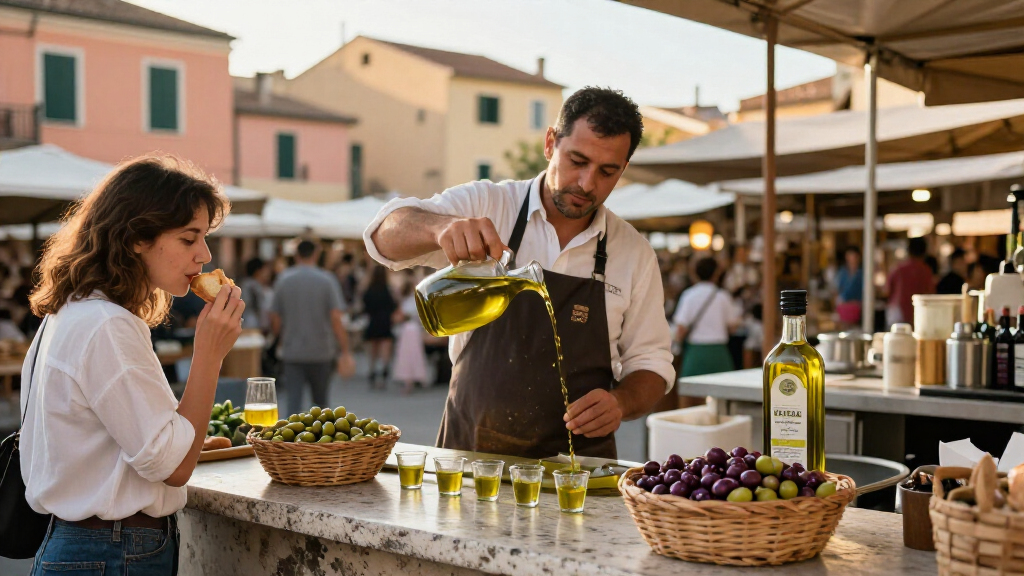
I compared the 13 oils on the details that help shoppers choose among Italian options: the specificity of regional or cultivar information, stated production method, flavor positioning, package size and material, and likely use. Oils with a clearer connection to a region or olive variety have an advantage for readers seeking regional character; broad Italian-origin labeling can still suit everyday use, but tells less about the taste to expect. I also treated organic and high-polyphenol claims as distinct buying priorities rather than automatic indicators of flavor or overall quality.
The ordering favors products that combine a meaningful Italian identity with a clear role at the table. That puts Frantoi Cutrera Primo first as the strongest all-around fit for readers seeking character, with Partanna Robust and Frescobaldi Laudemio serving more specialized needs. Larger tins, multipacks, and broadly positioned bottles rank better for frequent use or convenience than for regional specificity. Product labels and formats do not provide every detail a buyer might want, so I avoid treating unlisted cultivar, harvest, or sensory claims as established facts.
Factors to Consider When Choosing Italian Regional Olive Oils
I’d start by deciding whether you want a regional taste, a dependable everyday oil, or a particular production or sourcing claim. Those priorities can point to different bottles, even when each is labeled Italian extra virgin olive oil.
Choose How Specific You Want the Origin to Be
“Italian” identifies a country, not necessarily a region, cultivar, or single harvest. If place-specific character is the point of your purchase, look for a named region or olive variety and read the full label rather than relying on front-label imagery. Partanna’s Castelvetrano and Sicily references give shoppers a more concrete starting point than a broad Italian-origin claim. A named origin does not guarantee you’ll like the flavor, so pair it with taste descriptions when available. If you mainly need a cooking staple, a less specific label may be perfectly adequate.
Match Intensity to What You Eat
Robust, bitter, grassy, and peppery oils can bring definition to beans, grilled vegetables, soups, and bread, but they may dominate delicate fish or mild dressings. A Coratina oil such as Montinaro is aimed at shoppers who welcome a more assertive style, while a broadly positioned Italian bottle may be easier to use across varied dishes. Don’t assume that stronger means better; intensity is a flavor preference, not a universal measure of quality. If you are unsure, use a pronounced oil as a finishing drizzle before committing it to every recipe. This lets you learn what you enjoy without making a bold flavor your only kitchen option.
Read Production Claims Without Overreading Them
Cold-extracted and cold-pressed language describes processing, but it cannot tell you the oil’s exact taste, freshness, or regional identity on its own. Organic certification may matter for your sourcing preferences, while a high-polyphenol claim may appeal to buyers focused on that stated characteristic. Neither claim replaces checking the product’s origin and any available harvest or bottling information. Compare like with like: a processing term on one label does not prove that bottle is more suitable for your cooking than another. When the label leaves a detail unstated, treat it as unknown rather than filling in the gap.
Pick a Package You Can Store and Finish
A large tin or multipack can suit a household that uses olive oil steadily, but volume only helps if the oil is stored away from heat and light and used before its quality declines. Smaller bottles and tins make more sense for occasional cooks or anyone sampling a stronger regional style. Packaging also affects convenience: a tin protects its contents from light, while a bottle may be easier to pour depending on its design. Decanting a large container into a smaller, clean, dark bottle can make daily use easier, though it adds a handling step. Buy for your actual pace of use rather than assuming the biggest format is automatically the best fit.
Spend More for a Clearer Purpose, Not a Label Alone
A premium selection makes the most sense when its regional identity, flavor positioning, or intended finishing use gives you something specific you want. Frescobaldi Laudemio is the more focused premium choice in this lineup, while larger-format options such as Partanna’s 3 L tin prioritize regular use and quantity. A branded or premium label is not a substitute for details that matter to you, such as a named origin or harvest information. For everyday cooking, you may prefer a versatile oil and reserve a more distinctive bottle for finishing. Decide what you want to notice in the food before paying for a more specialized pick.
Frequently Asked Questions
Which of these oils is the best choice if I specifically want a regional Italian profile?
I’d begin with products that name a region or cultivar, rather than treating every bottle labeled Italian as equally region-specific. Partanna identifies Castelvetrano and Sicily, while Montinaro names Coratina, giving buyers more context for the style they’re seeking. Frantoi Cutrera Primo and Frescobaldi Laudemio are also stronger choices for shoppers prioritizing a distinctive Italian identity over bulk convenience. Check the current package details for origin and cultivar information, since labels provide the evidence for those distinctions. If the label stays broad, regard the oil as an Italian everyday option rather than a guaranteed regional expression.
Should I choose a robust oil or a milder Italian oil for everyday cooking?
Choose based on the flavors you cook most often, not on the assumption that robust oil is inherently superior. A pronounced oil can complement beans, roasted vegetables, and hearty soups, but may overwhelm a delicate dressing or subtle fish. Partanna Robust and Montinaro Coratina are the more direct fits for shoppers who want intensity. If one bottle needs to cover a wide range of dishes, a less assertive, broadly positioned option may be easier to use. You can also keep a robust oil for finishing and a more neutral choice for routine cooking.
Is a 3-liter tin a sensible choice for a household that uses olive oil every day?
A large tin can make sense when your household goes through oil regularly and you have a cool, dark storage spot. Partanna’s 3 L format and Montinaro’s 3 L tin are aimed at higher-volume use, unlike the smaller tins and bottles that better suit occasional cooks. The main drawback is that oil is exposed to air each time the container is opened, and a large supply can sit around too long if use is modest. Consider decanting a small amount into a dark, easy-pour container for daily use while keeping the main tin sealed between refills. If you are still learning what style you like, start with a smaller format.
Do organic or high-polyphenol claims tell me which oil will taste best?
No: those claims describe particular sourcing or composition priorities, not a guaranteed flavor match. Italian Olive Crafters and Yolioo emphasize organic positioning, while Virgeen highlights high polyphenols. Flavor can still differ in intensity and character, and a label claim alone may not tell you how the oil will perform with your favorite foods. Check for origin, cultivar, and tasting details alongside the claim when available. If taste is your main priority, choose based on those details rather than assuming one certification or claim settles the decision.
When does a premium bottle make more sense than a larger everyday format?
A premium bottle makes more sense when you want a distinctive oil to finish food, serve with bread, or explore a more focused Italian identity. Frescobaldi Laudemio is the premium-oriented choice here, while the larger Partanna and Montinaro tins better suit frequent use and volume. A specialty bottle may not be the best match for a kitchen that mainly uses olive oil for routine cooking, especially if its character is more pronounced than you prefer. Think about whether you’ll notice and enjoy the difference at the table. If not, a versatile everyday bottle may be the more practical purchase.
Conclusion
For the best overall, I’d choose Frantoi Cutrera Primo as the clearest all-around fit for shoppers seeking a distinctive Italian extra virgin oil. For best value in frequent-use format, consider Partanna Robust 3 L if you like a bold Sicilian style and can use a large tin steadily. Frescobaldi Laudemio is my best premium pick for buyers focused on a more specialized bottle, while a broadly positioned option such as De Cecco is a more approachable starting point for beginners who want an everyday Italian oil. For specific needs, choose Montinaro Coratina for a pronounced cultivar-led style, Italian Olive Crafters or Yolioo for organic positioning, or Virgeen if its high-polyphenol claim is your priority. Match the bottle to your preferred intensity, label detail, and pace of use rather than choosing on country name alone.
Halloween Picks
halloween
As an affiliate, we earn on qualifying purchases.