TL;DR

Get kitchen staples and gadgets delivered free with Prime
- Fast, free delivery on millions of items
- Prime Video, Amazon Music and more included
- Member-only deals all year
Modena’s food culture brings together fresh egg pasta, pork, Parmigiano Reggiano DOP, seasonal produce, and two distinct kinds of balsamic vinegar. Look for Aceto Balsamico Tradizionale di Modena DOP when you want the carefully aged product, and treat an osteria as a chance to meet the host and ask what is in season.
In Modena, a few drops of balsamic can turn a simple piece of aged cheese into the brightest thing on the table. That small gesture opens a much bigger story: a city shaped by patient producers, fresh pasta, pork, dairy, and hosts who know how to make a meal feel local.
This guide shows you how to tell the two protected balsamic products apart, what dishes to look for, and how to make sense of an osteria (a traditional eating and drinking place). You’ll leave with practical ways to plan a meal or tasting, whether you’re visiting in winter for cotechino or stopping in on a warm afternoon for pasta and a glass of local wine.
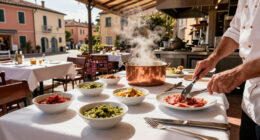
Modena sits at the heart of Emilia-Romagna’s food culture. Its cooking draws on the agricultural plain around the city, where wheat, pork, dairy, grapes, and fruit have long shaped everyday meals. The best way to meet that food is to follow both the ingredient and the person who serves it.
Look for the full DOP or IGP name: traditional balsamic is made from cooked grape must and aged through wooden barrels, while the IGP product follows different…
Order tortellini in capon broth or ricotta-and-herb tortelloni to taste Modena’s fresh egg pasta tradition.
Treat an osteria as a varied dining style; check the current menu and ask the oste what the kitchen recommends that day.
Seek out cotechino or zampone in winter, often served with lentils or mashed potatoes.
Ask about broth, fillings, eggs, wheat, and dairy before ordering if you have dietary needs or food allergies.
A taste of Modena Balsamic, pasta and osterie
Modena’s food story connects patient producers with fresh pasta, seasonal cooking and the hosts who bring a meal to life.
Two balsamics, different roles
Check the full name on the label: the protected products follow different production rules.
| Product | How it is made | How to use it |
|---|---|---|
| Aceto Balsamico Tradizionale di Modena DOP | Cooked grape must aged through wooden barrels | A few drops as a finishing touch |
| Aceto Balsamico di Modena IGP | Different production rules; may include wine vinegar | An everyday option for recipes calling for balsamic-style ingredients |
Build a meal around local food
Choose a few flavors that show how the region’s ingredients work together.
Try tortellini in capon broth or tortelloni with ricotta and herbs.
Choose Prosciutto di Modena DOP or Parmigiano Reggiano DOP.
Let the kitchen’s vegetables, fruit or slow-cooked dishes guide your choice.
Taste traditional balsamic with cheese or fruit; its intensity can overwhelm a delicate dish.
Know what an osteria offers
The name suggests an informal place to eat and drink, but today’s osterie vary in style.
- A host who brings local character to the meal
- Regional cooking, local wines and seasonal dishes
- Today’s menu and kitchen recommendations
- Current hours, prices and booking requirements
Follow the season
Some dishes make particular sense at certain times of year.
Start with Modena’s Food, Not Just Its Famous Condiments
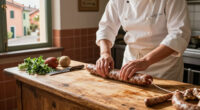
Modena’s food culture is a generous mix of fresh pasta, pork, aged cheese, and seasonal produce, shaped by the farms of the surrounding Emilia-Romagna plain. The city’s cooking makes more sense as a whole meal than as a checklist of famous products: broth can carry pasta, cheese can finish it, and fruit or vegetables can bring balance.
That agricultural setting has long shaped everyday food. Wheat becomes egg pasta; pork appears in cured meats and slow-cooked dishes; dairy becomes Parmigiano Reggiano DOP; grapes become both wine and vinegar. In a bowl of tortellini in capon broth, you can taste the logic of the region: careful pasta work, a rich but clear broth, and a meal built to satisfy without needing a pile of extras.
These dishes show how local ingredients fit together, and why a meal can feel substantial without being a parade of specialties. Broth gives filled pasta warmth and depth, while a little aged cheese adds savory intensity; ordering several rich pork and dairy dishes at once can crowd out those differences. Ask what the kitchen is serving that day, then choose one or two things that suit the weather and your appetite. A cool evening may call for pasta in broth, while a warmer day may make vegetables and fruit more appealing.
For a first meal, look for fresh egg pasta, a seasonal vegetable dish, and a taste of Parmigiano Reggiano DOP. This combination lets you notice both the richness of the region’s cooking and the freshness that balances it. A few bites will tell you more about the area than ordering every signature product at once.
Products Worth Considering

LEVOIT Vital 200S-P Smart Air Purifier for Large Rooms up to 1875 ft², Quiet 27 dB Operation, AHAM VERIFIDE Certified, Air Quality Monitor,

Bose Smart Soundbar 700 with Alexa, Black

Philips Hue Festavia Outdoor Globe String Lights, 8 Bulbs, 22 ft
As an affiliate, we earn on qualifying purchases.
Tell Traditional Modena Balsamic from the Everyday IGP Bottle
Traditional Modena balsamic vinegar is Aceto Balsamico Tradizionale di Modena DOP, made from cooked grape must and aged through a sequence of wooden barrels. Aceto Balsamico di Modena IGP is a different protected product with its own production rules and aging requirements; it may include wine vinegar. The labels matter, because the word “balsamic” alone does not tell you how the vinegar was made.
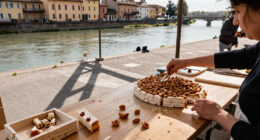
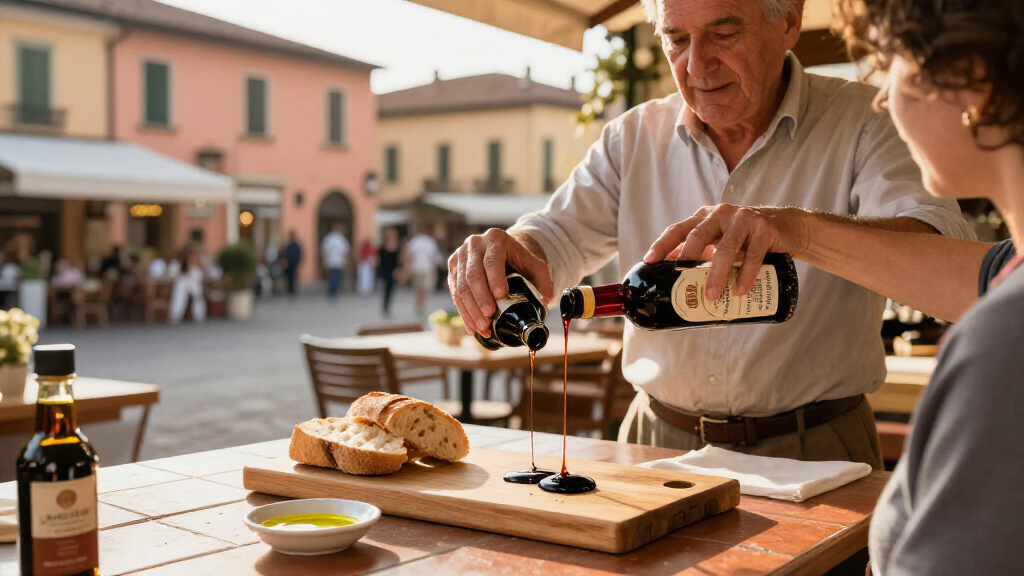
The distinction changes how to use and buy each product. Traditional balsamic is concentrated and made for small servings, so it works as a finishing touch rather than a dressing to pour freely. Its concentrated sweetness and acidity can stand beside aged cheese, a roast, or even a modest piece of fruit. A small spoonful on a shard of Parmigiano Reggiano DOP gives you a clear contrast: the cheese is savory and granular, while the vinegar is dark, glossy, and sharp at the edges.
If you visit a producer, ask whether a tasting compares different ages or producers, and how each vinegar is usually served. Comparing samples helps you notice how texture and balance change, rather than leaving with the idea that the oldest or most expensive bottle must suit every dish. The experience should help you understand the choices each vinegar makes possible. Keep the bottle label in mind when shopping: the DOP and IGP names point to distinct specifications.
Think of traditional balsamic as a finishing brush, not a bucket. A few drops add a concentrated accent to a flavor already on the plate; using too much can overwhelm it. An IGP bottle is a more everyday option when a recipe calls for a balsamic-style ingredient, where a larger amount may be appropriate. Producer access, tasting languages, schedules, and booking requirements vary, so check directly before you travel.
Order These Modena Dishes for a Meal That Feels Local
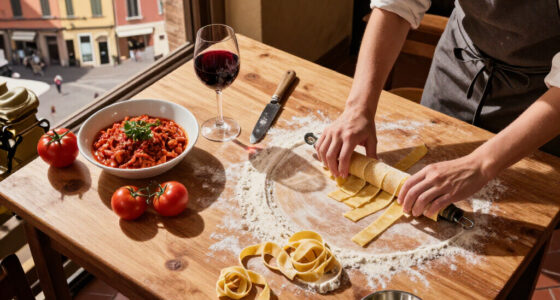
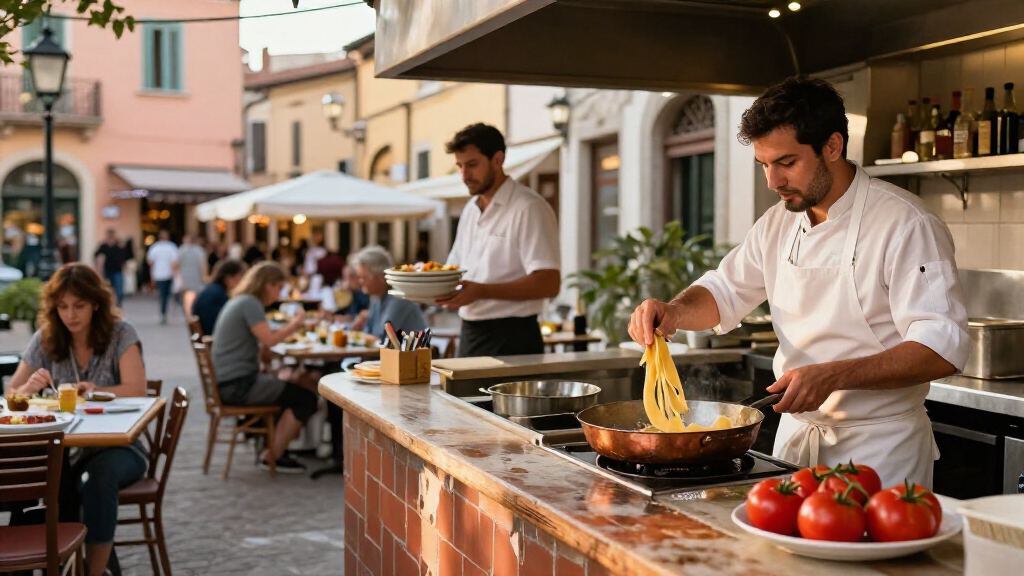
To eat like you’re in Modena, start with fresh egg pasta, add a local cured pork or cheese tasting, and choose the seasonal dish that makes sense for the weather. Tortellini often arrive in capon broth, while tortelloni may be filled with ricotta and herbs; both show how pasta can carry a meal without heavy sauces. The filling, broth, and pasta are not interchangeable details: together they determine whether a dish is delicate, rich, meat-based, or suitable for your dietary needs.
Use this simple ordering path when a menu feels unfamiliar:
- Ask about the pasta: Look for tortellini in broth or tortelloni with ricotta and herbs, then ask whether the filling or broth contains meat. A meat filling can make an otherwise simple bowl quite rich, while herb and ricotta fillings may offer a different balance.
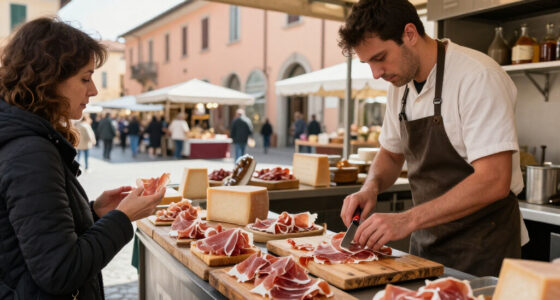
- Add one regional product: Try Prosciutto di Modena DOP or a small serving of Parmigiano Reggiano DOP, rather than ordering several rich dishes at once. A modest tasting gives you a sense of the product without making the whole meal heavy.
- Choose a seasonal plate: Ask which vegetables, fruit, or slow-cooked dishes the kitchen is serving now. Their availability and preparation depend on the kitchen and time of year, so asking is more useful than treating a guidebook list as a promise.
- Finish with a light touch: If traditional balsamic is offered, taste a few drops with cheese or fruit. Its intensity can easily dominate a delicate dish.
On a winter visit, you may see zampone or cotechino, pork specialties often served with lentils or mashed potatoes. They’re festive, filling dishes; if you find them on a cold night, sharing one can leave room for pasta and dessert. Cured pork and fresh pasta can include common allergens such as wheat and eggs, while cheese contains milk. Ask about ingredients and cross-contact if you have an allergy.
The broader region also has tagliatelle and many other pasta shapes, but menus vary by kitchen and season. Treat regional dishes as good things to seek out, not guaranteed items at every restaurant. Asking what is available that day helps you adapt your meal to the kitchen’s strengths instead of chasing a fixed checklist.
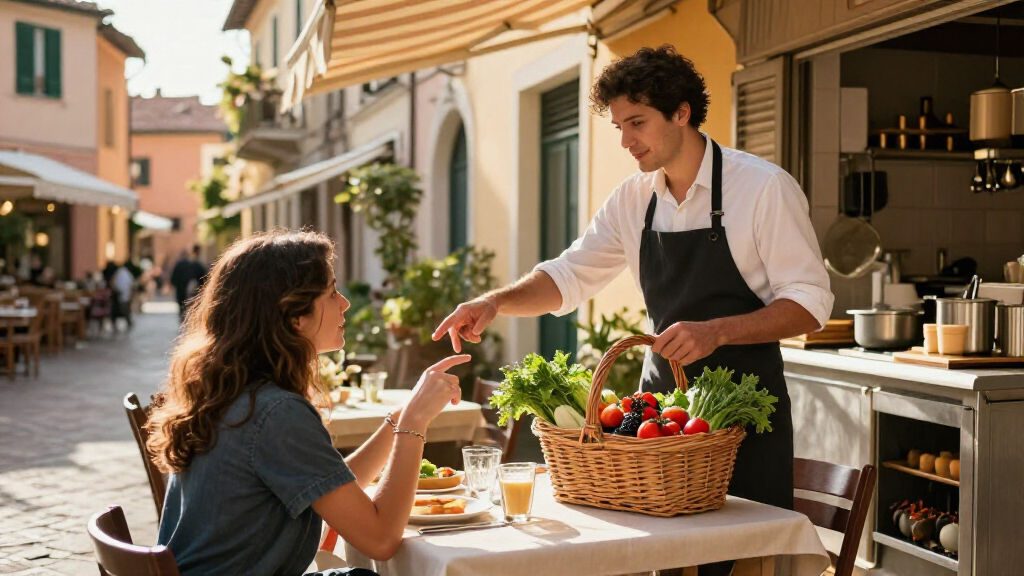
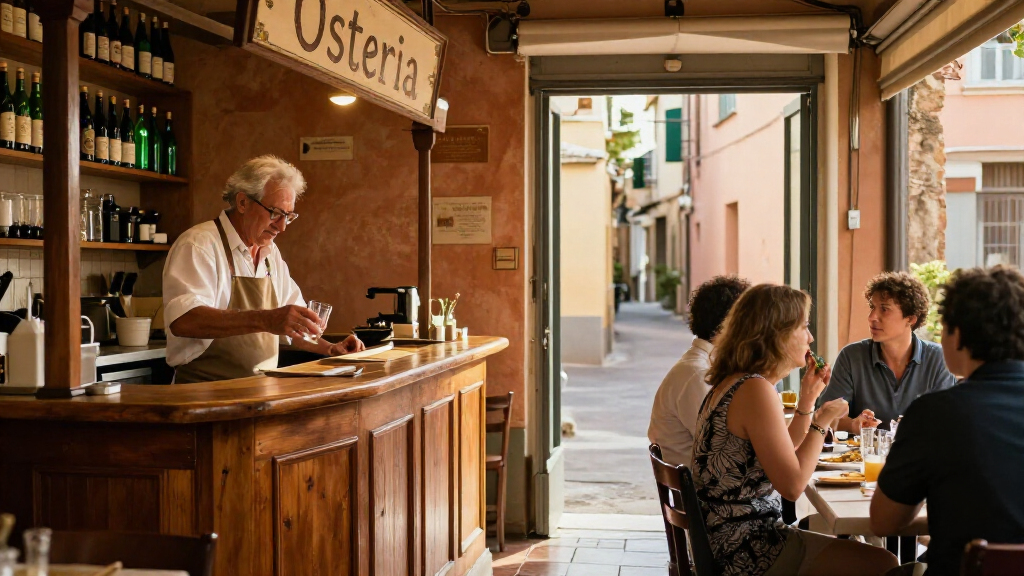
Meet the Oste Behind the Osteria Name
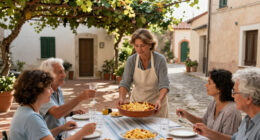
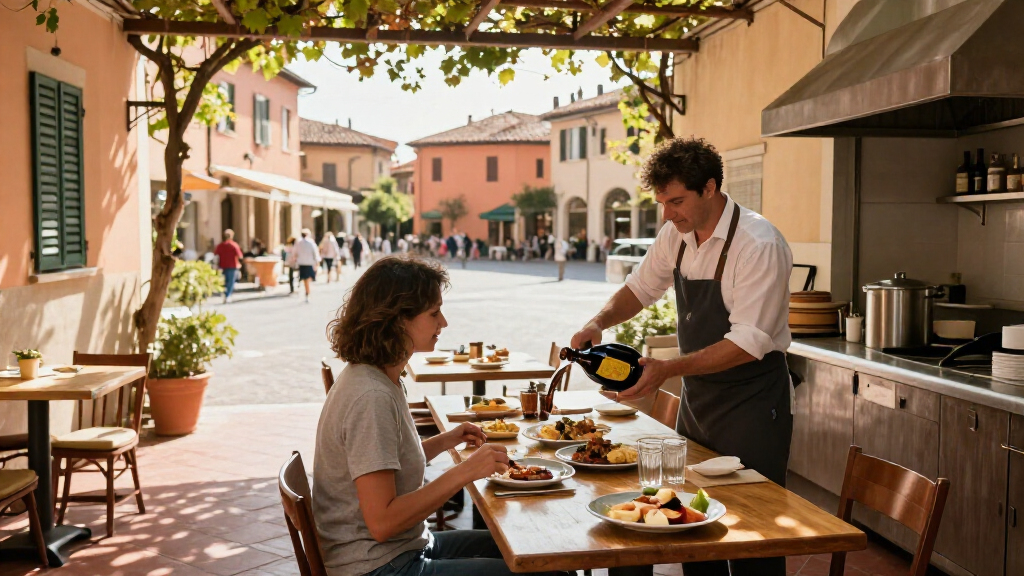
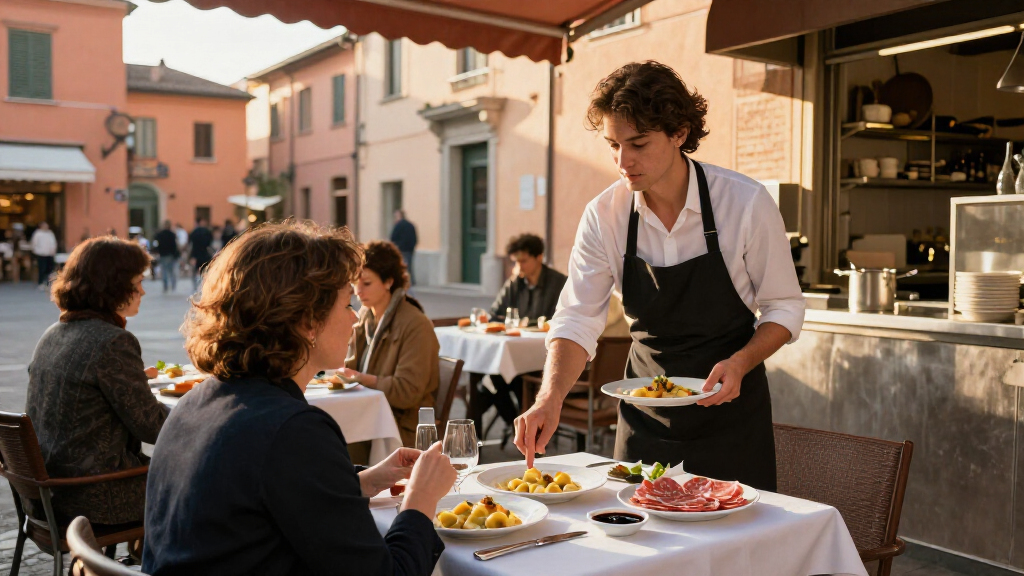
An oste is an innkeeper or host, and an osteria is traditionally an informal place to eat and drink. In Modena, the name can evoke local wine, regional cooking, and a host who knows what the kitchen has prepared that day, but modern osterie range from simple neighborhood rooms to polished restaurants.
That variety matters when you’re planning dinner. One osteria might offer a handwritten menu, a bowl of broth, and a familiar welcome; another might use the same regional ingredients in a contemporary tasting menu. The name alone cannot tell you the price, formality, or portion size, so look at the current menu and booking details before you go. This can help you choose a pace and budget that fit your evening, since an informal name does not guarantee a quick or inexpensive meal.
At the table, ask the host what is especially good that evening. If it’s late autumn, they might steer you toward a braise or a richer pasta; in warmer months, they may point to fruit or vegetables from the season. The exchange can be part of the pleasure, especially if you’re unsure how much to order or whether a dish includes meat stock. A recommendation also connects the menu to the kitchen’s actual supply and habits, which may tell you more than ordering by reputation alone.
For a practical first visit, choose a place whose menu lists recognizable regional dishes and whose service style matches your plans. A relaxed dinner after sightseeing calls for a different pace than a long celebratory meal. The best sign of local hospitality is not a label on the door but a meal that reflects the kitchen and the people welcoming you.
Plan Your Visit Around Seasons, Tastings, and Real Menus
Modena is a year-round food destination, but the dishes you find can change with the season. Winter brings a natural moment for rich pork specialties such as cotechino and zampone; other times of year may put more attention on fresh pasta, vegetables, fruit, or a producer tasting. Seasonal dishes reflect both what is available and what suits the weather, so check the menus and local calendars for your dates rather than planning around a dish that may not be available.
If you want to visit a balsamic producer, confirm the schedule, language, tasting format, and booking requirements directly. Some producers welcome visitors, while access can vary. A short visit may make the barrel sequence easier to understand: the vinegar becomes a product of patient work, with wood and time shaping the finished condiment. The tasting also helps explain why traditional balsamic is used in small amounts: its concentrated flavor is part of its value, but it calls for a different role on the table than an everyday vinegar.
Plan your day with room for a meal, not just a quick tasting stop. You might visit a producer in the morning, then sit down for pasta and a seasonal dish later. Prices depend on the venue and format, and they change; compare the current details for a casual osteria meal, restaurant tasting menu, or producer visit before committing. The right choice depends on whether you want a flexible meal, a longer planned experience, or time with a producer.
When shopping for a food souvenir, read the label carefully. Choose Aceto Balsamico Tradizionale di Modena DOP if you want the traditional aged product, and distinguish it from Aceto Balsamico di Modena IGP. For cheese, check that the product is labeled Parmigiano Reggiano DOP. These names help you match the product to the way you plan to use it, rather than relying on a generic “balsamic” or “Parmesan” description. If you’re flying, confirm current airline and customs rules for liquids and foods before packing.
Find a Good Meal When You Have Dietary Needs
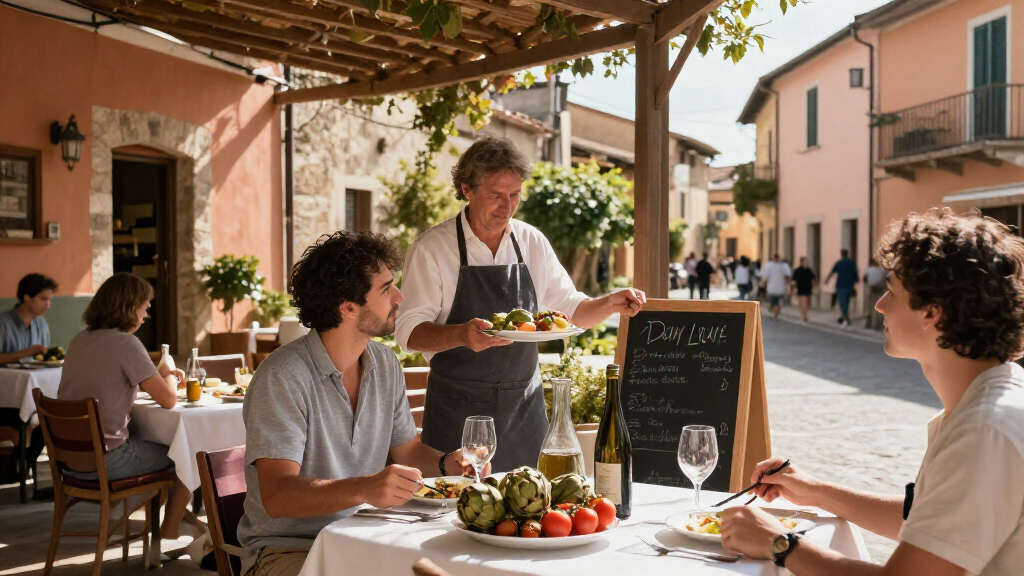
Modena can work for many dietary preferences, but traditional menus often lean on meat, eggs, and dairy, so you’ll get better results by checking ingredients before you order. A vegetarian may find fresh pasta, vegetables, and seasonal dishes, yet a broth or filling can contain meat even when the dish looks simple. Asking early can prevent a dish that appears suitable from turning out to depend on an ingredient you avoid.
If you avoid meat, ask whether the pasta is cooked or served in meat broth and whether the filling contains cured pork. For an egg allergy, remember that fresh pasta often uses eggs; for a milk allergy, cheese, butter, and ricotta are common ingredients. Wheat is another frequent allergen in pasta and bread. Tell the restaurant clearly about an allergy and ask whether the kitchen can prevent cross-contact.
A useful message when booking is brief and specific: “I’m vegetarian and cannot eat meat stock. Can you suggest dishes?” If you have a serious allergy, describe the allergen and ask whether the kitchen can safely accommodate it before you arrive. A restaurant may not be able to guarantee safety, so plan a backup meal if needed.
These questions need not take the warmth out of dinner. They help the kitchen guide you toward something you can enjoy, perhaps tortelloni with an appropriate filling, a vegetable side, or a dish prepared for the season. Menus differ, and a little advance planning makes it easier to focus on the meal once you sit down.
Frequently Asked Questions
What is the difference between traditional balsamic vinegar and balsamic vinegar of Modena?
Aceto Balsamico Tradizionale di Modena DOP is made from cooked grape must and aged through a sequence of wooden barrels under strict rules. Aceto Balsamico di Modena IGP follows a different specification and may include wine vinegar. Check the full label rather than relying on the word “balsamic.”
How should you serve traditional balsamic?
Use it sparingly as a finishing touch, often with cheese, fruit, or a suitable savory dish. Its concentrated flavor makes a few drops more useful than a generous pour. It is not a universal replacement for everyday vinegar.
What should you eat in Modena?
Look for fresh egg pasta such as tortellini in capon broth or ricotta-and-herb tortelloni, along with Prosciutto di Modena DOP and Parmigiano Reggiano DOP. Menus change, so ask what is seasonal and available that day.
What does oste mean, and what is an osteria?
An oste is a host or innkeeper, while an osteria is traditionally an informal place to eat and drink. Today, an osteria might feel like a neighborhood dining room or a polished restaurant, so check its menu and style before booking.
Can vegetarians find food in Modena?
Often, yes, but traditional menus commonly feature meat, broth, eggs, and dairy. Ask whether pasta fillings or sauces contain meat stock, and contact the restaurant ahead if you have strict dietary needs or an allergy.
Can you visit a balsamic producer near Modena?
Some producers offer visits or tastings, but schedules, languages, access, and booking rules vary. Confirm directly with the producer before planning your day.
Conclusion
In Modena, let the meal guide you: order a regional pasta, ask what is in season, and taste traditional balsamic in the small, deliberate way it deserves. The city’s food becomes easier to understand when you connect the product to the people who make it and the host who brings it to your table.
Remember the DOP and IGP labels, leave time for an unhurried osteria meal, and follow the aroma of broth or a freshly opened bottle into the story of the place.