TL;DR

Get kitchen staples and gadgets delivered free with Prime
- Fast, free delivery on millions of items
- Prime Video, Amazon Music and more included
- Member-only deals all year
Truffle hunting with a trifolau in the Langhe is a guided search through wooded hills and mixed countryside, where a trained dog locates underground truffles and the hunter uncovers them carefully. The prized white truffle of Alba is an autumn specialty, but season dates follow regional rules and a successful find is never guaranteed. Dress for damp, uneven ground, confirm the route and current regulations, and enjoy the landscape as much as the truffle.
A truffle hunt can end with muddy boots, a dog’s wagging tail, and no truffle at all. In the Langhe hills of Piedmont, that uncertainty is part of the experience: you walk quietly through woods and hazelnut country with a local hunter, watching a trained dog follow a scent hidden below the soil.
The trifolau (truffle hunter) brings knowledge of the land, trees, seasons, and conditions. The dog brings a nose that can find what you cannot see. Together, they offer a close look at a food tradition that connects the countryside to the table, whether the morning turns up a prized Tuber magnatum or only damp leaves and good stories.
This guide explains what you’ll see, how to plan around the season, what to wear, and how a fresh truffle usually reaches your plate. You’ll leave with a clearer idea of what to ask your host—and why a hunt is best framed as a sensory walk rather than a truffle delivery service.
A trifolau reads habitat and conditions while a trained dog locates a likely scent; both contribute to a successful search.
A hunt can end without a truffle, so choose an outing for the walk and local knowledge as well as the chance of a find.
Check Piedmont’s current species-specific harvest dates and the Alba fair’s current schedule before planning around them.
Ask about route length, terrain, group size, language, and accessibility before you book.
Serve fresh truffle simply, use it promptly, and ask about egg or dairy when ordering a tasting.
Truffle Hunting with a Trifolau
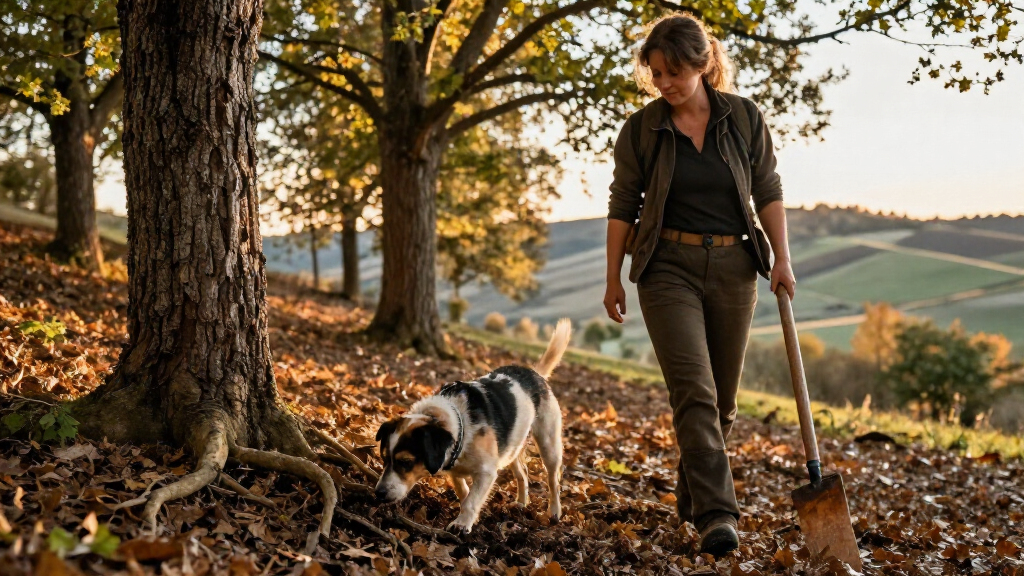
What a real hunt in the Langhe feels like: a quiet walk through wooded hills, guided by a hunter’s knowledge and a dog’s nose. The find is never promised; the landscape is part of the reward.
Two kinds of knowledge
The hunt joins a dog’s scent work with a trifolau’s feel for terrain, trees, soil, moisture, weather, and season. Truffles grow underground alongside suitable host-tree roots; a promising habitat does not promise a harvest.
The trifolau
A local hunter chooses where to search and how to approach a signal. Productive locations are often kept private, reflecting knowledge built over years and shared through families and communities.
The dog
A trained dog checks the ground and signals a likely truffle. Training and trust matter more than a particular breed. Give the dog space and follow the handler’s directions.
The hills
Wooded slopes, hazelnut groves, and mixed countryside shape the walk. Suitable trees, soil, moisture, and weather influence where truffles develop—and whether they appear at all.
Follow the quiet sequence
There is no rush from signal to prize. Watch how the handler and dog work together, and let the pauses show you what is happening beneath the leaves.
Search
The dog noses through damp leaves, roots, and forest scents.
Signal
A pause, circle, or other trained cue draws the handler’s attention.
Check
The trifolau redirects or rewards the dog, then reads the spot.
Uncover
The hunter loosens the soil carefully. A truffle may emerge—or not.
A sensory walk, not a delivery service
Expect uneven ground, damp leaves, changing light, and quiet stretches broken by the dog checking a scent. Weather, habitat, season, location, and luck all shape the result. A good outing can end with muddy boots and no truffle—and still bring you closer to the countryside and the people who know it.
Ask about distance, duration, hills, steps, mud, and the turnaround point.
Describe your mobility needs and ask about the actual surface, not just whether a route is “easy.”
Confirm group size, language, what the price includes, and what happens if it rains.
Choose shoes with grip and clothes you can kneel in. Keep your phone away while the dog works.
Know which truffle you hope to find
“Truffle” describes several species with different seasons and growing conditions. Check current Piedmont rules before planning around a harvest period.
Alba · Tuber magnatum
Strongly associated with the Langhe and generally sought in autumn, often into early winter. Official harvest dates follow regional rules and can vary by year.
Different species, different calendars
Season and growing conditions vary. Ask your host which species the outing focuses on and confirm the current local harvest calendar.
Keep the truffle in the starring role
Fresh truffle is commonly shaved over simple dishes so its aroma can stand out. Scent and flavor vary with species, maturity, freshness, and handling.
Freshly shaved, simply served
Ask what is included in a tasting and how the truffle will be served. If you have dietary needs, check ingredients such as egg and dairy before ordering.
more room for aromaFresh · Simple · Prompt
Make the day fit your trip
Use these questions to compare outings and keep seasonal details current. The hunt and Alba’s annual fair are separate experiences; allow time to travel between them.
| Ask your host | Why it matters | Confirm close to your visit |
|---|---|---|
| How long is the route? | Duration, terrain, hills, and steps shape how comfortable the walk will feel. | Route conditions and weather plan |
| What does the price include? | Group size, language, transport, and tastings can differ between outings. | Operating tours, prices, and inclusions |
| Which species are you seeking? | Species have different seasons and growing conditions; a find is never guaranteed. | Piedmont harvest rules and calendar |
| Can I pair the hunt with the fair? | A hunt takes place in the countryside; fair events take place on a separate schedule. | Alba White Truffle Fair dates and program |
Meet the Trifolau Who Reads the Langhe Hills
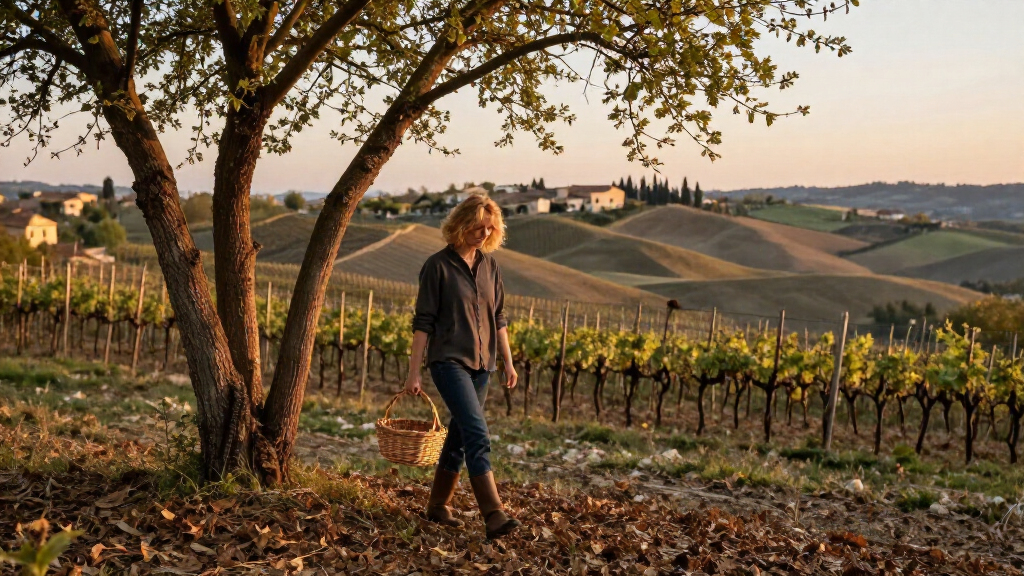
A trifolau is a local truffle hunter who combines terrain knowledge with a dog’s scent work to search for truffles growing underground. The job calls for attention to tree roots, soil, moisture, weather, and the time of year. A dog may find a scent, but the hunter decides how to approach the spot and uncover it without damaging the ground or losing the truffle.
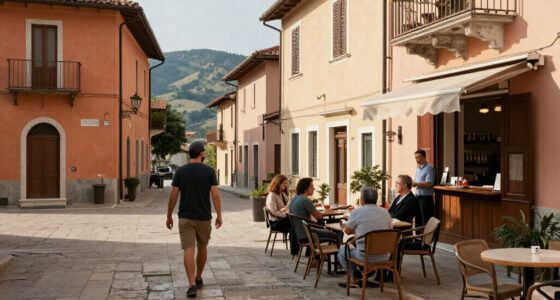
In the Langhe, that knowledge belongs to a landscape of wooded slopes, hazelnut groves, vineyards, and small roads winding between villages. Truffles grow in association with the roots of suitable host trees, in conditions that vary from place to place. A patch that produced last year may not produce this season. The hills do not keep a neat appointment book.
Local hunters often protect productive locations. That discretion reflects the value of the resource and the knowledge built over years, sometimes passed through families and communities. If a host does not name a precise patch, that is part of the tradition rather than a missing detail in your tour.
For example, your host might pause beside an oak or hazel and talk about the damp ground, recent rain, and the kind of habitat the dog is checking. You may never learn the coordinates of that slope. You will still see how the trifolau reads it, turning an ordinary walk into a lesson in place and season.
As an affiliate, we earn on qualifying purchases.
Watch the Dog Find a Scent Without Rushing the Moment
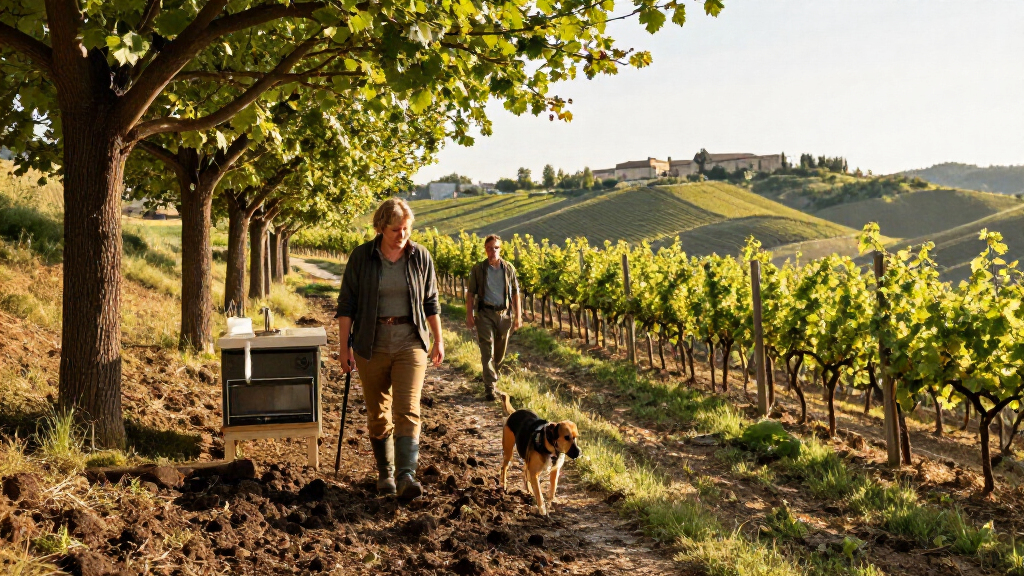
A truffle dog uses scent to locate a likely truffle and signals a spot for the trifolau to inspect. The dog may sniff close to the ground, circle, and scratch or otherwise show interest; the exact signal depends on the dog and its training. The hunter then steps in, redirects or rewards the dog, and carefully loosens the soil to check the scent.
That little exchange is the heart of the hunt. The dog’s nose leads; the hunter’s hands take over. A dog that reaches the truffle first may try to eat it, so timing and trust matter. Modern hunts commonly use dogs because they are easier to manage than pigs, which older accounts often mention.
There is no single breed you should expect. What matters to the search is training, focus, and a strong working relationship with the handler. As you walk, give the dog space and follow your host’s directions. A cluster of excited visitors crowding in can distract the animal right when it is sorting a faint scent from wet leaves, roots, and forest smells.
Imagine the dog freezing for a beat near a tree, then turning back toward the trifolau. The hunter kneels, brushes aside leaves, and opens the soil a little at a time. You may see a truffle emerge—or the scent may lead to an empty pocket. Either way, the dog has shown you the invisible work beneath your feet.

Feel What a Real Hunt in the Langhe Is Like
A real hunt in the Langhe feels like a slow, attentive walk over uneven ground, punctuated by pauses while the dog checks a scent. Expect damp leaves, quiet woods, changing light, and some anticipation. A hunt may yield a truffle, but no responsible host can promise a find because weather, habitat, season, location, and luck all affect the result.
Some outings are short walks on private land; others involve steeper or muddier routes. A truffle hunt is not automatically a wilderness expedition, but neither is every route smooth or accessible. Ask the operator how long the walk lasts, what the ground is like, whether there are hills or steps, and what happens if rain arrives.
That practical conversation changes the day. If you’re visiting with a young child, for instance, a short route with a clear turnaround point may suit you better than a longer search. If you have limited mobility, ask about the actual surface and distance instead of relying on a broad label like “easy.” A few minutes on wet leaves can feel quite different from a few minutes on a village sidewalk.
Go with clothes you can kneel beside a dog in, and shoes with grip. Keep your phone tucked away when the dog is working. The quiet and uncertainty are not empty space between attractions; they are what let you notice the dog’s focus, the smell of damp earth, and the way the trifolau chooses each next step.
Choose the Right Season for White Truffles and Other Finds
The white truffle of Alba, or Tuber magnatum, is strongly associated with the Langhe and is generally sought in autumn, often into early winter. Black truffles are different species with different seasons and growing conditions. Exact harvest dates depend on the species and Piedmont’s regional rules, which can vary by year, so check the current calendar before you book.
That distinction helps you match a trip to what you hope to experience. A visit during the white truffle season may place you in the area when the autumn food culture is especially visible, but it does not guarantee that a hunt will produce one. Rainfall, temperatures, soil moisture, and supply all shape a season. Market prices can shift too, so a price quoted in an old travel post may tell you little about this year.
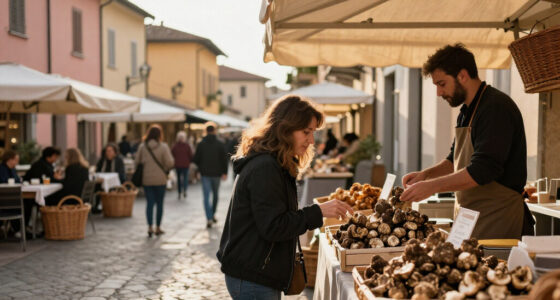
Alba’s annual White Truffle Fair and related events bring a different kind of encounter: market stalls, tastings, and public programming rather than a walk through a hunting ground. Dates and schedules change each year. If you want both experiences, check the current fair program and arrange the hunt separately, allowing enough time to travel between them.
For a concrete plan, picture an October stay near Alba. Before booking, confirm that the local harvest period is open, ask whether the outing focuses on white truffles, and check what the host includes. The season gives you a window, not a guarantee. That makes a flexible itinerary more satisfying than building an entire day around a promised find.

Book a Hunt That Fits Your Trip and the Land
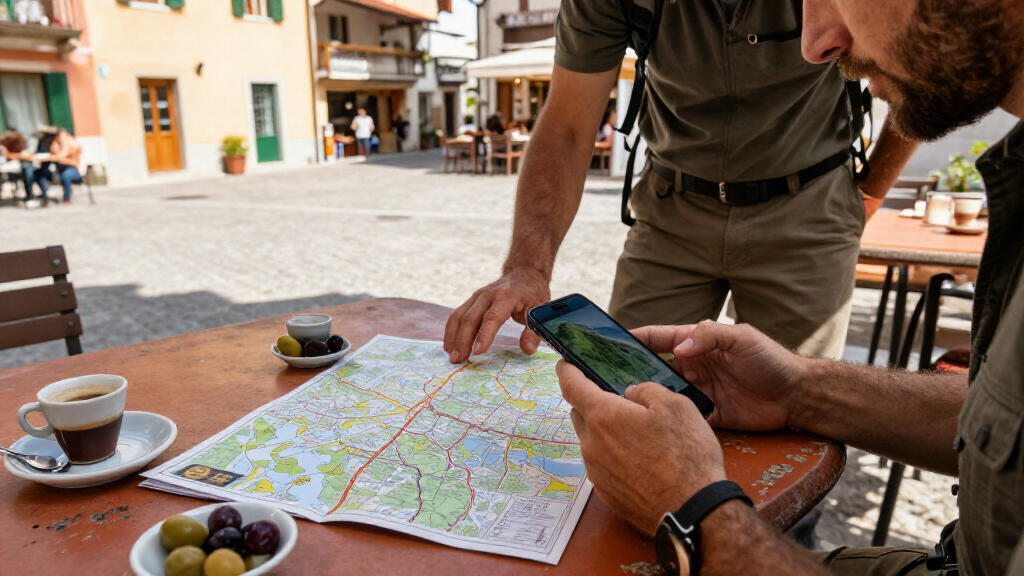
To book a truffle hunt that suits you, confirm the season, route, group size, language, duration, and what the price includes. Ask directly whether the experience is a walk on private land, whether it includes a tasting or meal, and what happens if the dog finds nothing. These details shape the day more than a glossy promise of a guaranteed truffle.
- Check current rules. Look up Piedmont’s current harvest calendar and any relevant local requirements for the species and dates you have in mind.
- Describe your group. Tell the operator about children, mobility needs, preferred language, and your comfort with uneven or muddy ground.
- Confirm the practical details. Ask about meeting point, walking time, clothing, group size, cancellation terms, and whether food or transport is included.
- Set expectations. Treat a find as a possibility, not a promised part of the fee. Ask what the host will explain if the dog does not locate one.
These questions are useful even when you speak some Italian. You can ask whether the route is facile (easy) and whether it includes degustazione (tasting), then follow up with specifics about distance and terrain. Broad labels can hide important differences.
For example, two outings may both last an hour, yet one may follow a gentle private track and the other cross a steep, leaf-covered slope. A clear answer helps you choose a hunt that fits your morning and respects the place you came to see.
Taste a Fresh Truffle Without Drowning Out Its Aroma
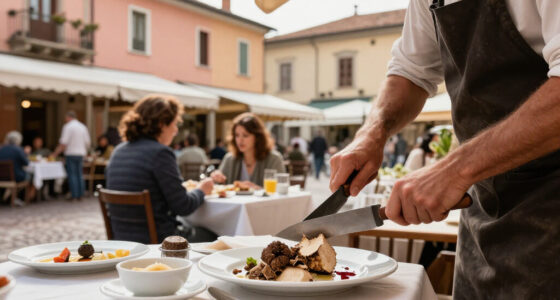
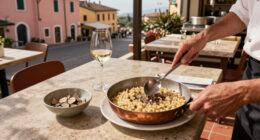
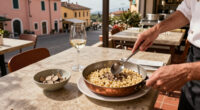
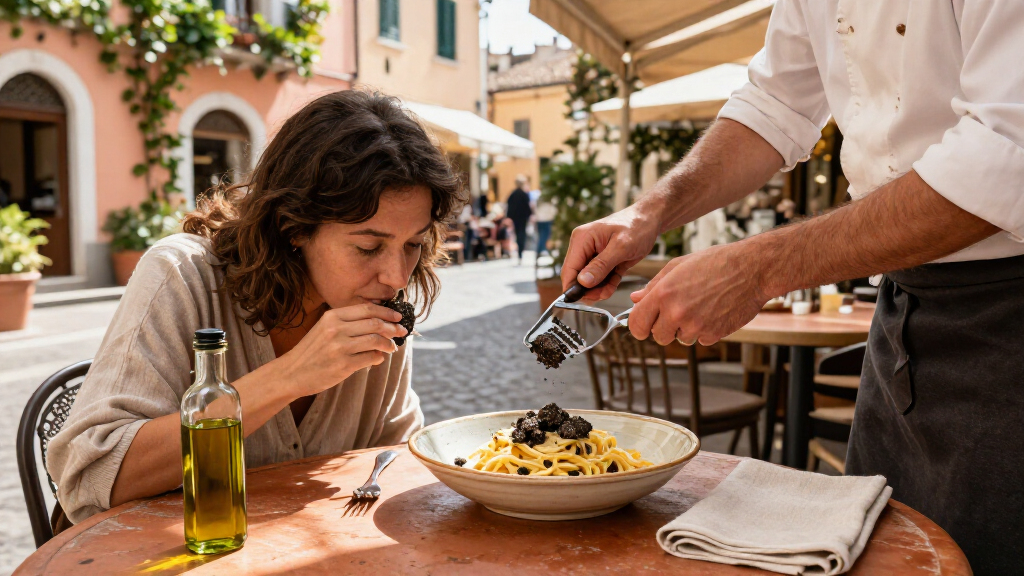
A fresh truffle usually shows best when shaved thinly over a simple, warm dish that lets its aroma come through. In Piedmont, you might meet it over tajarin (fine egg pasta), risotto, or eggs. The smell can be earthy and complex, but it changes with species, maturity, freshness, and handling; no single description captures every truffle.
Keep the rest of the plate quiet. A little butter or a restrained sauce can carry the aroma without crowding it. If you buy a truffle after a hunt, ask the seller how it was stored and when to use it. For home storage, keep a fresh truffle refrigerated in a clean, dry, sealed container, separated from strong-smelling foods, and use it promptly. Follow the seller’s advice for that specific truffle, since freshness and species matter.
Raw truffle is shaved at the table in delicate slices, so its scent rises as the dish warms. For a simple dinner, cook pasta fully, drain it, and toss with butter and a splash of pasta water before shaving the truffle over each serving. The steam carries the aroma without turning the truffle into a heavy sauce.
Ask about allergens if you order a tasting: egg is common in tajarin, and dairy often appears in butter-based preparations. If you have allergies, tell the host or restaurant before the meal and ask about cross-contact. A good truffle dish gives the ingredient room to speak; it does not need a long list of extras.
Frequently Asked Questions
What does “trifolau” mean?
Trifolau means truffle hunter: the local person who knows the terrain and works with a trained dog to search for truffles. The role includes deciding where to look and uncovering a likely find carefully.
Can visitors expect to find a truffle on a hunt?
No. A dog may find a truffle, but weather, season, habitat, and luck all affect the search. Choose a hunt for the experience and local knowledge, and treat a find as a possibility rather than a promise.
When should I go truffle hunting in the Langhe?
The white truffle of Alba is generally sought in autumn, often into early winter. Piedmont sets official harvest periods, so check current regional rules and confirm the species and dates with the operator before booking.
What should I wear for a truffle hunt?
Wear shoes with good grip and clothes that can handle mud, damp leaves, and kneeling. Ask your host about the route, hills, and expected walking time, especially if you are traveling with children or someone with limited mobility.
How does a truffle hunt differ from the Alba White Truffle Fair?
A hunt is a guided walk with a trifolau and dog on or near hunting ground. The Alba White Truffle Fair is a public event with market activity and programming; its dates and schedule change, so check the current calendar if you plan to attend.
How should I serve and store a fresh truffle?
Shave it thinly over a simple warm dish such as pasta, risotto, or eggs. Refrigerate it in a clean, dry, sealed container away from strong-smelling foods and use it promptly; ask the seller for storage advice specific to its species and freshness.
Conclusion
Plan your Langhe hunt around the people, the dog, and the land—not a guaranteed truffle. Check the current season, ask what the route involves, and arrive ready for damp leaves and a slower pace.
If the dog finds something, you’ll watch a hidden ingredient come out of the earth. If it doesn’t, you’ll still have walked the hills with someone who knows how to read them. Sometimes the most memorable thing you bring back is the smell of the woods on your jacket.
Fall Picks
fall essentials
As an affiliate, we earn on qualifying purchases.