
TL;DR
Pasta con i peperoni cruschi is a Basilicata dish built around sweet Peperone di Senise IGP, dried until crisp and briefly fried in olive oil. Cook the peppers for only seconds, finish the pasta with garlic and a splash of pasta water, then add the peppers at the end so they stay crunchy.
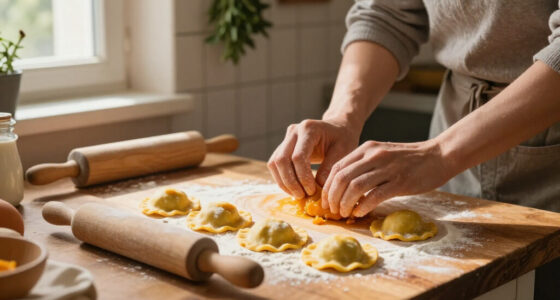
A dried pepper can crackle like a potato chip and perfume a whole plate of pasta. In Basilicata, that little transformation belongs to pasta con i peperoni cruschi, a simple dish built around sweet peppers from Senise and the surrounding area in southern Italy.

Get kitchen staples and gadgets delivered free with Prime
- Fast, free delivery on millions of items
- Prime Video, Amazon Music and more included
- Member-only deals all year
You’ll learn what makes Peperone di Senise IGP different, how to fry the peppers before they turn bitter, and how to finish the pasta so every bite balances tender noodles with a crisp, sweet topping. You can make a satisfying version with a few pantry ingredients; the key is treating the peppers gently and adding them at the last moment.
The dish also offers a useful lesson in regional cooking: preserve a summer harvest, then let one carefully chosen ingredient carry dinner. If you find dried Senise peppers at an Italian specialty shop, this is a lovely first way to use them. If not, you’ll know what a substitute can and cannot do.
Look for dried Peperone di Senise IGP when you want the protected Basilicata ingredient.
Fry the peppers separately for only a few seconds, removing them as soon as they puff and crisp.
Toss pasta with garlic oil and pasta water before adding peppers; moisture softens their crunch.
Use toasted breadcrumbs for a nutty, crisp finish; anchovies, chili, and cheese are household variations.
If Senise peppers are unavailable, a thin-walled dried sweet pepper can work, though the result will differ.
Pasta con i Peperoni Cruschi Basilicata’s crunchy pepper pasta
Sweet dried Senise peppers bring a crisp, toasted finish to tender pasta. Their regional character depends on a quick fry and a last-minute addition.
What makes the pepper special?
Thin flesh and low moisture make Peperone di Senise well suited to drying and quick frying.
Senise, Basilicata
The protected IGP name ties the pepper to defined production and geographical requirements.
Cruschi means crunchy
Air-dried peppers puff and crisp in hot oil, bringing sweet flavor and a toasted aroma.
Keep the peppers crisp
The contrast between tender noodles and crunchy peppers is the heart of the dish.
Save some starchy cooking water before draining.
Fry separately for only seconds; remove as soon as they puff and crisp.
Toss pasta with garlic oil and a splash of pasta water, then scatter peppers on top.
Build a pantry-friendly bowl
There is no single formula: household and local preferences shape the additions.
| Ingredient | What it adds | When to choose it |
|---|---|---|
| Toasted breadcrumbs | Nutty flavor and extra crunch | For a simple pantry version |
| Anchovies | Salty, savory depth | For a more robust variation |
| Chili | Added heat | When you want spice |
| Grated cheese | Richness and savory finish | If it suits your preferred variation |
Choosing a pepper substitute
The Senise pepper gives the regional dish its distinctive character.
- Look for dried Peperone di Senise IGP.
- Its protected origin is tied to defined production requirements.
- A thin-walled sweet pepper can make an enjoyable approximation.
- Flavor and texture will differ from the regional ingredient.
What makes peperoni cruschi so crisp and sweet?
Pasta con i peperoni cruschi gets its defining crunch from dried sweet peppers associated with Senise in Basilicata. The protected Peperone di Senise IGP may be sold fresh, dried, or processed under rules tied to its production and geographical origin. Its thin flesh and low moisture make it especially suited to drying and quick frying.
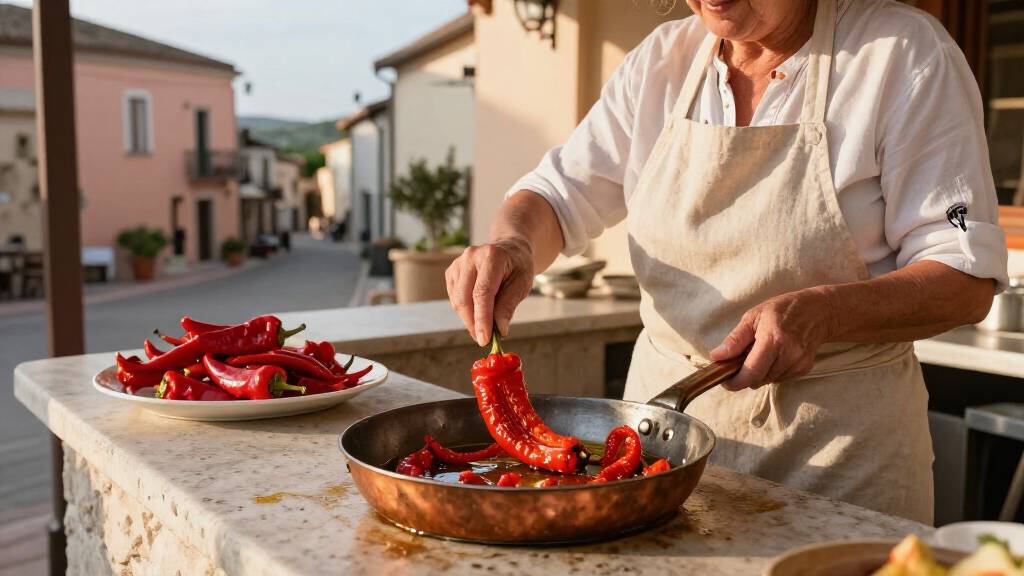
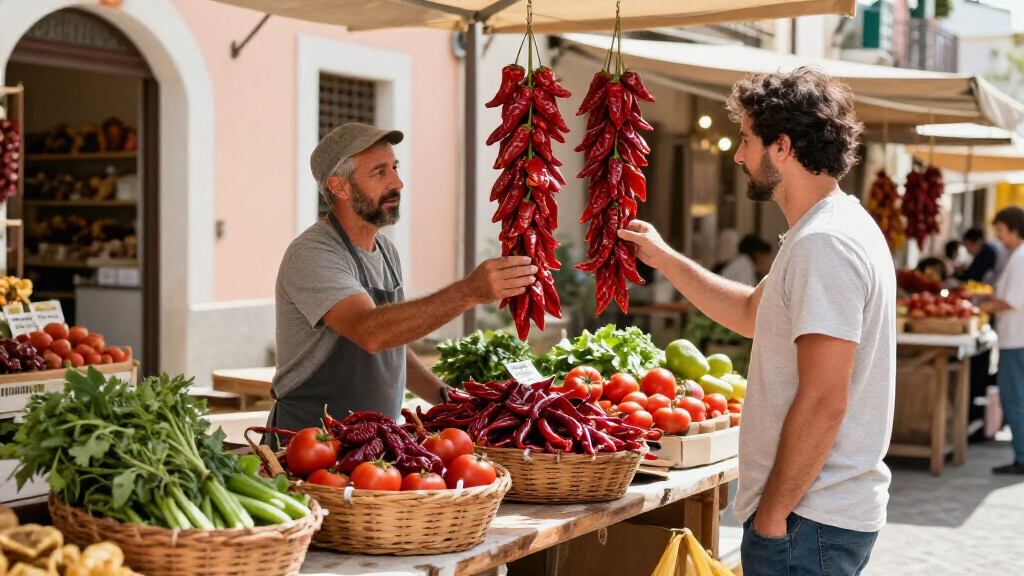
Traditionally, ripe peppers hang in long braided or strung garlands called serte (strings or garlands) to air-dry. Drying is a pantry strategy with a payoff: it concentrates their sweet, fragrant flavor and lets cooks use the harvest well beyond the fresh-pepper season. When the dried pods meet hot oil, they puff slightly and crisp in seconds.
Cruschi means “crunchy” in local dialect. That word describes the bite, but not the whole flavor: the peppers are generally sweet rather than hot, with a toasted aroma after frying. A useful analogy is thin toast: a brief turn in the pan brings out fragrance, while a few seconds too long can push the taste from nutty to bitter.
If you shop for them, look for dried Peperone di Senise and check the label for the IGP designation when you want the protected product. Dried peppers sold as cruschi can vary, so treat the label as useful information rather than a promise that every bag will taste exactly alike.
Products Worth Considering

Levoit Vital 100S-P Air Purifier with Washable Pre-Filter

Bose Portable Smart Speaker with Alexa and Google Assistant, Black

Philips Hue Bridge Pro Smart Lighting Hub
As an affiliate, we earn on qualifying purchases.
How to cook the pasta and keep every pepper crunchy
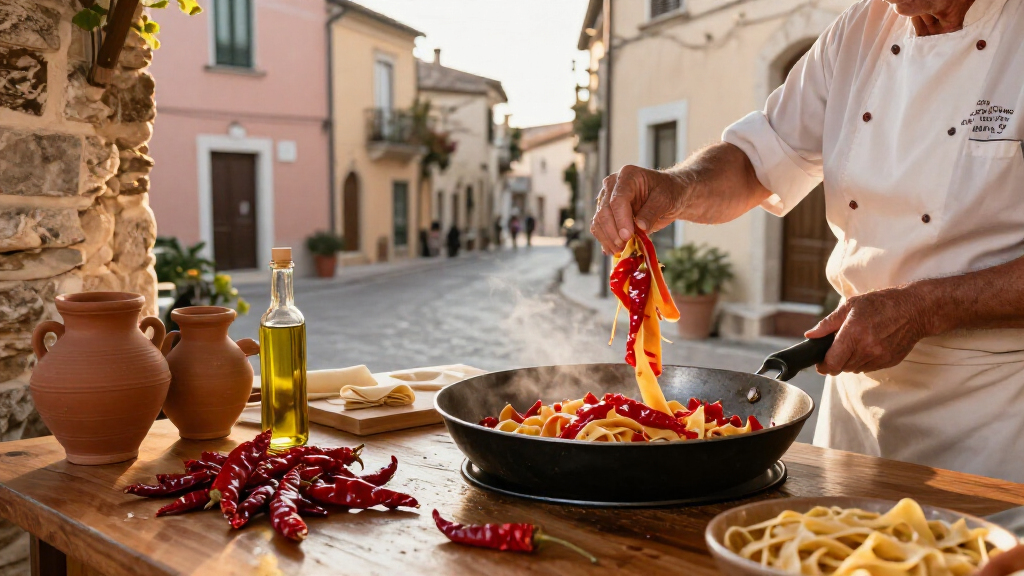
To keep peperoni cruschi crisp, fry the dried peppers separately for only a few seconds, remove them as soon as they puff, and add them to the pasta just before serving. This quick finish protects their delicate texture while the pasta takes on the garlic-scented oil. Keep a close eye on the pan: dried peppers cook far faster than fresh ones.
- Cook your pasta in salted water until just tender, following the package time. Before draining, save a cup of the starchy cooking water.
- Warm garlic in olive oil over gentle heat in a skillet. If your family likes a little heat, add a small pinch of chili; the traditional sweet pepper itself need not be spicy.
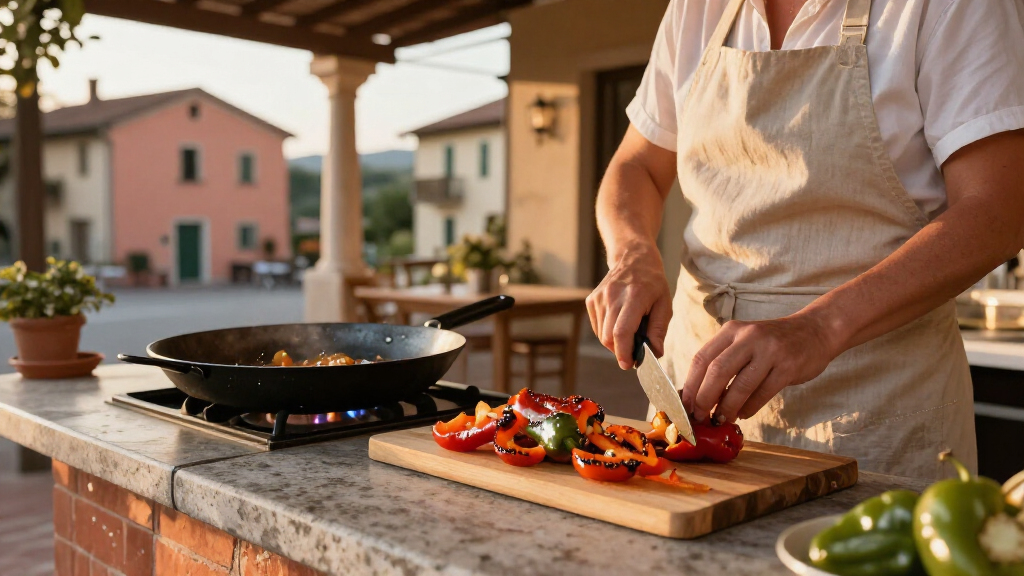
- Fry the dried peppers briefly in a separate pan of hot oil. Turn them once and lift them out as soon as they puff and crisp. If they darken, they have gone too far.
- Toss the pasta with the garlic oil and a splash of pasta water. Stir until the oil coats the noodles; add another splash if the pan looks dry.
- Finish just before serving with whole or crumbled peppers and, if you like, toasted breadcrumbs.
Think of the peppers as a crisp garnish rather than a sauce ingredient: prolonged contact with moisture softens them. For example, if you’re cooking for guests, finish the pasta in the skillet first, divide it into bowls, then scatter the peppers over each portion at the table. You get the aroma without losing that first satisfying crackle.
Use care around hot oil, and don’t leave it unattended. Let leftover pasta cool promptly, refrigerate it in a covered container, and reheat it until steaming hot; the peppers will soften, so save any remaining dried peppers to fry fresh for the next serving.
Which ingredients and pasta shapes fit the dish?
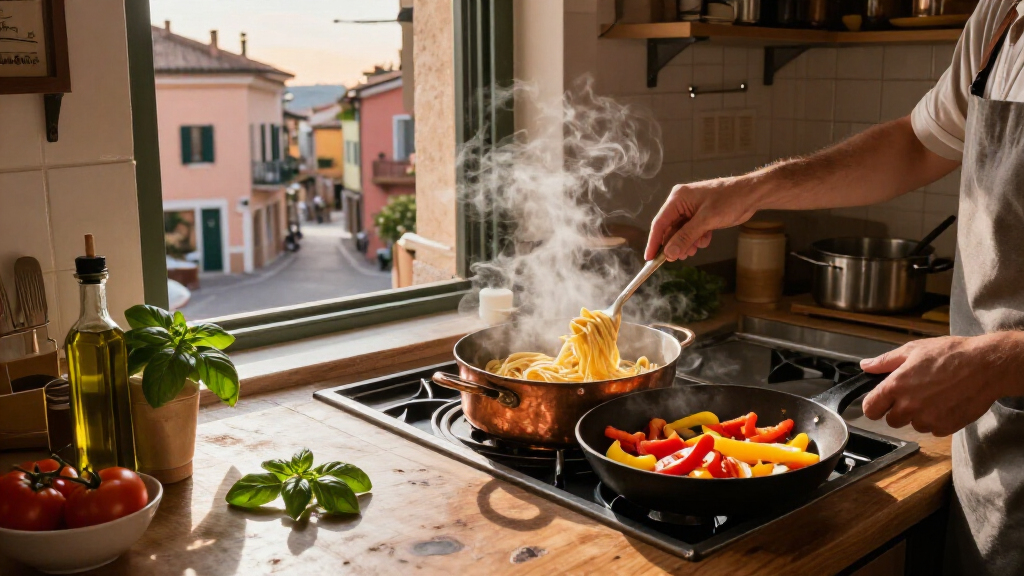
Pasta con i peperoni cruschi has no single universal formula: cooks choose different shapes and add-ins, while the dried Senise pepper remains its signature ingredient. Garlic and olive oil make a savory base, and breadcrumbs can add a second crunch. Some households add anchovies, chili, or grated cheese; family practice and local preference shape the bowl.
Short pasta is convenient because it catches bits of pepper and breadcrumbs, but you can use another shape from your pantry. Pick a noodle that holds a light coating of oil. If you use a long shape, toss it thoroughly so the garlic oil reaches the strands rather than pooling at the bottom of the bowl.
Breadcrumbs bring a toasted, nutty note and are sometimes used as a humble stand-in for cheese. Toast them separately until golden, then sprinkle them on at the end. A simple example: if you have stale bread but no cheese, pulse or crumble it into coarse crumbs, toast it in a little olive oil, and let it provide texture without competing with the pepper.
| Choice | What it adds | When to choose it |
|---|---|---|
| Toasted breadcrumbs | Nutty flavor and extra crunch | For a simple pantry version or a cheese-free bowl |
| Anchovies | Salty, savory depth | When you want a more robust, non-vegetarian version |
| Grated cheese | Richness and a savory finish | If it suits your family’s preferred variation |
| Chili | Added heat | When you want spice; the Senise pepper is usually sweet |
Check ingredient labels and ask about preparation if you’re serving someone with allergies. Wheat pasta and breadcrumbs contain gluten, and cheese contains milk; packaged ingredients may carry other allergen warnings. A basic version with pasta, peppers, garlic, oil, and breadcrumbs is vegetarian, while anchovies make it non-vegetarian.
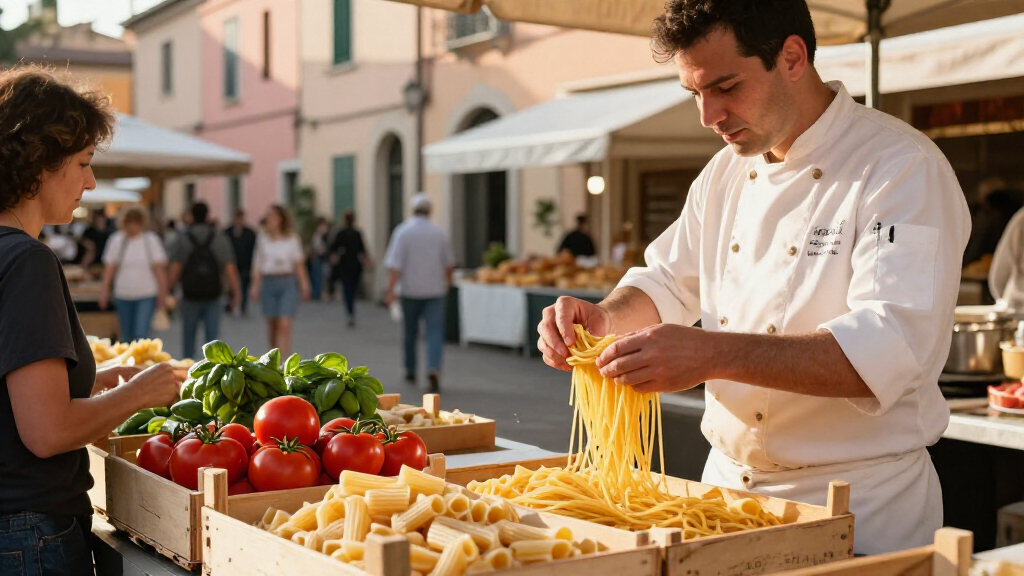
What to do when you can’t find Peperone di Senise
Peperone di Senise IGP is the regional ingredient behind the classic flavor, but a similar dish is possible if you can’t find it. Italian specialty shops and online retailers may carry dried Senise peppers or products labeled peperoni cruschi; availability and labeling vary by market. Check the package if the protected origin matters to you.
If you can’t get Senise peppers, another thin-walled sweet pepper may offer a pleasant approximation once dried. The result won’t be identical: pepper variety, drying, and texture all shape the final bite. Fresh peppers can make a good pasta with sweet peppers, but they won’t become the same crisp topping because their higher moisture changes how they cook.
For a practical substitution, choose a thin, sweet dried pepper and fry one as a test before making the full batch. It should crisp quickly and taste toasted, not harsh. If it darkens almost immediately, lower the heat and shorten the frying time. That small trial can spare your dinner from a pan of bitter peppers.
There’s a useful distinction between a dish inspired by Basilicata and one made with the protected local pepper. You can enjoy both, but naming the ingredient accurately helps you understand what’s on your plate. When you do find Senise peppers, store them dry in an airtight container before cooking, away from moisture that could spoil their crisp potential.
Why this pepper belongs to Basilicata’s everyday cooking
Peperoni cruschi reflect a practical Basilicata tradition: preserve seasonal produce so its flavor lasts beyond the harvest. Air-drying ripe Senise peppers turns a summer crop into an ingredient for colder months, when a few crisp pods can bring sweetness and color to a plain meal. The method connects the calendar to the kitchen.
This is everyday food with a strong sense of place. The same pepper appears in other regional preparations, including dishes with potatoes, vegetables, or cod. In pasta, its crunch contrasts with soft noodles; on another day, it might brighten a pan of potatoes. The ingredient travels across meals without losing its identity.
That flexibility is part of the appeal for a home cook. You don’t need a long ingredient list to taste a regional tradition: pair the dried pepper with olive oil, garlic, and pasta, then add breadcrumbs if you want a little more texture. Imagine a quiet evening meal after a walk through Basilicata’s countryside: the peppers provide a concentrated taste of the harvest in a bowl that takes little time to finish.
The protected IGP designation ties the Senise name to defined geographical and production requirements. It gives shoppers a way to look for the regional product, while the cooking itself remains open to family variations. That balance—specific origin, flexible home cooking—is what makes the dish worth learning.
How to fix bitter peppers and a soggy finish
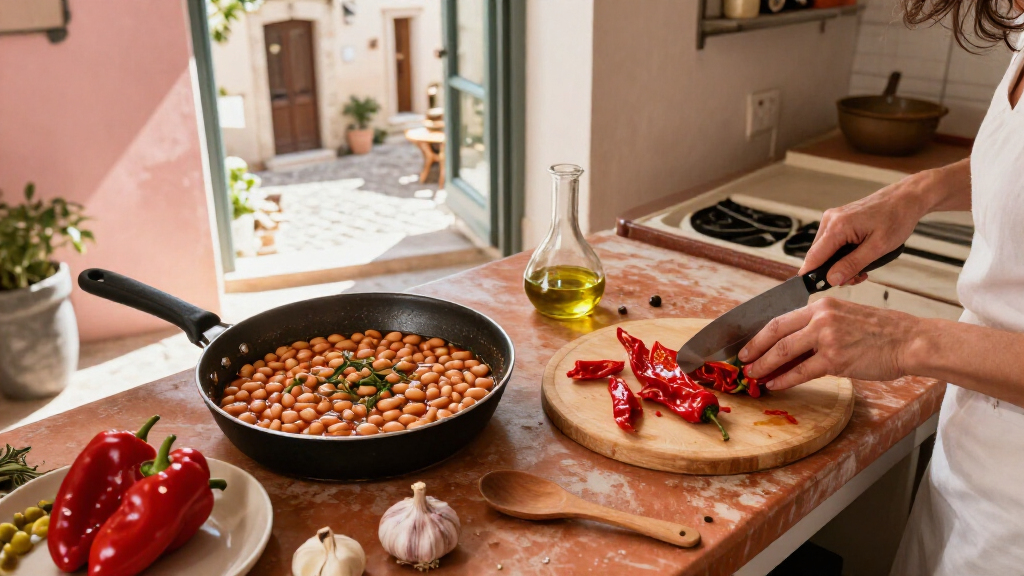
If your peperoni cruschi taste bitter, they probably stayed in hot oil too long or the oil was too hot. These dried peppers need seconds, not minutes, to puff and crisp. Lift them out as soon as they change texture; don’t wait for them to brown deeply.
If they turn soggy, moisture likely reached them too soon. Pasta water is useful for helping garlic oil coat the noodles, but it also softens a crisp pepper. Finish the pasta with the water first, then add the peppers at the last moment. If you’re setting out a family-style platter, keep the peppers in a small bowl and let everyone top their own serving.
A third common problem is using too much oil or leaving garlic over high heat. You want fragrant, gently warmed garlic and enough oil to coat the pasta, not a greasy pool or browned, sharp-tasting cloves. Lower the heat, stir, and loosen the noodles with a spoonful of reserved pasta water. This gives the sauce a light sheen.
For a first attempt, fry one pepper before the rest. It acts like a test piece: you’ll see how quickly your pan crisps that batch and can adjust the heat before risking the whole handful. Serve the peppers immediately for their best texture; leftovers still taste good, but the crisp contrast fades in storage.
Frequently Asked Questions
Are peperoni cruschi spicy?
Usually, no. The traditional Senise pepper is sweet and fragrant rather than hot. Chili, when added, brings the heat.
Where can I buy dried Peperone di Senise?
Look in Italian specialty shops or online for dried Peperone di Senise or peperoni cruschi. Check the label for the IGP designation if you want the protected Senise product, since labeling and availability vary.
Can I make the dish without peperoni cruschi?
Yes. Another thin-walled dried sweet pepper can make an enjoyable version, though its flavor and texture may differ. Fresh peppers work in a different pasta dish but won’t give you the same crisp finish.
Why did my dried peppers turn bitter?
They likely stayed in the oil too long or the oil was too hot. Fry them briefly, watch closely, and remove them as soon as they puff and crisp rather than waiting for them to brown.
How do I keep the peppers crunchy?
Fry them separately and add them just before serving. Keep them away from pasta water and sauce until the final moment, since moisture softens their delicate crunch.
Is pasta con i peperoni cruschi vegetarian?
A basic version with pasta, peppers, garlic, olive oil, and breadcrumbs is vegetarian. Anchovies make it non-vegetarian; cheese contains milk, and pasta or breadcrumbs typically contain wheat, so check labels and guests’ allergies.
Conclusion
Make pasta con i peperoni cruschi by letting the Senise pepper do what it does best: bring sweet fragrance and a delicate crunch to a simple bowl. Cook the pasta and garlic oil first, fry the dried peppers for seconds, and scatter them over the dish just before you eat.
That last crackle is the point. Save a place in your pantry for a string of dried peppers, and Basilicata can meet you at the table on an ordinary weeknight.