TL;DR
Friselle are dry, twice-baked bread rings from Puglia, traditionally made with durum wheat and softened briefly before serving. Run one under cool water, let the excess drain, then top it with ripe tomato, olive oil, salt, and oregano while the center still has some firmness.
A frisella can feel like a little bread ring made of stone until you give it a few seconds of water. Then its dry surface softens, its middle keeps a pleasing bite, and ripe tomato turns the whole thing into lunch. That small change is the heart of a Puglian pantry tradition.

Get kitchen staples and gadgets delivered free with Prime
- Fast, free delivery on millions of items
- Prime Video, Amazon Music and more included
- Member-only deals all year
Friselle are twice-baked bread rings from Puglia, in southern Italy. They were made to keep well when fresh bread was not always close at hand, then revived with water and whatever the season offered. You’ll also see the names frise, friseddhe, and frisedde.
This guide shows you what makes friselle different from bruschetta and taralli, how to soften them without turning them mushy, and how to build a satisfying topping from tomatoes or pantry staples. Think of the ring as a tiny, edible plate: it needs enough moisture to welcome its toppings, but not so much that it loses its character.
Friselle are Puglian bread rings made dry and crisp by a second bake after splitting.
Wet them briefly with cool water, drain, and check the center before adding toppings.
Ripe tomato, olive oil, salt, and oregano make the classic frisella al pomodoro.
Use juicy toppings and moisten only the rings you plan to serve right away.
Keep friselle dry in an airtight container away from humidity.
Friselle: Puglia’s Twice-Baked Rings and How to Wake Them Up
These dry bread rings turn into a satisfying meal with a brief rinse and juicy toppings. The trick is to soften the surface while keeping the center firm.
Why friselle stay crisp
Splitting and baking the rings a second time removes moisture, making them sturdy pantry food.
Durum wheat is traditional, though recipes vary by town and bakery.
Opening the ring exposes its inside for the second bake.
The dry, hard bread keeps well until water revives it for a meal.
Wake it without sogginess
Start with a few seconds of cool water; thickness and preferred texture affect how much each ring needs.
Rinse briefly
Drain excess water and serve promptly for a firmer bite.
Soak a little longer
Check that the surface yields while the center still feels firm.
Build the classic tomato topping
Frisella al pomodoro pairs ripe tomato with the ring’s dry, sturdy texture.
Rub a cut tomato over the ring or crush and spoon it on.
Add salt, olive oil, and oregano; basil also works.
Top only the rings you plan to eat so tomato juice does not soften them too long.
Know the difference
Their double bake and brief rehydration set friselle apart from other crisp breads.
| Food | How it is made | How it is served |
|---|---|---|
| Friselle | Bread rings baked, split, and baked again | Moistened before topping |
| Bruschetta | Fresh bread, usually toasted | Topped after toasting |
| Taralli | Smaller, typically richer ring-shaped bites | Crunchy throughout |
What Makes Friselle Crunchy, Sturdy, and So Useful
Friselle are durum-wheat bread rings that bakers split and bake twice until dry and hard. The first bake develops the bread’s structure; splitting the ring exposes its inside, and the second bake drives out much of the remaining moisture. That is why a frisella can keep well while dry, yet soften when water reaches its porous surface. It is not simply stale bread: the dryness is built into the method, and it gives the eater control over when the bread becomes tender.
In Puglia, recipes vary by town and bakery. Some bakers use durum wheat alone; others mix it with soft wheat or whole-grain flour. Durum gives the ring a sturdy, substantial bite, while other flours can change its texture and flavor. The ring often has a central hole, though size and shape change from one baker to another. These differences matter at the table: a thick, dense ring may need more water than a thin one, so treating each batch as identical can leave one frisella pleasantly firm and another hard or soggy.
This durable bread made sense for people who needed food to travel or wait: farmers heading out early, fishers preparing for a day near the water, or families keeping a dependable pantry. Its low moisture made it practical to carry and store without relying on a fresh loaf being available every day. The tradeoff is that it is too hard for most people to enjoy straight from the bag. Water and toppings restore the tenderness and flavor of a meal, while allowing the bread to stay shelf-stable during the time it waits.
Its double bake works like a pantry clock: it pauses the bread’s fresh life, then a little water starts the next one. Keep the rings dry and they stay crisp; moisten them and they’re ready to carry juicy toppings. That practical rhythm still suits a modern kitchen, especially when you want lunch without heating the oven or cooking a full meal. The key is to add moisture deliberately: the bread absorbs water quickly, and the same quality that makes it easy to revive also means it can lose its structure if left wet too long.
Products Worth Considering

Dyson V9 Motorbar Cordless Vacuum

Dyson Airwrap i.d. Multi-Styler

Dyson Airstrait Styling Brush
As an affiliate, we earn on qualifying purchases.
How to Wake a Frisella Without Making It Soggy
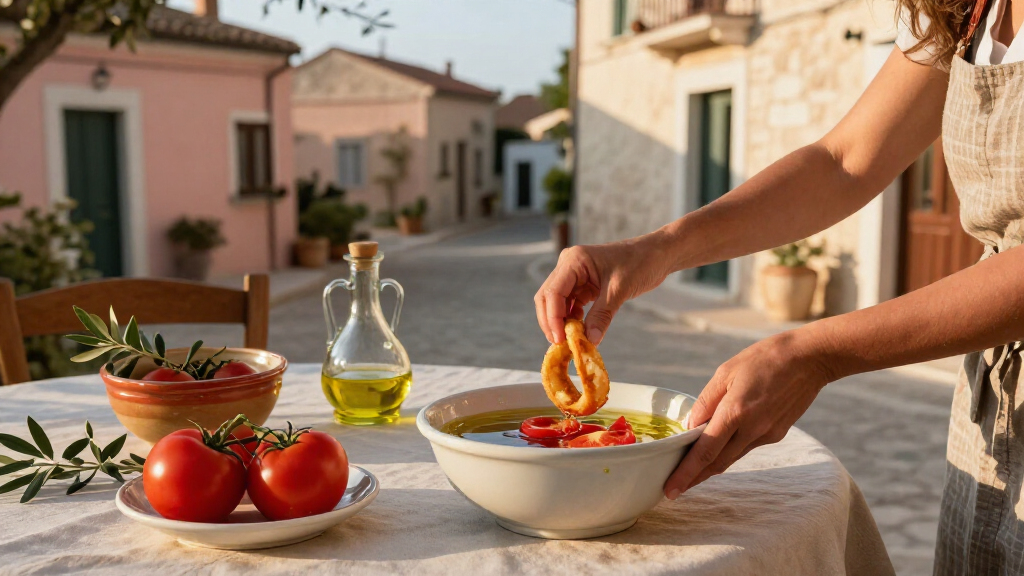
To soften a frisella, briefly wet it with cool water, let the excess drain, and top it soon after. The goal is a softened surface and a center with some firmness, not a bread ring soaked through. Start with just a few seconds; you can add moisture, but you can’t take it back. This balance matters because the ring needs enough softness to eat comfortably and enough strength to support juicy toppings without collapsing.
- Hold the frisella under cool running water for a moment, or dip it briefly in a shallow bowl.
- Let excess water drain over the sink. Turn the ring once if one side feels much wetter.
- Press a fingertip gently against the surface. It should yield slightly while the center still feels firm.
- Add your topping promptly, especially if you’re using crushed tomato or another juicy ingredient.
The timing depends on thickness and your preferred texture. For a crisp result, wet the surface quickly and serve at once; the center will provide more support, but the bite will be firmer. If you want a softer bite, give the ring a little more contact with the water, then wait briefly before topping so you can judge whether it needs another touch. More water makes the bread easier to bite, but leaves less room for the topping’s own juices before the texture turns heavy.
Imagine a July lunch in Lecce: you’ve sliced ripe tomatoes, and the kitchen is warm. A fast rinse gives the frisella enough softness to catch the tomato juices while leaving a sturdy center. If you soak it for too long and then leave it on the counter, the ring keeps absorbing liquid and can turn heavy. Moisten only what you plan to eat now; that way, every ring reaches the table at the texture you chose instead of continuing to soften while you prepare the rest.
Build the Classic Tomato Topping in Five Simple Moves
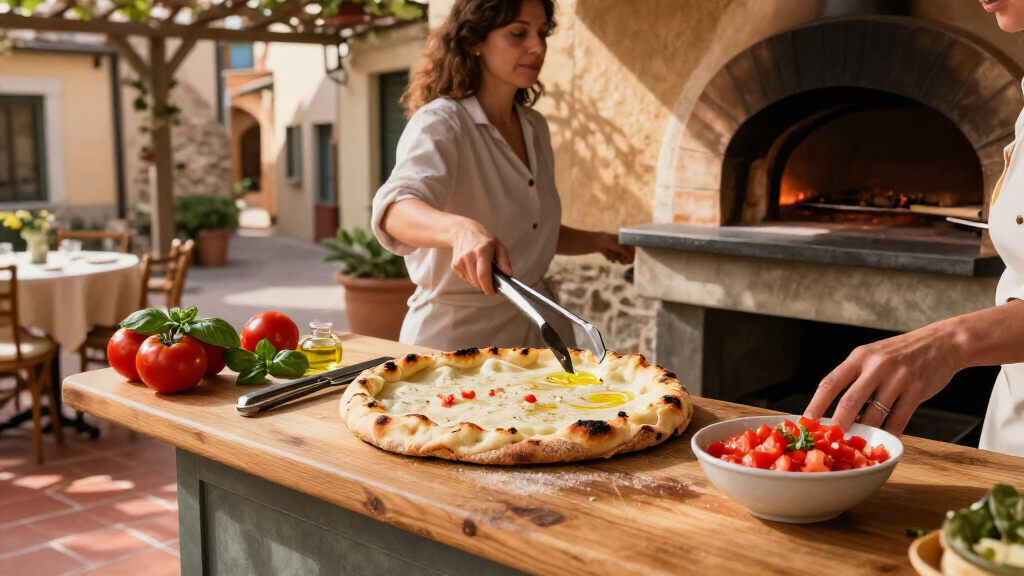
Frisella al pomodoro—frisella with tomato—is the classic way to serve a softened ring. Use ripe tomatoes, good olive oil, salt, and oregano if you like; the tomato supplies both flavor and extra moisture. The topping should look glossy and fresh, with enough juice to reach the bread without flooding it. Getting that amount right matters: tomato juice helps soften dry bread, but too much can erase the contrast between tender surface and firm center.
- Choose ripe tomatoes. A soft, fragrant tomato gives more juice than a firm one from the refrigerator.
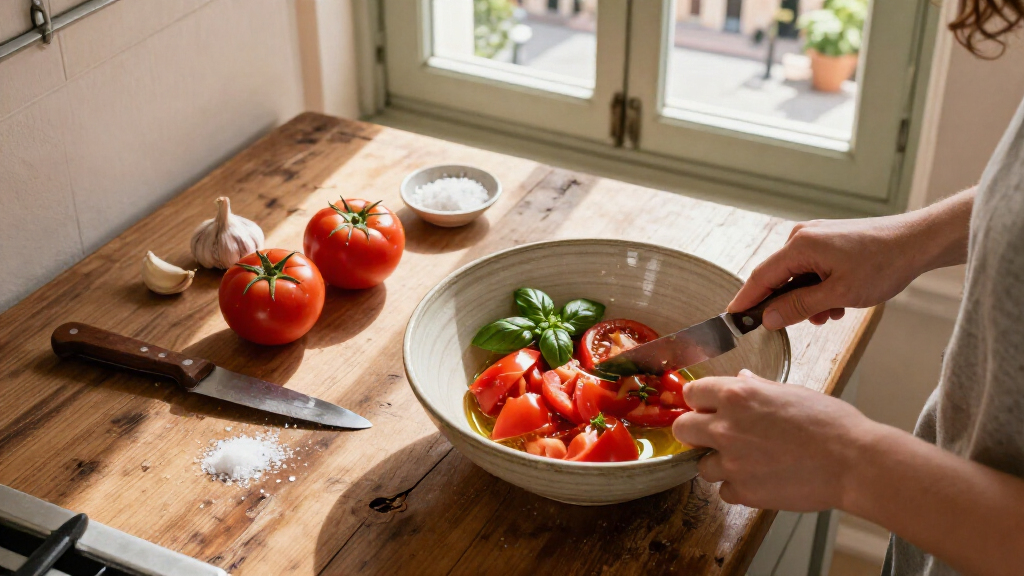
- Cut one in half and rub it over the frisella, or crush chopped tomatoes in a bowl and spoon them on.
- Add a pinch of salt and let the tomato sit briefly so its juice gathers.
- Drizzle with olive oil and add dried oregano or torn basil.
- Serve right away, while the topping is fresh and the middle of the ring still has bite.
On a sunlit table in Bari, you might set out several friselle beside a bowl of chopped tomatoes and let everyone top their own. That keeps the rings from sitting under tomato juice while people chat. It also gives each person control over how juicy their serving becomes. If one ring feels too dry after the first bite, spoon on another little bit of tomato rather than soaking it again; that adds flavor and moisture in smaller, easier-to-control amounts.
Olive oil connects this simple snack to Puglia’s olive-growing landscape. Choose an oil you enjoy tasting on its own; its peppery or grassy notes will stand out against sweet tomato and dry bread. A more assertive oil can make a few basic ingredients feel complete, while a milder one lets the tomato lead. The exact oil depends on your palate and the bottle you have. There is no need to turn a straightforward snack into a long ingredient hunt.
Choose the Right Soak for the Texture You Like
The best soak depends on whether you want a crisp, sturdy bite or a softer ring that gives way easily. A quick pass under water suits people who like crunch at the center; a slightly longer dip suits a thicker frisella or someone who prefers a gentler bite. In both cases, let excess water drain and add toppings soon. This is a matter of balancing two useful qualities: a firmer ring better supports juicy ingredients, while a softer one is easier to bite but has less room to absorb extra liquid.
| What you want | How to moisten it | What to expect |
|---|---|---|
| Mostly crisp | Quickly wet the surface | A firm center that holds a light topping |
| Balanced | Dip briefly, then drain | A tender outside and a pleasantly firm middle |
| Soft | Give it more contact with water, checking as you go | A more yielding bite that needs topping and serving promptly |
Thickness changes the result. If you buy friselle from a bakery on a trip to Salento and bring home a wide, dense ring, it may need a little longer than a thin supermarket version. Test one before preparing a platter for guests. Once you know how that batch responds, you can repeat the same method with more confidence. This small test prevents a common mismatch: using the same quick rinse on every ring can leave a thick one tough at the center or a thin one too soft.
Tomatoes change the texture, too. Crushed tomato releases juice that keeps softening the bread after it reaches the table. For a firm center, use a modest spoonful and pass extra tomato at the table; for a softer result, let the topped ring rest only briefly before serving. Treat the water and tomato as two parts of one soak, and you’ll have better control over the finished bite. The more water you add at the sink, the less topping juice the ring can take on before it becomes heavy.

Try These Toppings When Tomatoes Aren’t at Their Best
Friselle work with more than tomatoes: try grilled vegetables, beans, tuna, or seasonal produce on a lightly softened ring. The dry bread welcomes a topping with some moisture, while its firm center gives you a useful base for savory ingredients. In winter, when a fragrant local tomato is harder to find, a spoonful of beans can make a more satisfying topping. The best choices balance moisture, weight, and salt: a dry topping may leave the bread hard to eat, while a very wet or heavy one can overwhelm it.
- Grilled vegetables: Try zucchini or eggplant with olive oil and herbs. Add a little of the vegetables’ cooking juices if the bread feels dry.
- Beans: Spoon on cannellini beans dressed with olive oil, salt, and chopped herbs for a filling pantry lunch.
- Tuna: Pair drained tuna with tomato, onion, or olives. Check the label for fish, a common allergen.
- Cucumber and onion: These add cool crunch and sharpness; salt them lightly and let them sit for a few minutes to release a little juice.
- Capers and olives: Add a small amount for briny flavor, then taste before adding more salt.
Picture a quick lunch after a walk along the coast near Otranto. You have a jar of white beans, a few olives, and a cucumber in the kitchen. Briefly soften a frisella, spoon on the beans, and finish it with cucumber, olives, and oil. The ring turns a handful of simple ingredients into something you can eat with a knife and fork. The beans make the meal more filling, while the cucumber gives a fresher contrast to their soft texture.
Think about moisture and salt before you assemble the topping. Beans and grilled vegetables may need a drizzle of oil or a squeeze of tomato to keep the bread from feeling dry. Capers, olives, and tuna can bring plenty of salt on their own. Taste a small portion before seasoning the whole plate. A topping that is balanced on its own can seem overly salty once concentrated on a small ring, and adding ingredients in stages makes it easier to correct the texture and flavor.
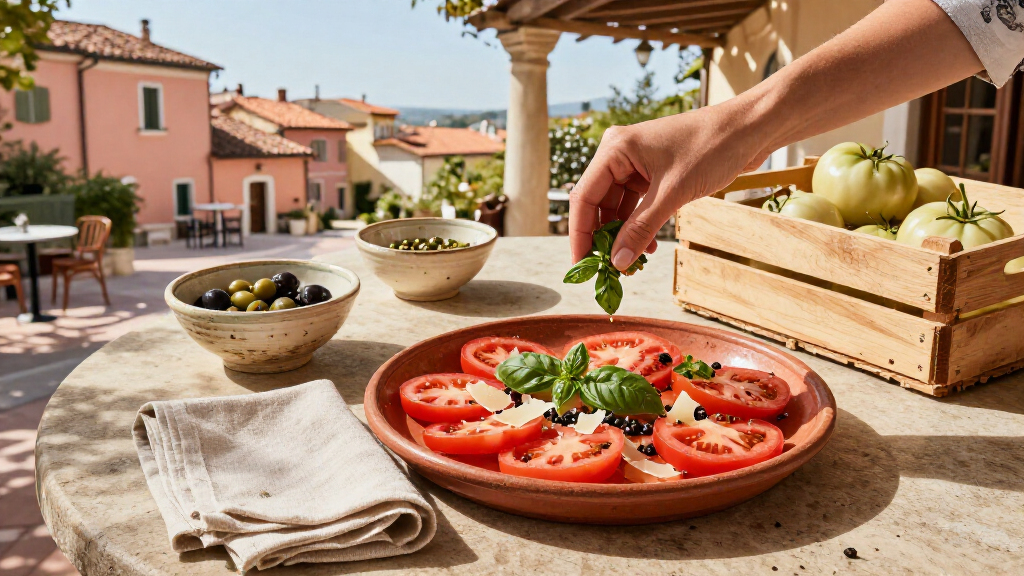
Tell Friselle Apart from Bruschetta and Taralli
Friselle differ from both bruschetta and taralli in how they’re made and eaten. Friselle are bread rings baked twice and usually moistened before topping; bruschetta starts with fresh bread that you toast; taralli are smaller, crunchy rings that are usually eaten crisp. Their shared shape or southern Italian setting can make them look related at a glance, but their different textures reflect different purposes: friselle are a storable bread base, bruschetta is toasted fresh bread, and taralli are a snack.
| Food | How it’s prepared | How you eat it |
|---|---|---|
| Friselle | Bread shaped into rings, split, then baked again until dry | Briefly moisten and top, often with tomato |
| Bruschetta | Fresh bread toasted, often rubbed with garlic | Serve toasted with toppings |
| Taralli | Small rings made from dough, commonly with oil or flavorings | Eat dry and crunchy as a snack |
That distinction matters when you’re planning a snack. If a recipe tells you to rub tomato over a piece of toasted bread, you may get a delicious bruschetta, but its texture will not match a softened frisella. Bruschetta is tender inside and crisp at the toasted surface; a frisella’s texture depends on how much water it takes up. Likewise, a bag of taralli is not a substitute for friselle when you want a tomato-topped base: taralli keep their crunchy snack texture rather than welcoming water like dried bread.
For a relaxed aperitivo, you can serve all three if you want different textures on the table. Just keep the labels clear for guests: taralli often contain wheat and can contain other ingredients such as fennel or wine, depending on the recipe. Friselle commonly contain wheat as well. Check packaging when you need to manage allergens, and don’t assume every bakery’s recipe is identical.
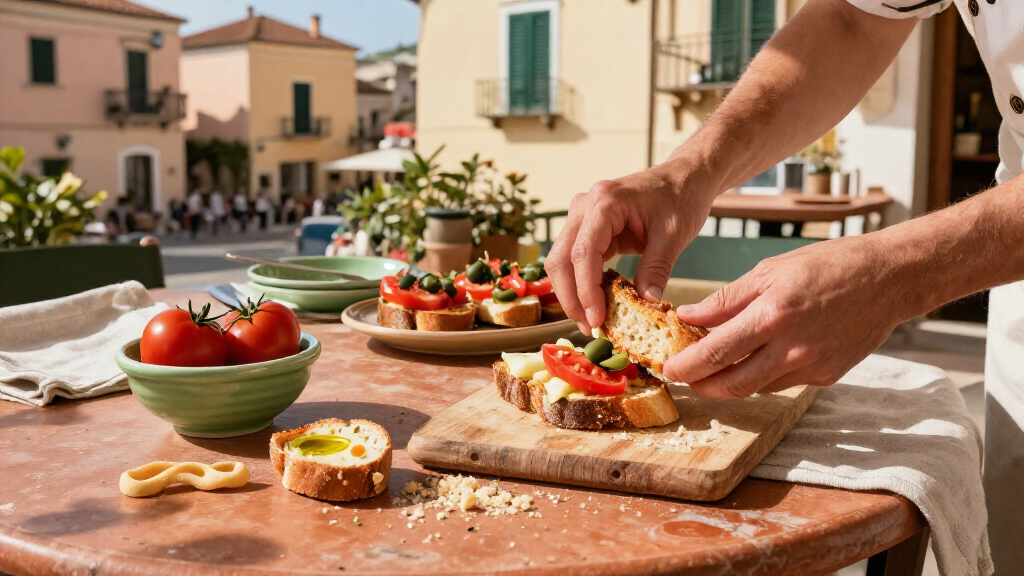
Store Friselle Dry and Moisten Them Just Before Serving
Store friselle in a dry, airtight container away from humidity, and moisten them shortly before you eat. Their long-lasting quality comes from being thoroughly dried; exposure to moisture can soften them before you want to serve them. Check the package for a best-by date and follow the bakery’s advice for that batch. Dry storage preserves the crisp starting point that lets you choose the final texture yourself; once moisture gets into the ring, you cannot restore that same control simply by adding a topping.
If you bring a bag back from a bakery in Puglia, let the rings cool fully if they’re still warm before sealing them in a container. A clean cupboard away from a steamy stove works better than a shelf over the kettle. In a humid kitchen, an airtight container helps protect the crisp texture. If the rings become soft from damp air, they won’t offer the same firm starting point for a tomato topping, because some of their absorbent capacity has already been used.
Once you wet a frisella, serve it soon. The bread keeps taking up liquid from both the rinse and the topping, so a ring that feels just right at the sink may feel soggy after sitting under crushed tomato for half an hour. If you’re feeding a group, set out the dry rings, tomato, oil, and toppings separately, then let each person prepare one as they eat. That keeps the bread’s texture tied to the moment of serving instead of to how long the platter has been sitting out.
Dry storage and prompt serving are the simple rules: keep the bread crisp while it waits, then let the water and topping do their work at the table. Friselle are not a perishable ready-to-eat topping by themselves, but any fresh tomato mixture or other topping needs ordinary safe handling. Refrigerate perishable ingredients promptly and don’t leave them sitting out for extended periods.
Frequently Asked Questions
Do you have to soak friselle before eating them?
Usually, yes. Friselle are baked twice and dried, so a brief pass under cool water softens the surface for eating. Start with a quick wetting, drain the excess, and add more moisture only if you want a softer bite.
Are friselle the same as bruschetta?
No. Bruschetta usually starts with fresh bread that you toast; friselle are dried bread rings baked twice and then moistened before you top them. Both can carry tomatoes and olive oil, but they have different textures and preparation.
Are friselle the same as taralli?
No. Friselle are twice-baked bread meant to soften with water, while taralli are small crunchy rings generally eaten as they are. Both are associated with southern Italy, but one works as a bread base and the other as a crisp snack.
What flour goes into traditional Puglian friselle?
Durum wheat is strongly associated with Puglian friselle, though recipes vary by bakery and town. Some bakers use durum alone, while others include soft wheat or whole-grain flour. Check the ingredient list if you have a dietary need.
Can you moisten friselle ahead of time?
It’s best to moisten them shortly before serving because they continue to absorb water and juices from their toppings. If you’re serving a group, keep the rings dry and put the toppings on the table so people can prepare each one fresh.
How should you store friselle?
Keep them dry in an airtight container away from humidity, steam, and the sink. Their low moisture helps preserve their crisp texture. Follow the package or bakery’s storage guidance and best-by date.
Are friselle vegan, and do they contain common allergens?
Many traditional recipes use flour, water, yeast, and salt, but ingredients vary by bakery and brand. Friselle generally contain wheat, a common allergen; read the label for other ingredients and cross-contact information. Toppings such as tuna add fish, another common allergen.
Conclusion
Remember the frisella’s simple rule: keep it dry in the pantry, then wake it with just enough water to soften the surface. Add ripe tomato, olive oil, salt, and oregano, and you have a Puglian snack built from a few ordinary ingredients and a clever old baking method.
Next time you open a bag, test one ring before preparing the rest. Let it keep a little crunch in the middle, then let the tomato shine like a small patch of summer on your plate.