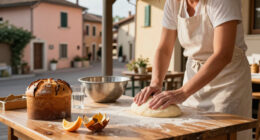
TL;DR
Frico is a traditional dish from Friuli in northeastern Italy; the soft potato-and-cheese pancake is called frico morbido, while frico friabile is a crisp cheese wafer. For a well-shaped pancake with a browned crust and tender middle, cook thin potatoes until soft, add grated Montasio, then brown the mixture slowly on both sides before serving hot with polenta or salad.
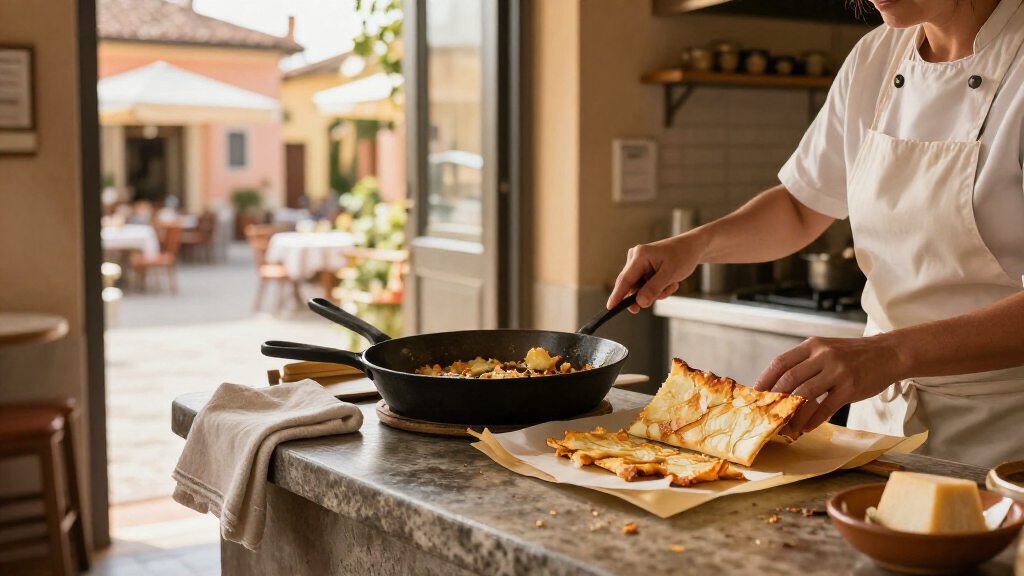
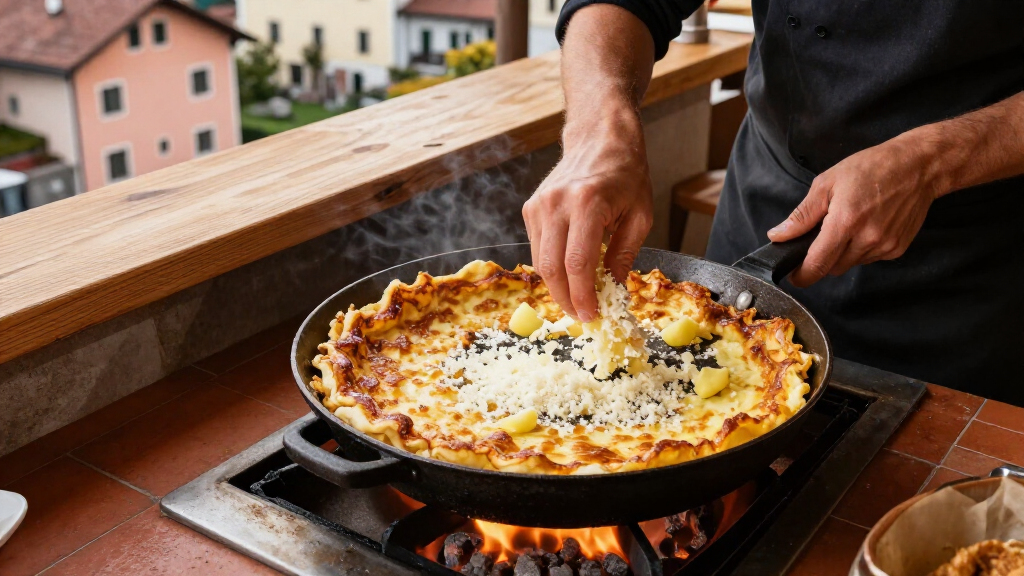
A skillet of frico starts with a quiet sizzle, then turns into a golden, crisp-edged pancake with a soft middle that tastes of potatoes and melted cheese. This is traditional cooking from Friuli, in northeastern Italy, where a few everyday ingredients become a generous meal through patience and a well-browned crust.

Get kitchen staples and gadgets delivered free with Prime
- Fast, free delivery on millions of items
- Prime Video, Amazon Music and more included
- Member-only deals all year
The name can trip you up. Frico morbido means the softer, filling cheese-and-potato preparation; frico friabile is a crisp wafer made mainly from cheese. Here, you’ll learn how to make the pancake, choose Montasio or a practical substitute, and flip it without scattering potatoes across the stove.
You’ll also see why recipes differ from one household to another, what to serve alongside the rich center, and how to handle leftovers safely. If you have potatoes, a melting cheese, and a pan, you have the start of a Friulian supper.
The cheese-and-potato pancake is frico morbido; frico friabile is the crisp cheese wafer.
Montasio is the classic cheese; younger Montasio melts smoothly, while aged Montasio tastes sharper.
Cook potatoes until tender, then brown the pancake over moderate heat for a crisp outside and soft center.
A plate slightly larger than the pan makes the flip easier; let the crust set before turning.
Serve frico hot with polenta, salad, or seasonal vegetables, and refrigerate leftovers promptly.
Frico: Friuli’s Crispy Cheese-and-Potato Pancake A golden crust, tender center
Frico morbido turns potatoes and cheese into a hearty regional dish. Slow cooking helps the outside brown while the middle stays soft.
Two dishes share the name
Know which frico you are ordering or making.
- Soft potato-and-cheese pancake
- Crisp outside, tender middle
- Thin cheese wafer
- Crisp throughout, often a snack or garnish
Choose cheese for the result
Montasio is the classic choice; its age changes the flavor and melt.
Younger Montasio
Melts smoothly for a gentle, creamy center where potatoes can stand out.
Aged Montasio
Brings sharper flavor. Season lightly because cheese can be salty.
Melting Alpine cheese
A semi-hard alternative can work, though the flavor and texture will differ.
Build the pancake patiently
Get the potatoes tender before focusing on the crust.
Slice thinly or grate, then cook with a little oil or butter until tender. Onion is a common addition.
Stir in grated or finely chopped cheese and taste before adding salt.
Shape a thick pancake and cook over moderate heat. Let the crust set, then use a plate slightly larger than the pan to help turn it.
Serve it as a meal
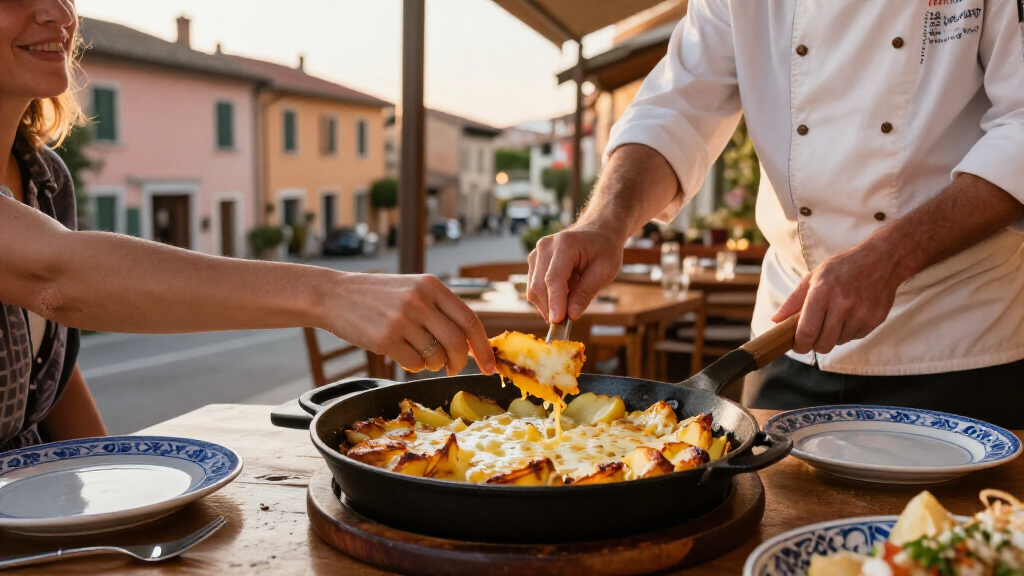
Frico is substantial and is best served hot.
What makes the potato-and-cheese frico so satisfying?
Frico is a traditional dish from Friuli, and the potato-and-cheese pancake is its soft style, called frico morbido (“soft frico”). Cooked potatoes bring a mild, familiar sweetness and enough body to make the dish filling; melted cheese binds them and adds savory depth. As the mixture cooks, the cheese touching the skillet browns while the potatoes inside stay moist. That contrast—crunch at the edge, softness within—is the point, and it depends as much on patient heat as on the ingredients.
Frico is associated especially with Carnia, a mountainous area of Friuli where local dairy traditions made cheese a natural part of the cooking. The dish’s practical character is part of its appeal: potatoes stretch cheese into a meal, while the cheese turns the potatoes into a cohesive pancake. The balance also explains why the crust matters. A pale underside has not set enough to hold together, while a dark, hurried crust can hide potatoes that are still firm inside.
The word can also mean frico friabile (“crumbly” or crisp frico), a thin cheese wafer that snaps when you bite it. It shares the importance of browned cheese with the pancake, but its texture and role are different: the wafer is crisp throughout, while frico morbido is meant to have a soft center. You may see the wafer served as a snack or perched on top of another dish. If a restaurant menu lists frico alongside polenta, check the description, since the name covers both preparations.
At home, a medium potato-and-cheese pancake makes a satisfying meal for two when served straight from the pan. It is rustic rather than rigidly standardized: household choices about potato shape, cheese age, and additions shift the texture and flavor without changing the basic idea. Thin slices preserve distinct layers; grated potatoes make a more unified, easier-to-cut pancake. Choosing between them lets you decide whether you want the potato to stand out in pieces or meld more closely with the cheese.
Products Worth Considering

Dyson V8 Cordless Vacuum

Ring Battery Doorbell (2nd Gen) and Floodlight Cam Plus Wired Bundle

TCL 55-Inch R7D Series QLED 4K UHD HDR Roku Smart TV (55R7D, 2026)
As an affiliate, we earn on qualifying purchases.
Why Montasio gives frico its Friulian character
Montasio is the classic cheese for frico: a cow’s-milk cheese produced in Friuli and neighboring areas, with flavor and melting qualities that change as it ages. Younger Montasio melts smoothly and gives the pancake a milder, creamier center. More aged Montasio contributes a sharper, more pronounced flavor and can bring extra savory depth. The choice affects more than taste: a gentle cheese lets the potatoes remain prominent, while a mature one makes each bite more assertively cheesy.
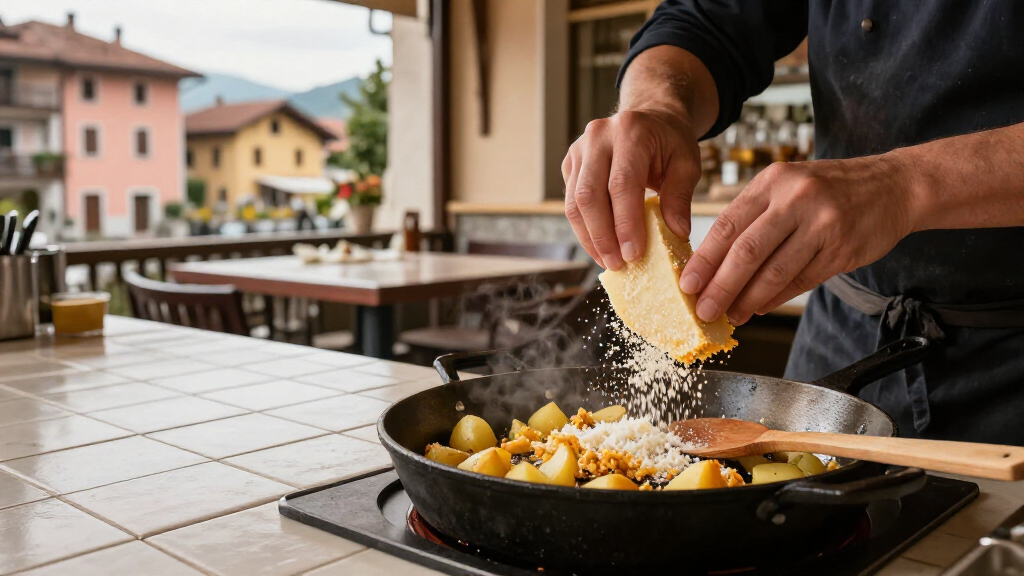
That age difference matters in the pan. If you want a soft, unified middle for a first attempt, choose a younger Montasio and grate it finely so it spreads through the potatoes. Fine grating distributes the cheese more evenly, helping the mixture bind without requiring a large amount in one spot. For a bolder taste, use a more mature cheese, or combine a sharper cheese with a milder melting one. A bite made with aged cheese can taste wonderfully nutty, though its saltiness means you should season the potatoes lightly and taste before adding more.
Can’t find Montasio? A suitable semi-hard Alpine-style cheese can work, but the result will no longer taste exactly like Friuli. Choose a cheese that melts and browns well; avoid relying entirely on a very fresh, watery cheese, which may release moisture instead of binding the pancake. That excess moisture can soften the crust and make the pancake harder to turn. A small test portion is useful if you’re unsure how a substitute behaves: it lets you judge whether the cheese browns cleanly or releases too much liquid before committing the whole pan.
On a grocery run, read the label and ask for the age if the cheese counter can tell you. If you’re serving frico with a crisp salad, a younger, gentle cheese keeps the meal balanced; if the pancake is the centerpiece with polenta, a more mature Montasio can stand up to the starch. The tradeoff is between a softer, milder center and a more pronounced cheese flavor. Choosing deliberately sets the dish’s character before the pan even warms.
How to build a crisp crust without a hard center
Cook the potatoes until tender before you focus on browning; moderate heat gives the inside time to soften while the cheese melts and forms a crust. Thinly sliced potatoes make a layered pancake, while grated potatoes create a more compact one. Both approaches appear in household recipes, so choose the texture you prefer. The key is to get the potatoes tender before pressing the mixture together: once cheese starts browning, there is less time to fix a firm center without overcooking the outside.
- Prepare the potatoes. Slice them thinly or grate them, then cook them in a pan with a little oil or butter. Onion is common; let it soften without letting it scorch. Thin, even pieces cook at a similar pace, so they are less likely to leave hard pockets in the finished pancake.
- Check for tenderness. A thin slice should yield easily to a fork. If the potatoes are still firm, the cheese may brown before the center cooks through. This check matters because color tells you what is happening at the surface, not whether the interior is ready.
- Add the cheese. Stir in grated or finely chopped Montasio and let it melt into the potatoes. Taste before adding salt because the cheese may already be salty. Even distribution helps the cheese hold the potato mixture together instead of leaving some bites loose and others overly rich.
- Shape and brown. Press the mixture into a thick pancake and cook it over moderate heat until a browned crust forms underneath. Moderate heat takes longer, but gives moisture time to escape and cheese time to set without burning the surface.
- Flip and finish. Slide the pancake onto a plate slightly larger than the pan, place the pan over it, then invert both together. Return the second side to the pan and brown it. The plate supports the whole pancake, reducing the chance that a soft middle will sag or split during the turn.
For example, if the underside smells nutty and releases from the pan when nudged, it is more likely to hold its shape during the flip. If it sticks or looks pale, give it more time. The goal is a crust that can support the soft center, not a rushed sear that leaves raw-tasting potato inside. Letting the first side set is a small delay that makes the flip easier and the finished texture more even.

What to do when your frico breaks, turns greasy, or browns too fast
A frico that falls apart usually needs more time to set: the potatoes may be undercooked, the cheese may not have bound the mixture, or the crust may still be too pale to support a flip. These causes point to different fixes. Undercooked potatoes need more cooking before the pancake is formed; a loose mixture needs the cheese distributed through it; a pale crust needs more time on the first side. Give it time to become deeply golden, and use a plate as a steady flipping aid. A broken pancake still tastes good; you can serve the pieces as a rustic hash.
If the outside darkens before the center softens, lower the heat. A fast, loud sizzle can be tempting, but frico rewards a quieter pace: high heat browns the cheese faster than it can cook the potato through, leaving a burnt surface and firm middle. Moderate heat helps the potatoes cook through and gives cheese time to brown without scorching. If the mixture looks oily, a very fatty cheese may be releasing more fat than the pan needs; carefully spoon off excess oil before shaping the pancake. Too much oil can make the crust feel heavy rather than crisp.
Thin slices suit you if you like distinct potato layers; grated potatoes suit you if you want a close-knit, easy-to-cut pancake. Either way, cook the potato fully before the final browning stage. A quick test with a fork is more useful than guessing by color alone, because the surface can brown while thicker pieces remain firm.
For a first try, make a smaller pancake rather than filling the entire skillet. A smaller frico is easier to turn, and you’ll learn how your stove and cheese behave before cooking for guests. It also gives you more control over the cooking time: if the underside releases cleanly, you can turn it with confidence; if it does not, you can give it another minute without risking a large pancake breaking apart.
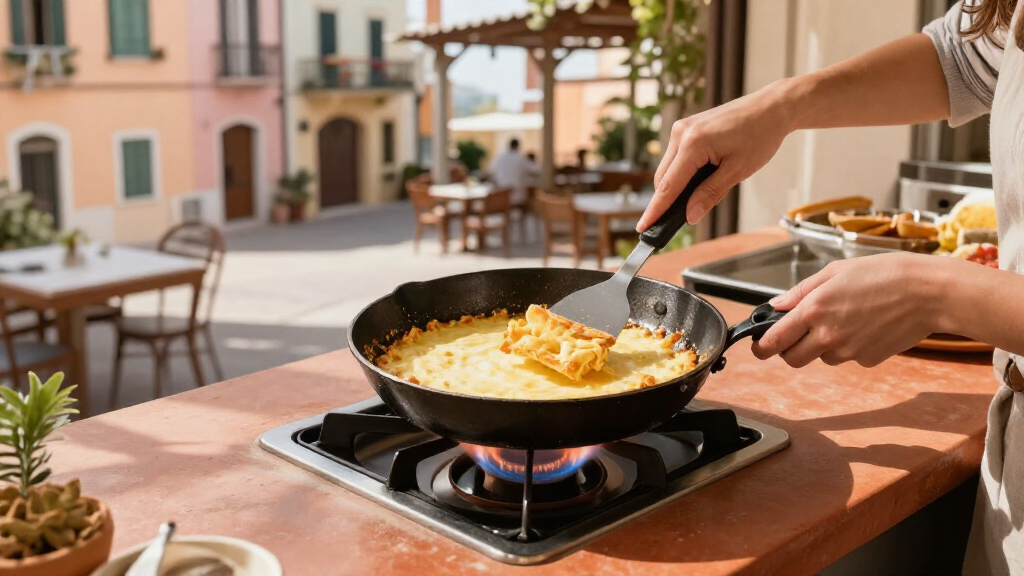
How to serve frico as a full Friulian-style meal
Serve frico hot, with a simple side that balances its richness. Polenta is a traditional companion: its soft, mild corn flavor makes a steady base for crisp-edged cheese and potatoes. A green salad or lightly dressed seasonal vegetables add freshness and contrast, especially when the pancake is the main course. These pairings work for different reasons: polenta echoes the dish’s soft, hearty side, while greens bring acidity and bitterness that refresh the palate after rich cheese.
Imagine a cold evening after a walk in Carnia: a slice of frico, a spoonful of warm polenta, and bitter greens dressed with vinegar. The polenta catches the soft center, while the greens cut through the cheese’s richness. You don’t need a crowded plate; frico is substantial on its own. Serving a modest portion with a contrasting side makes the meal feel complete without piling more richness onto an already filling dish.
Household recipes vary. Onion is common, and some cooks add pancetta or another ingredient, but those are variations rather than requirements. For a vegetarian table, make the basic potato-and-cheese version and check the cheese’s ingredients and production details if vegetarian suitability matters to you. Pancetta adds smoky salt, so taste before seasoning; it also makes the dish heavier, which may change whether you want polenta or a lighter vegetable side.
The basic preparation contains no wheat flour, but check the recipe and product labels if you need a gluten-free meal. Cross-contact can happen in shared kitchens, and additions may change the answer. Keep the serving practical: cook only what you expect to eat while the crust is crisp, and plan a salad or vegetables to round out the plate.
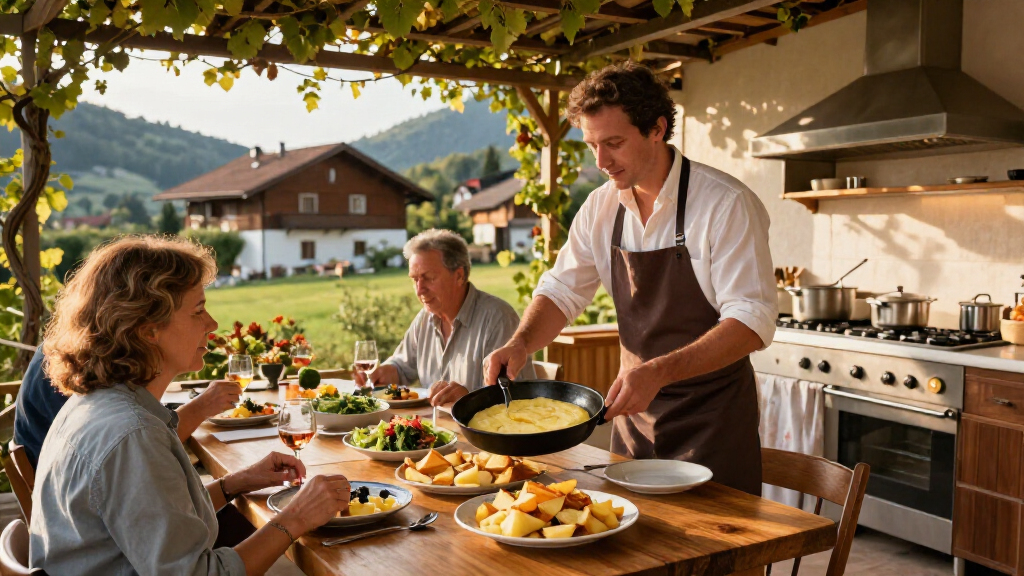
How to store and reheat frico without losing its appeal
Frico tastes best right from the pan, when the outside is crisp and the center is still soft. If you have leftovers, refrigerate them promptly in a covered container rather than leaving the cheese-and-potato mixture at room temperature for hours. For food safety, keep your refrigerator at 40°F (4°C) or colder, and reheat leftovers to 165°F (74°C). Prompt chilling matters because the dish contains cooked potatoes and cheese, and the crisp texture is not worth leaving a leftover out for an extended period.
A skillet gives you the best chance of bringing back some crispness. Warm a slice over moderate-low heat, turning it once, until the center is hot. Gentle heat gives the inside time to warm before the cheese on the outside scorches. The crust may not return to its first-pan snap, but it should be more satisfying than a microwave-softened piece. If you use a microwave for convenience, finish the slice briefly in a hot skillet to dry and brown the surface.
For instance, if you cook frico for a small dinner and have one wedge left, chill it in a shallow container once it has stopped steaming heavily, then reheat it for lunch the next day. Don’t leave it out overnight. The cheese can become firm in the refrigerator, so gentle reheating helps the middle soften without burning the bottom. A shallow container also helps the wedge cool more evenly.
Frico is not an ideal make-ahead dish if you want its signature texture. You can prepare the potatoes ahead and refrigerate them, then combine them with cheese and brown the pancake shortly before serving. This divides the work while keeping the final browning close to mealtime: the crust stays fresher, and the center remains tender. If convenience matters more than the crisp edge, leftovers can still be reheated, but they will have a softer texture than freshly cooked frico.
Frequently Asked Questions
Is frico the same as a cheese crisp?
Not always. Frico friabile is the crisp cheese wafer, while frico morbido is the softer potato-and-cheese pancake. Check the menu description or recipe to see which version it means.
What cheese should I use for traditional frico?
Montasio is the classic choice, and its age changes the result. Younger Montasio melts smoothly; aged Montasio brings a sharper flavor. A suitable semi-hard Alpine-style cheese can substitute if Montasio isn’t available.
Should I grate or slice the potatoes?
Both methods work. Thin slices make a more layered pancake, while grated potatoes produce a more unified shape. Cook either cut until tender before you rely on the cheese to bind the frico.
Why does my frico fall apart when I flip it?
The potatoes may need more cooking, the cheese may not have melted through, or the first crust may not have set. Let the underside brown and release from the pan, then use a plate slightly larger than the pan to turn it.
What should I serve with frico?
Polenta is a traditional companion, and a green salad or lightly dressed seasonal vegetables balance the rich cheese. For a simple supper, serve a wedge of frico with warm polenta and bitter greens.
Can I make frico ahead or reheat leftovers?
Frico is best straight from the pan, but you can refrigerate leftovers promptly in a covered container and reheat them in a skillet. Keep the refrigerator at 40°F (4°C) or colder, and reheat leftovers to 165°F (74°C).
Conclusion
For your first frico, choose thinly sliced potatoes and younger Montasio, then give the pancake time to brown before you flip it. That simple approach brings the Friulian contrast into your own kitchen: a crisp, savory shell around potatoes that stay soft inside.
Serve it while the crust still crackles against the fork, with polenta or a sharp green salad. One skillet, a few local ingredients, and patience—that’s the taste of Friuli at your table.