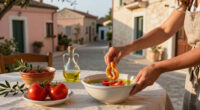
TL;DR
Ortigia’s morning market sits near the Temple of Apollo and gives you a close-up look at Syracuse’s seasonal produce, seafood, cheeses, olives, and everyday food culture. Go in the morning, ask vendors what is fresh and how locals use it, then walk toward Piazza Duomo or the waterfront; check current market days and hours before you set out.
In Ortigia, a handful of street turns can take you from fish laid on ice to the worn stones of a Greek temple. The morning market gathers everyday Syracuse around food: vendors call across the aisles, citrus and herbs brighten the air, and the day’s seafood reflects a city that still faces the sea.

Get kitchen staples and gadgets delivered free with Prime
- Fast, free delivery on millions of items
- Prime Video, Amazon Music and more included
- Member-only deals all year
This walk is a way to taste Sicily with your eyes open. You’ll learn where the market sits, what to look for without expecting every stall to carry the same things, how to ask useful questions, and how to continue through old Syracuse toward Piazza Duomo or the waterfront. Plan for an unhurried morning, comfortable shoes, and curiosity; verify opening days and hours locally before you go.
Start near Via Emmanuele de Benedictis and the Temple of Apollo, then walk toward Piazza Duomo or the waterfront.
Visit in the morning and verify current market days and hours before setting out.
Ask vendors what is fresh and how locals use it; seasonal availability varies by seller.
Bring comfortable shoes, a reusable bag, and small cash, and ask before sampling or taking photos.
Tell sellers about allergies and watch for nuts, dairy, fish, and shellfish.
Ortigia’s Morning Market A Food Walk Through Old Syracuse
Explore seasonal Sicilian food near the Temple of Apollo, then continue through Ortigia toward Piazza Duomo or the waterfront.
Start with the market and its setting
Begin near Via Emmanuele de Benedictis and let the morning’s stalls set the pace.
Seasonal produce, seafood, cheeses, olives, spices, and nuts vary by seller and day.
Ask vendors what is fresh and how locals use it. Ask before sampling or taking photos.
Pause by the Temple of Apollo, then walk toward Piazza Duomo or the waterfront.
Follow the season, not a shopping list
Treat specific ingredients as discoveries: availability changes with season and seller.
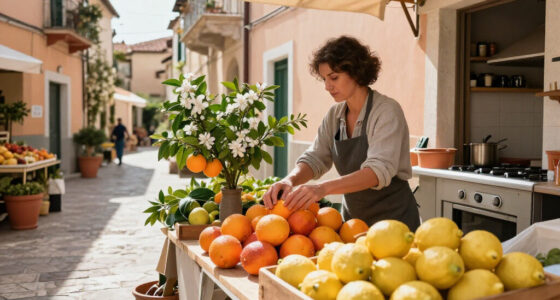
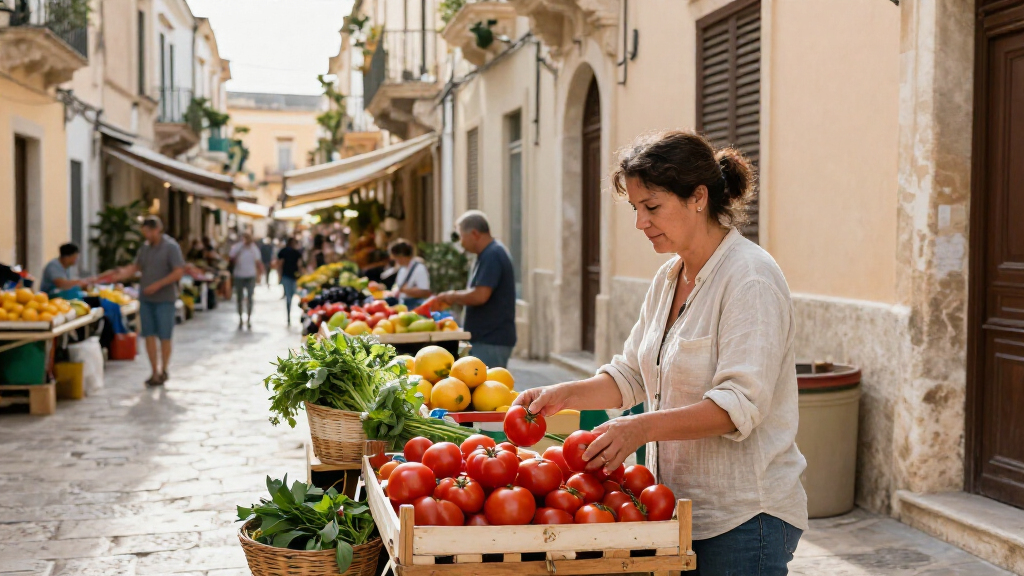
Citrus and tomatoes
Look for seasonal fruit and vegetables, and ask where they come from.
Capers and olives
Ask how capers are packed and prepared, or how locals serve the olives.
Fish on ice
The display reflects the day’s supply; ask what arrived recently.
Almonds and pistachios
Ask how these ingredients appear in local sweets and cooking.
Make the walk comfortable
A little preparation leaves more room to browse and notice the neighborhood.
- Go in the morning, and verify current market days and hours locally.
- Bring comfortable shoes, a reusable bag, and small cash.
- Tell sellers about allergies; watch for nuts, dairy, fish, and shellfish.
- Ask before sampling, photographing, or touching products.
- If buying seafood, plan for safe transport and refrigeration before continuing your walk.
Start near the Temple of Apollo and let the market set the pace
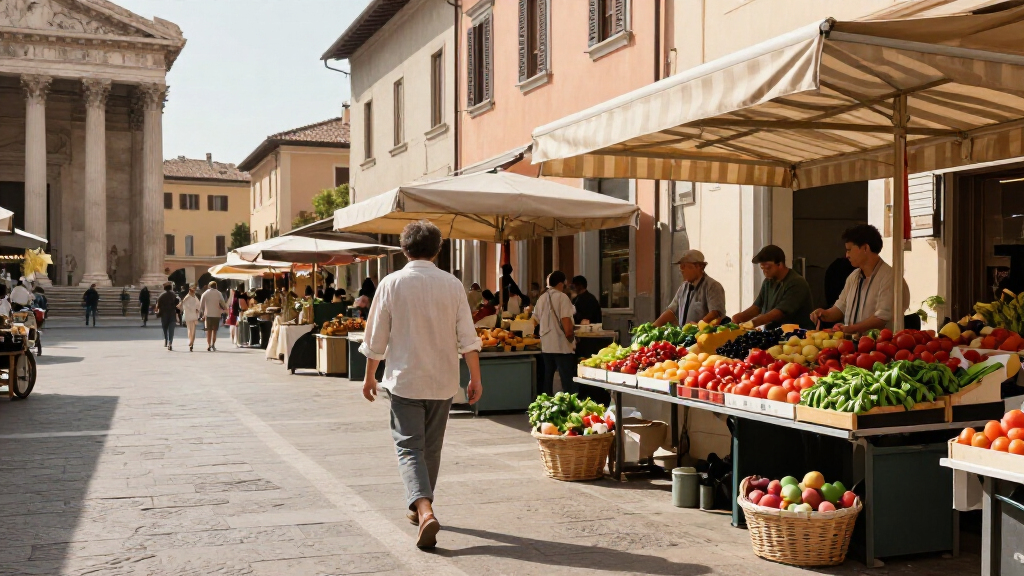
Ortigia’s morning market is near Via Emmanuele de Benedictis and the Temple of Apollo, on the historic island at the heart of Syracuse. That location makes the market easy to pair with a walk through the old streets: you can begin among produce and seafood, then continue toward Piazza Duomo or the waterfront without treating the market as a separate excursion.
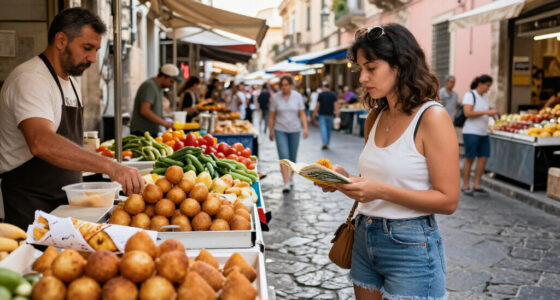
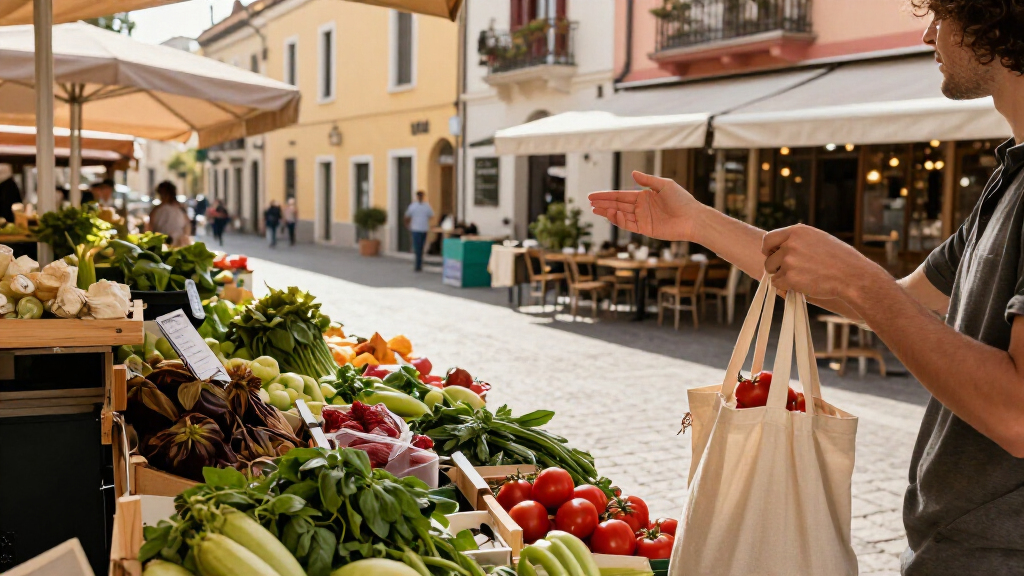
Walk in slowly. A market aisle is less like a shop with a fixed menu and more like a harbor: what arrives, what sells, and what catches your eye shape the visit. One morning you may spot glossy tomatoes and citrus; another, a particular fish on crushed ice or piles of olives and nuts. Availability depends on season and seller, so treat each find as a discovery rather than a promise. That variability is useful: it shows which foods are in circulation now, while reminding you that a travel list cannot predict the day’s supply.
Follow the sounds as well as the signs. Vendors calling out, shoppers comparing produce, and the clatter of a knife against a counter give you a feel for local routines. If you are planning a food walk, arrive in the morning, when the market is traditionally liveliest, but check current schedules first. Individual stalls and market hours can vary by day and season. Earlier hours may offer a busier scene and more choice; arriving later can mean a calmer browse, but some products may have sold out.
Give yourself room to pause. At the Temple of Apollo, the old stone makes a striking counterpoint to the bright piles of food nearby. A short stop there can turn a quick shopping trip into a route through Syracuse’s long history, with breakfast or coffee afterward when you find a place that suits your pace. The nearby landmarks make this an easy walk to adapt: if the market is crowded, you can step into the surrounding streets and return, rather than having to abandon the outing.
Products Worth Considering

TCL 55-Inch R7D Series QLED 4K UHD HDR Roku Smart TV (55R7D, 2026)

Bose Smart Dolby Atmos Soundbar with Alexa, A.I. Dialogue Mode, and Bluetooth, Black

Dyson V9 Motorbar Cordless Vacuum
As an affiliate, we earn on qualifying purchases.
Choose seasonal Sicilian ingredients by asking one good question
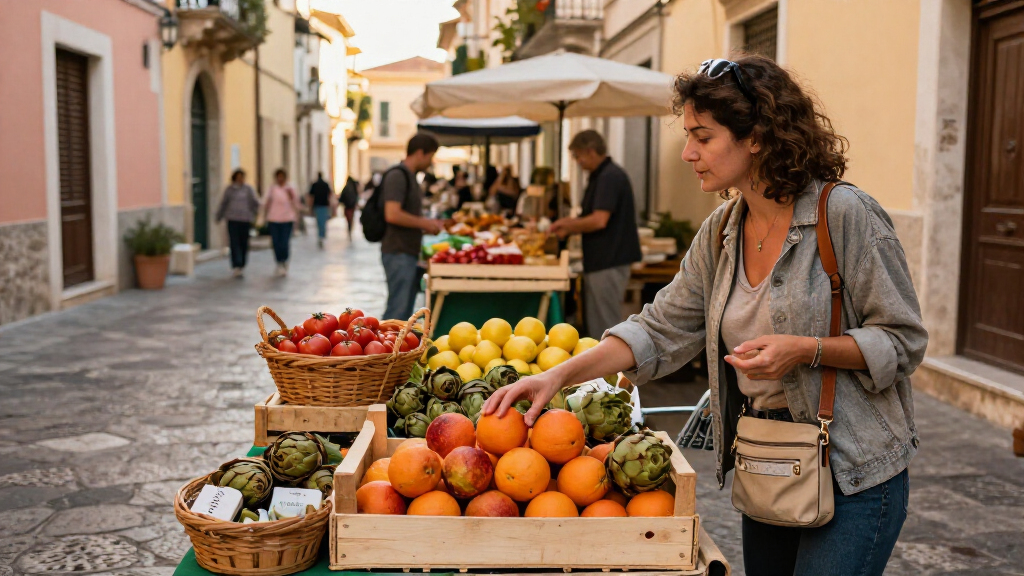
At Ortigia’s market, the most useful way to choose what to taste is to ask a vendor what is fresh today and how a local cook would use it. Stalls may carry seasonal produce, seafood, cheeses, olives, spices, and nuts, but the selection changes with the season and the seller. Your best find may be a simple ingredient with a clear answer behind it. That answer helps you distinguish a product that is merely familiar from one that makes sense for this place and season.
Look for citrus, tomatoes, almonds, pistachios, capers, and olives when they appear, and ask where they come from or how people serve them. Sicilian ingredients often travel a short distance between field, stall, and kitchen, but a market visit is not a guarantee of a particular variety or certification. If a product carries a DOP or IGP label, ask what the designation covers rather than assuming every local item has one. Labels can tell you about defined origin or production rules; a vendor’s explanation can add the practical detail of how the food is eaten. Neither alone tells the whole story of the ingredient.
For instance, if you see a bowl of capers, ask whether they are packed in salt or brine and how to rinse them before cooking. Salt-packed capers may need more rinsing, while brined ones bring their own liquid and level of saltiness; that difference affects how you season a dish. If a vendor points you toward almonds, you might later look for them in a pastry or a local sweet. These questions turn browsing into a small cooking lesson, and they work even if you buy nothing. If you do buy, the advice can help you choose an amount and use it before it spoils.
Some sellers may offer samples, but tasting is not guaranteed. Ask before reaching for anything, and be ready to buy a small portion if you enjoy it. A sample of cheese or olive can tell you more about salt, texture, and ripeness than a label ever will, but asking first respects the seller’s time and avoids assuming that every product is available to taste.
Read the seafood counter as a snapshot of Syracuse’s coast
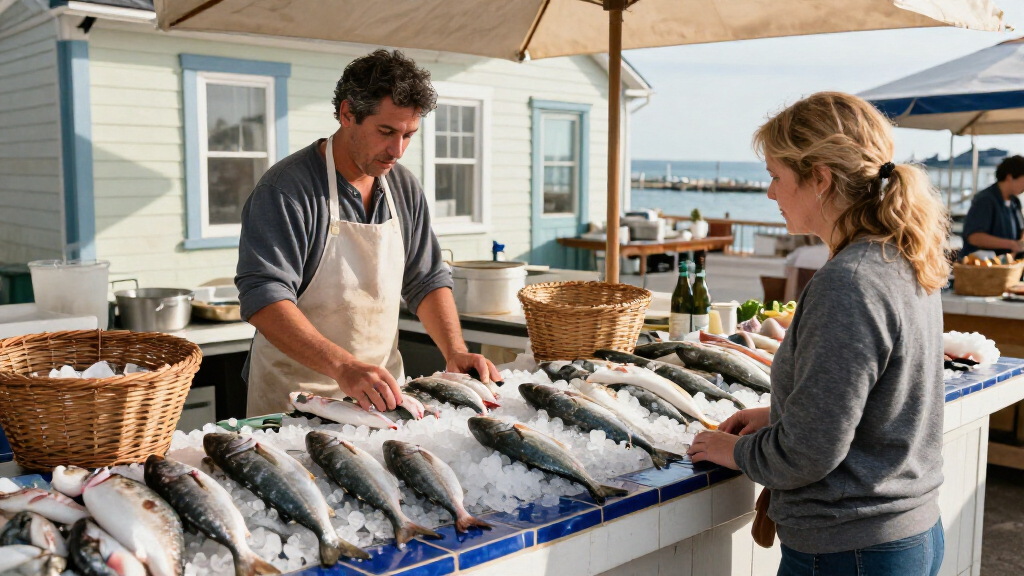
The seafood stalls give you a direct glimpse of Syracuse’s coastal food culture, but the day’s catch changes with season and supply. Fish and shellfish are central to local cooking, so you may see seafood displayed on ice; what appears on any given morning depends on what sellers have available. Ask what arrived recently and how a nearby kitchen might prepare it. The answer can explain more than the species: it may point to how the fish’s size, texture, or season affects the way people cook it.
Think of the counter as a daily weather report from the sea. A vendor’s answer about what is fresh can help you choose lunch nearby, even if you are not carrying fish back to a kitchen. If one day’s display looks different from a travel article or a photo you saw, that variation is part of the point: markets respond to real supply, rather than following a fixed checklist. It also means a particular fish is not guaranteed just because it is associated with Sicily; asking what is available that day leads to a more realistic meal choice.
Keep the practical side in view. If you buy seafood to cook, carry it directly to appropriate refrigeration and follow safe handling guidance; keep raw seafood separate from ready-to-eat food, and cook it thoroughly. That makes a purchase less convenient than choosing a shelf-stable item, especially if you still plan to walk around, so consider your transport and storage before buying. If you are only browsing, step aside so shoppers can reach the counter, and avoid touching products unless the seller invites you to do so.
A good food walk might end with a seafood lunch rather than a purchase. Ask at a nearby restaurant what is on the menu that day, and connect the dish to what you saw on ice that morning. You will understand the plate more clearly when you have watched its ingredients pass through the market’s hands. The market offers a glimpse of supply; the restaurant shows one way that supply becomes a meal.
Use this simple route to turn a market visit into a food walk
A satisfying Ortigia food walk needs only a few stops: browse the market, taste or buy one seasonal item, pause near the Temple of Apollo, then continue toward Piazza Duomo or the waterfront. Allow a couple of hours if you like to linger, since conversation, coffee, and a detour down a narrow lane can stretch a short visit into a full morning. Keeping the route simple leaves room for the market itself to shape the day, though buying perishable food means you should think about when you can eat or store it.
- Begin at the market. Walk through the stalls near Via Emmanuele de Benedictis and take in the produce and seafood before deciding what to buy. Looking first gives you a sense of the day’s selection and lets you compare before spending.
- Choose one taste. Ask what is fresh, whether samples are available, and how the ingredient is used locally. A small purchase makes a useful snack or a cooking idea to take home. If you plan to keep walking, choose something easy to carry and eat, or save seafood and other perishables for the end.
- Pause at the Temple of Apollo. Let the ancient stone and the busy food stalls share the same moment in your morning. The short pause helps connect the modern shopping street to the island’s older history without needing to turn the walk into a formal sightseeing tour.
- Continue into the old streets. Head toward Piazza Duomo or the waterfront, stopping for coffee or breakfast when you find a place that feels right. The choice between the two gives the walk a natural finish: the piazza brings you into the historic center, while the waterfront returns your attention to the coast.
- Finish with lunch plans. Ask about a seasonal seafood dish nearby, or save your market purchase for a meal where you can store and prepare it safely. This timing avoids carrying delicate food through the rest of the walk and lets the morning’s market visit inform what you order.
This route is flexible. If the market feels crowded, take a quieter lane and return later; if a seller’s recommendation sparks your appetite, shorten the sightseeing and sit down for lunch. Comfortable shoes help on Ortigia’s varied surfaces, and a reusable bag is handy if you buy fruit, nuts, or pantry goods. A little flexibility is the tradeoff for an independent walk: you may not see every planned stop, but you can spend time where the day is most interesting.
Pair the market’s noise with Ortigia’s layers of history
Ortigia’s food stalls sit within a landscape shaped by Greek, Roman, medieval, and Baroque history. The Temple of Apollo stands close to the market, while lanes lead toward Piazza Duomo and the island’s edge. A food walk lets you experience those layers at walking pace, with lunch ingredients and old stone sharing the same view. The proximity matters because it makes history part of the ordinary route: you can move between shopping, civic space, and the coast without leaving the neighborhood.
That contrast is part of what makes the morning memorable. One minute, you are watching a vendor arrange olives or calling out a price; a few turns later, a pale façade catches the sun near the cathedral. The neighborhood is not a museum set apart from daily life. People shop, work, and meet among the historic buildings, and the market makes that continuity visible. It also keeps the visit grounded: the old streets are not only backdrops for monuments, but places where residents still have everyday errands.
Try a small observation game as you walk: notice how the sea appears between streets, how the shade shifts from one lane to another, and how the market’s bright colors stay with you after you leave. If you bought citrus or almonds, their scent can make the walk feel like a thread connecting the stalls to the kitchens beyond them. These small details encourage a slower pace, which helps you notice how the island’s compact layout brings coast, commerce, and historic buildings into the same morning.
Give the historic stops their own time. The market can be busy, and the lanes may narrow, so step aside before taking photos and ask vendors before photographing them or their stalls. You will get a better sense of the place when you watch respectfully instead of treating people’s work as scenery. Pausing out of the way also keeps the walk comfortable for shoppers moving through the same narrow spaces.
Make the visit comfortable, respectful, and easy to adapt
A smooth visit to Ortigia’s market depends on a little flexibility: schedules, individual stalls, and crowds can change, so check locally before setting out. Morning is the classic time to see the market at its liveliest, but there is no need to force a fixed timetable onto your day. If a stall is closed or an aisle is crowded, let the route bend. A flexible plan matters because the market’s appeal comes partly from what happens to be available, and a rigid sequence can make an ordinary change feel like a failed visit.
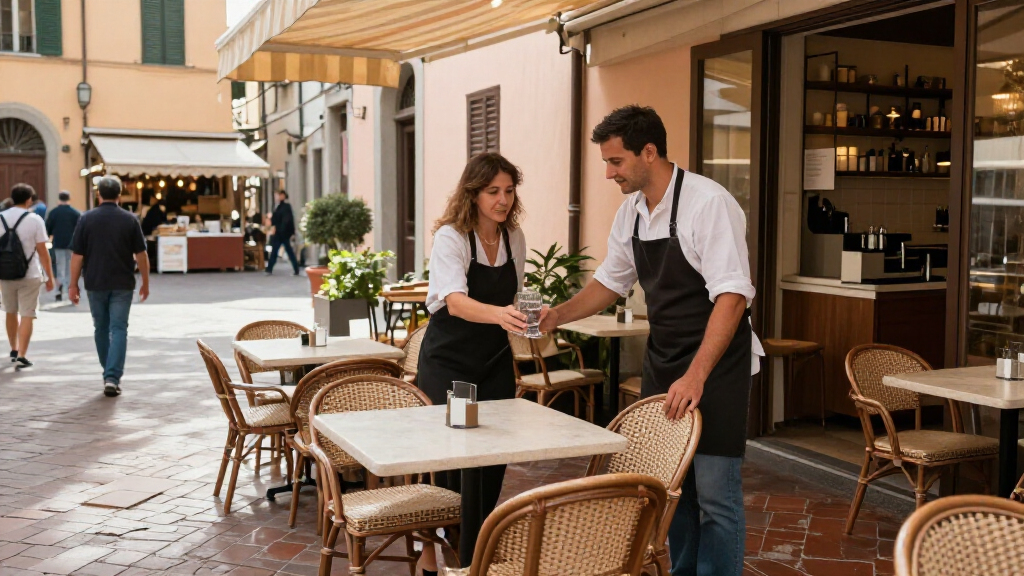
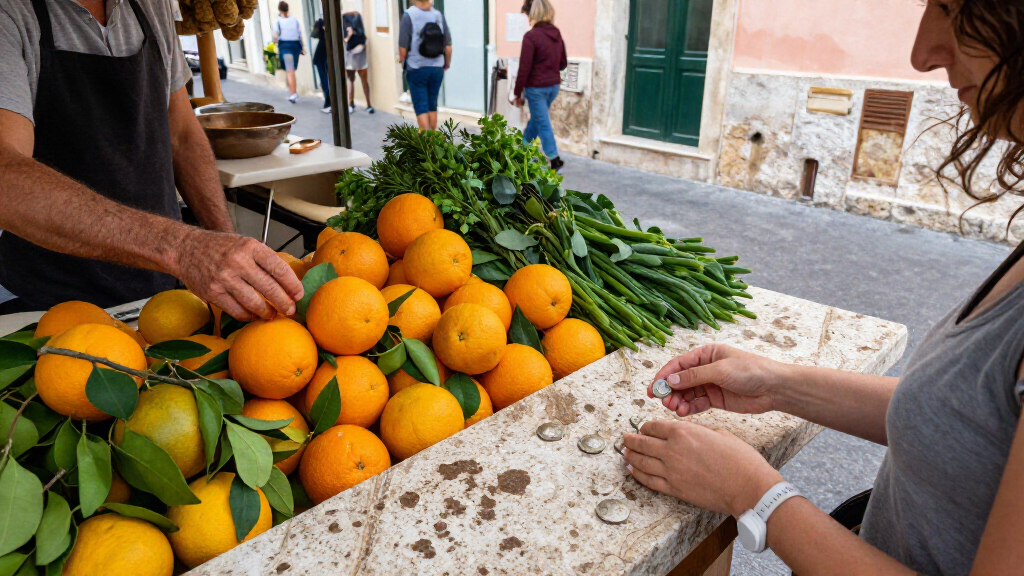
Bring comfortable shoes, a reusable bag, and some small cash for purchases. A bag is useful for nuts or fruit, while shoes matter when you wander from the market’s busy lanes toward the waterfront. If you are traveling with children, choose a calm spot to stop before offering a snack; keep them close in crowded aisles and avoid blocking shoppers. These simple choices make it easier to browse without slowing people who are shopping for their day.
Access and surfaces vary, so visitors with mobility needs should check current conditions in person or with a local contact before planning a route. The market can be busy, and old streets may have uneven paving. If a particular stretch proves difficult, adjust the walk and enjoy the areas you can reach comfortably. The route is compact, but that does not guarantee every lane or entrance will feel equally manageable.
Food sampling also calls for courtesy. Ask before accepting a taste, mention allergies clearly, and remember that shared counters can involve cross-contact. Common allergens in market foods include nuts, dairy, fish, and shellfish; if you have a serious allergy, do not rely on a quick verbal guess about ingredients or preparation. A little care makes the morning easier for you and for the people working there. Sampling is a pleasant bonus, but skipping it is a sensible choice if you cannot get clear information about ingredients or handling.
Frequently Asked Questions
Where is Ortigia’s morning market?
The market is near Via Emmanuele de Benedictis and the Temple of Apollo on Ortigia, the historic island at the heart of Syracuse. From there, you can continue on foot toward Piazza Duomo or the waterfront.
When should I visit the market?
Morning is the traditional time to see the market at its liveliest. Days and hours can vary by season and stall, so check locally before you set out.
What should I eat or buy there?
Look for seasonal fruit, olives, nuts, cheeses, spices, or seafood, depending on what sellers have that day. Ask what is fresh and how locals use it; availability varies, and samples may not be offered.
Can I explore without a guided tour?
Yes. You can browse independently and follow the nearby streets toward the temple, cathedral, or waterfront. A guide can add context about ingredients and local food traditions, but you can make a rewarding visit on your own.
How much time should I allow?
Allow a couple of hours for an unhurried visit with time to browse, stop for coffee, and walk through nearby streets. A quick pass through the stalls takes less time, but conversation and a lunch stop can easily lengthen the morning.
Can I take photos or sample food?
Some sellers may offer tastes, but ask before sampling because it is not guaranteed. Ask vendors before photographing them or their stalls, especially when the aisles are crowded.
Conclusion
Give Ortigia’s market a morning, not a checklist. Choose one ingredient that is fresh that day, ask how a local would use it, and carry that answer with you toward the Temple of Apollo, Piazza Duomo, or the waterfront.
When you leave, the market’s colors and calls will still be in your ears, and the sea will be waiting at the end of the street. That is a good way to remember Syracuse: one taste, one turn, one morning at a time.