TL;DR
In Ragusa, try local countryside cooking, folded savory scacce, and Ragusano DOP cheese; in Modica, taste chocolate made with a cold-working method that leaves sugar crystals perceptible. The towns pair food with Baroque streets, but a relaxed visit needs time for walking, meals, and tastings, so check producer hours and consider staying overnight.
One bite of Modica chocolate can surprise you: instead of melting into a smooth cream, it breaks with a faint crunch. A few miles away, a slice of Ragusan scaccia (folded savory bread) gives you a different taste of southeastern Sicily: crisp edges, a tender middle, and fillings that change from kitchen to kitchen.

Get kitchen staples and gadgets delivered free with Prime
- Fast, free delivery on millions of items
- Prime Video, Amazon Music and more included
- Member-only deals all year
That contrast makes Ragusa and Modica such a satisfying food pairing. Ragusa ties the table to the Hyblaean countryside, with Ragusano DOP cheese, vegetables, legumes, and family variations of baked bread. Modica brings you into a chocolate tradition shaped by a cold-working method associated with Mesoamerican chocolate-making and adapted over time in Sicily.
This guide shows you what to order, how to taste the chocolate with the right expectations, and how to plan the two towns without turning every meal into a rushed stop. You’ll also find practical notes on seasonal menus, dietary questions, and making room for the historic streets that are part of the experience.
In Ragusa, look for Ragusano DOP cheese, seasonal countryside cooking, and scacce with varied fillings.
Taste Modica chocolate plain before trying cinnamon, vanilla, or citrus; its grainy texture comes from perceptible sugar crystals.
Treat “Aztec-style” as a shorthand for a method with Mesoamerican roots, not as proof that today’s chocolate is an unchanged ancient recipe.
Plan tastings around walking time, heat, parking, and confirmed producer hours; an overnight stay makes both towns easier to enjoy.
Ask bakeries and restaurants about wheat, dairy, broths, and cross-contact if you have allergies or dietary restrictions.
Ragusa to Modica Taste the place
Countryside cooking, filled scacce and Ragusano DOP cheese meet Modica’s distinctively grainy chocolate. Leave time for historic streets, meals and tastings.
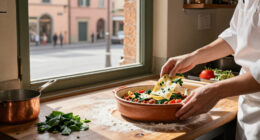
Ragusa: taste the countryside
Local ingredients and family variations make each stop a little different.
Ragusano DOP
Compare younger, gentler cheese with aged, firmer and more assertive pieces.
Warm scacce
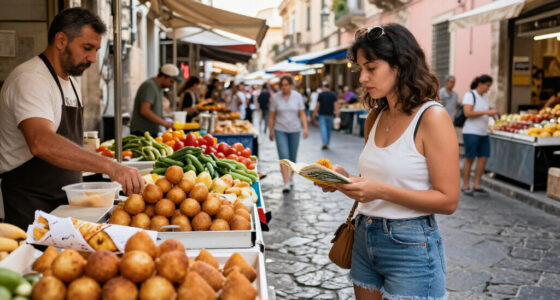
Try folded or rolled savory bread with fillings such as tomato, cheese, onion or vegetables.
Cooked locally
Look for vegetables, legumes, olive oil and herbs shaped by the surrounding countryside.
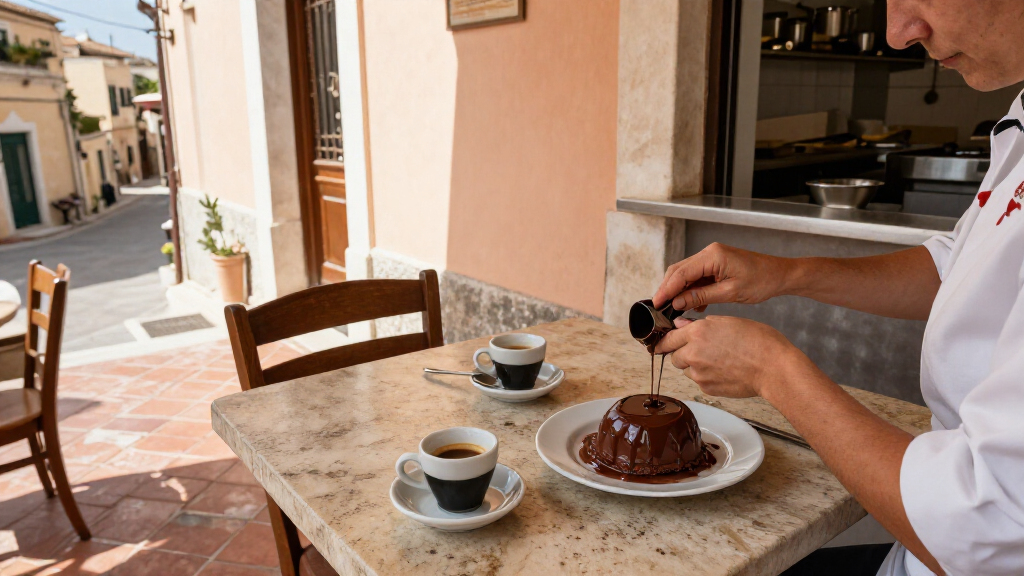
Modica: expect a different chocolate
Taste it plain first, before trying cinnamon, vanilla or citrus flavors.
Notice the dry, crumbly texture and perceptible sugar crystals.
Try a flavored variation after experiencing the plain chocolate.
Producer tastings and opening hours vary; confirm directly with the shop or producer.
A method with Mesoamerican roots
“Aztec-style” is shorthand for a method associated with Mesoamerican chocolate-making.
- Cocoa paste and sugar are worked at relatively low temperatures.
- Sugar crystals remain perceptible, giving the chocolate its grainy texture.
- The method developed its own identity in Modica.
- Today’s chocolate should not be described as an unchanged ancient recipe.
Make room for the towns
Historic streets are part of the food experience, and winding roads, parking and time on foot affect the day.
Taste Ragusa through its countryside cooking and Ragusano cheese
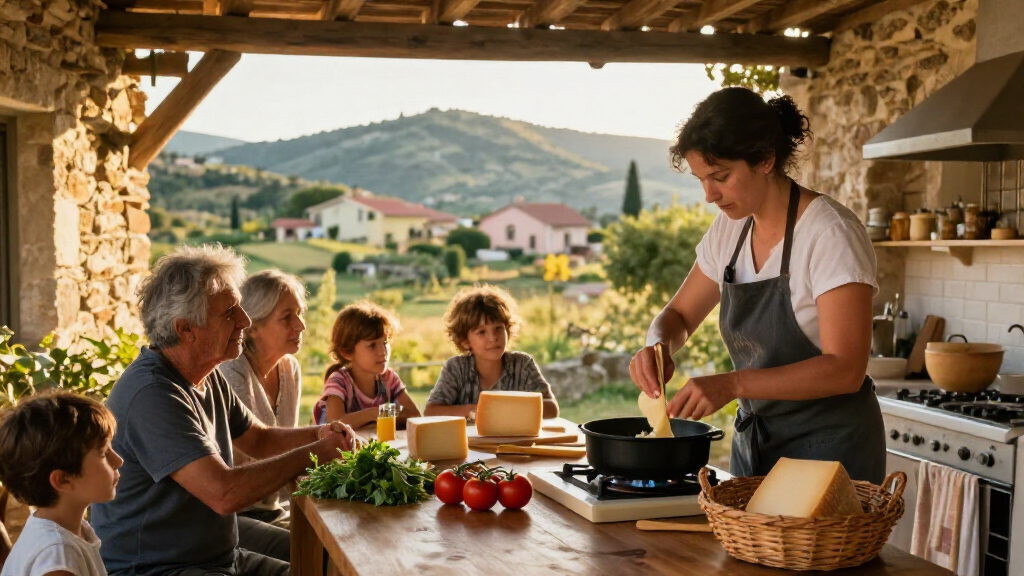
Ragusa’s food is a practical way to taste the Hyblaean countryside: order seasonal vegetables, legumes, local olive oil, and a portion of Ragusano DOP cheese. The cheese is traditionally made from cow’s milk using a stretched-curd method, and its flavor shifts with age: a younger piece tastes gentler, while an aged one grows firmer and more assertive.
That change with age makes a cheese tasting a small lesson in how food is shaped by time and use. A younger piece is supple enough to pair easily with bread and vegetables; an aged one is concentrated and firm, so a little goes further and its savory character can anchor a simple meal. Ask for a small tasting if the menu offers one, and compare the pieces rather than treating “Ragusano” as a single fixed flavor. The DOP designation protects the cheese’s geographic origin and production tradition, giving you a way to distinguish a local specialty from a generic table cheese.
Ragusa’s broader cooking gives you plenty beyond dairy. A lunch menu may pair beans or lentils with vegetables and herbs; another restaurant might serve meat shaped by the surrounding rural food culture. These dishes reflect a landscape where seasonal produce and household methods matter, so the same name on two menus may not mean identical ingredients or preparation. If you don’t eat meat, ask whether vegetable dishes use meat broth and whether a pasta sauce contains cheese. Recipes shaped by centuries of cultural exchange can be both deeply local and different from one household to the next.
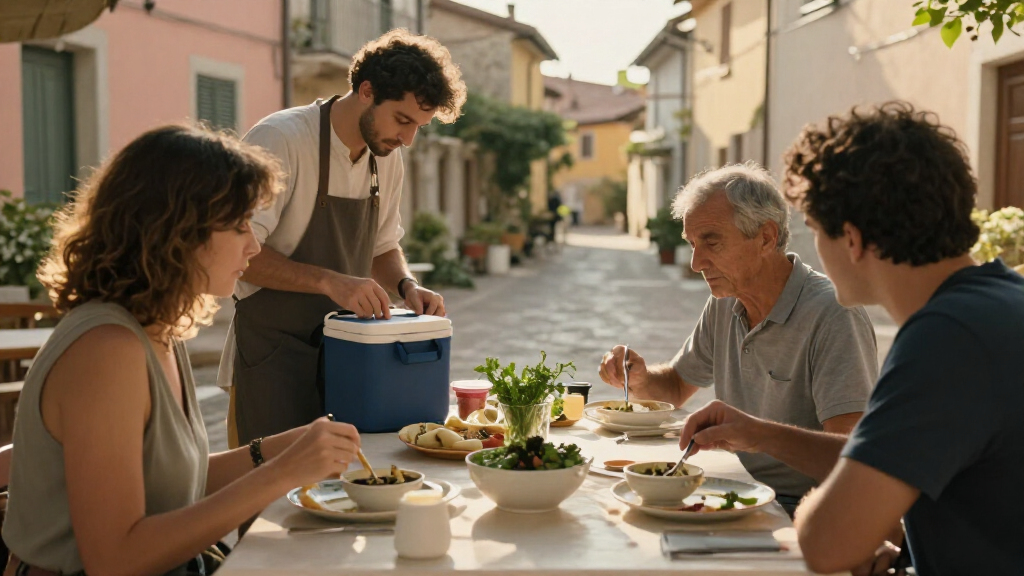
Try this on a walk through Ragusa Ibla: pause for a leisurely meal in the historic center, then look for a shop selling local cheese to take away. The meal gives you a chance to taste the countryside without arranging a farm visit, while a producer visit can offer more context but requires transport and advance planning. If you have a car and more time, the wider area brings farms, dairies, vineyards, and countryside restaurants within reach. Call ahead before visiting a producer, since hours and tastings vary.
Products Worth Considering

Levoit Core 400S-P Smart Air Purifier for Large Rooms

Roborock Robot Vacuum and Mop with LiDAR Navigation and Self-Empty Dock

Dyson Ball Animal 3 Upright Corded Vacuum
As an affiliate, we earn on qualifying purchases.
Order scacce for a portable taste of Ragusa
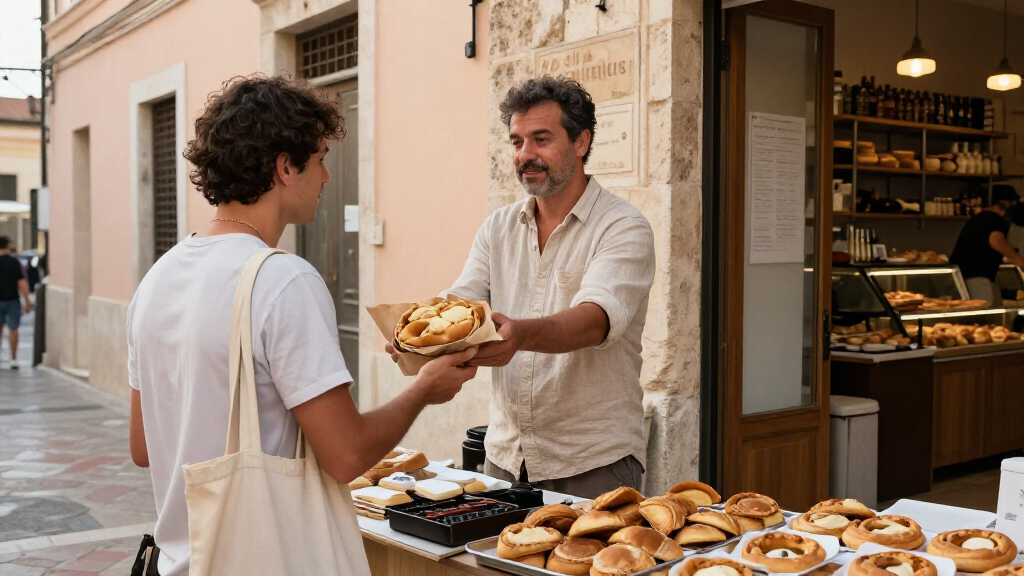
Scacce are Ragusan savory breads filled and folded or rolled before baking; the simplest way to enjoy one is warm from a bakery, when the crust flakes and the filling still smells of tomato, onion, or cheese. They are a family of local specialties, not one fixed recipe, so two versions can look and taste quite different. That variation matters: a scaccia is as much a glimpse of a bakery or household’s habits as it is a standard item to check off a food list.
A bakery might sell a tomato-and-cheese filling, while another leans on onion or seasonal vegetables. You can split two pieces with a travel companion and compare the soft, savory center with the browned seams where the dough has been sealed. A scaccia is useful when you want to keep exploring instead of sitting down for a long meal, but it is filling and may include cheese, so it can shape what you want to eat later. Asking what is fresh that day helps you choose based on the bakery’s actual offerings rather than assuming every filling is available.
For a small tasting tour, follow these steps:
- Start early and ask what fillings came out of the oven that day.
- Choose two different fillings, such as tomato and cheese, then onion or vegetables if available.
- Ask about ingredients if you avoid dairy, meat, or specific allergens; fillings and preparation can vary.
- Eat one warm and save the second for a break, following the bakery’s storage advice if you’re carrying it for several hours.
Picture a morning in Ibla: you buy one scaccia, hear the crisp shell give way, and eat it on a shaded bench before the day heats up. Ask whether the bread contains milk or whether the filling includes cheese. Wheat is a common ingredient, and dairy may be present, so confirm directly if you have an allergy or need to avoid gluten. For people without dietary restrictions, the same questions can help explain why two breads that look alike taste different.
See how Ragusa Ibla and Ragusa Superiore shape your meal
Ragusa Ibla is the place to pair a meal with a stroll through old lanes and piazzas; Ragusa Superiore gives you a different view of the wider city and its daily rhythm. Choosing which part of town to explore first helps you plan where to eat and how much time to leave for walking. The distinction is practical as well as scenic: meals and movement take place across a hilly city, and an ambitious schedule can make the walk between areas feel like a transfer rather than part of the visit.
Ibla rewards an unhurried pace. You can climb a narrow street, stop for coffee, then settle into a long lunch instead of rushing between landmarks. A cheese course or a plate of seasonal vegetables fits naturally into that pause: the food gives your legs a rest, and the stone buildings outside the window make the meal feel rooted in place. Allowing time for the meal also makes it easier to respond to what you find, whether that is a busy restaurant or a bakery with something fresh from the oven.
Superiore can work well as a starting point if your arrival, parking, or accommodation brings you there. From there, you can plan time to reach Ibla and explore its historic center. For example, if you arrive before noon, leave enough space to walk between the two areas, sit down for lunch, and wander after eating rather than trying to squeeze in a separate countryside stop. The tradeoff is simple: prioritizing both neighborhoods gives you a broader sense of the city, while concentrating on Ibla leaves more room for a relaxed meal and detailed exploration.
Both towns are part of southeastern Sicily’s Baroque landscape, and their food experiences are often tied to the streets around them. Build your day around a meal and a walk, then add a farm or dairy only if your transport and appointment allow. That way, you make room for the unexpected: a bakery smell drawing you into a shop or a piazza that deserves another ten minutes.
Understand why Modica chocolate crunches instead of melting smoothly
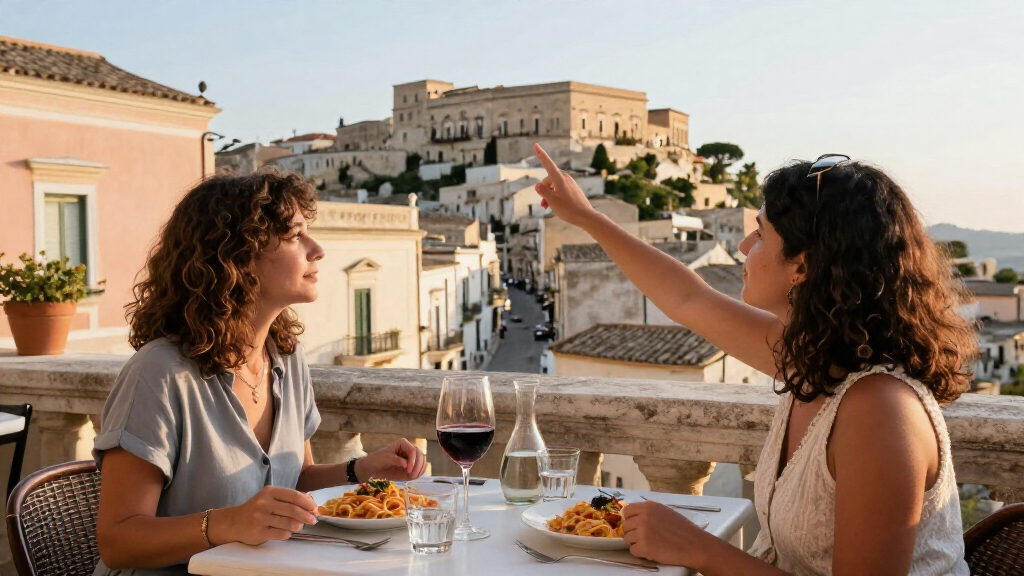
Modica chocolate is made with a cold-working method in which cocoa paste and sugar are worked at relatively low temperatures, leaving the sugar crystals perceptible in the finished bar. That gives it a dry, crumbly texture and a crunch that surprises people expecting the smooth snap and creamy melt of many modern chocolate bars. The texture is not a flaw or an unfinished version of another style; it is the direct result of the method, and it changes how the chocolate tastes and feels as you eat it.
The method is associated with chocolate traditions brought to Sicily during Spanish rule and with older Mesoamerican practices. “Aztec-style” is a helpful shorthand, but today’s Modican chocolate is a Sicilian tradition with its own identity, not an unchanged Aztec recipe. The distinction matters when interpreting the history: a cultural connection can help explain the technique, but it does not mean a modern bar reproduces an ancient product exactly. Keep that in mind when you shop: the historical link is part of the story, while the texture is what you can taste immediately.
Try a plain or classic version first, then compare it with a bar flavored with cinnamon, vanilla, or citrus. Take a small bite and let it soften on your tongue before chewing. The sugar has a sandy feel, the cocoa stays dry rather than creamy, and the flavor can seem more direct because the bar doesn’t dissolve like a conventional one. Starting plain gives you a useful baseline; added flavors are easier to judge once you know what the chocolate itself contributes.
For example, if you buy a cinnamon bar after walking Modica’s steep streets, taste it beside a glass of water before moving on to another flavor. You’ll notice the spice without confusing it with the chocolate’s texture. Shops and cafés offer samples, and some producers hold demonstrations or tastings; check directly for current arrangements and opening hours before building your day around one. A tasting can clarify the method, but a short shop stop is enough if you mainly want to understand the characteristic crunch.
Compare Ragusa’s cheese and Modica’s chocolate in one tasting day
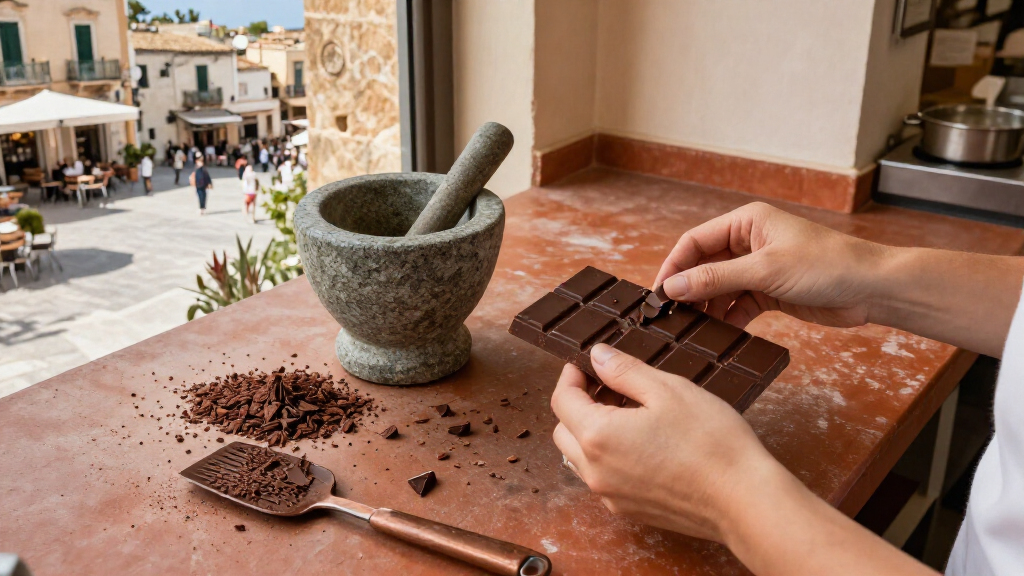
Ragusa and Modica offer two different ways to understand local food: Ragusa connects you to dairy and country cooking, while Modica centers a distinctive chocolate texture and history. A simple comparison helps you decide how to spend your appetite and your time. It also shows why the towns complement each other: one tasting is tied to the local landscape and a product shaped by aging, while the other highlights a processing method you can recognize in a single bite.
| Stop | What to taste | What to notice | Useful plan |
|---|---|---|---|
| Ragusa | Ragusano DOP cheese and scacce | Cheese changes as it ages; fillings vary by bakery and household | Pair a tasting with lunch in or near Ibla |
| Modica | Plain chocolate, then a flavored version | Sugar crystals create a grainy, dry bite | Check ahead for tastings or demonstrations |
If you try to visit both towns in one day, give each a clear purpose. For instance, have a late breakfast or early lunch in Ragusa, walk Ibla, then travel to Modica for a chocolate tasting and a stroll. The winding roads, parking, and time spent in the historic centers can turn a neat itinerary into a rushed one, so avoid booking a fixed tasting too close to your meal. A day trip works best when the tasting is brief and you accept that you may only sample one or two things in each place.
For a slower trip, stay overnight and let one town have the morning. You can compare the foods without watching the clock: a wedge of aged cheese after lunch one day, a cinnamon chocolate sample the next. The extra time is useful because the foods are best experienced at different paces: cheese can be part of a meal, while chocolate calls for small, deliberate comparisons. An overnight stay also leaves room for recipes and menus that aren’t on your plan. Seasonal vegetables and restaurant offerings change, and a handwritten special may be the most memorable thing you order.
Plan tastings around heat, transport, and dietary needs
A good tasting day in southeastern Sicily depends on timing: walk in the cooler parts of the day, keep food stops flexible, and check access before you set out. Spring and autumn are often comfortable for exploring on foot, while summer heat can make steep streets feel longer and change the pace of your day. This affects more than comfort: if you overestimate how much ground you can cover, you may arrive late for a meal or tasting, or have little energy left to enjoy it.
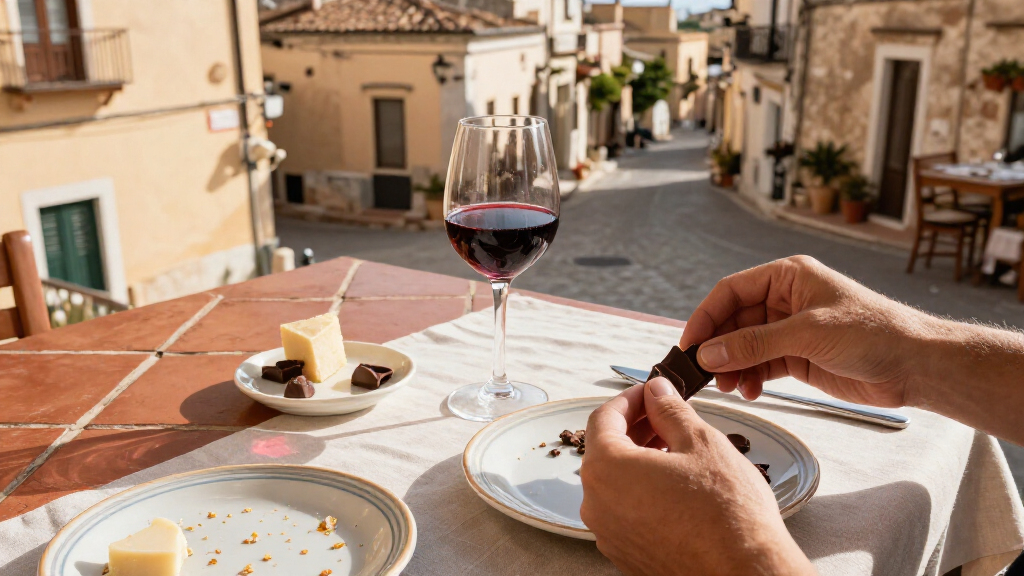
In a warm month, buy chocolate after a walk rather than carrying it around for hours in direct sun. Ask the shop how to store it and keep it in a cool, dry place; avoid leaving it in a hot car. For cheese and other perishable foods, follow the seller’s storage advice and refrigerate them promptly when you have access to a refrigerator. Don’t leave dairy unrefrigerated for an extended period. Planning purchases near the end of your outing reduces both the risk of poor storage and the need to carry food while you explore.
A car gives you more freedom to visit countryside producers, but historic centers may have restricted traffic or limited parking. Public transport can connect towns, though schedules and connections need checking for your travel dates. The choice changes what kind of tasting day is realistic: a car can make a farm visit possible, while a town-centered itinerary on foot or by public transport is easier to keep flexible. If a producer visit matters to you, contact them ahead of time; tours, demonstrations, and tastings vary, and availability can change.
Dietary questions deserve the same practical care. Scacce commonly contain wheat, and some fillings include cheese; Ragusano is cow’s-milk cheese. Ask staff about ingredients and cross-contact if you have a food allergy. Vegetarian dishes are often available, but sauces, broths, and cheese can change a dish’s suitability. Asking directly helps you understand the preparation behind a dish, not just its name or appearance, and can prevent an enjoyable local specialty from becoming an avoidable problem.
Frequently Asked Questions
What food is Ragusa known for?
Ragusa is known for Ragusano DOP cheese, countryside cooking, and scacce, folded or rolled savory breads. Try seasonal vegetables and legumes as well, since menus and family recipes vary.
Why is Modica chocolate grainy?
The chocolate is worked with cocoa paste and sugar at relatively low temperatures, so sugar crystals remain perceptible. That produces a dry, crumbly bite rather than a smooth, creamy melt.
Is Modica chocolate really Aztec chocolate?
It is better described as a Sicilian chocolate tradition linked to a method with Mesoamerican roots. The chocolate made in Modica today has developed its own identity and should not be presented as an unchanged Aztec recipe.
Can I visit Ragusa and Modica in one day?
Yes, but a day can feel rushed if you want full meals, tastings, and time in both historic centers. If you go, choose one main food stop in each town and confirm any producer appointment ahead of time; an overnight stay makes the pace more relaxed.
What should I ask about if I have a food allergy?
Ask about ingredients and cross-contact before ordering. Scacce commonly contain wheat and may contain cheese, while Ragusano is cow’s-milk cheese; restaurant sauces and broths can also include ingredients you may not expect.
Can I see Modica chocolate being made?
Some producers offer demonstrations, tours, or tastings, but arrangements and hours vary. Contact the producer directly before you travel so you can plan your visit around a confirmed opening.
Conclusion
Let the two towns guide your appetite: start in Ragusa with a piece of scaccia or Ragusano DOP, then give Modica chocolate your full attention, one small bite at a time. Check tasting hours before you travel and leave enough room for the Baroque streets between meals.
Remember the contrast: one taste is shaped by the countryside, the other by a sandy crunch that carries a long, changing history. Which would you want to try first?