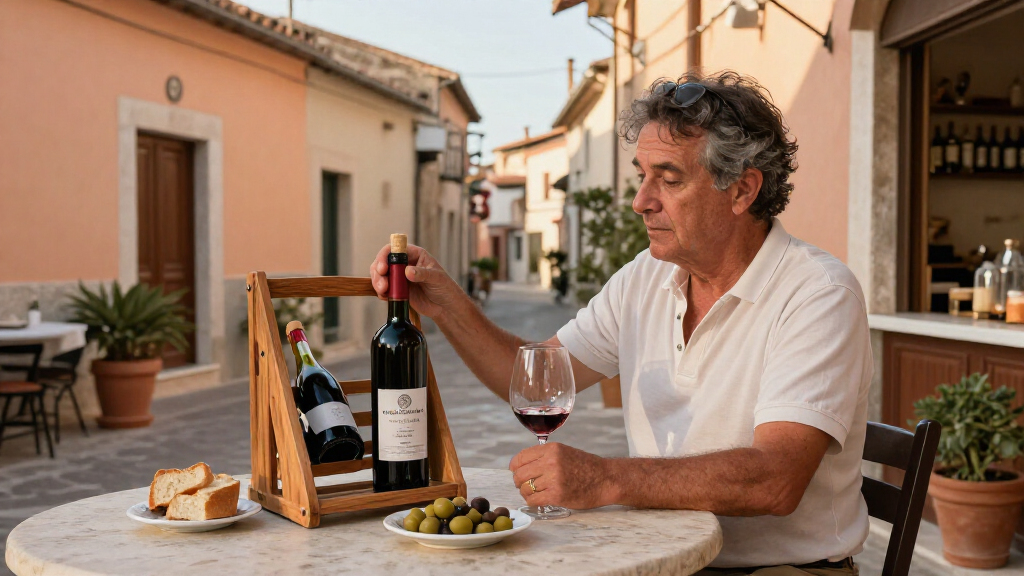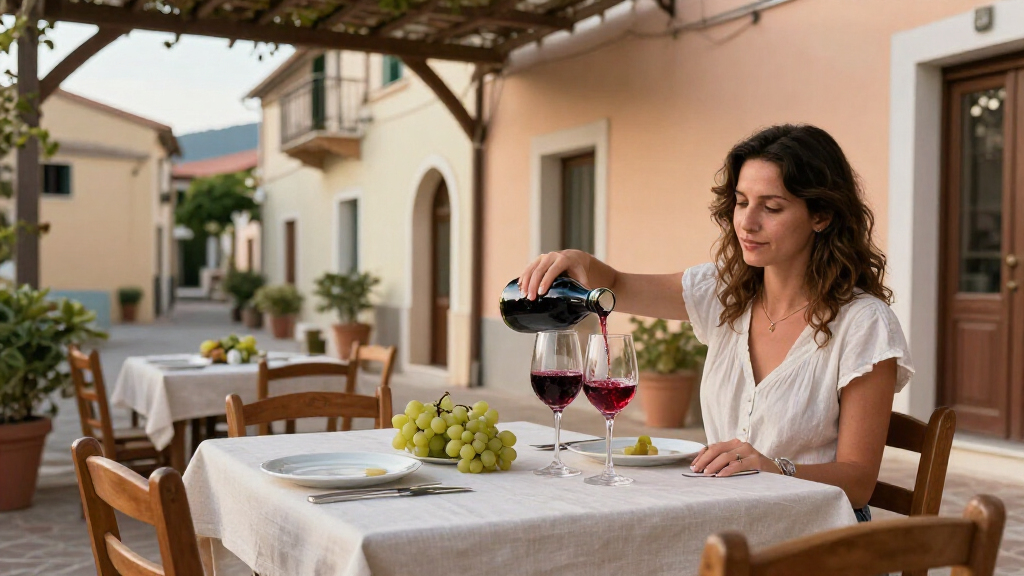

TL;DR
Nero d’Avola is typically Sicily’s darker, fuller red, with black cherry, plum, and a firmer frame; Frappato is usually lighter, more aromatic, and bright with red fruit and floral notes. In Cerasuolo di Vittoria DOCG, Sicily’s only DOCG, they make cerasuolo: a cherry-colored blend that joins Nero d’Avola’s body to Frappato’s freshness. Taste them separately, then with tomato-rich food, to see which style suits your table.
One Sicilian red can smell like black cherry and warm spice; another can bring strawberries, flowers, and a lively snap of acidity. Nero d’Avola and Frappato grow on the same sunlit island, yet they tell very different stories in the glass.

Get kitchen staples and gadgets delivered free with Prime
- Fast, free delivery on millions of items
- Prime Video, Amazon Music and more included
- Member-only deals all year
That contrast becomes especially useful when you’re choosing a bottle for dinner. Nero d’Avola can stand up to grilled lamb or slow-cooked aubergine, while Frappato often feels at home beside grilled tuna or roast chicken. Together, they form Cerasuolo di Vittoria DOCG, Sicily’s only DOCG and best-known red blend.
You’ll learn what each grape tastes like, how place and winemaking shape the style, and how to serve them with Sicilian food. Think of the two grapes as different instruments: one gives the music its bass line, the other lets the melody rise. Tasting them side by side makes Sicily’s range easier to hear.
Nero d’Avola typically brings darker fruit, more body, and firmer structure; Frappato is usually lighter, more aromatic, and lively.
Cerasuolo di Vittoria DOCG blends a majority of Nero d’Avola with Frappato and is Sicily’s only DOCG red.
Choose Frappato for grilled tuna, roast chicken, mushrooms, or pizza; reach for Nero d’Avola with lamb, sausage, braised meat, aubergine, or aged cheese.
A slight chill can suit lighter Frappato, while a fuller Nero d’Avola often shows better when it is cool rather than warm.
Taste the grapes separately before trying the blend to learn whether you prefer perfume and freshness, dark fruit and structure, or a balance of both.
Two grapes, two styles one Sicilian blend
Nero d’Avola brings dark fruit and structure; Frappato adds fragrance and freshness. Together, they make Cerasuolo di Vittoria, Sicily’s only DOCG.
Taste the contrast
Compare the grapes side by side to find the style that suits your table.
- Dark cherry, plum and blackberry
- Fuller feel and firmer structure
- Try with lamb, sausage or aubergine
- Strawberry, raspberry and floral notes
- Lighter, aromatic and lively
- Try with tuna, roast chicken or pizza
The blend brings balance
Cerasuolo di Vittoria joins Nero d’Avola’s body and darker fruit with Frappato’s perfume and freshness.
Nero d’Avola leads
Its darker fruit and structure give the blend presence with savory food.
Frappato brightens
Its fragrance and freshness help keep the wine lively.
Cherry-colored wine
Cerasuolo refers to the blend’s cherry-like color.
Choose by dish and style
Match the wine’s weight to the food, and let producer and growing conditions guide your expectations.
| Wine | What to expect | Food match |
|---|---|---|
| Nero d’Avola | Dark fruit, fuller feel | Lamb, braised meat, aged cheese |
| Frappato | Red fruit, fragrance, freshness | Grilled tuna, chicken, mushrooms |
| Cerasuolo di Vittoria | Depth with aromatic lift | Tomato-rich dishes, grilled vegetables |
Taste in a useful order
A simple comparison makes the differences easier to notice.
Notice its red fruit, floral aromas and lighter feel.
Compare its darker fruit and firmer structure.
See whether you prefer freshness, structure or a balance of both.
Taste the difference between Sicily’s two red grapes
Nero d’Avola and Frappato show two distinct sides of Sicilian red wine: Nero d’Avola is typically darker, fuller, and more structured, while Frappato is usually lighter, more aromatic, and lively. That contrast matters at the table: a wine with more body and tannin can meet rich, savory food, while a lighter wine’s fragrance and freshness can keep a meal feeling lifted. A side-by-side tasting makes the difference plain, much like comparing a bass note with a clear, ringing violin.
Nero d’Avola means “black of Avola,” a reference to its dark-colored grapes and its association with Avola in southeastern Sicily. You may find dark cherry, plum, blackberry, spice, herbs, or cocoa in the glass, though not every bottle shows all of those notes. A ripe example might feel broad and plush; a fresher one can keep the fruit bright and the finish firm. Those differences affect what you choose it for: plushness can soften the impression of char or spice, while a firmer finish can cut through a rich bite. The grape name offers a starting point, but the producer’s style determines how strongly those traits come through.
Frappato is commonly associated with the Vittoria area, also in southeastern Sicily. Its strawberry, raspberry, and cherry aromas often come with floral or herbal hints and gentler tannins. Those lighter tannins make the wine less forceful alongside delicate flavors, while its freshness can refresh the palate between bites. Pour a Frappato beside a richer Nero d’Avola and the difference can feel like stepping from a shaded pantry into a garden in spring.
The tasting order matters. Begin with Frappato, then move to Nero d’Avola, because the fuller wine can crowd the lighter one’s delicate aromas. Use two small glasses, take a sip of water between them, and jot down whether you notice fruit, texture, or freshness first. If you enjoy the perfume but want more body, look for a fuller Frappato or a Cerasuolo di Vittoria; if you prefer dark fruit and grip, Nero d’Avola may be the better fit. That simple comparison gives you a personal map for picking the next bottle.
Products Worth Considering

LG StanbyME 2 Max 32-Inch 4K Portable Smart Touchscreen TV

Philips Hue Festavia 130-Foot Indoor/Outdoor Smart String Lights, 500 LEDs

Philips Hue Iris Smart LED Table Lamp (White)
As an affiliate, we earn on qualifying purchases.
See why Cerasuolo di Vittoria blends both grapes
Cerasuolo di Vittoria is a Sicilian DOCG red made from Nero d’Avola and Frappato, with a majority of Nero d’Avola and Frappato completing the blend within permitted appellation proportions. The combination gives the wine a useful balance: darker fruit and body meet perfume and freshness. That balance can make it versatile with food, since the Nero d’Avola gives the wine enough presence for savory dishes and the Frappato can keep that presence from feeling ponderous. The word cerasuolo refers to a cherry-like color.
| Grape | What it often brings | Useful food cue |
|---|---|---|
| Nero d’Avola | Dark fruit, structure, and a fuller feel | Lamb, sausage, aged cheese |
| Frappato | Red fruit, fragrance, freshness | Tuna, roast chicken, pizza |
| Cerasuolo di Vittoria | A blend of depth and aromatic lift | Tomato-rich dishes, grilled vegetables, pork |
Imagine serving a bowl of pasta alla Norma, Sicily’s tomato, aubergine, and ricotta salata pasta. A Cerasuolo di Vittoria can echo the tomato’s sweetness while its freshness keeps the savory aubergine from feeling heavy. The wine’s acidity and fruit help it stay lively beside the dish, while its structure gives it enough weight for the rich cheese. A softer, fruit-forward example may suit a casual supper, while a more substantial, structured bottle can follow you to a table of roast pork.
The blend is not automatically better than either grape alone. Its appeal depends on the producer, vintage, and your taste. If you love a fragrant, lighter red, a pure Frappato may be more satisfying; if you want more grip and dark fruit, try Nero d’Avola on its own. Cerasuolo is the conversation between them, not a verdict on which grape wins. The tradeoff is that a blend may feel more complete across several foods, while a single-variety wine can make one character—perfume or structure—the clear focus.
Find the Sicilian place behind the style
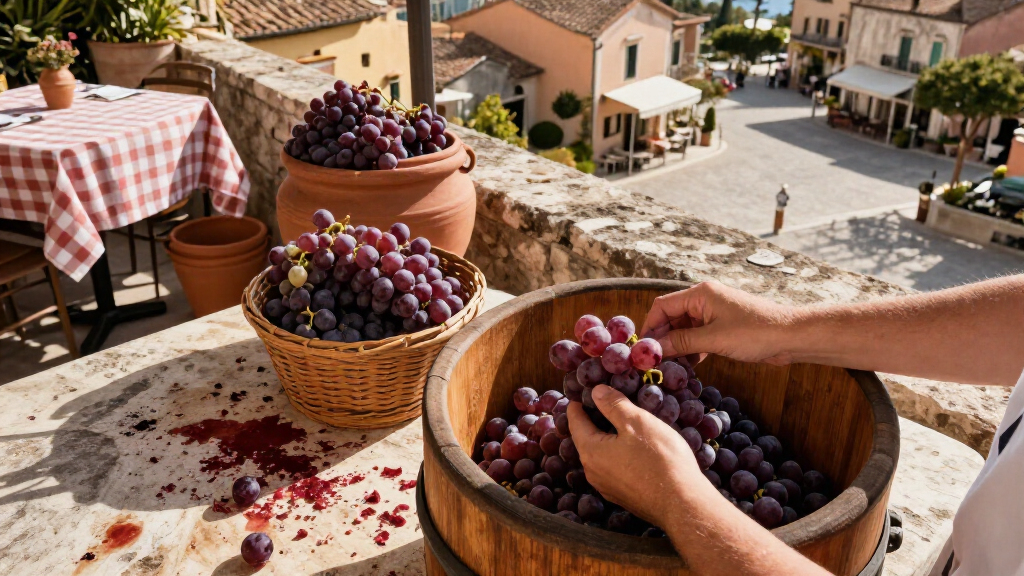
Where the grapes grow and how a winery makes the wine shape what reaches your glass. Sicily has bright sun and warm conditions, but the island is not one giant vineyard with one uniform flavor. Altitude, coastal influence, soils, harvest timing, and cellar choices can all shift a wine’s weight, fruit, and freshness. These details help explain why two bottles with the same grape name may pair differently: a riper, fuller wine can overwhelm a simple fish dish, while a fresher one may feel at ease beside it.
Nero d’Avola is now grown across Sicily, though its name points toward Avola in the southeast. In a warm, ripe style, dark plum and blackberry may lead, with a generous texture that works beside grilled lamb. In a lighter-handed version, you might find brighter cherry, herbs, and a firmer edge. The grape name gives you a clue, not a complete description. If you want richness, seek the producer’s notes for ripe fruit or fuller structure; if you want more lift with food, a fresher style may be the more useful choice.
Frappato’s southeastern association brings many drinkers to the Vittoria area, where its aromatic character often feels at home with the region’s food. A Frappato served slightly cool on a warm evening can feel refreshing without turning into a white-wine substitute. Try it with grilled tuna dressed with lemon and olive oil: the wine’s red fruit can meet the fish’s savory char without overpowering it. Its lighter frame is an advantage with that pairing, though it may seem too delicate beside heavily spiced or slow-braised food.
There is growing interest in Sicilian places and indigenous grapes, including these two varieties. Some producers focus on freshness and lighter extraction, while others choose more concentrated fruit or oak aging. Vineyard and cellar practices differ, so read the individual producer’s notes instead of assuming that every bottle is organic, low-intervention, or made in the same style. Paying attention to those choices gives you a better idea of texture and intensity, and helps you choose a bottle for the meal rather than relying on the grape name alone.
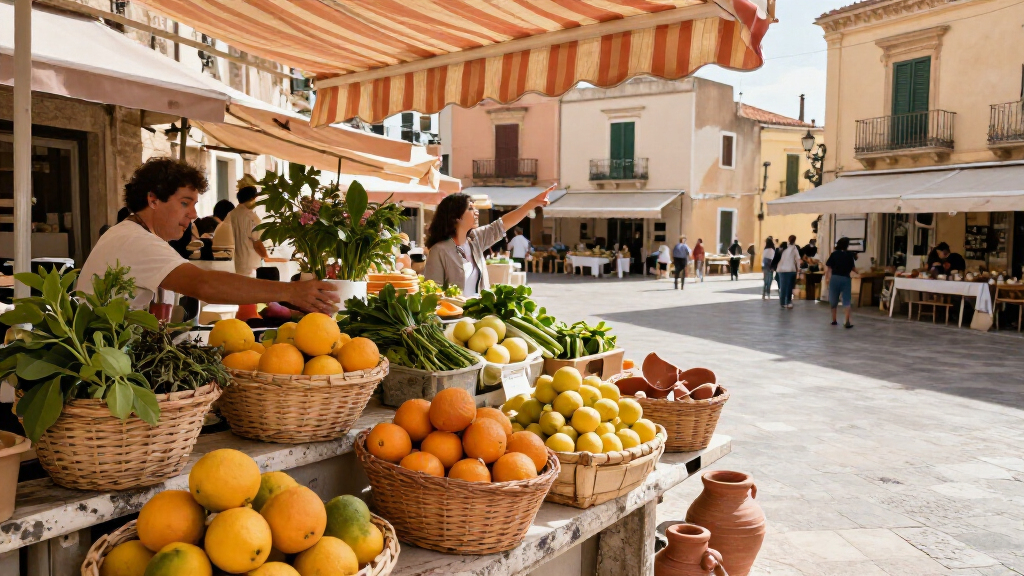
Choose a bottle by the meal you’re cooking
Match the wine’s weight to the food’s weight and seasoning: Frappato often suits lighter dishes, while Nero d’Avola can handle richer, slower-cooked flavors. Cerasuolo di Vittoria lands between them, making it a handy choice when the meal moves from vegetables to meat or when you’re feeding a table with different tastes. The goal is not to make every flavor match exactly; it is to avoid having one overpower the other. A wine that is much lighter than a dish can disappear, while an especially full wine can mask delicate food.
For Frappato, picture a summer dinner of grilled tuna with a tomato salad. Its bright red-fruit character and freshness can meet the grill marks without burying the fish. It also pairs naturally with roast chicken, mushrooms, charcuterie, and pizza. If your pizza has spicy sausage, a fuller Frappato or a sip of Nero d’Avola may have enough weight to keep pace. The seasoning shifts the choice: herbs and gentle char leave room for Frappato’s fragrance, while stronger spice and fat call for more body.
Nero d’Avola is a strong match for grilled lamb, sausages, braised meat, aubergine dishes, and aged cheeses. The dark fruit can echo the char on lamb chops, while the wine’s structure can keep a rich bite of cheese from lingering too heavily. For a meatless meal, try it with roasted aubergine and tomato, where its ripe fruit meets the dish’s savory depth. With lighter vegetables or simply prepared fish, though, that same structure may dominate; choose a fresher, lighter Nero d’Avola if you want to keep the pairing balanced.
Cerasuolo di Vittoria fits tomato-rich Sicilian cooking, grilled vegetables, pork, lamb, or tuna. Think about a tray of roasted peppers and aubergine, followed by pork chops: the blend’s freshness can carry both courses. Its middle ground is useful when a meal has varied ingredients, but it may be less satisfying if you specifically want the delicacy of Frappato or the firm grip of Nero d’Avola. Cooking method matters, too. Simply grilled fish calls for a lighter hand; a slow-braised dish with herbs and browned edges can welcome a more substantial wine.
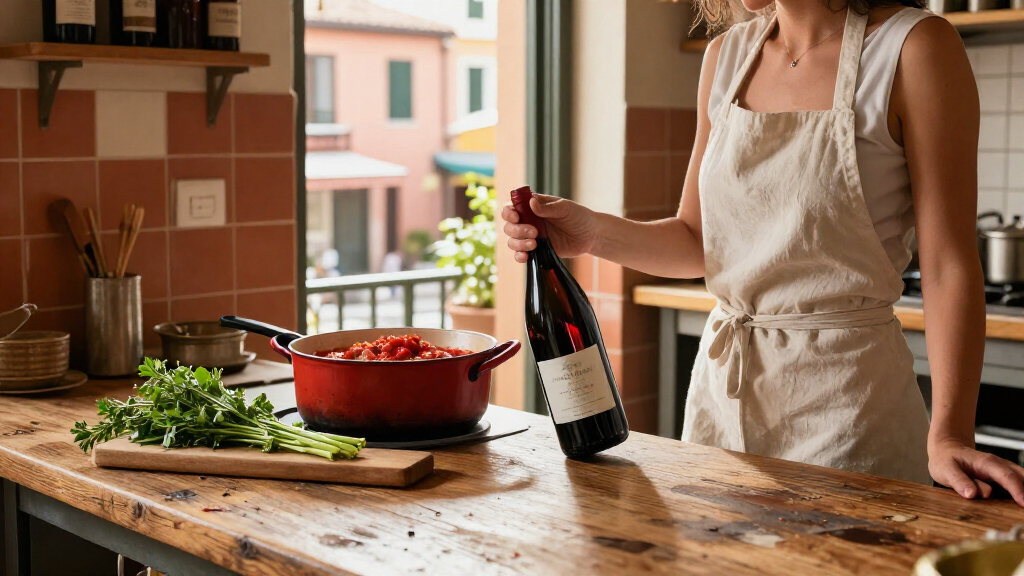
Serve each wine so its aromas come forward
A slight chill can make lighter Frappato taste especially bright, while a fuller Nero d’Avola usually benefits from a little more warmth and room in the glass. Wine temperatures are a matter of taste and style, so use the bottle’s feel as your guide rather than treating one number as a rule for every producer. Temperature changes how aromas and alcohol register: too much cold can hide a wine’s scent, while too much warmth can make alcohol seem more prominent and the fruit feel heavy.
For a light, fresh Frappato, put the bottle in the refrigerator briefly before serving and pour a small glass to see how it opens. If it tastes muted straight from the fridge, give it a few minutes on the table. The red fruit may emerge gradually, as if the aromas are waking up in the glass. A little chill can make the wine feel crisp alongside food, but serving it icy can flatten the fragrance that makes Frappato distinctive.
For Nero d’Avola, avoid serving it so warm that the alcohol feels hot and the fruit seems heavy. A cool room-temperature pour can let dark cherry, plum, and spice show more clearly. If the wine feels tight, let it sit in the glass for ten minutes before deciding it needs a decanter; some bottles open quickly with air, while others show best without much fuss. Giving it time in the glass is a low-effort way to learn whether the wine’s structure needs air or whether its fruit is already open.
- Start with Frappato. Pour it slightly cool and notice its red fruit and fragrance.
- Move to Nero d’Avola. Compare the darker fruit, texture, and firmer structure.
- Finish with Cerasuolo di Vittoria. Taste how the blend brings depth and freshness into one glass.
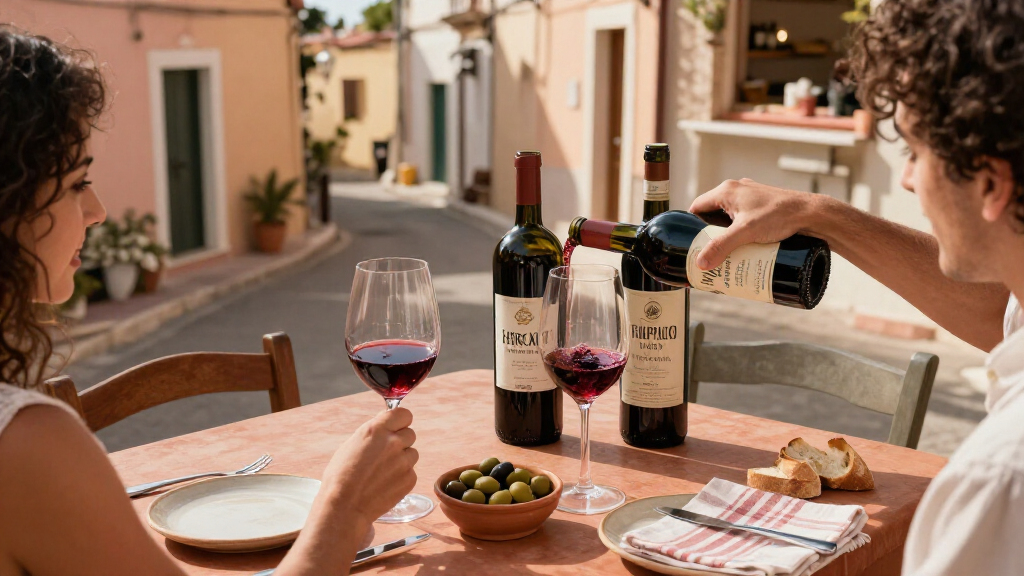
That order works well at home with three small pours and a plate of bread, mild cheese, and olives. Keep the pours modest so the wines stay at a comfortable pace. If the bottles are open for a meal, store leftovers sealed in the refrigerator and use a wine stopper; bring the next pour back toward serving temperature rather than leaving an opened bottle warm overnight.

Decide whether to drink Nero d’Avola young or keep it
Let the producer’s style and the wine’s structure guide aging decisions. Some Nero d’Avola is made for early drinking, with open fruit and an easy texture; other bottles are more concentrated or oak-aged and may develop with time. The grape name alone cannot tell you which path a particular wine will take. Aging can soften some edges and add complexity, but it also trades vivid primary fruit for subtler aromas, and there is no guarantee that every bottle will improve.
If you’ve bought a simple, fruit-led bottle for pizza night, there is no need to save it for a special occasion. Open it with sausage pizza or a bowl of tomato pasta and enjoy the dark cherry and plum while they feel vivid. A more structured bottle might suit a dinner of braised lamb, but check the producer’s guidance and vintage information before setting it aside. If the bottle is inexpensive and intended for everyday drinking, enjoying it now is usually a surer pleasure than guessing at a long cellar life.
Frappato is often appreciated for its lively aromatics and gentle tannins, so many examples are pleasurable while young and fresh. That doesn’t mean every Frappato follows the same timetable; site and winemaking still matter. A fragrant bottle for roast chicken may reward a little time in the glass even when it doesn’t need years in a cellar. Its appeal often lies in that fresh perfume, so extended aging may change the very quality you most enjoy.
Store wine you plan to keep in a cool, dark place with a steady temperature, away from a sunny kitchen window or a radiator. If you’re unsure, taste one bottle now and save another from the same producer for later. A small comparison over time teaches you more than a rule based on the grape’s name, while keeping expectations grounded in the specific wine’s style.
Frequently Asked Questions
Is Nero d’Avola sweet?
Nero d’Avola is usually made as a dry wine. Ripe dark fruit can make it taste fruity or seem sweet, but that impression does not mean the wine contains much residual sugar. Try it beside savory lamb or aged cheese to feel how its fruit balances salt and richness.
Is Frappato always a light wine?
Frappato is often lighter and more aromatic than Nero d’Avola, but its weight can vary. Growing conditions and winemaking affect texture and concentration. A light, fresh bottle may suit grilled tuna, while a more substantial example can keep pace with sausage pizza.
What is Cerasuolo di Vittoria?
Cerasuolo di Vittoria is a red wine from Sicily’s Vittoria area made with Nero d’Avola and Frappato. It is the island’s only DOCG, and its name refers to its cherry-like color. The blend brings together Nero d’Avola’s body and darker fruit with Frappato’s aromatic lift.
Can you serve Frappato chilled?
Yes, a slight chill can suit a lighter, fresh Frappato. Pour a small taste first; if the wine seems muted, let it warm briefly in the glass. That approach works well for a warm evening meal of roast chicken or grilled tuna.
Should you age Nero d’Avola?
Some Nero d’Avola is best enjoyed young, while more structured bottles may develop with age. Use the producer’s guidance and the wine’s concentration as your clues. If you’re curious, taste one bottle now and save another from the same producer to compare later.
Which wine should you try first?
Try Frappato first, then Nero d’Avola, then Cerasuolo di Vittoria. The progression helps you notice red-fruit fragrance, darker fruit and structure, and finally the way the blend balances both. A few small pours with bread and olives make a relaxed tasting at home.
Conclusion
Taste Frappato, Nero d’Avola, and then Cerasuolo di Vittoria alongside a simple Sicilian-inspired meal. Let the food and your own palate guide the choice: grilled tuna may call for Frappato, lamb may welcome Nero d’Avola, and tomato-rich dishes can bring the blend into focus.
Keep the three glasses in mind as Sicily’s small red-wine orchestra: dark fruit lays down the rhythm, fragrance lifts the melody, and the blend lets both play. The next time you pour a Sicilian red, ask which voice you want at your table.