TL;DR
Lasagne verdi alla Bolognese is a layered baked pasta from Bologna made with spinach egg pasta, slow-cooked meat ragù, béchamel, and Parmigiano Reggiano. Its character comes from balancing those components rather than relying on a tomato-heavy sauce. Make the ragù ahead, keep the spinach and sauces from getting watery, and let the baked lasagne rest before cutting.
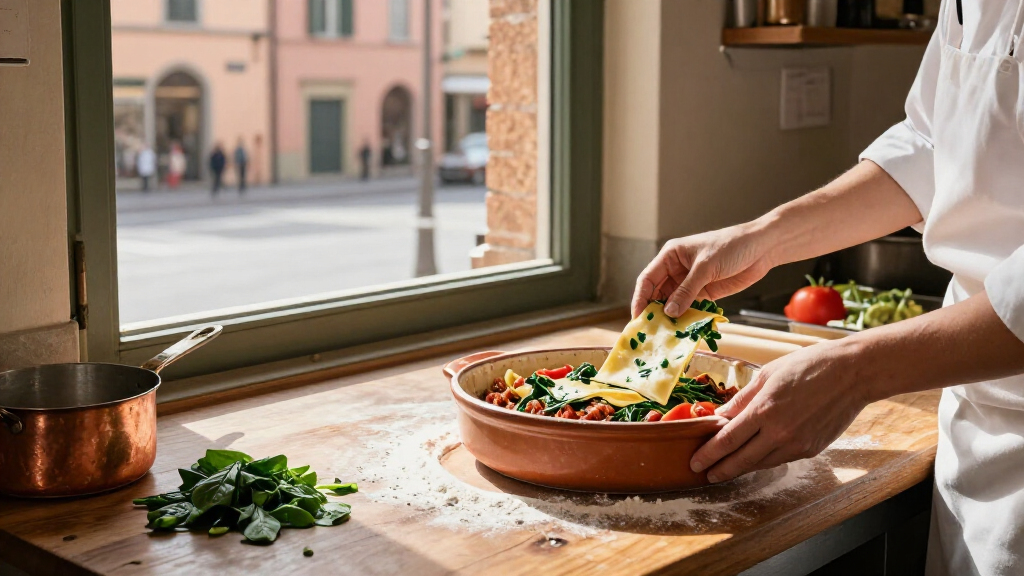
The first thing you notice about a pan of lasagne verdi is the green edge of the pasta beneath its browned top. Cut into it and you find distinct layers: tender egg pasta, savory ragù, creamy béchamel, and the nutty bite of Parmigiano Reggiano. In Bologna, this is Sunday cooking made to share, not a tomato-heavy pasta bake dressed up with spinach.

Get kitchen staples and gadgets delivered free with Prime
- Fast, free delivery on millions of items
- Prime Video, Amazon Music and more included
- Member-only deals all year
This guide explains what gives Bologna’s version its character, how the components work together, and how you can plan the work without spending the whole weekend in the kitchen. You’ll learn where the green color comes from, what makes Bolognese ragù different, how to keep the layers from turning watery, and what to serve alongside a rich, bubbling pan.
There is no single universal family recipe. Pasta thickness, sauce proportions, and layer count can vary from one kitchen to another. The useful constant is the balance: make each part with care, then let the oven bring them together.
The green in lasagne verdi comes from spinach mixed into fresh egg pasta dough, not necessarily from a spinach filling.
Bolognese ragù is meat-centered, with tomato in a supporting role; family ingredients and proportions vary.
The customary layered combination uses pasta, ragù, béchamel, and grated Parmigiano Reggiano.
Drain spinach well, keep both sauces thick enough to spread, and rest the baked pan for 15 to 20 minutes before slicing.
Cool leftovers promptly, refrigerate at 40°F (4°C) or below, and reheat them to 165°F (74°C).
Sunday Lasagne Verdi Bologna’s layered classic
Spinach colors the fresh egg pasta; slow ragù, béchamel, and Parmigiano Reggiano build the savory layers. The dish is about balance, not a tomato-heavy sauce.
Four parts, one balance
Each layer brings a different texture and flavor to Bologna’s Sunday dish.
Spinach egg sheets
Spinach goes into the dough, giving the pasta its green color and gentle earthy note.
Slow and meat-centered
Meat leads; a measured amount of tomato supports rather than dominates.
Creamy layers
The sauce softens the savory ragù and helps the layers hold together.
Parmigiano Reggiano
Grated cheese adds a savory, mature finish beneath the browned top.
Plan the Sunday cooking
Handle the slow work ahead so assembly feels manageable.
Simmer gently until thick, then cool promptly in a shallow container and refrigerate.
Drain spinach well; make workable pasta dough and creamy, not thin, béchamel.
Layer pasta, ragù, béchamel, and cheese; bake until hot and browned, then rest before cutting.
Keep the layers together
A little moisture control helps each slice hold its shape.
- Squeeze excess water from cooked spinach.
- Keep ragù thick enough to spread, not soupy.
- Use béchamel that is creamy rather than thin.
- Let the baked pan rest for 15 to 20 minutes.
- Serve with a simple green salad or seasonal vegetables.
- Cool leftovers promptly and reheat thoroughly.
What Makes Bologna’s Lasagne Verdi Green and So Savory?
Lasagne verdi alla Bolognese is a baked layered pasta made with fresh egg sheets colored by spinach, meat-centered ragù, béchamel, and grated Parmigiano Reggiano. The spinach belongs in the pasta dough, so the green appears in the sheets themselves rather than as a separate filling. That gives each forkful a gentle earthy note beneath the creamy and savory layers.
“Verdi” means “green,” while “alla Bolognese” points to Bologna’s regional style. The terms often overlap in everyday use. If you are planning a meal around this dish, look for fresh pasta sheets with a soft green hue and an even thickness; very thick sheets can stay chewy while the top browns.
The dish depends on contrast. Ragù brings depth and meatiness, béchamel softens the sauce and helps the layers hold together, and Parmigiano adds salt and a mature, almost toasted flavor. It is less a single loud flavor than a conversation between four parts. Imagine a Sunday lunch where the pasta has a slight bite, the sauce stays on the fork, and the top makes a quiet crackle under your knife.
For a home cook, the practical point is to make spinach pasta manageable rather than vivid at any cost. Cook and drain the spinach well before mixing it into the dough. Excess moisture can make the dough sticky and hard to roll; the color may also vary with the amount you use. Bologna’s tradition gives you a recognizable combination, not a rigid formula for every household.
Products Worth Considering

Philips Hue Iris Smart LED Table Lamp (White)

iRobot Roomba Plus 405 (G181) 2-in-1 Vacuum and Mop Robot with AutoWash Dock

eufy Security E30 4K Indoor Pan and Tilt Camera, 2-Pack
As an affiliate, we earn on qualifying purchases.
Why Slow Bolognese Ragù Tastes Different from Tomato Sauce
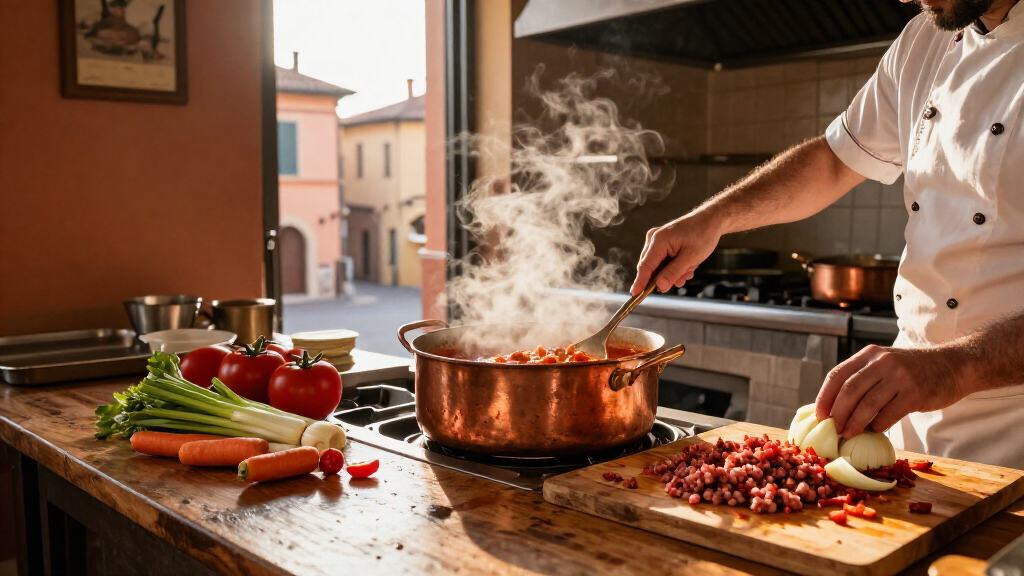
Bolognese ragù is a slowly cooked, meat-centered sauce in which tomato supports the meat instead of dominating it. A familiar home-cooking foundation includes finely chopped or ground meat, onion, carrot, celery, wine, and a measured amount of tomato, though families change proportions and details. Its long simmer turns the ingredients into a savory sauce that clings to pasta rather than flooding it with acidity.
That difference matters in lasagne verdi. A very tomato-forward sauce can overwhelm the delicate spinach sheets and make the whole dish taste sharp. A ragù cooked gently has rounder flavor: the vegetables soften, the meat becomes tender, and the sauce thickens enough to sit between the layers. Think of it like slowly steeping a strong tea; time brings the parts together, while high heat can leave them harsh and separate.
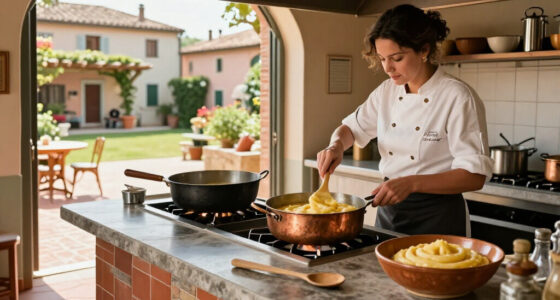
For example, if you are cooking on Saturday for Sunday lunch, prepare the ragù the day before and chill it promptly in a shallow container. The next day, skim any firm fat you do not want, then warm the sauce gently until it spreads easily. It should be moist, not soupy. If a spoonful runs across the plate like broth, simmer it a little longer before assembling.
Household recipes differ, and the title of a dish cannot settle every ingredient or method. Treat “Bolognese” as a regional style with a recognizable balance, not a claim that one home recipe speaks for all of Bologna. For the finished lasagne, the goal is meat-rich flavor that leaves room for béchamel, pasta, and cheese.
How to Plan the Pasta, Sauces, and Layers for Sunday
Sunday lasagne verdi is easier to make when you split the work: cook the ragù ahead, prepare the pasta and béchamel with enough time to cool slightly, then assemble and bake. This sequence prevents a crowded kitchen and gives you better control over moisture. Here is a practical order for a home meal.
- Cook the ragù first. Let it simmer gently until thick and savory, then cool it safely in a shallow container before refrigerating.
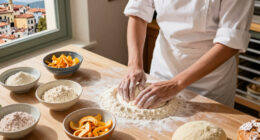
- Prepare the spinach pasta. Drain cooked spinach very well, chop or blend it, and work it into egg dough. Knead until smooth, rest the dough covered, then roll thin sheets.
- Make béchamel. Cook butter and flour together, then whisk in milk until the sauce is smooth and creamy. Season lightly; the Parmigiano will bring extra salt.
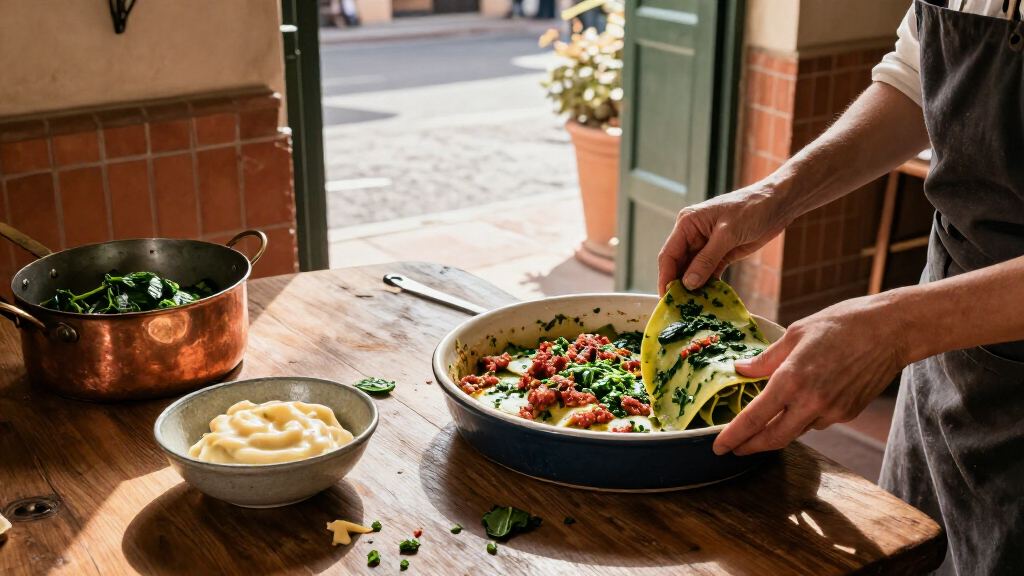
- Build thin, even layers. Start with a little sauce, then pasta, ragù, béchamel, and cheese. Repeat without packing the dish so tightly that the center stays cold.
- Bake and rest. Bake until the center is hot and the top is browned, then let the pan stand before cutting.
This order works like setting a table before guests arrive: the slow work happens first, and the final assembly becomes simple. If you buy ready-made pasta, you save rolling time, but check the package directions because some sheets need pre-cooking and others do not. A Sunday lunch at 1 p.m. feels far less rushed when the ragù is already waiting in the refrigerator.
Fresh pasta takes practice. If your first sheet tears, patch it or cut it into a smaller layer; the sauce will help hold the dish together. Aim for thin sheets that bend without feeling wet. Keep raw egg dough and any pasta made with egg chilled if you are not using them promptly.
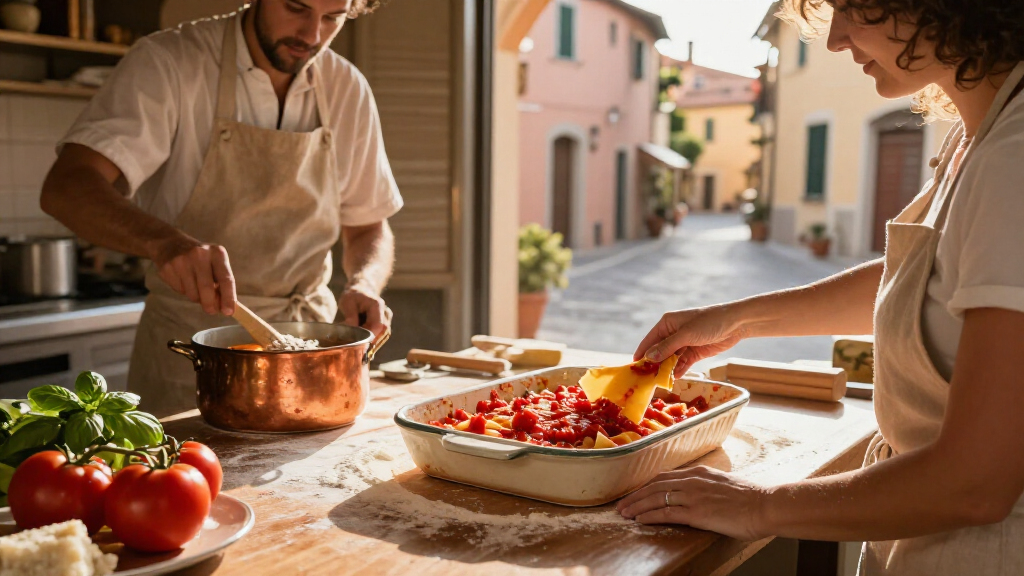
How to Keep the Layers Tender Instead of Watery
Lasagne verdi stays tender when the spinach is well drained, the ragù is thick enough to spread, and the béchamel is creamy rather than thin. Water trapped in any one component can loosen the whole pan, leaving slices that slump instead of holding their layers. A few small checks before assembly make a visible difference when you bring the dish to the table.
Start with the spinach. After cooking it, press or squeeze out moisture once it is cool enough to handle; a clean kitchen towel works well. If you are making pasta dough, add the spinach gradually, since its water content can vary. The dough should feel supple and workable, not sticky like paste. A little extra flour can help, but too much makes the sheets tough.
Next, check both sauces. Ragù should mound on a spoon rather than run off it. Béchamel should coat the spoon in a smooth layer, like a light cream sauce. If it is watery, cook it a little longer; if it is so stiff that you have to force it across the pasta, whisk in a small splash of milk. Use enough sauce to moisten each layer, but avoid puddles.
Finally, let the baked pan rest before slicing. That rest gives the sauces time to settle around the pasta. If you cut straight from the oven, the cheese may stretch and the middle can slide apart. For a family lunch, give it around 15 to 20 minutes on the counter; the top stays warm, and each portion comes out neater.
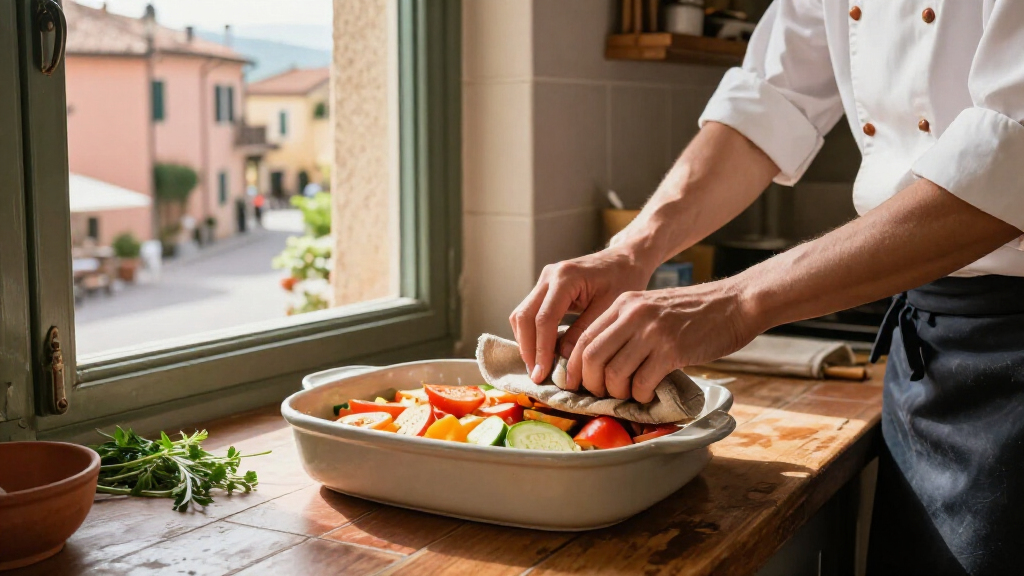
How Béchamel and Parmigiano Build the Bolognese Flavor
Béchamel and Parmigiano Reggiano give Bolognese lasagne its creamy, savory balance. Béchamel, also called besciamella, is a white sauce made from butter, flour, and milk. Parmigiano Reggiano adds a salty, aged flavor between the layers and helps the top turn golden in the oven. Together, they soften the meat sauce without hiding it.
It can be tempting to replace béchamel with ricotta because ricotta appears in many Italian American lasagne recipes. That can be delicious, but it gives the dish a different texture and profile. Béchamel spreads smoothly and mingles with ragù; ricotta forms a more distinct, often grainier layer. If you want the customary Bolognese character, make béchamel. If you need an adaptation, call it your version and expect the result to taste different.
Choose Parmigiano Reggiano DOP (Protected Designation of Origin) when you want the protected cheese associated with Emilia-Romagna. The DOP mark indicates production under defined regional rules; it does not mean every wedge tastes identical, since aging affects flavor and texture. A finely grated, well-aged piece melts into the sauce and adds a nutty aroma. Grate it shortly before assembly if you can.
Keep the seasoning measured. The ragù, pasta, and cheese all contribute flavor, so a heavily salted béchamel can push the finished dish too far. Taste each component separately, then remember that the layers will concentrate in the oven. For instance, if your ragù already tastes deeply seasoned after reducing, use a lighter hand with salt in the white sauce.
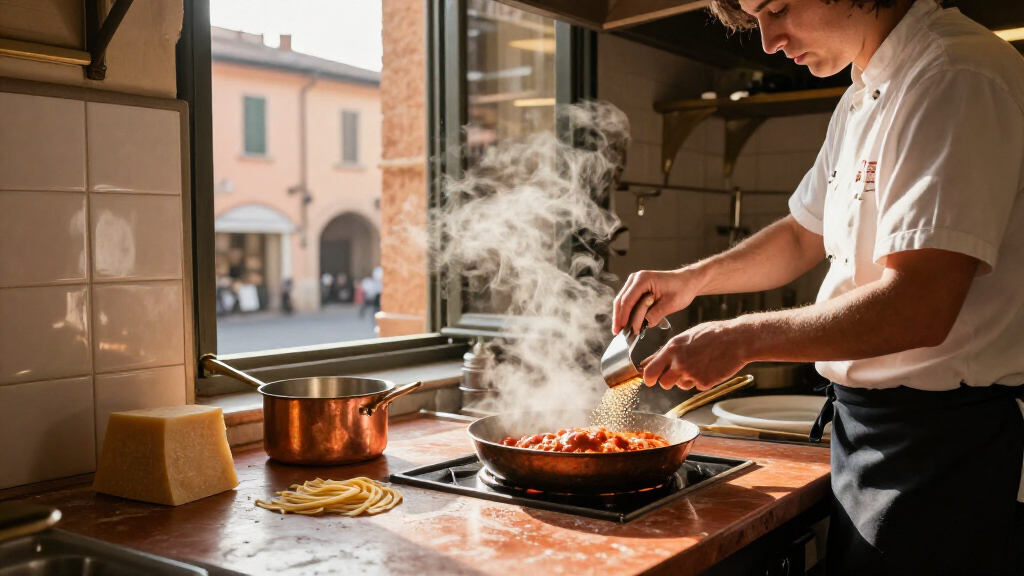
What to Serve with Lasagne Verdi and How to Make It Ahead
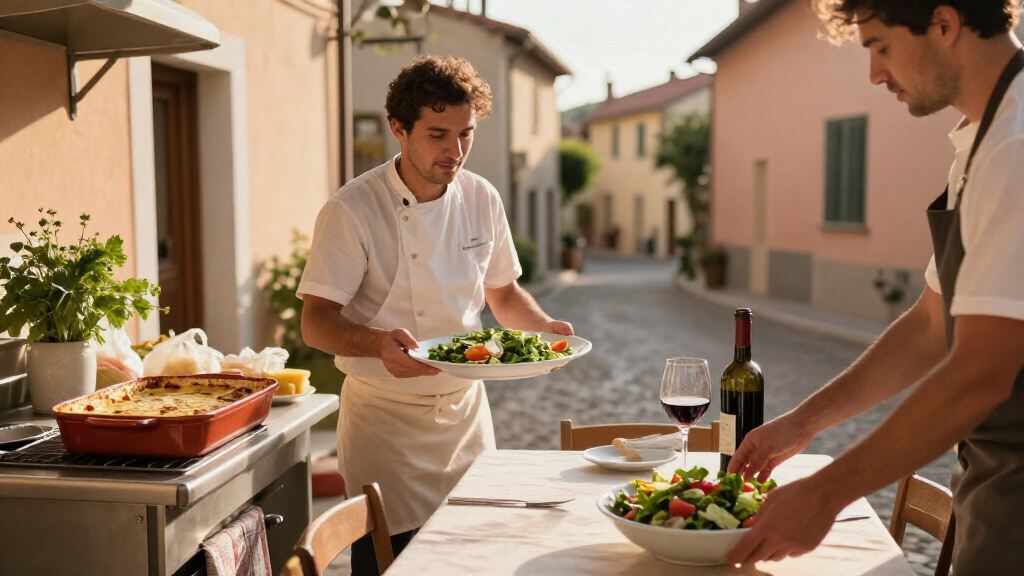
Lasagne verdi is a rich main course, so a crisp salad or seasonal vegetables make a better partner than another heavy dish. In Bologna, the point of a Sunday meal is sharing a generous pan; at home, you can keep the rest of the table simple. Bitter greens, dressed with olive oil and vinegar, cut through the béchamel and cheese with a clean, peppery bite.
Try a bowl of tender leaves with shaved fennel in winter, or sliced tomatoes and herbs when summer tomatoes are ripe. These are serving ideas, not rules of Bolognese tradition. Bread is optional; the pasta already brings plenty of substance. If guests arrive hungry, put out a modest antipasto rather than a second large course.
Making components ahead is a practical adaptation, especially if you are hosting. Ragù can be prepared in advance and refrigerated after prompt cooling. You can also assemble the lasagne, cover it, and refrigerate it before baking; allow for a longer bake if the dish starts cold, and check that the center is hot throughout. Keep perishable ingredients refrigerated at 40°F (4°C) or below, and do not leave cooked food at room temperature for more than two hours.
Leftovers make an easy Monday lunch. Refrigerate them promptly in shallow containers and use within three to four days. Reheat until the center reaches 165°F (74°C); a covered oven dish helps keep the pasta from drying out. You can freeze portions in airtight packaging, though the pasta may soften a little after thawing. For a small household, freeze individual squares so you can warm only what you plan to eat.
How to Choose Between Fresh, Ready-Made, and Adapted Pasta
Fresh green egg pasta gives lasagne verdi its classic texture, but ready-made sheets can make the dish more practical on a busy weekend. Fresh sheets are tender and absorb the sauces as they bake; packaged pasta offers a reliable shortcut if you follow its cooking instructions. Neither choice removes the need to manage moisture and layer the dish evenly.
If you have time, homemade pasta turns the meal into a satisfying kitchen project. Knead egg, flour, and drained spinach into a smooth dough, let it rest covered, and roll it thin. It is a little like rolling out a bedsheet: even thickness matters more than perfect edges. If one sheet comes out uneven, use the thinner part toward the center and the thicker edge where it can soften under sauce.
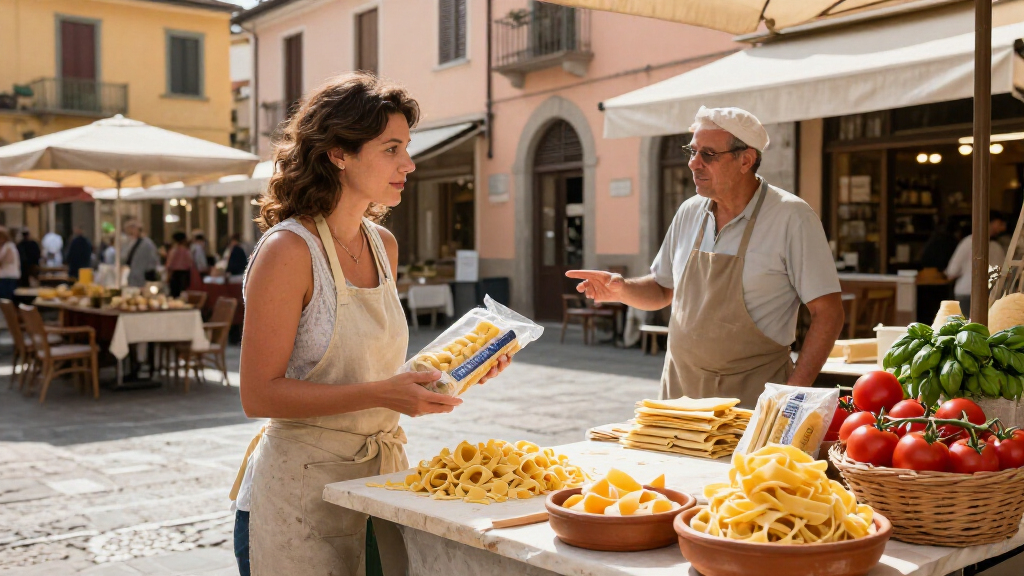
Ready-made pasta helps when the ragù is already taking most of your attention. Some dried sheets need boiling; others are designed to go straight into the pan and need more moisture from the sauce. Read the label before assembling. If a package calls for pre-cooking, cook the sheets until flexible but not fully soft, then lay them separately so they do not stick together.
Vegetarian versions can replace meat ragù with a slow-cooked vegetable sauce, but they are adaptations rather than the customary meat preparation. The same goes for using a different creamy sauce instead of béchamel. A useful Sunday plan is to choose one shortcut at a time: buy the pasta but cook the ragù, or make fresh pasta while preparing the ragù a day earlier. You still get the pleasure of the dish without turning every component into a test of endurance.
Frequently Asked Questions
What gives lasagne verdi its green color?
The green color usually comes from spinach mixed into fresh egg pasta dough. Drain the spinach well before adding it so its water does not make the dough sticky.
Is lasagne verdi the same as lasagna alla Bolognese?
The names often overlap. “Verdi” means green and points to spinach pasta, while “alla Bolognese” describes the regional style commonly layered with ragù, béchamel, and Parmigiano Reggiano.
What goes into Bolognese ragù?
Home recipes vary, but a familiar base includes meat, onion, carrot, celery, wine, and a modest amount of tomato. The sauce cooks slowly until the meat and vegetables form a rich, thick mixture.
Can I make lasagne verdi ahead?
Yes. Cook the ragù ahead and refrigerate it promptly in a shallow container. You can also assemble the lasagne in advance and refrigerate it before baking; allow extra oven time if it goes in cold, and check that the center is hot.
How do I keep lasagne verdi from turning watery?
Squeeze excess moisture from cooked spinach, simmer the ragù until it is thick, and make béchamel creamy rather than thin. Let the baked dish rest for about 15 to 20 minutes before slicing so the layers can settle.
What can I serve with Bolognese lasagne?
A simple green salad or seasonal vegetables balance the rich ragù, béchamel, and cheese. Bread is optional, since the pasta itself makes a substantial main course.
Conclusion
For a Bolognese-style pan, remember the balance: green egg pasta, slow meat ragù, béchamel, and Parmigiano Reggiano. Make the ragù ahead, keep the spinach and sauces from carrying excess water, and give the lasagne a short rest after baking. Those choices do more for a neat, flavorful slice than chasing one supposedly universal family recipe.
Set the pan in the middle of the table while the browned top still smells of cheese and warm pasta. Then pass the salad, cut generous squares, and let Sunday take its time.