TL;DR

Get kitchen staples and gadgets delivered free with Prime
- Fast, free delivery on millions of items
- Prime Video, Amazon Music and more included
- Member-only deals all year
Palermo is one of Sicily’s most rewarding cities for food because its street stalls, markets, and trattorias bring Arab, Norman, Spanish, and Italian influences to the table. Start with panelle, crocchè, arancine, and sfincione, then look for seasonal pasta such as pasta con le sarde; ask about ingredients, check current opening hours, and leave room for a freshly filled cannolo.
In Palermo, lunch can start with a crisp chickpea fritter eaten on a busy street and end with sweet ricotta tucked into a crackling pastry shell. That shift from quick bite to careful craft is part of what makes food in Palermo so memorable. You don’t need a reservation for every good taste, but you do need a little room in your day—and in your appetite.
This first-timer’s guide shows you what to order, how to explore markets such as Ballarò and Capo, and how to settle into a Sicilian meal without chasing a rigid checklist. Palermo’s cooking reflects centuries of Arab, Norman, Spanish, and mainland Italian influence, alongside the produce and seafood of the island. Recipes, hours, and stall lineups change, so treat the ideas here as a flavorful route rather than a fixed schedule.
Think of the day like a walk through a market basket: start with a few small things, add a seasonal dish when you find one that smells right, and save a little space for dessert. Along the way, you’ll get practical tips on meal times, cash, allergies, and finding a sit-down meal that tastes like the season.
Try arancine, panelle, crocchè, and sfincione in small portions so you can sample more than one Palermo specialty.
Choose one market—Ballarò, Capo, or Vucciria—and check current stall hours before making a special trip.
Ask a trattoria what’s seasonal; pasta con le sarde and pasta alla Norma offer distinct Sicilian flavors.
Ask whether cannoli are filled to order, and verify allergens and cross-contact for any dietary restriction.
Check restaurant service hours, bring some cash for small purchases, and look for coperto on the bill.
Palermo Dining Guide A First-Timer’s Eating Guide
Discover the Arab, Norman, and Spanish influences shaping Sicily’s most rewarding culinary landscape.
Essential Street Food
Sample small portions to experience the city’s diverse textures and flavors.
Rice Balls
Fried rice balls filled with ragù, mozzarella, or spinach.
Chickpea Fritters
Crispy fritters often served in a sesame roll.
Palermo Pizza
Thick, soft pizza with tomato, onion, and anchovies.
The Market Route
Choose one historic market to explore rather than attempting all three in one rush.
Seasonal Pasta Varieties
Look for menus that follow the pantry rather than a fixed checklist.
| Dish | Key Ingredients |
|---|---|
| Pasta con le sarde | Sardines, fennel, raisins, saffron |
| Pasta alla Norma | Tomato, aubergine, basil, ricotta salata |
Dining Etiquette & Tips
Verify restaurant and market stall schedules locally.
Essential for small market purchases and snacks.
Ensure cannoli are filled to order for maximum crunch.
Start with five Palermo bites that show off the city
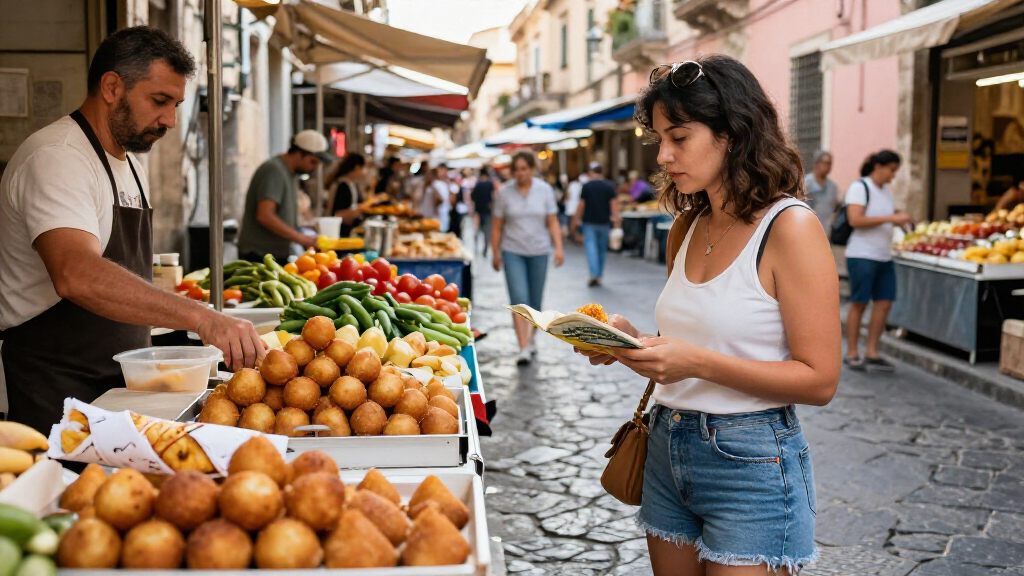
For a first taste of Palermo food, order a small mix of arancine, panelle, crocchè, and sfincione before choosing one more adventurous specialty. Those bites show you the city’s range: crisp and soft textures, chickpeas and rice, rich toppings, and the quick pleasure of food made for eating on the move. If you’re sharing with a friend, split each item so you can taste more without turning lunch into a marathon.
Arancine are fried rice balls filled with options such as ragù, mozzarella, or spinach; in Palermo, the traditional name is arancine, while other parts of Sicily often use arancini. Panelle are chickpea fritters, and crocchè are potato croquettes. Vendors often tuck them into a sesame roll for a filling street snack. Ask what has just come out of the fryer: a warm panelle should have a delicate crunch outside and a tender middle.
Try sfincione when you want something softer and more savory. This thick Palermo-style pizza usually carries tomato, onion, anchovies, and cheese or breadcrumbs; the onion gives it a sweet, rounded aroma. For a more challenging local specialty, consider pane con la milza, a soft roll filled with sliced spleen and lung, traditionally finished with lemon or grated cheese. It’s a choice worth making because you’re curious, not because every visitor supposedly has to try it.
For example, a first market stop might be one arancina to share, then panelle and crocchè in a roll, followed later by sfincione. This spacing gives each dish a moment. Menus vary by shop and season, so ask for the specialità della casa—the house specialty—and whether it’s freshly made.
Products Worth Considering

Dyson Supersonic Travel Hair Dryer

Dyson V8 Cyclone Cordless Vacuum

Philips Hue Festavia Outdoor Globe String Lights, 8 Bulbs, 22 ft
As an affiliate, we earn on qualifying purchases.
Use Ballarò, Capo, and Vucciria as a flexible tasting route
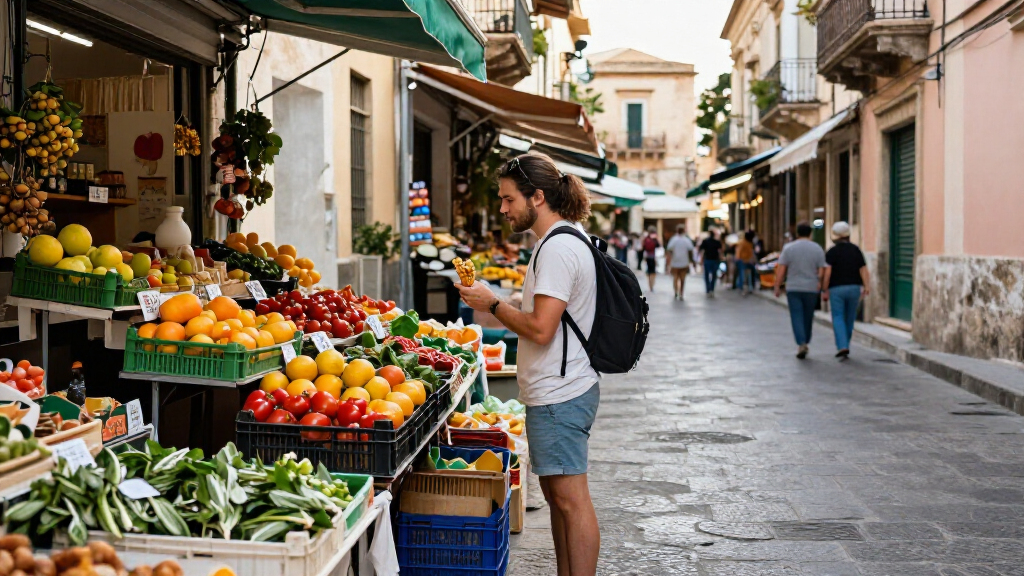
Ballarò, Capo, and Vucciria are historic Palermo markets where you can see produce, hear stallholders call to customers, and look for street food in the same wander. They suit a flexible tasting route better than a timed food tour you must follow minute by minute. Individual stalls and opening hours vary, so check locally before you cross town for a particular bite.
Choose one market for your first visit instead of trying to cover all three in one hungry rush. At Ballarò, for instance, you might pause over produce before buying a small snack; at Capo or Vucciria, let the stalls you actually find open guide the next stop. The market sounds are part of the meal: chatter, clattering trays, and the soft hiss of something frying. It’s an easy way to see how everyday eating fits into city life.
Keep the plan simple: arrive hungry, carry a little cash, and pick two or three small tastes rather than ordering a full plate at every counter. A market lunch works like sampling fruit at a stall: one juicy bite helps you decide what you want next. If a vendor offers a filling sandwich, you can make that your main meal and save room for a sweet later.
Markets can be busy and noisy, especially around popular stalls. Watch your belongings as you would in any crowded city, and use ordinary food-safety judgment: choose food that appears freshly prepared or turns over regularly. Don’t assume a stall will serve the same menu every day. If a favorite dish isn’t available, ask what’s good right now; seasonal flexibility is part of eating well in Palermo.
Order pasta by season, not by checklist
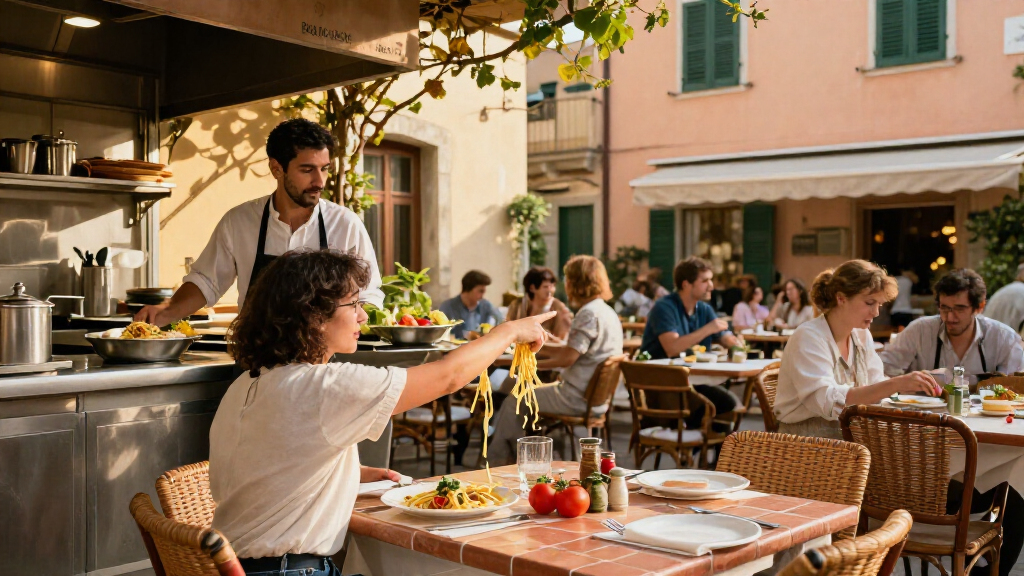
Seasonal pasta lets you taste Sicily beyond its famous street food, and a good trattoria can show how local ingredients shift the meal. Ask what’s being cooked with sardines, fennel, aubergine, citrus, or local cheeses, then choose what sounds freshest. A focused menu built around a handful of these ingredients can be a useful clue that the kitchen is following its pantry rather than trying to offer everything.
Pasta con le sarde is a classic Palermo dish combining sardines with wild fennel, raisins, pine nuts, and saffron. Its sweet, savory, and aromatic flavors can surprise you if you expect seafood pasta to taste only of salt and lemon. Imagine the raisins as small soft sparks against the savory fish, with fennel adding a green, anise-like note. Recipes vary, so ask how the trattoria prepares it and whether it’s on the menu that day.
Pasta alla Norma pairs tomato, fried aubergine, basil, and ricotta salata, a firm, salty cheese. It’s associated with Sicily more broadly and offers a good choice when you want a vegetable-forward main. If you’re vegetarian, ask whether the sauce or toppings include anchovies, meat broth, or other ingredients you avoid. A dish’s familiar name doesn’t guarantee every kitchen makes it the same way.
For a real dinner scenario, you might share an antipasto, order pasta con le sarde if it’s available, and skip a second large course so dessert still feels welcome. Restaurant hours often separate lunch and dinner service, rather than staying open continuously. Check the current schedule before taking a long walk across town, and book a small, popular dining room ahead during high season.
Save room for cannoli, cassata, and a cool granita
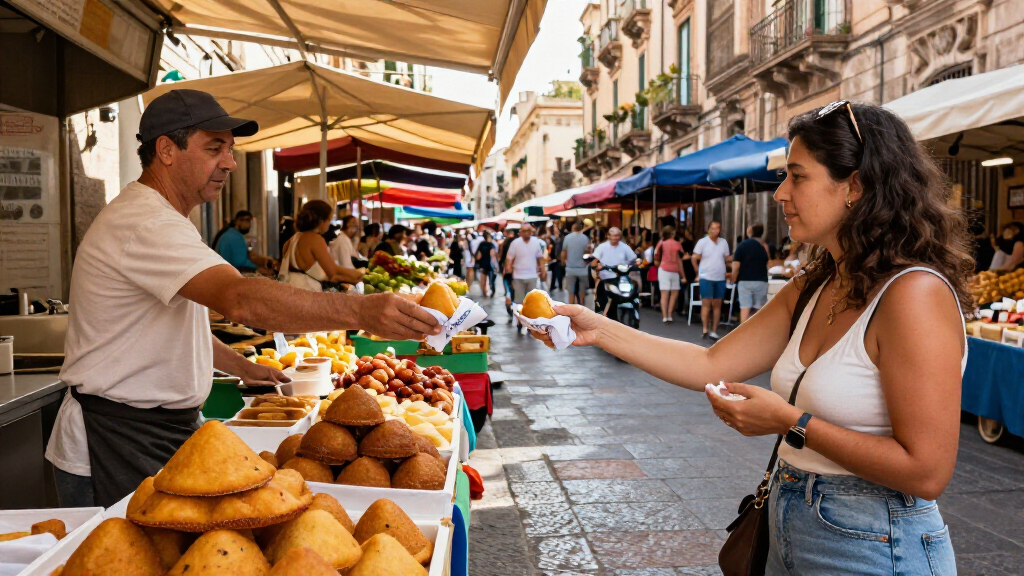
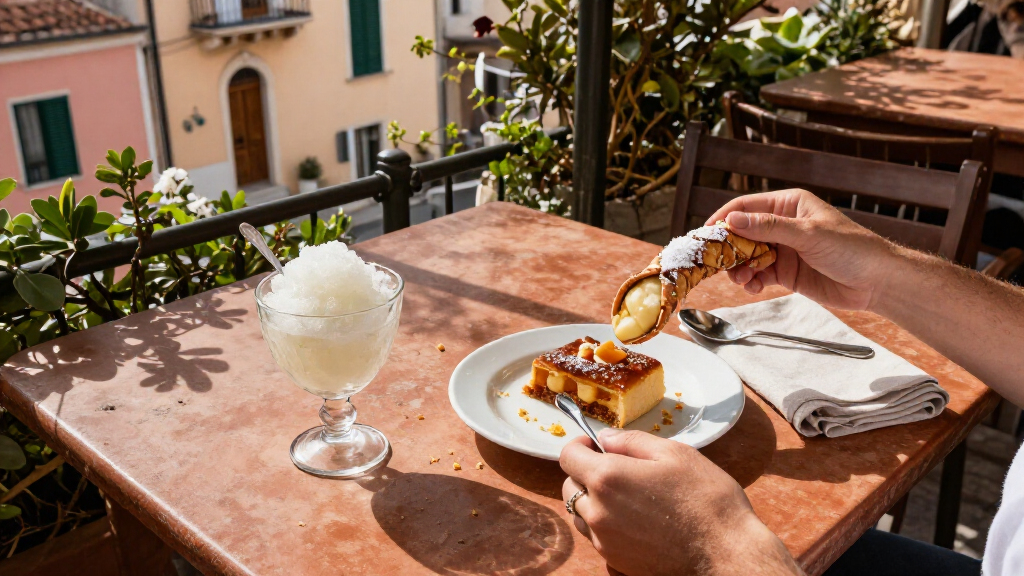
Cannoli and cassata are two classic Sicilian sweets made with sweetened ricotta, while granita offers a cooler finish, especially in warm weather. For a cannolo with the best contrast, ask whether the shell is filled to order. A crisp shell and fresh ricotta filling give you the pleasing crackle and creamy center that can disappear when a pastry sits filled for too long.
A cannolo is an easy choice when you want a portable dessert; cassata is a richer, more elaborate option that often suits a slow café stop. Shops vary in their recipes and presentation, so look at what’s being made and ask what’s fresh. If you’re sharing, one pastry can be plenty after a day of fried snacks and pasta. You don’t need to order every famous sweet in one sitting.
Granita is a semi-frozen treat commonly paired with brioche in Sicily. On a warm Palermo afternoon, that cold, softly crystalline texture makes a welcome pause between sightseeing and dinner. Think of it as a shaded bench you can eat: cool, sweet, and slower than grabbing another fried snack. Ask which flavors are available that day, since selection can change.
When you plan dessert, keep the earlier meal in mind. A light market lunch leaves space for a pastry, while a large lunch may make a coffee and a few spoonfuls of granita more comfortable. Traditional sweets often contain dairy, and some preparations may include nuts or other allergens. Ask directly about ingredients and shared equipment if you have an allergy; a pastry’s name can’t tell you enough.
Follow these five steps for a relaxed first food day
A relaxed Palermo food day works best when you plan one market, a few small bites, and one sit-down meal, then leave space for what you find. This approach gives you a route without making the day feel like a race. Check opening times and restaurant service before you set out, since market stalls and dining rooms don’t all follow one fixed schedule.
- Pick one market. Choose Ballarò, Capo, or Vucciria based on where you’ll already be, and check current local hours.
- Start small. Share an arancina, then try panelle or crocchè. Ask which items are freshly made.
- Add a local specialty. Choose sfincione, or try pane con la milza if its ingredients appeal to you.
- Plan a seasonal meal. Look for a trattoria serving pasta con le sarde, pasta alla Norma, or another dish tied to what’s available.
- Finish with something sweet. Ask for a cannolo filled to order, cassata, or granita with brioche.
The steps are a guide, not an itinerary you must complete. If the market snack fills you up, drop the planned lunch and take a walk instead; if the day is hot, a granita might sound better than another pastry. Bring some cash for small purchases, though cards are widely used. For a popular restaurant, reserve ahead in high season and check the menu before you commit to a long detour.
At the table, look over the bill for coperto, a per-person cover charge that varies by establishment. Tipping is generally more modest than in the United States; a small tip for good service is appreciated, but a large percentage isn’t the usual expectation. These small details let you spend your attention on the food rather than guessing about the routine.
Ask about allergens before the first bite
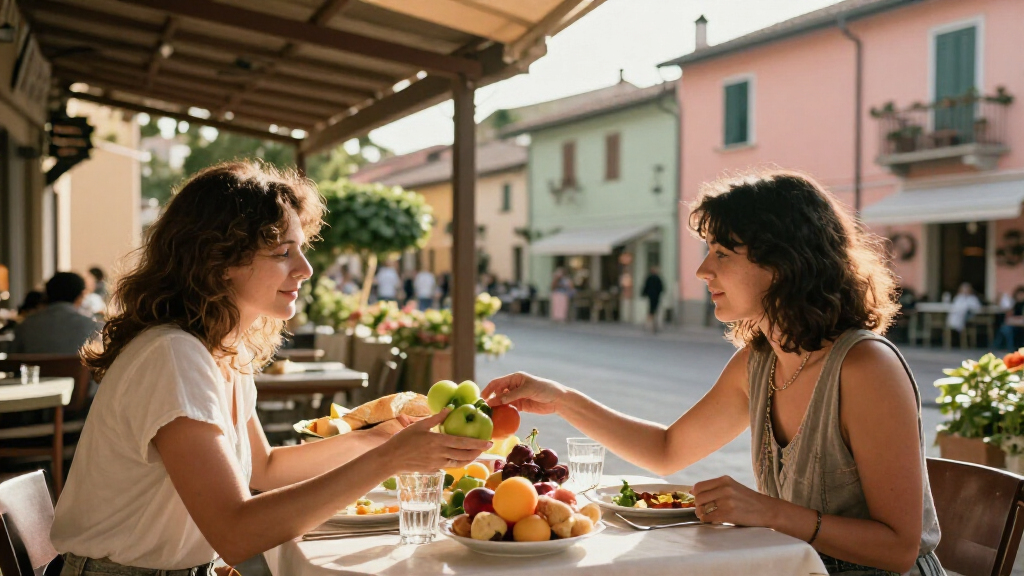
Ask about ingredients and cross-contact whenever an allergy or dietary restriction matters, because Palermo’s traditional dishes can contain dairy, eggs, nuts, seafood, anchovies, or meat. A dish that looks vegetable-based may still include fish in its sauce or cheese on top. Tell the person taking your order clearly what you cannot eat, then verify the ingredients in that specific preparation.
For vegetarians, panelle, crocchè, caponata, pasta alla Norma, and other vegetable dishes may offer good choices. Recipes vary, though: crocchè may contain egg or dairy, and sauces or toppings may include meat, fish, or anchovies. Vegans will need to ask more questions because many traditional dishes use cheese, eggs, butter, seafood, or meat. A friendly, direct question is more useful than guessing from a menu description.
If you have a serious allergy, you can carry a short written explanation in Italian alongside your usual medication and emergency plan. For example, ask whether a dish contains the allergen and whether the same fryer or utensils touch it. A busy stall may not be able to guarantee separation. When the answer is uncertain, choose another dish or a restaurant that can explain its preparation clearly.
Use normal food-safety judgment, too. Choose busy stalls where food appears freshly prepared or regularly turned over, and take care with food that has been sitting out. For leftovers, refrigerate perishable food promptly and keep it cold; don’t leave it in a warm hotel room while you tour the city. If you’re unsure about a food’s handling, skip it and choose something freshly made.
Frequently Asked Questions
What food is Palermo best known for?
Palermo is known for arancine, panelle, crocchè, and sfincione, along with specialties such as pane con la milza and pasta con le sarde. Ricotta-based sweets such as cannoli and cassata are popular finishes. Start with small portions so you can try several styles in one day.
Is Palermo street food safe to eat?
Use ordinary food-safety judgment: choose busy stalls where food appears freshly prepared or turns over regularly, and avoid food that looks as though it has been sitting out. If you have allergies, ask about ingredients and cross-contact before ordering. Don’t assume a dish is safe just because its name sounds familiar.
Can vegetarians eat well in Palermo?
Yes, but check how each dish is made. Panelle, crocchè, caponata, pasta alla Norma, and vegetable dishes may work, though recipes can include egg, dairy, anchovies, fish, or meat-based broth. Ask about the sauce and toppings, not only the main ingredient.
When should I eat dinner in Palermo?
Many restaurants serve lunch and dinner in separate windows rather than staying open all afternoon. Hours differ by restaurant and season, so check the current schedule before walking across town. Book a popular small dining room ahead during high season.
What does coperto mean on a Palermo restaurant bill?
Coperto is a per-person cover charge that may appear on the bill. Whether a restaurant charges it, and how much, varies. Tipping is generally more modest than in the United States; a small amount for good service is appreciated.
How do I get the freshest cannoli?
Ask whether the cannoli are filled to order. A freshly filled shell stays crisp, while the ricotta remains creamy. Recipes differ, so also ask about dairy, nuts, and other allergens if you need to avoid them.
Conclusion
For your first Palermo food day, pick one market, share a few street snacks, and let a seasonal pasta dish or freshly filled cannolo decide the rest. Ask what’s made today, check ingredients when you need to, and leave room for a change of plan. Palermo’s best meal may start with a recipe you knew and end with a flavor you didn’t expect—one last crisp shell, one warm bite, and the city still humming around you.