TL;DR

Get kitchen staples and gadgets delivered free — and shop member deals
- Fast, free delivery on millions of items
- Access to Prime Big Deal Days deals on October 6–7
- Prime Video, Amazon Music and more included
Tortelli di zucca are filled pasta parcels from Mantua, in Lombardy, traditionally made with pumpkin, crumbled amaretti, Mantuan mostarda, and cheese. Their defining quality is the balance of sweet pumpkin, savory cheese, and mostarda’s pungent mustard note; butter and sage keep the sauce simple. They are especially associated with Christmas Eve, though you can find them during autumn and winter.
The first bite can catch you off guard: soft pumpkin and almond-cookie sweetness, then a fragrant mustard prickle that lingers like a little spark. That is the pleasure of tortelli di zucca, Mantua’s fresh pasta parcels filled with pumpkin, amaretti, mostarda, and often cheese.
This dish comes from Mantua, in Lombardy, where autumn’s pumpkin season leads naturally toward a Christmas Eve table. You can order it at a trattoria, or make a version at home; either way, understanding the filling helps you appreciate why no two kitchens need to taste exactly alike.
Here you’ll learn what each ingredient does, how the dish connects to Mantuan cooking, what to expect from its traditional butter-and-sage dressing, and how to prepare or store the parcels with care. Think of the filling like a small choir: pumpkin carries the melody, cheese gives it a bass note, and mostarda cuts through with a bright edge.
Tortelli di zucca are Mantuan filled pasta parcels built around pumpkin, amaretti, mostarda, and often cheese.
Mostarda is fruit preserved in syrup with mustard oil; it brings pungent heat and texture, not just sweetness.
The dish is especially associated with Christmas Eve in Mantua, though autumn and winter menus often feature it.
Butter, sage, and grated hard cheese dress the tortelli simply so the filling stays in focus.
Add amaretti and mostarda gradually when cooking, since pumpkin sweetness and mustard strength vary.
Pumpkin Arrives: Tortelli di Zucca, Mantua’s Sweet-Savory Signature
One tender parcel, three clear notes: mellow pumpkin, almond-cookie sweetness, and the bright mustard prickle of Mantuan mostarda. This is autumn comfort with a festive edge.
Four ingredients, one bright-edged balance
Pumpkin carries the melody. Cheese gives it depth. Amaretti bring fragrance, while mostarda cuts through the richness with fruit and aromatic heat.
Pumpkin
Cooked and mashed until tender, it gives the filling its soft body. Drain excess moisture so parcels seal neatly.
Amaretti
Crumbled almond biscuits add sweetness and fragrance, and help absorb moisture in the mixture.
Mantuan mostarda
Fruit preserved in syrup and flavored with mustard oil. Chopped pieces add texture; the aroma brings a pungent prickle.
Cheese
Grated cheese grounds the sweetness and makes the filling feel unmistakably savory.
Sweet meets savory—with a sharp lift
Mostarda is not smooth yellow mustard. Its fruit and mustard oil provide the signature contrast that keeps each bite lively.
Build the filling by taste
There is no single household ratio. Pumpkin sweetness, moisture, and mostarda strength all vary, so add the most distinctive ingredients gradually.
Cook & mash
Soften the pumpkin, then mash it. Let excess water drain away for a firm, workable base.
Ground with cheese
Mix in grated cheese and seasoning first, creating the savory backbone of the filling.
Add in small steps
Fold in crumbled amaretti and chopped mostarda a little at a time. Taste between additions.
Seal & cook gently
Fill and seal small pasta parcels carefully. Cook gently so the pasta stays intact.
Very sweet pumpkin? Go easy on the amaretti. Especially pungent mostarda? Begin with less. There is no exact substitute; chopped candied fruit with a little mustard can echo the contrast, though its aroma and texture differ.
An autumn harvest with a Christmas Eve place
Seasonal pumpkin becomes an occasion dish: rich and distinctive in the filling, yet served with a simple dressing that lets its character lead.
A Mantuan signature
Tortelli di zucca belong to Northern Italy’s wider stuffed-pasta tradition. Pumpkin, amaretti, and mostarda give this version a distinctly Mantuan voice. It is often linked to Gonzaga-era court cuisine, when sweet-and-savory pairings were fashionable; the modern recipe’s precise origins remain uncertain.
Pumpkin comes into season, and tortelli appear on menus across the cooler months.
A cherished festive first course in Mantua and surrounding areas.
Melted butter, sage, and grated Grana Padano or Parmigiano-Reggiano keep the sauce simple.
Small details, better bites
Ask how the kitchen balances its mostarda, and handle the delicate parcels gently from preparation through storage.
Ask about the mostarda
Its fruit and mustard strength shape the finish. In-house tortelli can vary from brisk and aromatic to sweeter and rounder.
Check the details
It can be vegetarian, depending on the dough and cheese. Ask whether the pasta contains egg and whether the cheese uses animal rennet.
Chill briefly or freeze
Filled tortelli can generally be prepared ahead. Follow your recipe for cooking from frozen or thawed, and handle them gently.
What makes Mantua’s tortelli taste sweet, savory, and sharp?
Tortelli di zucca are filled pasta parcels from Mantua, usually made with cooked pumpkin, crumbled amaretti, chopped mostarda, and grated cheese. Their defining quality is not simply the presence of sweet and savory ingredients, but how each keeps the others in check: pumpkin gives the filling body, amaretti deepen its sweetness, cheese grounds it, and mostarda interrupts that richness with a sharp aromatic note. The result should taste layered rather than like dessert wrapped in pasta.
The cooking choices affect that balance. Pumpkin is cooked until tender and mashed into a soft base; if it carries too much water, the filling can become loose and make the parcels harder to seal. Amaretti—crisp almond biscuits—break down into the mixture, lending fragrance while absorbing some moisture. Mostarda adds pieces of fruit as well as mustard oil’s pungency, so it changes both texture and flavor. More of it can make the filling vivid, but too much can overwhelm the pumpkin.
Imagine tasting one after a cold walk through Mantua’s historic center. The tender pasta gives way to a creamy filling, then the mustard note wakes your palate. That shift matters: without the sharpness, pumpkin, cookie, and butter could feel heavy after a few bites. Cheese provides a savory counterweight, helping the sweetness read as part of a main course rather than a dessert.
Recipes vary by family and restaurant because the ingredients themselves vary: pumpkins differ in sweetness and moisture, and mostarda jars differ in fruit and pungency. One cook may favor pumpkin and cheese; another may use more amaretti or mostarda. There is no single ratio that defines every household’s tortelli, so look for a recognizable balance rather than identical parcels everywhere.

As an affiliate, we earn on qualifying purchases.
How do pumpkin, amaretti, and mostarda work together?
Tortelli di zucca depend on three distinct filling notes: pumpkin gives the mixture body, amaretti add almond sweetness, and mostarda supplies fruit and mustard heat. Cheese ties those flavors together and makes the filling taste savory enough to sit comfortably inside pasta. Thinking about each ingredient’s job helps you taste the dish more clearly and make adjustments without losing its Mantuan character.
Mantuan mostarda is fruit preserved in syrup and flavored with mustard oil. It is not a jar of smooth yellow mustard. Chopped fruit adds chewy little pieces to the filling, while the mustard aroma cuts through the pumpkin’s mellow sweetness. That combination is why mostarda does more than sweeten: it gives the filling contrast in both texture and aroma, much like a squeeze of lemon can bring a cooked dish into focus.
For a practical kitchen example, mash your cooked pumpkin and mix in cheese before adding the amaretti and mostarda gradually. Taste between additions. Pumpkin sweetness and moisture determine how much cookie the filling can take, while the strength of the mustard oil determines how quickly mostarda becomes dominant. If your pumpkin is very sweet, use a restrained hand with the cookies; if the mostarda is especially pungent, begin with less and add more only after tasting.
There is no exact replacement for mostarda, and that matters if you want the characteristic finish rather than just a sweet filling. Chopped candied fruit with a small amount of mustard can approximate the sweet-sharp contrast, but its texture and aroma will differ. If you find a jar from Mantua, try a little on its own first; that gives you a useful reference for how much its particular fruit and mustard oil will contribute.

Why does Mantua save these pumpkin parcels for autumn and Christmas Eve?
Tortelli di zucca connect Mantuan tables to autumn’s pumpkin harvest and to a Christmas Eve tradition. Pumpkin is abundant as the weather cools, and the dish turns a seasonal ingredient into an occasion meal. Its ingredients also make it suited to a festive table: the filling is rich and distinctive, while the pasta and simple dressing can be prepared without a complicated sauce. It appears on menus across autumn and winter, but the association with Christmas Eve gives it a special place in local food memory.
Mantua’s tortelli belong to northern Italy’s broad tradition of stuffed pasta, yet pumpkin, amaretti, and mostarda give them a clear local identity. They are often linked to Gonzaga-era court cuisine, when elaborate sweet-and-savory combinations were fashionable. That connection offers a useful way to understand the dish’s unusual pairing of cookie, fruit, and cheese, though it does not establish a precise recipe history. The origins of today’s version are difficult to pin down, so it is more accurate to speak of a long Mantuan culinary tradition than to name a single inventor or date.
Picture a family preparing dinner on December 24: the pasta is assembled ahead, the table is set, and a simple butter-and-sage sauce waits in a warm pan. The parcels make a festive first course without requiring a sauce that competes with the filling. For a traveler, ordering them during a winter visit offers a taste of the season even if you miss the holiday itself.
Restaurants may serve tortelli beyond pumpkin season, and each kitchen interprets the filling in its own way. If you visit Mantua in October or December, ask whether the tortelli are made in-house and what their mostarda tastes like. The answer helps set expectations: a pronounced mustard note can make one version brisk and aromatic, while a sweeter filling may feel rounder and richer.

What should you expect from the traditional butter-and-sage dressing?
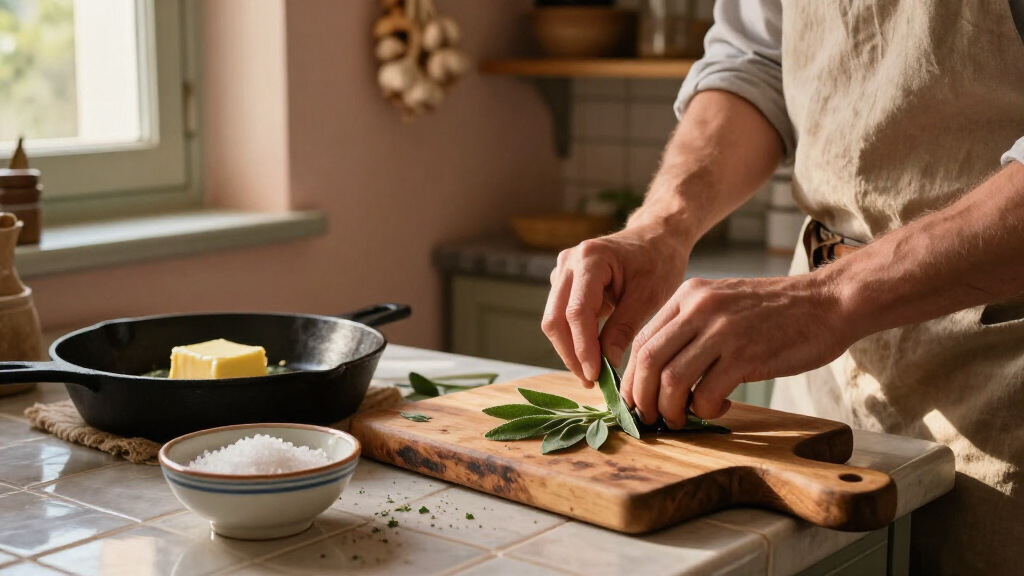
Melted butter and sage are the classic dressing for tortelli di zucca, often finished with grated Grana Padano or Parmigiano-Reggiano. The sauce coats the pasta lightly and lets the pumpkin, amaretti, and mostarda remain the focus. Its restraint is functional: a strongly flavored sauce could obscure the filling’s sweet, savory, and sharp notes, while butter adds richness that suits the pasta and sage contributes fragrance without another competing flavor.
Butter turns glossy as it melts, and sage leaves release an earthy, almost peppery scent when they warm in the pan. A shower of hard cheese brings another savory note. Together they soften the filling’s sharper edges and make the dish feel complete, but the quantity matters: too much butter or cheese can flatten the contrast that makes the filling interesting. It is a frame around a painting, meant to support what is inside.
At home, warm butter gently and add sage until fragrant; avoid letting it brown too far unless your recipe calls for a nuttier flavor, which will make the sauce taste more assertive. Cook the tortelli in a large pot of salted boiling water, handling them carefully so the seams stay intact. Fresh pasta cooks quickly, so follow the recipe’s timing and lift a parcel gently to check tenderness. Moving the pasta straight into the butter helps the sauce cling, but use a slotted spoon to avoid carrying excess water into the pan.
For a dinner with friends, serve a modest portion as a first course, then offer extra cheese at the table so guests can adjust the savory finish themselves. The dish is filling, especially alongside other holiday courses. Keep any leftovers refrigerated promptly and reheat them gently; a hard boil or aggressive stirring can split the pasta and spill the filling.
How can you make a home version that keeps its Mantuan balance?
You can make tortelli di zucca at home by preparing a balanced filling, sealing small pasta parcels carefully, and cooking them gently. The key is to add the sweet and pungent ingredients in stages, because pumpkin varieties and mostarda jars differ. This gives you control over flavor and texture before the filling goes into the pasta, when adjustments are still easy.
- Cook the pumpkin until tender, then mash it and let excess moisture escape. A drier base is easier to fill and less likely to soften the pasta or leak through a seam.
- Build the savory base with grated cheese and seasoning, then fold in crumbled amaretti. The cheese sets the savory direction; the cookies add sweetness and help absorb moisture.
- Add chopped mostarda gradually, tasting as you go until the mustard note brightens the pumpkin without taking over. Its pungency can be hard to judge by appearance alone.
- Fill and seal the pasta in small portions, pressing out trapped air and checking the edges for gaps. Air pockets expand during cooking and can put pressure on the seams.
- Cook gently in salted boiling water, then lift the parcels into melted butter and sage with a slotted spoon. Gentle handling protects the pasta and keeps the filling inside.
For example, if your pumpkin tastes especially sweet after roasting, you may need less amaretti than a recipe suggests. If your mostarda is mild, a little more can restore the characteristic sharpness. These adjustments let the ingredients stay in balance; they are not failures, since Mantuan versions vary from kitchen to kitchen.
Fresh pasta often contains egg, and the cheese may use animal rennet, so check the ingredients if you need a vegetarian meal. Wheat and egg are common allergens in the pasta, and amaretti contain almonds; some packaged cookies may also carry other nuts. Keep raw egg pasta and filling chilled while you work, refrigerate prepared tortelli promptly, and follow your recipe’s safe handling directions.

How should you choose, store, and serve tortelli for a first taste?
For a first taste, choose tortelli served simply and ask how the filling balances pumpkin, amaretti, and mostarda. A restrained butter-and-sage dressing makes those ingredients easier to identify. If you are cooking ahead, keep the filled parcels chilled briefly or freeze them, handling them gently so the pasta does not split.
At a restaurant, ask whether the pasta is made in-house and whether the filling leans sweet or sharp. If the server says the mostarda is pronounced, expect an aromatic mustard note rather than a chili-like burn. The best first bite is small enough to notice the sequence: tender pasta, mellow pumpkin, almond fragrance, then the bright edge of fruit and mustard. That sequence is a useful guide to whether the filling feels balanced to you, even if the kitchen’s version differs from another.
At home, lay freshly filled tortelli in a single layer so they do not stick together. If freezing, arrange them separately until firm, then transfer them to a sealed container; follow your recipe’s guidance for cooking from frozen or thawing. Keeping them separate protects their shape, while limiting time at room temperature helps preserve the dough and filling, particularly when the dough contains egg.
Serve the dish as a first course with a light appetite for what follows. A friend who expects plain pumpkin ravioli may be surprised by the amaretti and mostarda, so describe the flavor before serving. That small bit of context prepares them for the sweet-sharp contrast and makes the first forkful feel like a discovery rather than a puzzle.
Frequently Asked Questions
What is tortelli di zucca?
Tortelli di zucca are filled pasta parcels from Mantua, usually made with pumpkin, crumbled amaretti, mostarda, and cheese. They are served simply, often with melted butter, sage, and grated hard cheese.
Are tortelli di zucca sweet or savory?
They are both. Pumpkin and amaretti bring sweetness, cheese adds savory depth, and Mantuan mostarda contributes a pungent mustard note that keeps the filling from tasting like dessert.
What is Mantuan mostarda?
Mantuan mostarda is fruit preserved in syrup and flavored with mustard oil. Chopped into the filling, it gives tortelli pieces of fruit and an aromatic sharpness; it is not the same as smooth prepared mustard.
When do people traditionally eat tortelli di zucca?
The dish is especially associated with Christmas Eve in Mantua and nearby areas. Pumpkin season also brings it to autumn and winter menus, and some restaurants serve it beyond those months.
Can you make tortelli di zucca ahead?
Yes. You can prepare filled tortelli ahead and keep them chilled briefly or freeze them, following your recipe’s directions for cooking. Arrange them carefully so they do not stick, and handle them gently to protect the pasta seams.
Is tortelli di zucca vegetarian?
It can be, but recipes differ. Check whether the pasta contains egg and whether the cheese uses animal rennet; wheat, egg, and almonds in the amaretti are common allergens to flag.
Conclusion
When you taste tortelli di zucca, look for the sequence: pumpkin first, almond sweetness next, and mostarda’s sharp fruit-and-mustard note at the finish. Order them in Mantua during autumn or winter, or make them at home and add the mostarda a little at a time.
Keep the sauce simple, and let each parcel tell its small seasonal story: golden pumpkin tucked inside tender pasta, with a bright mustard spark waiting at the edge.
Fall Picks
fall essentials
As an affiliate, we earn on qualifying purchases.