
TL;DR
Cioccolato di Modica is a Sicilian chocolate made by working cocoa mass and sugar without fully dissolving the sugar, leaving a firm, crystalline texture and concentrated cocoa flavor. Look for the EU PGI mark, added in 2018, check the ingredients for flavorings and allergens, and serve small pieces at room temperature. Its tradition draws on older chocolate-making influences, but the modern Sicilian recipe should not be described as unchanged since antiquity.
The grainy texture comes from sugar crystals that remain perceptible because the sugar is not fully dissolved during production.
Cioccolato di Modica’s history includes older influences, but the modern recipe should not be described as unchanged since antiquity.
Look for the *Cioccolato di Modica IGP* mark, awarded in 2018, and read the ingredients and allergen statement.
Taste a plain bar first; espresso, pear, and orange make practical pairings for its concentrated cocoa flavor.
Store the bar cool and dry, away from sunlight, moisture, and strong kitchen odors.
Cioccolato di Modica Grainy, Ancient, and Worth Seeking Out
This Sicilian chocolate pairs concentrated cocoa flavor with a firm, crystalline bite. Its method and history make it distinctive, while the IGP mark helps you identify the protected product.
Why the bite is grainy
Sugar crystals remain perceptible because the sugar is not fully dissolved during production.
Worked, not fully melted
Cocoa mass and sugar are worked together, preserving a firm, crumbly texture.
Concentrated cocoa
The traditional method uses no added cocoa butter, giving the chocolate a direct, sometimes bitter flavor.
A tradition with layered roots
Older influences help explain the style, but the modern recipe should not be called unchanged since antiquity.
- Spanish ties helped bring cacao and chocolate-making knowledge to Sicily.
- The method is associated with older Mesoamerican practices.
- Cacao came from the Americas and reached Europe after European contact.
- Influence does not prove an uninterrupted ancient recipe.
Choose a bar with confidence
The mark identifies the protected product; the label tells you what is in the bar.
Look for Cioccolato di Modica IGP, not just a reference to Sicily or Modica.
Classic bars use cocoa mass and sugar; spices and citrus create different flavors.
Recipes and cross-contact risks vary, so check the package for your dietary needs.
Taste it slowly
Start with a plain bar to notice the cocoa and sugar crystals, then try a flavored version.
- Break off small pieces and serve at room temperature.
- Pair with espresso, dessert wine, or fruit.
- Grate or chop into desserts; high heat can change its characteristic texture.

Get kitchen staples and gadgets delivered free with Prime
- Fast, free delivery on millions of items
- Prime Video, Amazon Music and more included
- Member-only deals all year
Why Cioccolato di Modica Has a Crunchy, Dry Bite
Cioccolato di Modica is made by working cocoa mass and sugar without fully melting the sugar, so crystals remain in the finished bar. That choice shapes more than texture: it changes how quickly sweetness and cocoa meet on your palate. In a smooth chocolate, fine particles and fat create a uniform melt; here, the crystals give each bite a dry, crumbly structure that releases sweetness in small bursts. The result is firm rather than creamy, and more direct in flavor. If you expect a truffle-like melt, the first mouthful may surprise you; think of the texture as a fine gravel path through deep cocoa, not a flaw in the bar. The sugar’s grain also affects how you taste the cocoa. As you chew, concentrated cocoa and sweetness arrive in little waves instead of blending into one smooth impression. A plain bar makes that contrast easiest to notice: break off a small piece and let it soften slightly on your tongue. The crystals remain present as the cocoa aroma opens, so the experience rewards a slower bite rather than a quick snap and melt. Traditional versions generally use cocoa mass and sugar, without added cocoa butter. That helps explain why they can feel less creamy and taste more direct, even bitter, than a familiar supermarket bar. The tradeoff is part of the appeal: you get a distinctive, assertive cocoa flavor and crystalline texture instead of the smoothness many people expect. Makers may add vanilla, cinnamon, chili, or citrus zest, shifting the balance between cocoa, sweetness, and aroma. Check the label before buying, especially if you are avoiding dairy or have a food allergy.Products Worth Considering

Samsung 65-Inch Class M70H Series 4K Mini LED Smart TV (2026)

eufy C28 Robot Vacuum and Mop with 15,000 Pa Suction

Dyson V8 Cyclone Cordless Vacuum
As an affiliate, we earn on qualifying purchases.
What Modica’s History Can—and Cannot—Tell You
Cioccolato di Modica reflects a Sicilian tradition shaped by older chocolate-making influences, but no careful account should claim that the present recipe has survived unchanged since antiquity. Cacao came from the Americas, and its arrival in Europe belongs to the period after European contact. Modica’s story is connected to Spain’s historical ties with the Americas and the movement of cacao and chocolate-making knowledge. These connections help explain how a distinctive practice could take root in Sicily; they do not establish an uninterrupted line from one ancient recipe to today’s bars. A useful way to understand the tradition is to picture a kitchen where cocoa is ground and combined with sugar and flavorings without producing the fully smooth texture later familiar in many European bars. That broad connection to older Mesoamerican chocolate practices helps explain why Modica’s method feels different. But resemblance and influence are not proof that a bar sold today follows one ancient formula exactly. Recipes, tools, tastes, and production rules change over time, and a living food tradition adapts as people make and sell it. This distinction makes the real story more compelling, not less. When you walk through Modica, in the province of Ragusa in southeastern Sicily, you can enjoy a local chocolate tradition with a recognizable method and a layered history. The careful version leaves room for what is known while avoiding a claim that cannot be demonstrated. You do not need an unbroken ancient recipe to appreciate the contrast between its crystalline bite and a polished, creamy bar: the method gives you something distinctive to taste, while the history shows how food practices carry memory and influence without freezing every detail in time.Use the IGP Mark to Find Chocolate Made in Modica
To identify certified chocolate from Modica, look for *Cioccolato di Modica IGP* and the European Union’s Protected Geographical Indication mark on the package. The designation was granted in 2018 and connects the product to a defined area and product specification. This matters when you are buying a souvenir: a reference to Sicily or Modica in a product name may suggest a place or style, while the mark signals that the chocolate meets the protected rules. Certification gives you a useful starting point, not a promise that every bar will taste the same.- Check the full name. Look for *Cioccolato di Modica IGP*, not just a decorative reference to Sicily. That helps distinguish the protected product from chocolate that uses the place name more loosely.
- Read the ingredients. Cocoa mass and sugar form the classic base; spices and citrus change the flavor, and formulas vary by maker. The ingredient list tells you what the certification alone cannot: what is in the particular bar you are considering.
- Read allergen and cross-contact statements. Plain bars are often dairy-free, but you should not assume every bar is safe for a specific allergy. A flavoring or shared production equipment can matter even when the front label sounds simple.
Serve Small Pieces with Coffee, Fruit, or Dessert Wine
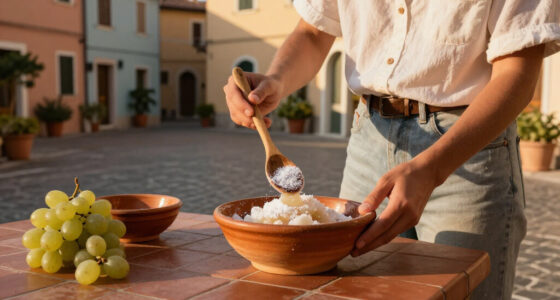
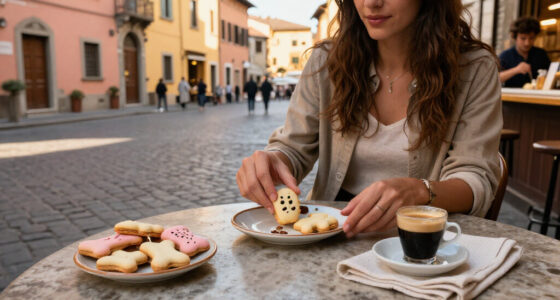
Cioccolato di Modica is easiest to enjoy in small pieces at room temperature, where its firm texture and concentrated cocoa flavor can stand out. You do not need to melt it or build an elaborate dessert around it. Breaking off a small shard gives the crystals and cocoa time to register, while a large piece can make the dry texture feel one-note. Pour a short espresso and taste the chocolate between sips; coffee’s roasted bitterness makes a vivid partner for a sweeter bar.- Start with a plain bar. Try a small piece before a flavored version so you can notice the sugar crystals and cocoa. This gives you a baseline for judging how cinnamon, citrus, or other additions change the aroma.
- Pair by contrast. Serve it with juicy pear or orange segments, or with espresso. The fruit’s softness and fresh acidity offset the bar’s dry crunch, while coffee echoes its roasted notes; choose the pairing based on whether you want freshness or intensity.
- Add a local drink if you like. A small pour of dessert wine can suit the chocolate, but alcohol is for adults only; drink responsibly and follow local laws. A sweeter wine may soften cocoa’s bitterness, though it can make an already sweet bar feel richer.
- Use it as a finishing touch. Grate or chop a little over a simple cake or vanilla gelato rather than cooking it for a long time. You keep the distinctive pieces intact and let them add contrast to a softer dessert.
Choose a Bar by Flavor, Not Just by Its Story
Your best Cioccolato di Modica bar depends on whether you want to taste the cocoa on its own or explore a spice or citrus accent. A plain bar gives you the clearest sense of the grain and concentrated chocolate; a flavored bar adds aroma, sometimes with a little warmth or brightness. The choice affects the whole bite: a spice can make the cocoa seem warmer, while citrus brings a fresher edge, but either can draw attention away from the sugar crystals. Check the package before choosing because producers’ recipes and ingredient lists vary.| Bar style | What you may notice | Good first pairing |
|---|---|---|
| Plain | Direct cocoa flavor and the clearest sugar crunch | Espresso or ripe pear |
| Vanilla or cinnamon | Warm, sweet aromas over the cocoa | Plain coffee or orange |
| Chili | A sharper finish and lingering warmth | Fresh pear or a small piece on its own |
| Citrus zest | Fragrant, bright notes against the cocoa | Espresso or a few orange segments |