TL;DR

Get kitchen staples and gadgets delivered free with Prime
- Fast, free delivery on millions of items
- Prime Video, Amazon Music and more included
- Member-only deals all year
Bollito misto, or “mixed boiled meat,” is a northern Italian feast especially associated with Piedmont and Emilia-Romagna. You cook several cuts gently in water or broth, serve them warm with sauces such as bagnet verd and mostarda, and save the flavorful cooking liquid for soup, pasta, or risotto.
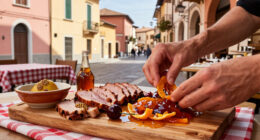
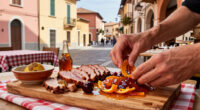
A platter of bollito misto arrives with a quiet sort of abundance: rosy beef, pale tongue, and a glistening sausage, each cut ready for a sharp, herb-flecked sauce. It is a northern Italian feast that makes a long simmer feel like a Sunday well spent.
Bollito misto means “mixed boiled meat.” The dish is closely tied to Piedmont and Emilia-Romagna, where cooks have long turned a range of cuts into a shared meal and kept the broth for another course. You will see different meat lists from one town or family to the next, and that variety is part of the tradition.
This guide shows you what belongs on the table, how to plan a home-sized version, and why the sauces matter as much as the meat. You will also learn how to use the cooking liquid, manage leftovers safely, and choose a few accompaniments without turning dinner into a week-long project.
Bollito misto is a northern Italian mixed-meat feast strongly associated with Piedmont and Emilia-Romagna, with no single fixed cut list.
Choose a manageable mix of cuts with different textures, and add them in stages when their size or cooking time differs.
Keep the liquid at a gentle simmer; use a food thermometer and slice cooked meat across the grain.
Pair mild meat with contrasting sauces such as bagnet verd, bagnet ross, Cremonese mostarda, or Verona-area pearà.
Strain and save the broth, chill leftovers promptly, and reheat cooked meat to 165°F (74°C).
Sunday Bollito Misto A Northern Italian Feast
Gently cooked meats, vivid sauces and flavorful broth make this a shared meal shaped by local tradition.
A feast with room to adapt
Piedmont and Emilia-Romagna are closely associated with bollito misto, but the meat selection varies by household and region.
Build around a few cuts
Scaramella, brisket and tongue offer different textures; some versions add veal, poultry or cotechino.
No fixed roster
Local customs and household preferences shape the platter. A home feast can use just a few cuts.
Keep the cooking liquid
Serve it as a first course with pasta or rice, or save it for another meal.
Cook gently, serve tender
A calm simmer helps soften the cuts while keeping their textures distinct.
Choose a manageable mix and account for differences in size and cooking time.
Keep the liquid gentle and lift out each cut when tender and cooked through.
Keep meat warm with broth and slice across the grain for a tender bite.
Let sauces balance the meat
Choose a few contrasting accompaniments; there is no required sauce set.
| Sauce | Character | Regional link |
|---|---|---|
| Bagnet verd | Herbal and sharp | Piedmont |
| Bagnet ross | Tomato and pepper | Regional variations |
| Mostarda | Fruit with mustard heat | Cremona |
| Pearà | Peppery bread sauce | Verona area |
Make leftovers practical
Use the broth and handle cooked meat safely so the feast can carry into another meal.
- Strain and save the flavorful broth.
- Refrigerate leftovers promptly in shallow containers.
- Reheat cooked meat to 165°F (74°C).
Why Bollito Misto Turns a Simmer into a Sunday Feast
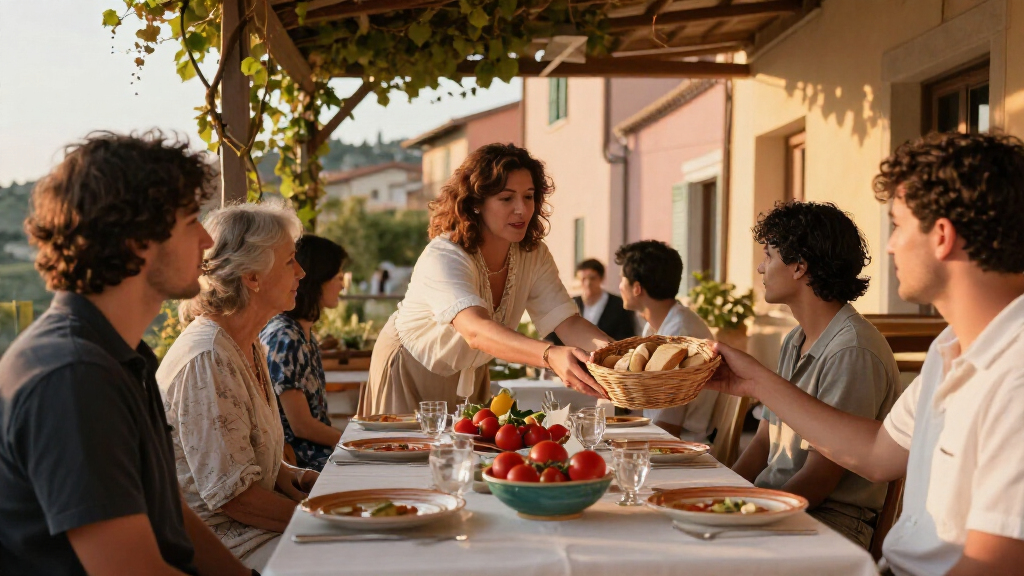
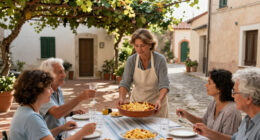
Sunday bollito misto is a leisurely northern Italian meal of several meats cooked gently in liquid, sliced warm, and served with sauces and broth. It is a traditional feast because one pot can feed a table generously while turning cuts with different textures into a meal meant to be shared.
The name translates roughly as “mixed boiled meat.” The phrase “boiled feast” captures the method, but the cooking should stay gentle: a steady simmer lets connective tissue soften without thrashing the meat around. Think of the surface making a soft plip now and then, not a rolling, lid-rattling boil.
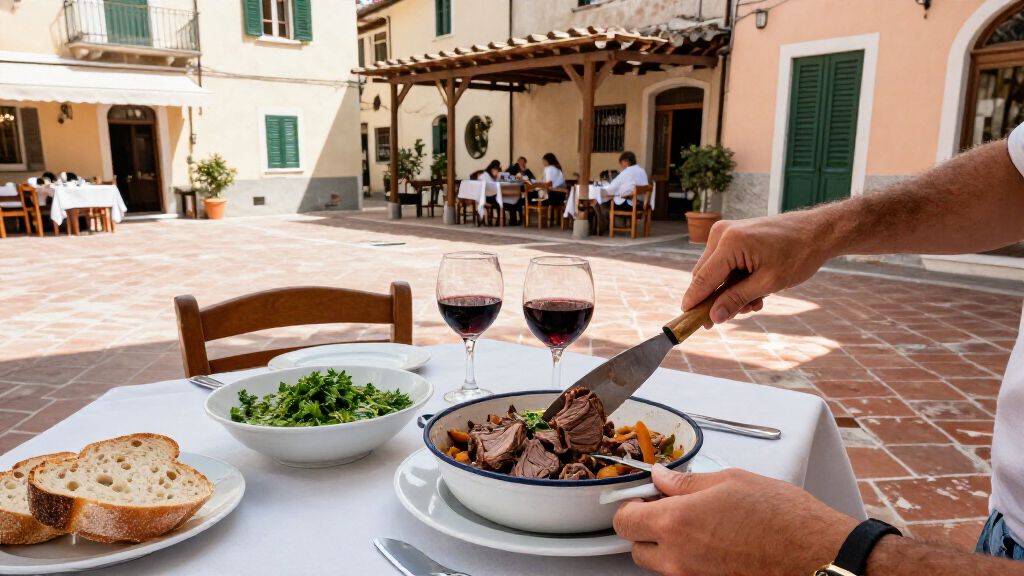
Picture a cold Sunday in Piedmont: the broth steams in the kitchen while someone sets out mustard-fruit mostarda and parsley sauce. The platter might hold beef shoulder, brisket, tongue, and cotechino, but another household may use fewer cuts. There is no universal roster. The local table and the cook’s plan decide what goes in.
The cooking liquid earns its place, too. You can serve a small bowl as a first course, perhaps with pasta or rice, then bring out the meats. This makes the meal feel generous without wasting the pot’s flavor. If you are cooking for four rather than a village gathering, a few well-chosen cuts can still give you the same rhythm: broth first, meat and sauces after.
Products Worth Considering

LEVOIT Vital 200S-P Smart Air Purifier for Large Rooms up to 1875 ft², Quiet 27 dB Operation, AHAM VERIFIDE Certified, Air Quality Monitor,

Blueair Blue Pure 211i Max Air Purifier for Large Rooms

Roborock RockMow X130H Wire-Free 4WD Robot Lawn Mower
As an affiliate, we earn on qualifying purchases.
Which Meats to Choose for a Manageable Home Feast
Bollito misto usually centers on beef, with other meats added according to local custom and the cook’s appetite for variety. A home version can use three cuts: one beef cut for sliceable richness, one more gelatinous cut for texture, and an optional sausage or poultry piece for contrast.
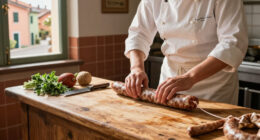
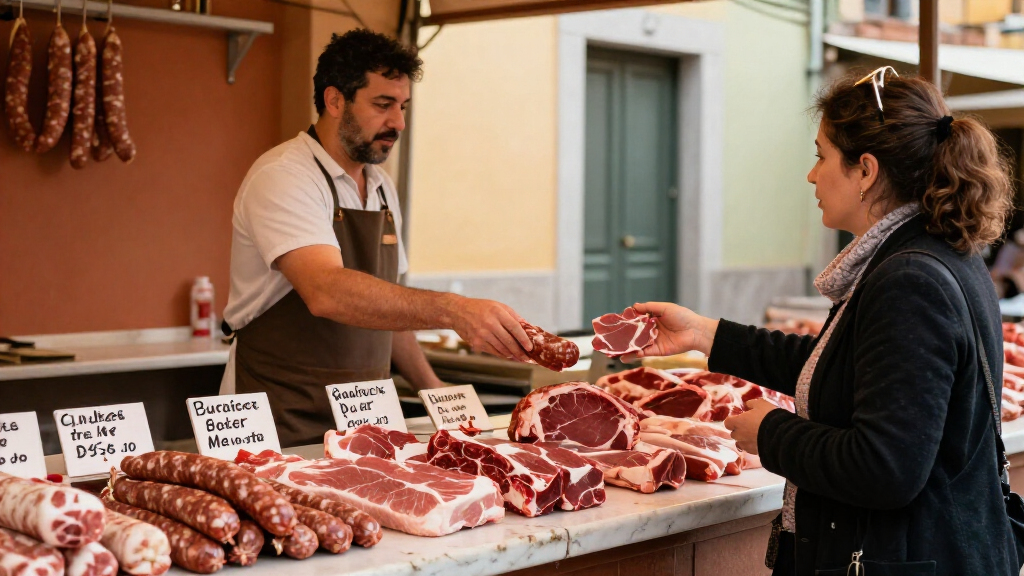
In Piedmont, you may encounter scaramella, a cut from the chuck or shoulder area, alongside brisket and tongue. Some feasts include veal, poultry, or cotechino sausage. Cotechino brings a soft, seasoned richness; tongue offers a fine-grained texture; brisket gives you broad, satisfying slices. Buy from a butcher who can identify the cut and tell you how large it is, since size affects cooking time.
Here is a practical example for four people: ask for a modest piece of beef shoulder, a smaller piece of brisket, and one cotechino if your guests enjoy it. That gives you distinct textures without requiring a giant stockpot or a dozen servings of leftovers. If you prefer to skip sausage, choose poultry or simply cook two beef cuts.
Let the meal fit your table. A restaurant or festival spread may showcase many meats, while a household adapts to availability and preference. If a guest avoids pork, leave out cotechino and serve the beef separately from any other meat. Ask about ingredients and shared utensils when serving people with food allergies or dietary restrictions; packaged sausages and prepared condiments can contain unexpected ingredients.
How to Cook the Meats So Each Cut Stays Tender
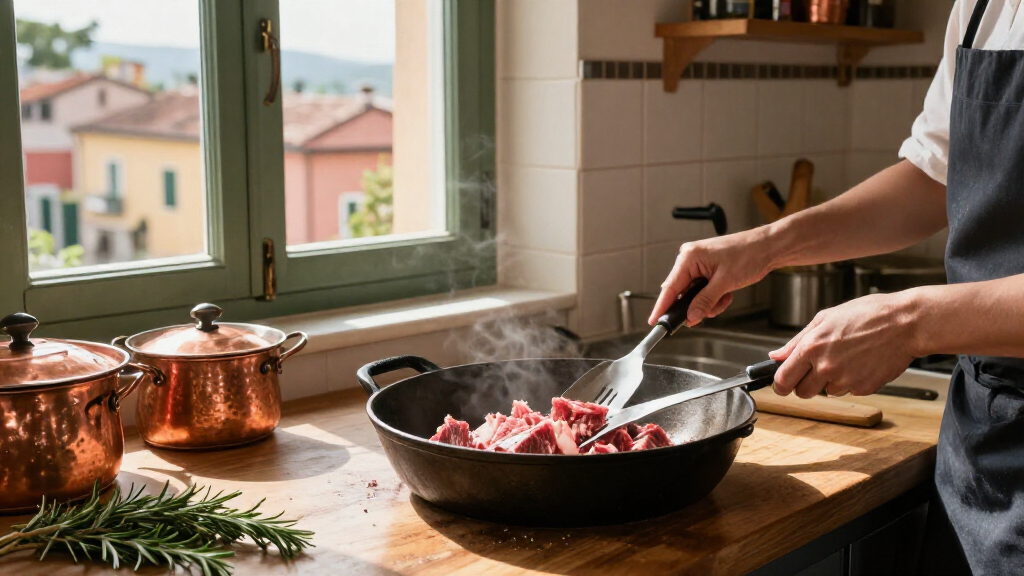
Cook each cut at a gentle simmer until it is tender and cooked through, adding different meats in stages when their sizes or cooking needs differ. Timing varies with the cut and its weight, so use tenderness and safe internal temperature—not a single clock time—as your guide.
- Choose your liquid strategy. Starting meat in cold water encourages flavor to move into the broth; lowering it into hot or simmering liquid tends to keep more flavor in the meat. Decide which result matters most for your meal.
- Build the pot. Add salted water or broth and aromatics, then bring the liquid to a simmer. Keep it calm rather than bubbling hard.
- Add cuts in stages. A small piece may finish before a larger one. Lift finished cuts out and keep them warm with a little broth instead of leaving them to overcook.
- Check doneness and serve safely. Use a food thermometer for safety. Whole cuts of beef, veal, and lamb should reach at least 145°F (63°C) and rest for 3 minutes; poultry should reach 165°F (74°C). For sausage, follow package guidance and check its safe temperature.
For example, if your brisket becomes tender before a larger shoulder cut, remove it to a covered dish with broth while the shoulder continues. When you slice, cut across the grain for a more tender bite. Keep cooked meat hot for service, and refrigerate leftovers within two hours in shallow containers. Reheat leftovers to 165°F (74°C).
Pair the Sauces with the Cuts for a More Lively Plate
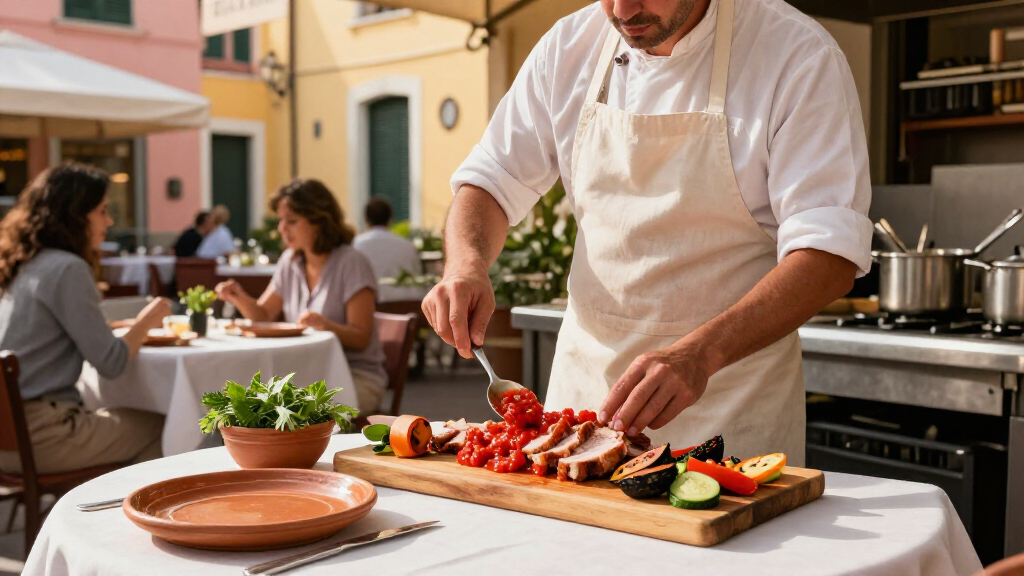
The sauces balance bollito misto’s mild, rich meats with brightness, sweetness, heat, and acidity. You do not need every condiment on the table; two or three contrasting choices can make each slice taste different.
Bagnet verd, Piedmontese green sauce, often combines parsley, garlic, anchovy, bread soaked in vinegar, and olive oil. Its green, sharp flavor cuts through a buttery piece of beef. Because it contains fish and may include gluten, flag anchovy and bread for guests with allergies; recipes vary, so check every ingredient.
Bagnet ross is a red sauce often based on tomatoes and peppers, with local variations. It brings gentle sweetness and tang. Mostarda is fruit preserved in mustard-flavored syrup, particularly associated with Cremona; its sweet heat works especially well when a rich slice needs a bright counterpoint. Verona-area pearà is a peppery bread sauce, dense and warm against the meat.
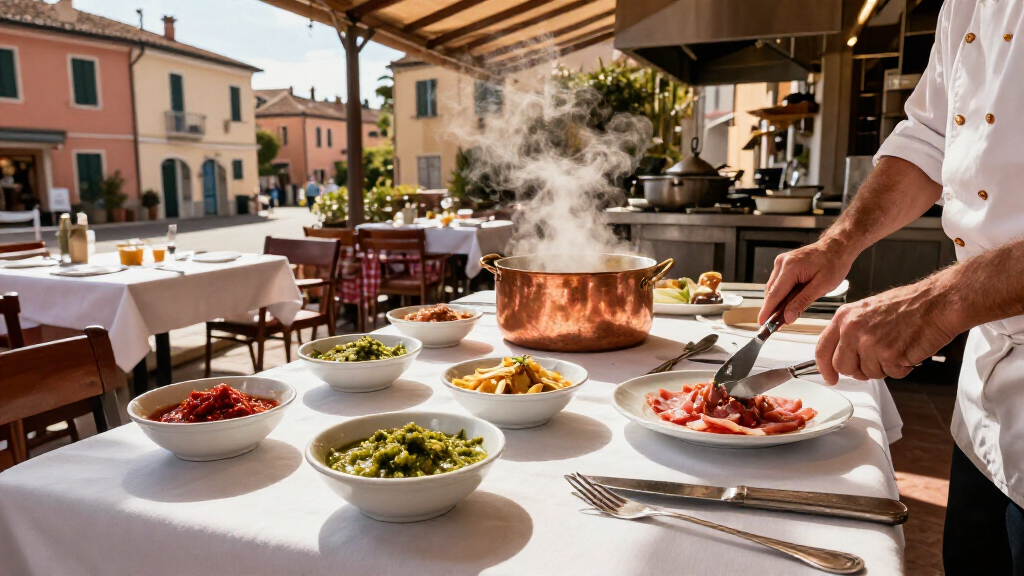
Imagine serving brisket with bagnet verd, then a bite of cotechino with mostarda: one pairing feels herbal and clean, the other sweet and pungent. Put sauces in small bowls and let diners choose. Prepared mostarda and mustard may contain mustard allergens, while bread-based sauces can contain wheat. Clear labels and separate spoons make a relaxed table easier for everyone.
Use the Broth and Keep the Meal Practical
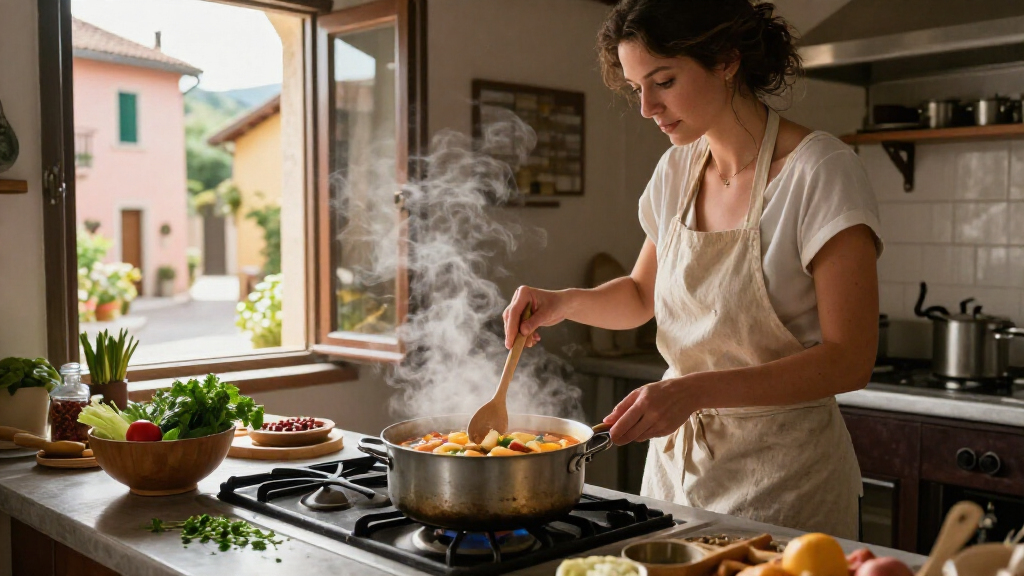
The broth is part of the feast, not discarded cooking water. It carries flavor from the meats and aromatics, so strain it and serve it as a first course or save it for another meal. This is one reason bollito misto makes sense for a Sunday cook: the pot can give you both dinner and a head start on the next day.
For a simple first course, ladle the hot broth into bowls and add cooked pasta or rice. If you would rather keep dinner light before the meat platter, serve just a small cup. Later, use chilled broth in risotto or soup, where its savory depth can replace some or all of the water or stock in your usual recipe.
Cool leftovers promptly. Divide broth into shallow containers so it chills faster, and refrigerate meat with enough liquid to keep it moist. Keep the refrigerator at 40°F (4°C) or below, use refrigerated leftovers within three to four days, or freeze them for longer storage. Reheat broth to a boil and bring reheated meat to 165°F (74°C).
A realistic household example: cook the meat on Saturday, chill it with broth, then reheat gently in the liquid on Sunday. Keep raw ingredients and cooked food on separate boards and plates, and wash hands after handling raw meat. The next evening, skim solidified fat if you like and use the broth for a quick rice soup. One careful pot, two distinct meals.
Plan a Table That Feels Generous Without Getting Fussy
A good bollito table needs warm meat, a few contrasting sauces, and simple sides. The meal can stretch from broth to platter without a parade of elaborate dishes. That restraint lets you taste what each cut contributes.
Start with a small bowl of broth, perhaps with pasta or rice. Bring out the meat on a warmed platter and identify the cuts so guests can choose. Add bagnet verd for freshness, mostarda for sweet heat, and perhaps pickles or horseradish for a crisp, sharp edge. A plain vegetable side can round out the plate without competing with the sauces.
If you are hosting six and your butcher offers a large assortment, ask which cuts cook at similar speeds and which should enter the pot later. For four, two beef cuts and one optional additional meat are often enough. Keep the serving platter warm and have a little hot broth nearby; a spoonful over sliced meat protects it from drying while everyone sits down.
The tradition also makes a useful winter trip idea. In Piedmont, look for local menus that name their cuts and sauces rather than promising one fixed “authentic” recipe. Regional pride shows up in the details: which cut a town favors, how the green sauce is made, and whether mostarda or another condiment reaches the table. Let the local version guide your own Sunday menu.
Frequently Asked Questions
What meats go into bollito misto?
Beef is typical, often including cuts such as shoulder or brisket, and some versions add tongue, veal, poultry, or cotechino. The combination changes by region and household, so a home cook can choose a few cuts that suit the table.
Is bollito misto the same as pot-au-feu?
Both are slow-cooked meat meals served with cooking liquid, but they belong to different culinary traditions. Bollito misto is especially known for its variety of meats and its assortment of sauces.
What is the difference between bollito and brasato?
Bollito cooks gently in water or broth, while brasato is braised, commonly with wine and aromatics. The methods create different textures and flavors, even when the cook uses beef for both.
How long should bollito misto cook?
Cooking time depends on the cut and its size, so use tenderness and a food thermometer rather than relying on one universal time. Add cuts in stages and remove each one when it is tender and safely cooked through.
Which sauces should I serve?
Bagnet verd is a classic Piedmontese choice. Add bagnet ross, Cremonese mostarda, Verona-area pearà, horseradish, or pickles if you want more contrast; two or three options are plenty for a small table.
Can I make bollito misto ahead?
Yes. Cook the meat ahead, refrigerate it with some broth in shallow containers, and reheat it gently in the liquid until the leftovers reach 165°F (74°C). Refrigerate within two hours and use within three to four days.
What should I do with the leftover broth?
Strain and chill it promptly, then skim solidified fat if you prefer. Use the broth for pasta, soup, or risotto; its savory flavor makes a practical second meal from the same pot.
Conclusion
For your first bollito misto, choose two or three cuts, keep the pot at a quiet simmer, and set out sauces that bring different flavors: one herbal, one sweet or sharp. Serve the broth, too. That simple plan gives you the generous shape of a Piedmontese Sunday meal without requiring a banquet-sized kitchen.
When the last slice disappears, the broth should still be waiting—fragrant, golden, and ready to turn tomorrow’s rice or soup into another small piece of the feast.