
TL;DR
Pistachio pesto pasta pairs the rich, buttery flavor of pistachios with olive oil, garlic, and pasta water for a glossy sauce you can make on a weeknight. Bronte’s Pistacchio Verde di Bronte has EU PDO protection, but other unsalted pistachios also work; reserve pasta water and toss off the heat to keep the sauce silky.
A bowl of pistachio pesto pasta can taste like a trip to Sicily, even when you have only 20 minutes before dinner. Ground pistachios bring a buttery sweetness and a soft green color; olive oil, garlic, and a splash of pasta water turn them into a sauce that clings to noodles.

Get kitchen staples and gadgets delivered free with Prime
- Fast, free delivery on millions of items
- Prime Video, Amazon Music and more included
- Member-only deals all year
The story starts in Bronte, on Mount Etna’s slopes, where volcanic terrain gives local pistachios their reputation. You’ll learn what the protected Bronte name means, how to make a quick pesto, and how to keep the finished pasta glossy instead of greasy. You can use authentic PDO nuts or make a very good weeknight version with unsalted pistachios from another source.
Bronte’s Pistacchio Verde di Bronte has EU PDO protection; “Bronte-style” on its own does not establish the nuts’ origin.
Unsalted raw or lightly toasted pistachios both work; toast gently and cool them before blending.
Reserve pasta water and toss pesto with pasta off the heat to create a glossy coating.
Rigatoni and fusilli catch sauce in their ridges, while linguine offers a long, delicate option.
Refrigerate pesto in a sealed container and use it within a few days; pistachios are tree nuts and require allergy care.
Pistachio Pesto Pasta Bronte’s Green Gold
A quick, buttery pistachio sauce brings a taste of Sicily to a weeknight dinner. Good unsalted pistachios work even without Bronte’s protected origin.
What the Bronte name means
The protected name links the pistachios to a specific place and production rules.
- Pistacchio Verde di Bronte has EU Protected Designation of Origin status.
- Its claim must meet origin and production rules.
- The wording alone does not establish where the nuts grew.
- Unsalted pistachios from elsewhere can still make a tasty pesto.
Build a balanced pesto
Keep the pistachio flavor in front and adjust the supporting ingredients to taste.
Raw pistachios
Mild and fresh, leaving room for herbs or lemon to stand out.
Lightly toasted
A warmer, deeper flavor. Cool the nuts before blending.
Cheese and lemon
Pecorino or Parmesan adds savory depth; lemon brightens the richness.
Make it glossy
A food processor makes a quick sauce; leave some texture in the nuts.
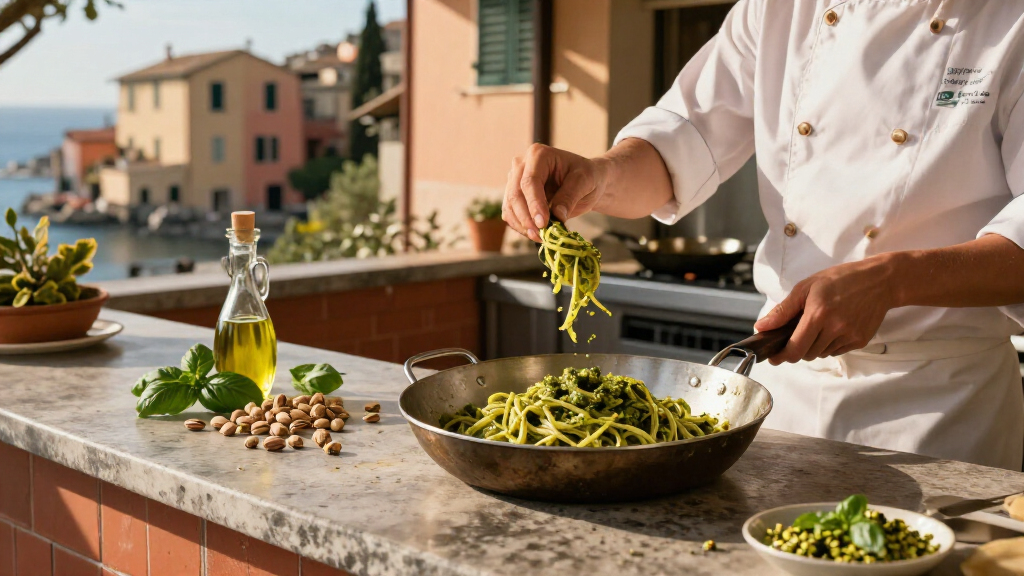
Grind pistachios with garlic and a pinch of salt until they look like coarse crumbs.
Pulse in olive oil until the mixture is spoonable, not smooth like nut butter.
Loosen pesto with hot pasta water, then toss with the pasta off the heat for a silky coating.
Choose noodles that catch the sauce
Why Bronte pistachios bring more than color to your pasta
Pistachio pesto pasta gets its character from the nuts: a naturally buttery taste, a gentle sweetness, and enough richness to make a simple bowl feel special. Bronte is a town on Mount Etna in Sicily, and the pistachios grown in its volcanic landscape are prized for vivid green color and deep flavor. That distinctive nut is often called “green gold,” a nickname rather than a formal guarantee of origin.
Bronte pistachios have an EU Protected Designation of Origin (PDO) as Pistacchio Verde di Bronte. A package making the PDO claim must meet the product’s origin and production rules. “Bronte-style” can describe a flavor inspiration, but it does not by itself mean the nuts came from Bronte. If the origin matters to you, read the package carefully. The distinction matters because PDO identifies a product tied to a defined place and rules, while evocative wording alone tells you nothing certain about where the nuts were grown. You are paying for traceable origin as well as flavor when you choose the protected product.
The farming helps explain the price. Trees in the area typically produce a substantial crop every other year, and growers harvest largely by hand across rugged terrain. That means the ingredient can cost more and may be harder to find than everyday pistachios. The alternating crop also makes supply less predictable: a scarce harvest can affect availability and price even when demand stays steady. For pesto, the tradeoff is visible in every bite, since the nuts are the main flavor rather than a hidden garnish. Save a small bag for a dish where they stay in the spotlight, rather than burying them under a long list of strong flavors.
Imagine opening a small packet before dinner: the green kernels go into a food processor, and their sweet, earthy aroma fills the kitchen. That moment connects an ordinary Tuesday meal to a specific Sicilian place. If the PDO nuts are outside your budget, choose unsalted, good-quality pistachios and enjoy the sauce without making an origin claim. The substitution keeps the method and rich nut flavor intact, though it cannot offer the same documented provenance; for a quick dinner, that is often a sensible balance between cost and character.
Products Worth Considering

Ring Wired Doorbell Plus (2nd Gen) & Chime Plus Bundle – Nickel Silver

Bose Smart Ultra Dolby Atmos Soundbar with Voice Control, HDMI eARC, Black

Roborock Qrevo S Pro Robot Vacuum and Mop, 18,500 Pa Suction
As an affiliate, we earn on qualifying purchases.
Choose pistachios that make a balanced pesto
Pistachio pesto pasta works with either raw or lightly toasted unsalted nuts: raw pistachios taste fresher and milder, while a brief toast adds a deeper, warmer flavor. For a first batch, raw nuts make it easier to taste the pistachio itself. The choice shapes the sauce’s balance: toasted nuts bring more roasted notes and can stand up to assertive cheese, while raw nuts leave more room for lemon and herbs to register. Skip heavily salted or strongly roasted kernels, which can overwhelm the sauce before you have a chance to season it.
Check the color and smell as you open the bag. Pistachios should smell nutty and clean, not stale or paint-like; green shades can vary, so color alone does not prove Bronte origin. Smell is useful because nuts contain oils that can turn rancid over time, and rancid flavor will carry through the whole sauce. If you toast them, warm them gently in a dry skillet for a few minutes, stirring often, then cool them before blending. Hot nuts can turn oily in a food processor and a dark toast can bring bitterness. Cooling also makes their flavor easier to judge before you commit them to the pesto.
For a quick sauce serving about four, start with roughly 1 cup shelled pistachios, 1 small garlic clove, a few tablespoons of olive oil, salt, and optional grated pecorino or Parmesan. Recipes vary, and there is no single obligatory formula. The ratio is a starting point: more oil makes the paste easier to blend but can mute the nuts, while cheese adds salt and savory depth but also competes with their sweetness. Add parsley or basil for a greener herbal note, or lemon zest to lift the richness. Make small adjustments so the pistachio remains the clearest flavor.
For example, if your pistachios are already roasted and salted, reduce or omit added salt and taste before adding cheese. Both ingredients bring salt, so adding them at once can push the sauce past balance before you notice. If the nuts taste mild, a little lemon zest can make them seem brighter without hiding their flavor. Think of seasoning like adjusting the light in a room: small changes reveal what is already there.
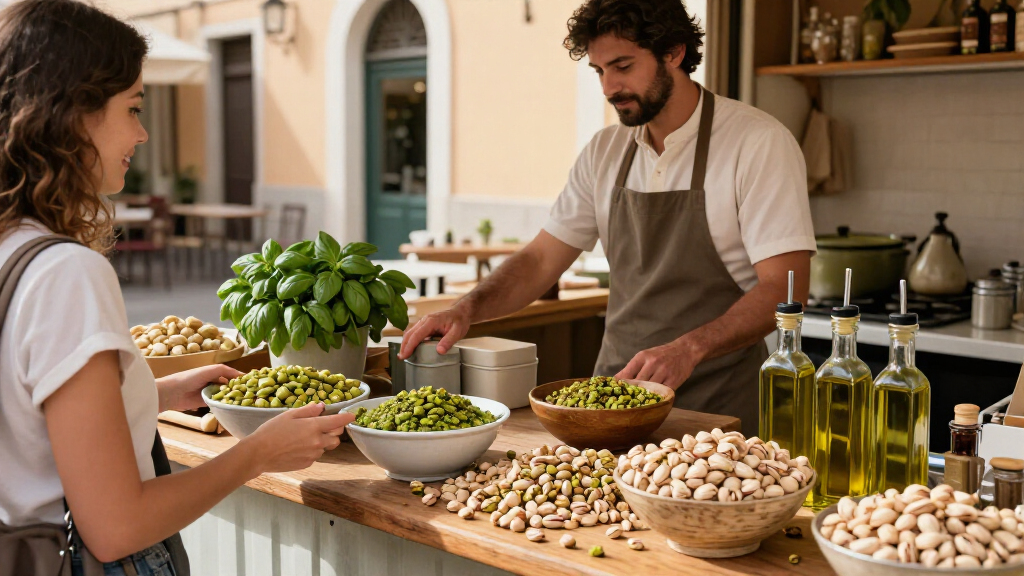
- Raw nuts: fresh, mild flavor; a good choice when you want herbs or lemon to stand out.
- Lightly toasted nuts: rounder, warmer flavor; useful when you want a deeper, more roasted sauce.
- Salted or heavily roasted nuts: harder to balance; use only if that is what you have, and season carefully.
Make a quick pesto with a little texture
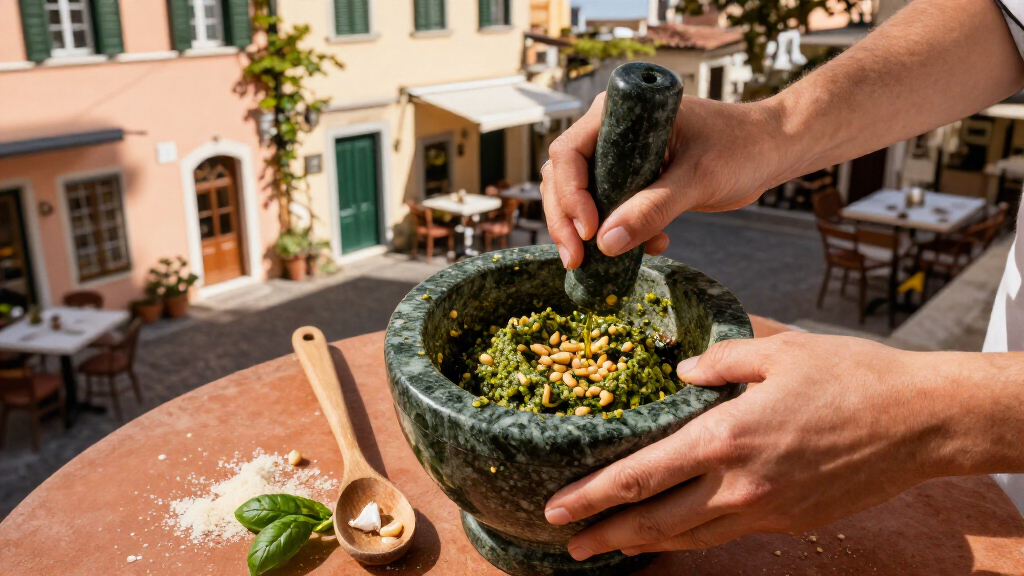
Pistachio pesto pasta needs no long simmer and no mortar and pestle; a food processor can make a useful sauce in minutes. Pulse pistachios with garlic and a pinch of salt until they look like coarse crumbs. Add olive oil gradually and pulse again, stopping while the mixture still has some texture. You want a spoonable paste, not a smooth nut butter. Keeping some small pieces gives each bite a distinct pistachio flavor and prevents the nuts from releasing so much oil that the sauce feels heavy.
For a weeknight batch, boil the pasta while you make the pesto. This is where the clock works in your favor: the sauce comes together as the water heats, and the noodles cook while you grate cheese or set the table. With a mortar and pestle, crush the garlic and nuts first, then work in the oil by hand; it takes longer, but you can control every rough little piece. The processor is faster and produces a more even paste; hand crushing gives you more control over texture but asks for extra time and effort. Either method works as long as you stop before the nuts become oily and smooth.
Cheese is optional. Pecorino adds a sharp, salty edge; Parmesan tastes rounder and savory. A jarred pesto may already contain cheese, so read its ingredient label before adding more. For a dairy-free version, leave out the cheese, adjust the salt, and try a little lemon or chopped parsley. Nutritional yeast can add savory depth, though it changes the flavor. Without cheese, the sauce has less salt and umami, so taste again before serving rather than replacing the cheese measure for measure with more oil.
Use a light hand with lemon. A little zest brightens the nuts, while too much juice can take over and make the pesto taste sharp. Zest supplies aroma with little extra liquid; juice adds acidity and can thin the paste, so add it only if the sauce tastes too rich after mixing. Taste the raw sauce, then adjust oil, salt, or lemon in small amounts. Like a short seasoning adjustment at the end of a song, the last pinch should bring the parts together rather than announce itself.
Finish the pasta so the sauce turns glossy
Pistachio pesto pasta stays silky when you loosen the pesto with hot, starchy pasta water and toss everything off the heat. The starch helps oil and water coat the noodles together, much like shaking a simple dressing until it comes together. Save the water before draining; once it goes down the sink, you lose the easiest way to fix a thick or clumpy sauce. The water also gives you control over the final texture: a little makes a concentrated paste cling, while too much can wash the flavor out, so add it gradually.
Use this quick sequence for dinner:
- Cook pasta in salted water until just tender, following the package time and tasting a minute before it ends.
- Before draining, scoop out at least a cup of the cloudy cooking water.
- Return the pasta to the warm pot off the burner and stir in pesto.
- Add pasta water a spoonful at a time, tossing until the sauce looks glossy and clings to the noodles.
- Taste, then adjust with salt, cheese, or a little lemon.
Short, ridged shapes such as rigatoni or fusilli catch pesto in their grooves. Their texture gives the coarse nut paste places to collect, which helps distribute flavor across each serving. Linguine also works if you prefer long strands and a more delicate bite; it offers less surface for chunky pesto to lodge in, so toss thoroughly and keep the sauce a little looser. There is no single correct choice: use what is in your pantry. On a rushed evening, fusilli makes a forgiving bowl because its twists hold sauce even when you serve it straight from the pot.
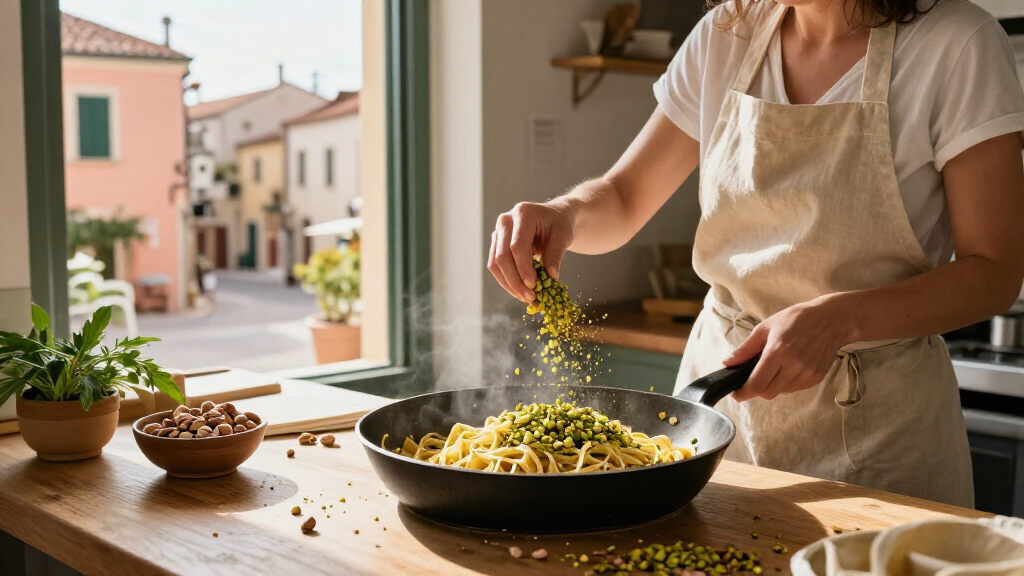
Keep the heat off once you add the pesto. A hot burner can make the oil separate, leaving greasy streaks instead of a unified coating; the residual warmth of the pasta is enough to heat the sauce through. If the pasta looks dry, add another spoonful of water; if it seems loose, toss for a few seconds and let the starch do its work. Finish with a few crushed pistachios for crunch.
Turn one bowl into a full weeknight meal
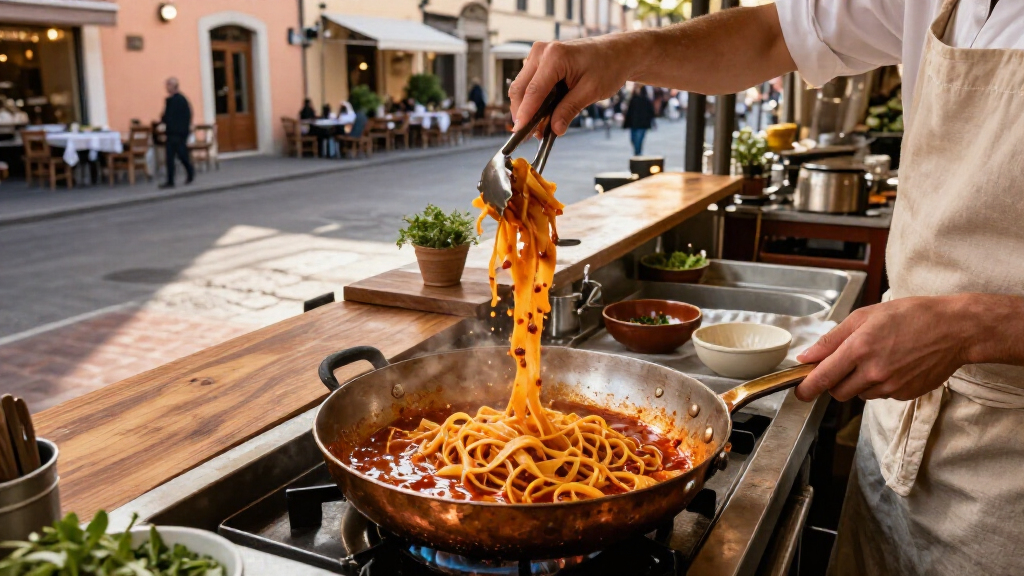
Pistachio pesto pasta can stay simple or become a fuller dinner with a modest addition that does not drown out the nuts. The sauce is rich, so a bright vegetable or a little protein usually works better than piling on several heavy toppings. Think of the pesto as the lead singer: give it a few clear notes to work with.
Halved cherry tomatoes add juicy acidity, especially when their skins wrinkle in a hot pan. Roasted zucchini or eggplant brings a soft, savory bite that suits a Sicilian-inspired table. If you want seafood, a few quickly cooked shrimp pair naturally with lemon and pistachio; grilled chicken makes a more filling option for someone who wants a larger serving.
For example, on a Wednesday you could roast sliced zucchini while the pasta water heats, then fold the vegetables through the finished fusilli. Keep the portion of add-ins modest, around a handful per person, so each bite still tastes of pistachio. A green salad with bitter leaves and a sharp vinaigrette gives you contrast without adding another rich element.
Allergy awareness matters here. Pistachios are tree nuts, so this dish is unsuitable for anyone with a pistachio or relevant tree-nut allergy. Cheese introduces dairy, and prepared pesto can include other ingredients, so check labels. Avoid cross-contact from shared utensils, cutting boards, or processor bowls when cooking for someone with an allergy.
Store leftovers safely and keep the flavor fresh
Fresh pistachio pesto keeps best in a clean, sealed container in the refrigerator and should be used within a few days. Press it into the container, then smooth the top; a thin layer of olive oil can limit air exposure, but it does not replace refrigeration. Air can dull the color and flavor, while refrigeration slows spoilage; the oil layer only reduces contact at the surface. Do not leave pesto or cooked pasta sitting at room temperature for hours while dinner stretches into the evening.
For a practical meal-prep routine, make the pesto the day before and keep it chilled, then cook pasta fresh when you want to eat. If you have extra sauce, freeze it in small portions so you can thaw only what you need. Freezing is convenient but can soften fresh herbs and dull delicate flavors, so reserve lemon, cheese, or herbs for after thawing when possible. Delicate additions such as fresh cheese or lemon often taste livelier when added after thawing rather than before freezing.
Leftover cooked pasta should also go into the refrigerator promptly in a covered container. Reheat it until steaming hot, adding a splash of water to loosen the sauce; a skillet over medium-low heat gives you more control than blasting it in a microwave. Gentle heat and added water help restore the coating as the pasta warms, while high heat can make the oil separate. If the pesto smells off, looks unexpectedly moldy, or has been stored too long, discard it rather than tasting to check.
One useful habit: freeze pesto in an ice cube tray, then move the frozen portions to a sealed freezer bag. A cube can flavor a quick lunch bowl or a pan of vegetables without thawing a whole jar. Small portions thaw faster and reduce waste, while a date label helps you rotate them and avoid forgetting how long they have been stored.
Frequently Asked Questions
Do I need authentic Bronte pistachios for pistachio pesto pasta?
No. Bronte PDO pistachios bring a distinctive Sicilian flavor and an origin you can verify, but good unsalted pistachios from elsewhere also make a tasty pesto. Check the label if you want the protected product; “Bronte-style” does not by itself prove the nuts came from Bronte.
Should I use raw or roasted pistachios?
Both work. Raw nuts give a fresher, milder flavor, while lightly toasted nuts taste deeper. Avoid heavily salted or darkly roasted pistachios, which can dominate the sauce; if you toast them yourself, let them cool before blending.
Can I make pistachio pesto without cheese?
Yes. Leave out pecorino or Parmesan, then taste and adjust the salt. Lemon zest or parsley can add brightness, and nutritional yeast can bring a savory note if you like its flavor.
How do I stop pistachio pesto pasta from turning greasy or dry?
Reserve pasta water before draining, then toss the noodles with pesto off the heat. Add the hot water a spoonful at a time until the sauce looks glossy; it helps the oil and water coat the pasta rather than separating.
Can I make the pesto ahead or freeze it?
Yes. Refrigerate pesto in a clean, sealed container and use it within a few days; a thin oil layer does not replace refrigeration. Freeze small portions for convenience, then add fresh lemon or cheese after thawing if you want the brightest flavor.
Conclusion
For a weeknight bowl with a real sense of place, buy the best unsalted pistachios that suit your budget, pulse them into a textured pesto, and finish the pasta with starchy water off the heat. If the package carries Bronte PDO, you can trace that green gold to its Sicilian origin; if not, you can still make a delicious sauce.
Keep the lemon gentle, the add-ins modest, and a little pasta water within reach. Then serve the noodles while they shine, with the scent of toasted nuts and olive oil rising from the bowl.