TL;DR

Get kitchen staples and gadgets delivered free with Prime
- Fast, free delivery on millions of items
- Prime Video, Amazon Music and more included
- Member-only deals all year
Zuppa di farro is a substantial Tuscan soup of farro, beans, vegetables, and herbs, especially associated with the Garfagnana in northern Tuscany. Garfagnana farro is generally emmer, although English labels often call it spelt; check the grain and cooking time on the package, then simmer it with beans and a slowly cooked vegetable base for a practical, flexible meal.
A pot of zuppa di farro can smell like rosemary, garlic, and wet earth before you have even set the table. This hearty Tuscan soup brings together grain, beans, and vegetables, and it is especially associated with the Garfagnana, a mountainous area in northern Tuscany where filling pantry ingredients have long made practical sense.
There is one small shopping detail that changes the bowl: Italian farro does not always mean English-language spelt. Garfagnana farro is generally identified as emmer, another ancient hulled wheat. Read the package label, because the grain species affects what you are buying and may affect how long it needs to cook.
Here you will learn what belongs in the soup, how regional tradition shapes it, and how to cook a flexible version with dried or canned beans. You will also get storage guidance and useful swaps, so a bowl built for a Tuscan mountain kitchen can work on an ordinary weeknight in yours.
Garfagnana zuppa di farro combines farro, beans, and vegetables; household recipes vary.
Garfagnana farro is generally emmer, so check the package instead of assuming farro means spelt.
Farro della Garfagnana PGI refers to a protected regional product, not every grain labeled farro.
Canned beans work well: add them after the vegetables soften and mash a few for a thicker broth.
Farro contains gluten, and leftovers thicken as the grain absorbs liquid; refrigerate promptly and loosen with broth when reheating.
Tuscan Pantry · Garfagnana, Northern Tuscany
Zuppa di Farro: Spelt Soup from the Garfagnana
A generous bowl of farro, beans, vegetables and herbs. Learn why the grain name matters, how to build a deeply flavored broth, and how to make this flexible Tuscan staple work on a weeknight.
Simple staples, real staying power
Zuppa di farro belongs to the Tuscan tradition of cucina povera: resourceful home cooking that turns modest ingredients into a complete meal. Slow-cooked vegetables bring sweetness and aroma; beans and farro add substance and texture.
Beans soften the broth
Borlotti or cannellini become creamy as they cook. Mash a few beans to thicken the soup without adding cream.
Farro makes every spoonful count
The grain keeps a pleasantly chewy bite. Cooking it in the soup lets it absorb savory liquid; cooking it separately gives you more control over leftovers.
The vegetable base builds depth
Give onion, carrot and celery time to soften before adding garlic, tomato, rosemary or sage and the broth.
Household recipes differ. Potatoes make the broth softer and heartier; pancetta adds smoky richness; a meat-free pot lets beans and herbs lead. Choose the texture and flavor that suit your table.
Farro does not always mean spelt
In Italian, farro can refer to emmer, einkorn or spelt, depending on context and region. Garfagnana farro is generally identified as emmer. Check the package: species and processing can change cooking time and texture.
Farro della Garfagnana PGI
PGI means Protected Geographical Indication, an EU designation tied to a specified place and production requirements. It applies to this regional product—not every grain sold as farro.
Whole or pearled?
Pearled farro cooks faster and often turns softer. Whole farro may benefit from soaking and take longer. Follow the package directions and taste a kernel before serving.
“Spelt soup” is a common English rendering, but it may misidentify the grain in a Garfagnana recipe. Ask whether the farro is emmer and where it was grown if regional origin matters to you.
Cook a generous pot
Soften the vegetables, add beans and broth, simmer the grain until tender, then adjust thickness and seasoning. The package time is your guide because farro varieties and processing differ.
Start the base
Warm olive oil. Slowly soften chopped onion, carrot and celery.
Add aroma
Stir in garlic, tomato and rosemary or sage; cook until fragrant.
Bring in beans
Add cooked dried beans or canned beans, then pour in broth or water.
Simmer the farro
Add the grain and cook to package timing, adding liquid as needed.
Finish to taste
Check a kernel, season, and mash a few beans for a thicker broth.
Choose your shortcut
Both dried and canned beans make satisfying soup. Let your schedule decide; add canned beans once the vegetables soften and give them less time in the pot.
Finish with good olive oil; serve with rustic bread and, if you like, grated cheese. Refrigerate leftovers promptly. Farro absorbs liquid as it sits, so loosen the soup with broth or water when reheating and reheat thoroughly.
Adapt the bowl, keep the spirit
Yes. Use vegetable broth and skip pancetta for a plant-forward version.
Farro contains gluten. Use rice or sorghum for a different, gluten-free variation.
Pearled farro often needs no soak; whole farro may benefit. Check its label.
Yes. Add after the vegetables soften; mash a few for extra body.
What Makes Garfagnana Zuppa di Farro So Satisfying
Zuppa di farro is a hearty Tuscan soup made with farro, beans, and vegetables, and it is especially associated with the Garfagnana in northern Tuscany. Its satisfaction comes from how those ingredients share the work: beans soften and release starch into the broth, while farro stays pleasantly chewy and gives each spoonful something substantial to bite. Vegetables supply sweetness and aroma, so a modest pantry can become a meal that feels complete. Imagine a chilly evening after a walk: one bowl, a slice of rustic bread, and little need for anything else.
The soup fits the Tuscan idea of cucina povera, or resourceful home cooking. That tradition uses affordable ingredients carefully rather than treating a pantry meal as an afterthought. Slowly cooking onion, carrot, celery, garlic, and tomato matters because it draws out sweetness and builds a flavorful foundation before water or broth dilutes it. Beans and grain then turn that foundation into nourishment. Patience here does more than improve flavor: it lets inexpensive ingredients create depth without relying on a large amount of meat or rich dairy.
There is no single definitive recipe. One Garfagnana household might add potatoes; another might keep the soup meat-free, while a different cook adds pancetta for a smoky note. These choices change the balance: potatoes make the broth softer and more filling, pancetta adds savoriness but also salt and richness, and a meat-free version lets the beans and herbs lead. The texture shifts too, from a thick, almost spoon-standing lunch to a looser broth served with bread. That range is part of the recipe’s usefulness, rather than evidence that one version is incorrect.
At home, decide first what you want the bowl to do. For a one-pot dinner, let the grain simmer in the soup so it absorbs the savory liquid; for leftovers, cooking it separately gives you more control over the broth. If your market has cannellini beans and carrots but no fresh herbs, you can still make a satisfying version. Start with the grain and beans, cook the vegetables gently, and adjust the broth until the bowl feels generous rather than watery.

As an affiliate, we earn on qualifying purchases.
Choose the Right Farro Before You Start Cooking
Garfagnana farro is generally identified as emmer wheat, while the English phrase “spelt soup” can point to a different grain. Italian farro can refer to emmer, einkorn, or spelt depending on the context and region. That distinction matters for more than naming: a recipe’s identity is tied to its regional grain, and different grains and processing methods can take different times to soften. A bag labeled only “farro” may therefore leave a real question unanswered: which wheat are you about to cook?
If you are shopping for a distinctly Garfagnana ingredient, look for the name Farro della Garfagnana PGI. PGI means Protected Geographical Indication, an EU designation linking a product to a specified place and production requirements. The designation belongs to that regional product; it does not mean every bag called farro comes from the Garfagnana. This is useful when regional origin matters to you, but it need not prevent you from making a good soup with another farro. At an Italian specialty shop, ask the seller whether the grain is emmer and where it was grown.
Grain processing matters as much as species. Pearled farro has had much of its outer bran removed and usually cooks faster, often with a softer texture. Whole farro keeps more of that outer layer and may benefit from soaking; it can take longer to cook and hold a firmer bite. Package directions are the best guide for the grain in your hands. If a recipe expects quick-cooking pearled grain but you use whole kernels, the beans could be tender long before the farro. Cooking times affect how you sequence the ingredients, not just how long you wait.
For a first pot, choose one package and follow its cooking time, then taste a kernel before serving. If it is still chalky in the center, give it more time and add liquid as needed; if it is tender but intact, it is ready to bring its chewy texture to the soup. Think of it like choosing pasta shapes for different sauces: the name points you in a direction, but the exact product decides the timing. A brief label check saves you from a soup with mushy beans and stubborn grain.
Build a Deep Broth from Beans and Everyday Vegetables
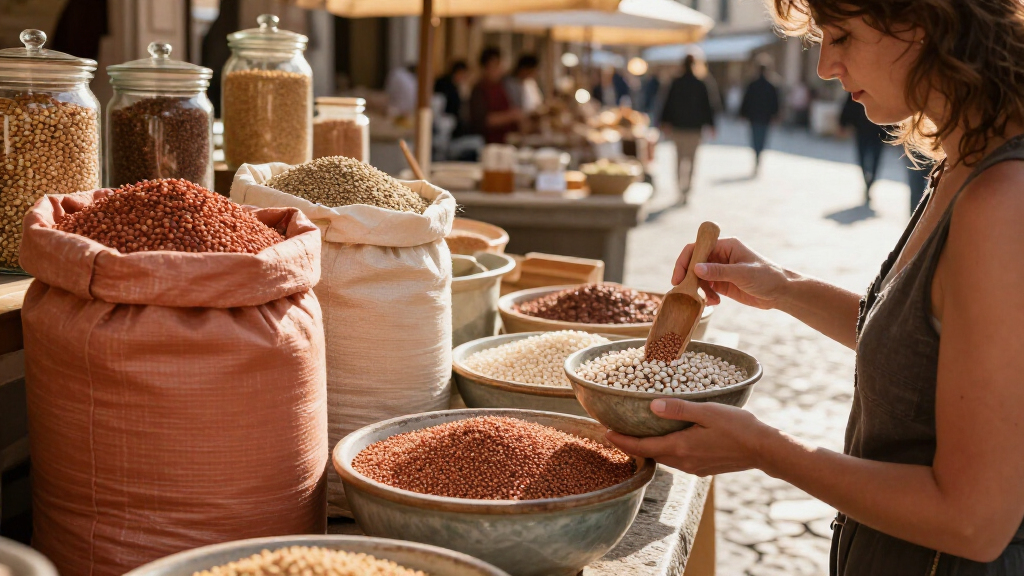
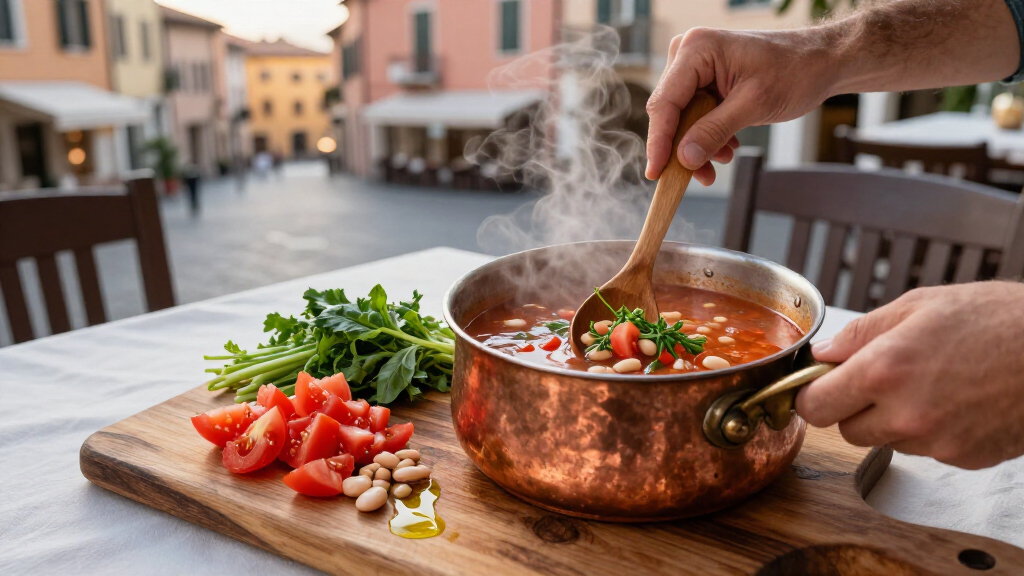
Beans and a slowly cooked vegetable base give zuppa di farro its hearty texture and savory depth. Borlotti or cannellini beans are common choices, joined by onion, carrot, celery, garlic, tomato, and herbs such as rosemary or sage. Each ingredient contributes differently: onion and carrot bring sweetness, celery adds a savory edge, tomato gives a little acidity, and herbs lend a fragrant finish. The pot starts modestly: chopped onion sweats in olive oil, celery and carrot soften beside it, then garlic and tomato add a warm, fragrant edge. Letting the vegetables soften before adding liquid helps their flavors mingle instead of leaving the broth tasting like separate ingredients.
Dried beans take planning but bring a satisfying, creamy result. Soak them as their package directs, discard the soaking water, and cook them until tender before they join the soup. Their cooking liquid can be flavorful, but it may cloud the broth; using it is a choice if you want a thicker, more rustic result. A practical Saturday scenario: put beans on the stove while you tidy the kitchen, then cool and refrigerate them if you are not making soup until Sunday. Keep cooked beans promptly chilled rather than leaving the pot out for hours.
Canned beans make a good weeknight shortcut. Rinse them if you prefer a cleaner flavor, then add them after the vegetables soften so they do not break apart during a long simmer. They are already cooked, so simmering them for too long can turn them mushy before the farro is ready. For a thicker broth, mash a few beans against the side of the pot or blend a small scoop with broth and stir it back in. This releases starch and adds body without cream, while leaving most beans whole for texture.
Meat is optional. Some versions include pancetta, but beans and vegetable broth can carry the soup on their own; for a plant-based pot, skip meat and choose vegetable stock. Pancetta adds a smoky, salty richness, so taste before seasoning and use less salt if needed. A rosemary sprig makes the kitchen smell resinous and bright, while sage offers a softer, earthy note. Taste near the end before adding salt, especially if your broth or pancetta already brings plenty.
Cook the Soup in Five Calm, Practical Steps
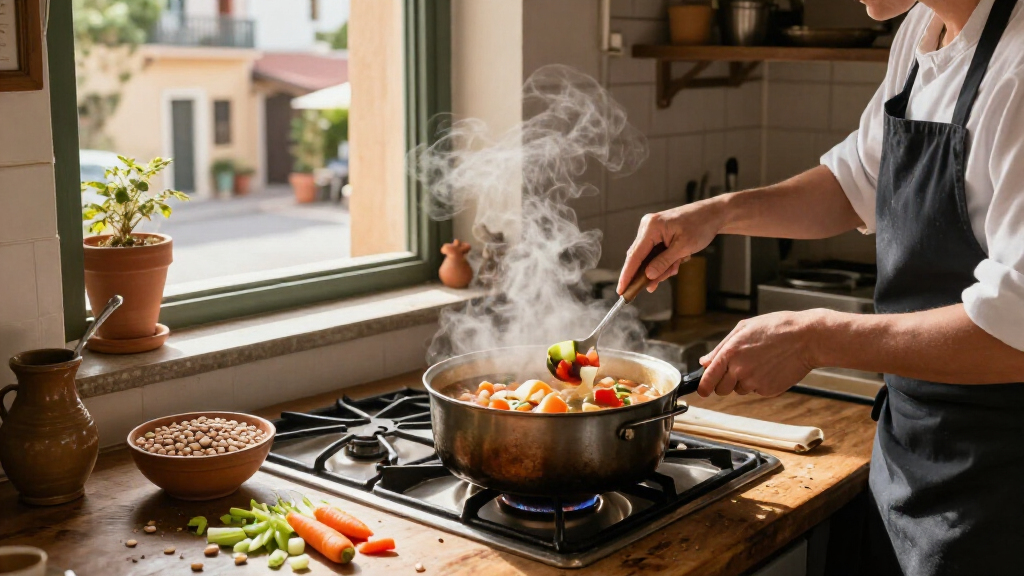
To cook zuppa di farro, soften the vegetables, add beans and broth, simmer the grain until tender, then adjust the thickness and seasoning. The grain’s package instructions set the pace: pearled farro can take less time than whole kernels, so avoid relying on a single recipe’s clock. This timing matters because beans that are already tender can break down while a slower-cooking grain catches up. For example, start tasting early if your label gives a broad cooking range.
- Prepare the grain and beans. Soak whole farro if the package recommends it. Cook dried beans until tender, or drain canned beans and set them aside.
- Cook the vegetable base. Warm olive oil in a heavy pot. Add chopped onion, carrot, and celery and cook gently until soft, then stir in garlic, tomato, and rosemary or sage.
- Add liquid and beans. Pour in vegetable broth or water and add the cooked beans. Let the soup simmer so the vegetables season the liquid.
- Cook the farro. Add the grain and simmer according to its package directions, stirring now and then. If the pot gets too thick, add hot water or broth.
- Finish and serve. Taste for salt and pepper, mash a few beans for a thicker texture, and serve with olive oil and rustic bread.
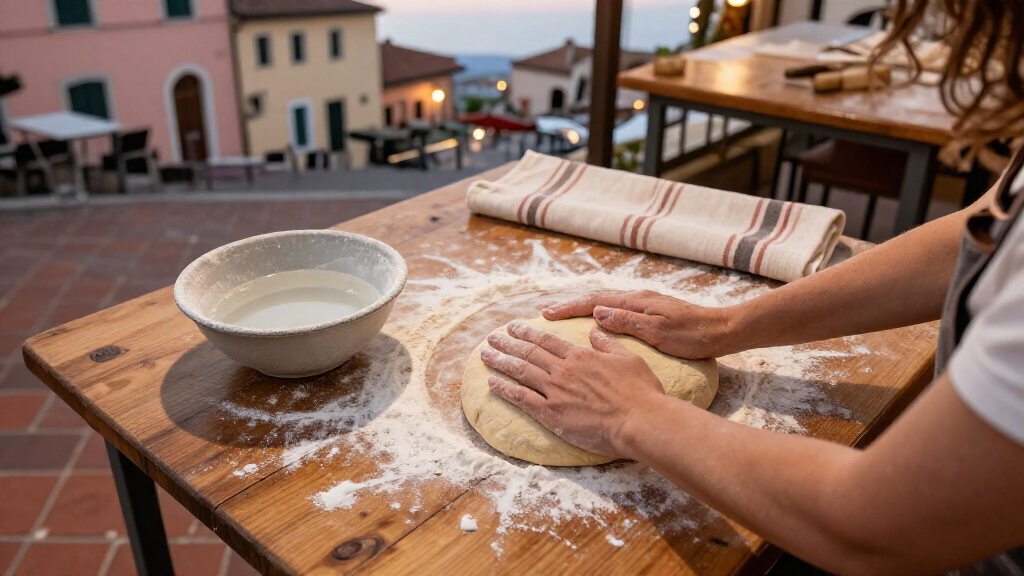
Some cooks simmer farro directly in the soup; others cook it separately and add it near the end. Cooking it in the pot is simpler and lets the kernels absorb the broth’s flavor, but they also soak up more liquid as they sit. Separate cooking takes another pan and can leave the grain less seasoned, yet it gives you more control over the soup’s texture when storing leftovers. Choose based on when you plan to eat it: the one-pot method suits dinner tonight, while separate cooking helps keep tomorrow’s broth from disappearing.
Serve the soup hot, with grated cheese if you like and a drizzle of olive oil. If you add cheese, note that the dish is no longer vegan; the base itself can be plant-based when you use vegetable stock and omit pancetta. Bread, grain, and beans make this a substantial lunch, so a small salad may be all you want beside it.
Adjust the Texture for Tonight and Tomorrow
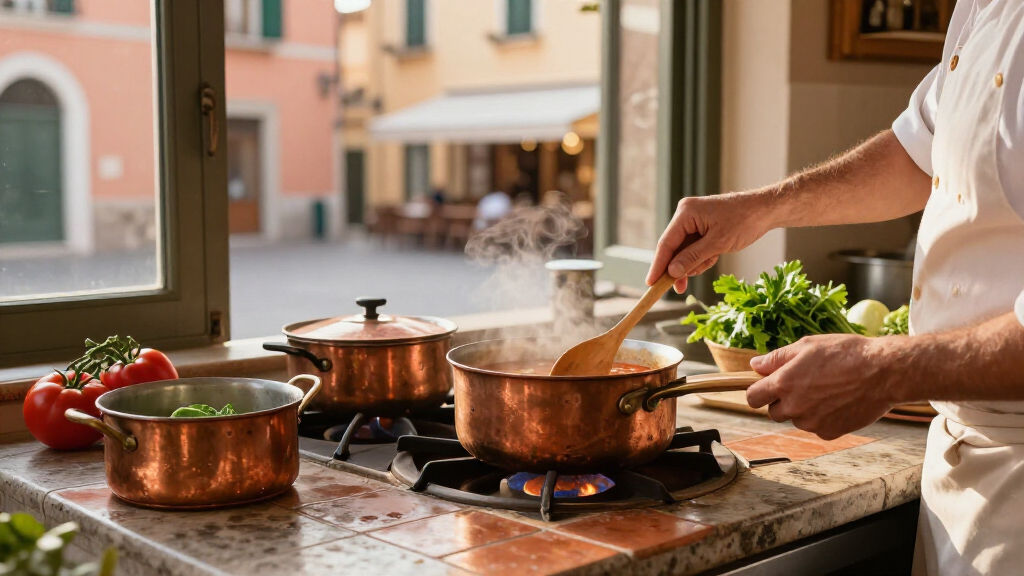
Farro keeps absorbing liquid as it sits, so the soup often thickens overnight. A pot that pours easily at dinner can look almost like a stew the next day; that is normal, not a sign that anything went wrong. The grain’s starch and the liquid it takes up make the broth thicker, which can be welcome in a spoon-coating bowl but can also make reheating uneven. Add a splash of water or broth before reheating and stir until the grains loosen and the soup turns glossy again.
If you want to serve the soup across several days, cook the farro separately and combine only the amount you plan to eat. This adds a pan and a little effort, but keeps the stored broth closer to its original consistency. It works especially well when you have a large batch of beans or a busy week ahead. Keep the broth and grains in separate covered containers in the refrigerator, and the next evening you can warm a portion of soup and spoon in fresh grain.
Refrigerate leftovers promptly in shallow containers, then reheat them thoroughly until steaming hot throughout. Use a saucepan over medium heat, stirring so dense beans and grain warm evenly; add water or broth as needed. Do not leave a pot cooling on the counter for an extended stretch, particularly after a family meal when everyone has wandered away from the table.
The soup is forgiving, but the final texture depends on what you want. For a thick, spoon-coating bowl, mash more beans and keep the broth modest. For a brothy lunch, add warm stock and serve with bread for dipping. The same pot can offer both: a thick first supper and a looser next-day bowl with a little extra liquid.
Make Sensible Swaps Without Losing the Soup’s Character
Zuppa di farro can be vegetarian or vegan when you build flavor with vegetables, herbs, beans, and vegetable broth. If a recipe calls for pancetta, leave it out or replace the liquid with a rich vegetable stock. This keeps the soup meat-free, though it also removes pancetta’s smoky depth; rosemary, sage, and a well-cooked vegetable base help make up that difference. You can add potatoes or seasonal vegetables for a more substantial bowl, though each change takes the dish in a slightly different direction from a simple grain-and-bean version.
For example, a late-autumn kitchen might have a small potato and a few carrots left in the basket. Dice them evenly so they soften at a similar pace, and add them with enough broth to keep the soup from becoming too dense. Potatoes make the broth softer and more filling, but they can blur the distinction between the grain and the vegetables if they break down. In spring, tender seasonal vegetables can make the bowl lighter. The recipe has room for what is available, which is part of its practical charm.
Farro contains gluten, so this soup is not suitable for someone who needs to avoid gluten. Rice or sorghum can replace the farro in a gluten-free variation, but the result is no longer zuppa di farro. The substitute changes the texture and cooking sequence: rice may soften quickly, while sorghum can need a longer cook. Cook it according to its own directions, and consider preparing it separately so it does not overcook while the beans simmer.
Common allergens depend on the version you make. Farro contains wheat and gluten; grated cheese contains milk, and some packaged broths may list celery or other allergens. If you are cooking for guests, check labels on broth, cheese, and any prepared ingredients, then tell them clearly what is in the pot. A simple bowl is easiest to share when everyone knows what they are eating.
Use the Garfagnana Connection to Plan a Food-Focused Visit
The Garfagnana connection gives this soup a place and a pantry: a mountainous part of northern Tuscany known for cultivating farro. Farro della Garfagnana has PGI protection in the European Union, a useful detail when you want to seek out a specific regional product. For a trip, read the package or ask a local shop about the grain’s origin rather than assuming any farro on the shelf came from the valley. That distinction helps connect the dish to the place without treating every version of the soup as identical.
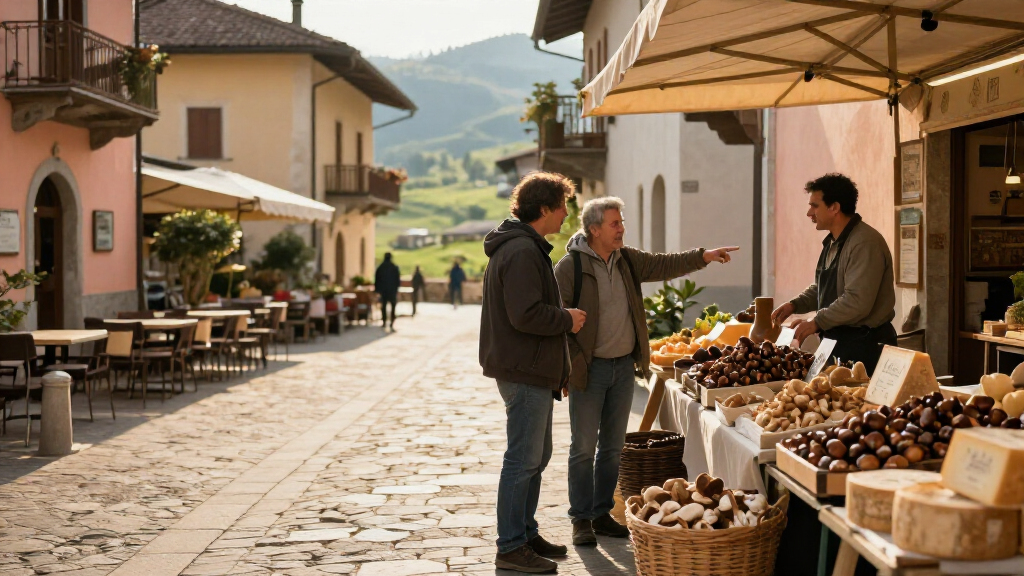
A food-focused visit does not need a complicated itinerary. Stop at a market or small grocery, look for regional farro, and ask how local cooks prepare it. You might find a dried grain for your suitcase and a bowl of soup in a restaurant, but availability changes by season and place, so check locally before planning around a particular dish. The grain is an easy way to bring the visit home; a restaurant bowl can show how a cook balances it with beans and broth.
That question can lead you toward the details that make a regional meal memorable: whether a cook uses whole or pearled grain, which beans they favor, and whether they serve the soup thick or brothy. Those answers explain how local ingredients and practical choices shape the result, rather than pointing to a single fixed formula. Imagine returning home with a bag of emmer and a note that says “more rosemary, less tomato.” The best souvenir is often a cooking clue you can use on a rainy Tuesday.
Regional precision also helps at home. The phrase “spelt soup from the Garfagnana” is an approachable English title, but the grain may be emmer. Treat the label as part of the recipe. When you know the species and its processing, you can respect the place behind the dish while still adapting the method to your own stove.
Frequently Asked Questions
Is farro the same as spelt?
Not always. Farro is an Italian name that can refer to emmer, einkorn, or spelt, depending on region and context. Garfagnana farro is generally identified as emmer, so check the package if the grain species matters to you.
Can I use pearled farro in zuppa di farro?
Yes. Pearled farro usually cooks faster and may become softer than whole grain. Follow the package directions and start tasting before the maximum cooking time, especially if your beans are already tender.
Can I use canned beans instead of dried beans?
Yes, canned beans are a convenient choice. Add them after the vegetables soften so they do not fall apart during a long simmer. Mash a few beans into the broth if you want a thicker soup.
How do I make zuppa di farro vegetarian or vegan?
Use vegetable broth and skip pancetta or other meat. Beans, aromatics, tomato, and rosemary or sage can make a deeply savory base. For a vegan serving, leave out grated cheese as well.
Is zuppa di farro gluten-free?
No, farro contains gluten. You can make a different gluten-free variation with rice or sorghum, cooked according to its package directions. Check broth and other packaged ingredients for allergens too.
How should I store and reheat leftover farro soup?
Refrigerate leftovers promptly in covered, shallow containers. Reheat thoroughly until steaming hot, stirring on the stove so the beans and grain warm evenly. Farro absorbs broth as it sits, so add water or stock to loosen the soup.
Conclusion
For a practical taste of the Garfagnana, start with a package of farro whose grain and cooking time you understand, then let beans, vegetables, and herbs simmer into a generous broth. Keep the recipe flexible: the region gives you a strong starting point, while your pantry decides whether tonight’s bowl is thick, brothy, meat-free, or dotted with potatoes.
Make enough for tomorrow, but leave extra broth nearby. By lunchtime, the farro will have quietly claimed more of it.
Halloween Picks
halloween
As an affiliate, we earn on qualifying purchases.