TL;DR
Pasta con le sarde is a Sicilian pasta dish especially associated with Palermo and western Sicily, made with sardines, wild fennel, raisins, pine nuts, and often saffron. Its defining flavor is savory and aromatic, with just enough sweetness for contrast; toasted breadcrumbs add crunch in place of cheese in many versions. Spring is a natural time to cook it, when wild fennel is easier to find.
A handful of raisins in a sardine pasta may sound like a dare. In Palermo, it makes sense: salty fish, wild fennel, and gentle sweetness meet in a dish that tastes like Sicily’s coast and spring fields at once.

Get kitchen staples and gadgets delivered free with Prime
- Fast, free delivery on millions of items
- Prime Video, Amazon Music and more included
- Member-only deals all year
Pasta con le sarde means “pasta with sardines,” but the name only hints at the pleasure. You get briny, oily fish, the green perfume of fennel, a soft chew from raisins, and the nutty snap of pine nuts. Toasted breadcrumbs add a crisp finish where many pasta dishes would use cheese.
This guide explains what belongs in the dish, why Palermo claims such a strong place in its story, and how you can make sensible choices when the market does not have every traditional ingredient. You’ll also learn where the origin stories stop being history and start being lore, so you can cook with confidence without pretending there is one fixed recipe.
Pasta con le sarde means “pasta with sardines” and is especially associated with Palermo and western Sicily.
Wild fennel gives the dish its signature fragrance; cultivated fennel fronds are a workable but milder substitute.
Raisins and pine nuts should provide contrast, while sardines and fennel remain the main flavors.
Toasted breadcrumbs, or *muddica atturrata*, add a crisp finish and often take the place of grated cheese.
Keep sauce, pasta, and crumbs separate until close to serving, and refrigerate fish leftovers within two hours.
Pasta con le Sarde Palermo’s sweet-savory classic
Sardines and wild fennel lead this regional dish, with raisins, pine nuts, and crisp breadcrumbs adding contrast. Family recipes vary across Sicily.
The balance in every bite
Sweetness and fragrance support the savory fish; they should not overpower it.
Briny foundation
Fresh sardines give the dish its rich, savory base.
Signature fragrance
Tender fronds bring an aromatic, herbal note; their cooking water can flavor the pasta.
Gentle contrast
Use them to add sweetness and nuttiness without hiding the fish and fennel.
A crisp finish, often without cheese
Many versions use toasted breadcrumbs, or muddica atturrata, in place of grated cheese.
- Add a savory crunch
- Toast until golden
- Add close to serving
- Often left off
- Household preferences vary
- Not required for the dish
Palermo, spring, and tradition
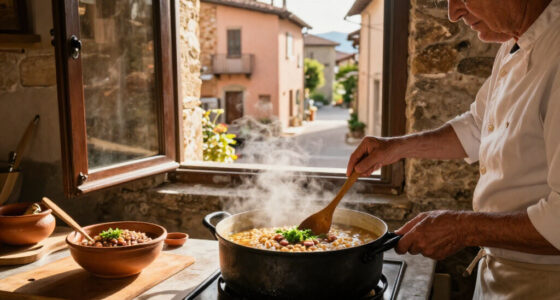
The dish connects coastal fishing with foraging traditions in Palermo and western Sicily.
Choose what is available
Practical substitutions change the flavor or texture, while keeping the dish adaptable.
| Ingredient | Traditional choice | Practical option | What changes |
|---|---|---|---|
| Fennel | Wild fronds | Cultivated fronds | Milder aroma |
| Sardines | Fresh fillets | Canned sardines | Softer texture and more concentrated flavor |
| Pasta | Bucatini | Another long shape | Different bite |
Cook for texture and balance
Prepare the parts separately so the fish stays tender and the crumbs stay crisp.
Simmer tender fronds; reserve the cooking water for pasta if desired.
Brown breadcrumbs in a little oil, then move them off the heat.
Add sardines near the end, then combine sauce and pasta just before serving.
What makes pasta con le sarde taste unmistakably Sicilian?
Pasta con le sarde is a Sicilian pasta that pairs sardines with wild fennel, raisins, and pine nuts, often adding saffron and toasted breadcrumbs. The fish brings a rich, briny base; fennel supplies a fresh, anise-like aroma; and the fruit and nuts soften the edges. In the bowl, you taste savory first, then sweetness and fragrance.
The balance matters more than a rigid measurement. If you add a heavy handful of raisins, the sauce can turn sugary; if you skimp on fennel, the fish may dominate. Imagine tasting a spoonful while cooking: you should recognize sardine and herb, with a raisin now and then rather than a sweet sauce. Sweet-savory does not mean dessert-sweet.
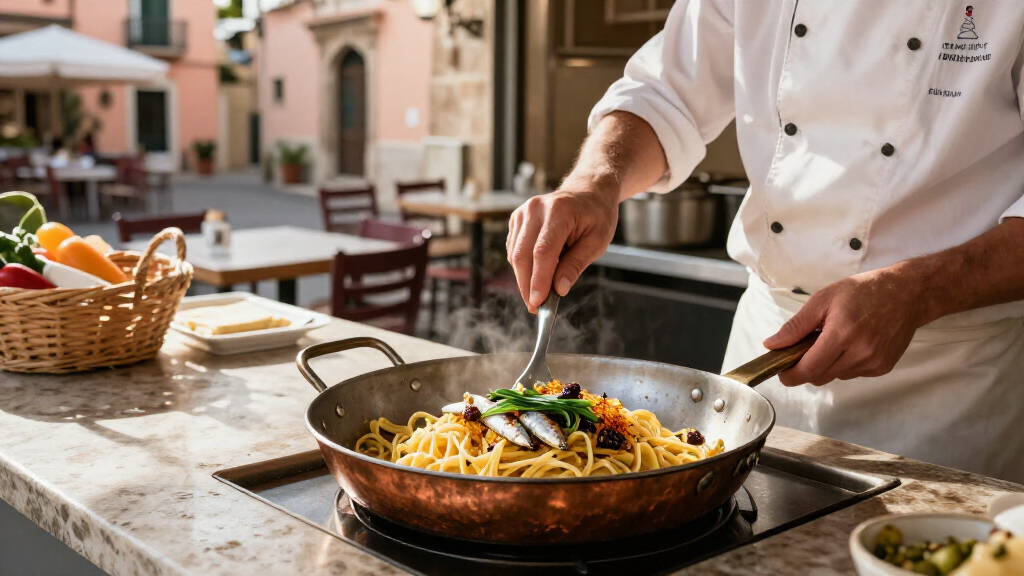
Many cooks finish with *muddica atturrata* (toasted breadcrumbs), browned in a little oil until crisp and golden. It gives a pleasant sandy crunch against tender pasta. Cheese is often left off because the crumbs already supply a savory finish, though household habits vary. A small pinch of saffron appears in many versions, lending a warm color and earthy scent, but it is not required in every family’s recipe.
For a first attempt, start with modest raisins and taste before adding more. A Palermo-style Sunday lunch can still feel balanced even if your version uses less saffron or a different long pasta. Let the sardines and fennel stay in front; the supporting flavors should make them more interesting, not hide them.
Products Worth Considering

LEVOIT Vital 200S-P Smart Air Purifier for Large Rooms, White

Philips Hue Play HDMI Sync Box 4K

Levoit Vital 100S-P Air Purifier
As an affiliate, we earn on qualifying purchases.
Why Palermo and spring belong in the same bowl
Pasta con le sarde is especially associated with Palermo and western Sicily, where coastal sardines and foraged wild fennel connect fishing and countryside cooking. It is not a single standardized recipe: families adjust the sweetness, saffron, pasta shape, and finish. That variation is part of the dish’s life, not a flaw to correct.
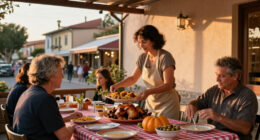
Spring gives the fennel a natural place on the table. Wild fennel is more readily available then, and some communities connect the dish with the Feast of San Giuseppe on March 19. If you visit Palermo around that date, ask a local cook or restaurant how their household marks the season. One version may lean on fresh fronds; another may bake the pasta until the top turns deeply golden.
You may hear stories tying the recipe to Arab forces in Sicily, or to a cook who gathered ingredients during a military campaign. The raisins, pine nuts, and saffron do reflect Sicily’s long Mediterranean connections, but those origin stories are popular lore, not settled history. The precise origin remains uncertain. It is more accurate to describe the dish as a layered regional tradition shaped by local fish and aromatic ingredients.
That distinction helps when you travel: don’t expect one restaurant to define the “correct” bowl. Compare what you taste. Perhaps the fennel is vivid at lunch near the market, while a family version across town gives raisins a larger role. Each tells you something about the cook and place, even when both deserve the name.
How to choose ingredients that keep the balance right
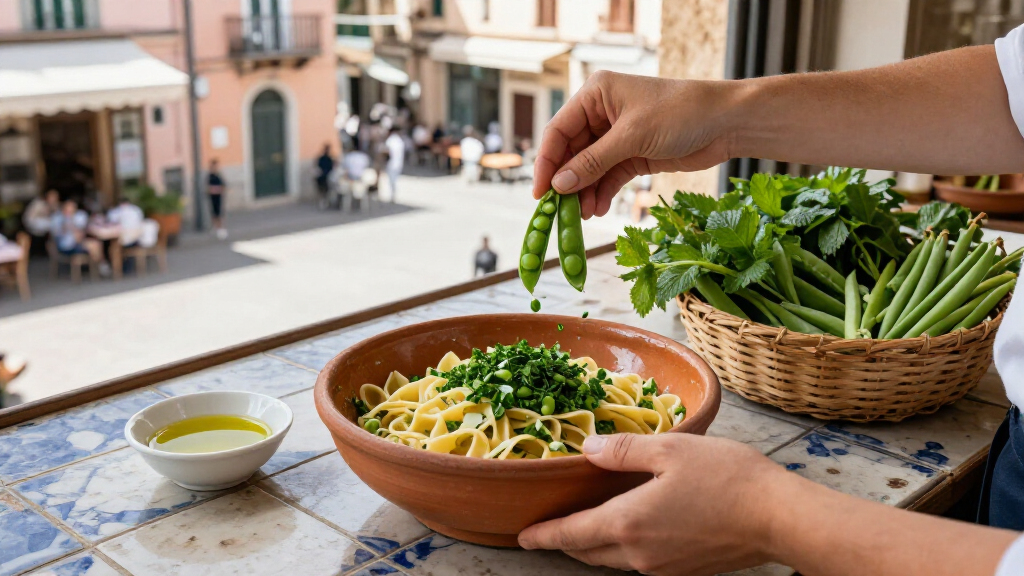
Choose fresh sardines and fragrant fennel when you can; they give pasta con le sarde its clearest coastal and herbal character. Sardines should smell clean and ocean-fresh, not sharply fishy. Ask a fishmonger to clean and fillet them if you are short on time. Wild fennel fronds have a more intense aroma than cultivated fennel, though the latter works when the wild plant is unavailable.
Use bucatini for a classic long shape with a hollow center that catches sauce, or choose another long pasta if that is what your pantry holds. Raisins should add little sweet pockets, not dominate every bite. Pine nuts provide a mellow, buttery crunch; toast them gently because their high oil content means they can scorch quickly. Saffron adds color and earthy depth, but you can leave it out without making the dish inauthentic.
Here’s a useful shopping comparison if your market choices are limited:
| Ingredient | Traditional choice | Practical substitute | What changes |
|---|---|---|---|
| Sardines | Fresh, cleaned fillets | Good-quality canned sardines | Softer texture and a different, often more concentrated flavor |
| Fennel | Wild fennel fronds | Cultivated fennel fronds | Milder aroma; the bulb alone will not replace the fronds’ fragrance |
| Pasta | Bucatini | Another long pasta | Different bite and sauce-catching texture |
| Finish | Toasted breadcrumbs | Breadcrumbs browned at home | Still crisp if added just before serving |
Freshness and proportion matter more than ticking every ingredient box. A home cook in winter can use cultivated fennel fronds and still make a satisfying dish. Keep the raisins measured and the crumbs crisp, and the plate will retain its essential character.
How to cook a balanced version at home
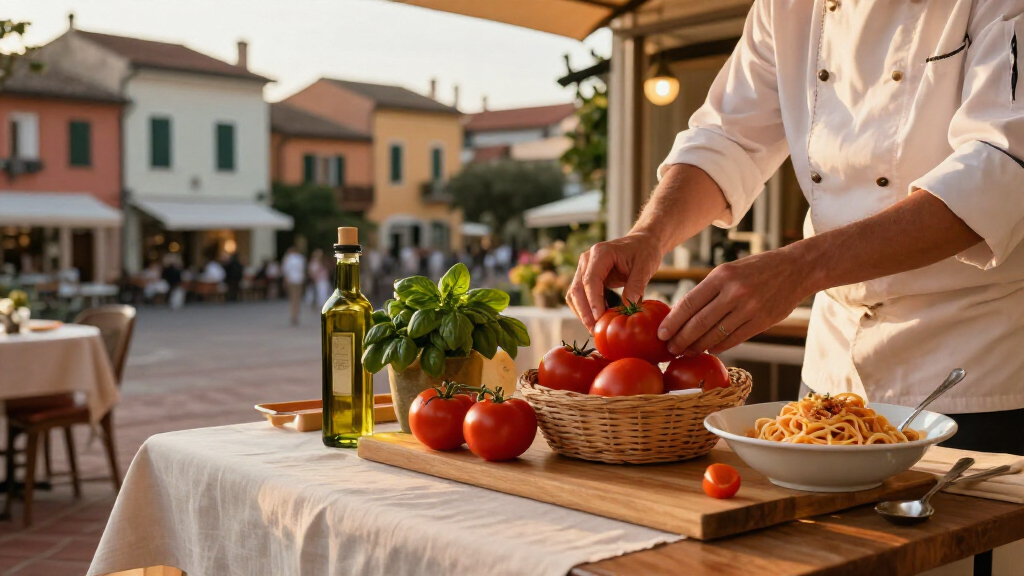
To make pasta con le sarde at home, build the fennel aroma first, cook the sardine sauce separately, and combine it with pasta just before serving. If you can get fresh sardines and wild fennel, use them; if not, the substitutions above give you a practical route. The following sequence keeps the fish tender and the crumbs crunchy.
- Prepare the fennel. Rinse the tender fronds well and simmer them until just tender. Lift them out and reserve the cooking water if you want to use it for the pasta; chop the fronds once cool enough to handle.
- Make the crisp topping. Toast breadcrumbs in a little olive oil over medium-low heat, stirring until golden. Move them to a plate so residual pan heat does not darken them further.
- Build the sauce. Soften a little onion in olive oil, then add raisins and pine nuts. Add the chopped fennel and saffron if using. Add cleaned sardine fillets near the end so they cook gently and retain some texture.
- Cook and combine. Boil bucatini in salted water—or reserved fennel water, if you have enough—until just firm. Drain, saving a little cooking water, then toss the pasta with the sauce and a splash of that water until it looks glossy.
- Serve while crisp. Spoon the pasta into warm bowls and scatter breadcrumbs on top at the table.
For example, if your sauce tastes too sweet after the raisins soften, add more fennel or a little more sardine rather than adding extra fruit. If it tastes flat, check salt and olive oil before reaching for cheese. A good version has lively contrast: soft fish, fragrant greens, plump fruit, and dry crisp crumbs.
Keep the pasta and breadcrumbs separate until serving. That small choice preserves both the firm bite of the bucatini and the crumb topping’s crunch, especially if dinner runs a few minutes late.
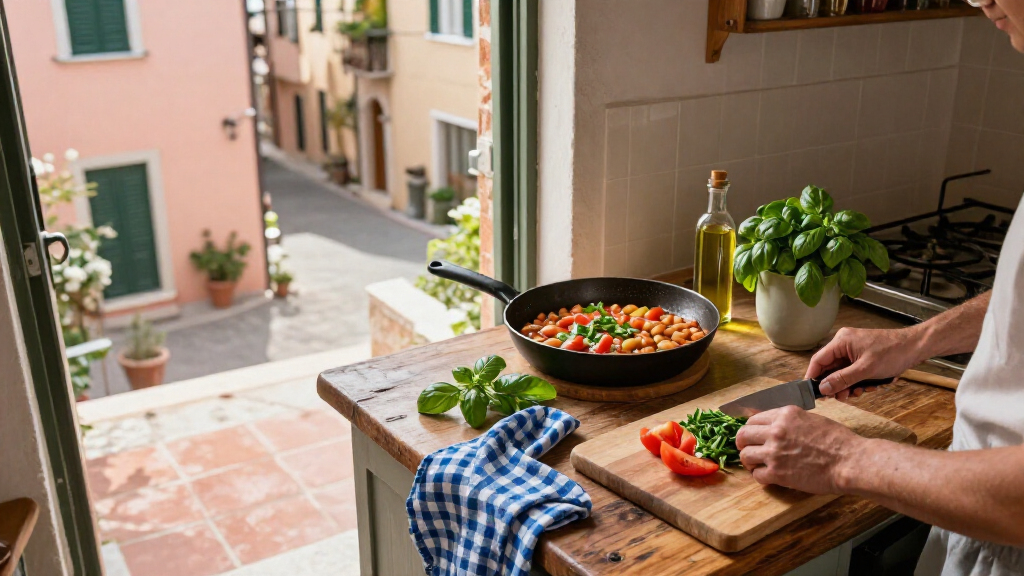
What changes when you bake it or use canned sardines?
Baked pasta and canned sardines are practical variations, but each changes the texture and emphasis of pasta con le sarde. A stovetop version keeps the pasta distinct and lets the fennel aroma stay bright. An oven finish can create a browned top and a more unified, almost casserole-like texture. Neither method has become the single modern standard across Sicily.
If you use canned sardines on a weeknight, choose a good-quality product and expect a softer, more concentrated flavor than fresh fillets provide. Fold them into the sauce gently so they do not disappear into a paste. You might use a little less salt until you taste the finished sauce, since canned fish can already be salty. This version can still be delicious; it simply tells a different story from a spring market haul of fresh sardines.
For a baked dish, undercook the pasta slightly before it goes into the oven, because it will continue cooking in the sauce. Keep breadcrumbs back until the final minutes or add them after baking if you want a crisp top. A family preparing lunch ahead might make the sauce in the morning, then cook pasta and finish it shortly before guests sit down.
Choose the method for the meal you are actually serving. Stovetop pasta suits a quick lunch where you want clear, lively flavors. Baking can help when you want to feed several people at once, but it trades some of the pasta’s springy bite for a softer, melded result.
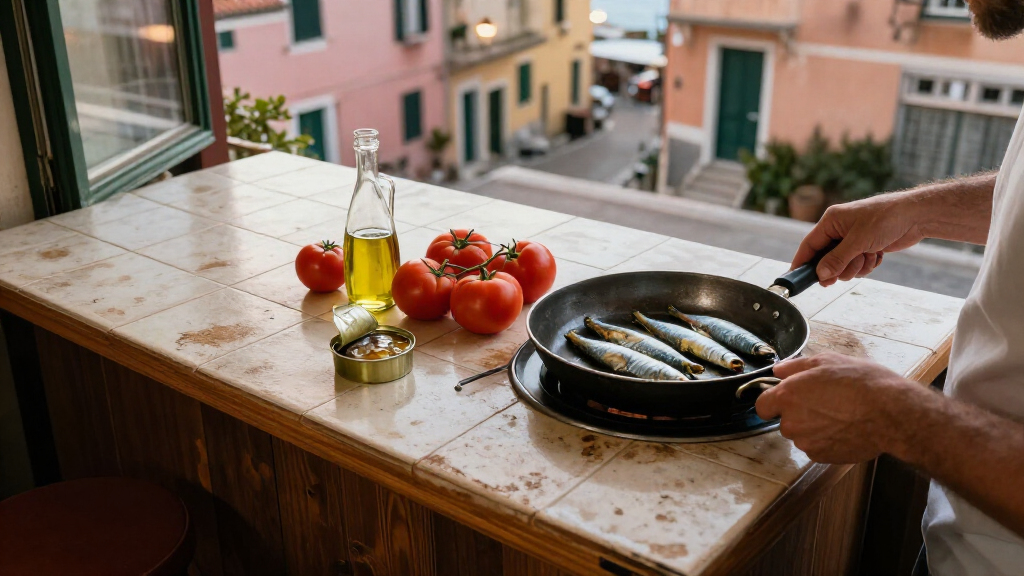
How to store leftovers and keep fish safe
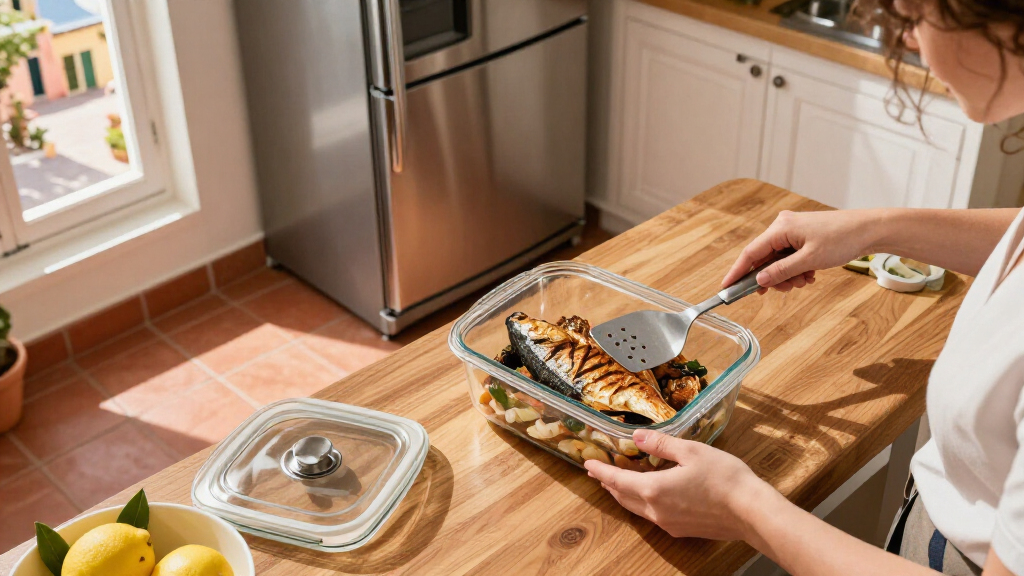
Refrigerate leftover pasta con le sarde promptly, ideally within two hours of cooking, and keep it in a covered container at 40°F (4°C) or colder. Cooked fish leftovers are generally best eaten within three to four days when kept refrigerated. If you are packing lunch for later, chill it quickly rather than leaving a serving on the counter while you clean the kitchen.
Fresh sardines need the same care before cooking. Keep them cold, store them separately from ready-to-eat foods, and cook them soon after purchase. If the fish smells sour or strongly unpleasant, do not use it. A fishmonger can clean the fish, but you still need to transport it home chilled and avoid letting raw juices touch salad, bread, or other foods.
Breadcrumbs lose their crispness in the refrigerator, so store any extra separately in a dry, sealed container and refresh them briefly in a pan before serving. Reheat the pasta until steaming hot throughout; add a small splash of water or olive oil to loosen the sauce. The fish may break into smaller pieces during reheating, which is normal.
Keep raw fish cold, chill leftovers within two hours, and reheat until steaming hot. A little care protects the pleasure of the next-day bowl.
For a realistic example, if you finish lunch at 1 p.m. and have leftovers, portion them into a shallow container and refrigerate them by 3 p.m. Add fresh crumbs only when you reheat and serve. That way, the fish stays safely chilled and the top still has a satisfying crackle.
Frequently Asked Questions
What does pasta con le sarde mean?
Pasta con le sarde means “pasta with sardines” in Italian. In Sicily, it usually describes a sweet-savory preparation with sardines, fennel, raisins, and pine nuts.
Is pasta con le sarde originally from Palermo?
The dish is especially associated with Palermo and western Sicily, but its precise origin is uncertain. Recipes vary around the island and from household to household, so no single version settles the question.
Can I make pasta con le sarde without wild fennel?
Yes. Use cultivated fennel fronds for a milder herbal aroma; the bulb alone will not taste the same. If you can, simmer the fronds and use some of their fragrant water to cook the pasta.
Can I use canned sardines instead of fresh?
Yes. Canned sardines are convenient, but they have a softer texture and more concentrated flavor than fresh fillets. Fold them into the sauce gently and taste before adding extra salt.
Does pasta con le sarde always contain raisins and saffron?
Raisins appear in many characteristic versions, but cooks vary the quantity. Saffron is common in some recipes, not universal, so you can leave it out and still make a recognizable Sicilian dish.
Is pasta con le sarde served with cheese?
Often, it is not. Many cooks use toasted breadcrumbs for crunch and a savory finish instead, though family preferences differ and some people add cheese at the table.
Can I prepare the dish ahead?
You can prepare the sauce ahead and refrigerate it promptly, then cook and combine the pasta close to serving. Keep the toasted breadcrumbs separate until the end so they stay crisp, and refrigerate cooked fish leftovers within two hours.
Conclusion
Let sardines and fennel lead. Add raisins, pine nuts, and saffron with a light hand, then finish the bowl with breadcrumbs while they are still crisp. That balance gives you the sweet-savory heart of Palermo, even when your local market calls for a practical substitution.
Cook it when spring fennel appears, or make your own version on an ordinary weeknight. Either way, leave a little crunch for the final bite.