
TL;DR
Franciacorta is a DOCG sparkling wine from a small area in Lombardy, made by fermenting the wine a second time in the bottle and aging it on the lees. Chardonnay, Pinot Nero, and Pinot Bianco shape its styles, from crisp Brut to soft-textured Satèn and savory Rosé. Choose a style to match your holiday menu, serve it well chilled in a white-wine glass, and check the label for the sweetness and category you want.
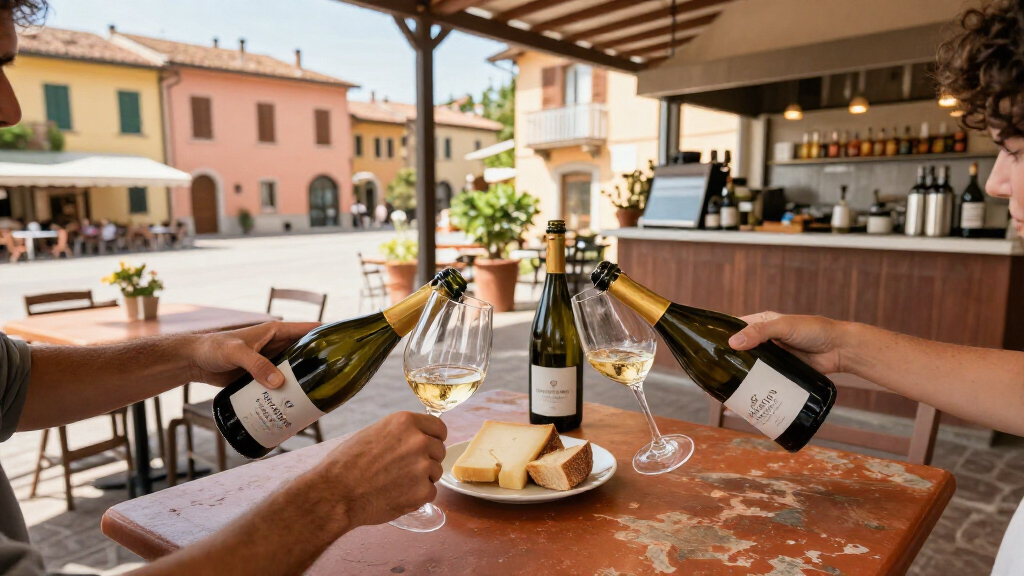
The cork may pop at the holiday table, but the better surprise is what comes after: Franciacorta can feel crisp with a fried bite, creamy beside risotto, or savory with roast poultry. It comes from Lombardy in northern Italy, in a defined area south of Lake Iseo, and earns its fine bubbles through a second fermentation in the bottle.

Get kitchen staples and gadgets delivered free with Prime
- Fast, free delivery on millions of items
- Prime Video, Amazon Music and more included
- Member-only deals all year
That method invites comparison with Champagne, but the name on the bottle points to a different place, grape mix, and set of rules. Once you know the styles—Brut, Satèn, and Rosé among them—you can choose a bottle for the food you’re serving, rather than treating it as a generic toast wine.
This guide explains what makes Franciacorta distinctive, how to read its labels, what to pour with holiday dishes, and how to serve and store it well. A few practical choices can make the difference between bubbles that disappear in a flute and a wine whose aromas stay lively through dinner.
Look for the Franciacorta DOCG name to identify wine made under the rules of its defined Lombardian area.
Chardonnay, Pinot Nero, and Pinot Bianco are the main grapes; Erbamat is permitted in limited proportions.
Brut suits appetizers and seafood, Satèn works well with creamy dishes, and Rosé can meet richer seafood or roast poultry.
Check the sweetness label: Franciacorta ranges from Brut Nature and Extra Brut toward sweeter styles.
Chill the bottle, open it with the cork controlled, and use a white-wine glass to show more aroma and texture.
Italy’s sparkling wine for the holiday table
From a defined area in Lombardy, Franciacorta pairs bottle-aged bubbles with local grapes and styles suited to different dishes.
What makes it Franciacorta
The DOCG name identifies wine made under the rules of its defined area south of Lake Iseo.
- Second fermentation in the bottle
- Aging on the lees
- Lombardy territory and production rules
- Chardonnay, Pinot Nero, Pinot Bianco; limited Erbamat
Choose a style for the menu
Match the wine’s texture and weight to the food you’re serving.
| Style | Holiday pairing | Why it fits |
|---|---|---|
| Brut | Fried appetizers, seafood | Freshness lifts salty, crisp flavors |
| Satèn | Risotto, creamy dishes, delicate fish | Lower pressure gives a softer, creamier mousse |
| Rosé | Richer seafood, charcuterie, roast poultry | Savory character meets fuller flavors |
| Extra Brut or Brut Nature | Salty appetizers, simple seafood | A drier profile keeps the finish brisk |
Read the label before buying
Style, sweetness, and aging category each offer a clue to what will suit your guests.
Check the designation
Franciacorta ranges from Brut Nature and Extra Brut toward sweeter styles; it is not always dry.
Look for the category
Vintage and Riserva bottlings have longer minimum aging. Requirements vary, so check current DOCG rules for precise details.
Find the DOCG name
A traditional-method description alone does not identify wine from Franciacorta.
Serve it to show its character
Small serving choices help keep the aromas and texture present through dinner.
Serve it well chilled, but not ice-cold.
Keep the cork controlled at the holiday table.
A wider glass can show more aroma and texture.
What makes Franciacorta different from Champagne?
Franciacorta is a sparkling wine from Lombardy, made in a small, defined area south of Lake Iseo under the region’s DOCG rules. Like Champagne, it uses the traditional method: the wine undergoes a second fermentation in its bottle, then ages on the lees, the spent yeast cells that can add texture and notes like bread crust. The shared method explains the comparison; it does not make the wines identical.
Franciacorta’s character starts with its place and grapes. Producers can use Chardonnay, Pinot Nero (Pinot Noir), and Pinot Bianco (Pinot Blanc), with limited proportions of Erbamat, a historic local variety. The name Franciacorta identifies the territory, its wine, and its production method. The region received DOCG status in 1995 [1].
That geographic link matters when you shop. A label saying “traditional method” alone does not mean the bottle comes from Franciacorta, just as using the same cooking technique would not make two regional dishes the same. Look for the Franciacorta DOCG name on the label. If you’re bringing a bottle to a holiday dinner, you can tell your host exactly where it comes from and why its bubbles feel polished rather than simply fizzy.
The comparison with Champagne is a useful doorway, then a poor stopping point. Franciacorta has its own local identity, and the style you choose can change how it works at the table. Start with the grape blend and the label’s style words.
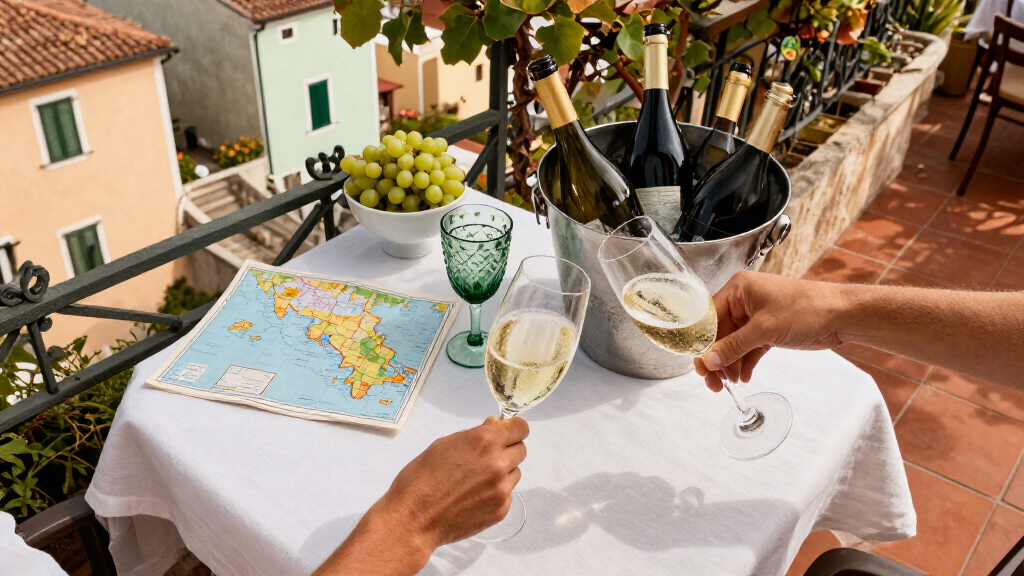
Products Worth Considering

Shark Pet Cordless Stick Vacuum, Up to 40-Minute Runtime, Lightweight, IX141

Philips Hue Iris Smart LED Table Lamp, White

Dyson V8 Motorhead Origin Cordless Vacuum
As an affiliate, we earn on qualifying purchases.
How the bottle method shapes the wine in your glass
The traditional method gives Franciacorta fine, persistent bubbles by creating the second fermentation inside the bottle you eventually open. The wine then rests on its lees, which can lend a rounder texture and savory hints alongside fruit. The exact impression depends on the producer and bottling, but the result usually has more depth than a simple carbonated drink.
Franciacorta’s aging rules vary by category, with longer minimum aging for vintage wines and Riserva bottlings (reserve wines). Because requirements can change and differ by category, check current DOCG regulations before relying on a particular number. For a holiday purchase, the practical clue is the label: vintage and Riserva categories signal a different aging tier, though taste and price still depend on the producer.
Imagine serving fried sage leaves or a plate of tiny arancini before dinner. A lively Brut can cut through the crisp coating, while its bottle-aged texture gives you more to notice than bubbles alone. For a slower meal, a vintage bottling may bring more developed aromas, but a young non-vintage wine can be the sharper, easier match for salty appetizers.
Think of the lees as a long, quiet seasoning. They don’t turn every bottle into the same style; they help build texture while the grape blend and aging shape the final balance. The next label clue is sweetness, which matters more than many holiday shoppers expect.
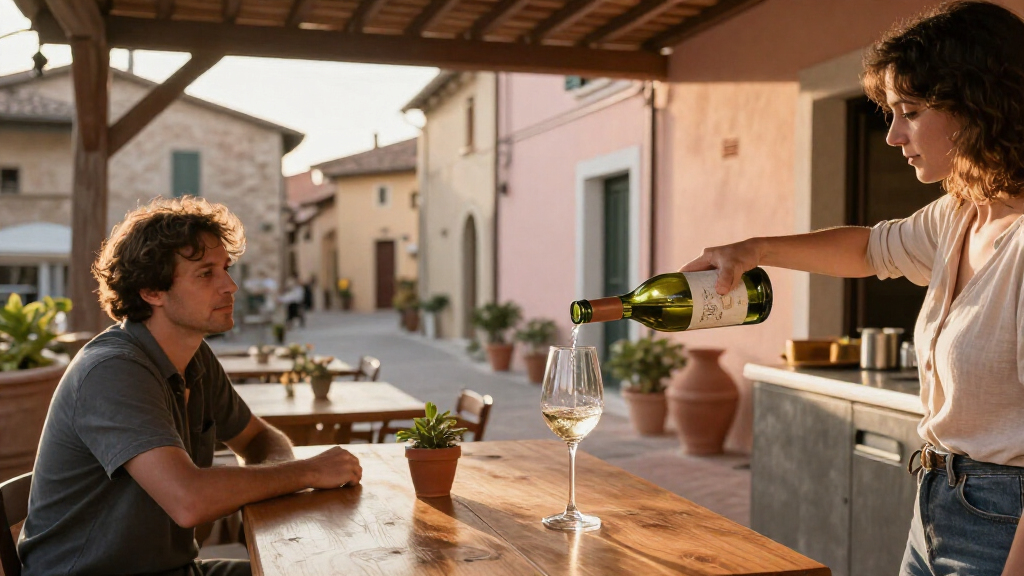
Read the style words before you choose a bottle
Brut, Extra Brut, Satèn, and Rosé tell you what kind of Franciacorta you’re choosing, though sweetness and color are separate clues. Brut is a dependable starting point for appetizers and seafood. Extra Brut is generally drier, while Satèn is a white style with lower bottle pressure and a softer, creamier mousse. Rosé offers a deeper color and often suits dishes with more savory weight.
Franciacorta is not always dry. Labels can range from Brut Nature and Extra Brut toward sweeter styles, so check the specific designation rather than assuming that every sparkling wine tastes alike. If you’re buying for guests who prefer a less dry sip, that small check can save a bottle from sitting untouched beside the dessert plates.
Satèn (literally “silky”) is a particularly local cue. Its gentler foam can feel plush beside a mushroom risotto or delicate fish, while a brisk Brut may feel more refreshing with salty snacks. Rosé can bridge a richer seafood course and roast poultry; its color alone does not tell you exactly how dry or full it will taste.
For example, if your holiday menu runs from smoked salmon to a creamy first course, you might set a Brut out for the opening bites and pour Satèn with the risotto. That’s not a rulebook. It’s a way to match the wine’s texture to the food’s texture—and to make one bottle work harder at the table.

Match each Franciacorta style to a holiday dish
Pair Franciacorta by weight and texture: Brut is a versatile aperitif, Satèn suits creamy dishes, and Rosé can stand up to richer seafood or poultry. A wine that refreshes a salty bite may feel thin beside a buttery sauce; a softer, fuller style can make that same sauce taste more balanced. The menu, not the calendar, should guide your choice.
| Style | Try it with | Why it works |
|---|---|---|
| Brut | Fried appetizers, shellfish, lighter bites | Its freshness can lift salty, crisp flavors |
| Satèn | Risotto, creamy dishes, delicate fish | Its gentler mousse pairs well with soft textures |
| Rosé | Richer seafood, charcuterie, roast poultry | Its more savory profile can meet fuller flavors |
| Extra Brut or Brut Nature | Salty appetizers and clean, simple seafood | A drier profile can keep the finish brisk |
Suppose you’re hosting a winter dinner with oysters, saffron risotto, and roast chicken. Pour Brut with the oysters, then consider Satèn for the risotto and Rosé alongside the chicken. If you want only one bottle, a well-chosen Brut is often the most flexible, especially when the menu leans toward appetizers and seafood.
Don’t overlook the dish’s sauce. A delicate fish with lemon may flatter a crisp Brut; the same fish under a rich cream sauce could be happier with Satèn. For a Lombardian touch, serve a local-style risotto and let the wine’s soft mousse meet the rice’s creamy starch.

Serve it chilled, then give the aromas room
Serve Franciacorta well chilled, not ice-cold, and use a white-wine glass if you want to notice its aromas and texture. A very cold bottle can mute the fruit and lees-derived notes you paid for. A narrow flute preserves the festive stream of bubbles, but a tulip-shaped or standard white-wine glass gives the wine more room to open.
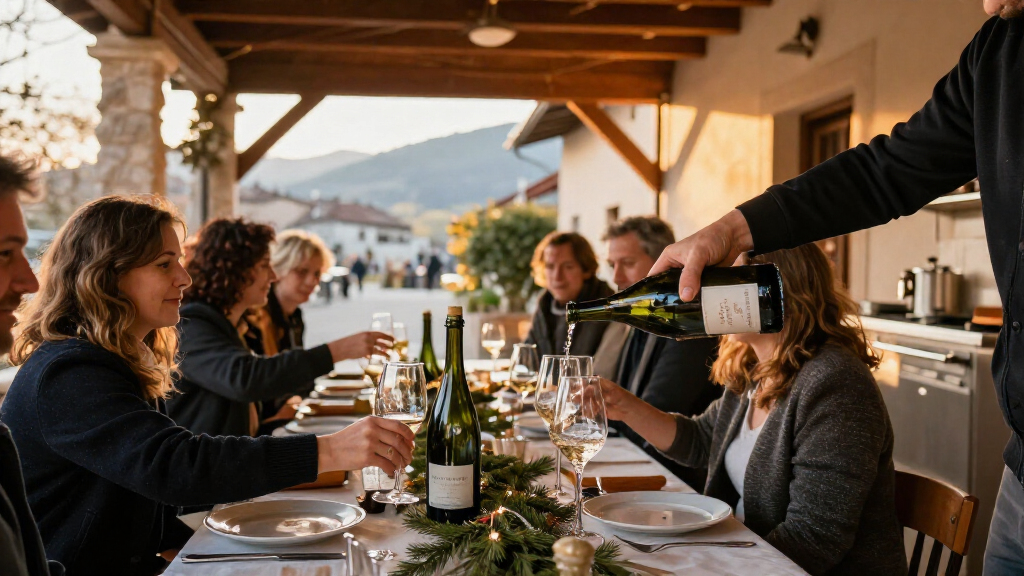
Chill the bottle in the refrigerator before guests arrive, or place it in an ice bucket with water and ice for faster cooling. Avoid shaking it or leaving it in the freezer, where you can forget it and risk a frozen bottle. For a holiday dinner, set out glasses before the doorbell rings; the first pour should meet guests with a fine bead and a clean, cool aroma, not a rushed blast of foam.
Open the bottle carefully: remove the foil and wire cage while keeping a thumb over the cork, point it away from people and breakable objects, then turn the bottle slowly while holding the cork steady. You want a quiet sigh, not a loud pop that sends wine across the table. Keep the bottle cold between pours.
Store unopened bottles in a cool, dark place away from heat and sharp temperature swings. After opening, close the bottle with a sparkling-wine stopper, refrigerate it, and enjoy it soon while the bubbles remain lively. If you’re hosting an all-day gathering, smaller pours and prompt recorking help preserve the wine for the next course.
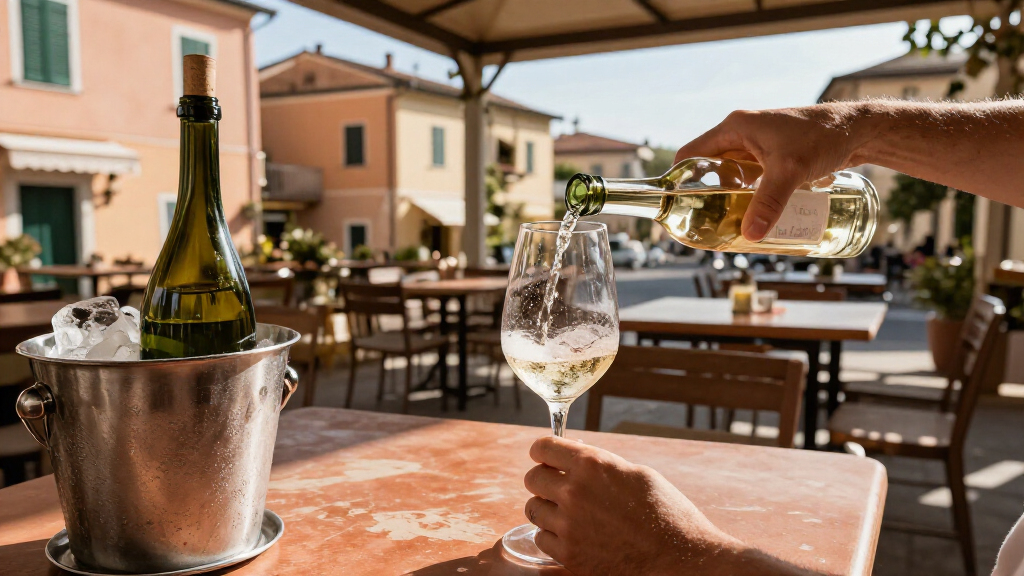
Choose a bottle for the people and food at your table
Start with the menu, then choose the sweetness and style that will suit your guests. Franciacorta prices vary by producer, style, and aging, so there is no reliable universal holiday price range without checking current local retailers. A non-vintage Brut may be a practical aperitif; a vintage or Riserva bottling may make sense when you want a slower, more contemplative pour.
Ask yourself three quick questions before you buy: what food will the wine meet, how dry do your guests like it, and will it be the first pour or stay on the table through dinner? If you’re bringing wine to a family meal where some people prefer soft, creamy flavors, Satèn may be a safer match for the main course than a very dry Extra Brut. If the menu is mostly fried snacks and shellfish, Brut offers more range.
- Read the appellation. Look for Franciacorta DOCG on the label so you know the wine comes from the defined production area.
- Pick a style for the food. Use Brut for appetizers, Satèn for creamy courses, or Rosé for richer dishes.
- Check the sweetness cue. Choose a drier label only if that suits your own and your guests’ tastes.
- Plan the serving glass and temperature. Chill ahead and use a glass that lets the aromas emerge.
This takes less than a minute in the shop and gives you a reasoned choice beyond “the bottle looked festive.” For a host who wants one wine to carry the evening, a Brut is a sound starting point. For a menu with a creamy centerpiece, bring Satèn and explain its softer texture as you pour.
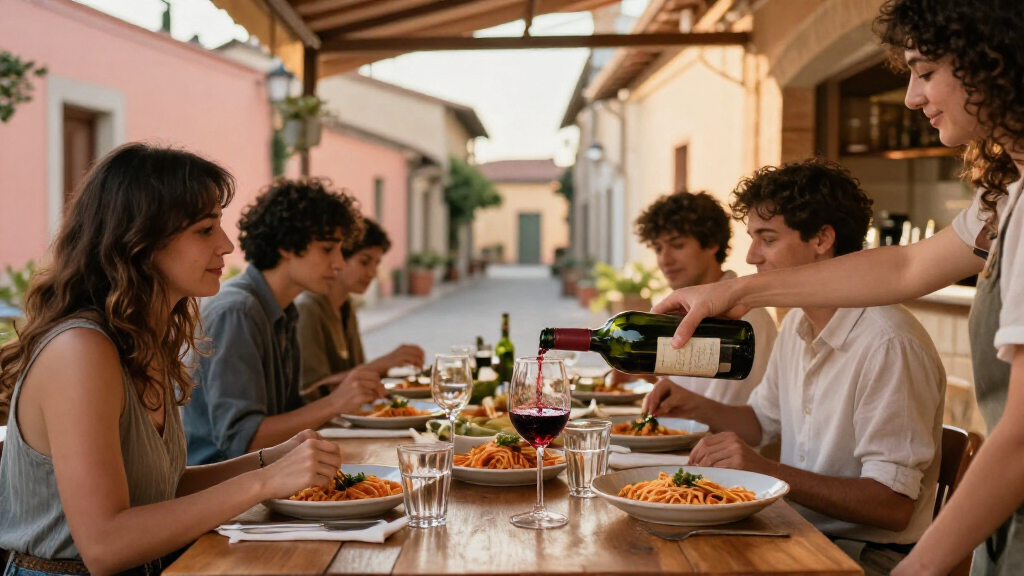
Know how Franciacorta differs from Prosecco
Franciacorta is made by the traditional bottle method, while most Prosecco uses tank fermentation. Both are Italian sparkling wines, but they come from different regions, rely on different grapes and production approaches, and often feel distinct in the glass. That difference can help you choose a bottle for a particular holiday moment.
Prosecco often leans toward fresh, bright fruit and an easygoing, lively pour. Franciacorta’s second fermentation in the bottle and lees aging can give it a more layered texture. That doesn’t make one automatically better. If you’re making aperitivo with olives, chips, and casual conversation, either style may suit the moment; if your dinner includes creamy risotto or a formal seafood course, you may want to explore Franciacorta’s texture and its Satèn style.
Picture a New Year’s Eve table where one bottle will be opened with snacks and another with dinner. A light Prosecco can start the evening, while a Franciacorta Brut follows the first course. Or choose just one wine and let the food decide: crisp fried seafood favors a fresh pour, while a creamy course may reward the softer mousse of Satèn.
These are broad style tendencies, not guarantees. Producer choices matter, and individual bottles can surprise you. Read the label, ask a knowledgeable wine shop about the sweetness level, and buy according to your menu rather than assuming the method alone settles the question.
Frequently Asked Questions
Is Franciacorta the same as Champagne?
No. Franciacorta comes from Lombardy and Champagne comes from France, though both use a second fermentation in the bottle followed by lees aging. Their grapes, territories, and production rules differ, so treat Champagne as a useful comparison rather than a synonym.
What grapes are used in Franciacorta?
The main grapes are Chardonnay, Pinot Nero (Pinot Noir), and Pinot Bianco (Pinot Blanc). Producers may also use limited proportions of Erbamat, a historic local variety. The blend and winemaking choices help shape each bottle’s flavor and texture.
Is Franciacorta always dry?
No. Sweetness depends on the label, from Brut Nature and Extra Brut through sweeter styles. Check the designation before buying, especially if you’re choosing a bottle for guests who prefer a softer, less dry taste.
What does Satèn mean?
Satèn is a Franciacorta-specific white sparkling style made at lower bottle pressure, which gives it a gentler, creamier mousse. Try it with risotto, creamy dishes, or delicate fish when you want a softer texture at the table.
How should I serve and store Franciacorta?
Chill it before serving, open it with the cork controlled and pointed away from people, and consider a white-wine glass for more aroma. Keep unopened bottles in a cool, dark place; refrigerate an opened bottle with a sparkling-wine stopper and enjoy it soon.
How does Franciacorta compare with Prosecco?
Franciacorta uses the traditional bottle method, while most Prosecco uses tank fermentation. They also come from different places and use different grapes, so their typical textures and flavors differ. Choose based on the food, the style you like, and the bottle’s label.
Conclusion
For the holidays, choose Franciacorta by the dish you’re serving: Brut for the opening bites, Satèn for a creamy course, Rosé for richer flavors. Check the DOCG label and sweetness cue, chill the bottle ahead, and let the wine breathe in a glass with room for its aromas.
Then listen for the soft fizz at the table: a small corner of Lombardy, bright with bubbles, finding its place beside your winter meal.