
TL;DR
Acqua alta is temporary high water that is more common in Venice during autumn and winter, and its effects vary by neighborhood and hour. Check local tide and municipal updates, confirm restaurant access on the day, wear waterproof shoes, and build in time for detours. Use a bacaro or restaurant as a warm pause, and order Venetian staples such as cicchetti, sarde in saor, or baccalà mantecato when they appear on the menu.
In Venice, the walk to dinner can change while you are still deciding what to order. Acqua alta—the city’s periodic high water—can wet low-lying streets, slow your route, and turn a simple reservation into a small exercise in timing. It is temporary, though, not a constant state of flooding, and conditions vary from one part of the city to another.

Get kitchen staples and gadgets delivered free with Prime
- Fast, free delivery on millions of items
- Prime Video, Amazon Music and more included
- Member-only deals all year
If you are visiting in autumn or winter, a little planning lets you keep the focus on the food. Check tide and municipal updates, confirm access with the restaurant, and wear shoes that can handle wet paving. Then give yourself time for a warm stop: perhaps a glass of water and a few cicchetti (small savory bites) at a bacaro, Venice’s neighborhood wine bar.
This guide explains how high water can affect dining, what to eat when the weather turns damp, and how to plan a route that suits the conditions on the day. The aim is simple: help you enjoy experiences in Venice with less guesswork, whether you have a full dinner reservation or just an hour between walks.
Check official tide and municipal updates on the day because acqua alta varies by location and hour.
Contact a restaurant directly to confirm both its opening status and the best route to its entrance.
Carry waterproof shoes and allow extra time; elevated walkways cover some affected routes, not every street or doorway.
Try Venetian dishes such as sarde in saor, baccalà mantecato, cicchetti, risotto, or polenta when the menu offers them.
Ask staff about ingredients and preparation if you have allergies or dietary needs.
Food and Dining Experiences During Acqua Alta
High water is temporary and varies by place and hour. Check the route to dinner on the day, then leave room for a warm stop and a flexible meal.
Plan around changing access
A street that is passable now may be wet later, and detours can slow a short walk.
Review official tide and municipal information for current conditions.
Ask whether it is open and which route reaches its entrance.
Wear waterproof shoes and leave room for detours or a nearby alternative.
Choose a warm pause
A bacaro, café, or restaurant can offer shelter while you check conditions and decide where to go next.
Try cicchetti
Small savory bites make a flexible stop when a long dinner feels difficult to plan.
Sarde in saor
Sardines with onions and vinegar; ask about ingredients such as raisins and pine nuts.
Baccalà mantecato
Whipped salt cod, often served on bread or polenta. Check ingredients and preparation for allergies.
Risotto or polenta
Look for warming dishes on the menu; availability varies by season and kitchen.
Keep the plan flexible
Restaurant access and service vary, and flood protections do not remove the need to check local conditions.
- Confirm opening status and entrance access.
- Ask about ingredients and dietary needs.
- Expect selected walkways, not access to every street or doorway.
- Use a nearby café or bacaro if the route changes.
Know what acqua alta can change before you leave
Acqua alta can change where and how you eat by making some routes wet or slower to cross. It is temporary high water shaped by tides, weather, wind, and conditions in the Adriatic; it does not affect every street at once. In a familiar example, part of Piazza San Marco may be wet while a route farther from the lagoon remains easier to walk.
That uneven pattern is why a forecast is a planning aid, not a promise about your exact doorstep. A path that feels dry in the afternoon may be wetter later, and a short walk on a map can take longer if you need a detour. Venice sometimes installs elevated walkways in affected areas, but they cover selected routes and may not reach the entrance you need.
The city also uses MOSE, its mobile flood barrier system, to reduce the impact of some high tides. MOSE has been activated during high-water events, but it does not prevent every possible flooding condition. Treat it as part of the city’s defenses, not a reason to skip local tide and municipal updates.
Think of your evening plan as a small boat: keep a destination, but leave room to change course. If the restaurant sits in a low-lying area, check the route on the day and contact the venue before setting out. That practical travel issue matters most when you have a timed reservation or limited mobility.
Products Worth Considering

Samsung 43-Inch M70H Series 4K Mini LED Smart TV (2026)

Dyson Supersonic Travel Hair Dryer

Hisense 75-Inch U7 Mini-LED ULED 4K UHD Smart Google TV (75U7SG)
As an affiliate, we earn on qualifying purchases.
Choose dinner by the route you can verify that day
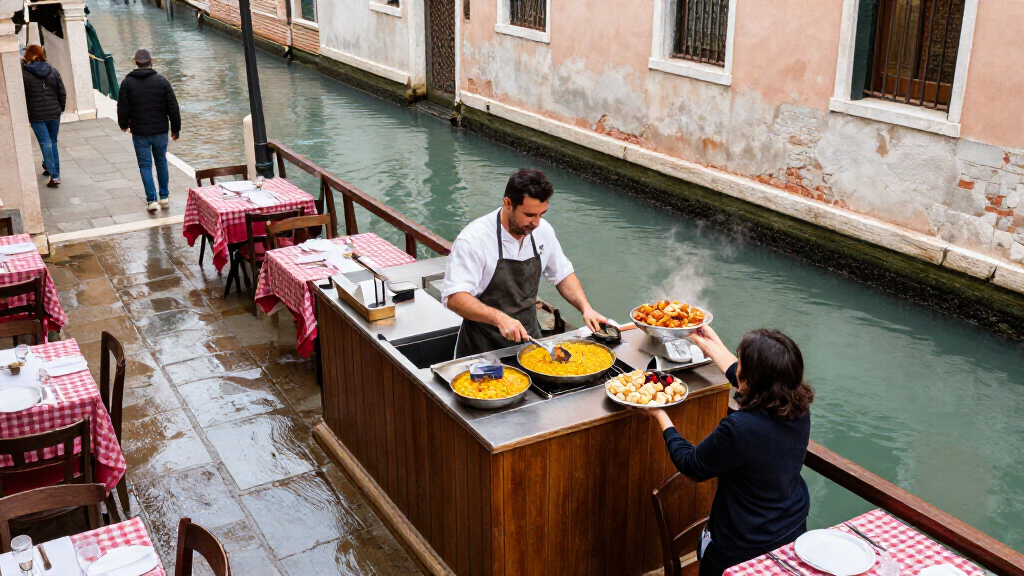
Choose a restaurant by checking both its opening status and the walk to its door. Restaurants do not follow one citywide rule during acqua alta: some operate normally, while others adjust hours, service, or access. A phone call or message on the day can tell you more than an old listing, especially if the restaurant is in a low-lying part of town.
For example, if you are staying near Cannaregio and the tide outlook looks unsettled, a bacaro or trattoria close to your lodging may make a calmer dinner plan than crossing several neighborhoods for a reservation. Ask the restaurant which route they recommend and whether the entrance is accessible at your expected arrival time. That small check can save you from reaching a wet lane and having to turn around.
Use this quick sequence before you leave:
- Check official tide and municipal information for current conditions and advisories.
- Confirm with the restaurant that it is open and ask about access near your arrival time.
- Plan a route with extra time and a nearby alternative, such as a café or bacaro.
- Wear waterproof shoes and a light rain layer; do not assume an elevated walkway covers the whole trip.
This approach also helps if you have dietary needs. Ask about ingredients and allergens directly when you confirm, rather than assuming a dish is suitable from its name. In a busy dining room, a clear question before you arrive is easier for everyone.
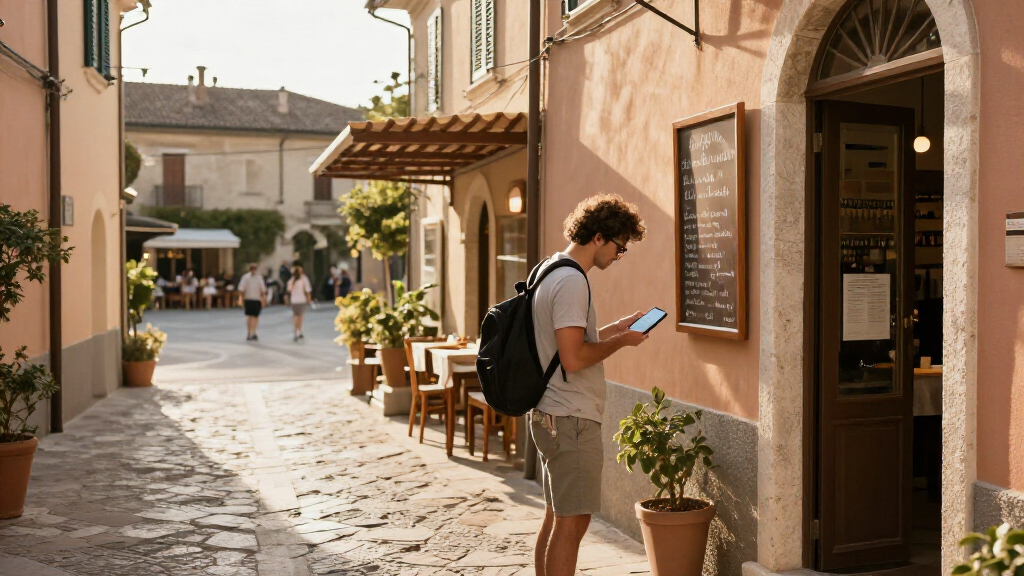
Warm up with Venetian dishes that suit a wet evening
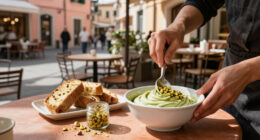
Venetian food gives you plenty to enjoy during acqua alta without requiring a special high-water menu. Try dishes the local kitchen serves that day, because menus and ingredients vary by season and restaurant. At a bacaro, you might find cicchetti, little savory bites displayed along a counter, which make an easy stop when you want to eat well without committing to a long dinner.
Look for sarde in saor, sardines prepared with onions and vinegar, often with raisins and pine nuts. The sweet-sour aroma cuts through the damp chill, and the dish reflects Venice’s history as a maritime trading city. Another local staple is baccalà mantecato, whipped salt cod often served on bread or polenta. If you have a fish allergy, do not order either dish; ask staff about ingredients and preparation to avoid cross-contact.
On a colder evening, a bowl of risotto, a polenta dish, or seasonal soup can feel like a warm shelter after a slow walk over wet stone. Picture arriving with your cuffs damp and your hands cold: a steaming plate gives you time to dry off while the city carries on outside. Seafood availability can shift with the season and restaurant, so ask what is fresh and on the menu rather than expecting a particular dish everywhere.
Traditional recipes can include common allergens such as fish, pine nuts, or gluten in bread. If you have a food allergy or need a vegetarian option, tell the restaurant clearly and ask how the dish is prepared. The name alone rarely answers every ingredient question.
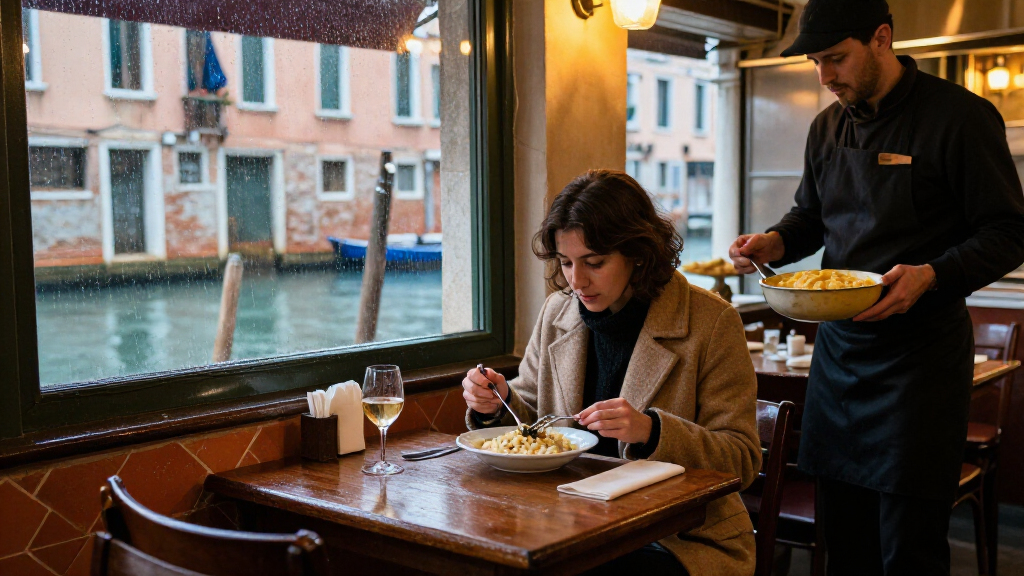
Make a bacaro stop part of your flexible itinerary
A bacaro can turn an uncertain walk into a useful pause for food, warmth, and a route check. These neighborhood wine bars often serve small plates, so you can order a couple of bites rather than race across town for a full meal. If you have spent the afternoon near San Marco and your next route looks wet, stepping into a nearby café or bacaro gives you time to check conditions before continuing.
Try cicchetti that are available rather than treating a printed list as a guarantee. You may find baccalà mantecato on polenta, a small seafood bite, or a seasonal vegetable option. Pair the food with water, a soft drink, or wine if you choose; alcoholic drinks are for adults, and you should drink responsibly. Ask what is in each bite, especially if you have an allergy or avoid a particular ingredient.
Small, flexible stops work well because high water can stretch travel time. A ten-minute pause for a snack can be more comfortable than trying to keep a tight dinner schedule while looking for a dry crossing. If a bacaro is crowded or its entrance is difficult to reach, move to a venue on a route you have checked rather than pushing through a restricted or unsafe area.
In this way, dining becomes part of the city’s rhythm: you warm your hands, taste something distinctly Venetian, and let the next part of the evening become clearer. Keep the plan light enough to change if water, weather, or access shifts.
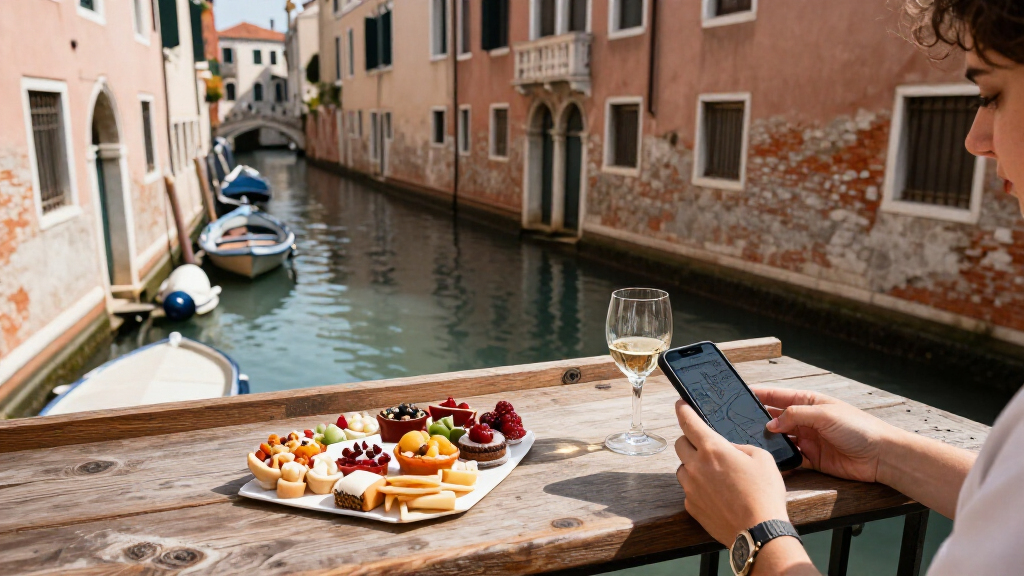
Pack shoes and timing that make dinner easier
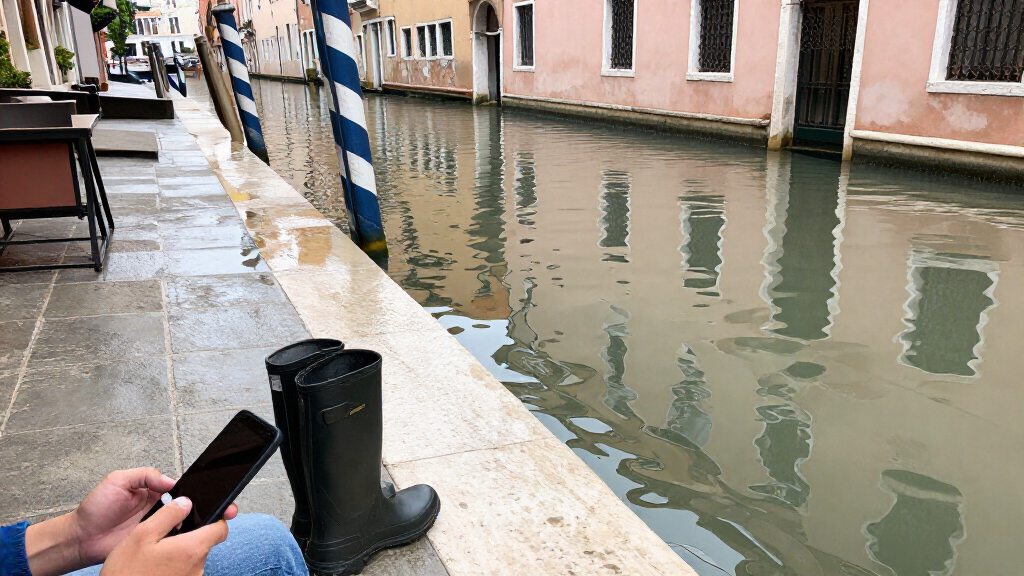
Waterproof footwear and a time buffer make a Venice dinner more comfortable when acqua alta is possible. Choose shoes with a secure sole and enough coverage for wet paving; a light rain layer helps when mist or drizzle joins the high water. Elevated walkways can help on some routes, but they do not reach every street or doorway, so footwear still matters.
Suppose your reservation is at 7:30 p.m. and the route normally takes fifteen minutes. Give yourself extra time for a slower crossing, a detour, or a check with the restaurant. If your shoes or socks get wet, a nearby café or your accommodation can serve as a practical reset before dinner. This is especially useful if you are traveling with children or anyone who finds uneven surfaces difficult.
Water can conceal changes in the paving, so watch where you step and follow local instructions. Avoid closed or restricted areas, and do not treat a shallow-looking passage as safe without checking. Conditions can change by hour, which means the route you used to reach lunch may not be the right route for dinner.
Keep a simple backup in mind: a nearby restaurant, a casual meal close to your lodging, or a later arrival if the venue agrees. Flexibility is not wasted planning. It is what lets you enjoy your meal instead of watching the clock from a wet lane.
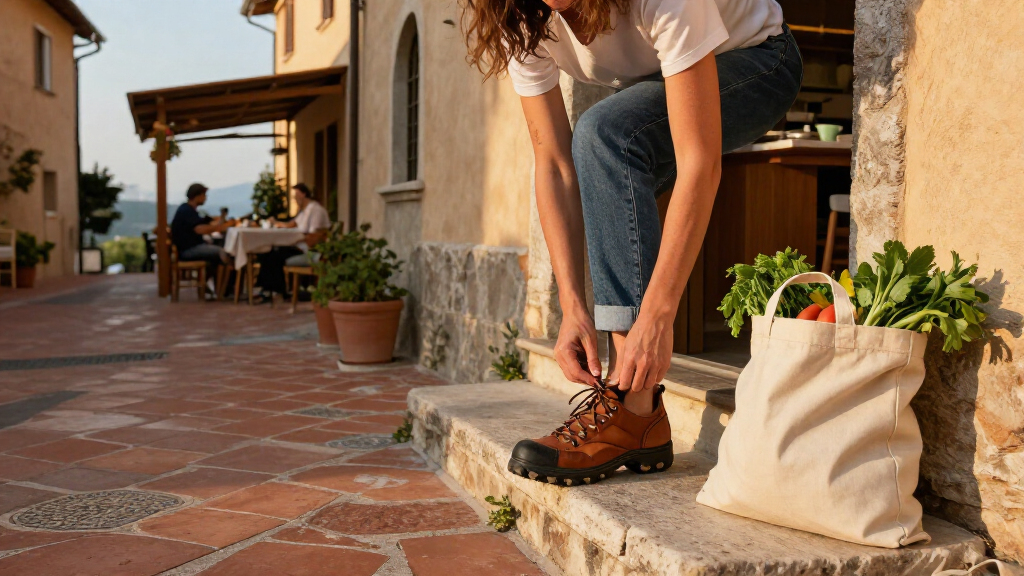
Use these checks to keep your meal plan flexible
The most reliable acqua alta dining plan combines current information, direct contact, and a nearby alternative. Forecasts and barrier operations can change, so avoid relying on a fixed tide threshold or an old travel post to decide whether a route is passable. Check official tide and municipal information on the day, then confirm the restaurant’s own status and access.
For a practical example, imagine you have a reservation across town but the tide update shows a developing high-water period. Ask the restaurant whether it recommends another arrival route, and leave extra time. If access looks difficult, see whether the venue can adjust your booking or choose a closer place that you can reach safely.
Keep these points in mind:
- High water is more likely in autumn and winter, but it can occur at other times too.
- Conditions vary by location and hour, so check your specific route.
- Walkways cover selected areas; they may not connect to your destination.
- Restaurant service varies; contact the venue rather than assuming it is open or closed.
- Menu availability varies; ask what the kitchen is serving that day.
These checks do not have to make travel feel like a chore. They give you room to enjoy the meal. Once you know how you are getting there, you can pay attention to the vinegar-soft onions in the saor or the warmth of a bowl of risotto.
Frequently Asked Questions
When is acqua alta season in Venice?
Acqua alta is more common in autumn and winter, but it can happen at other times of year. Tides, weather, wind, and Adriatic conditions affect its timing and height, so check current local information rather than relying on a fixed calendar.
Can I still eat out during high water?
Often, yes, but access depends on the tide, location, route, and restaurant decision. Contact the venue on the day and ask whether it is open and how to reach the entrance. Keep a nearby alternative in mind if your planned route becomes difficult.
Will restaurants close during acqua alta?
There is no citywide rule that every restaurant closes. Some stay open and serve as usual; others may change hours, service, or access. A direct call or message is the best way to confirm your reservation.
Are elevated walkways enough to get around?
Elevated walkways help pedestrians cross some affected routes, but they do not cover every street or entrance. Wear waterproof shoes, check your full route, and expect that you may need a detour.
What should I wear to dinner during acqua alta?
Wear waterproof shoes with a secure sole and bring a light rain layer. If you are heading to a reservation, allow time to walk carefully or dry off first. Practical footwear matters more than dressing for a perfect-weather evening.
Does acqua alta affect seafood quality?
High water may affect transport or restaurant operations during a particular event, but it does not mean seafood quality changes across Venice. Menus and availability depend on the season and kitchen, so ask what is being served that day.
Conclusion
Plan the route before you plan the order. During acqua alta season, check local conditions, confirm access with the restaurant, and leave enough time for wet paving or detours. Then let a bacaro stop, a plate of sarde in saor, or a bowl of hot risotto turn the pause into part of your Venice experience.
When the evening is damp and the lanes shine under the streetlights, a good meal can feel like a small harbor. Choose a place you can reach safely, and let the city set the pace.