
TL;DR

Get kitchen staples and gadgets delivered free with Prime
- Fast, free delivery on millions of items
- Prime Video, Amazon Music and more included
- Member-only deals all year
A successful Regata Storica weekend pairs early race-day meals with cicchetti crawls, seasonal lagoon seafood, and a viewing position chosen before the crowds arrive. Stay for three nights, explore Rialto and quieter neighborhoods before Sunday, and verify the annual race schedule, transport changes, and visitor access rules through official Venice channels.
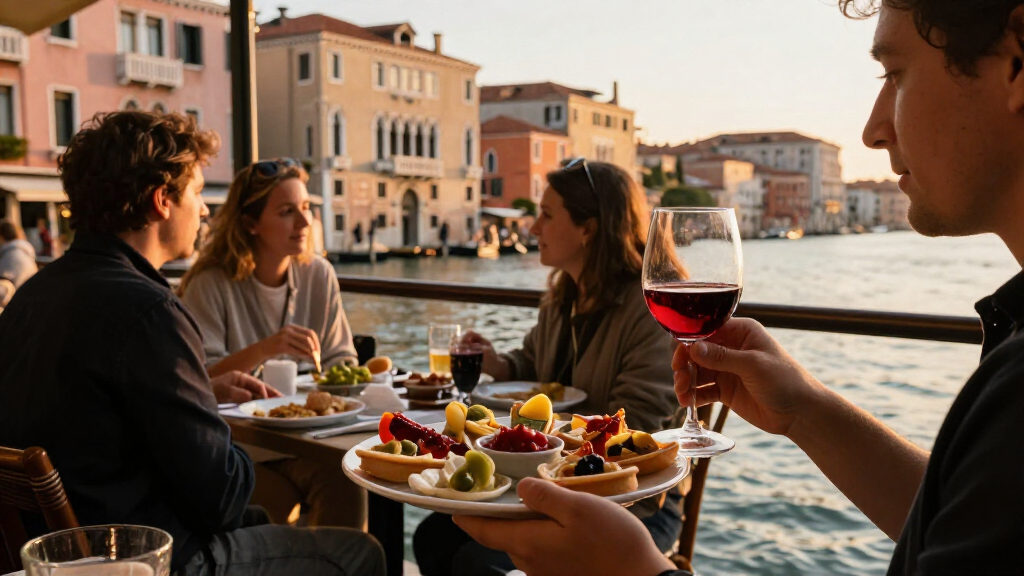
Venice changes pitch on regatta Sunday: oars slap the Grand Canal, spectators call from crowded balconies, and polished boats flash beneath Renaissance-style costumes. Meanwhile, behind the waterfront, bacari—traditional Venetian wine bars—pass out crostini capped with white clouds of baccalà mantecato, or whipped salt cod.
This is a weekend for watching the city move and tasting why it developed that way. You will learn how to match race-day geography with a practical eating plan, where to find recognizably Venetian dishes, and why an early plate of bigoli in salsa can serve you better than an expensive table beside the course.
The central tension is simple: the best view attracts the hardest crowd, while the quietest meal may pull you away from the water. With three nights, comfortable shoes, and a little restraint, you can have both. You can hear the roar near Ca’ Foscari, taste sweet-and-sour sarde in saor, and still leave room for a crumbly Burano biscuit after the last racing boat disappears.
Plan three nights: use Friday for a short bacaro crawl, Saturday for Rialto and neighborhood dining, and Sunday for early food plus the races.
Choose your viewing area by both sightline and meal access; Ca’ Foscari brings finish-line energy, while Dorsoduro offers useful pre-race food options.
Order Venetian dishes with regional precision, including baccalà mantecato, sarde in saor, bigoli in salsa, and cuttlefish in ink.
Check seafood prices by weight, coperto, service charges, allergens, and shared fryers before ordering.
Verify the annual program, vaporetto changes, ticketed viewing arrangements, and Venice day-visitor rules through official channels.
Regata Storica Weekend: Eating Your Way Through Venice While the Gondolas Race
Pair early race-day meals with cicchetti crawls, seasonal lagoon seafood, and a viewing position secured before the crowds arrive. Three nights give Venice’s food and rowing traditions enough room to breathe.
Finish the substantial meal before claiming a Grand Canal sightline.
Balance finish-line energy with access to food, bridges, and walking routes.
Routes, timings, transport changes, tickets, and visitor rules can vary.
Build the weekend around its natural tempo
Separate food exploration from race-day logistics. That protects your best meals from Sunday crowds while leaving space for altered vaporetto routes, congested bridges, and spontaneous stops.
A short bacaro crawl
Begin in Cannaregio or San Polo. Visit two or three bacari, ordering one or two cicchetti at each rather than turning the first counter into dinner.
Try: baccalà mantecato · polpetta · one ombraMarket context, neighborhood table
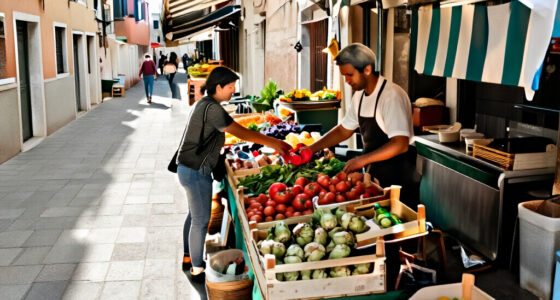
Reach Rialto Market early, then leave the busiest bridge approaches for lunch in Dorsoduro, Castello, or quieter Cannaregio.
Order: bigoli in salsa · lagoon fish · bussolaiEat before the barriers reshape Venice
Choose a substantial breakfast or early lunch, carry water, and claim the viewpoint early. A nearby bacaro may become a long detour once pedestrian flow changes.
Priority: food first · position second · stay flexibleKnow what you are watching
The Regata Storica is not a leisurely gondola display. It joins civic pageantry to serious Venetian sport, celebrating a rowing technique shaped by shallow water, narrow canals, wind, current, and traffic.
Historical procession
Decorated boats and Renaissance-style dress turn the Grand Canal into a moving civic stage.
Youth and women’s races
Competitive categories reveal the depth of Venice’s living rowing culture.
Six-oared caorline
Heavier working-boat forms demand coordinated power from six athletes.
Gondolini finale
Light two-person craft reward speed, balance, and near-perfect timing toward Ca’ Foscari.
Voga alla veneta is practical engineering
Rowers stand and face forward, supporting their oars in open wooden forcole. The unfixed oar can shift position for acceleration, steering, braking, or holding against wind and current.
Facing the route
The stance helps rowers read shoals, corners, boat traffic, and the canal ahead. Apparent elegance is evidence of constant control.
A compact Venetian tasting map
Order with regional precision. Small bacaro portions create range; a neighborhood meal provides depth. Seasonal availability matters more than an overlong checklist.
Baccalà mantecato
Whipped salt cod served on bread or grilled polenta: creamy, savory, and distinctly Venetian.
Sarde in saor
Sardines with onions, vinegar, raisins, and pine nuts—preservation transformed into deliberate flavor.
Bigoli in salsa
Thick pasta coated in a deeply savory onion-and-anchovy sauce; ideal before a long race afternoon.
Nero di seppia
Cuttlefish and its ink served with pasta, risotto, or polenta for a briny, mineral-rich main course.
Fegato alla veneziana
Liver cooked with abundant onions: a classic choice when seafood prices or seasonality disappoint.
Zaleti and bussolai
Choose raisin-studded cornmeal biscuits or the ring-shaped butter biscuits associated with Burano.
Moeche follow the lagoon, not the calendar
Soft-shell crabs appear only during short moulting periods, generally in spring and autumn. Regatta-weekend availability varies, so treat them as a seasonal opportunity rather than a guaranteed order.
Choose the sightline with your stomach in mind
No viewing area solves every problem. Match atmosphere, obstruction risk, food access, and walking flexibility to the experience you value most.
| Area | Race energy | Sightline reliability | Food access | Best for |
|---|---|---|---|---|
| Ca’ Foscari | ✓ Highest | ~ Arrive very early | ✗ Hard once crowded | Finish-line drama |
| Accademia | ✓ Strong | ~ Obstructions likely | ✓ Dorsoduro nearby | Balanced race day |
| Rialto district | ✓ Lively | ✗ Dense crowds | ✓ Many options | Central atmosphere |
| Dorsoduro approach | ~ Moderate | ~ Position dependent | ✓ Useful before racing | Food-first planning |
Five checks that prevent expensive surprises
Sunday compresses Venice. Confirm the event logistics and restaurant terms before crowds, closures, and hunger remove your best options.
Official program
Verify the current route, start times, race categories, and procession details through official Venice channels.
Transport changes
Check vaporetto stop suspensions and diversions. Walking may be faster than attempting a canal crossing.
Viewing access
Confirm whether grandstands, terraces, hospitality zones, or waterfront positions require advance tickets.
Menu pricing
Ask whether seafood is priced by weight and review coperto and service charges before ordering.
Access and allergens
Verify current day-visitor rules, ingredient risks, and shared fryers. Never assume a fried item is allergen-safe.
Personal essentials
Wear comfortable shoes, carry water, alternate wine with water, and leave room for a post-race biscuit.
The Venetian logic of the weekend
Geography shapes movement; movement shapes appetite; appetite shapes the itinerary.
Know What You Are Watching Before the First Oar Hits the Water
Regata Storica Weekend: Eating Your Way Through Venice While the Gondolas Race starts with one useful distinction: these are serious Venetian rowing competitions wrapped in a historical pageant. The event celebrates voga alla veneta, a standing, forward-facing technique developed for the lagoon’s shallow water, tight canals, and shifting traffic [1]. Understanding that purpose changes what you notice. The upright stance is not decorative theater but a practical response to a city where rowers historically needed to see shoals, corners, cargo traffic, and approaching boats.
Rowers brace one or more oars in open wooden oarlocks called forcole. Because the oar is not locked into a fixed hinge, a rower can shift it among different working positions to accelerate, steer, slow, or hold the boat against wind and current. Their narrow boats become needles threading blue-green cloth, but elegance hides constant adjustment. Watch a crew approach a bend and you can see the technique’s practical roots: balance, quick corrections, and a clear view ahead all matter. A small error costs more in a light racing boat, so the apparent smoothness is evidence of control rather than ease.
The program usually opens with a historical water procession of decorated boats and participants in period clothing. It recalls the ceremonial welcome given to Caterina Cornaro, the Venetian-born Queen of Cyprus, when she returned to Venice in 1489 after relinquishing her throne. The modern procession took shape again during the 20th century, though organized Venetian regattas reach much farther back [1]. The procession matters because it frames rowing as civic identity rather than isolated competition: Venice presents its political memory, traditional craft, and living sporting culture on the same waterway.
Competitive categories generally include young rowers, women’s crews, six-oared caorline, and the prestigious two-person gondolini. Each reveals a different demand. A caorlina requires six athletes to coordinate power in a heavier working-boat form, while a gondolino rewards speed, balance, and nearly perfect timing between two rowers. Imagine standing near Ca’ Foscari as the final crews arrive: the boats sit low, the rowers drive hard, and the crowd responds as it would to a close finish in a packed stadium. This is sport, not scenery, and recognizing the differences between categories makes the long program easier to follow.
The pageant carries Venice’s memory; the races carry its pulse. Treat both with the attention you would give a major local sporting event.
As an affiliate, we earn on qualifying purchases.
Turn Three Nights Into a Food Trip That Never Feels Rushed
Regata Storica Weekend: Eating Your Way Through Venice While the Gondolas Race feels most comfortable as a three-night trip: Friday for bacari, Saturday for markets and neighborhood meals, and Sunday for the races. This order protects your best food experiences from race-day crowds and leaves room for unexpected canal closures. More importantly, it separates activities that compete for the same hours. A long Sunday lunch and a prime public viewpoint are both attractive, but attempting both usually means sacrificing the relaxed meal or arriving after the best sightlines have disappeared.
- Friday evening: Begin in Cannaregio or San Polo with two or three bacari. Order one or two cicchetti at each stop, perhaps baccalà on grilled polenta followed by a fried polpetta, rather than turning the first counter into a heavy dinner. Moving between bars lets you compare specialties and preserves the social rhythm of the bacaro instead of treating it as a conventional multi-course restaurant.
- Saturday morning: Reach Rialto Market early, especially if the fish market operates that day. Look at the glistening cuttlefish, small lagoon fish, and handwritten prices, then move away from the busiest bridge approaches before lunch. The visit gives context to later menus: when you see what is abundant at the stalls, you can judge whether a restaurant’s seasonal claims make sense.
- Saturday afternoon: Eat in Dorsoduro, Castello, or a calmer part of Cannaregio. A plate of bigoli in salsa gives you the deep, savory pull of onions and anchovies without demanding a formal tasting menu. Choosing a neighborhood meal also reveals the tradeoff behind canal-front dining: less spectacle at the table often brings more space, clearer service, and prices shaped less by the view.
- Sunday: Eat a substantial breakfast or early lunch before claiming your viewpoint. Carry water and use quick cicchetti stops only when leaving your position will not cost you the view. Once barriers and crowds reshape pedestrian movement, a bar that appears close on a map may require a long detour or an impractical bridge crossing.
A Friday crawl might start with sarde in saor, sardines layered with soft onions, vinegar, raisins, and pine nuts. The dish also explains something about Venetian cooking: preservation techniques became flavors in their own right, turning vinegar, sweetness, and spice into a deliberate balance rather than a historical necessity to be discarded. At the next bar, try a crostino with anchovy or local cheese. An ombra, the traditional small glass of wine, suits the ritual, but alcohol is for adults; drink responsibly and alternate wine with water.
Burano can work on Saturday if you want seafood and ring-shaped bussolai biscuits, but boat time and weekend queues eat into the day. The island is most rewarding when it is a genuine priority, not a decorative addition squeezed between Rialto and dinner. When a vaporetto platform already looks packed, a leisurely lunch in Castello often beats adding two crowded crossings. A good itinerary creates appetite; it does not turn lunch into a transport deadline.
Choose Your Viewing Area by the Meal You Want Nearby
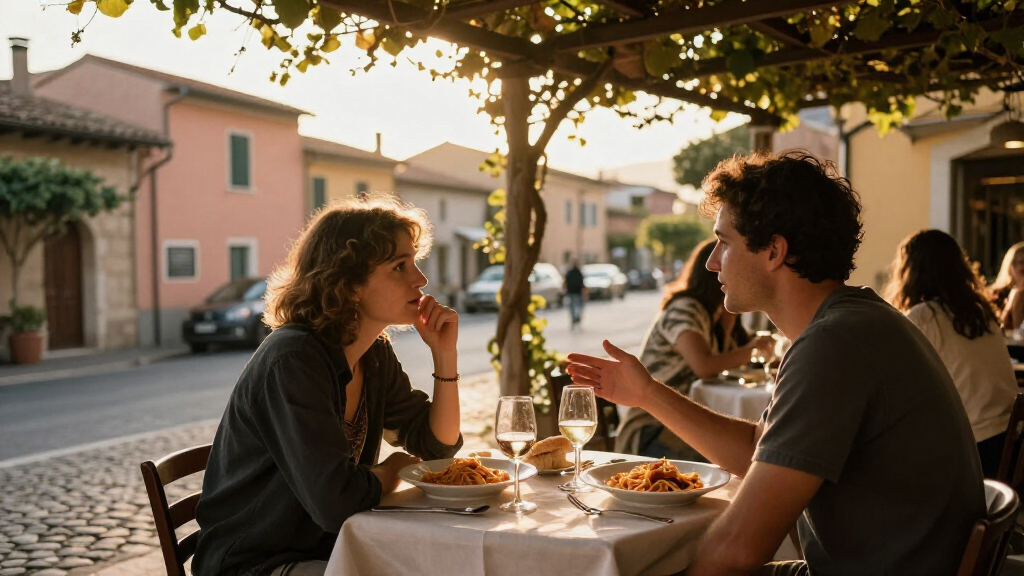
Regata Storica Weekend: Eating Your Way Through Venice While the Gondolas Race becomes easier when you choose a viewing district by sightline, crowd pressure, and food access. Ca’ Foscari suits finish-line intensity, Accademia offers central drama, and Rialto provides abundant food nearby but usually brings the tightest pedestrian crush. These qualities cannot be maximized at once: the closer you move to a famous landmark or decisive part of the course, the more time and freedom of movement you generally surrender.
| Area | What You Gain | Food Strategy | Main Tradeoff |
|---|---|---|---|
| Ca’ Foscari | Atmosphere near the traditional finish | Eat early in Dorsoduro or Santa Croce | Prime spaces fill several hours ahead |
| Accademia | A broad Grand Canal setting | Use Dorsoduro bacari before settling in | The bridge and approaches become congested |
| Rialto district | Central location and many counters | Eat away from the bridge, then walk back | Obstructed views and dense foot traffic |
| Quieter course sections | More breathing room | Carry water and identify one nearby bar | Less finish-line energy and fewer facilities |
Ca’ Foscari rewards spectators who care most about the competitive result, because the tension rises as crews approach the traditional finish. Accademia can provide a more expansive sense of boats moving through the city, though bridge congestion makes spontaneous movement difficult. Rialto works best for travelers who value food choice and a recognizable setting more than an uninterrupted view. A quieter stretch can be the wiser choice for families or anyone uncomfortable in compressed crowds, even though commentary, facilities, and the final surge of noise may be limited.
A restaurant terrace beside the canal can combine lunch with a view, but the arrangement may carry higher prices, fixed menus, or access restrictions. You are paying partly for control: a seat, a defined space, and perhaps a restroom reduce the uncertainty of public viewing. The tradeoff is less flexibility and sometimes a weaker angle than the marketing suggests. Ask what the booking includes, whether every seat faces the water, how long the table is yours, and whether you can reach the entrance after barriers go up. A beautiful table loses its charm if a closed crossing leaves you staring at it from the opposite bank.
Public viewing remains free in many places, while grandstands, private terraces, hospitality areas, and authorized viewing boats may require tickets [1]. Free viewing saves money but costs time, because arriving early effectively becomes the price of a strong position. Ordinary sightseeing gondolas do not offer a practical workaround because navigation becomes restricted. If you want a boat-based view, arrange it through an authorized operator and confirm boarding details in writing; otherwise, a vague promise of being “near the race” may mean a distant holding area rather than a course-side position.
Arrive several hours early for a popular public position. Bring water, sun protection, a light rain layer, and minimal luggage; binoculars help when shoulders and moored boats interrupt the view. Keep bridge landings and private doors open, even when the perfect photo seems one step away. The best practical viewpoint is not necessarily the most famous one but the place where you can remain safely and comfortably through the procession and the races you most want to see.
Order the Venetian Dishes That Make September Taste Local
The most useful September menu combines preserved Venetian classics with whatever the lagoon genuinely offers that week. That pairing reflects two sides of the local kitchen: techniques created to make fragile food last and a continuing dependence on short, changeable seasons. Start with cicchetti such as baccalà mantecato and sarde in saor, then choose cuttlefish, local fish, or seasonal vegetables for a longer meal instead of demanding a famous ingredient out of season.
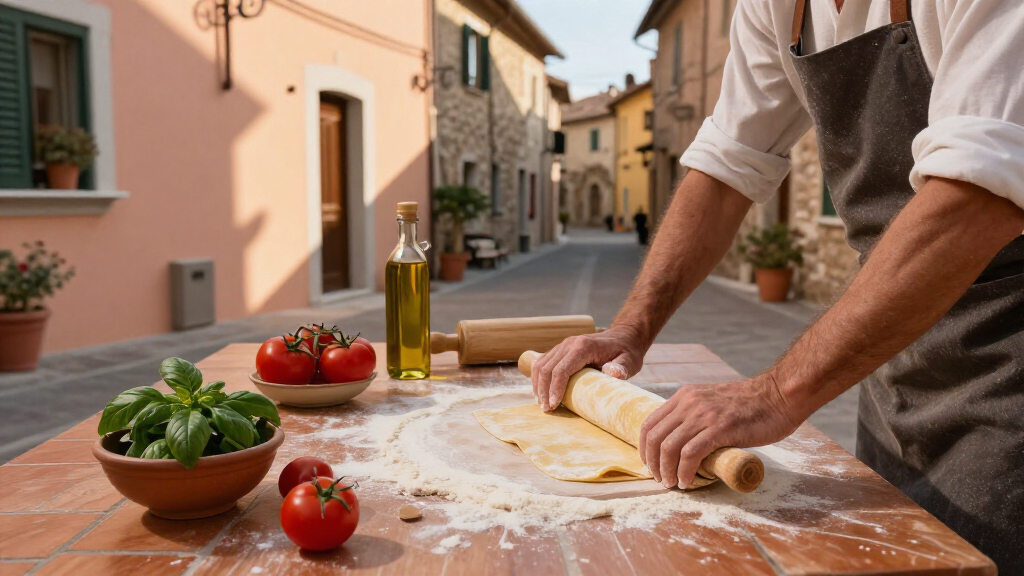
Bigoli in salsa brings thick pasta together with slowly softened onions and anchovies. It looks modest, almost beige, but the sauce lands with a dark, salty sweetness. Its value is not visual drama but concentration: inexpensive preserved fish and patient cooking produce depth without a long list of ingredients. After a morning near Rialto, that sturdy bowl tastes more rooted in Venice than a menu racing through lasagna, pesto, carbonara, and every other regional favorite. A menu that tries to represent all of Italy may be convenient, but it tells you less about where you are.
For a richer dinner, order risotto or spaghetti al nero di seppia, made with cuttlefish ink. The sauce is glossy and black enough to stain your lips, with a clean marine depth when handled well. Cuttlefish cooked in its own ink with polenta offers a similar flavor in a softer, spoonable form. The choice is partly about texture: pasta or risotto makes the ink the coating, while polenta turns the cuttlefish and sauce into a more rustic, substantial main dish.
Moeche, soft-shell lagoon crabs caught during brief molting periods, may appear in early autumn, but availability changes with season, weather, and legal harvests. Their scarcity is part of their meaning, not an inconvenience a kitchen should overcome. Ask rather than assume. If the kitchen has none, grilled fish or fried lagoon seafood makes a more responsible choice than pressuring a restaurant to produce a scarce delicacy. Flexibility supports seasonal cooking and lowers the chance that you are paying a premium for a frozen or poorly sourced substitute.
Traditional dishes carry common allergens. Fish, shellfish, dairy, eggs, gluten, and tree nuts may appear in cicchetti, frying oil, polenta toppings, and sarde in saor; ask about stocks and shared fryers, especially if your allergy is severe. Appearance is not a reliable guide because anchovy can dissolve into a sauce, dairy may enrich whipped cod, and a vegetable fritter may share oil with seafood. Eat cooked fish hot, with the center reaching 145°F or 63°C, and do not keep takeaway seafood unrefrigerated for more than two hours, or one hour above 90°F or 32°C.
Finish with zaleti, cornmeal biscuits freckled with raisins, or Burano’s bussolai. Their dry, sturdy texture belongs to a baking tradition shaped by storage and travel rather than the soft richness of restaurant desserts. Tiramisu belongs to the wider Veneto story rather than Venice alone. That distinction matters: regional pride gets sharper when you name it accurately, and accuracy helps you appreciate Venice as part of a broader food culture without flattening every Veneto specialty into a uniquely Venetian invention.
Spot a Better Restaurant Before You Sit Down
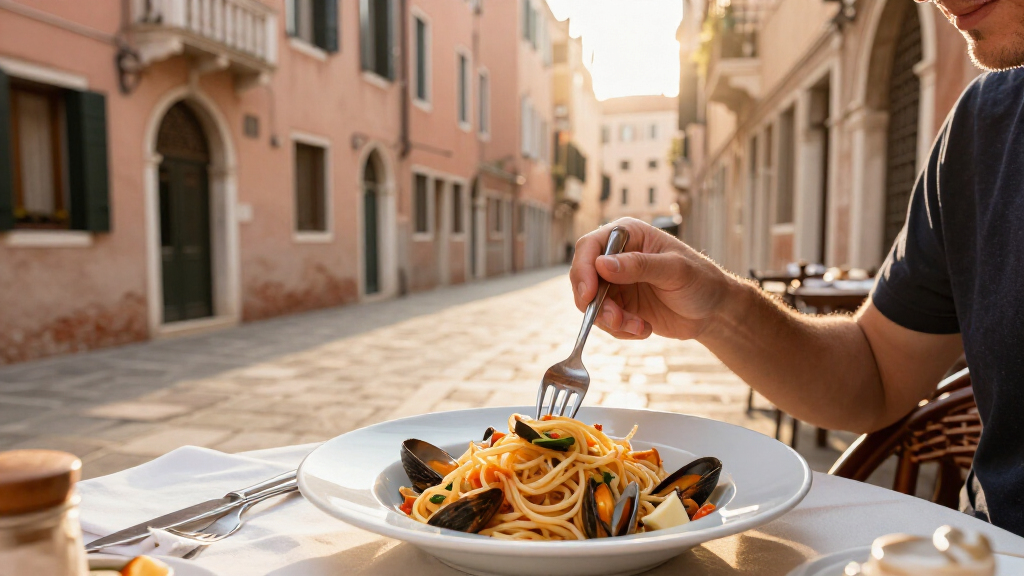
A promising Venetian restaurant usually offers a manageable menu, seasonal lagoon fish, and prices you can understand before ordering. Walk a few streets beyond the Rialto–San Marco corridor, read the entire menu, and ask how seafood sold by weight will be calculated. Clarity beats theatrical charm because the largest unpleasant surprises often come not from the listed dish price but from weight, cover, service, and seating rules that the diner never checked.
Suppose one doorway displays photographs of pizza, carbonara, pesto pasta, steaks, tiramisu, and twenty seafood plates while someone waves you inside. Two lanes away, another restaurant lists six starters, four pastas, and the morning’s fish on a board. The shorter list does not guarantee brilliance, but it suggests a kitchen buying and cooking with greater focus. A very long menu requires more ingredients to remain available, which can mean greater reliance on frozen stock or repeated sauces. A compact menu makes it easier for a kitchen to adapt to the catch, though it may offer fewer choices for mixed groups.
- Look for local dish names such as bigoli in salsa, seppie al nero, fegato alla veneziana, and seasonal lagoon fish. Their presence suggests local focus, but judge the menu as a whole rather than treating one familiar name as proof.
- Check whether fish prices appear per portion or per 100 grams. Ask for the estimated total before the kitchen cooks it, because the displayed unit price can look modest while a whole fish large enough for two produces a much higher bill.
- Separate the food price from coperto, the per-person cover charge, and any listed service charge. Neither automatically signals a bad restaurant; the important point is that both should be visible and included in your comparison.
- Check whether standing at the counter costs less than sitting at a table, a common distinction in Italian bars. Paying more for a seat may be worthwhile when you need rest, but a quick counter stop often fits a cicchetti crawl better.
- Treat aggressive solicitation and a vast menu of unrelated national dishes as warning signs. They are reasons to inspect more closely, not absolute proof that the food will be poor.
Venice does not require you to hunt for a supposedly secret restaurant with no other visitors. A busy, central place can cook excellent food, and a hidden lane can hold an ordinary kitchen. Nor should an English translation automatically worry you in a city serving an international public. The useful test is whether the restaurant tells a coherent Venetian story through season, ingredients, preparation, and pricing. Coherence means the claims support one another: the catch changes, the menu acknowledges availability, and the staff can explain portions without evasiveness.
Tipping remains optional and modest when service already appears on the bill. If a server explains the catch, portions the fish carefully, and handles an allergy request with attention, rounding up or leaving a small amount feels natural. Read before you order, then relax once the plate arrives. The goal is not to interrogate every restaurant but to resolve expensive or safety-critical ambiguities while you can still walk away.
Keep Race Day Comfortable When Venice Gets Crowded
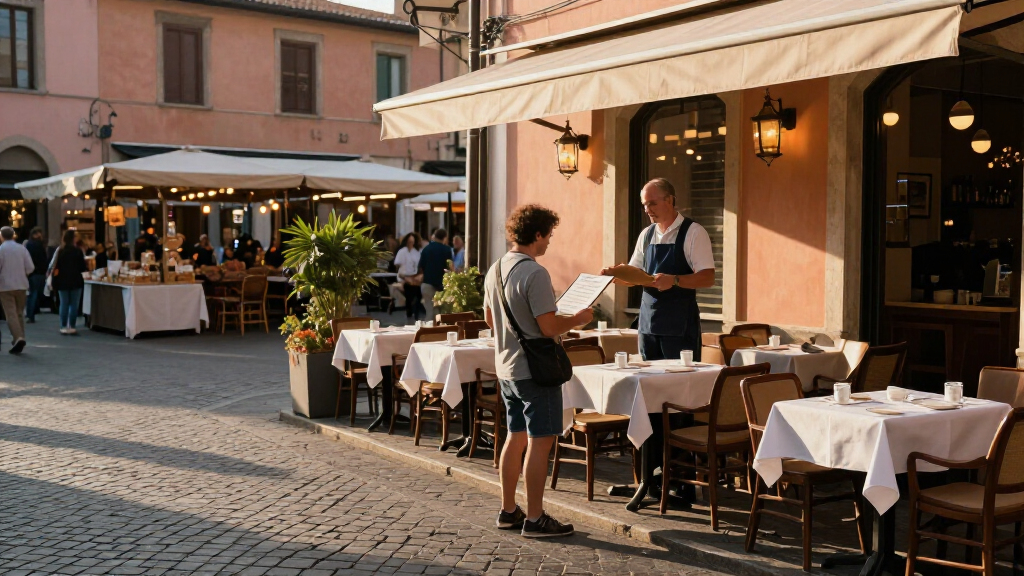
The easiest race day begins with food before noon, a planned walking route, and fewer belongings. Vaporetto routes and stops near the course may change or pause, bridges can clog, and walking often beats waiting for a boat. Verify the official program and transport notices shortly before the event [1]. The implication is that ordinary travel-time estimates stop being reliable: a route that takes 15 minutes on Saturday may become a slow, one-way shuffle when spectators converge on the same bridge.
Think of your viewpoint as a small base camp. Eat breakfast near your accommodation, use the restroom, fill a reusable bottle, and carry only a compact snack if local rules allow it. These small preparations protect the time invested in arriving early. A traveler who reaches Dorsoduro fed and hydrated can enjoy the procession; a hungry traveler abandons the same spot just as the gondolini arrive. However, staying put should never take priority over health: heat, dizziness, or crowd anxiety are reasons to move to a safer, quieter place even if the view is lost.
Visitors with mobility limitations should map a step-free route and accessible viewpoint well ahead of Sunday. Venice’s bridges, dense crowds, and temporary service changes can turn a short distance into a tiring detour. Confirm accessible vaporetto stops and avoid relying on a single crowded bridge crossing late in the day. Also plan an exit, not merely an arrival. A position that is accessible in the morning may become difficult to leave once pedestrian flows tighten, so staff guidance and current service information matter more than the shortest route on a general map.
Venice’s Regata Storica combines one of the city’s most spectacular traditions with its greatest modern pressure: thousands of people want the same narrow strip of waterfront. Stay overnight when you can, support locally owned businesses, carry out your waste, and avoid sitting on bridges, church steps, or waterfront structures where local rules prohibit it. These choices are not abstract etiquette. Doorways, landings, and bridges remain working infrastructure for residents, deliveries, and emergency access even when they look like convenient spectator seating.
Venice may apply an access fee or registration system to some day visitors on selected dates, with rules and exemptions changing by year [2]. Check the official city portal, even if an older article says payment does not apply. An overnight stay may affect how the system applies to you, but it does not remove the need to verify registration or exemption requirements for the relevant date. Also remember that swimming in the canals is illegal and dangerous: boat movement, poor exit points, water quality, and hidden structures make the risk much greater than the calm surface suggests.
Move like a guest in a lived-in city: leave doorways clear, buy what the season provides, and let the lagoon set the pace.
Frequently Asked Questions
When does the Regata Storica take place?
The Regata Storica traditionally takes place on the first Sunday of September. Dates, race categories, routes, and starting times can change, so confirm the relevant year through the official Regata Storica program [1]. Book lodging before reserving meals near the Grand Canal.
Can you watch the Regata Storica for free?
You can watch much of the racing from public spaces without paying, but the best positions fill early and sightlines may be blocked. Reserved grandstands, terraces, authorized boats, and hospitality areas can require tickets or advance reservations. Arrive several hours ahead if you want a popular free position.
Where should you eat on race day?
Eat a substantial breakfast or early lunch away from the Grand Canal, then head toward your chosen viewpoint. Dorsoduro works well before watching near Ca’ Foscari or Accademia, while San Polo offers options near Rialto. Carry water, but avoid bulky picnic gear and disposable waste.
Do you need restaurant reservations during the weekend?
Reserve dinner for Saturday evening and race day, especially near the Grand Canal. Bacari usually accept spontaneous visits, though famous counters become packed at peak hours. A reservation one or two neighborhoods away can give you a calmer meal and clearer pricing.
What vegetarian food can you find in Venice?
You can find vegetable cicchetti, fried vegetables, polenta, cheeses, beans, and seasonal risotto, though traditional Venetian menus lean toward seafood. Ask whether broth, sauces, or fillings contain anchovy, meat stock, or fish. Shared fryers also matter for strict diets and allergies.
Is the Regata Storica the same as the Vogalonga?
No. The Regata Storica combines a historical procession with formal competitive races, while the Vogalonga is a separate, non-competitive long-distance rowing event usually held in spring. Both celebrate rowing, but they offer very different spectator experiences.
Where should you verify schedules, transport, and access fees?
Use the official Regata Storica program for routes, categories, times, and viewing notices [1]. Check the City of Venice access-fee portal for selected dates, exemptions, registration, and payment rules [2]. Review current ACTV notices separately for vaporetto diversions and stop closures.
Conclusion
Build the weekend around Sunday, but do not make Sunday carry the whole trip. Give cicchetti their own Friday evening, give Rialto and the lagoon their own Saturday, and reach your race-day position already fed. That rhythm turns crowd management into a small detail rather than the story you bring home.
Your clearest memory may be the gondolini driving toward Ca’ Foscari, or it may be the warm crunch of polenta beneath cool baccalà mantecato. Either way, choose one local dish, one well-planned viewpoint, and one quieter neighborhood beyond the busiest corridor. Then let Venice move around you, all flashing oars, black cuttlefish ink, and September light on water.
Fall Picks
fall essentials
As an affiliate, we earn on qualifying purchases.