TL;DR

Get kitchen staples and gadgets delivered free with Prime
- Fast, free delivery on millions of items
- Prime Video, Amazon Music and more included
- Member-only deals all year
Frittata di pasta is a Neapolitan skillet dish in which eggs and grated cheese bind leftover pasta into a firm pie with a browned crust. Choose the tomato-free bianca or tomato-rich rossa style, cook it slowly, and flip only after the base sets; serve a wedge warm, at room temperature, or cold. Refrigerate leftovers promptly because the dish contains cooked pasta and eggs.
Yesterday’s spaghetti can become today’s golden pie, with crisp edges that crackle softly under your knife. In Naples, frittata di pasta is a practical home-cooking tradition: leftover pasta meets eggs and cheese in a skillet, where a slow cook turns loose noodles into sturdy wedges.
You don’t need a special occasion or a precise formula. The dish can be bianca (white, without tomato) or rossa (red, with tomato sauce), and it can take in small amounts of cheese, vegetables, or cured meat you already have. That flexibility makes it useful after a big pasta dinner, but the technique still matters: too much wet sauce can leave the center soft, and an early flip can scatter your noodles across the stove.
This guide explains how the Neapolitan dish differs from an egg frittata, how to choose pasta and additions, and how to cook and store it safely. Think of the eggs as a handful of twine tying long noodles together: they hold the shape, while the pasta stays in charge.
Frittata di pasta is a pasta-led Neapolitan pie; eggs bind the noodles rather than supplying most of the dish.
Choose bianca for a tomato-free version and rossa when tomato sauce already coats your leftovers.
Remove excess watery sauce, coat pasta evenly with egg, and cook over moderate-low heat before flipping.
Pasta shapes beyond spaghetti can work, but keep additions modest so the pie holds together.
Chill leftovers promptly, transport them cold, and reheat to 165°F (74°C) when serving warm.
Naples · Home cooking · Leftovers, reimagined
Frittata di Pasta: Naples’ Genius Answer to Leftover Spaghetti
Yesterday’s spaghetti becomes a golden, sliceable pie. Eggs and cheese bind the pasta; slow skillet heat builds the crisp crust that makes every wedge easy to carry, share, and enjoy.
Dish identity
Pasta-led
Eggs bind; noodles provide the bulk.
Two styles
Bianca / Rossa
Tomato-free or tomato-rich.
Cook method
Slow skillet
Set the base before you turn.
Serving
Any temperature
Enjoy warm, room temp, or cold.
01 / The Neapolitan classic
A leftover bowl becomes a portable golden pie
A practical home-cooking tradition in Naples, frittata di pasta turns yesterday’s pasta into a filling meal for the table, a picnic, a beach day, or a trip.
Key insight
Unlike a conventional egg frittata, this dish puts pasta first. The eggs work like mortar between noodles, helping the pie hold its shape while the pan dries and browns the outside.
01 · Use it up
Practical by nature
Leftover pasta gets a second life as a satisfying meal, with familiar ingredients and little extra fuss.
02 · Carry it
Made for a wedge
Once set, the pie cuts neatly and travels more easily than a bowl of loose noodles.
03 · Share it
Flexible serving
Serve it warm, at room temperature, or cold—a skillet classic that suits more than one occasion.
02 / Choose your direction
Bianca or rossa: let the leftovers lead
These are useful styles, not rigid recipes. Plain noodles can go either way; spaghetti already coated in tomato naturally points toward rossa.
| Style | What goes in | Best starting point | Texture to watch |
|---|---|---|---|
| Bianca | Pasta, eggs, grated cheese; no tomato | Plain or lightly oiled leftover noodles | Can dry out if the pasta is very plain |
| Rossa | Pasta, eggs, cheese, tomato sauce | Leftover spaghetti already dressed with sauce | Can stay soft if the sauce is watery |
Keep moisture in check
Spoon or drain off excess watery sauce before adding eggs. Too much liquid can slow the set and make the center soft or the flip harder.
Season for the pasta you have
Grated Parmesan or Pecorino adds savory depth. Taste first if the leftovers already contain salty cheese or cured meat.
03 / Build the pie
Spaghetti is iconic. The binder is what counts.
Long strands tangle into a compact slice; penne or rigatoni makes a chunkier pie. Keep the additions modest so pasta remains the main event.
The base
Cooked pasta
Use leftovers or freshly cooked pasta cooled slightly. Aim for enough noodles to make a substantial, pasta-forward pie.
The binder
Eggs + hard cheese
Beat eggs with grated Parmesan or Pecorino. Coat the pasta evenly; look for no pool of liquid at the bowl’s bottom.
The extras
A little goes far
Mozzarella, cooked vegetables, herbs, or cured meat can fit. Too many additions crowd the pie and make it harder to hold together.
Mind the salt
Hard cheese and cured meats can both be salty. Taste a bite of the existing pasta before seasoning the egg mixture.
Allergen check
Common allergens include eggs, milk, and wheat. Check packaged ingredient labels and avoid cross-contact when cooking for someone with allergies.
04 / The skillet sequence
Five moves for a cohesive, browned pie
The crucial moment is the turn. Moderate-low heat gives the base time to set so the noodles stay together when you flip.
Check the sauce
Remove excess watery sauce; let freshly cooked pasta cool slightly.
Coat evenly
Mix pasta with beaten eggs and grated cheese until every strand is coated.
Cook slowly
Spread into a well-seasoned skillet and cook over moderate-low heat.
Wait, then flip
Turn only once the base is set. A plate or lid can help guide the flip.
Brown both sides
Cook until cohesive and golden, then cut into wedges to serve.
05 / What makes it distinct
Pasta-led pie, egg-led frittata
Both dishes are sliced into portions, but their centers tell a different story: noodles lead here; eggs lead in the conventional version.
Conventional egg frittata
Beaten eggs make up the base, surrounding vegetables, cheese, or meat.
Frittata di pasta
Pasta supplies most of each bite; eggs fill the gaps and bind the strands into a sliceable pie.
06 / Serving & keeping
A make-ahead meal with a simple safety routine
Enjoy a wedge warm, at room temperature, or cold. Because the dish contains cooked pasta and eggs, handle leftovers with care.
Serve
Three good temperatures
Warm from the skillet, at room temperature, or cold from the refrigerator—all are familiar ways to enjoy it.
Store
Chill promptly
Refrigerate leftovers promptly in a covered container and keep them cold for transport.
Reheat
Heat thoroughly
If serving warm, reheat leftovers to 165°F (74°C). Cold wedges can be enjoyed straight from the refrigerator.
What Makes Frittata di Pasta a Neapolitan Leftover Classic?
Frittata di pasta is a Neapolitan dish that binds cooked pasta with eggs and grated cheese, then cooks it into a browned, sliceable pie. Pasta forms the bulk; eggs hold the strands together rather than acting as the main event. A portion of yesterday’s spaghetti, already coated in sauce, can become a portable lunch with a crisp outside and tender middle.
That thrift has a practical side. In Naples, people make it to use up pasta, but also prepare it as a filling meal to pack for a picnic, beach day, or trip. A wedge travels more neatly than a bowl of loose noodles. The transformation is a little like pressing a handful of ribbons into a compact parcel: the ingredients stay familiar, but the shape makes them easier to carry and share.
Households often choose between two styles. Bianca leaves out tomato, letting egg, pasta, and cheese brown into a savory crust; rossa includes tomato sauce for a deeper, tangier flavor. Those labels describe useful directions, not rigid recipes. If your leftovers are spaghetti with a little tomato sauce, you already have a starting point for rossa.
It is often served warm, at room temperature, or cold, cut into wedges. That range makes it at home on a kitchen table or wrapped for a seaside afternoon. In both cases, the pleasure is the same: a thrifty dish with a browned edge and a soft, pasta-filled center.

As an affiliate, we earn on qualifying purchases.
Why Pasta, Not Eggs, Takes Center Stage
Frittata di pasta is pasta-first: the noodles provide most of each bite, while eggs bind them into a cohesive round. A conventional egg frittata usually starts with beaten eggs that surround vegetables, cheese, or meat. Here the ratio and texture feel different: pull apart a forkful and you should see seasoned strands, not just a fluffy egg interior.
That distinction helps you judge what to do with the bowl in your refrigerator. If you have a small amount of spaghetti left from last night, the dish can stretch it into lunch; if you have only a spoonful, you may need more cooked pasta to make a substantial pie. You’re building a pasta cake, not adding noodles as a garnish.
The egg mixture works like mortar between bricks. It fills gaps and helps the pasta hold its shape, while the pan’s heat dries and browns the outer surface. Too little binder means the wedges may crumble. Too much can leave you with a dense, eggy center that masks the flavor of the sauce and noodles.
For example, a few cups of leftover spaghetti with tomato sauce, beaten eggs, and a handful of grated hard cheese can form a modest skillet meal. The exact egg count depends on how much pasta you have and how wet it is. Look for an even coating, not a pool of liquid at the bottom of the bowl; that visual cue tells you more than a rigid formula.
Choose Bianca or Rossa Based on Your Leftovers
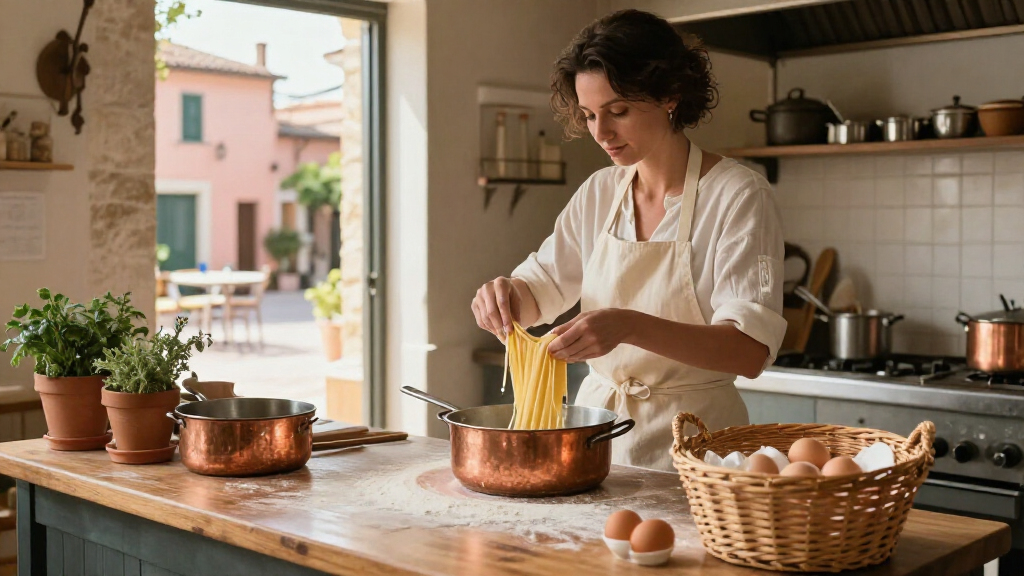
The bianca and rossa styles give you two simple ways to steer frittata di pasta: keep tomato out for a clean, cheesy flavor, or use tomato sauce for a richer, tangier pie. Your choice depends on what already clings to the pasta. A bowl of plain spaghetti can go either way; noodles already coated in tomato sauce naturally lean rossa.
In a bianca version, grated cheese brings salty depth and helps create a fragrant, browned surface. You might add a little mozzarella for soft pockets, though it can release moisture as it melts. In a rossa version, sauce contributes color and acidity, but too much liquid can slow the set and make flipping harder. Drain or spoon off excess sauce before combining the pasta with eggs.
| Style | What goes in | Best starting point | Texture to watch |
|---|---|---|---|
| Bianca | Pasta, eggs, grated cheese; no tomato | Plain or lightly oiled leftover noodles | Can dry out if the pasta is very plain |
| Rossa | Pasta, eggs, cheese, tomato sauce | Leftover spaghetti already dressed with sauce | Can stay soft if the sauce is watery |
Imagine opening your refrigerator after Sunday lunch: one container holds spaghetti with a thick tomato coating; another has plain noodles. The first wants a rossa treatment, while the second gives you room to season a bianca from scratch. Neither style needs a new shopping list. The best version usually starts with the leftovers you actually have.

Use Spaghetti, Short Pasta, and Small Add-Ins Wisely
Spaghetti is the iconic choice, but other cooked pasta shapes work if the egg mixture can coat and bind them. Long strands tangle together into a familiar compact pie; short pasta, such as penne or rigatoni, makes a chunkier slice with more pockets for sauce. Leftovers may already contain vegetables or other ingredients, so taste and inspect them before adding anything new.
Grated Parmesan or Pecorino adds a savory, salty backbone. Mozzarella can soften the center with stretchy pockets, while chopped cooked vegetables or herbs offer color and freshness. Cured meat is another possible addition, but a little goes a long way because both it and hard cheese can bring plenty of salt. For example, if your spaghetti already has pancetta, taste a small bite before seasoning the egg mixture.
Think of additions as passengers on a crowded bus: each one needs a little space, and too many make the ride uncomfortable. Keep the pasta in charge. A restrained handful of cheese and one or two small additions usually gives you more flavor and a pie that holds together more easily than an overloaded pan.
Common allergens include eggs, milk, and wheat; some cheeses contain milk even when they appear as a small topping. Check labels for packaged pasta, cheese, and cured meats if you cook for someone with allergies. Also consider cross-contact from shared utensils or cooking surfaces. For a practical weeknight example, a plain spaghetti base with grated hard cheese and chopped cooked greens can taste complete without turning the leftovers into a scavenger hunt.

Follow These Five Steps for a Cohesive Golden Pie
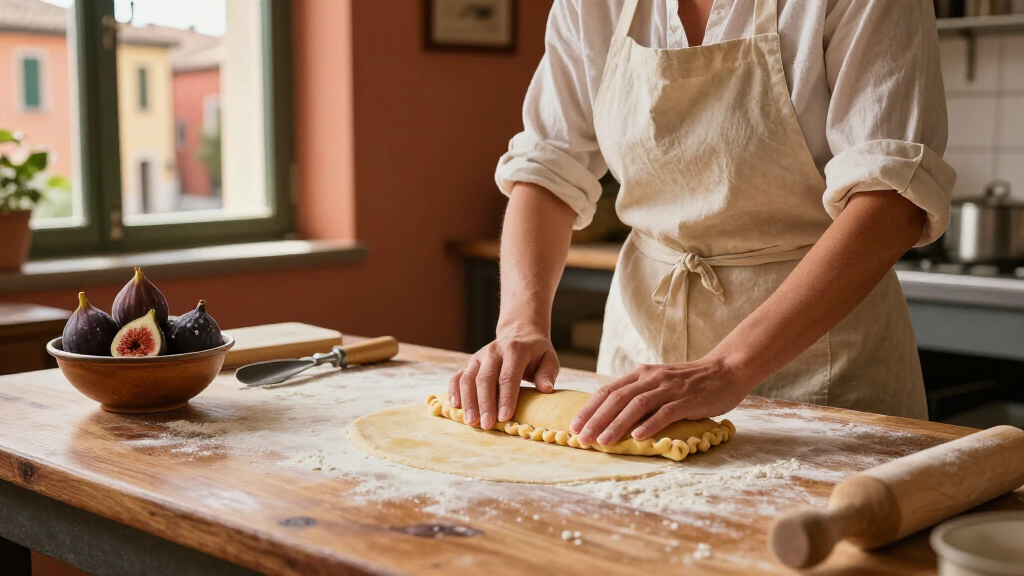
To make frittata di pasta that holds together, coat the cooked noodles evenly with beaten eggs and cheese, then cook the mixture over moderate-low heat until the underside sets before flipping. Slow heat gives the center time to warm and firm while the base turns golden. Rushing the process can scorch the crust before the middle is ready.
- Check the pasta. Use cooked leftovers, or cook fresh pasta and let it cool until it is no longer steaming. If you use sauced pasta, remove excess watery sauce.
- Beat and season the eggs. Stir in grated cheese, then add the pasta and toss until the strands look coated. Add salt carefully if the sauce or cheese is already salty.
- Heat a skillet. Add a thin film of oil to a well-seasoned or nonstick pan over moderate-low heat. Spread the mixture into an even layer so thick and thin spots cook at a similar pace.
- Let the base set. Cook without constant stirring. When the bottom is browned and the center looks more cohesive than liquid, loosen the edges with a spatula.
- Flip and finish. Cover the skillet with a plate larger than its rim, hold it firmly, and turn the pan over. Slide the pie back into the skillet to brown the second side.
Use care with the hot pan during the flip; a plate gives you more support than trying to toss the whole pie in the air. If you’re cooking alone, choose a plate you can grip securely and clear the counter first. The surface should be golden and the middle fully set before you slice it. A small wedge cut near the center gives you a quick check without breaking the whole pie apart.
Serve It Warm, Pack It Cold, and Store It Safely
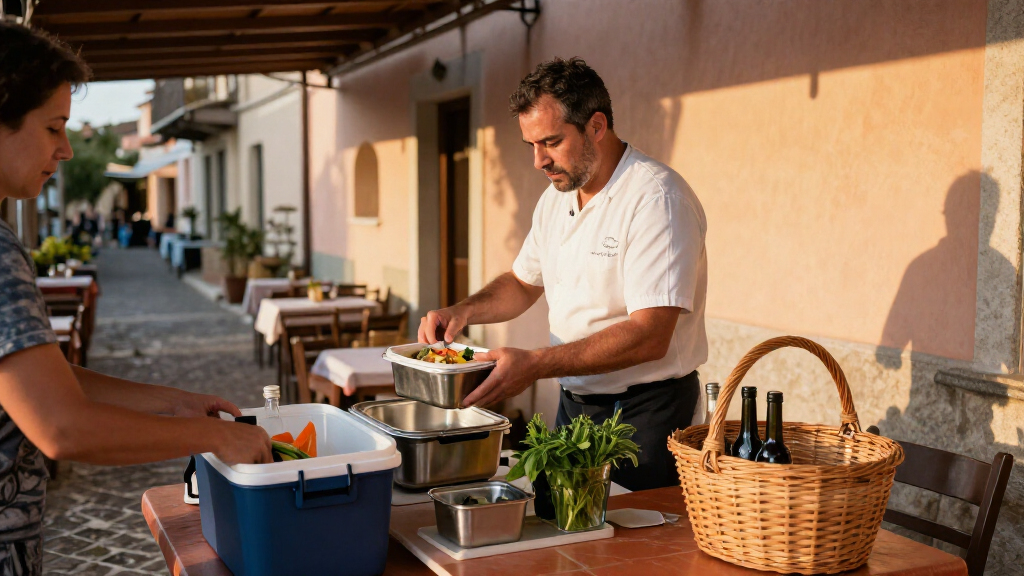
Frittata di pasta suits a kitchen lunch, picnic, or packed meal because you can serve it warm, at room temperature, or cold. A warm wedge shows off the crisp crust; a cooled slice travels without sloshing sauce in a container. In Naples, its portability makes sense for a beach day or a trip where a fork-and-bowl lunch would be awkward.
For a simple meal at home, pair a slice with a green salad dressed with olive oil and vinegar. The acidity cuts through the rich egg and cheese, while the pie supplies the filling part. For a train ride or picnic, let it cool, pack it in a sealed container, and keep it chilled until you’re ready to eat rather than leaving it out for hours.
Cook the egg mixture until the center is set; a food thermometer can help you check that an egg dish reaches 160°F (71°C). Refrigerate leftovers promptly in a covered container, ideally within two hours, and keep the refrigerator at 40°F (4°C) or below. Use refrigerated leftovers within three to four days, and reheat portions to 165°F (74°C); you can also eat them cold if they stayed properly chilled.
Pack the pie like any egg-and-pasta leftover: chill it promptly, keep it cold during travel, and don’t leave it sitting in the sun beside the beach towel.
For example, if you make the pie in the morning for an afternoon outing, cool it, refrigerate it, and carry it in an insulated bag with a cold pack. The crust may soften a little as it chills, but the slice will still taste savory and satisfying. Food safety is part of making the dish practical, especially when you plan to eat it away from home.
Avoid the Three Mistakes That Make It Fall Apart
A frittata di pasta usually falls apart because it has too much loose moisture, too little egg binder, or a base that hasn’t set before the cook tries to flip it. Each problem has a visible clue. Watery sauce pools in the mixing bowl, loose noodles slide around in the pan, or the center still wobbles like uncooked egg when you start turning.
First, manage moisture. Tomato sauce should cling to the pasta rather than run off it; if the noodles sit in a puddle, drain off the excess. Second, coat the pasta evenly with egg. You want a thin layer binding the strands, not dry clumps on top and a puddle underneath. If the mixture seems too loose, add a little more pasta or cheese rather than pouring in more oil.
Third, give the underside time. On a busy weeknight, it’s tempting to crank up the burner or flip after a few minutes. But a fast-moving flame can brown the bottom while leaving the middle loose. Keep the heat moderate-low and loosen the edges gently; when the pie moves as one piece, it’s much easier to turn.
A nonstick or well-seasoned skillet helps release the crust, especially if you’re making the dish for the first time. A plate-assisted flip is more controlled than a dramatic toss, and you can always slide the pie back into the pan if a small edge breaks. The goal is a cohesive wedge, not a restaurant-perfect circle. A slightly lopsided pie still tastes like crisp, cheesy pasta.
Frequently Asked Questions
Is frittata di pasta always made with leftover spaghetti?
Often, yes: leftover spaghetti is traditional and easy to bind into a pie. You can also use freshly cooked pasta, cooled until it stops steaming, or other cooked shapes that the egg mixture can coat.
Does frittata di pasta have tomato sauce?
It can, but tomato isn’t required. Bianca has no tomato, while rossa includes tomato sauce; choose based on the pasta you have and avoid adding too much watery sauce.
What cheese works best?
Grated hard cheese such as Parmesan or Pecorino is a common choice for a salty, savory flavor. You can add mozzarella for a softer, melting center, but use it modestly because it can release moisture.
How do I flip the pie without breaking it?
Cook over moderate-low heat until the underside is browned and the center has begun to set, then loosen the edges. Place a larger plate over the skillet, hold it securely, flip the pan onto the plate, and slide the pie back in to cook the other side.
Can I bake frittata di pasta instead of cooking it in a skillet?
Some cooks finish the pie in an oven or bake it there, but the skillet method makes the browned crust that many people prize. If you bake it, cook until the center is fully set, and use a thermometer to check that the egg dish reaches 160°F (71°C).
Is frittata di pasta the same as Spanish tortilla?
They’re both skillet dishes that you can slice into portions, but their main ingredients differ. A Spanish tortilla centers on potatoes and eggs; frittata di pasta centers on pasta, with eggs acting as the binder.
Conclusion
When you have leftover pasta, don’t assume it has to return to the table in the same shape. Bind it with eggs and cheese, let the skillet build a golden crust, and turn it into a pie that can travel from your kitchen to a picnic blanket.
Keep the sauce from getting watery, give the base time to set, and choose bianca or rossa according to what’s already in your bowl. Then cut a wedge and listen for that first crisp edge against the knife.
Halloween Picks
halloween
As an affiliate, we earn on qualifying purchases.