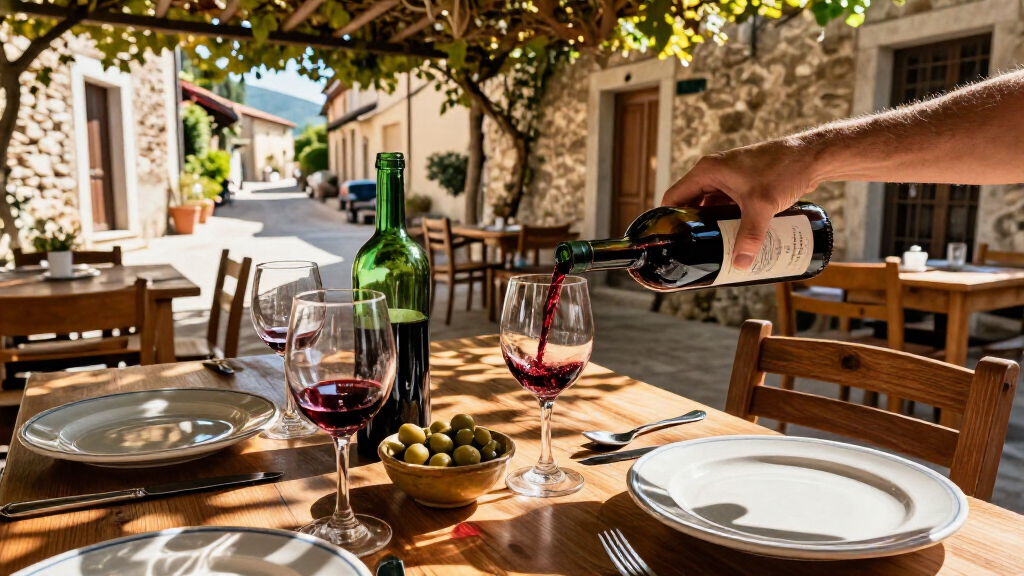
TL;DR

Get kitchen staples and gadgets delivered free with Prime
- Fast, free delivery on millions of items
- Prime Video, Amazon Music and more included
- Member-only deals all year
Aglianico is a late-ripening red grape; Taurasi DOCG is an age-worthy wine from Irpinia, in Campania’s Avellino province, made with at least 85% Aglianico. Its acidity, tannins, concentrated fruit, and required aging can support years of development, but drinking windows depend on producer, vintage, and storage. Serve young bottles with air and hearty food, and approach older bottles gently.
Some red wines ask you to wait. Pour a young Taurasi and you may meet black cherry, firm tannin, and a savory edge before the wine gives you its softer side. That restraint comes from Aglianico, a late-ripening grape that thrives in Campania’s inland hills, where cooler nights can help preserve freshness as the fruit matures.
This is a guide to the difference between Aglianico the grape and Taurasi the DOCG wine, and to why bottles from Irpinia can evolve for years. You’ll learn what to look for on a label, how to serve a tight young bottle, and what to cook alongside it. Think braised beef on a cold evening, or a plate of aged cheese after a day among Avellino’s hills.
Age-worthiness is never a promise stamped onto every bottle. Producer, vintage, vineyard site, and storage all matter. The useful question is not simply how long you can keep Taurasi, but how to read the bottle in front of you and give it the right moment at the table.
Aglianico is the grape; Taurasi DOCG is an Irpinian wine from Avellino province made with at least 85% Aglianico.
Taurasi can show dark fruit, acidity, firm tannin, and savory notes; producer, site, vintage, and age shape the final profile.
Taurasi requires at least three years of aging before release; Riserva requires four years, with different minimum time in wood.
There is no fixed drinking window for every bottle, so seek producer- and vintage-specific advice and store wine in stable, cool conditions.
Pair young, structured Taurasi with braises, roasted meats, aged cheese, or hearty beans and mushrooms; taste before deciding to decant.
Campania · Irpinia · Italian Red Wine
Aglianico and Taurasi: Campania’s Age-Worthy Reds
Aglianico is the late-ripening grape; Taurasi DOCG is its celebrated, place-bound expression from Irpinia. Firm tannins, lively acidity, concentrated fruit, and required aging can support years of evolution—though each bottle has its own timeline.
One is a place and its wine.
Read the label, then let producer, vintage, and storage guide your expectations.
01 / Know what is in the glass
Aglianico is the grape; Taurasi is the place-based wine
Aglianico appears across southern Italy, including other Campanian appellations and Basilicata. Taurasi names a regulated wine from Irpinia, east of Naples, with specific origin and production standards.
Aglianico
A red grape known for deep color, lively acidity, and firm tannins. Its long growing season suits inland hills where cooler nights can help preserve freshness as grapes mature.
Taurasi
A wine tied to Irpinia in Avellino province. The DOCG requires at least 85% Aglianico, so the grape leads the blend while the appellation defines its origin and rules.
02 / Place shapes structure
Late-ripening Aglianico gets its backbone from Irpinia
Inland elevations and cooler nights can help Aglianico retain acidity through a long season. Irpinia’s geology includes volcanic materials, clay, limestone, and other formations; site and producer make each wine distinct.
Time to mature
Late ripening allows fruit to develop over a long season. Altitude and cooler nights may help balance ripeness with freshness.
More than “volcanic”
Volcanic materials occur alongside clay, limestone, and varied formations. Soil is context, not a single flavor prediction.
One region, many expressions
Weather, vineyard location, harvest choices, and cellar work all shape the result. Ask about the specific site and season.
03 / A changing profile
Expect dark fruit, firm tannin, and a savory finish
Young Taurasi can feel tight: black cherry, plum, or blackberry meet bright acidity and a dry, grippy finish. Oak influence varies. With bottle age, some wines develop dried fruit, leather, earth, and spice.
Fruit & grip
Black cherry, plum, blackberry, and sometimes floral or herbal notes. Notice the balance between fruit, acidity, and tannin.
Structure softens
Firm tannins may become more integrated over time while the wine keeps its freshness and savory character.
More savory notes
Dried cherry, leather, earth, and spice can emerge. This is a possible path, not a guarantee for every vintage or bottle.
04 / The appellation clock
Minimum aging rules explain why Taurasi often takes patience
The required time is aging before release. It provides a useful baseline, while bottle development after release depends on the wine and how it is stored.
At least 3 years
Before release, including at least 1 year in wood.
At least 4 years
Before release, including at least 18 months in wood.
Bars compare minimum total aging: 3 years and 4 years. Wood aging is a portion of the total, not additional time. Check current official specifications when publishing.
05 / Open with intention
Use this five-step plan to serve the bottle in front of you
There is no universal drinking window. Producer, vintage, vineyard site, closure, and storage all matter. Taste first, then decide how much air the wine needs.
Check age & condition
Look up producer and vintage. For an older bottle, ask about provenance and storage if known.
Choose the meal
Match the wine’s structure with hearty food that can meet its tannin and savory character.
Pour a small sample
Notice aroma, freshness, tannin, and how the wine changes in the glass before decanting.
Give air gently
A young, tight wine may benefit from air. Approach older bottles carefully and taste as you go.
06 / At the table
Pair structure with slow-cooked, savory food
Young Taurasi’s acidity and firm tannin can meet rich dishes. For a lighter meal, choose an approachable bottling or explore a less structured Aglianico from another appellation.
Braised beef
Richness and deep savory flavors complement a structured young Taurasi.
Roasted meats
Caramelized edges and hearty textures stand up to firm tannin.
Hard cheeses
Salt and concentrated flavor make a satisfying match, especially with mature bottles.
Beans & mushrooms
Hearty legumes and earthy mushrooms echo the wine’s savory side.
| What you notice | Try this | Why it helps |
|---|---|---|
| Firm, drying tannin | Rich braise or roasted meat | Protein and savory richness balance the wine’s grip. |
| Bright acidity | Slow-cooked dishes | Freshness can cut through concentrated flavors. |
| Older, delicate bottle | Open gently; taste first | Air exposure can affect a mature wine quickly. |
| Still tight after a first pour | Add air gradually | Decanting time varies; reassess as the wine opens. |
Aglianico Is the Grape; Taurasi Is the Place-Based Wine
Aglianico is a red grape, while Taurasi is a regulated wine from Irpinia that must contain at least 85% Aglianico. The distinction is simple, but it helps you read a wine list or label: a bottle labeled Aglianico may come from more than one southern Italian appellation, while Taurasi names a specific origin and set of production rules.
Taurasi DOCG lies in Avellino province, east of Naples, in the inland area known as Irpinia. You won’t find the same maritime feel as on Campania’s coast. Vineyards sit at higher elevations than many coastal sites, and altitude and cooler nights can help the late-ripening grapes hold acidity as they mature.
Aglianico is one of southern Italy’s most important red grapes. It thrives in Campania, especially in the inland hills around Avellino, where it produces deeply colored wines with firm tannins and lively acidity. It also appears in other parts of southern Italy, including Basilicata, so the grape name alone doesn’t tell you the wine’s full story.
For example, if you’re choosing between a bottle simply labeled Aglianico and one labeled Taurasi DOCG, think of the first as a grape-led introduction and the second as a wine tied to Irpinia’s place and rules. Neither label alone guarantees quality or style. Producer and vintage still shape what ends up in your glass.
DOCG is an Italian designation for a controlled and guaranteed origin. Here, it connects the wine to a defined area and production standards. For a trip, it gives you a useful starting point: plan around Avellino and Irpinia if you want to see the landscape behind Taurasi, rather than expecting these vineyards in Naples’ busy coastal streets.

As an affiliate, we earn on qualifying purchases.
Late-Ripening Aglianico Gets Its Backbone From Irpinia
Aglianico’s long growing season gives it time to develop deep fruit and firm structure, while Irpinia’s inland elevations can help retain acidity. That combination is a major reason Taurasi can feel intense and fresh at once. In a young glass, you may notice black cherry and plum beside a dry, grippy finish.
Irpinia’s geology is varied. Volcanic materials occur alongside clay, limestone, and other formations, so it’s tempting to reduce the region to a single “volcanic” taste. Resist that shortcut. Soil is one part of a site, and a wine’s aroma reflects the grape, weather, vineyard work, harvest, and cellar decisions too.
Imagine tasting two Taurasi wines at a small dinner in Avellino. One has bright dark fruit and a taut, mineral-feeling finish; the other leans toward deeper, riper fruit and warmer spice. Differences like these can reflect vineyard location, vintage, and winemaking. The word “volcanic” won’t tell you which one you’ll prefer.
Climate makes the growing season worth watching. Aglianico’s late ripening can be an advantage in some years, but hotter, drier weather raises practical questions about water stress, alcohol, acidity, and harvest timing. These concerns don’t mean every producer makes the same changes. They’re reasons to check vintage notes and producer information when choosing a bottle.
If you’re planning a visit, travel inland with room for the landscape to change. Cooler hill air and mountain views give you a different Campania experience from a seaside lunch near Naples. At the tasting table, ask which vineyard sites the wine comes from and how the season shaped ripeness. Specific answers tell you more than a general claim about volcanic soil.

Expect Dark Fruit, Firm Tannin, and a Savory Finish
Taurasi typically combines dark fruit, noticeable acidity, and firm tannin, with savory, earthy, herbal, or spicy notes that vary by producer and bottle age. A young wine may smell of black cherry, plum, and blackberry, then feel tight across your gums. That grip is structure, though it can seem austere if you drink the wine alone or serve it too warm.
Oak adds another layer, but its influence varies. Some Taurasi brings out toast and spice; other bottlings put more focus on fruit and the character of the vineyard. When you read a tasting note, look for how the elements work together rather than chasing a single aroma. A wine with ripe fruit and fresh acidity may feel more open than one with prominent tannin and less generosity today.
For a concrete comparison, taste a young Taurasi alongside a mature bottle if you can. The younger wine may give you crisp fruit and a strong, dry finish; with age, the fruit can shift toward dried cherry while notes of leather, earth, and spice come forward. That’s a possible evolution, not a guarantee for every bottle.
Wine descriptions often reach for comparisons to Barolo or Brunello because drinkers know those age-worthy reds. The comparison can help you anticipate structure and patience, but Taurasi has its own grape, region, and flavor profile. If you enjoy reds that hold up to rich food and change in the glass, Aglianico is worth exploring on its own terms.
Want to know whether a bottle will suit your dinner? Ask the shop to describe its tannin, freshness, and oak, then match those qualities to your food and appetite. A tightly wound wine may shine with a slow-cooked dish. For a lighter meal, look for an approachable producer style or choose a less structured Aglianico from another appellation.

Minimum Aging Rules Explain Why Taurasi Often Takes Patience
Taurasi requires at least three years of aging before release, including at least one year in wood. The Riserva designation requires four years, including at least 18 months in wood. These minimums make aging part of the appellation’s identity, but they don’t mean every bottle needs a fixed number of extra years at home.
Think of the rules as a baseline, not a drinking calendar. A producer might release a wine that is enjoyable with air, while another bottling stays firm and closed for longer. Vintage conditions, fruit concentration, tannin, cellar choices, and the bottle’s time in storage all influence how it develops.
If you’re buying a bottle for a birthday five years away, ask a trusted wine merchant for producer- and vintage-specific guidance. A general claim that “Taurasi ages forever” won’t help you plan. Store the bottle consistently in a cool, dark place, away from temperature swings and direct light; poor storage can shorten a wine’s useful life even when the wine began with good structure.
Opening day matters too. A young Taurasi may benefit from decanting so air can ease its first tight impression. An older bottle can be delicate: open it gently, taste a small pour, and watch how its aroma changes rather than leaving it exposed for hours by default. If sediment has gathered, pour slowly and stop before it clouds the glass.
Regulations can change, and release details can vary. Before publishing or relying on a specific rule, check the current Taurasi DOCG specification and the producer’s release notes. The stated minimums above are useful orientation; current official information should settle any regulatory question.
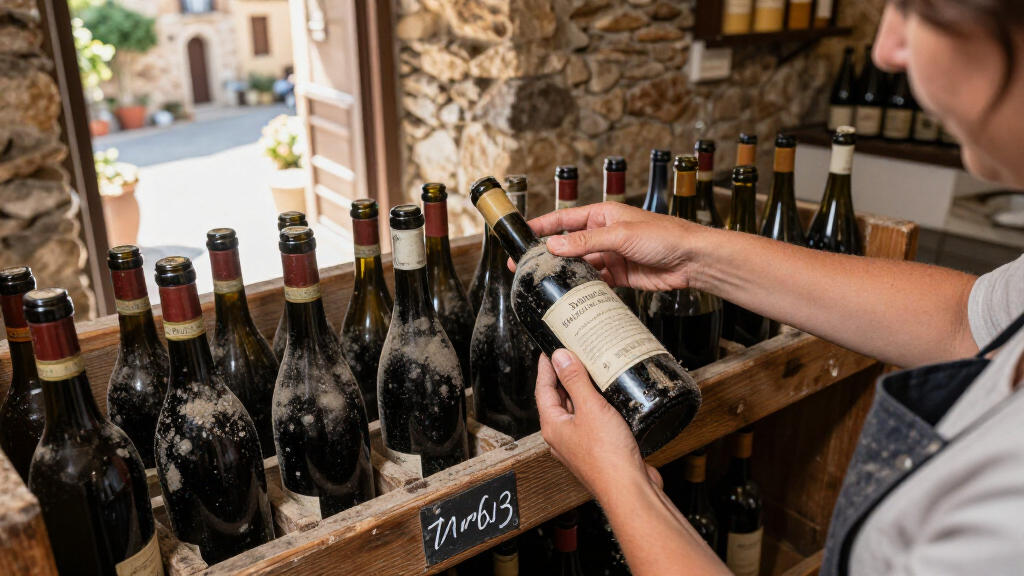
Use This Five-Step Plan to Open and Serve a Bottle
Serve Taurasi with a little planning: check the bottle’s age and condition, choose the right food, and let the wine tell you how much air it needs. A young, tannic bottle often opens up beside a hearty meal, while an older bottle may call for a gentler pour and a quieter dish.
- Read the label. Note the producer, vintage, and whether it says Taurasi or Taurasi Riserva. If you’re unsure about the drinking window, ask a wine merchant who knows that vintage.
- Set up the food. Match firm tannin with rich, savory flavors such as braised beef, lamb, roasted meat, or aged cheese. A simple bowl of hearty beans and mushrooms can work too.
- Open and taste. Pour a small sample before deciding to decant. A young wine that feels closed may benefit from air; a mature wine with delicate aromas may need less.
- Pour thoughtfully. If sediment is visible, let the bottle stand upright ahead of dinner and pour slowly. Stop when sediment approaches the neck.
- Keep leftovers safe. Recork opened wine, refrigerate it, and use it within a few days for best quality. Let a red warm slightly in the glass before drinking.
Here’s how the plan might look on a winter evening: you bring home a young Taurasi, set it beside lamb shoulder that has spent hours in the oven, then taste it before dinner. The wine feels tight, so you decant some and leave the rest in the bottle. By the time the lamb reaches the table, the first pour smells more generous and the tannin has a softer edge.
Serve wine responsibly and only to adults of legal drinking age. If you’re driving, pregnant, taking medication that interacts with alcohol, or avoiding alcohol, choose a nonalcoholic drink. A rich braise and a pot of white beans need no wine in your glass to make a good meal.
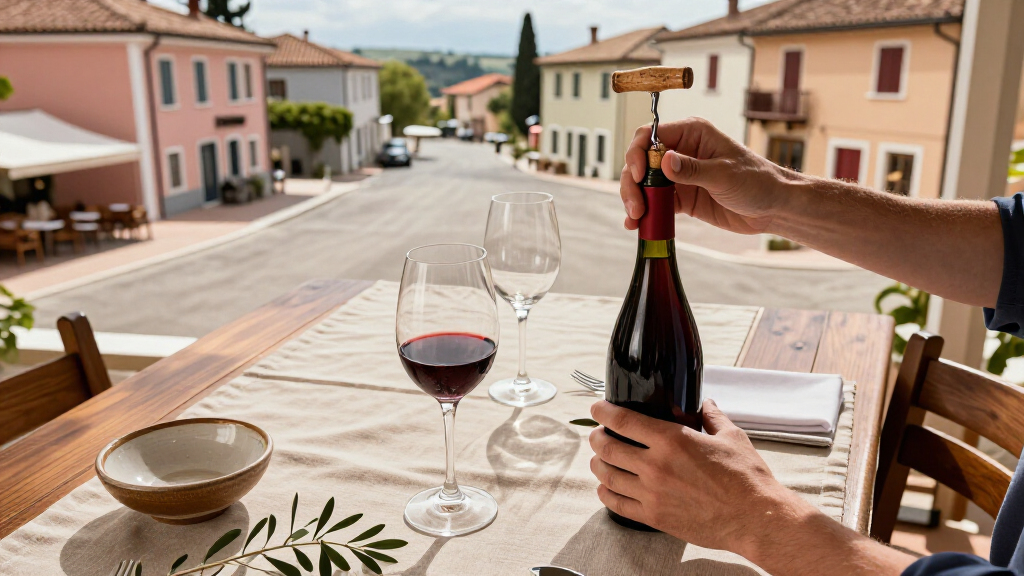
Pair Taurasi With Food That Can Meet Its Structure
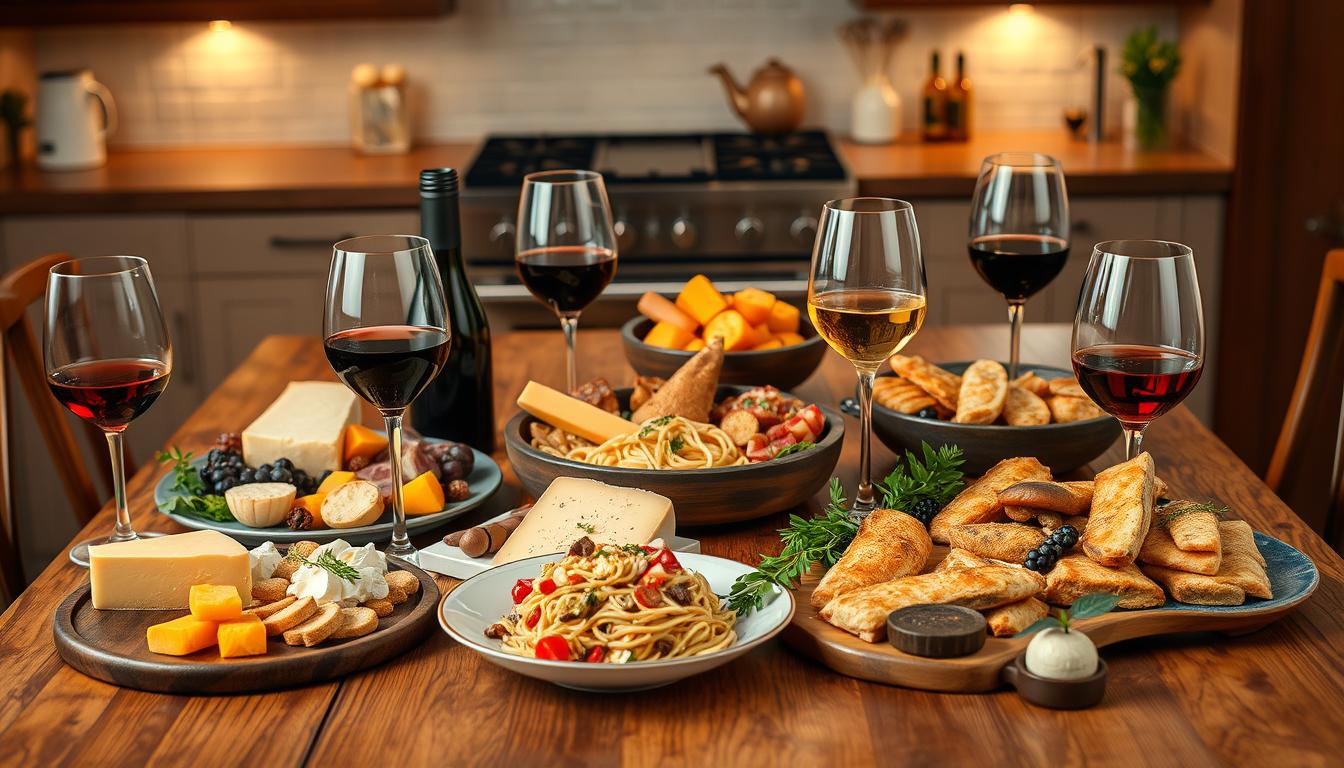
Taurasi pairs best with savory dishes rich enough to stand beside its tannin and acidity. Think braised beef, lamb, game, roasted meats, aged cheese, mushrooms, or hearty legumes. A delicate salad can disappear beside a young, powerful bottle, while a slow-cooked dish gives the wine something substantial to meet.
Imagine a Sunday meal in Irpinia: a pot of beans and mushrooms fills the kitchen with earthy steam, and a Taurasi sits open nearby. The dish’s depth suits the wine’s savory side without demanding a large cut of meat. For meat, slow-braised beef with softened onions is a dependable pairing because its richness balances firm tannin.
Tomato-based dishes can work, especially when the sauce has enough body and the wine keeps its freshness. A thin, delicate tomato sauce may taste sharp beside a structured red; a longer-cooked version with roasted vegetables and a substantial main ingredient is more likely to hold its own. Taste the sauce before choosing the bottle.
Cheese gives you another practical route. Try aged sheep’s milk cheese with a mature Taurasi, or serve a younger bottle alongside a main course rather than making cheese the whole meal. Dairy is a common allergen, and cheese can contain it even when a small portion looks like a simple accompaniment.
Make your pairing decision in this order: match intensity, then richness, then texture. If the wine is young and grippy, choose food with protein or slow-cooked depth. If the bottle is older and more delicate, let it lead and keep the dish simpler. That small adjustment can make a rare older bottle far more enjoyable at your table.
Choose a Bottle by Producer, Vintage, and the Moment You’ll Open It
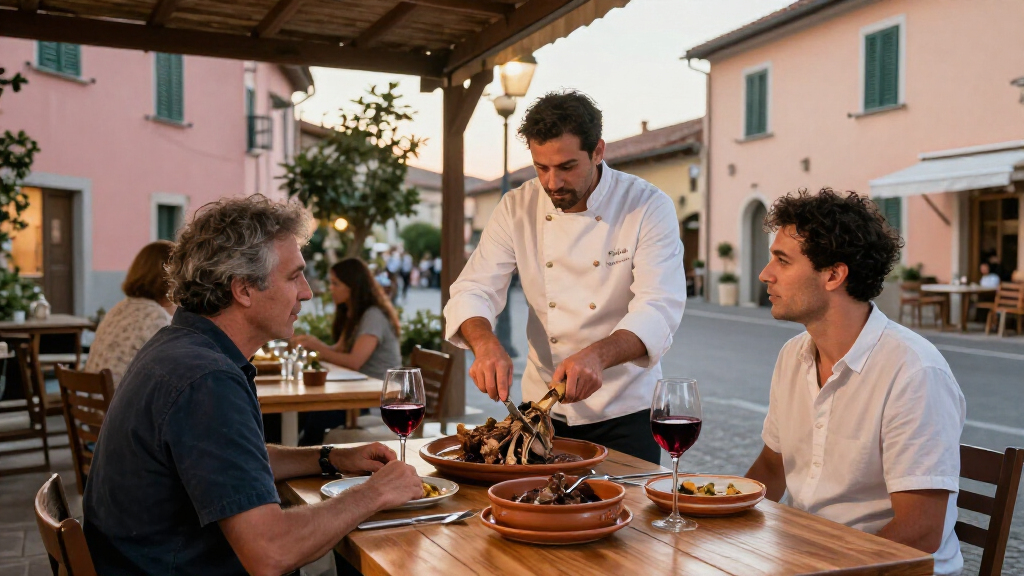
No single price or age tells you whether Taurasi is right for your table. Bottles vary by producer, vintage, style, and market, so Taurasi isn’t always expensive, and a high price alone doesn’t guarantee that you’ll enjoy the wine. Begin with the occasion: are you opening it this weekend, or setting it aside for a future dinner?
For a bottle to drink soon, ask a knowledgeable shop for a Taurasi that already shows some openness, or for an Aglianico from another Campanian appellation with a more approachable profile. If you want a wine to cellar, request advice about a specific producer and vintage, and keep the bottle in stable, cool storage. There is no universal drinking window that fits every Taurasi.
Price reflects more than the appellation’s reputation. Production choices, release timing, vintage conditions, and the retailer’s market all play a part. Rather than assume that DOCG means expensive, compare bottles at several price points and ask what changes: producer approach, age, site, or time in wood.
Here’s a useful shop scenario: you want a red for braised lamb tonight but don’t want to wait an hour for the wine to open. Tell the merchant exactly that. A bottle with a more accessible style may fit better than a famous young Riserva chosen mainly for its label.
On another visit, you might be seeking a wine for a milestone years ahead. In that case, ask about vintage character and storage history, and buy from a retailer who can explain the bottle’s provenance. Good advice starts with your dinner and timeline, not with prestige words on the label.
Key Takeaways for Your Next Taurasi Dinner
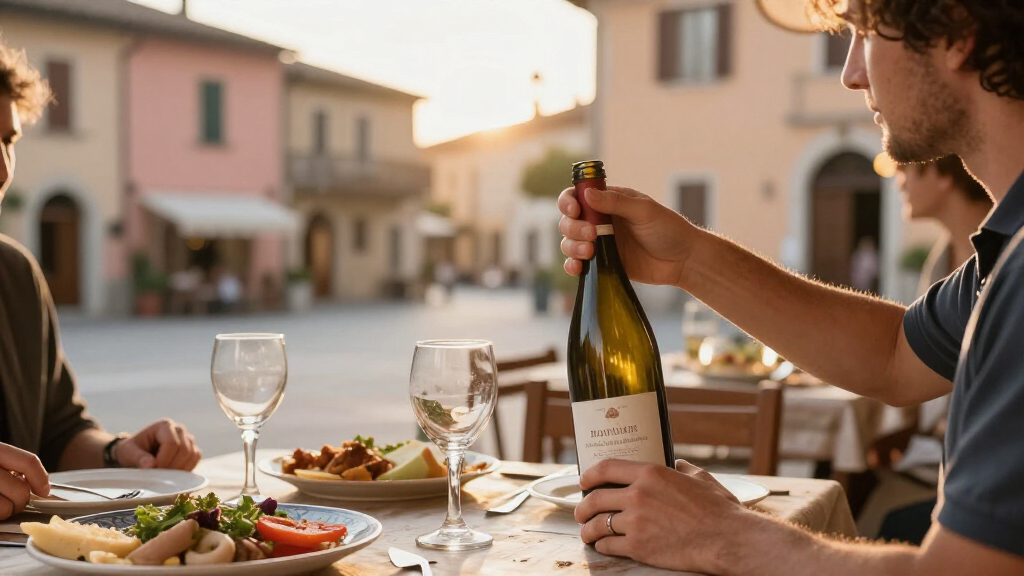
Taurasi is a place-based Aglianico wine with the structure to develop, but the bottle you choose and how you serve it matter just as much as its reputation. Keep these points close when you shop, plan a meal, or visit Irpinia:
- Aglianico names the grape; Taurasi names the wine and its origin. Taurasi DOCG comes from Irpinia in Avellino province.
- Expect dark fruit, acidity, and tannin. Savory, herbal, earthy, and spicy notes can join in, especially as the wine evolves.
- Read aging requirements as minimums. Taurasi and Taurasi Riserva have different minimum aging rules, but those rules don’t predict a universal drinking window.
- Choose food that matches the bottle. Young, firm Taurasi likes braises, roasted meat, aged cheese, and substantial legume dishes.
- Let the wine guide the air. Taste first, decant a tightly wound young bottle if it benefits, and handle an older one gently.
For example, if you’ve bought your first Taurasi for a Saturday meal, serve it with slow-cooked lamb and pour a small taste before dinner. If the wine seems stern, give it some air; if it smells fragile and evolved, pour gently and enjoy it while it’s expressive.
Planning a trip? Use Avellino as a base for exploring Irpinia’s inland vineyards, and ask producers about site, altitude, and the season behind the vintage. A glass becomes more memorable when you can connect its dark fruit and savory finish to the hills where Aglianico ripened.
Frequently Asked Questions
Is Aglianico the same as Taurasi?
No. Aglianico is the grape variety; Taurasi is a DOCG wine from Irpinia in Avellino province that must contain at least 85% Aglianico. Aglianico also appears in other southern Italian appellations.
What does Taurasi taste like?
Taurasi often shows black cherry, plum, acidity, and firm tannin, with savory, earthy, herbal, or spicy notes depending on the producer and bottle age. Young examples can feel tight; mature bottles may develop dried fruit, leather, and earth.
How long should I age Taurasi?
There is no single drinking window for every Taurasi. Producer, vintage, and storage determine how a bottle develops, so ask for vintage-specific advice and keep the wine in a cool, stable place. Some bottles are enjoyable young with air, while others benefit from more time.
Should I decant Taurasi?
Often, a young, tightly wound Taurasi benefits from decanting, but taste it first and see how it opens. Older bottles can be delicate, so pour gently and avoid leaving them exposed to air for hours without checking their condition.
What is the difference between Taurasi and Taurasi Riserva?
Taurasi Riserva has a longer minimum aging requirement. Taurasi requires at least three years before release, including one year in wood; Riserva requires four years, including at least 18 months in wood. Check the current DOCG specification for rules in force when you buy or publish.
What food should I serve with Taurasi?
Try braised beef, lamb, roasted meats, game, aged cheese, or hearty beans and mushrooms. A young, tannic bottle usually needs substantial, savory food; an older or more delicate wine may work better with a simpler dish.
Conclusion
Remember the simplest distinction: Aglianico is the grape, and Taurasi is its Irpinian expression under DOCG rules. Choose a bottle with your meal and timeline in mind, give a young wine food and air if it needs them, and treat an older bottle with care.
Then let the hills of Avellino come to your table: dark fruit in the glass, a slow braise on the stove, and enough time to notice how the wine changes.
Halloween Picks
halloween
As an affiliate, we earn on qualifying purchases.