TL;DR
Casoncelli alla bergamasca are stuffed pasta parcels from Bergamo, Lombardy, commonly filled with cooked meat, breadcrumbs, cheese, egg, and seasoning. Some family recipes add a little amaretti, raisin, pear, or citrus for sweet-savory contrast. They are traditionally served with butter, sage, crisp pancetta, and grated cheese; brown the butter gently and keep the sauce light enough to let the filling speak.
A Bergamo kitchen can smell like browned butter and sage before the pasta even reaches the table. Under that glossy dressing sit small, hand-folded parcels with a savory filling that may carry a quiet hint of sweetness. Casoncelli alla bergamasca are a regional dish with a clear home in Bergamo, Lombardy, and a flavor that rewards a little attention.

Get kitchen staples and gadgets delivered free with Prime
- Fast, free delivery on millions of items
- Prime Video, Amazon Music and more included
- Member-only deals all year
This guide explains what goes into the pasta, why recipes differ, and how to shape and serve it at home. You’ll learn how to brown butter without burning it, what to do with pancetta, and how to plan the work so a Sunday lunch feels generous rather than frantic. Along the way, you’ll see why a touch of amaretti or pear belongs in some fillings without turning the dish into dessert.
The Italian word casoncelli names this family of stuffed pasta, though its precise linguistic origin is unsettled. Often shortened to casoncelli bergamaschi (Bergamo-style casoncelli), they are a practical way to bring a specific Lombard tradition into your kitchen: make a batch with family, freeze a few for another night, and serve them simply.[1]
Casoncelli alla bergamasca come from Bergamo in Lombardy and are usually folded into small parcels or half-moons.
A common filling combines cooked meat, breadcrumbs, grated hard cheese, egg, and seasoning; some recipes add amaretti, raisins, pear, or citrus zest.
Brown butter until the milk solids turn golden, then remove it from the heat before it burns; coat the pasta lightly with butter and sage.
Freeze uncooked parcels in a single layer and cook them from frozen, checking that the filling is hot through.
Serve the rich pasta with a crisp salad or simple seasonal vegetables, and check allergens and cheese ingredients for guests.
Casoncelli alla Bergamasca Bergamo’s stuffed pasta
These Lombard parcels pair a savory, family-specific filling with brown butter, sage, crisp pancetta, and grated cheese. A light dressing lets their flavors shine.
The filling starts savory
Families vary the recipe, but a common base brings together cooked meat, breadcrumbs, cheese, egg, and seasoning.
Meat and breadcrumbs
Cooked beef or pork brings depth; breadcrumbs absorb moisture and help the filling hold together.
A subtle sweet note
Some recipes add a little amaretti, raisin, pear, or citrus zest for contrast. Keep it restrained so the filling stays savory.
Shape parcels with care
Small batches keep the pasta supple and make each seam easier to seal.
Combine the cooked meat, breadcrumbs, cheese, egg, and seasoning; let it cool before filling the pasta.
Add a modest spoonful to each pasta piece, fold it over, and seal the edges carefully to help prevent splitting.
Build a fragrant, light dressing
Butter and sage bring warmth; pancetta adds crisp, salty bites.
Serve the Bergamo tradition
Casoncelli alla bergamasca are regional stuffed pasta from Bergamo, Lombardy, commonly folded into parcels or half-moons.
- Butter and sage
- Crisp pancetta
- Grated cheese
- Crisp salad
- Simple seasonal vegetables
What Makes Bergamo’s Casoncelli Taste Different
Casoncelli alla bergamasca are traditional filled pasta from the province of Bergamo in Lombardy, usually folded into small half-moons or parcels and served with butter, sage, pancetta, and grated cheese. The defining pleasure is the meeting of textures: tender pasta, a compact savory filling, crisp pork, and a sauce that slips into the folds.[1] Each part has a job. The pasta provides a soft wrapper, the filling concentrates the savory flavor, and the dressing contributes fragrance and crunch without needing to hide either one.
A common filling starts with cooked meat, such as beef or pork, then brings in breadcrumbs, grated hard cheese, egg, and seasoning. The breadcrumbs absorb moisture and help the mixture hold together; egg binds it, while cheese adds salt and depth. That balance matters because a filling that is too wet can leak or split the pasta, while one that is too dense can feel heavy. Some cooks add amaretti (almond cookies), raisins, pear, or lemon zest. Used sparingly, these ingredients make the meat and cheese taste more rounded: a little sweetness or citrus cuts through their richness rather than turning the filling into dessert.
Imagine cutting into a parcel at a family lunch: the filling tastes meaty and savory first, then a faint almond or fruit note appears. That contrast is why a heavy tomato sauce would feel out of place; it would cover the small shifts in flavor that make the filling distinctive. Butter and sage instead add warmth and aroma, while pancetta supplies crisp, salty bites. Because these components are rich, the dressing should coat the pasta rather than pool around it.
Similar stuffed pastas appear elsewhere in northern Italy, but local names, fillings, folds, and serving habits distinguish them. If a menu says casoncelli bergamaschi, expect the Bergamo tradition rather than one fixed recipe. Ask what is in the filling if you want to know whether it is meat-forward or includes fruit or amaretti; the name alone does not settle that question. Its exact linguistic origin also remains uncertain, so it’s best treated as the name of a beloved regional pasta, not a word with one proven translation.[1] As an affiliate, we earn on qualifying purchases.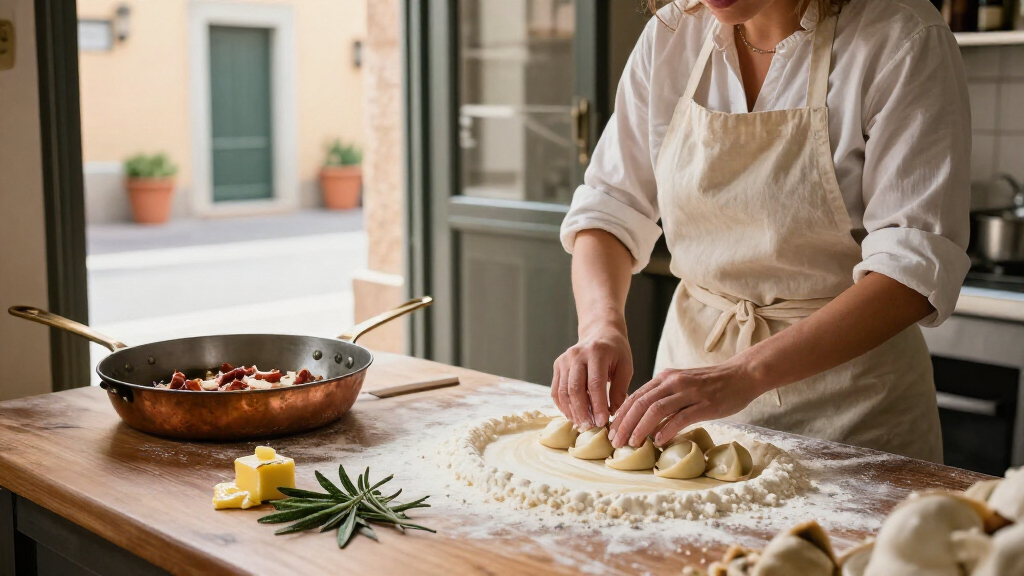
Products Worth Considering

Dyson Cyclone V10 Origin Cordless Vacuum

Google Nest Learning Thermostat (4th Gen, 2024) with Nest Temperature Sensor, Obsidian

Dyson V15 Detect Cordless Vacuum
Why the Filling Can Taste Savory with a Hint of Sweetness
Casoncelli alla bergamasca are savory pasta, though some fillings use a little fruit or amaretti to sharpen the contrast with meat and cheese. The sweet element should support the filling, not dominate it; a restrained amount gives each bite a rounded, almost toasted flavor.[1] This is a matter of balance: the meat and cheese carry the main flavor, while a small sweet or aromatic note keeps the richness from tasting monotonous across a plate.
Think of the difference between a handful of raisins scattered through a meat stuffing and a spoonful of jam: the first adds occasional sweetness, while the second takes over. In a home batch, begin with the meat, breadcrumbs, cheese, egg, and seasoning as your foundation. Add any sweet ingredient sparingly, taste the cooked filling, and adjust before you fill every pasta round. Tasting matters because the final balance changes with the saltiness of the meat and cheese, as well as the sweetness of the fruit or cookies. If the filling tastes noticeably sweet on its own, it may overwhelm the pasta once enclosed in dough.
Families and towns vary their proportions, and there isn’t one formula that every Bergamo cook follows. One household may favor a meat-forward filling; another may lean into amaretti or citrus zest. Those choices shift the character of each bite: fruit can brighten a rich meat filling, while a more restrained recipe puts greater emphasis on savory depth. That variation makes the dish more useful to cook, not less: you can preserve the regional character while adapting to the ingredients you have.
If you’re serving guests, tell them what’s inside. Egg, wheat, and dairy are common allergens in the pasta and filling, and breadcrumbs contain wheat. Amaretti may contain almonds, while pancetta is pork. Check ingredient labels and ask about allergies before cooking; for a vegetarian version, confirm that the cheese uses suitable rennet and that the filling contains no meat stock.[1]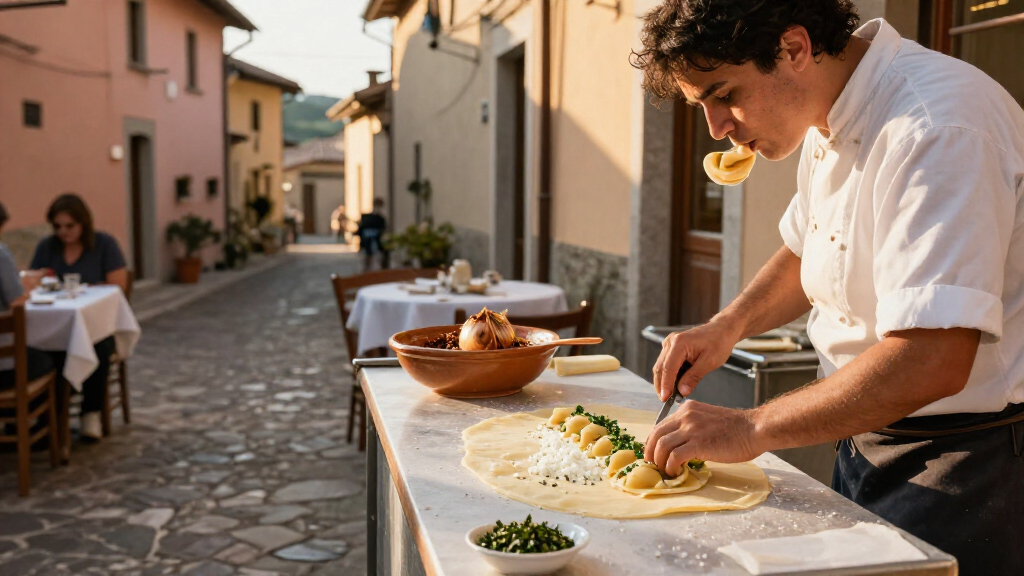
How to Shape a Batch Without Rushing
Casoncelli alla bergamasca take their familiar parcel shape when you place a modest spoonful of filling on fresh pasta, fold the dough over it, and seal the edges carefully. Work in small batches so the pasta stays supple and the filling doesn’t dry on the counter; a well-sealed parcel is less likely to split in the pot.[1] The main tradeoff is speed versus control: filling a whole sheet at once can seem faster, but the exposed dough may dry before you finish sealing it. A manageable batch helps keep the dough flexible enough to form a tight seam.
- Prepare the filling first. Cook the meat, combine it with breadcrumbs, grated cheese, egg, and seasonings, then let the mixture cool until easy to handle. If you’re using pear, raisins, or amaretti, keep the amount modest and distribute it evenly. Cooling makes the filling easier to portion and reduces the chance that warm filling will soften the dough.
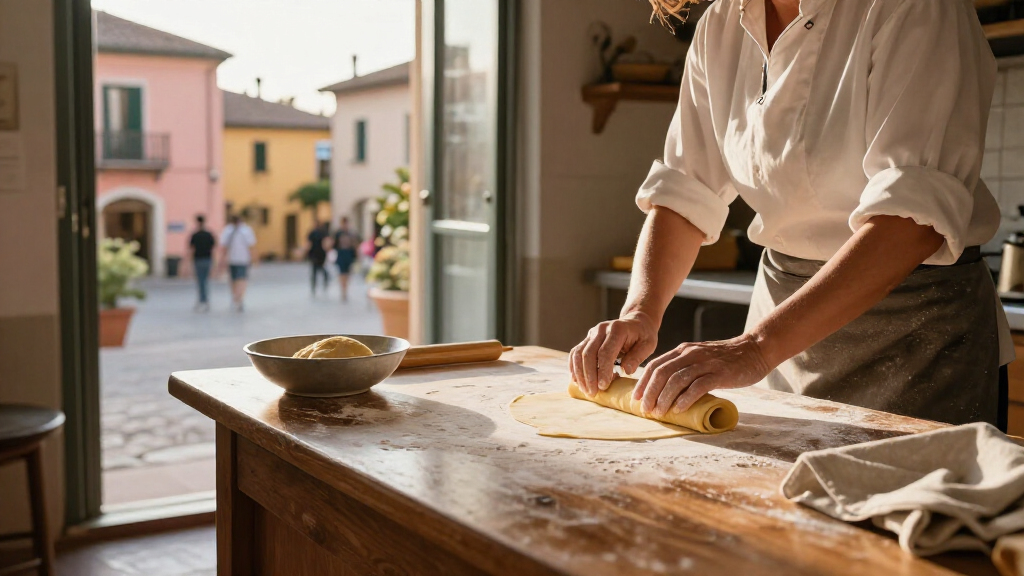
- Roll the pasta thinly. Work with a manageable sheet on a lightly floured surface. Cut rounds or squares, depending on the shape you prefer; family methods differ. Aim for dough thin enough to cook tenderly but sturdy enough to survive folding and boiling.
- Add a small mound. Leave enough bare dough around each portion to seal. Too much filling makes a tempting parcel that can burst during cooking, wasting both the filling and the time spent shaping it. A modest amount also gives the dough room to meet evenly at the edges.
- Fold and press. Bring the dough over the filling and press from the center outward to push out trapped air. Air pockets expand in hot water and can strain the seam, so removing them is a practical way to reduce splitting. Seal the edges firmly, then shape the fold into a half-moon or parcel.
- Cook or freeze promptly. Set the finished pieces on a floured tray with space between them. Cook soon, or freeze them in a single layer before transferring them to a container. Spacing prevents sticking, which could tear the pasta when you separate the parcels later.
For example, if you’re making pasta with a friend before a Sunday meal, one person can roll and cut while the other fills and seals. Cover unused dough with a clean towel so it doesn’t form a dry skin. Keep raw meat and egg mixtures chilled while you work, and clean hands, boards, and utensils after they touch raw ingredients.
How to Brown Butter and Sage Without Burning Either
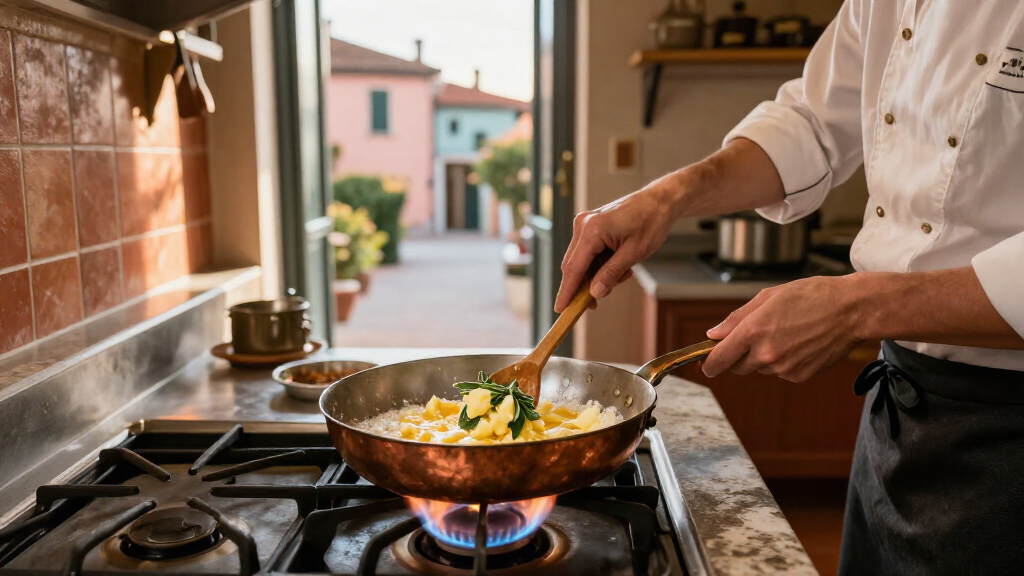
Casoncelli alla bergamasca are often dressed with melted butter and sage, and lightly browned butter adds a nutty aroma that suits the filling. Cook the butter over moderate heat and watch its color: golden milk solids smell like toasted hazelnut, while dark brown solids turn bitter quickly.[1] Browning is useful here because it adds depth to a simple sauce, but it also narrows the margin for error. A few seconds too long can shift the flavor from nutty to burnt, which would overpower the filling.
Use a light-colored pan if you have one; it makes the color easier to judge. Melt the butter, add sage leaves, and swirl the pan as the foam rises and settles. When the milk solids turn golden and the aroma becomes nutty, take the pan off the heat. The butter keeps cooking briefly from residual heat, so don’t wait for it to look dark. If you’re unsure, remove it earlier; a gently browned sauce is better than a bitter one, and it can still coat the pasta well.
Pancetta is commonly rendered separately or crisped in the butter. If you use it, cook it until the edges turn crisp, then spoon it over the pasta with a little of its rendered fat. The pork adds salt and crunch, so taste before adding more cheese or salt. For a simpler meal, omit it and rely on the butter, sage, and grated cheese. If you need a vegetarian plate, check the cheese label as well as the filling; some hard cheeses use animal rennet.
When the casoncelli are cooked, lift them with a slotted spoon and add them to the pan or a warm serving bowl. Toss gently with enough butter to coat, not drown, the parcels. This keeps the pasta’s folds from getting weighed down and lets each filling remain distinct. A crisp green salad beside the pasta gives your palate a fresh pause between rich, sage-scented bites.
How to Cook, Store, and Freeze Casoncelli Safely
Casoncelli alla bergamasca cook gently in simmering water, and frozen parcels can usually go straight from the freezer into the pot with extra cooking time. Keep the water at a steady simmer rather than a hard boil; vigorous bubbling can knock the folds against one another and tear delicate pasta.[1] A gentle simmer protects the shape, but it still needs to be hot enough to cook the filling through. This is why checking a parcel matters more than relying on a single time that may not fit every thickness or filling size.
Fresh pasta cooks quickly, but thickness and filling size change the timing, so use the recipe’s time as a guide and test one parcel. A cooked piece should be tender all the way through, with hot filling at the center. If you’re cooking for a group, test one before dropping in the full batch; that gives you a chance to adjust the heat or timing. It also helps avoid a common tradeoff: pulling the pasta early preserves a firm wrapper but risks a cool center, while overcooking makes the wrapper soft and prone to splitting.
To make them ahead, arrange uncooked parcels in a single layer on a floured tray and freeze until firm. Move them to a sealed freezer container, label the date, and cook them from frozen rather than thawing delicate pasta on the counter. Thawing can soften the dough and make parcels stick together; cooking from frozen preserves their shape, though it takes longer. Add a few minutes to the cooking time and check the center before serving.
For food safety, refrigerate cooked leftovers promptly in a covered container and keep your refrigerator at 40°F (4°C) or below. Reheat leftovers until steaming hot throughout; the USDA recommends reheating leftovers to 165°F (74°C). Don’t leave a meat-and-egg filling at room temperature for more than two hours, or one hour when the room is above 90°F (32°C). These habits matter because the filling combines ingredients that need careful temperature control, especially if you prepare it the day before.[2]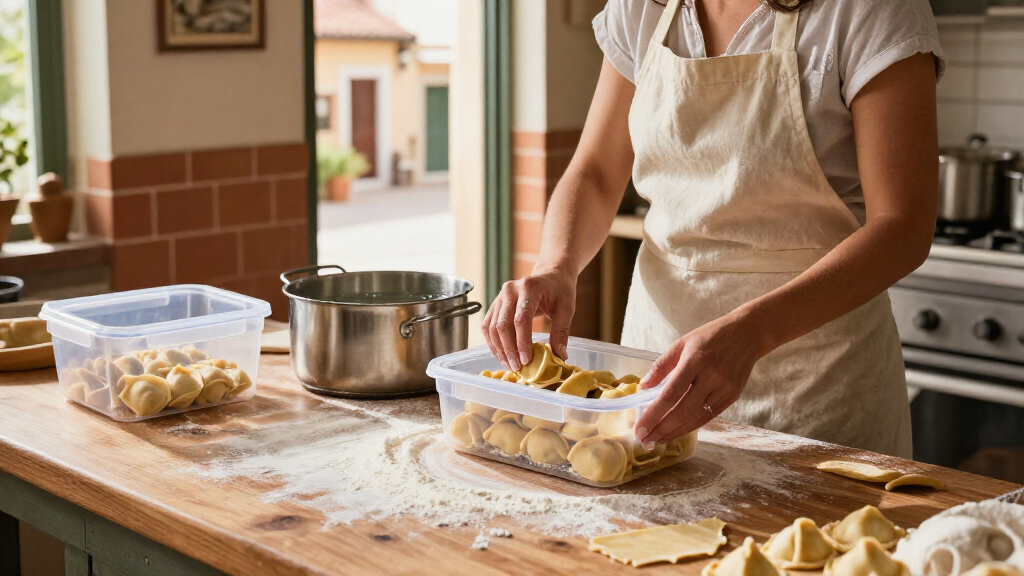
What to Serve with This Rich Lombard Pasta
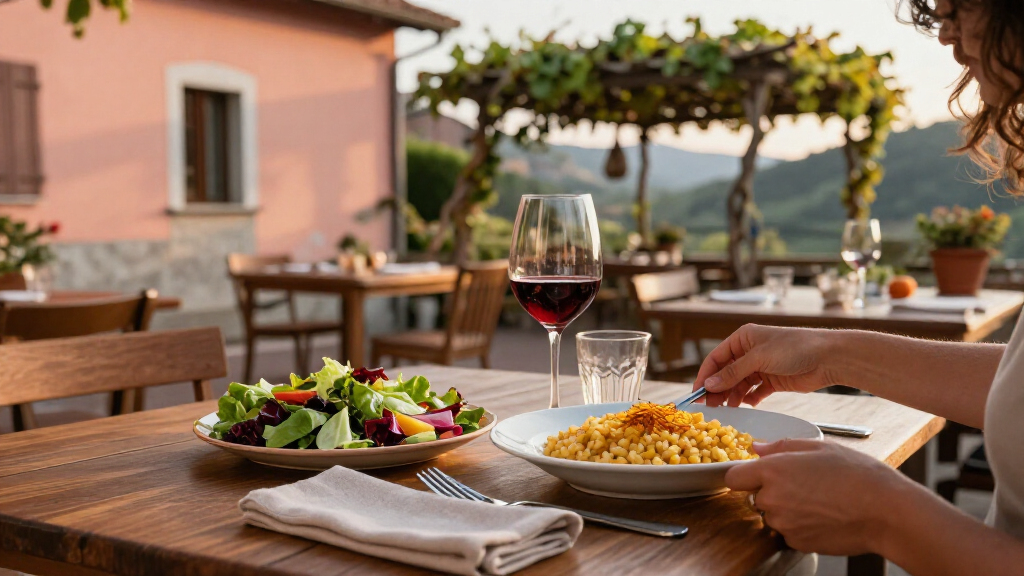
Casoncelli alla bergamasca are rich enough to make a satisfying main course, so the best sides bring freshness, acidity, or a little crunch. A lightly dressed salad or seasonal vegetables balance the butter without competing with the pasta’s filling.[1] The aim is contrast, not another centerpiece: a bright side refreshes the palate between bites, while an additional creamy or buttery dish would make the meal feel heavier.
| What to serve | Why it works | When to choose it |
|---|---|---|
| Arugula or mixed green salad | Peppery leaves and a bright dressing cut through butter and pancetta. | A weeknight meal or a long Sunday lunch. |
| Roasted seasonal vegetables | Caramelized edges add texture; keep the seasoning simple. | Cool-weather meals when squash or roots are in season. |
| Lightly dressed green beans | Firm, fresh bites provide contrast without adding another rich sauce. | A family table where the pasta is the centerpiece. |
For a real-world menu, serve a moderate portion of casoncelli with arugula dressed in olive oil and vinegar, then finish with fruit rather than a heavy dessert. The salad’s acidity and peppery bite reset the palate, so the butter and filling remain enjoyable through the meal. If you choose wine, a local Lombard bottle can suit the meal, but the right pairing depends on the wine’s acidity and weight. Keep wine for adults who choose to drink, serve it responsibly, and offer water or a nonalcoholic option alongside it.
At the table, bring the pasta out hot and dress it just before serving. The butter’s aroma is most vivid then, and the sage leaves keep their fragrance. A bowl of grated cheese lets each person add a little more without burying the delicate balance.
How to Keep the Tradition While Making It Your Own
Casoncelli alla bergamasca remain recognizable through their stuffed pasta shape and butter-and-sage finish, even as cooks adapt the filling or presentation. The dish is a living home tradition: its ingredients and proportions can shift by family, town, season, and dietary need.[1] The useful boundary is to treat the familiar pasta and restrained dressing as anchors, while understanding that a particular filling is one version of the tradition rather than its universal definition.
Suppose you’re cooking in late autumn and have a ripe pear on the counter. You can add a small amount to a meat filling for a soft sweet note, then keep the rest of the plate simple with brown butter and sage. The pear changes the filling’s balance, so a modest amount leaves the meat in the foreground; too much could make the parcel read as sweet. In spring, you might choose a lighter side salad and leave pancetta off the table. Those choices change the meal’s emphasis without pretending that every Bergamo family cooks one identical recipe.
Vegetarian versions are possible, but think through the whole dish. A filling made with vegetables, cheese, and breadcrumbs can work, yet the cheese may not be vegetarian and a meat-based stock would undo the change. The practical tradeoff is that removing meat changes both flavor and binding, so the replacement needs enough substance to hold together and enough seasoning to remain satisfying. Ask guests about dietary needs before shopping, and label the finished portions if you are cooking multiple fillings.
Restaurants may refine the shape or plating, while home cooks often rely on a familiar family fold. When you travel through Bergamo, notice how menus describe the filling and finish rather than assuming the word casoncelli guarantees a single recipe. At home, write down your proportions after a successful batch. That note becomes your starting point next time, making it easier to decide which variation improved the dish and which one you might adjust.
Frequently Asked Questions
What does casoncelli mean?
Casoncelli is the name for this regional stuffed pasta associated with Bergamo. Its precise linguistic origin is unsettled, so avoid treating one proposed translation as certain.[1]
Are casoncelli alla bergamasca sweet or savory?
They are savory overall. Some fillings include a little amaretti, raisin, pear, or citrus zest, which adds contrast without making the pasta taste like dessert.[1]
Can I make casoncelli without pancetta?
Yes. Leave it out for a simpler butter-and-sage dressing. For a vegetarian meal, check that the filling and cheese are vegetarian too, since some hard cheeses use animal rennet.[1]
Can I freeze homemade casoncelli?
Yes. Freeze uncooked parcels in a single layer until firm, then store them in a sealed container. Cook them directly from frozen with extra time, and check that the filling is hot through before serving.[1]
What should I serve with casoncelli?
Choose something fresh and light, such as arugula salad, green beans, or simply roasted seasonal vegetables. These sides balance the pasta’s butter, cheese, and pancetta without crowding its flavor.[1]
What allergens are common in casoncelli?
Wheat, egg, and dairy are common in the pasta and filling; breadcrumbs contain wheat, and amaretti may contain almonds. Check every ingredient label and ask guests about allergies before cooking.[1]
Conclusion
Keep the filling balanced and the dressing restrained. Start with a savory meat, breadcrumb, cheese, and egg mixture, then add only a little fruit or amaretti if that suits your recipe. Brown the butter to golden, let sage perfume it, and give the finished parcels enough sauce to shine without swimming.
That’s the Bergamo lesson you can carry into your kitchen: a hand-folded pasta can hold a family’s variations while still tasting unmistakably at home. Set a tray of casoncelli on the table, and let the first curl of sage-scented steam do the welcoming.