TL;DR

Get kitchen staples and gadgets delivered free with Prime
- Fast, free delivery on millions of items
- Prime Video, Amazon Music and more included
- Member-only deals all year
Malloreddus alla Campidanese is a traditional pasta dish associated with Campidano in southern Sardinia: ridged semolina pasta tossed with a slow-simmered tomato sauce, Sardinian pork sausage, saffron, and pecorino. Cook the sausage and tomato sauce gently, steep saffron in warm water, and finish the pasta in the sauce with a splash of pasta water. The dish’s richness comes from sausage, olive oil, and cheese; cream is not a defining ingredient.
The pasta called “little gnocchi” has no potato in it. Malloreddus are small, ridged pieces of semolina pasta, and their grooves are made for holding a rich sauce. In Campidano, the broad plain of southern Sardinia, cooks pair them with pork sausage, tomato, saffron, and sheep’s-milk cheese for a bowl that tastes earthy, savory, and gently floral.
This guide explains what makes malloreddus alla Campidanese distinctive, how its ingredients work together, and how to cook a practical version outside Sardinia. You’ll also learn where substitutions make sense, how to avoid a greasy sauce, and why a little pasta water can help everything cling to the ridges. Think of it as a useful recipe map for a dish with plenty of room for household variation.
Malloreddus are semolina pasta, despite the nickname *gnocchetti sardi* (“Sardinian little gnocchi”).
The sausage, tomato, saffron, and pecorino combination is especially associated with Campidano in southern Sardinia.
Steep saffron in warm water and add it sparingly so it perfumes the sauce without overpowering it.
Use fennel pork sausage and aged sheep’s-milk cheese as practical substitutes when Sardinian ingredients are unavailable.
Prepare sauce ahead, cook pasta near serving time, and finish the dish with pasta water for a cohesive coating.
Malloreddus alla Campidanese
Ridged semolina pasta meets slow-simmered tomato, pork sausage, saffron, and pecorino in a dish closely associated with Campidano, southern Sardinia.
What makes it taste like Campidano?
This regional style balances four distinct jobs: pork brings savory depth, tomato adds gentle acidity, saffron perfumes the sauce, and pecorino gives it a sharp, salty finish.
Pork sausage
Brown crumbled sausage to develop flavor. Its rendered fat carries aroma; spoon off excess to keep the sauce from feeling greasy.
Tomato
Fresh or canned tomatoes mellow during a gentle simmer, softening their raw edge and balancing the sausage’s richness.
Saffron & pecorino
Steep saffron in warm water and add a little at a time. Pecorino contributes a concentrated, tangy finish.
A regional style, with room for variation: Sardinian cooks also serve malloreddus with simpler sauces. Garlic, bay leaf, and herbs may appear in household versions; they are not fixed requirements.
Four ingredients, one layered sauce
Think of the sauce as a sequence: savory, bright, fragrant, then sharp. Keep saffron and salt measured so every element stays legible.
The bars show each ingredient’s role in the flavor sequence, not measured quantities. A modest hand with saffron helps its aroma lift the sauce without taking over.
Little gnocchi by nickname. Pasta by nature.
Malloreddus are small, ridged pieces of durum wheat semolina pasta. The name *gnocchetti sardi* means “Sardinian little gnocchi,” describing their shape and size—not potato dough.
| Feature | Malloreddus | Potato gnocchi |
|---|---|---|
| Main base | ✓ Semolina & water | ~ Usually potato & flour |
| Texture | Springy, firm bite | Pillowy, tender |
| Shape | Small ridged shell | Soft dumpling |
| Sauce grip | ✓ Grooves catch sauce | ~ Holds sauce on its surface |
A practical route from pan to plate
Prepare the sauce ahead if useful, then cook the pasta close to serving time and finish everything together in the pan.
Brown sausage
Remove the casing, crumble the pork, and brown it gently. Drain excess fat if needed.
Cook the tomato
Soften onion, add tomatoes, then simmer gently so the flavors meet.
Steep saffron
Bloom threads in a little warm water; add the liquid sparingly to the sauce.
Boil malloreddus
Follow the packet and taste near the end. Reserve a splash of pasta water.
Toss & finish
Coat pasta in the sauce with pasta water, then finish with grated pecorino.
For a cohesive coating: pasta water helps loosen and bind the sauce so it clings to the ridges. Add it gradually while tossing.
Useful swaps, with the character intact
Try cavatelli
Small shells also work. Choose a shape that catches sauce, and toss thoroughly so the curves pick up the sausage.
Choose pork with fennel
A flavorful Italian pork sausage is a practical stand-in. Fennel often brings a profile closer to Sardinian versions.
Use aged sheep’s-milk cheese
A firm, aged sheep’s-milk cheese gives a similarly salty, tangy finish. Season after tasting.
Keep the center of gravity: substitutions can make a satisfying version, while seasoning and texture may differ. Vegetarian versions are adaptations of the classic sausage preparation.
Follow the flavor from ingredient to fork
Each move solves a small problem: develop savory depth, balance richness, distribute aroma, then help the finished sauce cling.
Is malloreddus the same as gnocchi?
No. Despite the nickname *gnocchetti sardi*, malloreddus are semolina pasta, not potato-based dumplings.
Can I use another sausage?
Yes. Choose flavorful pork sausage, ideally with fennel; remove the casing and break the meat into small pieces.
How should I add saffron?
Steep threads in a little warm water and add the liquid to the sauce sparingly, until fragrant but balanced.
Does the dish need cream?
No. Sausage, olive oil, tomato, and cheese give the dish richness. Cream is not a defining ingredient.
What makes this Sardinian pasta taste like Campidano?
Malloreddus alla Campidanese is a traditional pasta dish associated with Campidano in southern Sardinia, made with ridged semolina pasta and a sauce of sausage, tomato, saffron, and pecorino. Its flavor balances pork’s savory richness with tomato’s gentle acidity and saffron’s warm, floral aroma. That balance is practical as well as pleasurable: tomato cuts through the sausage fat, while saffron adds fragrance without needing more salt or richness. The result can feel hearty and complete without making cream the center of the dish.
Campidano is a broad plain in the south of Sardinia, and the dish is strongly associated with that area. Sardinian cooks prepare malloreddus in many ways, so the sausage-and-saffron combination is a familiar regional style rather than the only way to serve the pasta. That variation matters: “traditional” describes a family of local habits, not one fixed recipe with universally agreed measurements. If you visit southern Sardinia, you might find malloreddus with a simpler tomato sauce at one table and a more elaborate festive version at another; each reflects what the cook values and has available.
The sauce’s character comes from how the parts meet. Pork sausage releases fat and seasoning as it browns; tomato softens that richness during a slow simmer; saffron adds aroma and a golden tint. Pecorino brings a salty, tangy finish. Together they form a sequence of contrasts: savory, bright, fragrant, then sharp. Picture a forkful after the pasta has been tossed in the pan: little ridges hold tiny flecks of sausage and tomato, with cheese melting into the sauce. If the sausage is very rich, a longer gentle simmer and a little pasta water help the sauce feel integrated instead of oily.
The name malloreddus is traditionally linked to malloru, a Campidanese word for bull or calf, and is sometimes interpreted as “little calves.” That explanation is a traditional interpretation, not a certain etymology. Still, it gives you a charming image for the pasta’s small, plump shape. The defining combination is the semolina pasta and savory saffron-sausage sauce, while herbs, garlic, and bay leaf vary from cook to cook. Keeping those additions restrained lets the regional core remain legible; adding them freely can make a tasty variation, but shifts the sauce’s emphasis away from sausage, tomato, and saffron.
Products Worth Considering

Bose SoundLink Flex Bluetooth Speaker (2nd Gen), Portable Waterproof Speaker, Black

Levoit Core 400S-P Smart Air Purifier for Large Rooms

Roborock Q7 M5+ Robot Vacuum and Mop with Self-Emptying Dock
As an affiliate, we earn on qualifying purchases.
How to tell malloreddus from potato gnocchi
Malloreddus are small semolina pasta shapes, while potato gnocchi are dumplings usually made with potato and flour. The nickname gnocchetti sardi means “Sardinian little gnocchi,” but it describes their size and shape, not their ingredients. If you are choosing a packet in a shop, look for durum wheat semolina on the ingredient list rather than expecting a soft potato dough.
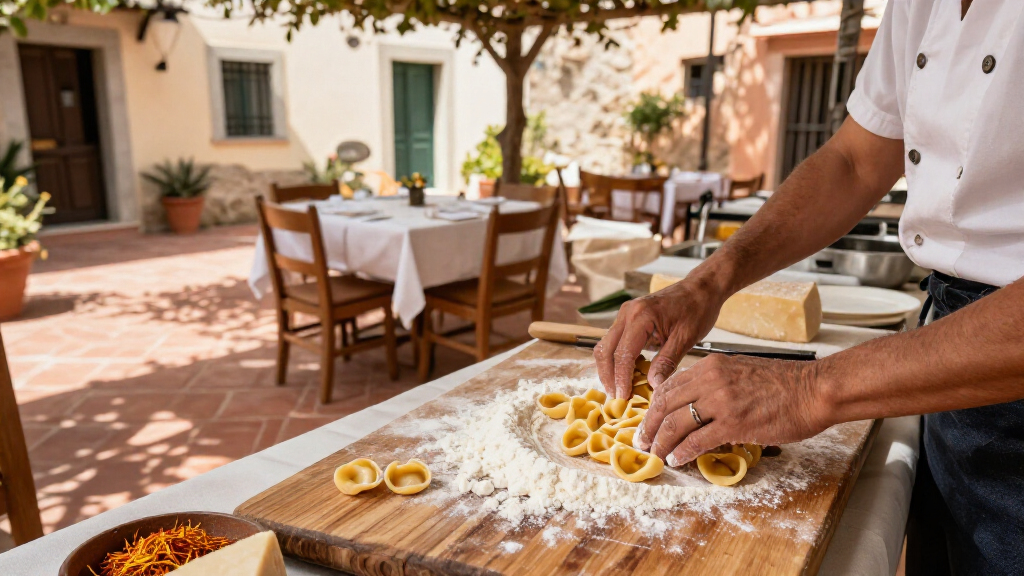
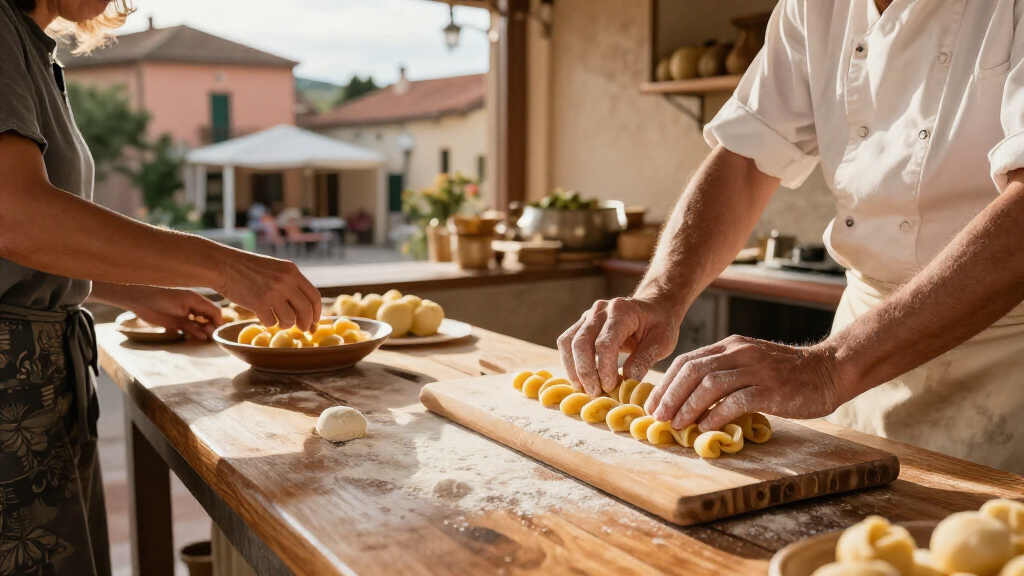
Traditional malloreddus take shape when a cook rolls small pieces of dough over a ridged board or basket. The pressure creates a curved, ridged shell. Dried malloreddus offer a practical version for home cooks far from Sardinia; the texture stays pleasantly firm when you cook them according to the package and taste as they approach doneness. A bowl of fresh, handmade pasta may feel softer, but the dried shape still catches sauce beautifully.
That structure matters in this recipe. Potato gnocchi can turn tender and pillowy, while malloreddus have a springier semolina bite. Their grooves grab sauce in much the same way that ridged pasta traps small bits of tomato, sausage, and cheese. If you cannot find them, cavatelli or small pasta shells are sensible substitutes because they can hold a thick sauce, though their shape and bite differ.
For example, if you are making dinner in a small apartment in Chicago and only find cavatelli at the neighborhood store, the dish will still work. Keep the sauce substantial and toss the pasta thoroughly so its curves pick up the sausage. The result will not be identical to Sardinian malloreddus, but it will keep the key idea: small pasta that carries a full-bodied sauce.
Why saffron, sausage, tomato, and pecorino belong together
Each ingredient in malloreddus alla Campidanese brings a different job to the sauce: sausage provides savory depth, tomato supplies acidity, saffron adds aroma, and pecorino contributes a salty finish. Together, they create a sauce that feels rich but still lively. This is a balance of both flavor and texture: sausage fat carries aromas, tomato gives that fat something bright to meet, saffron perfumes the mixture, and cheese adds a concentrated finish. If any one element dominates, the sauce loses that layered quality, which is why a modest hand with saffron and salt pays off.
Sardinian pork sausage is often seasoned and may include fennel. Its fat helps carry the flavor of the sauce, so start with a moderate amount and let it brown. Browning develops savory flavor, while spooning off excess fat keeps that flavor from turning greasy. If you are outside Sardinia, a flavorful Italian pork sausage can stand in; choose fennel sausage if you want a profile closer to many Sardinian versions. Remove the casing and break the meat into small pieces as it cooks. A mild sausage leaves room for saffron; a heavily spiced one gives you a bolder sauce but can crowd out the saffron’s subtle aroma.
Tomatoes form the base, whether you use fresh ripe fruit in season or canned tomatoes when they are not at their best. Let the sauce simmer gently, giving the tomato time to soften and mingle with the sausage. This slow cooking reduces the tomato’s raw edge and helps its moisture bind with the rendered fat. Saffron can be steeped in a little warm water before you add it. This helps distribute the threads evenly, so you get a fragrant hint throughout the pan rather than one intense bite. The tradeoff is intensity: too little may disappear under the sausage, while too much can taste medicinal, so start with a small pinch and taste after it has infused.
Sardinian pecorino is a natural regional match, but an aged pecorino or another firm sheep’s-milk cheese can work. Grate it finely so it melts into the hot pasta. Since sausage and cheese both bring salt, taste before adding much salt to the sauce. The cheese is best understood as a finishing seasoning as much as a topping: it sharpens the savory base, but too much can make the dish heavy and overly salty. Imagine cooking for four on a chilly evening: the tomato simmers while saffron stains a small cup of warm water gold, and the grated cheese waits beside the stove.
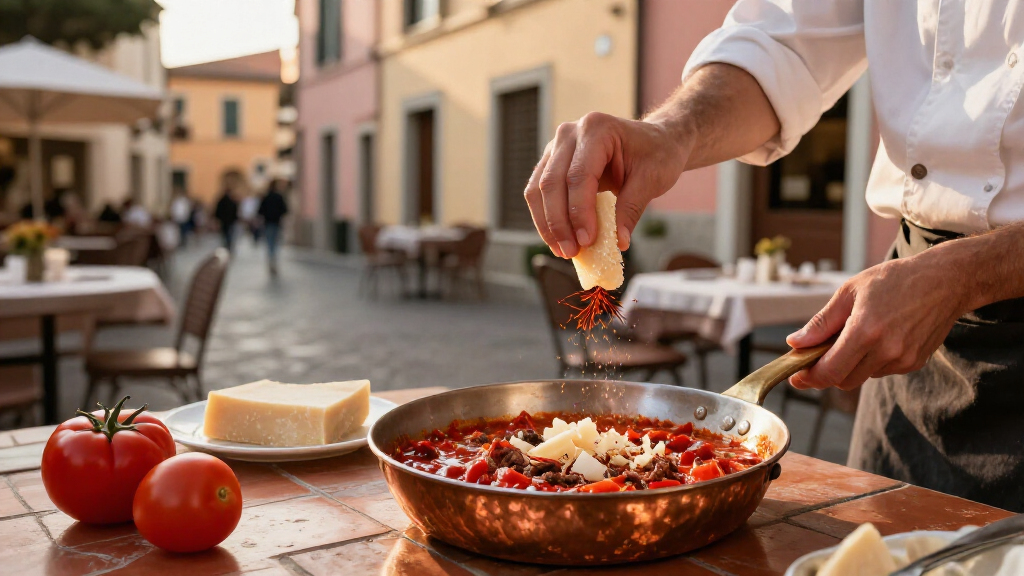
Cook a balanced sauce with this simple sequence
To make malloreddus alla Campidanese at home, brown sausage, soften onion, simmer the tomato sauce, steep saffron, and finish the pasta directly in the sauce. This sequence builds flavor in the same pan and gives you control over the texture. The order matters: browning first creates savory depth, simmering gives tomato time to mellow, and finishing the pasta in the sauce lets starch help the fat and tomato cling to the ridges. Quantities vary between households, so treat salt and saffron as ingredients to adjust by taste rather than fixed measures.
- Start the saffron. Steep a small pinch of saffron threads in a few tablespoons of warm water while you prepare the sauce. A small pinch is enough to start; saffron strength varies, so you can add more after tasting.
- Brown the sausage. Warm olive oil in a wide pan, add chopped onion, then cook crumbled pork sausage until browned and cooked through. If it releases a large amount of fat, spoon off some before adding the tomatoes. Leaving a little fat preserves the sausage flavor and helps the sauce carry aromas; removing the excess prevents an oily layer.
- Simmer the tomato. Add crushed or chopped tomatoes and simmer gently until the sauce thickens and the sausage flavor comes through. Stir in the saffron water and taste before adding salt. The sauce should be concentrated enough to coat pasta, but not so reduced that it cannot loosen with pasta water.
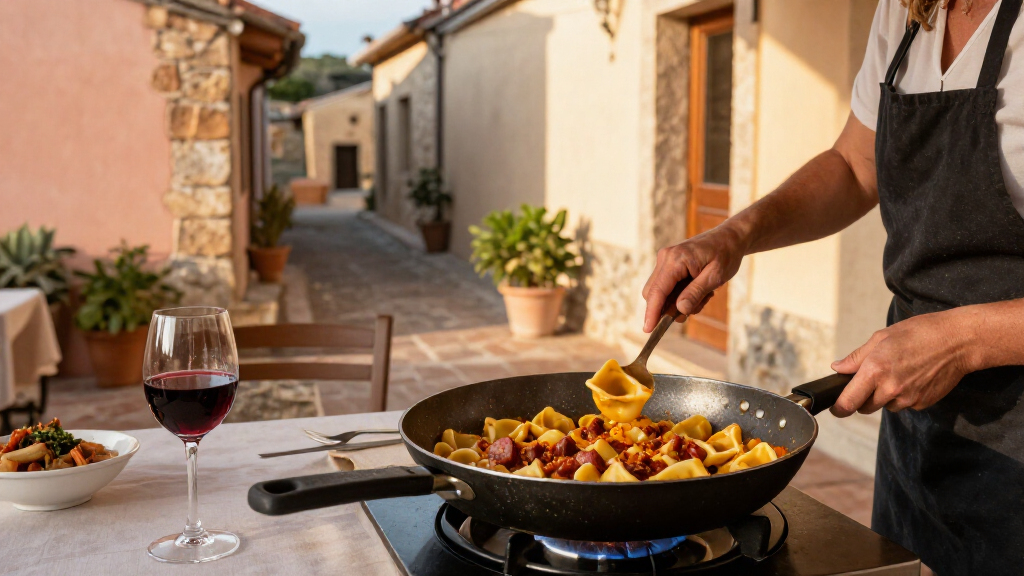
- Cook and finish the pasta. Boil malloreddus in salted water according to the package, saving a cup of pasta water. Drain when just tender, then toss with the sauce and a splash of water until the ridges are coated. The starchy water helps the sauce emulsify; add it gradually so the finished dish is glossy rather than soupy.
Use the sequence as a guide, not a stopwatch. For example, if your sauce is ready before the pasta, keep it warm over low heat and add a spoonful of water if it tightens. If the pasta finishes first, drain it and bring it straight to the pan rather than leaving it to sit. A final handful of pecorino brings the sauce together. Taste at the end, since the pasta water and cheese may already provide enough salt.
Keep in mind that the recipe includes pork, wheat, and milk from the pasta, sausage, and cheese; check package labels for other allergens, including any in the sausage. Cook sausage thoroughly, and refrigerate leftovers within two hours. For practical food safety, keep the refrigerator at 40°F (4°C) or colder and reheat leftovers to 165°F (74°C).
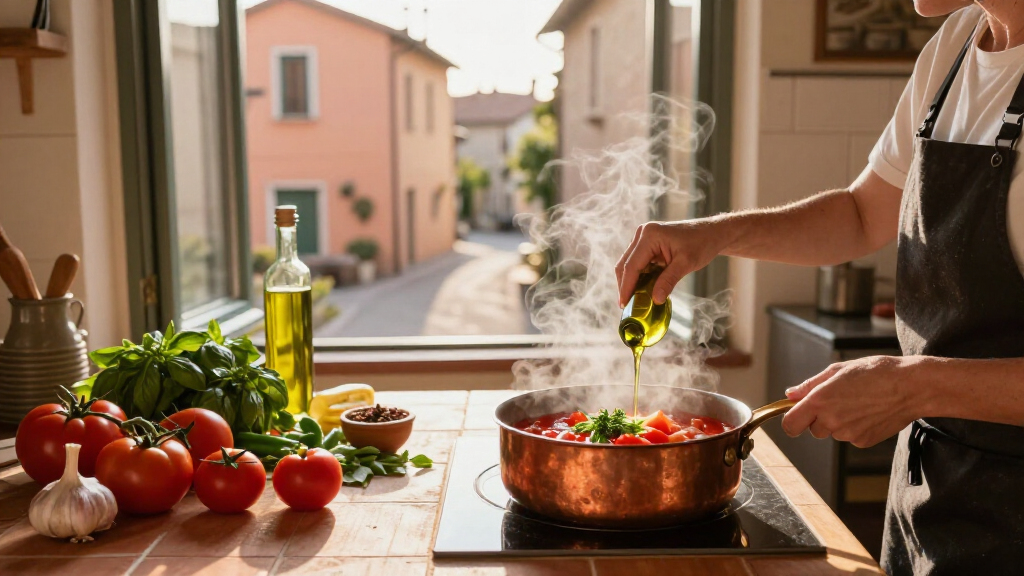
Make smart substitutions without losing the dish’s character
You can adapt malloreddus alla Campidanese when a Sardinian ingredient is hard to find, as long as you understand what the swap changes. Another pork sausage can replace Sardinian sausage, cavatelli can replace malloreddus, and aged sheep’s-milk cheese can replace Sardinian pecorino. These choices keep the dish practical while preserving its core of pasta, savory meat, tomato, saffron, and cheese. Each swap affects a different part of the experience: pasta changes how sauce clings, sausage changes seasoning and fat, and cheese changes salt and sharpness.
A fennel-seasoned sausage often comes closest to the flavor many cooks associate with Sardinian sausage. If yours is very spicy, expect heat to compete with saffron’s more delicate aroma. Taste a small cooked piece before seasoning the full sauce. A mild sausage lets the tomato and saffron show; a chili-forward one makes a bolder, less traditional-tasting bowl. You can reduce that tradeoff by using less sausage and tasting the sauce before adding extra saffron or salt.
If your shop has no saffron threads, saffron powder may be available, but check its strength and use a small amount. Saffron is distinctive, and too much can make the sauce taste medicinal or bitter. Some modern recipes add saffron to pasta dough as well as the sauce. That is a variation; many versions flavor the sauce, where the threads tint the tomato a muted gold. Sauce infusion offers more control because you can taste and adjust it before the pasta goes in, while saffron dough spreads the flavor more subtly through each piece.
Vegetarian cooks can replace sausage with browned mushrooms, cooked beans, or a plant-based alternative, but the result is an adaptation rather than the classic sausage preparation. A simple example: brown chopped mushrooms until their moisture evaporates, then add tomato and saffron. The mushrooms provide savory depth, while beans add a soft, filling texture. Because these swaps lack sausage fat and seasoning, you may need a little more olive oil and careful seasoning; adding too much, however, can make the sauce heavier without recreating sausage’s flavor. Keep the saffron measured and finish with sheep’s-milk cheese if it fits your diet.

Serve it fresh and keep leftovers tasting good
Malloreddus alla Campidanese tastes best when you toss the pasta with the sauce just before serving, so the ridges stay springy and coated. A little pasta water loosens the sauce and helps it cling without adding cream. A green salad or simply cooked seasonal vegetables make an easy side, especially when the pasta is the main event at a family lunch.
For a make-ahead meal, prepare the sauce in advance and reheat it gently while the pasta cooks. If the sauce has thickened in the refrigerator, stir in a small splash of water. Cook the pasta close to serving time, then combine everything in the pan. This is useful when you are hosting: the sauce can be ready before guests arrive, while the final toss takes only a few minutes.
If you have leftovers, refrigerate them promptly in a covered container. The pasta will absorb sauce as it sits, so add a spoonful of water when reheating in a pan. Warm it until steaming throughout, reaching 165°F (74°C), and avoid leaving it at room temperature for more than two hours. Pecorino may thicken the sauce further, so keep a little extra cheese for the table rather than mixing it all into the storage container.
A Sardinian red such as Cannonau is a familiar pairing if you choose to serve wine; pour for adults only and drink responsibly. You can also keep the meal alcohol-free with sparkling water and a squeeze of lemon. In either case, let the pasta lead. Its tomato-red sauce, saffron scent, and salty cheese already carry a strong sense of place from southern Sardinia.
Frequently Asked Questions
Is malloreddus the same as potato gnocchi?
No. Malloreddus are semolina pasta made from durum wheat and water, while potato gnocchi are dumplings that usually contain potato. Gnocchetti sardi means “Sardinian little gnocchi,” a nickname that describes their small shape.
What can I use if I can’t find malloreddus?
Try cavatelli or small pasta shells; their curves can hold a thick sauce. Cook them according to the package and finish them in the pan with the tomato and sausage sauce. The bite will differ from malloreddus, but the dish will still work well.
How should I add saffron to the sauce?
Steep a small pinch of saffron threads in a few tablespoons of warm water, then stir the liquid into the simmering sauce. Start modestly because saffron strength varies. You want a warm aroma and golden hue that sit alongside the sausage and tomato.
Does the classic dish use cream?
Cream is not a defining ingredient in the classic Campidanese-style preparation. Sausage, olive oil, pecorino, and slow cooking supply its richness. Pasta water can help the sauce coat the malloreddus smoothly.
Can I make the sauce ahead?
Yes. Make the sauce ahead, refrigerate it promptly, and reheat it gently while the pasta cooks. Toss freshly cooked malloreddus with the sauce and a splash of pasta water just before serving for the best texture.
How do I keep the sauce from turning greasy?
Use a moderate amount of sausage and brown it before adding tomatoes. If it releases a lot of fat, spoon off some of the excess, then let the sauce simmer until cohesive. Pecorino and pasta water help finish the sauce without extra oil or cream.
Conclusion
Remember the shape of the dish: ridged semolina pasta, a slow tomato and sausage sauce, a measured thread of saffron, and pecorino at the end. Use Sardinian ingredients when you can, and choose thoughtful substitutes when you cannot. The result should feel savory and warm, with saffron lingering gently rather than taking over.
Make the sauce ahead if it helps, then toss the pasta at the last minute. When the ridges shine red-gold in the pan and the kitchen smells of tomato, pork, and cheese, Campidano is suddenly closer than the map suggests.