TL;DR
Eating in Matera means starting with Pane di Matera, the city’s protected-geographical-indication bread, then looking for Lucanian dishes such as peperoni cruschi, crapiata, and seasonal cialledda. Cave trattorias can be memorable, but check menus for regional ingredients, ask what is in season, and book ahead at popular dinner spots.
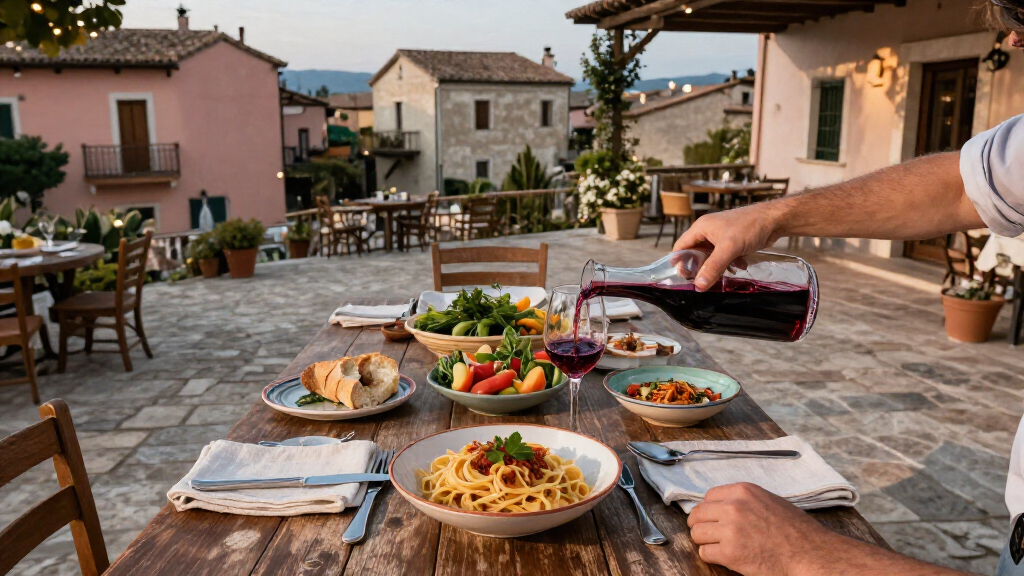
The first thing you may notice at a Matera table is the bread: a broad, deeply browned loaf with a crackling crust and a soft, fragrant center. Pane di Matera is more than a side for mopping up sauce. It offers a practical way into the food of Basilicata, the southern Italian region also known as Lucania.

Get kitchen staples and gadgets delivered free with Prime
- Fast, free delivery on millions of items
- Prime Video, Amazon Music and more included
- Member-only deals all year
Eating in Matera can mean dinner in a limestone cave, but the stone walls only tell you where you are sitting. The meal itself may draw on durum wheat, legumes, seasonal vegetables, sheep and goat products, and preserved foods. Knowing what to ask about helps you find the region on the plate, whether you are ordering crapiata or picking up a loaf from a bakery.
This guide explains which local dishes to look for, how to read a cave trattoria menu, and what to ask when seasons and recipes vary. You will leave with a simple plan for your next meal—and a better sense of why bread matters so much in Matera.
Look for Pane di Matera, the durum-wheat sourdough bread with European Union PGI protection, and ask a bakery how to store it for your trip.
Treat a Sassi cave dining room as a setting; check the menu for regional dishes and named local ingredients.
Ask what is seasonal and how dishes such as crapiata or cialledda are made at that restaurant.
Check for broth, dairy, meat, allergens, and cross-contact when choosing vegetarian or allergy-aware meals.
Book popular dinner spots ahead and ask about steps or uneven floors if accessibility is a concern.
Eating in Matera Bread, caves, and Lucanian classics
Start with Pane di Matera, then look beyond the cave dining room to the ingredients and seasonal dishes on the menu.
Start with the bread
This durum-wheat sourdough has a crisp crust, fragrant crumb, and a name tied to production rules and the Matera area.
Notice the contrast between the crackling crust and soft center.
A bakery can advise on freshness and carrying a loaf home.
This bread-based dish may be served as a cold salad or warm soup.
Look for Lucanian ingredients
Recipes vary by kitchen and season, so ask how each dish is made today.
Peperoni cruschi
Dried sweet peppers, briefly fried for a brittle texture; they may top pasta or vegetables.
Crapiata materana
A soup or stew of grains and legumes. Ask what is in the bowl and how filling the serving is.
Cialledda
Bread combined with seasonal ingredients, with warm and cold versions.
Read the cave trattoria menu
A Sassi dining room tells you where you are sitting; the menu tells you what the kitchen serves.
- Pane di Matera and named regional dishes
- Peperoni cruschi, legumes, and seasonal vegetables
- Local sheep’s-milk cheeses or cured meats
- What is seasonal today?
- Broth, dairy, meat, allergens, and cross-contact
- Steps or uneven floors if access matters
Start with Pane di Matera, the loaf that holds its own
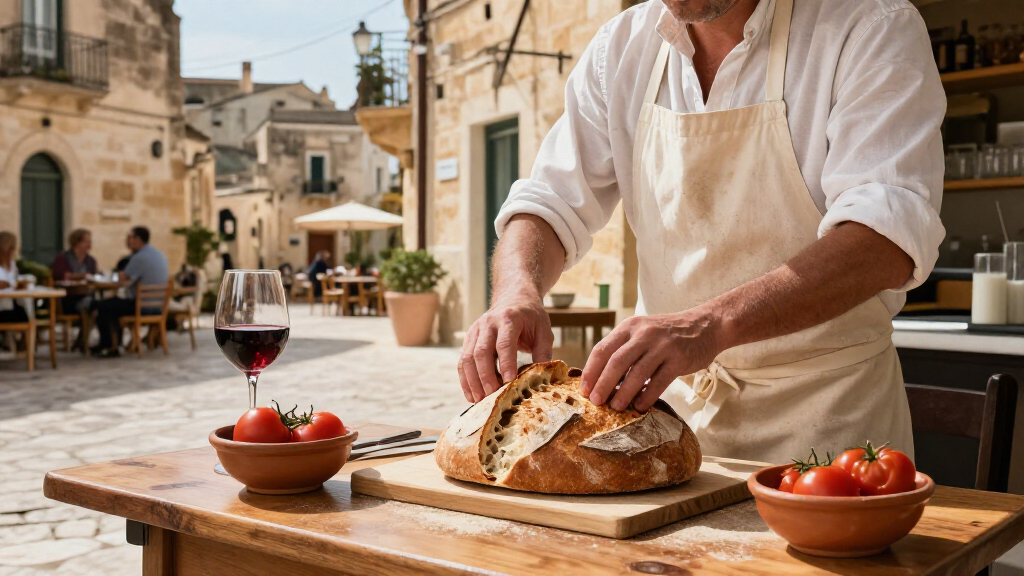
Pane di Matera is the city’s signature bread, made chiefly with durum wheat and traditionally prepared with sourdough. Its name has European Union PGI protection, which ties it to production rules and the Matera area. Expect a thick, crisp crust around a fragrant, open crumb; the exact shape and look can vary from one bakery to another.
Pick up a loaf at a local bakery and notice how the crust sounds when you tap it. This is bread made to be part of a meal, but it is also valued for keeping well, a useful trait in a region where bread has long been a daily staple. Ask the baker how they recommend storing it, especially if you plan to carry some home.
You may see the loaf beside a plate of vegetables or used in cialledda, a bread-based dish that can be a cold salad or a warm soup. That changeable role is part of the point: a good loaf can anchor lunch one day and help use seasonal ingredients the next. Think of it like a sturdy travel companion that becomes more interesting as the menu changes.
For a simple tasting, try a plain slice first, then eat another with a local dish. The contrast between the dry crunch of the crust and a juicy tomato or savory sauce shows why bread is more than a decorative basket filler. If you are buying a loaf late in your visit, ask about freshness and travel storage rather than assuming every bakery’s bread keeps for the same length of time.
Products Worth Considering

DREAME D20 Air Plus Robot Vacuum and Mop with 20,000 Pa Suction

TCL 65-Inch R7D Series 4K UHD QLED Roku Smart TV

LEVOIT Vital 200S-P Smart Air Purifier for Large Rooms
As an affiliate, we earn on qualifying purchases.
Use the cave setting as a backdrop, then read the menu
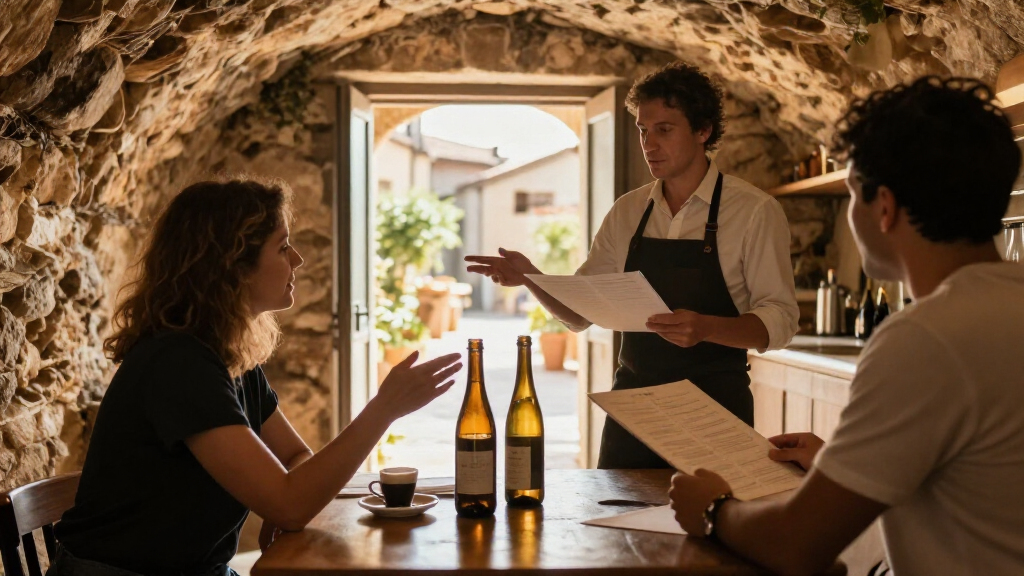
A cave trattoria is a restaurant in a space carved into the limestone of the Sassi; the setting does not tell you what kind of food the kitchen serves. You may dine beneath vaulted stone ceilings with regional dishes, broader Italian cooking, or contemporary interpretations. As you would anywhere else, look at the menu for signs of care and local detail.
Scan for Pane di Matera, peperoni cruschi, local legumes, seasonal vegetables, or a named regional dish. Then ask a useful question: “What is seasonal today?” A server who can explain the ingredients and preparation helps you understand whether a dish reflects Basilicata or simply borrows the dramatic surroundings.
For example, you might find a menu listing a vegetable pasta and a lamb dish. Ask which vegetables are in season and whether the pasta sauce uses meat broth; that answer can help both curious eaters and vegetarians choose confidently. Menus and ingredient supply change, so a dish you read about before traveling may not appear every night.
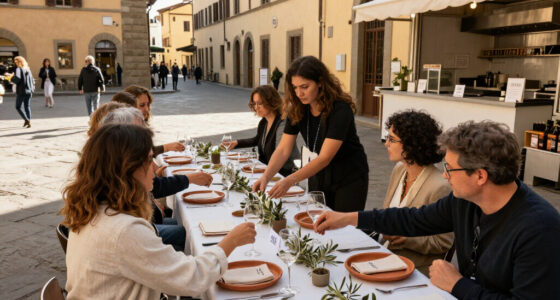
Popular restaurants can fill up at dinner, on weekends, and during busy travel periods, so booking ahead is sensible. Cave spaces may also have steps, uneven floors, or limited accessibility. If step-free access matters to you, contact the restaurant before booking and ask about the route to the dining room, not just the entrance.
Order Lucanian classics that show off local ingredients
Lucanian cooking in Matera makes the most of wheat, vegetables, legumes, sheep and goat products, and preserved ingredients. Look for dishes that name those foods directly instead of relying on a vague “traditional” label. Because recipes differ between kitchens and seasons, ask how the dish is made today.
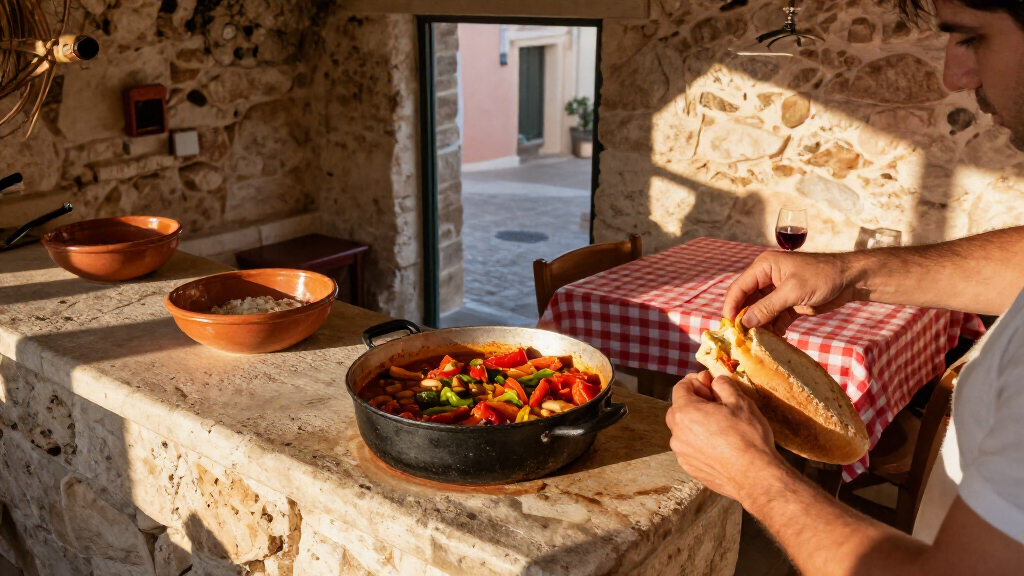
Peperoni cruschi are sweet peppers that are dried and then fried until crisp. Drying concentrates their flavor and preserves a seasonal harvest; frying briefly gives them their characteristic brittle texture. They may arrive as a garnish or alongside pasta and vegetables, where a small amount can bring both sweetness and crunch to an otherwise soft dish. If they top a pasta dish, try a bite with the pepper first, then another with the sauce, so you can taste how the texture changes the whole forkful. Their fragility is part of the appeal, but it also means they can lose their crispness once they sit in sauce.
Crapiata materana is a hearty soup or stew of grains and legumes associated with Matera. Its combination of pantry staples makes a filling meal from ingredients that store well, while the mix of grains and beans gives each kitchen room to shape its own version. The dish is often linked to a seasonal community celebration, so ordering it can connect a meal to local customs as well as local produce. Ask what grains and legumes are in the bowl, and whether it is served as a substantial course or a smaller first course; that helps you plan around its hearty character.
Other possibilities include orecchiette and other pastas with vegetables, legumes, or meat sauces; cialledda with bread and seasonal ingredients; and lamb or other meats shaped by the region’s sheep and goat farming. Local sheep’s-milk cheeses and cured meats may appear too, though offerings depend on the maker and season. These dishes reflect a table built around what can be grown, raised, preserved, and made into a satisfying meal, rather than a single signature flavor. Try two courses with different textures—a legume soup followed by a crisp pepper-topped plate, for instance—rather than ordering several dishes that all lean rich and soft.
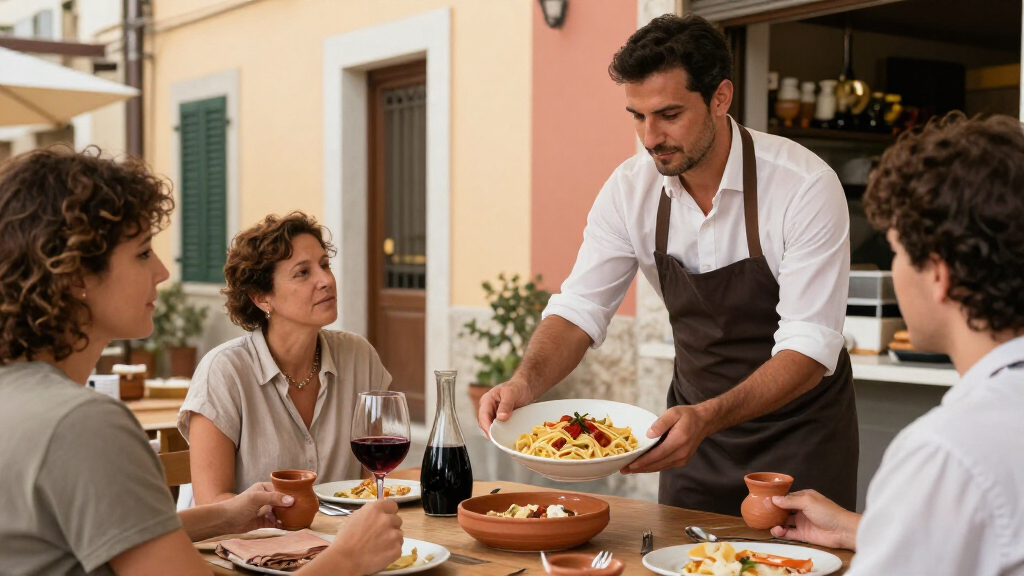
Ask these five questions to find the season on your plate
The fastest way to make a meal feel local is to ask what is in season and where key ingredients come from. Matera’s menus can change with the kitchen, produce, and supply, so an old online menu is a starting point, not a promise. Use a few friendly questions to get a clearer picture without turning dinner into an interview. These questions also help set expectations: a seasonal menu may offer fewer familiar choices, but it can tell you more about the ingredients the kitchen can actually get and wants to cook well.
- What is seasonal today? This can point you toward vegetables or a preparation that fits the moment of your visit.
- Is the bread Pane di Matera? If so, ask whether it is served with the meal or used in a dish such as cialledda.
- How are the peperoni cruschi served? You may find them as a garnish, side, or part of a pasta dish.
- What grains or legumes are in the crapiata? The answer helps you understand the version the kitchen is making.
- Does this dish use broth, cheese, or meat? This matters if you avoid animal products or have an allergy.
Picture arriving on a warm afternoon and finding cialledda on one menu but a bean-based soup on another. Asking what is being made today can help you choose a dish that suits both the weather and your appetite. If a dish is not available, that is useful information too: local food follows ingredients and kitchen practice, not a fixed checklist for visitors. The practical tradeoff is that a dish you hoped to try may be absent, but asking about the day’s alternatives can lead to a fresher or more characteristic meal.
For allergies, name your specific allergen and ask about cross-contact as well as ingredients. Wheat is central to the bread and many pastas, while dairy can appear in cheeses and other preparations; recipes and kitchen practices vary. If you have a serious allergy, confirm details directly with the restaurant before you order.
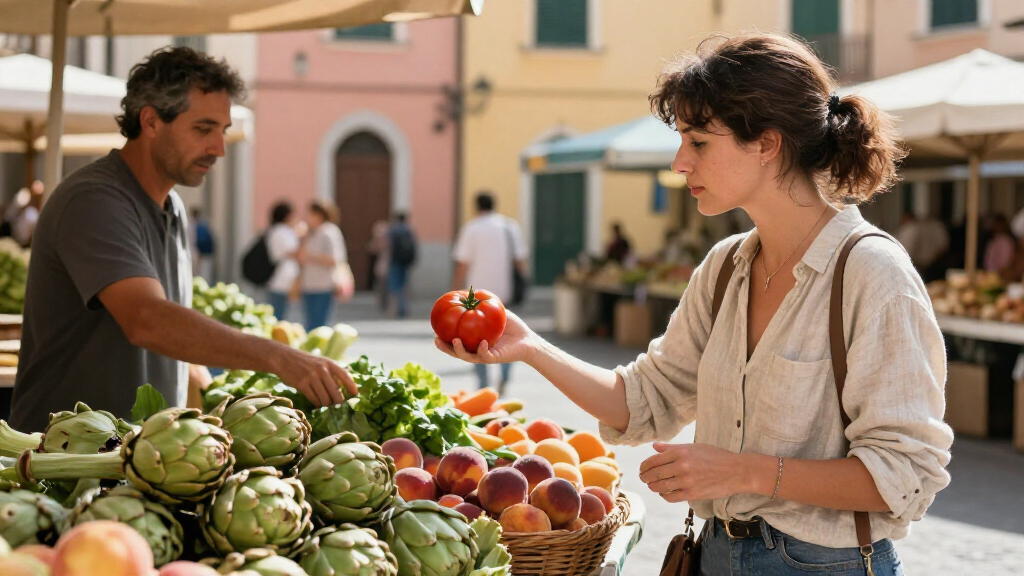
Choose a vegetarian meal with a few careful questions
Matera can offer satisfying vegetarian meals through bread, legumes, pasta, and vegetables, but a dish’s name alone may not tell you how it is prepared. A soup that sounds vegetable-based may use meat broth, and a pasta may include cheese. Ask the staff about the ingredients and cooking liquid before ordering. This matters because the same dish name can describe a filling meat-free meal in one kitchen and a preparation with hidden animal ingredients in another.
Start by looking for crapiata, vegetable pasta, or cialledda, then ask whether the kitchen can confirm a meat-free preparation. Peperoni cruschi can add plenty of flavor and crunch to vegetables or pasta, though you should still check what accompanies them. Bread can make a simple plate more filling; ask whether it is Pane di Matera and what else comes with it. A legume dish may be the most substantial option, while a bread-and-vegetable plate can be lighter; knowing the ingredients helps you choose a meal that suits your appetite as well as your diet.
For example, if you are sharing lunch with someone who eats meat, you could order a vegetable-and-legume dish and a lamb course, then ask whether they can serve separate plates or adapt a pasta. That makes the meal easier to share without assuming a regional dish is automatically vegetarian. Some recipes change from household to household, and a restaurant’s version may include ingredients that are not obvious on the menu.
If you follow a vegan diet, make that clear: cheese, butter, and other animal products may appear even in dishes centered on vegetables or bread. If you have an allergy, mention it directly and ask about cross-contact. The most helpful approach is specific and simple—explain what you avoid, then ask what the kitchen can safely prepare.
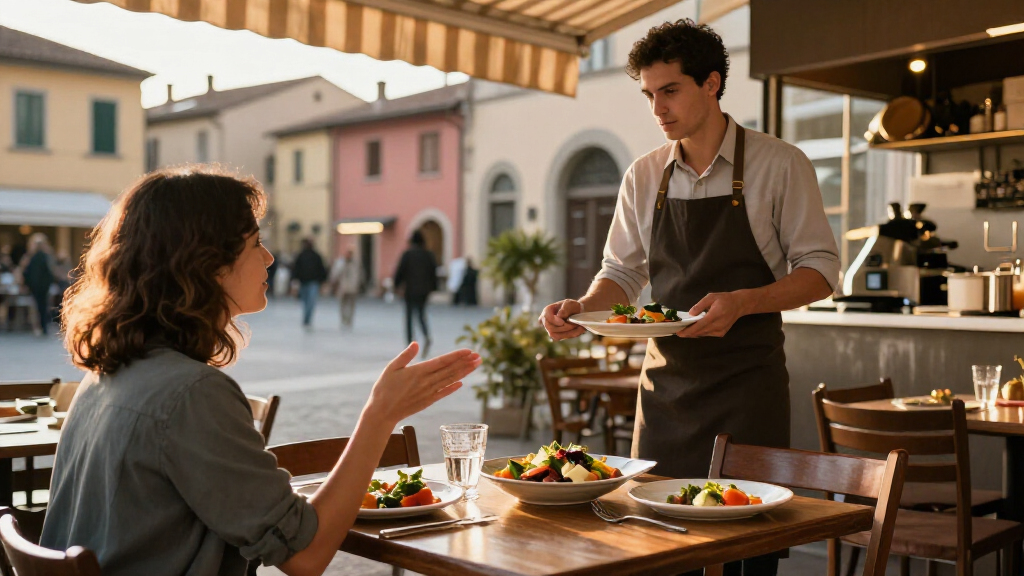
Pair a long meal with wine from Basilicata
A wine list can show you more of Basilicata than Matera alone. One prominent regional red is Aglianico del Vulture, from northern Basilicata. You may also find wines connected to Matera and its surrounding area, offering another way to explore the region’s different food and wine traditions.
Ask the server which local wine suits your meal rather than choosing by prestige or price. A glass of red may work with a lamb dish, while a lighter option could make more sense with a vegetable plate; the kitchen or staff can guide you based on the actual preparation. Pairing depends on the sauce, seasoning, and your own taste, so treat the suggestion as a starting point.
For a practical dinner, you could share a bottle with a meal and ask how much to pour alongside each course. Wine is for adults of legal drinking age, and you should drink responsibly. If you are driving, choose a nonalcoholic option and enjoy the meal without wine; the bread, peppers, and regional dishes carry plenty of flavor on their own.
Keep your expectations flexible. A restaurant may feature a particular producer one season and another the next, and availability can change. Ask what is currently on the list and where it comes from. That small conversation can turn a familiar glass of red into a useful map of northern Basilicata, Matera, and the countryside between them.
Frequently Asked Questions
What food is Matera best known for?
Pane di Matera is the city’s best-known food product. You will also see peperoni cruschi, crapiata, and bread-based cialledda associated with Matera and the wider Lucanian table.
What is Pane di Matera made from?
It is made chiefly with durum wheat and traditionally uses sourdough. Its European Union PGI name is tied to production rules and the Matera area; ask a bakery about its particular loaf and the best way to store it.
Are cave restaurants in Matera always traditional?
No. A cave describes the restaurant’s limestone setting, not its menu. Some places serve Lucanian dishes, while others offer broader Italian cooking or contemporary interpretations, so look for named regional ingredients and ask what is seasonal.
What should I order at a cave trattoria?
Look for Pane di Matera, peperoni cruschi, local legumes, seasonal vegetables, crapiata, or regional pasta and meat dishes. Ask how the kitchen prepares a dish and what is available during your visit, since menus and recipes vary.
Can I eat vegetarian food in Matera?
Often, yes: bread, legumes, pasta, and vegetables give you options. Check whether soups use meat broth and whether pasta or vegetables contain cheese, and explain any allergy or dietary restriction clearly to the staff.
Should I book a restaurant in Matera?
Booking ahead is a good idea for popular restaurants, weekends, and busy travel periods, especially for dinner. Opening days and hours can change, so contact the restaurant directly and ask about accessibility if you need step-free access.
Conclusion
Start your Matera food day with a slice of Pane di Matera, then let the season guide the rest: ask about crapiata, cialledda, peperoni cruschi, and the ingredients behind the menu. A cave room may frame the meal, but the wheat, legumes, vegetables, and regional cooking tell you where you are.
Choose one dish you have never tried, ask how the kitchen makes it, and take that question with you to the next table. You may remember the limestone glow, but the crisp crack of a pepper or bread crust will bring Matera back just as vividly.