
TL;DR
Cirò is a DOC appellation on Calabria’s Ionian coast, best known for red wine based on Gaglioppo, a native Calabrian grape. Expect sour cherry, red plum, herbal or earthy notes, and firm tannins; body ranges from medium and lively to more structured, making it a natural partner for grilled meat, tomato-rich food, and aged cheese.
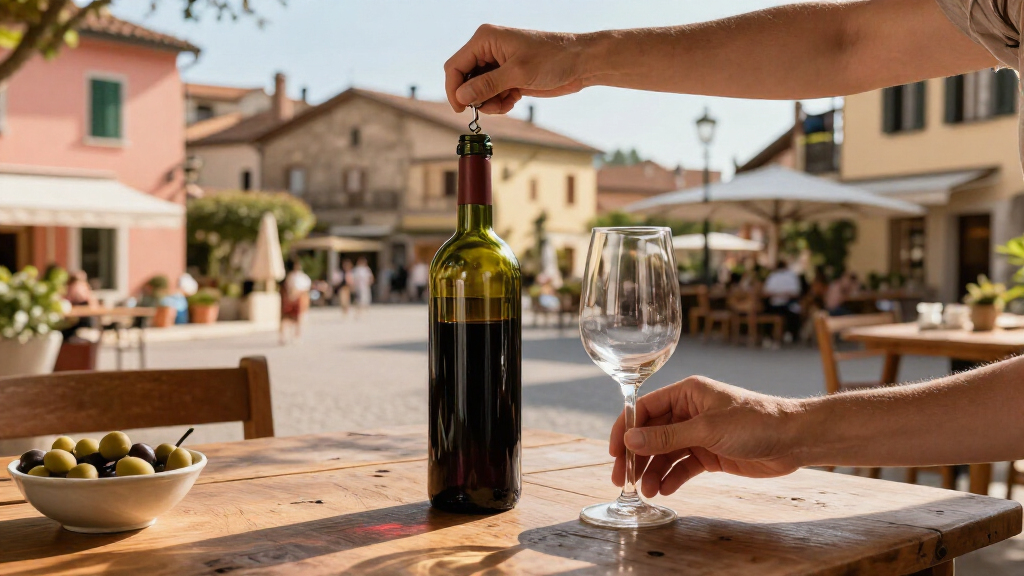
A dark-skinned grape can make a red wine that feels bright, herbal, and surprisingly nimble. That contrast is part of the pleasure of Cirò Rosso, Calabria’s best-known red, made chiefly from Gaglioppo on hills above the Ionian Sea.

Get kitchen staples and gadgets delivered free with Prime
- Fast, free delivery on millions of items
- Prime Video, Amazon Music and more included
- Member-only deals all year
If you know plush reds from southern Italy, Cirò may take you in a different direction: sour cherry and dried herbs, with tannins that ask for food. This guide shows you what the wine is, how to read its style, what to cook alongside it, and where the place fits on a map of Calabria.
Think of the bottle as a small piece of the coast: warm sunshine in the fruit, a savory edge at the table, and enough structure to make a plate of grilled sausage taste even better. You’ll leave with a practical way to choose and serve it.
Cirò is a specific DOC appellation on Calabria’s Ionian coast; Calabria names the broader region.
Cirò Rosso is based on Gaglioppo, which often tastes of sour cherry, red plum, dried herbs, and firm tannin.
A dark grape does not guarantee a heavy wine: Cirò can be medium-bodied and lively.
Pair fresher Cirò with tomato pasta and grilled vegetables; choose structured examples for lamb, sausage, and aged cheese.
Serve red Cirò around 60–65°F (16–18°C), and use producer guidance for aging.
Calabria’s classic red wine explained
Cirò is a coastal appellation best known for Gaglioppo-based red wine: bright red fruit, savory herbs, and firm tannins.
Know the place and grape
Calabria is the region; Cirò is a specific DOC on its Ionian coast.
Cirò DOC
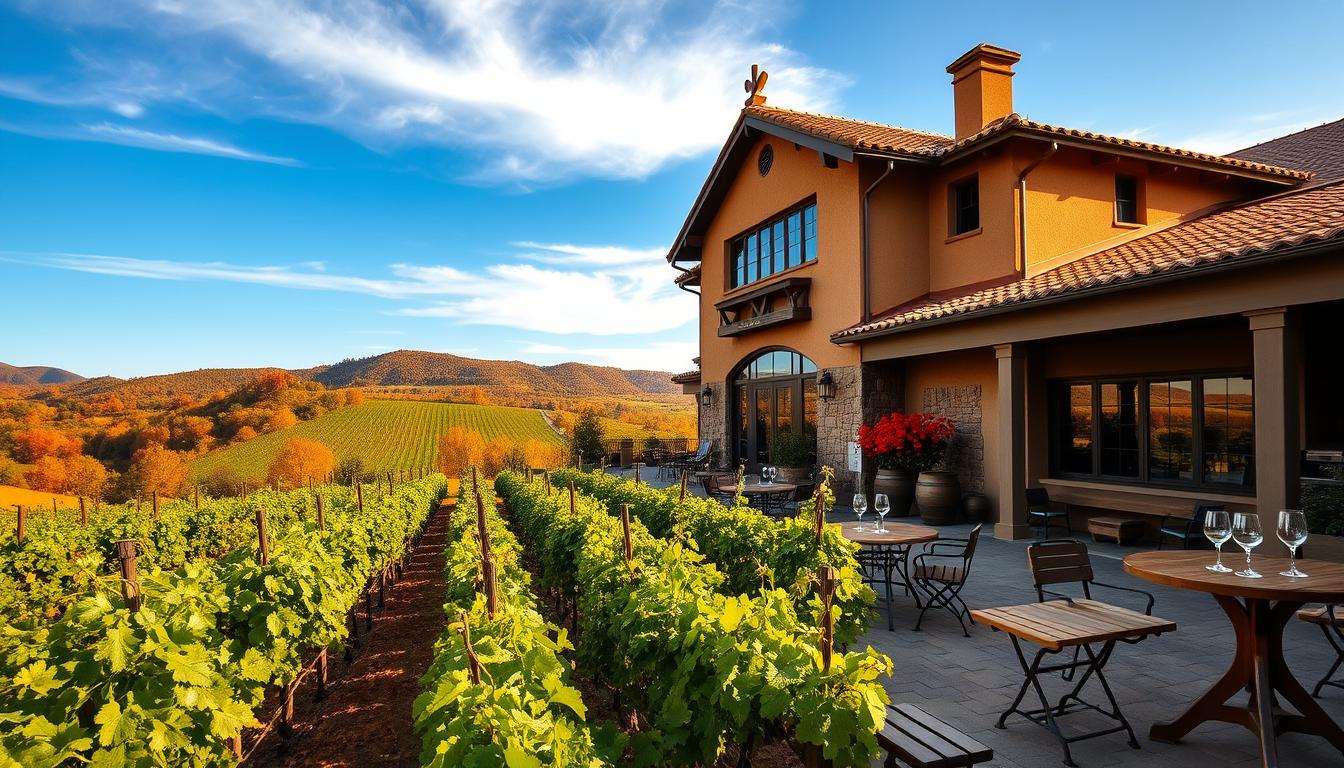
Rolling hills near the Ionian Sea shape the setting for this distinctive appellation.
Gaglioppo
An old native Calabrian variety and the principal grape behind Cirò Rosso.
What to expect in the glass
Deeply colored grapes can make a red that feels lively and savory rather than heavy.
Choose a style for the meal
Producer and vintage shape the wine; use its body and tannin as a guide.
| Style | In the glass | Try it with |
|---|---|---|
| Fresh and fruit-forward | Red cherry, lively acidity | Tomato pasta, grilled vegetables |
| Medium-bodied and savory | Plum, dried herbs, firmer finish | Sausage, roast chicken, aged cheese |
| More structured | Denser fruit, pronounced tannin | Lamb, slow-cooked meat |
Serve it thoughtfully
A little care can keep the fruit vivid and make the tannins work with the food.
Pair fresher Cirò with tomato-rich dishes; choose a structured bottle for lamb, sausage, or roast meat.
Aim for 60–65°F (16–18°C) to keep the fruit lively without muting the aromas.
Approachable bottles can be enjoyed young; more structured selections may benefit from time.
What Cirò Rosso tastes like in your glass
Cirò Rosso is a red wine from Calabria’s Cirò DOC, best known for its Gaglioppo-based style: red fruit, savory herbs, and a firm line of tannin. In a glass, you may find sour cherry, red plum, dried oregano, spice, and an earthy finish. The wine often feels more energetic than heavy.
That profile can surprise you if you expect a deep, inky color to mean a broad, soft wine. Gaglioppo berries can be richly colored, yet the resulting wine may show tart fruit and a leaner frame. Picture a bowl of ripe cherries set beside a sprig of wild thyme: fruit comes first, then a savory note hangs around. The gap between color and weight matters when you choose a bottle: it signals that richness on the plate may come more from seasoning, char, or protein than from a dense wine. A bright, tannic red can therefore refresh a meal instead of matching it by sheer heaviness.
Body varies by producer, vineyard, harvest, and cellar choices. One bottle may be medium-bodied and easy to drink with pizza or sausage; another may feel denser, more tannic, and built for a slow meal. If you are buying without a familiar producer, ask a wine shop for a younger, fruit-forward Cirò if you want immediate freshness, or a more structured example for a roast. The tradeoff is that a lighter style is easier to enjoy on its own but may fade beside rich meat, while firmer tannin can stand up to a roast yet feel austere without food.
Serve it slightly cool rather than warm, around 60–65°F (16–18°C). Cooler service keeps the fruit vivid and the alcohol less prominent; too cold, though, can make tannin seem harder and mute the aroma. If the wine feels tight, give it time in a decanter or open it while you cook. A quick taste after twenty minutes beside a plate of pecorino will tell you whether its tannins have softened.

Products Worth Considering

Dyson V15 Detect Cordless Vacuum

Philips Hue Play HDMI Sync Box 8K

Bose TV Speaker Compact Soundbar with Bluetooth and HDMI-ARC, Black
As an affiliate, we earn on qualifying purchases.
How Gaglioppo gives Cirò its Calabrian character
Gaglioppo is an old native grape of Calabria and the principal variety behind Cirò Rosso. Its name is closely tied to the countryside around Cirò Marina, where generations have grown vines in the province of Crotone. The region’s identity comes through as a meeting of ripe fruit and savory detail. For a drinker, the grape name is useful because it points toward a particular balance: red fruit and noticeable structure, rather than the soft, dark-fruited profile some people expect from a warm southern climate.
The vineyards sit on rolling hills near the Ionian Sea. Mediterranean sunshine helps grapes ripen, while coastal influence and varied soils shape the growing conditions. You do not need to reduce that landscape to a single flavor: a glass can suggest sun-warmed red fruit, while its acidity and herbal edge keep the wine from feeling flat. That balance also helps explain why Cirò can work with food in more than one way: acidity cuts through tomato and fat, while tannin finds a partner in protein. Neither feature guarantees the same result in every bottle, since harvest and winemaking choices affect ripeness and firmness.
Gaglioppo’s exact origins and historical relationships with other grapes are not always described consistently, so treat sweeping origin stories with care. What you can taste and verify is more useful: it is strongly associated with Calabria, and its red-fruited, tannic style gives Cirò a recognizable profile. This distinction matters when comparing bottles: regional reputation gives you a starting expectation, but producer and vintage tell you more about how ripe, firm, or approachable a particular wine will be.
For a real-world comparison, try Cirò beside a familiar Sangiovese. Both can bring lively acidity and savory notes, but Cirò’s Gaglioppo character often leans toward sour cherry, dried herbs, and a rustic edge. The comparison helps set expectations, not rank the grapes: Sangiovese may feel more familiar, while Cirò offers a different expression of acidity and tannin shaped by Calabria. That makes it a rewarding choice when you want to explore a native grape rather than reach for another bottle from one of Italy’s more widely known wine regions.
Choose a Cirò style that fits your meal
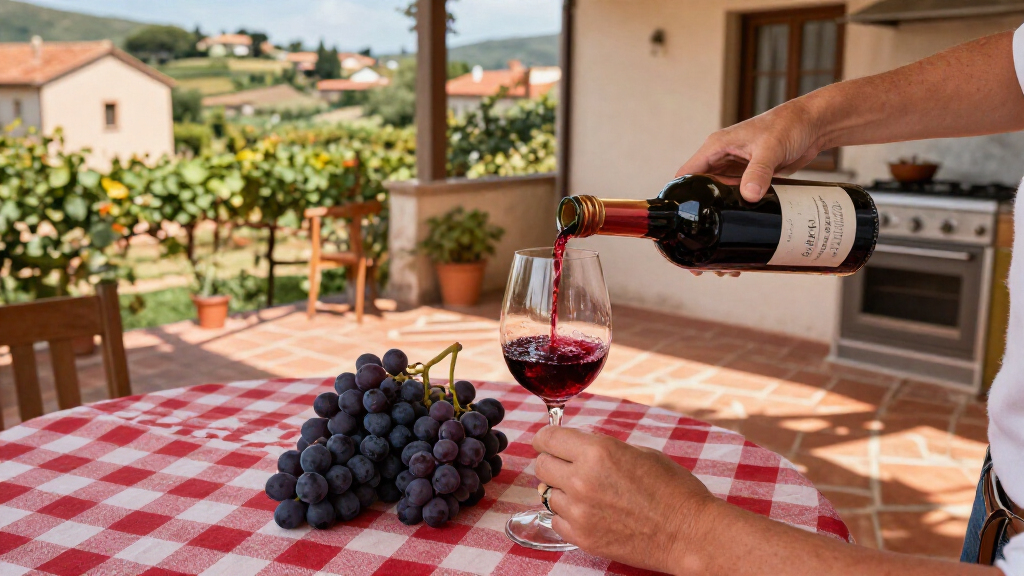
Cirò Rosso ranges from approachable and fruit-forward to concentrated and structured, so the best bottle depends on what you are eating and when you plan to drink it. Production choices and vintage conditions affect how ripe, firm, and full a wine feels. Use the table as a starting point, then let the producer’s notes guide you. The practical choice is a balance: lighter wines preserve freshness with delicate or acidic dishes, while more structured wines have enough grip to remain present beside richer food.
| Style you may find | What it can feel like | Try it with |
|---|---|---|
| Fresh and fruit-forward | Red cherry, lively acidity, moderate tannin | Pizza, grilled vegetables, tomato pasta |
| Medium-bodied and savory | Plum, dried herbs, a firmer finish | Sausage, roast chicken, aged cheese |
| More structured | Denser fruit, pronounced tannin, longer finish | Lamb, slow-cooked meat, rich braises |
Imagine you are opening a bottle for a weeknight tomato sauce. A fresher Cirò can match the sauce’s acidity and still leave room for the herbs. For a Sunday lamb roast, a more structured bottle can meet the meat’s savory depth without disappearing. This is a useful rule of thumb, not a strict ranking: a very tart sauce can make an already sharp wine seem lean, and a heavily tannic bottle can overpower a mild roast. Adjust the match to the whole plate, including its fat, seasoning, and cooking method.
Some bottles may be labeled with a more specific designation or carry producer guidance about aging. Appellation rules and permitted blends can be precise, so check the label or ask a knowledgeable retailer if exact composition matters to you. A wine described as “Cirò Rosso” gives you the appellation and style cue; it does not tell the whole story of the producer’s choices. For everyday buying, the producer’s description and a clear account of whether the wine is fresh or structured may help more than trying to infer texture from the appellation alone.
Pair Cirò with Calabrian food and your own kitchen
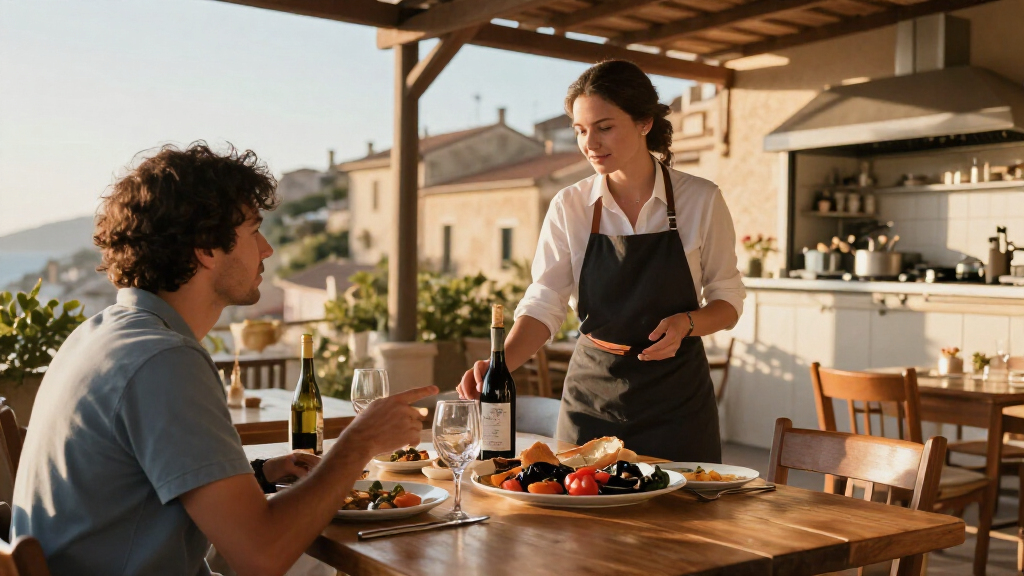
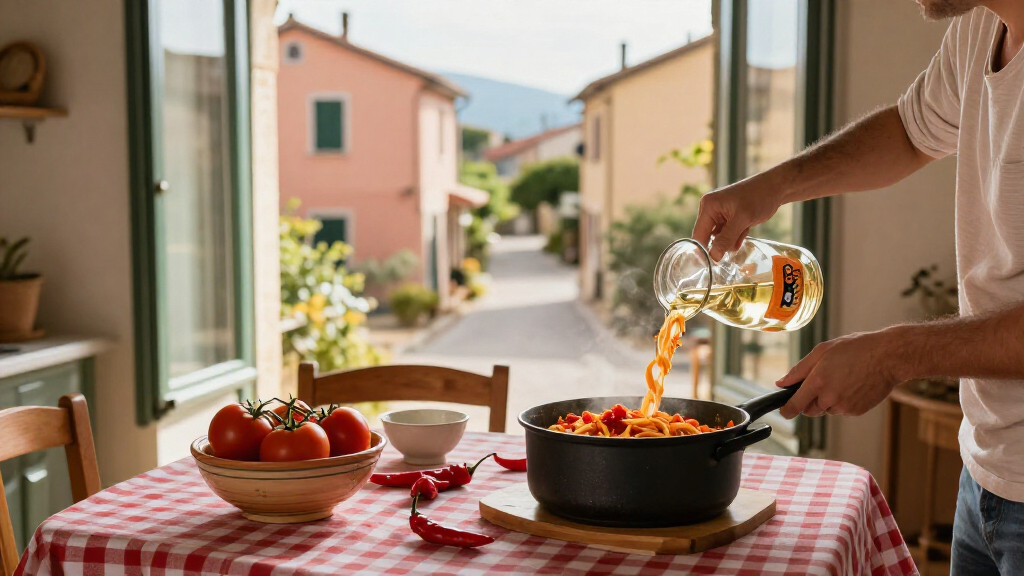
Cirò’s acidity and tannin make it a natural partner for grilled or roasted meat, tomato-based dishes, and aged cheeses. The wine’s tart red fruit refreshes the palate, while its savory edge meets char, herbs, and spice. A dish does not need to be elaborate: grilled sausage with roasted peppers is an excellent place to start. Acidity is especially useful when a dish has tomato or fat, because it keeps each bite from feeling heavy; tannin, meanwhile, can seem drying until protein and richness give it something to balance against.
For a Calabrian-inspired dinner, serve it with ’nduja, a spreadable spicy pork sausage from the region, alongside bread and a tomato-rich pasta. The chili heat can make tannins feel firmer, so choose a fruitier, less austere Cirò if the dish is especially spicy. For a milder table, roasted lamb or pork gives a more structured bottle the protein and richness it wants. There is a real tradeoff here: pairing a very tannic wine with intense chili can stack two strong sensations, while a softer, fruit-forward example lets the food’s heat remain enjoyable.
Try this simple sequence when you are planning dinner:
- Match the wine’s weight to the plate. Choose a fresher bottle for tomato pasta or vegetables and a more structured one for lamb or a slow-cooked roast. The goal is for neither the food nor wine to erase the other.
- Check the seasoning. Herbs, char, and moderate chili echo Cirò’s savory character; very hot food can amplify tannin. If heat is central to the dish, favor fruit and freshness over extra structure.
- Serve at 60–65°F (16–18°C). If the bottle sat at room temperature, chill it briefly before pouring. This keeps the wine lively while avoiding the muted aromas and harder texture that can come from serving it too cold.
- Take a second sip with food. Notice whether the acidity lifts the dish and whether the tannins feel smoother beside protein or cheese. If they still dominate, a different style may suit that recipe better.
Wine contains alcohol, so enjoy it as an adult and drink responsibly. If you have leftovers, seal the bottle and refrigerate it; most reds show best within a few days, and a brief return to serving temperature helps before the next pour.
Read the label and plan a visit to Cirò’s coast
Cirò is a specific appellation within Calabria, not another name for the whole region. The Cirò DOC covers red, white, and rosato wines; the red is based on Gaglioppo, while Cirò Bianco is associated with Greco Bianco. That distinction helps you understand the bottle before you open it. It also prevents a common buying mistake: seeing “Calabria” and assuming that every regional red will have Cirò’s grape and style.
Look for Cirò DOC on the label if you want wine tied to the appellation. The name tells you more than “Calabrian red,” but it does not promise one exact flavor or level of body. A quick conversation with a shop clerk can narrow the choice: mention whether you want cherry-forward freshness for pasta or a firmer wine for roast meat. This is more useful than asking for “the best” bottle in the abstract, because the right choice depends on the food and whether you plan to drink it now or keep it.
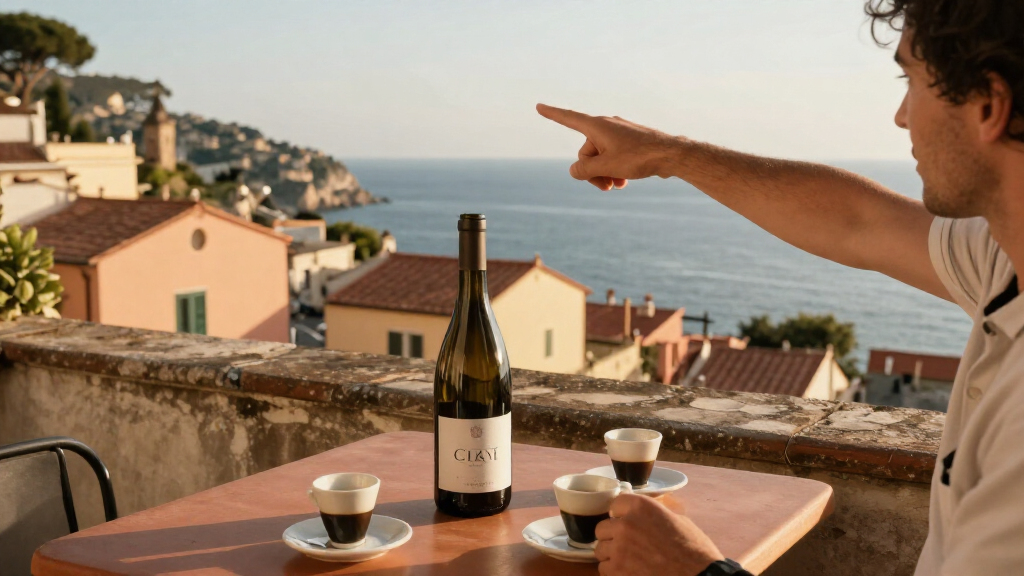
If you travel in Calabria, use Cirò Marina as a practical starting point for exploring the wine’s home area on the Ionian coast. Hills inland from the sea offer a different feel from a beach day, and a meal with local wine gives you a direct way to connect landscape and table. Plan a winery visit with the producer in advance rather than assuming tasting rooms take walk-ins. The visit can make the label’s place names tangible, but calling ahead also lets a small producer plan for guests and confirm what is available to taste.
There is a useful seasonal rhythm to the trip. In warmer months, a chilled rosato can suit a seaside lunch; in cooler weather, a structured red alongside roasted meat feels at home. If a bottle catches your attention, note the producer and vintage, then ask how they recommend serving or cellaring it. Local advice can make the label feel less like a puzzle and more like a map, while giving you the context to understand why one Cirò feels fresher or firmer than another.
Decide whether to drink Cirò now or give it time
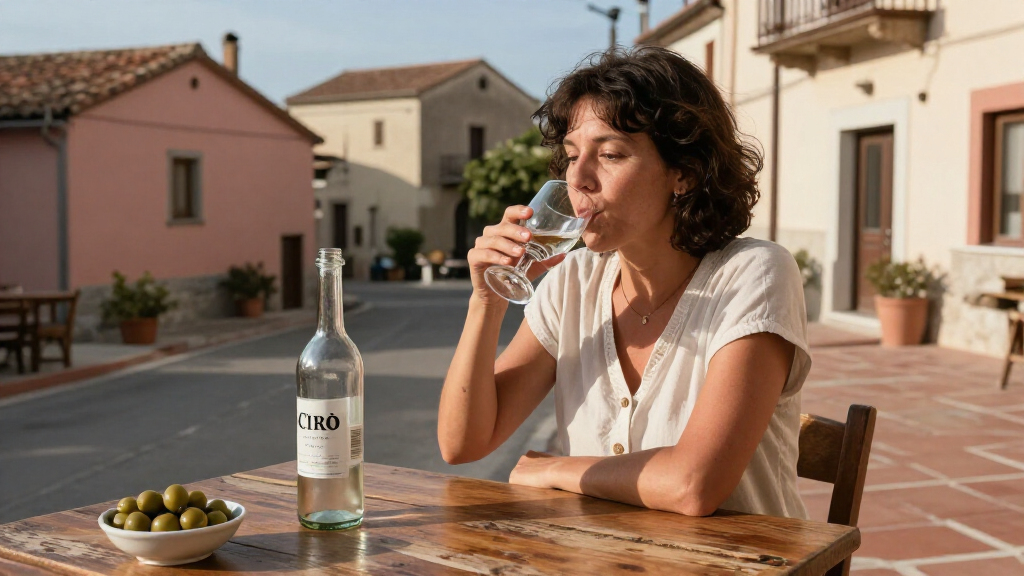
Many approachable Cirò bottlings are enjoyable young, while more structured selections may benefit from time; the producer’s guidance is your best clue. Young wine can show bright cherry and a sharper herbal edge, with tannins that feel firm. With food and a little air, that firmness may settle into the meal rather than dominate it. Aging can soften tannin and let flavors shift, but it also costs time and depends on sound storage; not every bottle has enough structure to reward waiting.
Think of tannin as the grip of strong tea: it can feel drying by itself, then make sense beside fat and protein. If a young Cirò tastes stern on its own, try it with grilled lamb, sausage, or a hard cheese before deciding the wine is too severe. A short decant can also soften the first impression, though it cannot turn every bottle into a mellow, mature red. Air helps expose what is already in the wine; it does not add concentration or guarantee that rough edges will disappear.
Cellaring depends on the specific wine, vintage, and storage conditions. Keep a bottle you intend to age in a cool, dark place with a steady temperature and minimal vibration; avoid a sunny kitchen shelf that heats up each afternoon. If the label offers no aging advice, ask the retailer or producer rather than guessing from the grape name alone. Poor storage can undo the benefit of waiting, so a modest cellar plan matters more than the general reputation of the grape.
For a simple test, buy two bottles of the same wine if your budget allows. Open one with dinner now and save the other under good storage conditions for a later meal. You will learn more about that producer’s style than a broad rule about all Cirò could teach you. If you only have one bottle, enjoy it when it suits your meal: the possibility of aging is a choice, not a requirement for appreciating the wine.
Use these takeaways to buy and serve your first bottle
Cirò makes a strong first choice when you want a Calabrian red with personality and food-friendly structure. Remember the core profile: Gaglioppo brings sour cherry, red plum, herbs, and tannin, while the appellation’s coastal setting gives the wine a clear regional identity. A bottle can be medium-bodied rather than heavy, even when its color looks deep. That difference is useful in practice: you can choose Cirò for its savory energy and ability to meet food, rather than expecting it to imitate a plush, full-bodied red.
- For a first taste: ask for a fresh, fruit-forward Cirò Rosso and serve it with tomato pasta or grilled sausage. Freshness makes the grape’s red-fruit character easy to notice.
- For a richer meal: choose a more structured bottle for lamb, roasted pork, or aged cheese. Protein and fat help the firmer tannins feel integrated.
- For label clarity: remember that Calabria is the region, Cirò is the appellation, and Cirò Bianco is associated with Greco Bianco. That distinction sets a useful expectation before you buy.
- For better balance: serve the red slightly cool and taste it with food before judging its tannin. Temperature and food can change how firm the same wine seems.
These choices matter because Cirò is not a generic southern Italian red. It is a place-specific wine built around a native grape, and its savory character rewards the right setting. At a crowded dinner table, a bottle can pull attention toward the food’s herbs, char, and ripe tomato without asking to be the loudest thing in the room. Its role is often to make familiar dishes more vivid, not to dominate them.
One easy plan: bring a medium-bodied Cirò to a weekend dinner, set it beside roasted sausage and peppers, and pour the first glass just below room temperature. That small pairing will tell you more about Gaglioppo than tasting it alone ever could, because the food reveals whether the wine’s acidity refreshes and its tannins settle into the meal.
Frequently Asked Questions
What is Cirò wine?
Cirò is a DOC appellation in Calabria, on the Ionian coast of southern Italy. It is best known for red wine based on the native grape Gaglioppo, though the DOC also includes white and rosato wines.
Is Cirò made from Gaglioppo?
Cirò Rosso is based on Gaglioppo. Exact permitted proportions depend on the applicable DOC rules, so check current appellation specifications if you need precise blend details.
What does Gaglioppo taste like?
Gaglioppo-based reds commonly show sour cherry, red plum, dried herbs, spice, and earthy notes. Tannin can feel firm, especially in a young bottle, while body varies with producer and vintage.
Is Cirò a heavy wine?
Not always. Some Cirò is medium-bodied and fruit-forward, while more concentrated examples feel fuller and more structured. Ask for a lighter, fresher style for tomato pasta or a firmer bottle for lamb.
What food goes well with Cirò Rosso?
Try grilled or roasted meat, sausage, lamb, tomato-rich pasta, and aged cheese. If the food is very spicy, choose a fruitier Cirò because chili can make tannin feel more pronounced.
Should I age Cirò?
Many approachable bottlings are enjoyable young, and more structured selections may benefit from time. Follow the producer’s advice and store bottles intended for aging in a cool, dark place.
Conclusion
Remember Cirò as a coastal Calabrian red with Gaglioppo’s tart fruit, herbs, and firm tannins, not simply as a heavy southern wine. Choose a fresher bottle for tomato pasta or a more structured one for roast meat, then serve it slightly cool.
Pour a glass beside grilled sausage or lamb and let the Ionian coast meet your dinner table: cherry, thyme, and a little grip, all in one sip.