TL;DR
Trentodoc is traditional-method sparkling wine from Trentino, in northern Italy, made mainly with Chardonnay and Pinot Nero. Its bottle-fermented bubbles and range of styles make it a flexible holiday-table choice: try Brut with fried snacks or seafood, rosé with roast poultry, and a more mature bottle with mushrooms or aged cheese. Check the dosage, blend, and ageing details on the label, then serve it chilled in a tulip-shaped glass.
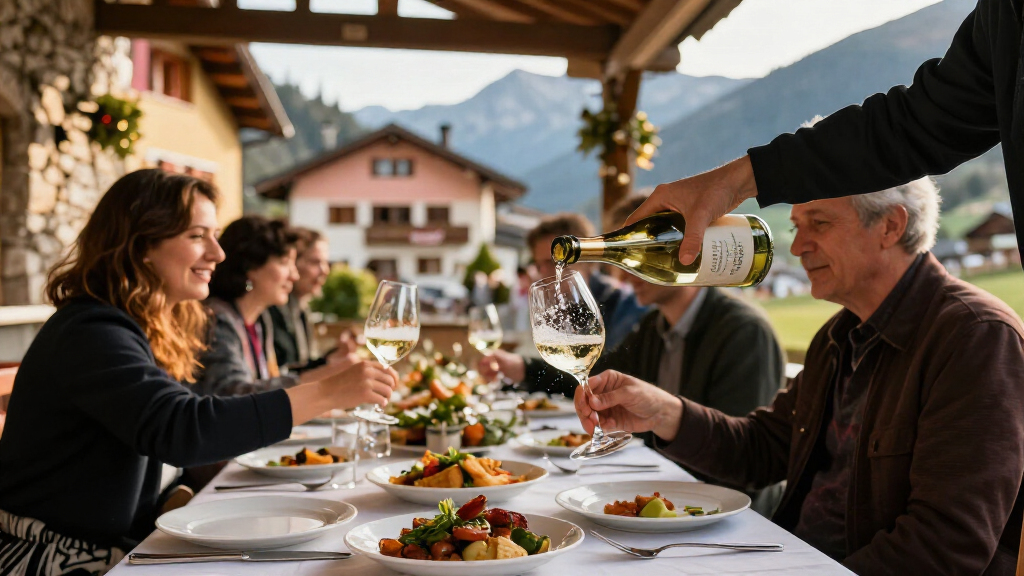
A tray of crisp, golden fried bites can make a glass of sparkling wine taste even brighter. At a holiday table, Trentodoc can do more than start the evening: its range of styles can accompany seafood, roast poultry, and aged cheese, too.

Get kitchen staples and gadgets delivered free with Prime
- Fast, free delivery on millions of items
- Prime Video, Amazon Music and more included
- Member-only deals all year
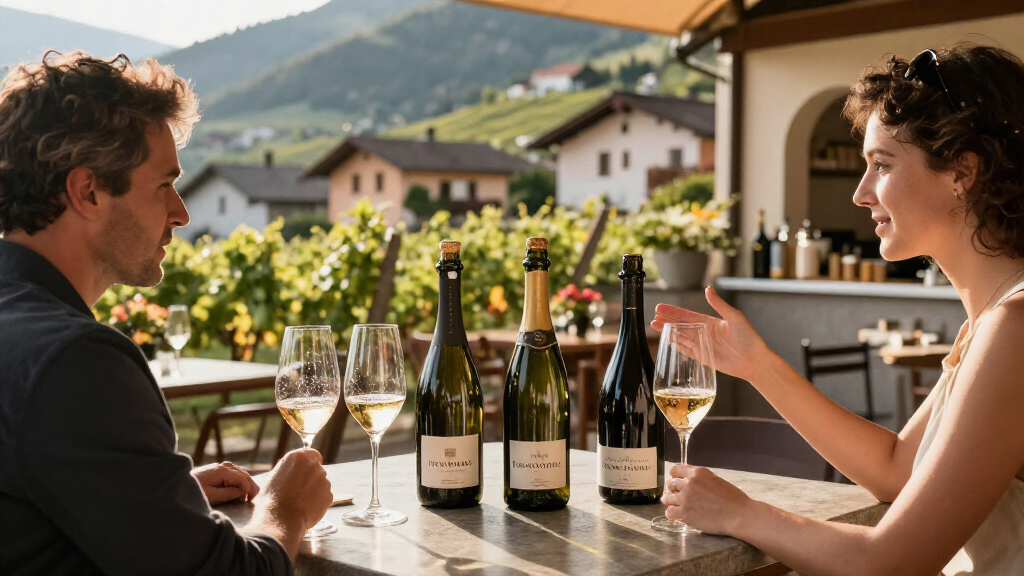
Trentodoc comes from Trentino, in northern Italy, where vineyards sit among Alpine slopes and changing day-to-night temperatures. The name joins Trento with DOC, the Italian designation of controlled origin. In this guide, you’ll learn how the wine is made, what to look for on the label, and how to match a bottle to the food you’re serving.
Think of these pairings as useful starting points, not rules. A lean, dry Brut and a richer, longer-aged bottle won’t behave the same way beside the same dish. If you’re planning a holiday meal, a little attention to dosage, grape blend, and serving temperature will help you choose with confidence.
Trentodoc comes from Trentino, in northern Italy, and its name combines Trento with DOC, Italy’s designation of controlled origin.
Its bubbles form during a second fermentation in the bottle; ageing on the lees can add texture and bread-crust, brioche, or nut aromas.
Chardonnay and Pinot Nero are the principal grapes; Pinot Bianco and Meunier may also be used.
Pair Brut with fried bites or seafood, rosé with cured meats or poultry, and a more mature bottle with mushrooms or aged cheese.
Check dosage, producer, blend, vintage status, and any Riserva designation; serve the wine chilled in a tulip glass for a balance of bubbles and aroma.
Mountain bubbles for the holiday table
This traditional-method sparkling wine from Trentino can pair with food across the meal. Choose by style, dosage and ageing.
How it gets its character
After its second fermentation in the bottle, Trentodoc rests on lees, which can add texture and aromas.
The second fermentation develops the wine’s bubbles.
Time on spent yeast cells can bring bread-crust, brioche or nut aromas.
Grape blend and ageing shape each bottle’s character.
Match the bottle to the menu
Use these pairings as starting points; dosage, body and ageing affect the match.
| Style | Holiday foods | Why it can work |
|---|---|---|
| Brut | Fried snacks, seafood, savoury pastries | Bubbles and acidity refresh crisp or briny bites. |
| Rosé | Cured meats, roast poultry, salmon | Its added presence can meet deeper savoury flavours. |
| More mature or Riserva | Mushrooms, richer dishes, aged cheese | Lees-aged texture and developed aromas may suit savoury depth. |
Read the label before you buy
The label offers clues to sweetness and ageing, but each wine varies by producer and blend.
- Check dosage: Brut is dry, while Extra Brut and Pas Dosé indicate progressively lower dosage.
- Look for Chardonnay and Pinot Nero; Pinot Bianco and Meunier may also be used.
- Riserva signals a longer-aged category; check current appellation rules for exact requirements.
What makes Trentodoc a true mountain sparkling wine?
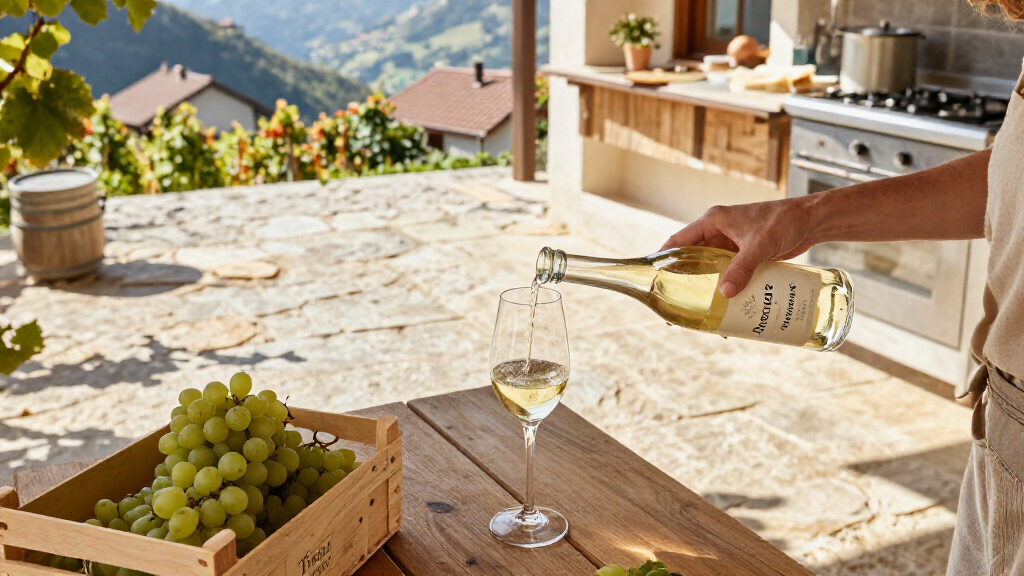
Trentodoc is a traditional-method sparkling wine from Trentino, in northern Italy, made in the Alpine landscape around Trento. The name combines Trento and DOC, Italy’s designation of controlled origin. The mountain setting is part of the wine’s identity, but each bottle reflects its own vineyard, grape blend, producer, and ageing.
Vineyards rise along slopes where the sun can warm the grapes by day and cooler nights slow their ripening. Producers often point to those conditions as influences on freshness and balance. That helps explain the phrase mountain bubbles, a lively description of Trentodoc’s regional character. It isn’t a promise that every bottle tastes alike or that every vineyard sits at the same elevation. Instead, it gives useful context: the landscape shapes growing conditions, while vineyard location, vintage, and producer decisions determine how those conditions show up in the glass.
For your holiday table, that variety is useful. A bright, youthful bottle could wake up the first plate of savory pastries; a more mature one may feel better beside mushrooms and aged cheese. Imagine two bottles from different producers: both carry the appellation name, yet their blends and time on the lees can give them distinct aromas and textures. The appellation narrows the field by telling you where and how the wine is made, but it can’t substitute for choosing a style that fits the food. Freshness can cut through fried or salty dishes; a fuller texture may be more satisfying with richer flavors.
Trentodoc is an established appellation, not a seasonal wine invented for holiday parties. Its appeal comes from the way a defined place and bottle fermentation meet a meal built for sharing. When you shop, use the name as a starting point, then read the rest of the label to find the style that suits your menu.[1]
Products Worth Considering

Bose SoundTouch 30 Wireless Speaker, Black

Arlo Pro Wireless Security Camera, 2K HDR, 6th Gen, 4-Camera Kit

Shark Cordless Anti-Allergen Pet Power Stick Vacuum, Blue, IZ363HT
As an affiliate, we earn on qualifying purchases.
How bottle fermentation gives Trentodoc its fine bubbles
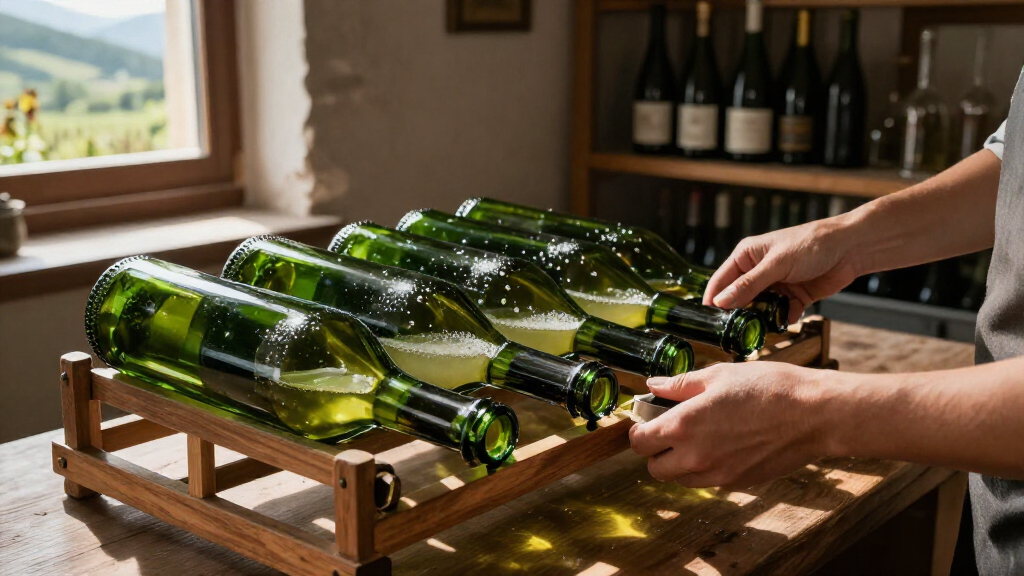
Trentodoc is made by the traditional method, or metodo classico: a second fermentation happens inside the bottle, producing the wine’s bubbles. After fermentation, the wine rests on its lees—the spent yeast cells left behind—which can contribute texture and aromas like bread crust, brioche, or nuts. Lees ageing is one reason traditional-method wines can offer more than freshness and fizz: with time, some develop a broader texture and savory complexity. The length of ageing and the producer’s choices shape the final result, so those aromas are possibilities rather than guarantees.
That process gives you a practical clue when comparing sparkling wines. Trentodoc is made in the bottle-fermentation tradition; Prosecco is generally made by the tank method. The wines also come from different regions and follow different appellation rules. Bottle fermentation and lees ageing can bring a more layered profile, while tank-made sparkling wines often emphasize fresh fruit; neither method alone tells you which bottle you’ll prefer. The distinction doesn’t make one a universal winner: it tells you something about how each wine is made and what styles to expect.
The main grapes in Trentodoc are Chardonnay and Pinot Nero, with Pinot Bianco and Meunier also permitted. The wine may be white or rosé, and Pinot Nero commonly appears in rosé versions. The grape blend helps explain why two traditional-method bottles can feel different even when both have spent time on their lees: grapes contribute their own fruit, structure, and color, while blending and ageing shape how those qualities come together. At a family dinner, a rosé can bring berry-like color and a little extra presence to the table, though its character still depends on producer and blend.
Look at the label before you pour. A Riserva identifies a category with longer ageing requirements than standard Trentodoc; check current appellation rules if you need the exact minimum. More time can give a wine additional texture and developed aromas, but it may also move its character away from the fresh, fruit-forward profile you want with a light starter. Ageing can add savory, rounded notes, but it doesn’t make every bottle taste the same. Your best guide remains the particular wine in your glass.[1]
Which Trentodoc style fits the food on your holiday table?
Match Trentodoc’s dosage, body, and ageing to the dish: a fresh Brut can suit fried snacks and seafood, rosé can meet roast poultry, and a more mature bottle can work with richer food. These are flexible pairings, not fixed laws. The aim is balance: acidity and bubbles can refresh the palate between rich bites, while a wine with more body can hold its own beside food with deeper flavors. A salty bite, a creamy sauce, or a sweet glaze can change what tastes balanced.
| Style or label clue | Holiday foods to try | Why it can work |
|---|---|---|
| Brut | Fried snacks, seafood, savory pastries | Its bubbles and acidity can feel lively beside crisp or briny bites. |
| Rosé | Cured meats, roast poultry, salmon | Its added presence can meet dishes with deeper savory flavors. |
| More mature or Riserva | Mushrooms, richer dishes, aged cheese | Lees-related texture and developed aromas may pair well with savory depth. |
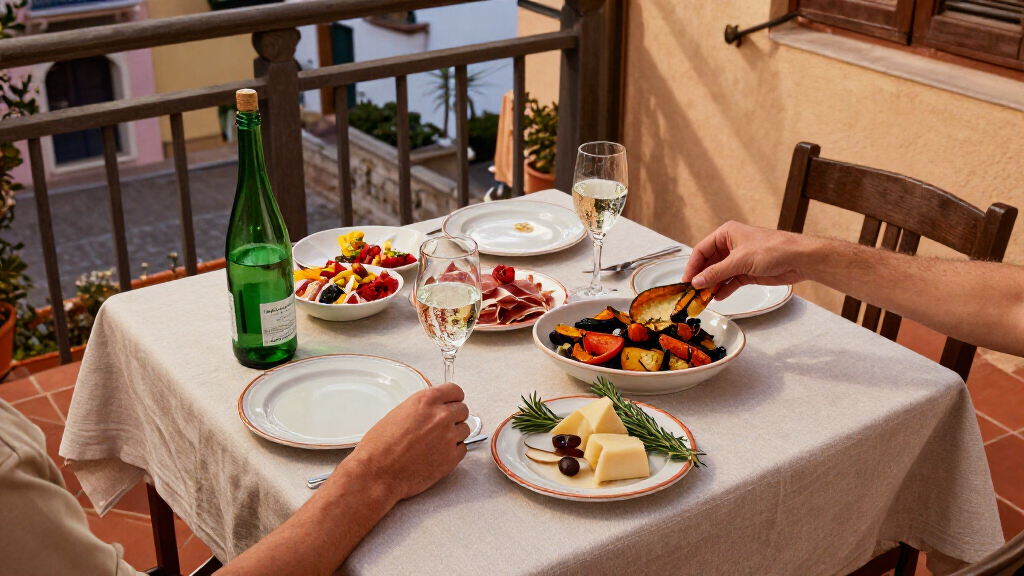
Suppose your first course is fried zucchini and shrimp. A Brut is a sensible place to start: crisp food meets bubbles and freshness, which can clear the palate for another bite. If you’re serving roast chicken with herbs, a rosé may feel more at home because its fruit and fuller impression can connect with the browned, savory flavors. For a board of aged cheese and roasted mushrooms, try a more mature bottle whose texture and savory notes can stand up to the food. If the cheese is mild or the mushrooms are simply prepared, a highly developed wine might overwhelm them; let the intensity of the dish guide how mature a bottle you choose.
The bottle matters as much as the category. Dosage affects sweetness, while grape blend and ageing affect weight and aroma. A very dry wine can sharpen the contrast with sweet glaze, and a light wine may disappear beside a rich cream sauce; a slightly fuller style may feel more balanced in those cases. Taste the wine with a small bite before serving a full pour. That quick check lets you adjust the pairing before the bottle is poured for everyone, and your own menu should guide the final choice.[1]
How to read the label before you bring a bottle home
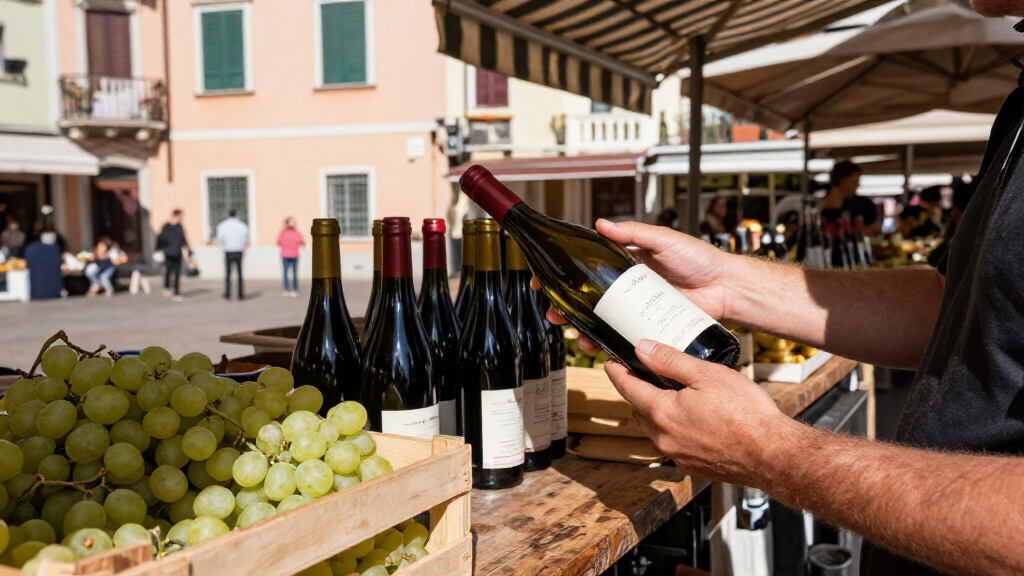
Read the producer, dosage category, grape blend, vintage status, and ageing designation to get a clearer sense of what’s in the bottle. The appellation tells you the wine’s origin and production framework; the other details help you choose a style for your meal. Each clue answers a different question: dosage gives an indication of sweetness, blend offers context for fruit and structure, and ageing designation can hint at development. None is a complete tasting note, but together they make it easier to compare bottles on the shelf instead of treating the appellation or price as a flavor guarantee.
- Check dosage. Brut is dry, but its sweetness can vary with dosage. Extra Brut and Pas Dosé or Dosaggio Zero signal progressively lower dosage; Pas Dosé indicates no added dosage. Lower dosage can keep the finish particularly dry, which may suit salty starters but feel severe beside sweet or heavily glazed food.
- Look for grapes. Chardonnay and Pinot Nero are the principal varieties. Pinot Bianco and Meunier may also be used, and the blend offers context for the wine’s style. It is a clue rather than a shortcut: the producer’s choices and ageing can shift the way those grapes show up.
- Notice the ageing clue. Riserva means a longer-aged category under the appellation rules. Confirm current requirements if a specific number matters to your choice. Longer ageing can bring a more developed texture and aroma, which may complement rich food, but it can cost you some of the youthful freshness you might want with light appetizers.
- Check vintage status and producer. These details help distinguish bottles that share the Trentodoc name. A vintage bottle reflects grapes from a stated year, while a non-vintage blend can combine years to maintain a producer’s house style; neither is automatically better for your meal.
For example, if you’re bringing wine to a dinner where the host is serving oysters and fried appetizers, you might look for Brut or a lower-dosage style. The combination of acidity and bubbles can refresh between bites, though the driest option may be less forgiving if a sauce is sweet. If the menu centers on roast poultry and cheese, a rosé or a more mature bottle may make more sense. Neither choice is automatic; the producer’s style still matters.
When you’re unsure, ask a wine shop to compare two labels against your menu. You might say, “We’re having roast chicken, mushrooms, and aged cheese. Which of these bottles has more time on the lees?” Then ask whether that extra ageing makes the wine richer or more savory, since time alone doesn’t reveal how the finished wine tastes. That gives the conversation a useful focus and helps you choose based on food, not vague promises about mountain character.
Serve Trentodoc chilled, but give it room to show its aromas
Serve Trentodoc well chilled but not icy, and choose a tulip-shaped glass if you want to notice more of its aromas. A narrow flute puts the rising bubbles on display, but its slim opening can limit the wine’s scent. A tulip glass offers more room for aromas while still keeping the bubbles visible. The tradeoff is practical: a wider glass lets the wine’s character come forward, but the wine may warm more quickly, so smaller pours help keep it fresh.
Chill the bottle ahead of dinner, then let the wine warm slightly in the glass. Cold temperatures keep sparkling wine refreshing, but they can mute aroma and make a wine seem more austere. A little warmth can reveal fruit and lees-derived notes; too much can make the wine feel softer and less lively. If a bottle comes straight from an ice bucket and tastes muted, give it a few minutes before deciding it lacks character. The first sip may not tell the whole story.
Set out the glasses before guests sit down, and open the bottle carefully over a clear area. Keep one hand on the cork as you ease it out; a quiet release is easier to manage than a cork that flies across the kitchen. Once poured, serve modest amounts so the wine stays cool and guests can return for another glass. Smaller pours also leave room to notice how the aromas and texture change as the wine warms.
For a practical holiday setup, keep a Brut chilled near the appetizers and bring out a second style with the main course if you want a different pairing. If you’re serving several wines, label the bottles or tell guests what they’re tasting. A quick note—“this rosé is for the roast”—can turn a busy buffet into a more thoughtful meal. Refrigerate leftovers promptly and use a stopper to preserve the wine as best you can.
How Trentodoc differs from Prosecco, Champagne, and Franciacorta
Trentodoc is an Italian sparkling wine from Trentino made by the traditional method; Champagne is a protected French appellation, and Prosecco generally uses the tank method. Franciacorta is another Italian traditional-method sparkling wine, from a different appellation and region. These names describe distinct origins and production frameworks, not a single guaranteed flavor. Knowing the method helps set expectations—bottle fermentation often brings more developed texture, while tank fermentation tends to foreground fresh fruit—but region, grapes, dosage, and producer still shape the bottle you actually taste.
| Wine | Origin | Useful distinction |
|---|---|---|
| Trentodoc | Trentino, Italy | Traditional method; mountain-region identity. |
| Prosecco | Its own Italian appellations | Generally made by the tank method. |
| Champagne | Champagne, France | Protected French appellation; commonly bottle fermented. |
| Franciacorta | Lombardy, Italy | Traditional method, with its own regional rules and producer styles. |
If you’re planning a holiday tasting, pour a Trentodoc and a Prosecco side by side with the same salty appetizer. The different production methods offer one useful point of comparison, while the wines’ origins and styles add more. Keep the food and serving temperature consistent so you can focus on the contrast: one wine may seem fruitier and more direct, the other more textured or developed, depending on the bottles you choose. A tasting like this makes the labels easier to remember than a list of definitions.
Trentodoc and Champagne share bottle fermentation as a broad method, but the wines don’t share an appellation: one comes from Trentino, the other from Champagne. Likewise, neither Trentodoc nor Franciacorta has one uniform taste profile. The comparison is most useful when it narrows your expectations, not when it decides the winner in advance. Compare the specific bottles and their labels, then choose the one that fits your menu and budget.[1]
Frequently Asked Questions
Is Trentodoc the same as Prosecco?
No. Trentodoc comes from Trentino and is made by the traditional method, with its second fermentation in the bottle. Prosecco is generally made by the tank method and follows different regional appellation rules. Their production methods and origins help explain why they’re different choices for a holiday meal.
Is Trentodoc a kind of Champagne?
No. Champagne is a protected appellation from France, while Trentodoc is an Italian appellation from Trentino. Both commonly use bottle fermentation, but their regions, rules, grapes, and producer styles differ.
Which grapes are used in Trentodoc?
Chardonnay and Pinot Nero are the principal grapes. Pinot Bianco and Meunier may also be used. Rosé Trentodoc commonly includes Pinot Nero, but the blend varies by bottle.
Is Trentodoc always dry?
No. Many bottles are Brut or drier, but sweetness depends on the producer’s dosage and the category on the label. Extra Brut and Pas Dosé or Dosaggio Zero point to lower dosage; Pas Dosé means no dosage has been added. Check the label instead of assuming every bottle tastes the same.
What does Riserva mean on a Trentodoc label?
Riserva identifies a longer-aged category under Trentodoc’s appellation rules. Check current rules for the exact minimum ageing requirement, since regulations can change. A Riserva can be a good option with richer holiday dishes, but the particular producer and bottle still shape the wine.
How should I serve Trentodoc?
Serve it well chilled, but not icy, and let it warm slightly in your glass so aromas can open. A tulip-shaped glass is a versatile choice: it shows the bubbles while giving aromas more room than a narrow flute. Keep the cork under control as you open the bottle.
What foods pair well with Trentodoc?
Brut can suit fried foods, seafood, and savory pastries; rosé can pair with cured meats, roast poultry, or salmon; and more mature bottles can work with mushrooms, richer dishes, or aged cheese. The wine’s dosage, body, and ageing matter as much as the dish, so treat these as starting points.
Does mountain-grown mean every Trentodoc vineyard sits at high altitude?
No. Trentodoc is associated with Trentino’s mountain environment, but vineyard elevations and conditions vary. The mountain setting is part of the appellation’s identity, not a guarantee that all grapes grow at one altitude or that every bottle has the same taste.
Conclusion
Choose Trentodoc by the meal in front of you: Brut for crisp, salty starters, rosé for roast poultry, or a more mature bottle for mushrooms and aged cheese. Read the dosage and producer details, then serve it chilled in a glass that lets its aromas rise.
When the last plate is gone and a few bubbles still catch the candlelight, you’ll have tasted a little of Trentino at your own table.