AIThis post was created with the assistance of artificial intelligence (AI).
TL;DR
The Feast of the Seven Fishes is an Italian-American Christmas Eve meal shaped by Italian regional seafood traditions and the Catholic custom of avoiding meat on the vigil. No single origin story, official menu, or required count of seven exists, so you can honor the tradition with the seafood dishes your family enjoys and can prepare safely.
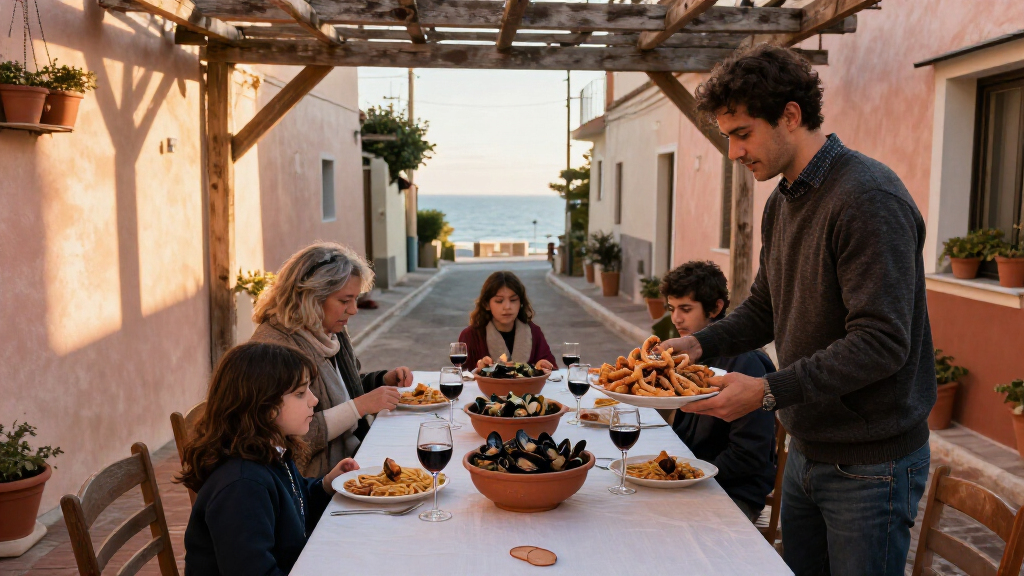
On Christmas Eve, one family might set out seven seafood dishes; another might serve a generous pot of mussels and a single platter of fried fish. Both can call the evening their own version of the Feast of the Seven Fishes. The name sounds like a strict recipe, but the tradition has never had one official menu.
Before you orderOffer from Amazon
Get kitchen staples and gadgets delivered free with Prime
In Italian, Christmas Eve is La Vigilia, the vigil before Christmas Day. For many Catholic families, avoiding meat on the vigil helped shape a seafood-centered meal. Italian immigrants brought regional customs to the United States, where households adapted them to new ingredients, neighborhoods, and family habits. Over time, that varied practice became especially associated with Italian-American Christmas Eve.
Here, you’ll learn what is known about the feast’s origins, why the number seven remains a mystery, and what people actually serve. You’ll also find a practical way to plan a meal that feels connected to tradition without turning Christmas Eve into a kitchen marathon.
At a glance
Feast of the Seven Fishes: Italian-American Origins
Key insight
The Feast of the Seven Fishes is not a standardized Italian custom: families may count seven dishes, seafood varieties, or courses, and many serve more or fewer than seven.
Key takeaways
1
The named Feast of the Seven Fishes is most closely associated with Italian-American Christmas Eve, while Italian Christmas Eve seafood customs vary by region…
2
No settled historical answer explains the number seven, and households count dishes, seafood varieties, or courses in different ways.
3
Baccalà, calamari, shrimp, clams, mussels, fish, and seafood pasta are common choices, but there is no official menu.
4
Build your menu around one meaningful family dish, available seafood, guest needs, and the time and equipment you have.
5
Keep raw seafood at 40°F (4°C) or colder, cook fish to 145°F (63°C), and refrigerate leftovers within two hours.
Step by step
1
Plan a Feast That Fits Your Kitchen and Your Family
You can plan a satisfying Feast of the Seven Fishes by choosing a few dishes you can serve well, then assigning each one a job in the meal.
Food traditions · Briefing
Feast of the Seven Fishes Italian-American origins
A Christmas Eve seafood meal shaped by Italian regional traditions and the Catholic meatless vigil. Its name suggests a rule, but families have never shared one official menu or required count.
A tradition shaped across generations
Italian immigrants adapted regional Christmas Eve customs to new ingredients and family life in the United States.
1
La Vigilia
Christmas Eve is the vigil before Christmas Day; for many Catholic families, meat abstinence helped shape the meal.
2
Regional roots
Families brought varied Italian seafood customs and recipes with them.
3
Italian-American table
Over time, a seafood-rich vigil dinner became especially associated with Italian-American celebrations.
Seven has no settled explanation
Religious meanings are popular interpretations, not confirmed history or a universal rule.
Common interpretations
Seven sacraments
Seven days of Creation
Other biblical groupings
What families do
Count dishes, courses, or seafood types
Serve fewer or more than seven
Keep their own family traditions
A flexible seafood menu
There is no official list. Choose what reflects your family, local seafood, and time to cook.
Salt cod
Baccalà
A family favorite, often soaked before cooking.
Seafood
Calamari and shrimp
Common choices that can be prepared in different ways.
Shellfish
Clams and mussels
Often served on their own or with pasta.
Finfish
Fried or baked fish
Choose what is available and works for your meal.
Plan a meal that fits
A few meaningful dishes can make a generous gathering without turning Christmas Eve into a kitchen marathon.
Start with one dish tied to family history.
Ask what seafood is fresh and available locally.
Consider guests’ needs, your time, and kitchen equipment.
Keep raw seafood at 40°F (4°C) or colder; cook fish to 145°F (63°C).
Refrigerate leftovers within two hours.
Key pointThe feast’s meaning lives in family and regional traditions, not in reaching an exact count of seven.
The takeaway
Serve seafood your family enjoys and can prepare safely; your version belongs at the Christmas Eve table.
The Feast Is an Italian-American Christmas Eve Tradition
The Feast of the Seven Fishes is an Italian-American seafood meal served on Christmas Eve, often in several courses. It draws on Italian regional customs and the Catholic practice of abstaining from meat on the vigil, but the feast as a named, seven-fish event is not a single standard tradition across Italy. A family in New Jersey might serve it very differently from a household in Calabria—or from its cousins across town.
That distinction helps make sense of the meal’s history. Families who immigrated to the United States brought food memories and regional habits with them. Their Christmas Eve table could change as they found different fish in local markets, cooked for larger or smaller households, or combined traditions through marriage. The result was a custom shaped by generations, not a menu handed down unchanged from one Italian village.
In Italy, Christmas Eve meals vary by region and family. A household in Naples may have its own seafood dishes, while another family elsewhere may focus on a different local preparation. Calling every Italian Christmas Eve meal a “Feast of the Seven Fishes” would flatten that variety. The name is most closely tied to Italian-American celebrations, where a seafood-rich vigil dinner became a recognizable holiday gathering.
Think of a family that sets out baccalà—salt cod—because a grandparent made it every year, then adds shrimp from the neighborhood fish market. The details may be local and personal, yet the shared meal still links the evening to La Vigilia. The food carries both Italian regional memory and an American family’s present-day life.
Products Worth Considering
Philips Hue Smart Light Starter Kit with Bridge and 4 White and Color A19 Bulbs
Hisense 40-Inch QD4SR Series Hi-QLED FHD Roku Smart TV
LEVOIT Vital 200S-P Smart Air Purifier for Large Rooms, White
As an affiliate, we earn on qualifying purchases.
The Number Seven Has Several Stories, but No Settled Answer
The Feast of the Seven Fishes has no confirmed universal explanation for its number seven. People often connect seven to religious or biblical groupings, including the seven sacraments or the seven days of Creation. These are meaningful interpretations, but they do not establish why every family serves seven seafood dishes—or prove that every family does.
In practice, the count changes from home to home. One cook may count seven separate preparations; another may count the kinds of seafood on the table. A third household might serve five substantial courses and still use the familiar name. Some families put out more than seven dishes, especially when relatives each bring a favorite. The number can be a goal, a family story, or simply part of the tradition’s widely recognized name.
That flexibility matters when you plan the meal. If you try to force seven dishes into a small kitchen, you may spend the evening juggling pans while everyone else talks around the table. Imagine you love your aunt’s fried calamari and your father’s baked baccalà. Add a pot of pasta with clams, and you have three dishes with a clear family connection; you do not need four extra recipes just to complete a tally.
You can still make seven meaningful if that matters to your household. Count dishes together before dinner, or ask relatives to explain what they remember from childhood. Treat explanations of seven as family interpretations, not settled history. That keeps the story honest and leaves room for traditions that do not match a neat number.
These Seafood Dishes Bring Italian Regions to Your Table
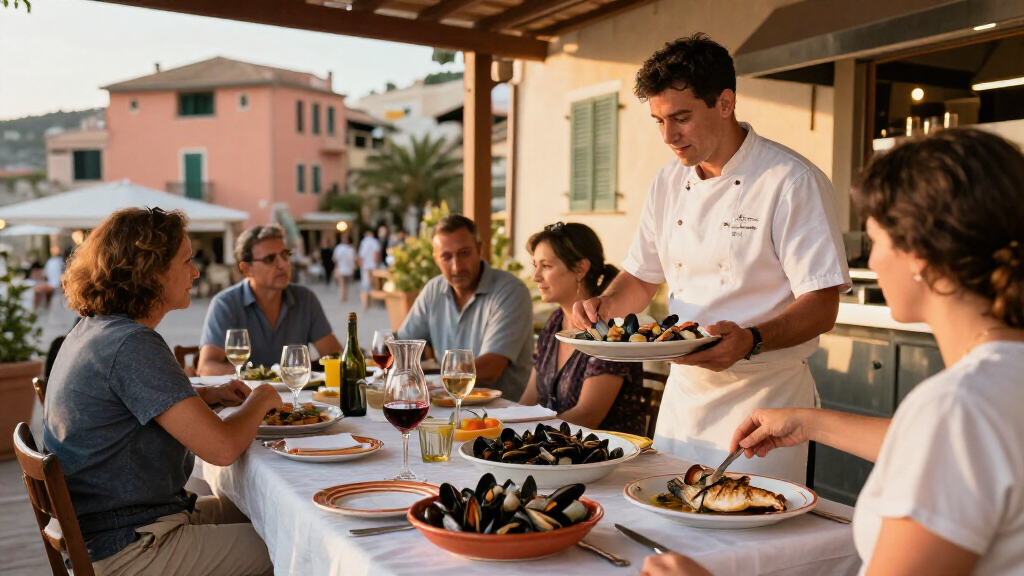
A Feast of the Seven Fishes menu is usually a collection of family and regional favorites, not a required list. Common choices include baccalà, fried or baked fish, calamari, shrimp, clams, mussels, and seafood pasta. Shellfish often counts in everyday descriptions of the feast, even though “fish” sounds like it should mean finfish alone.
Baccalà offers a taste of the preserved-fish traditions found in many parts of Italy: salt cod needs soaking before cooking, and families may fry it, bake it, or fold it into other dishes. For a host, that means the work starts before Christmas Eve. Check the package instructions and allow enough soaking time in the refrigerator, changing the water as directed. A last-minute rinse will not replace proper preparation.
Seafood pasta makes a practical centerpiece. You might choose spaghetti with clams, or another family recipe that pairs pasta with shrimp or mussels. If you travel through Campania, a region known for its coastal cooking, pay attention to how local markets present the catch of the day and how plainly cooks treat fresh seafood. At home, ask your fishmonger what is fresh and available rather than assuming a particular fish must appear to make the meal authentic.
Here’s an easy way to build a menu around what you can cook well: put one dish tied to your family history on the table, then choose a few seafood options that work with your time and local supply. A bowl of mussels, a tray of roasted fish, and a platter of calamari can provide contrasting textures—briny broth, tender flakes, crisp edges—without a recipe collection that takes over the day. Regional specificity starts with the dish and its story, not with a checklist.
Baccalà: salt cod, often soaked before cooking.
Calamari: squid, fried or prepared in other regional styles.
Clams and mussels: shellfish that can anchor pasta or stand alone.
Shrimp and finfish: flexible choices shaped by the local market.
Plan a Feast That Fits Your Kitchen and Your Family
You can plan a satisfying Feast of the Seven Fishes by choosing a few dishes you can serve well, then assigning each one a job in the meal. A manageable menu usually feels more generous than seven rushed plates. Start with the people at your table, the kitchen space you have, and the seafood you can buy fresh or prepare properly.
Choose the family anchor. Pick one recipe with a story, such as a relative’s baccalà or a seafood pasta served every Christmas Eve.
Add contrasting dishes. Pair something crisp with something tender, such as fried calamari and baked fish, or add shellfish in a broth alongside a dry-roasted dish.
Check timing and equipment. Decide which dishes can be prepared ahead and which need the oven, stove, or frying pan at the last minute.
Ask about allergies and preferences. Shellfish is a common allergen; confirm guests’ needs before planning and prevent cross-contact with separate utensils and serving dishes.
Buy and store seafood safely. Keep raw seafood refrigerated at 40°F (4°C) or colder, and cook fish to 145°F (63°C) or until it is opaque and separates easily with a fork.
For example, a host with one oven and four guests could serve baccalà prepared ahead, pasta with clams cooked just before dinner, and a small platter of fried calamari. Bread, greens, and conversation round out the table without requiring a parade of hot dishes. If you have a larger family, invite relatives to bring one prepared course, but coordinate the menu so you do not end up with six fried dishes and nowhere to set them.
Keep hot food hot and cold seafood cold, and refrigerate leftovers within two hours. A festive meal should be remembered for its warm kitchen and good stories, not for a crowded counter or food left sitting out all evening. A flexible plan lets you spend more time with your guests.
The Best Christmas Eve Menu Leaves Room for Change
The heart of the feast is gathering, so households can adapt the menu for smaller kitchens, different diets, or ingredients their markets carry. The traditional occasion remains Christmas Eve, but the format does not need to look like a banquet. You can keep a family recipe, change the number of courses, and still mark the evening together.
That flexibility has always made sense for an immigrant tradition. A family settling far from its original region might not find the same fish or specialty ingredients. Cooks substituted what was available and passed on the new version. Today, a household of two might prefer a pot of mussels and one favorite pasta over a crowded table of dishes; a relative who cannot eat shellfish may need a separate meal prepared with clean equipment to avoid cross-contact.
For a practical example, ask your guests to name one dish they would miss if it disappeared. If three people all choose the same seafood pasta, that may be the evening’s centerpiece. You could add a modest vegetable side and a second fish dish, rather than making every possible preparation. The result can feel more personal than a menu assembled to satisfy an imagined rule.
Social media and food writing bring the feast extra attention in the weeks before Christmas, but popularity does not define authenticity. Nor does the price or rarity of the seafood. You do not need a lavish spread to honor La Vigilia. A few carefully prepared dishes, a family story, and a place for everyone at the table can carry the tradition forward in a way that feels honest to your own home.
Seven can guide your menu, but it does not have to govern your evening.
Know What the Feast Means—and What It Does Not Require
The Feast of the Seven Fishes is a cultural and family tradition, not a required Catholic ritual. The connection to a meatless Christmas Eve vigil helps explain why seafood features so prominently, but the specific seven-fish format is not a church-mandated practice. Families may keep the vigil meal for religious, cultural, or personal reasons.
This distinction is useful when you welcome people with different beliefs. You can explain that your family’s dinner is a Christmas Eve custom shaped by Catholic observance and Italian-American history, while recognizing that guests may understand the evening differently. Nobody needs to claim that every Catholic family follows the feast, or that every Italian household serves seven fish. Clear, modest language makes the tradition easier to share.
It also helps you answer common questions without turning family lore into a historical certainty. If someone asks whether the feast is “really Italian,” you can say that Italian Christmas Eve seafood customs have regional roots, while the named seven-fish feast is especially associated with Italian-American practice. If they ask why seven, you can describe the familiar religious interpretations and add that the exact origin is unsettled.
Imagine taking a visitor to a Christmas Eve dinner in an Italian-American home. The menu might include salt cod, clams, and shrimp, but the strongest clue to its meaning could be the story told while passing the platter: who taught the recipe, which ingredient came from the local market, and why the family gathers that night. That combination of food, memory, and vigil is more revealing than a rigid count.
Frequently Asked Questions
Is the Feast of the Seven Fishes an old Italian tradition?
Christmas Eve seafood meals and meatless vigil customs have roots in Italian regional and Catholic traditions. The named seven-fish feast is most closely associated with Italian-American practice, rather than one standardized custom observed throughout Italy.
Why are there seven fishes?
There is no settled historical explanation. People often connect seven to religious groupings such as the seven sacraments or the seven days of Creation, but those are interpretations rather than a confirmed origin shared by every family.
Do you have to serve exactly seven kinds of seafood?
No. Some households serve seven separate dishes; others count seafood varieties or courses, and some serve fewer or more. You can shape the meal around family recipes, guests, and what is available.
Does “fish” include shrimp, clams, and calamari?
In everyday descriptions of the feast, it often does. Menus commonly include shellfish and squid along with finfish, so shrimp, clams, mussels, or calamari can all appear on the table.
Is the Feast of the Seven Fishes a Catholic requirement?
No. The vigil meal is associated with Catholic meatless observance, but the particular seven-fish feast is a cultural and family tradition, not a required Catholic ritual. Families may observe it for religious, cultural, or personal reasons.
What are some common dishes to serve?
There is no official menu, but common choices include baccalà (salt cod), fried fish, calamari, shrimp, clams, mussels, and seafood pasta. A practical menu might center on one family recipe and add one or two dishes that suit your kitchen and local market.
Conclusion
Remember the Feast of the Seven Fishes as a living Italian-American Christmas Eve custom, not a test you pass by counting plates. Choose a seafood dish with a story, buy what is fresh and practical, and make room at the table for the people who carry the tradition with you.
When the last bowl of clam broth is gone and the kitchen smells faintly of garlic and the sea, the evening’s measure will be the stories you shared—not the number on the menu.
Journey through Italy's culinary wonders with tantalizing dishes like juicy Osso Buco and savory Linguine alle Vongole – discover more delicious delights below!
Kickstart your culinary adventure with traditional Italian dishes, from pasta to pizza, that will transport you to the heart of Italy's gastronomic delights.