TL;DR
Baccalà alla Vicentina is a slow braise from Vicenza in Italy’s Veneto region, traditionally made with dried unsalted stockfish called stoccafisso, despite the word baccalà often meaning salt cod elsewhere. Rehydrated fish cooks gently with onions, anchovies, milk, and olive oil until tender and creamy, then goes to the table with polenta. Plan for several days of soaking unless you buy fish that has already been rehydrated.
The fish called baccalà in Vicenza is traditionally not salt cod. It is stoccafisso, dried unsalted stockfish, and that small naming surprise changes what you should buy, how you prepare it, and how you understand this Veneto classic.

Get kitchen staples and gadgets delivered free with Prime
- Fast, free delivery on millions of items
- Prime Video, Amazon Music and more included
- Member-only deals all year
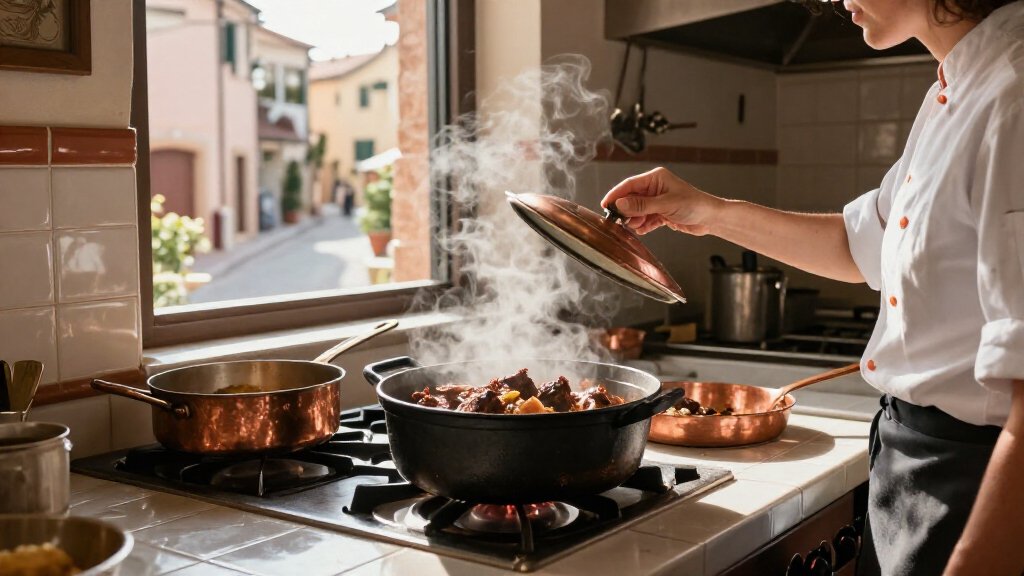
In the city of Vicenza, the fish softens over hours with onions, anchovies, milk, and olive oil. The sauce grows thick and savory without cream, while soft polenta waits beside it to catch every spoonful. Think of the cooking as a long, low conversation between ingredients: no loud boil, no crisp crust, just time doing patient work.
This guide explains the difference between stockfish and salt cod, the dish’s trade history, the slow-cooking method, and the choices that matter when you make it. You’ll also learn how to serve and store it safely, and why a bowl of polenta belongs at the table. If you’re planning a food-focused visit to the Veneto region, it will help you recognize what makes a Vicentine version distinctive.
Buy dried unsalted stockfish, called stoccafisso, for the traditional Vicenza dish; salt cod is a different product.
Ask whether stockfish is already soaked, since traditional rehydration can take several days.
Keep the braise at a barely bubbling simmer so the fish softens without breaking apart.
Serve it with soft or grilled polenta, and disclose fish, milk, anchovy, and any cheese allergens.
Refrigerate leftovers within two hours, keep them at 40°F (4°C) or below, and reheat to 165°F (74°C).
Baccalà alla Vicentina The slow stockfish braise
This Vicenza classic uses dried unsalted stockfish, not salt cod. Gentle cooking with onions, anchovies, milk, and olive oil creates its creamy texture.
Choose the right fish
The traditional ingredient changes both the shopping list and preparation.
- Stoccafisso: dried, unsalted stockfish
- Rehydrate before cooking
- A different preserved product
- Usually needs desalting
How the braise builds flavor
Pipare means keeping the pot at a barely bubbling simmer.
Soak dried stockfish for several days, following the seller’s directions.
Combine the fish with onions and anchovies, then add milk and olive oil.
Braise for several hours over low heat until the fish is tender.
What makes it distinctive
Creamy without cream
Fish flakes mingle with milk, oil, and softened onions to thicken the braise.
Serve with polenta
Soft or grilled polenta soaks up the savory cooking juices.
A dish shaped by trade
Dried fish traveled well to inland Veneto and became part of Vicenza’s local food identity.
Know which fish to buy before you start
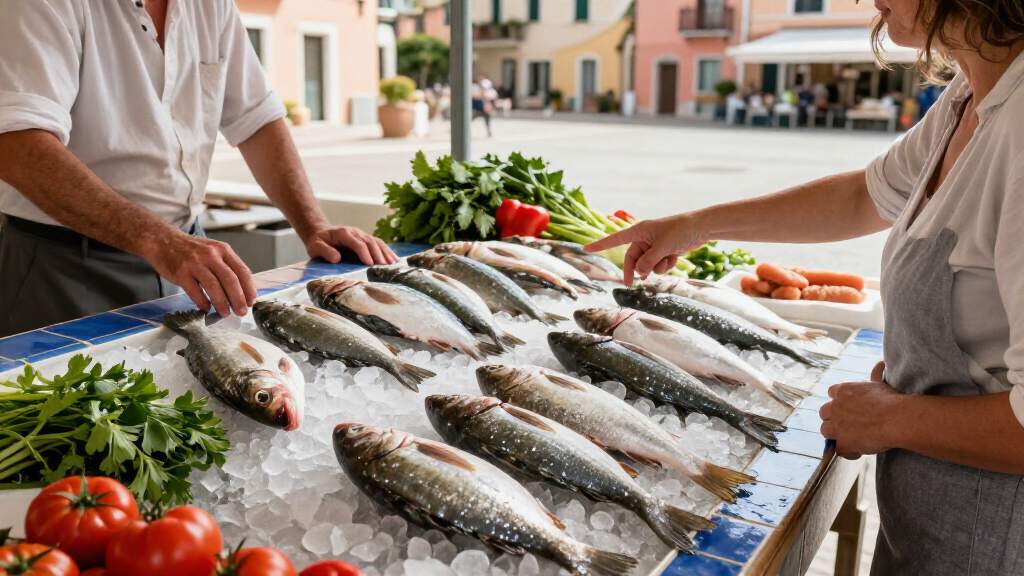
Baccalà alla Vicentina is traditionally made with stoccafisso, dried unsalted stockfish, not salt cod. That distinction matters at the fish counter because the two products are preserved differently and need different preparation. In standard Italian culinary usage, baccalà usually refers to salted cod, while stoccafisso means dried cod that has not been salted; regional speech can blur the names.
Ask a fishmonger specifically for dried unsalted stockfish for the Vicenza dish. If a label only says “salt cod,” pause and check: you may be buying a different ingredient, one that needs desalting and will bring another texture and flavor. A home cook who picks up the wrong fish can follow every other instruction and still end up with a dish that tastes too salty or lacks the tender, yielding flakes associated with the tradition.
Stockfish’s dryness comes from preservation rather than salt. Once rehydrated, the fish becomes supple enough for a long braise, with a flavor that can stand beside onions, anchovies, milk, and oil without overwhelming them. Despite its name, the dish is a gently cooked fish preparation, not a salted-cod stew.
When you shop, confirm whether the stockfish is already soaked. That one question can save you several days of preparation. Your pot can wait; first, the fish needs time to return to itself.
Products Worth Considering

Philips Hue Smart Light Starter Kit with Bridge and 4 White and Color A19 Bulbs

Philips Hue Festavia Permanent Outdoor String Lights, 80 Lights, 150 ft

eufy Security eufyCam C37 4-Camera Kit with 360° Pan and Tilt, Auto Tracking, 2K Color Night Vision, and Solar Panels
As an affiliate, we earn on qualifying purchases.
See how northern trade shaped a dish from Vicenza
Baccalà alla Vicentina is a dish from Vicenza shaped by the long history of preserved fish reaching inland Veneto. Stockfish traveled well because it was dried, making it a useful pantry food long before refrigeration. For a city away from the coast, a preserved fish that could survive a lengthy journey offered a way to bring maritime trade into everyday cooking.
Regional tradition connects stockfish’s arrival in Venetian food culture to Pietro Querini, a Venetian merchant and navigator whose shipwreck in the fifteenth century brought him to the Lofoten Islands. The story is part of the dish’s local lore, but it is better told with care: the broad connection between northern trade and stockfish is well established, while a direct, simple line from Querini’s experience to the modern Vicenza recipe is not fully documented.
That distinction makes the story more interesting, not less. You can picture a preserved fish moving south through trade networks, then becoming something unmistakably local once cooks pair it with onions, milk, olive oil, and polenta. The ingredient travels; the method takes root.
Vicenza’s culinary identity now has an organized guardian in the Venerabile Confraternita del Bacalà alla Vicentina, founded in 1987. It promotes the traditional preparation and local food culture. Restaurants and home cooks still vary some details, but the core combination remains a useful guide when you taste the dish in the S Veneto region.
Understand why the sauce turns creamy without cream
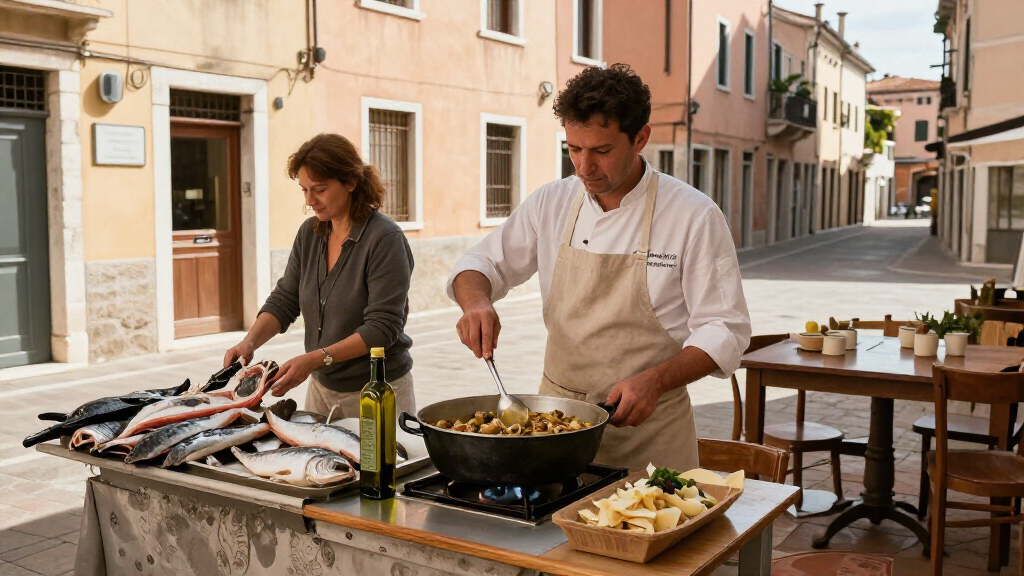
The creamy texture of Baccalà alla Vicentina comes from slow cooking fish with milk, olive oil, and onions—not from cream. The fish gradually softens and flakes, while the softened onions and cooking liquid mingle into a thick, savory braise. It is closer to a slow stew than a crisp or sharply sauced fish dish.
The local verb pipare describes the barely bubbling, gentle cooking that gives the recipe its character. Keep the heat low enough that the liquid trembles now and then rather than boils hard. A vigorous boil can break up the fish and push the milk and oil into a rougher, less integrated sauce. Like a low flame under a candle lantern, gentle heat keeps the whole scene steady.
Onions bring sweetness, anchovies add a deep savory note, and milk softens the intensity. Olive oil rounds out the mixture. Some recipes add flour or grated cheese; parsley or cinnamon can appear in variations. If you are cooking for a first taste, keep those optional touches restrained so you can hear the central flavors.
Imagine lifting a forkful after the braise has simmered for hours: tender fish, onion-softened sauce, and a gloss of oil catching the light. That richness comes from patience and the ingredients working together. Cream would change the profile rather than complete it.

Plan the soak and braise around your calendar
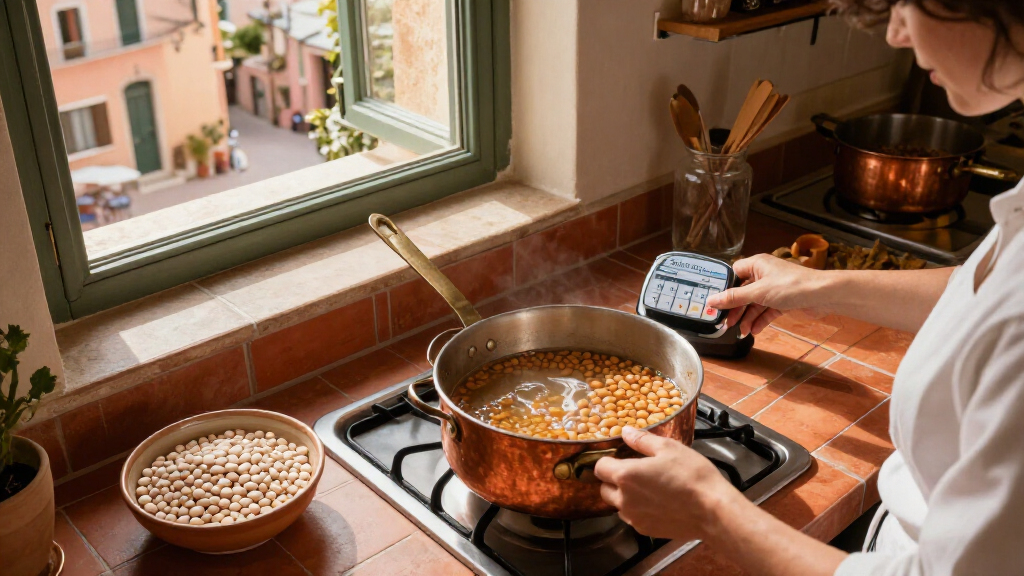
Traditional stockfish needs several days of soaking before several hours of gentle cooking. The soak rehydrates the dried fish; the braise then turns it tender and allows its flavors to merge with the other ingredients. This is a dish to plan for, though ready-soaked stockfish can shorten the schedule.
Start by asking the seller how the fish was prepared and whether it needs more soaking. For dried stockfish, follow the fishmonger’s or package instructions, keeping it refrigerated during a multi-day soak and changing the water as directed. Do not treat a salted-cod desalting schedule as interchangeable: the products differ. If you choose pre-soaked fish, check that it has stayed properly chilled and use it according to its label.
Once the fish is ready, the cooking itself rewards a slow afternoon. Layer it with onions and anchovies, add milk and olive oil, and let the pot cook gently. Avoid constant stirring; the fish should soften in place, not be mashed into a paste. A family meal on Sunday is a natural fit: you can start the braise after lunch and serve it when the kitchen smells sweet with onions and warm with olive oil.
Use these planning steps to keep the process clear:
- Confirm the fish: choose unsalted dried stockfish and ask if it is pre-soaked.
- Schedule rehydration: follow the seller’s directions and keep the fish refrigerated.
- Braise gently: maintain a barely bubbling cook and check the liquid as it softens.
- Serve soon or chill safely: refrigerate leftovers promptly and reheat them gently.
Time is the main ingredient you cannot rush. Shortcuts can change the schedule, but the slow simmer should remain.
Serve it with polenta and let the sauce lead
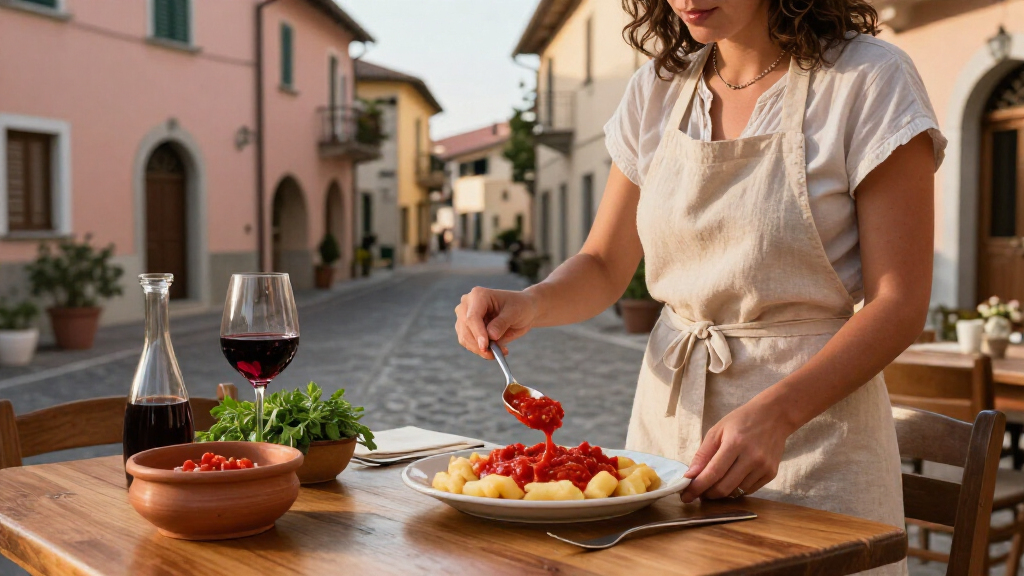
Soft or grilled polenta is the classic partner for Baccalà alla Vicentina because it catches the savory braising juices. Its mild corn flavor gives the fish room to shine, and its soft texture balances the rich, tender sauce. In Vicenza, polenta makes the dish feel complete rather than like fish served with an afterthought.
For a cozy meal, spoon soft polenta into shallow bowls and set a portion of fish on top, letting the sauce run into the edges. For a firmer texture, let cooked polenta set, slice it, and grill or pan-brown it. The contrast is lovely: warm, creamy fish beside a lightly toasted edge. Either way, keep enough polenta on the table for the last swipe through the plate.
This pairing also helps when you are serving guests who have never tried stockfish. A mild base makes the savory aroma feel inviting instead of unfamiliar. If you are tasting the dish in Vicenza, notice how the polenta carries the sauce while the fish remains the focus; at home, offer extra alongside rather than burying the braise in it.
Milk and fish are defining ingredients, and anchovies are common, so flag those allergens clearly when serving. Some versions also use cheese, another allergen to disclose. Keep the fish chilled before cooking and refrigerate leftovers promptly; reheat gently until steaming hot throughout, with a food thermometer reading of 165°F (74°C) for leftovers. The meal is leisurely; food safety should still be precise.
Choose a traditional version or a practical adaptation
The defining line is stockfish and a gentle milk-and-oil braise; recipes can differ on smaller seasonings and finishing touches. That gives you a useful way to separate the dish’s core from the variations. The Venerabile Confraternita promotes traditional preparation, yet cooks and restaurants continue to make choices about cheese, parsley, cinnamon, anchovies, and the exact balance of ingredients.
Think of the recipe as a familiar folk tune: the melody stays recognizable even when one cook leans into anchovy or another adds a little cheese. If you are trying the dish for the first time, keep the basic ingredients in view and make one variation at a time. That way, you can tell whether a new flavor suits the braise instead of changing everything at once.
| Choice | What it changes | When it helps |
|---|---|---|
| Dried stockfish, soaked at home | Preserves the full traditional preparation schedule | When you can plan several days ahead |
| Pre-soaked stockfish | Shortens the work before cooking | When you still want stockfish but have less lead time |
| Salt cod | Changes salt level, flavor, and preparation | As a clearly labeled adaptation, not the traditional Vicenza version |
| Optional cheese or parsley | Adds a variation in flavor and richness | When you want to follow a particular family recipe |
If you substitute salt cod, desalting it properly matters, and the result will not be the traditional preparation. A menu or recipe that explains the distinction helps diners understand what they are tasting. That is useful whether you cook at home or order the dish on a trip through the Veneto.

Make the braise ahead without losing its tender texture
You can make Baccalà alla Vicentina ahead and reheat it gently, as you would many slow braises. A rest can help the flavors settle, but refrigeration will also thicken the sauce. Before serving, loosen it with a little water or milk and warm it slowly so the fish stays in flakes rather than breaking apart.
For a practical dinner plan, cook the dish earlier in the day, let it cool, then transfer it to a shallow covered container and refrigerate within two hours. Keep the refrigerator at 40°F (4°C) or below, and use the leftovers within three to four days. Reheat only the portion you need, stirring carefully around the fish, until it reaches 165°F (74°C).
Do not leave the pot on the counter all afternoon because the meal is meant to be served at a relaxed pace. If you are feeding guests in stages, hold the dish hot safely or chill and reheat it later. The texture can be delicate, so avoid a hard boil during reheating; low heat and a splash of liquid usually bring the sauce back.
When you open the refrigerator the next day, the braise may look firmer and less glossy. That is normal. A few minutes over low heat can return it to a spoonable consistency, with the aroma of onion and olive oil rising again. This is one of the reasons the dish suits a holiday table: the cook can do much of the work in advance and still serve something warm and generous.
Frequently Asked Questions
Is Baccalà alla Vicentina made with salt cod?
Traditionally, no. It uses stoccafisso, or dried unsalted stockfish. Salt cod is a different product and needs its own desalting preparation; using it makes an adaptation rather than the classic Vicenza dish.
Why does the recipe take so long?
The dried stockfish needs time to rehydrate, often several days, followed by several hours of gentle cooking. If you buy properly prepared, pre-soaked stockfish, you can shorten the schedule, but the slow braise remains part of the dish’s character.
Does the traditional dish contain cream?
Cream is not a defining ingredient. Milk, olive oil, onions, and the fish itself create the rich texture as the braise cooks. Some recipes add grated cheese, but details vary.
What should I serve with it?
Serve it with soft or grilled polenta (cornmeal porridge), the classic pairing. The mild corn flavor and tender texture work well with the savory sauce, and polenta catches what remains on the plate.
Can I make it ahead and reheat it?
Yes. Cool leftovers and refrigerate them within two hours, then keep them at 40°F (4°C) or below for three to four days. Reheat gently until steaming hot throughout and at least 165°F (74°C), adding a little water or milk if the sauce has thickened.
What allergens should I mention when serving it?
Fish and milk are central ingredients, and anchovies are commonly used. Some recipes include cheese, so check the particular version and disclose it; serve polenta separately if you want guests to control their portions.
Conclusion
When you make or order Baccalà alla Vicentina, remember the detail its name can hide: traditional Vicenza cooks use unsalted stockfish, softened slowly with milk, onions, anchovies, and olive oil. Give the fish time, keep the pot barely bubbling, and let polenta gather the sauce.
Then taste how a preserved northern fish became a warm inland Veneto classic. One patient braise, one soft mound of polenta, and the table starts to feel a little closer to Vicenza.