TL;DR
A sagra is a community festival often centered on a local food, harvest, or town tradition. At home, borrow its generous spirit with a seasonal winter menu, a make-ahead centerpiece, shared dishes, and one clear regional inspiration; treat the dinner as a relaxed gathering, not as a claim to reproduce a village festival.
A pot of bean soup can do more for a winter dinner than a table full of fussy courses. In Italian towns, a sagra is a public festival often tied to a local food, harvest, or community tradition. At home, you can borrow its generous spirit: serve food to share, let the meal take its time, and make the season the star.

Get kitchen staples and gadgets delivered free with Prime
- Fast, free delivery on millions of items
- Prime Video, Amazon Music and more included
- Member-only deals all year
This guide will help you plan an Italian winter feast that feels warm and welcoming without pretending every Italian region eats the same way. You’ll choose a regional starting point, build a manageable menu around winter ingredients, and prepare enough in advance to spend the evening with your friends. Think of the table as a crowded kitchen in Umbria or Emilia-Romagna: steaming bowls, crusty bread, and room for one more chair.
A home gathering is inspiration, not a village festival recreated indoors. That distinction makes the evening easier and more honest. You can serve Tuscan-style beans alongside local winter squash, explain where each idea comes from, and let good company tie the meal together.
Treat an at-home sagra as inspiration from a community festival, not as a recreation of a village event.
Choose one regional starting point, such as Tuscan bean soup or northern Italian polenta, and describe it honestly as inspiration.
Build the menu around winter ingredients available locally, including beans, lentils, mushrooms, cabbage, squash, or citrus.
Prepare a soup, stew, or braise ahead; refrigerate perishable food within two hours and reheat leftovers to 165°F (74°C).
Serve family-style, ask about dietary needs in advance, and label common allergens so guests can relax.
Sagra Style at Home An Italian Winter Feast
Borrow a sagra’s generous, communal spirit with seasonal food and shared dishes. A home dinner is inspiration, not a village festival recreated indoors.
Start with one regional inspiration
Italian food varies by region; name the dish that inspired your menu without presenting a mix as one traditional meal.
- Tuscan-inspired bean soup
- Northern Italian polenta
- Add winter ingredients available locally
- Describe the meal as inspiration
Build around winter ingredients
Let local availability guide the menu, then balance hearty textures with freshness and contrast.
| Ingredient | Role at the table | Easy idea |
|---|---|---|
| Beans or lentils | Hearty base | Thick soup with bread |
| Polenta | Warm centerpiece or side | Serve beneath mushrooms or braised vegetables |
| Cabbage or chicory | Fresh, bitter contrast | Cook with garlic and olive oil |
| Squash or citrus | Sweetness and brightness | Roast squash or serve citrus cake |
Pace the evening with five parts
Prepare what you can ahead so the meal flows without keeping the host in the kitchen.
Set out olives, bread, roasted vegetables, or a bean spread.
Serve soup, pasta, or polenta.
Choose a slow-cooked stew, roast, or vegetable-based main.
Add greens, beans, or roasted winter vegetables.
Finish with citrus cake, poached fruit, or biscotti.
Make guests comfortable
Shared serving and a little planning let everyone join the meal at their own pace.
- Serve family-style or buffet-style.
- Ask about dietary needs before shopping.
- Label dishes when useful and include substantial meat-free food.
- Keep the gathering relaxed, with room for conversation.
What a sagra can teach you about hosting
A sagra is a local public festival, often centered on a food, harvest, town, or patron saint; a home dinner can borrow its communal spirit without claiming to be the same tradition. That distinction is useful because it shifts the goal from staging an Italian-looking event to making people comfortable enough to eat, talk, and stay. Shared dishes and seasonal abundance support that goal: guests can take what they like, pass food along, and join the meal at their own pace.
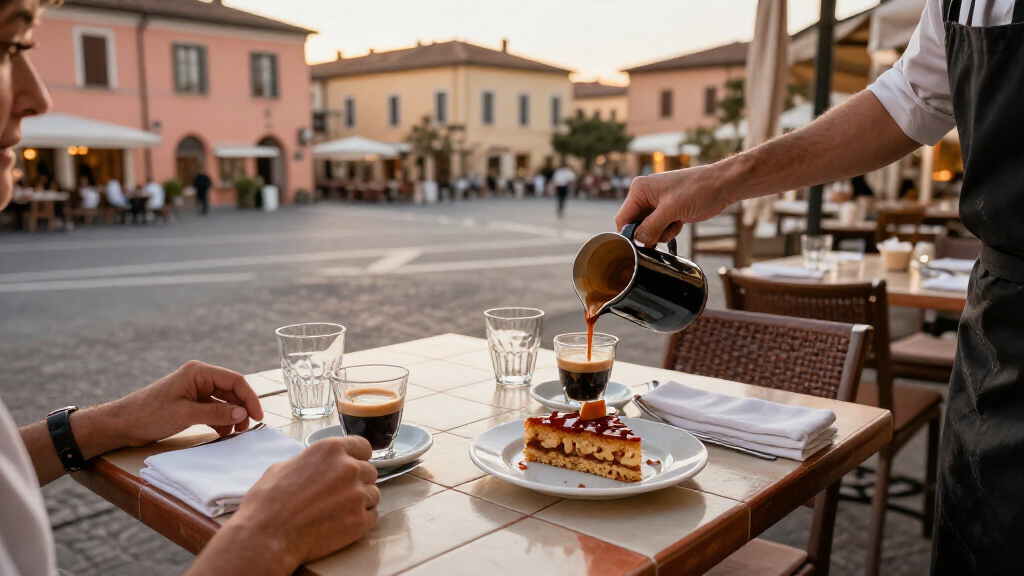
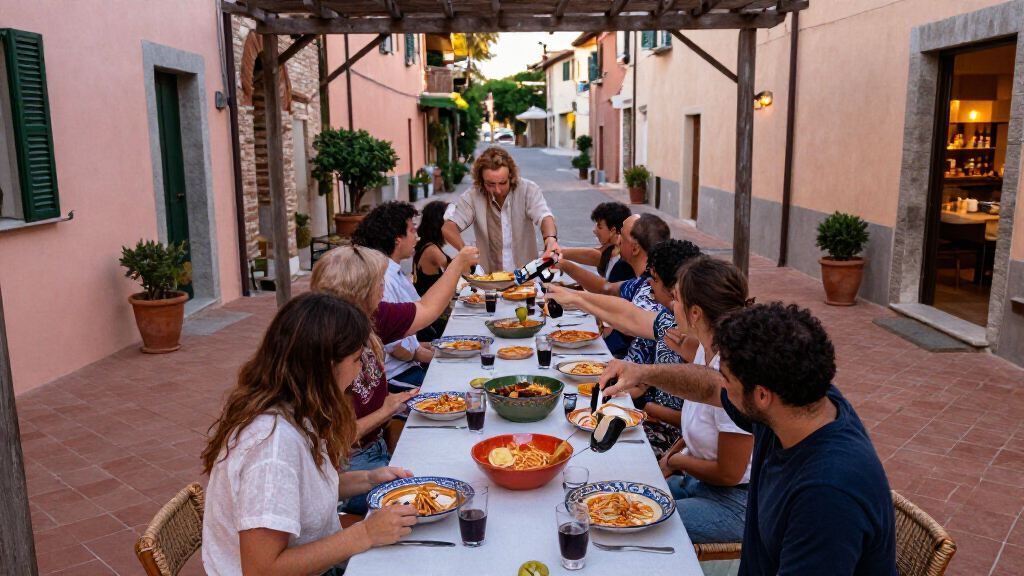
Picture a winter evening in a town square: tables fill, bowls pass from hand to hand, and a local specialty gives people a reason to gather. At home, a big pot of soup and a platter of roasted vegetables can create a similar rhythm, even though the setting and tradition are different. Put serving spoons within reach and leave room for coats; those practical choices help people move easily and keep the host from managing every plate.
Regional honesty matters because Italian food is not one uniform menu. A bean soup inspired by Tuscany and polenta associated with northern Italy may both belong at your table, but together they do not make one traditional regional meal. Choosing one place as an anchor gives the menu coherence; mixing influences gives you more flexibility with ingredients and guests’ needs. Either can work if you say what inspired each dish instead of presenting the meal as an authentic local festival.
Keep the room warm through hospitality rather than props: candles where they are safe, bread already sliced, and a playlist quiet enough to talk over. A themed setup can take time and attention without making guests feel more welcome. The clink of glasses and the scrape of a spoon against a soup bowl are atmosphere enough. Next, give that atmosphere a seasonal menu to gather around.
Products Worth Considering

Dyson Cyclone V10 Origin Cordless Vacuum

Philips Hue Festavia Permanent Outdoor String Lights, 80 Lights, 150 ft

Levoit Eleva 300X Air Purifier with Sealed HEPA Filtration
As an affiliate, we earn on qualifying purchases.
Build a winter menu around ingredients you can find
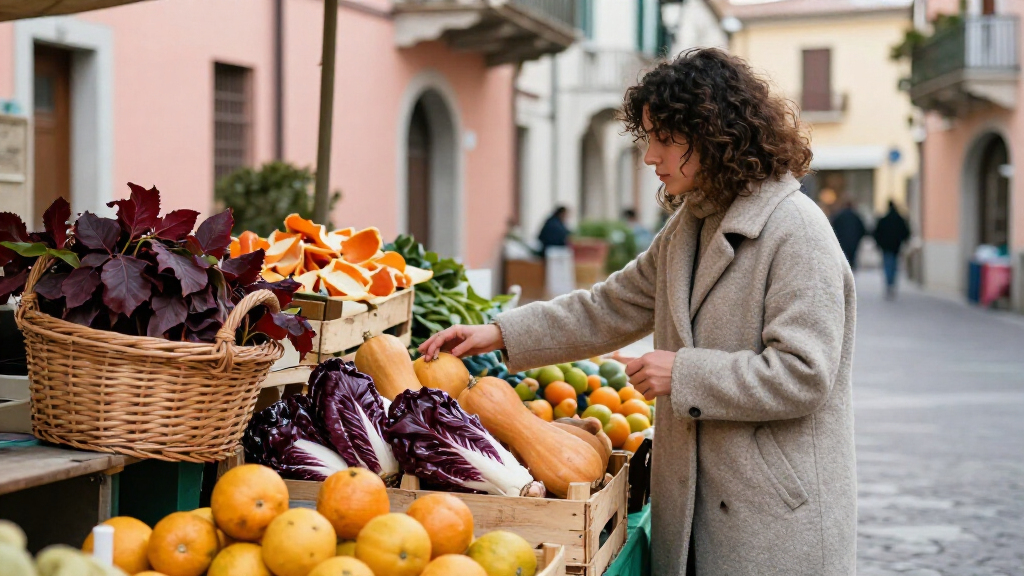
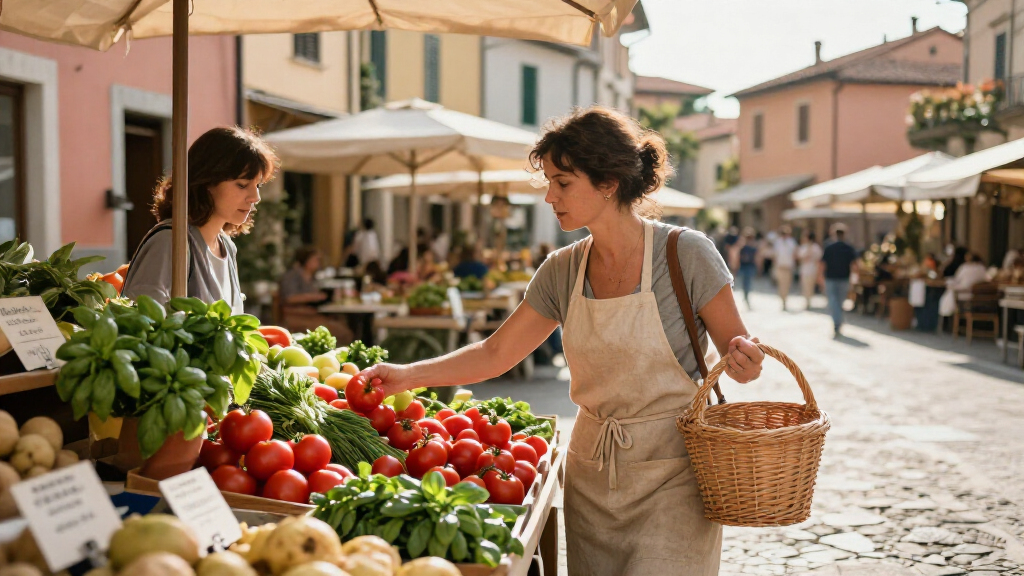
Sagra style at home works best when you build the menu around winter ingredients you can actually buy nearby, then connect them to a region or dish that inspires you. Seasonality is practical as well as atmospheric: ingredients that are plentiful locally are often easier to source, and a menu built around them is less likely to depend on an expensive or unavailable specialty. Beans, lentils, polenta, mushrooms, cabbage, chicory, squash, citrus, and nuts all bring color and texture to cold-weather cooking. Availability changes by region and market, so let your local produce stand have a say.
| Ingredient | Winter role | Easy table idea |
|---|---|---|
| Beans or lentils | Hearty base for a meat-free meal | Serve a thick soup with bread |
| Polenta | Soft, warm centerpiece or side | Spoon beneath mushrooms or braised vegetables |
| Cabbage or chicory | Fresh, pleasantly bitter counterpoint | Cook with garlic and olive oil |
| Squash or citrus | Sweetness and brightness | Roast squash or finish with citrus cake |
The roles on the table matter as much as the ingredients themselves. Beans and polenta bring filling, soft textures; bitter greens or citrus bring contrast that can keep a rich meal from feeling heavy. For example, if your market has firm squash and kale but no good chicory, roast the squash and wilt the kale with garlic. The plate still feels seasonal, even though it is shaped by what grows and sells where you live. A northern Italian polenta course can meet those ingredients naturally; a Tuscan bean soup is another strong starting point.
Choose ingredients that can appear more than once, but avoid making every dish taste the same. If you roast squash for a side, fold some into an antipasto platter the next day or use it in a simple soup. That overlap saves money and cooking time, while a contrasting texture or seasoning keeps the meal from feeling repetitive. A short menu with complementary dishes usually feels more generous than a crowded one where every plate competes for attention. The next choice is how much of that food to put on the table.
Plan five flexible courses without cooking all night
A winter feast for friends needs one centerpiece, a few supporting dishes, bread, and a simple dessert; five generous parts are plenty. A sagra-inspired gathering is not a test of how many courses you can produce. The point of a sequence is to give the meal a comfortable pace, not to keep everyone waiting while you cook. Pick dishes that share ingredients and can be prepared ahead, so you can sit down while the food is still warm.
- Aperitivo and antipasti: set out olives, sliced bread, roasted vegetables, or a bean spread as guests arrive.
- A warm first course: serve a bowl of soup, a modest pasta portion, or soft polenta.
- A centerpiece: choose a slow-cooked stew, roast, or vegetable-based main.
- Sides: add greens, beans, or roasted winter vegetables for contrast.
- Dessert and coffee: finish with citrus cake, poached fruit, or biscotti.
For a real-world example, you could begin with olives and toasted bread, follow with a Tuscan-inspired bean soup, then serve a slow-cooked main with greens and roasted squash. A citrus cake makes a bright ending after a rich meal. The order lets guests settle in before the main, while the make-ahead soup and cake reduce the number of last-minute jobs. This is a flexible framework, not a fixed Italian sequence.
If you have a small kitchen, skip a separate first course and make a generous soup the main event, with bread and a salad alongside. Fewer courses mean less juggling and more time at the table; the tradeoff is that each dish should be substantial enough to satisfy. Ask guests about dietary needs before you shop, and plan a substantial meat-free dish even if you serve meat. One bubbling pot can feed a crowd; no one needs you pinned beside the stove while everyone else talks.
Choose one regional anchor and tell its story
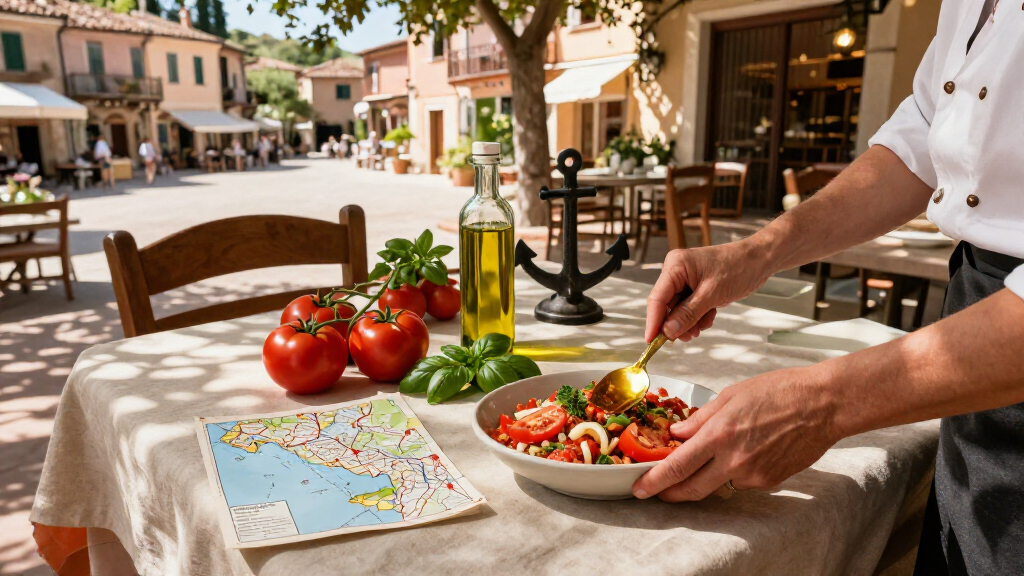
Throwing an Italian-inspired dinner feels grounded when you choose one regional anchor and let it guide the food, rather than blending every famous dish into a supposed national menu. Italian cuisine is regional: ingredients and traditions vary from one place to another. An anchor gives your choices a point of view and helps guests understand why the dishes belong together. You can still adapt for local ingredients and dietary needs; the honest description is that you borrowed a dish or technique, not that you recreated an entire region.
For example, take Tuscany as your starting point with a bean soup and good bread. Tuscan cannellini beans have a creamy texture that suits a slow simmer, while a drizzle of olive oil adds a peppery finish. If you cannot find a specific local bean, use a similar white bean available to you and describe the dish as Tuscan-inspired, rather than claiming the ingredient has a protected origin. The substitution preserves the dish’s comforting role and keeps sourcing practical, while the wording makes clear what changed.
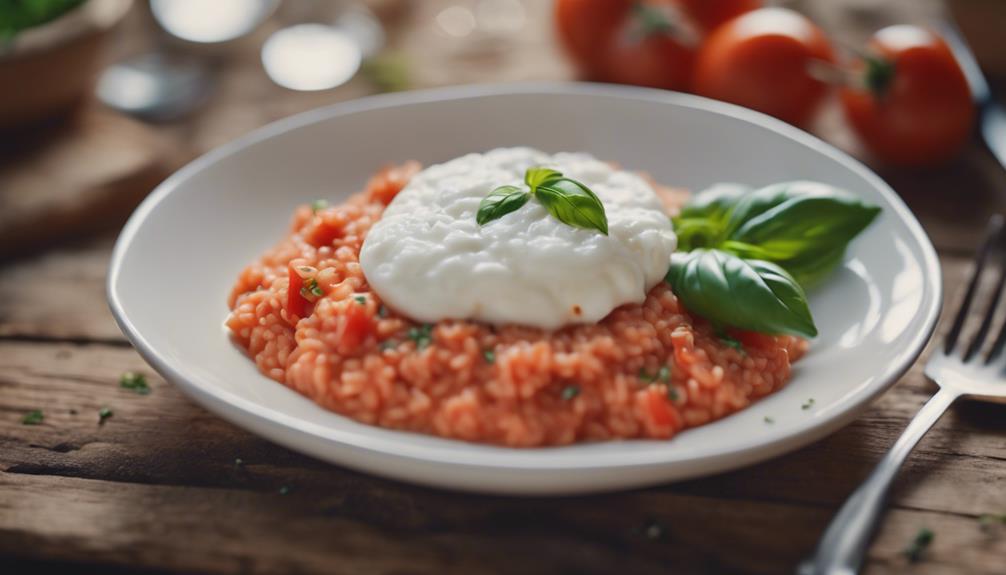
Or take northern Italy as your cue and serve polenta with mushrooms. The soft cornmeal gives guests something warm to spoon up, and mushrooms bring a deep, woodsy flavor that suits a cold evening. This pairing also leaves room to adjust the richness: a little cheese can add depth, while a lighter preparation keeps the dish flexible alongside a hearty main. If you add a cheese, check the label and tell guests what it is; a regional product name such as Parmigiano Reggiano DOP refers to a protected designation, not a generic style of hard cheese.
Give the regional idea one sentence when you serve it: “This polenta takes its cue from northern Italy, where it makes a comforting base for mushrooms.” That is enough to make the food memorable without turning dinner into a lecture. A small, accurate detail creates context and invites curiosity; elaborate claims can distract from the meal or suggest more certainty than your menu warrants. Once your anchor is set, you can make the room and serving style carry the rest.
Set the table so everyone can relax and share
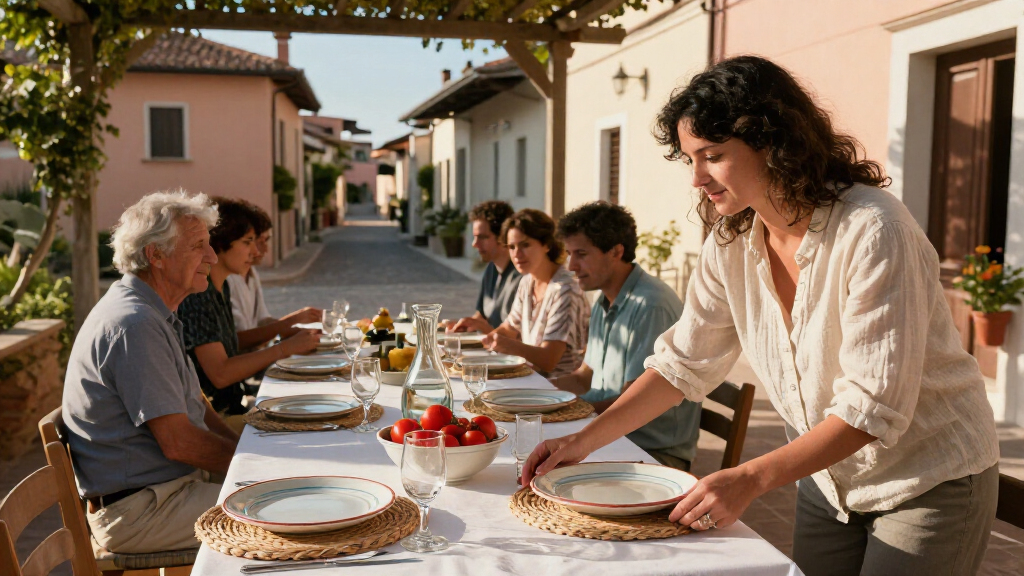
Sagra style at home feels welcoming when guests can serve themselves, find what they need, and settle into conversation. A buffet or family-style table reduces the pressure of formal plating and makes it easy to offer different portions. It also shifts some small decisions to the guests, which can make the meal feel more relaxed, provided the serving dishes are easy to reach. Set out serving spoons, label dishes with common allergens, and keep water easy to reach.
Imagine six friends arriving in damp coats on a dark December evening. Put bread, olives, and a small vegetable spread on a side table so the first guest can nibble while you greet the last. When the soup is ready, bring the pot to the table on a trivet, or ladle it into a serving bowl before guests sit. A pot makes refills simple, but a serving bowl is lighter and easier to pass; choose based on the size and safety of your table. Either way, that one decision keeps the host from disappearing into the kitchen.
Keep decor simple and useful. A candle gives the table a soft glow, but leave open space for hot bowls and platters. Use cloth napkins if you already have them, and put a basket of bread where it can travel easily. The sound of a lid lifting from a pot and steam curling into the room will do more than a themed centerpiece. Useful space and easy-to-pass dishes matter more than decoration when people are serving themselves.
Offer options without turning the meal into a menu survey. Ask about allergies and dietary needs in advance, then mark dishes containing common allergens such as wheat, milk, tree nuts, or eggs. If a guest avoids animal products, confirm that broth, cheese, and spreads suit them. Clear labels help guests make their own choices and reduce the need to ask about every dish, while checking ingredients beforehand avoids leaving someone with nothing substantial to eat. These practical details let everyone focus on the company—and the food.
Make the main dish ahead and serve it safely
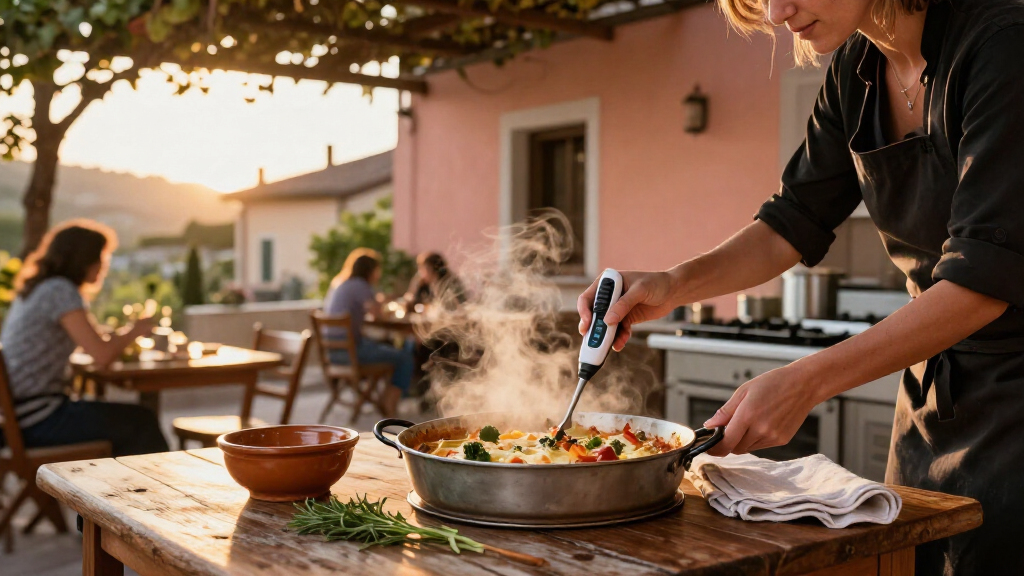
A make-ahead centerpiece gives you more time with your friends, but it still needs safe cooling, storage, and reheating. Soups, bean dishes, sauces, and braises often taste richer after a night in the refrigerator, which makes them useful choices for winter hosting. That flavor benefit comes with a handling step: a large, deep pot holds heat for a long time, so the center can remain warm even when the outside feels cool. Divide the food promptly instead of letting it sit out for hours.
For instance, cook a lentil stew the day before, then divide it into shallow containers so it cools faster. Refrigerate perishable food within two hours of cooking, and keep the refrigerator at or below 40°F (4°C). Reheat leftovers to 165°F (74°C); a thermometer is more reliable than guessing from a few bubbles at the edge of the pot. Shallow portions also make reheating more even, while storing everything in one large pot can leave cold spots and take longer.
Keep hot dishes hot and cold dishes cold while guests serve themselves. If a platter of cheese or bean spread sits out, bring out a smaller portion and replenish it from the refrigerator rather than leaving everything on the table all evening. This takes a little more attention, but limits the time perishable food spends at room temperature and avoids wasting a full platter if it is not needed. Use clean serving utensils, especially when guests share a buffet.
The kitchen should feel busy in the pleasant way: a low simmer, bread warming, and a pan giving a soft sizzle. You can finish greens or reheat polenta while the main rests, but do not plan a dish that needs minute-by-minute attention. The tradeoff is straightforward: a dish that reheats well may be less dramatic than something cooked to order, but it gives you more time with guests and a simpler service. When the centerpiece is ready early and safely stored, the evening can unfold around your guests instead of the oven timer.
Serve drinks and dessert that fit the meal
A local food deserves drinks and dessert that complement the meal without making either one mandatory. Put water on the table first, then offer a small choice of wine or nonalcoholic drinks. A dry red can suit a rich stew, while sparkling water or a bitter citrus soda can refresh the palate after creamy polenta. The aim is balance and choice, not a precise pairing: a lighter drink can make a rich meal feel less heavy, while a full-bodied choice can hold its own beside a slow-cooked main.
Keep alcohol for adults, serve responsibly, and make a nonalcoholic option feel like part of the plan rather than an afterthought. For example, set out chilled sparkling water with orange slices beside a modest bottle of wine. Guests can choose what suits them, and nobody needs a pairing lecture to enjoy dinner. Offering both from the start makes the table welcoming to people who do not drink, without making them explain their choice.
Dessert can be simple and seasonal. A citrus cake brings a bright aroma to the table after beans or braised meat; poached pears offer something softer and less rich. Biscotti with coffee is useful if guests want a small final bite instead of another full course. Think of dessert as the meal’s landing: a lighter finish can help after a substantial main, while cake makes sense if you want a more celebratory ending. If you bake with nuts, eggs, milk, or wheat, label those ingredients clearly.
Think about pacing as much as the menu. Let guests linger after the main course before bringing out dessert, and serve coffee when people are ready. That pause gives people time to finish talking and decide whether they want another course, rather than making the evening feel like a schedule. You do not need a grand finale. A plate of biscotti passed around while the last coffee steams can feel like the most natural end to a long winter meal.
Frequently Asked Questions
What does “sagra” mean?
A sagra is a local public festival, often centered on a food, harvest, town, or patron saint. A dinner at home can take inspiration from its communal spirit, but it is not the same as attending a village festival.
What should I cook for an Italian winter dinner?
Start with a seasonal centerpiece that you can prepare ahead, such as a bean soup, lentil stew, braise, or soft polenta with mushrooms. Add bread, one or two vegetable sides, and a modest dessert such as citrus cake or poached fruit.
How much food should I make for a group?
Plan one main dish, a few accompaniments, bread, a small starter, and dessert, then adjust for your guest count and whether anyone is bringing food. A large soup or stew with sides can be more satisfying than a long sequence of small courses.
Can I make the menu vegetarian or vegan?
Yes. Beans, lentils, vegetables, pasta, and polenta can form a hearty meal. Check that stock, cheese, and spreads fit your guests’ needs; for a vegan version, choose plant-based stock and skip dairy or use a suitable alternative.
What can I prepare ahead?
Soups, braises, sauces, roasted vegetables, many antipasti, and some desserts can be made or partly prepared before guests arrive. Cool cooked food promptly in shallow containers, refrigerate it, and reheat leftovers to 165°F (74°C).
How do I keep the dinner regionally grounded?
Choose one place or dish as your starting point, then explain that influence plainly. A Tuscan-inspired bean soup or northern Italian polenta gives guests a real reference without suggesting that a mixed home menu represents one whole region.
Do I need decorations or formal courses?
No. A clear table, shared serving dishes, warm food, and a comfortable place to sit do the work. Family-style service and a relaxed pace capture the welcoming spirit better than elaborate decorations or a rigid course schedule.
Conclusion
Choose one regional inspiration, cook one dish that can wait patiently, and put it where your friends can reach it. A winter sagra at home is less about recreating a festival than making room for the same pleasures: seasonal food, shared plates, and time around the table.
Let the soup steam, pass the bread, and leave an empty chair close enough to pull in. That is the part your guests will remember.